How to Plan Your First Uganda National Park Safari

How to Plan Your First Uganda National Park Safari: Local Secrets Revealed – A Guide by Safari Vacations and Travel Services
Uganda, known as the “Pearl of Africa,” offers stunning landscapes and unique wildlife experiences. If you’re dreaming of going on a safari in Uganda, you’re about to embark on an exciting adventure that combines breathtaking scenery with incredible wildlife. This guide will help you understand how to plan your first Uganda national park safari, with tips and secrets from local experts at Safari Vacations and Travel Services based in Kabale, Uganda. Here are the local secrets and expert advice that will help you how to plan your first Uganda national park safari.
Understanding Uganda’s National Park System
Uganda is home to several national parks, each with its unique charm and wildlife. The country’s national parks are protected areas that help conserve Uganda’s rich biodiversity. They are safe havens for a variety of plant and animal species, including the famous mountain gorillas. Some well-known parks include:
- Bwindi Impenetrable National Park is known for its mountain gorillas and lush rainforest.
- Queen Elizabeth National Park is famous for its tree-climbing lions and diverse ecosystems.
- Murchison Falls National Park – Home to dramatic waterfalls and a variety of wildlife.
- Kibale National Park – Renowned for its chimpanzee tracking opportunities.
Each park offers a different experience, so it is important to choose one that suits your interests.
Overview of Major Game Parks in Uganda
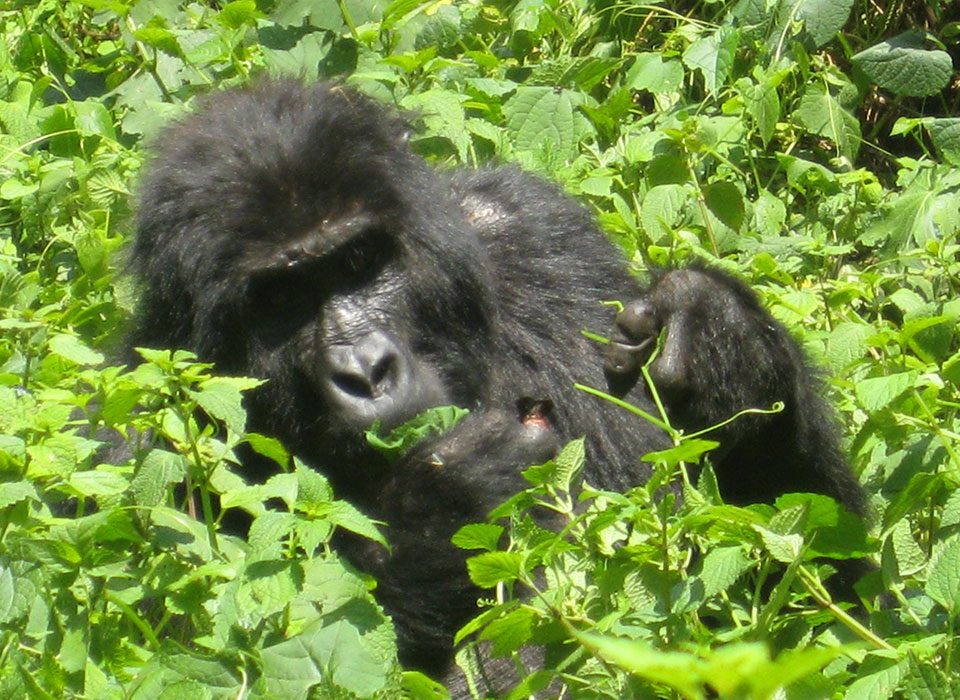
- Bwindi Impenetrable National Park: This park is a UNESCO World Heritage Site. It is famous for its mountain gorillas, which you can see up close with a trekking permit. The park is thick with vegetation and offers a range of trails.
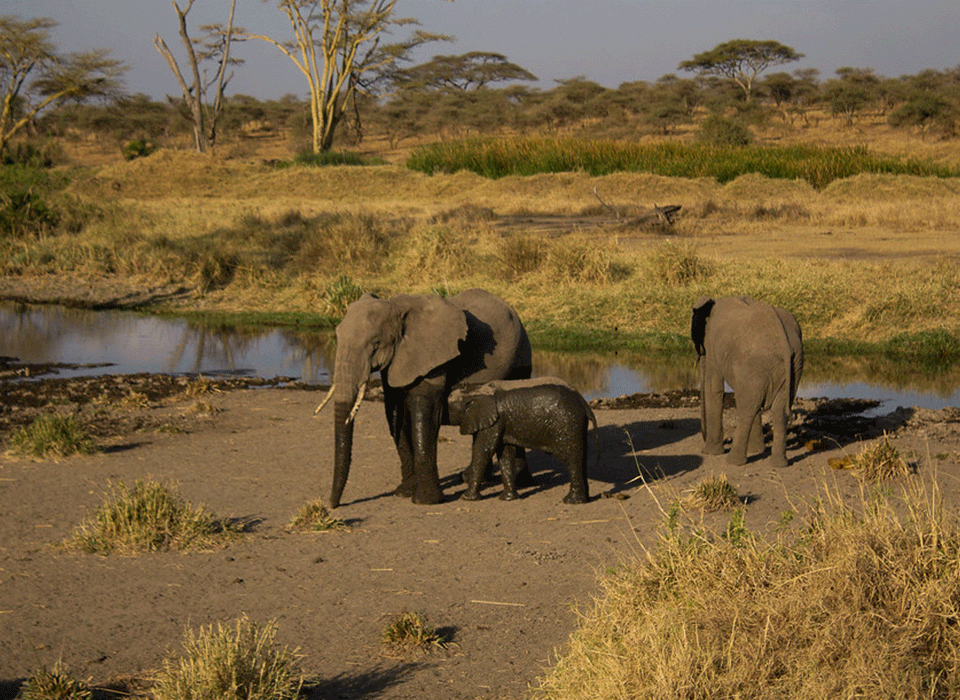
- Queen Elizabeth National Park: This is Uganda’s most popular park, known for its stunning views and diversity of animals, including elephants, hippos, and lions. You can also enjoy boat safaris on the Kazinga Channel.
- Murchison Falls National Park: This park is home to the spectacular Murchison Falls where the Nile River squeezes through a narrow gap. You will find elephants, giraffes, lions, and much more in this vast area.
- Kibale National Park: For those who love primates, Kibale is the place to be. It is home to over 1,400 chimpanzees and is one of the best places for chimpanzee tracking in the world.
Best Times to Visit Different Parks
Timing your visit is crucial for a successful safari experience. The best times to visit most national parks in Uganda are:
- Dry Season (June to August; December to February): This is ideal for wildlife viewing as the animals are more active and easier to spot. The weather is also more pleasant.
- Wet Season (March to May; September to November): While the parks may be greener and more beautiful, some areas can be muddy, making them difficult to navigate. However, this is an excellent time for birdwatching.
Park Fees and Permit Requirements
Each national park in Uganda has its entry fees, which help maintain the park and support conservation efforts. For example:
- Bwindi Impenetrable National Park: Gorilla trekking permits are required and must be booked in advance. They can be costly but are essential for tracking gorillas.
- Queen Elizabeth National Park: You will need to pay a general park fee, which allows you access to its various attractions.
Always check the latest fee details on the Uganda Wildlife Authority’s website or consult with Safari Vacations to avoid last-minute surprises.
Choosing Your Perfect Park Combination
If you have ample time during your visit to Uganda, consider combining visits to multiple national parks to enhance your wildlife experience. Here are some suggested itineraries that maximize your adventure:
3-Day Itinerary
- Day 1: Explore Queen Elizabeth National Park
- Enjoy game drives and take a boat cruise on the Kazinga Channel, famous for its high concentration of hippos and diverse birdlife.
- Day 2: Visit Murchison Falls National Park
- Experience the breathtaking Murchison Falls and go on a game drive to see the Big Five (excluding rhinos) and other wildlife.
- Day 3: Return to Kampala
- Use this day for travel back to the capital, allowing for stops at local markets or cultural sites along the way.
5-Day Itinerary
- Day 1: Arrive at Bwindi Impenetrable National Park
- Settle in and prepare for your gorilla trekking adventure.
- Day 2: Gorilla Trekking in Bwindi
- Spend a day trekking through lush forests to observe endangered mountain gorillas in their natural habitat.
- Day 3: Travel to Queen Elizabeth National Park
- Journey through scenic landscapes as you head to Queen Elizabeth for more wildlife encounters.
- Day 4: Game Drives in Queen Elizabeth
- Participate in morning and afternoon game drives, with opportunities to spot tree-climbing lions and various antelope species.
- Day 5: Departure
- Depending on your flight schedule, you may have time for additional activities or sightseeing before heading back to Kampala.
Additional Park Combinations
For those interested in more diverse experiences, consider these combinations:
- Rwenzori Mountains National Park & Bwindi Impenetrable National Park: Ideal for travelers who enjoy both hiking and gorilla trekking. Experience the stunning landscapes of the Rwenzori Mountains while also visiting the gorillas in Bwindi.
- Kibale National Park & Queen Elizabeth National Park: Perfect for primate enthusiasts. Kibale is renowned for its chimpanzee tracking, while Queen Elizabeth offers rich savannah wildlife viewing.
Important Planning Tips
- Route Planning: Carefully plan your route to minimize travel time between parks. Some parks are closer together than others, which can help maximize your wildlife viewing opportunities.
- Book in Advance: Popular parks like Bwindi often require booking for gorilla permits and accommodations, particularly during peak seasons.
Matching Parks to Your Wildlife Interests
What wildlife do you want to see on your safari?
- For gorillas: Bwindi Impenetrable National Park is the prime spot.
- For lions and elephants: Head to Queen Elizabeth National Park.
- For chimps: Kibale National Park is the best choice.
- For diverse wildlife and stunning landscapes: Explore Murchison Falls National Park.
Knowing what you want to see helps streamline your planning process.
Recommended Park Pairings for Different Durations
Based on different trip lengths, here are park combinations to enhance your experience:
1 Week (7 Days):
- Day 1-2: Bwindi Impenetrable National Park (gorilla trekking)
- Day 3-4: Queen Elizabeth National Park (game drives/boat cruise)
- Day 5-6: Murchison Falls (safari, view the falls)
- Day 7: Return to Kampala
Transportation Between Parks
Getting around Uganda can be a part of your adventure. You can travel by:
- Private Car: The best option for comfort and flexibility. Consider Safari Vacations and Travel Services for hiring a driver who knows the routes.
- Public Transport: Buses are available but can be less reliable and take longer.
- Domestic Flights: If you’re short on time, consider flying between some parks to save hours on the road.
Planning Your Safari Budget
Budgeting is vital to ensure you have a smooth journey. Here are some expenses to factor in:
Park Fees
- Park fees vary by location and activity. For example, gorilla trekking permits can be a significant cost, typically ranging from $600 to $700 per person.
2. Accommodation
- Accommodation prices in Uganda range widely:
- Budget Lodges/Hostels: Approximately $20 to $60 per night.
- Mid-range Hotels: Typically $60 to $150 per night.
- Luxury Lodges: Starting at $150 and can go much higher depending on the amenities.
3. Transportation
- If you are managing transportation yourself, consider the following:
- Rental Fees: Expect to pay between $50 to $200 per day, depending on the type of vehicle.
- Fuel Costs: Gasoline is available, but be prepared for remote areas where fuel stations may be scarce.
- If you choose a group safari, transportation costs are usually included in the package price.
4. Activities
- Additional fees may apply for various activities:
- Local Guides: Hiring a local guide can enhance your experience and typically costs between $30 to $100, depending on the duration and type of tour.
- Boat Trips and Special Excursions: Prices vary based on the specific activity.
Average Daily Budget
A good average budget for your safari can range from $200 to $400 per day, depending on your chosen activities and accommodation preferences. This estimate includes park fees, accommodation, meals, transportation, and activity costs.
Accommodation Options and Costs
Uganda offers a diverse range of accommodation options suitable for every budget:
- Budget Lodges/Hostels: $20 to $60 per night.
- Mid-range Hotels: $60 to $150 per night.
- Luxury Lodges: Starting at $150 per night and can significantly increase based on luxury levels.
Booking Recommendations
- It is highly recommended to book accommodations in advance, especially in popular areas such as Bwindi Impenetrable National Park, where gorilla trekking is a major attraction.
Transportation Expenses
If you opt for self-drive or hire a vehicle, budget for:
- Rental Fees: Between $50 to $200 per day based on vehicle type.
- Fuel Costs: Ensure you have enough fuel for remote areas; plan your routes accordingly.
Activity and Guide Fees
Engaging local guides can greatly enhance your safari experience. Here’s a breakdown of typical fees:
- Gorilla Trekking Permit: Approximately $600 to $700 per person.
- Guided Game Drives: Ranging from $30 to $100 depending on duration and vehicle type.
Essential Booking Steps
- Select Your Travel Dates: Choose when you want to visit based on the best times for wildlife viewing.
- Choose Your Parks: Based on your interests and the duration of your visit.
- Book Accommodation: Secure your stay as early as possible.
- Arrange for Transportation: Decide if you want to self-drive or hire a guide.
When to Book Different Components
- Flights: At least 2-3 months in advance.
- Gorilla Trekking Permits: These sell out quickly, especially in peak seasons, so book at least 6 months in advance.
- Accommodation: 2-3 months ahead during busy periods.
Required Documents and Permits
1. Valid Passport
- Your passport must be valid for at least six months beyond your date of arrival in Uganda. It should also be in good condition and not tampered with.
2. Visa
- A visa is mandatory for entry into Uganda. You can obtain a tourist visa online or on arrival, costing approximately $50 and valid for up to 30 days.
- For those planning to visit multiple East African countries, an East African Tourist Visa is available for $70, allowing travel across Uganda, Kenya, and Rwanda for up to 30 days.
3. Gorilla Trekking Permit
- If you plan to go gorilla trekking, a gorilla trekking permit is required. This permit allows access to specific national parks where gorillas are located and must be obtained in advance through the Uganda Wildlife Authority or a reputable tour operator.
4. Yellow Fever Vaccination Certificate
- A certificate proving vaccination against yellow fever is required upon entry into Uganda. This certificate must be presented along with your visa application and at immigration control.
5. Additional Documentation (if applicable)
- Depending on your travel purpose (business, study, family visit), additional documents may be required:
- Business Visa: Invitation letter from the host in Uganda.
- Study Visa: Admission letter from an educational institution.
- Family Visit: Invitation letter from the family member residing in Uganda.
Important Notes
- Always check the latest guidelines from the Uganda Wildlife Authority or your tour operator for any updates regarding permits and requirements.
- Ensure all documents are prepared in English and that you have photocopies of important documents like your passport and vaccination certificate.
Choosing a Reliable Tour Operator
Finding the right tour operator is key to a successful trip. Look for:
- Experience: A company with local insight and knowledge of the parks.
- Reviews: Check online for feedback from previous travelers.
- Flexibility: Choose a company that can customize your tour to suit your interests.
Safari Vacations and Travel Services are well-known for their excellent service and local expertise.
Local Tips for Safari Success
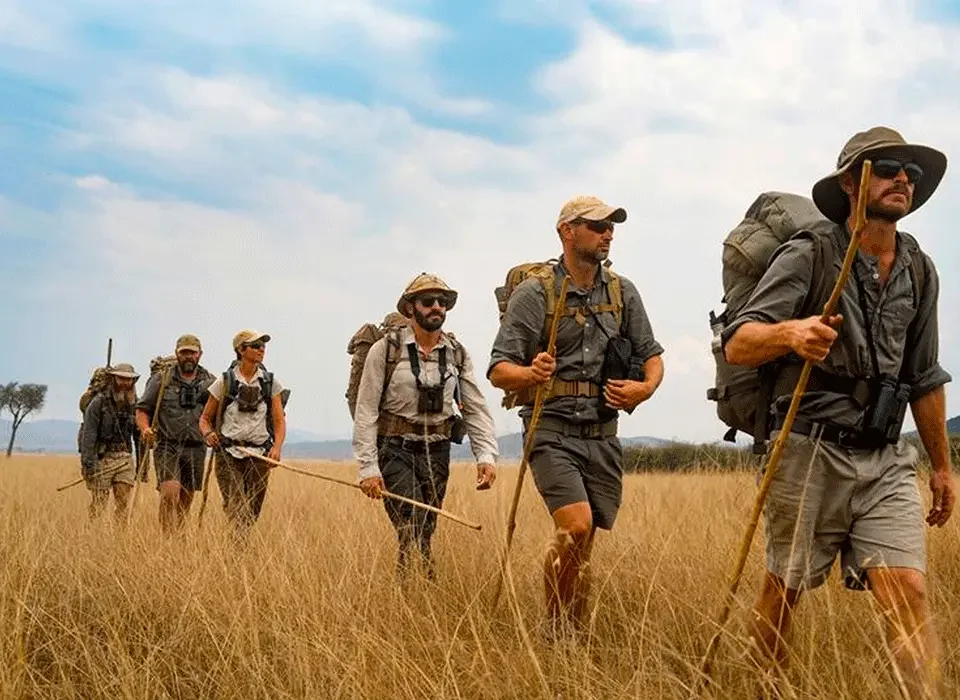
- Best Times for Wildlife Viewing: Early mornings and late afternoons are usually the best times to spot wildlife.
- Photography Tips from Local Guides: Consider bringing a zoom lens, and don’t flash, as sudden light can scare animals away.
- Cultural Etiquette in Parks: Always follow the park rules, maintain a safe distance from wildlife, and respect local cultures by asking permission before taking photos of people.
Packing and Preparation
Preparing for your safari is essential for an enjoyable experience. Here’s what to bring:
Essential Safari Gear:
- Binoculars for wildlife watching.
- A good camera with extra batteries and memory cards.
- Lightweight, quick-dry clothes in neutral colors for blending in.
Health and Safety Preparations:
- Consult your doctor about vaccinations and anti-malaria medication.
- Bring a small first-aid kit with essentials.
Communication and Money Matters:
- Keep emergency contacts handy.
- Ensure you have local currency (Ugandan shillings) for small purchases and tips.
Conclusion
Planning your first Ugandan safari can be exciting and overwhelming. With the right information and local secrets from Safari Vacations and Travel Services, you can have an adventure of a lifetime. By understanding Uganda’s national parks, knowing when and how to visit, budgeting wisely, and preparing thoroughly, you will be well on your way to creating unforgettable memories in this stunning part of the world. Happy traveling!