8 Day Best of Tanzania Safari

8 Day Best of Tanzania Safari: Tanzania is Africa’s top safari spot. Here, you’ll see more wildlife than almost anywhere else on Earth. Safari Vacations and Travel Services creates trips that show you Tanzania’s amazing nature. This 8-day journey takes you from the Serengeti’s wide plains to Ngorongoro Crater’s wildlife haven.
Why Pick Tanzania for Your Safari
Tanzania has more wildlife than most places in Africa. In fact, it has Earth’s biggest groups of large animals. First, you’ll see huge elephant herds in Tarangire. Then, you’ll watch the great wildebeest migration in the Serengeti. Each day brings new thrills.
What’s more, Tanzania protects its animals well. Tourism helps both wildlife and local people. Plus, the country is safe and easy to visit. This makes it perfect for first-time safari goers and expert travelers alike.
Your 8 Day Journey
Day 1: You Arrive in Arusha
Your trip starts at Kilimanjaro International Airport. Our team meets you there and drives you to Arusha. This takes about one hour. Arusha sits at the foot of Mount Meru and serves as Tanzania’s safari capital.
After you arrive, you can explore local markets. Here, you’ll find beautiful Maasai beadwork and crafts. Or, you can simply relax at your hotel. Later, your guide meets with you. He explains the trip plan, how to watch wildlife safely, and key rules to follow.
Day 2: Tarangire National Park
After breakfast, we head to Tarangire National Park. The drive takes two hours through rural areas and small villages. The park covers 2,850 square kilometers. It takes its name from the river that flows through it. During the dry season (June to October), this river draws huge numbers of animals.
The land here has riverine forests, acacia woods, and ancient baobab trees. Tarangire hosts one of Africa’s largest elephant groups. Sometimes, herds grow to more than 300 elephants. You’ll watch mothers care for their babies. You’ll also see whole families gather at water holes.
Beyond elephants, you’ll spot buffalo, giraffe, zebra, and many antelope types. Predators roam here, too. Look for lions, leopards, cheetahs, and hyenas. Meanwhile, bird lovers will enjoy over 550 bird species. This makes Tarangire one of Tanzania’s best birding spots.
At lunch, we stop for a picnic among the baobabs. Then, afternoon drives take you to different parts of the park.
Day 3: Lake Manyara National Park
Next, we visit Lake Manyara National Park. It sits along the Great Rift Valley’s western wall. Dramatic cliffs rise 600 meters above the valley floor. Though small at 330 square kilometers, the park holds many different habitats. These include groundwater forest, acacia woods, grasslands, swamps, and the lake itself.
First, you enter through a lush forest. Giant fig and mahogany trees grow here. Blue monkeys and baboons live in these trees. Lake Manyara became famous for its tree-climbing lions. However, seeing them takes patience and luck.
The park also offers great predator viewing. At the hippo pools, you’ll see these huge animals rest during the day. During certain times, thousands of lesser flamingos turn the water pink. Hundreds of other waterbirds also live in the wetlands. On the plains, buffalo herds, zebras, and wildebeest graze peacefully.
Late in the afternoon, we climb the escarpment road to Karatu. Along the way, you’ll enjoy stunning Rift Valley views.
Day 4: Journey to Serengeti National Park
Now, we travel through the Ngorongoro Conservation Area to the famous Serengeti. First, we stop at the Ngorongoro Crater viewpoint. From here, the massive crater spreads below you in a breathtaking view. Then, we continue through the highlands. Here, Maasai herders graze
At the same time, their livestock live alongside wild animals. As a result, this shows a unique balance between conservation and community life.
Meanwhile, the Serengeti covers about 30,000 square kilometers. In fact, the name “Serengeti” comes from the Maasai word siringet, which means “endless plains.” To begin with, we enter through Naabi Hill Gate. From here, grasslands dotted with granite kopjes stretch as far as you can see. Notably, these ancient rock formations give lions places to rest.
They also provide shelter for other wildlife.
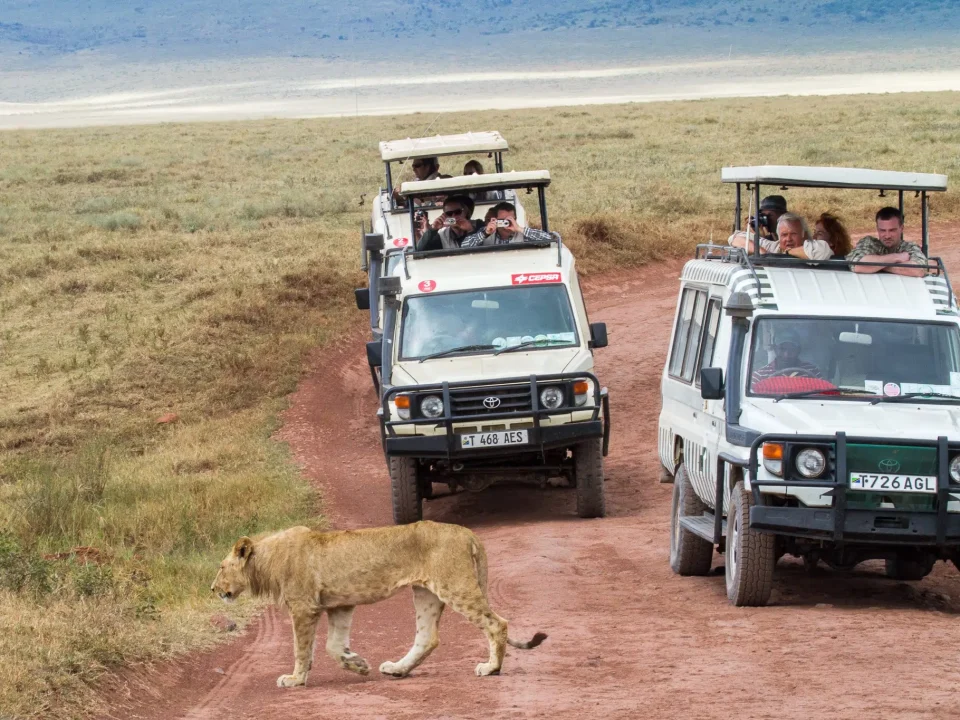
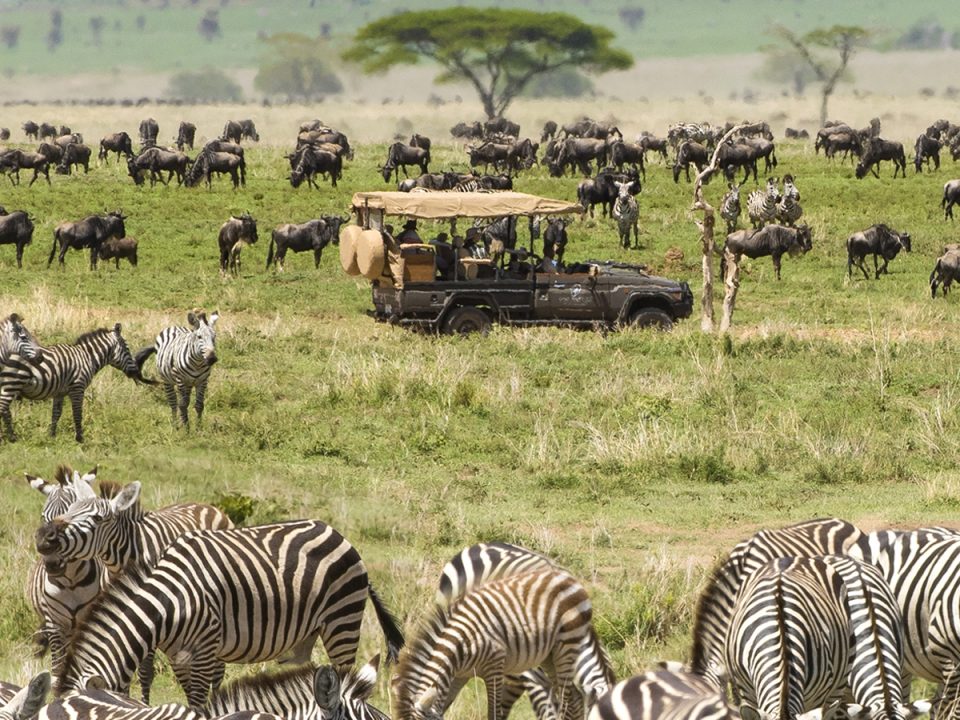
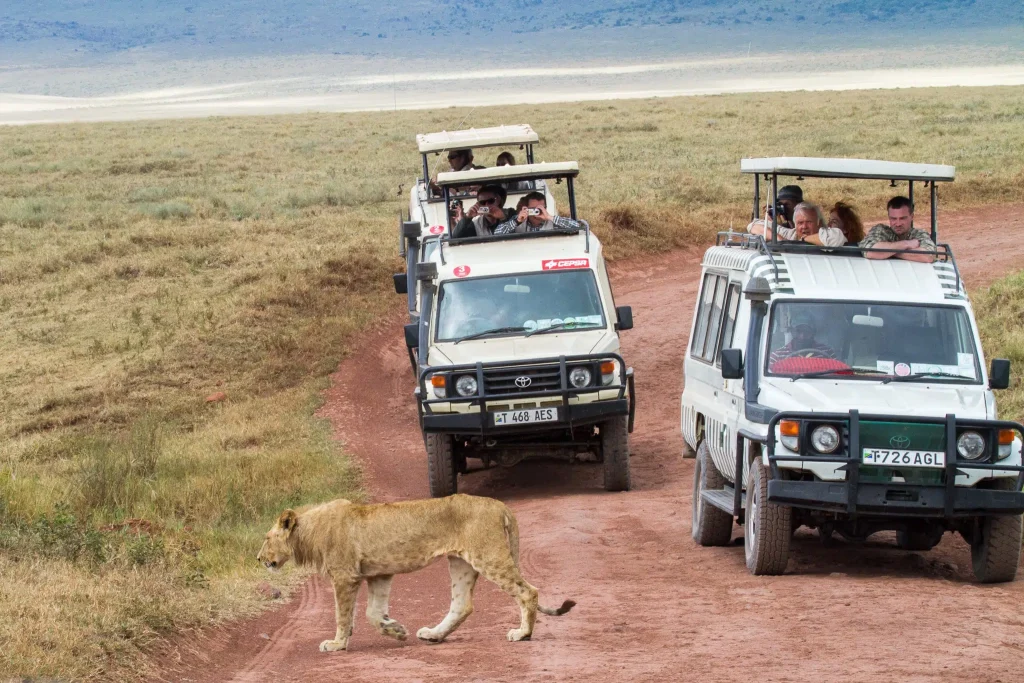
Your game drives begin right away. Wildlife lives throughout this amazing place. Elephants, giraffes, buffalo, and antelopes stay here year-round. Meanwhile, predators patrol the plains constantly. You’ll see lions, leopards, cheetahs, and hyenas hunting and resting.
Day 5: Full Day in the Serengeti
You wake before dawn for early morning drives. At this time, animals are most active. Also, the light creates perfect photo conditions. African sunrise over the Serengeti is one of the continent’s most beautiful sights. Golden light slowly spreads across the plains.
Your guide knows the area well. He talks on the radio with other guides. This helps us find the best wildlife viewing. At the same time, we always respect the animals and follow ethical rules.
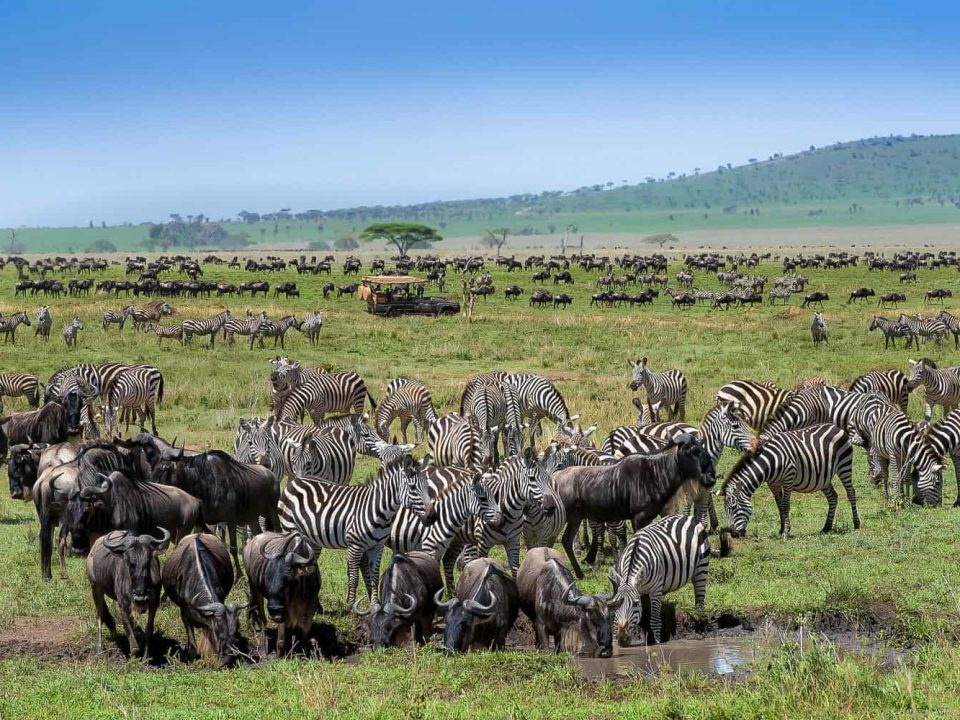
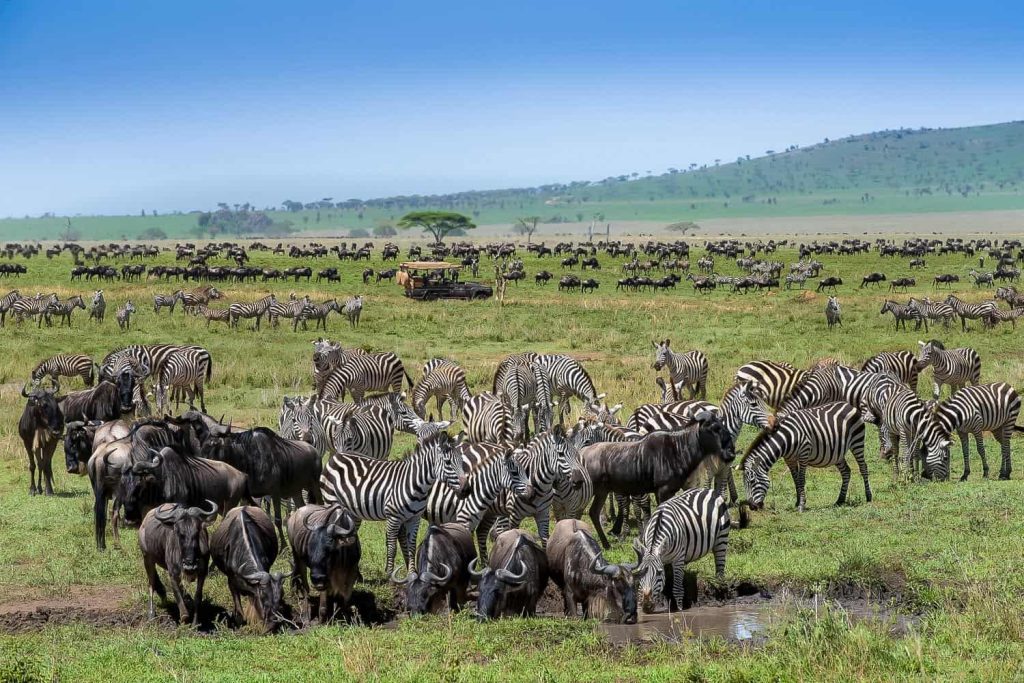
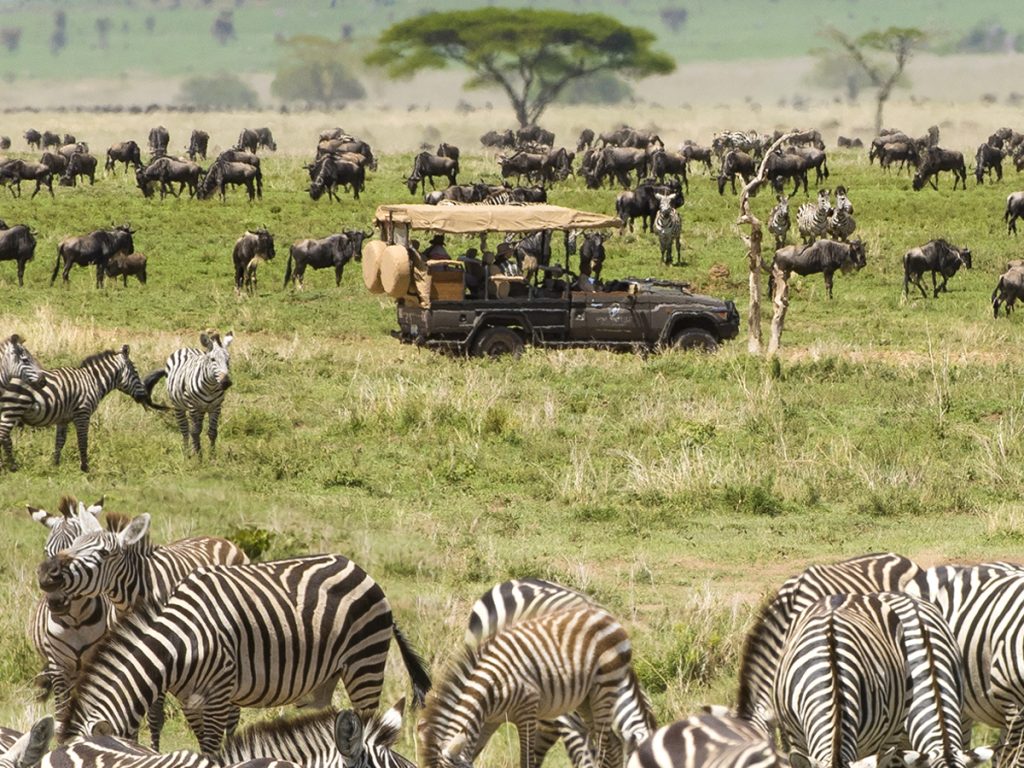
If the timing is right, you’ll see the Great Migration. More than 1.5 million wildebeest, 400,000 zebras, and 300,000 Thomson’s gazelles travel in a huge circle. They follow the rain and fresh grass. From January to March, the herds gather on the southern plains. Here, about 8,000 calves are born each day. Then, from July to October, they cross the dangerous Mara River into Kenya’s Maasai Mara.
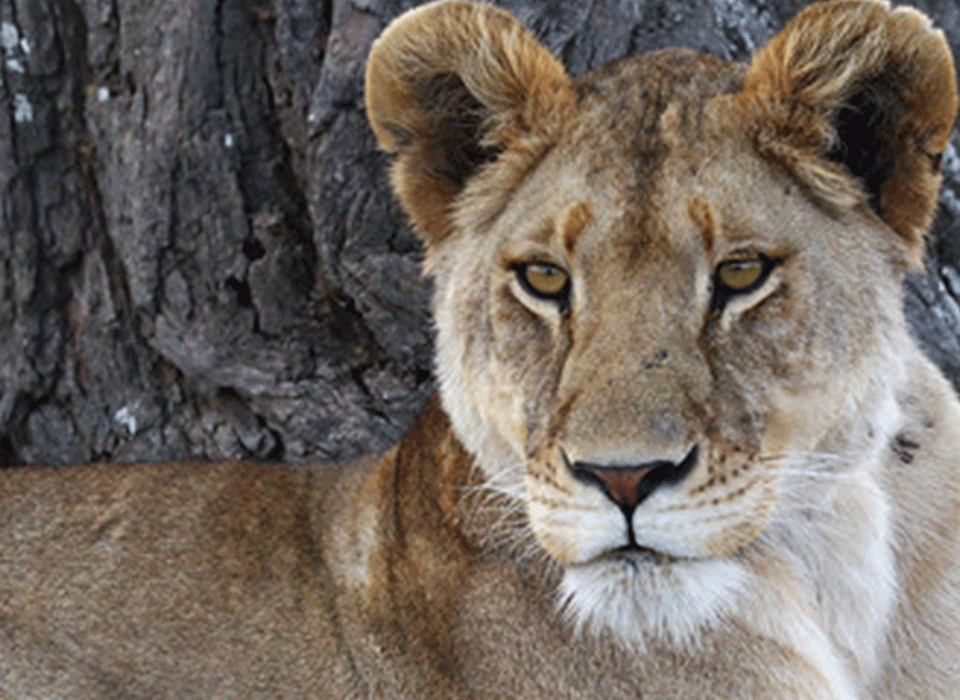
Even outside migration season, the Serengeti teems with life. The park has 3,000 lions. This makes it one of Africa’s most important lion homes. You’ll see prides resting in the shade. Leopards lounge in trees. Cheetahs hunt fast gazelles across open grasslands.
After a picnic lunch, afternoon drives take you to new areas. Finally, you return to your lodge for the night.
Day 6: Serengeti to Ngorongoro
We start with one last morning drive in the Serengeti. This gives you more chances to see wildlife. The perfect morning light makes great photos. Your guide looks for species or behaviors you haven’t seen yet.
After breakfast, we journey back to Ngorongoro Conservation Area. Along the way, we keep watching for animals. As we get closer, the land becomes greener and more hilly. The crater rim sits at about 2,400 meters high. Because of this, the air feels noticeably cooler.
Your lodge sits right on the rim. It offers stunning views of the crater below. The Ngorongoro Crater formed 2.5 million years ago. A massive volcano collapsed after it erupted. The crater now measures 20 kilometers across and covers 260 square kilometers. It’s the world’s largest intact volcanic crater. Because water stays here year-round, animals rarely leave. This creates very high wildlife numbers.
Day 7: Full Day in Ngorongoro Crater
Early in the morning, we descend into the crater. As we go, the steep, winding road slowly reveals incredible views. Notably, the crater holds about 25,000 large mammals. As a result, this makes it one of Africa’s densest wildlife areas.
For example, Lake Magadi draws large flamingo groups. Meanwhile, the Lerai Forest gives elephants with very large tusks a safe home. In addition, the crater also has Africa’s densest predator numbers. Here, you’ll see many lion prides. Likewise, spotted hyena clans live here with complex social groups. At the same time, cheetahs patrol the grasslands too.
Furthermore, about 30 critically endangered black rhinos live here. Notably, special patrols protect them from poachers. Beyond the Big Five, you’ll encounter wildebeest, zebras, gazelles, elands, and many other species. Finally, over 500 bird species have been recorded here.
At lunch, we picnic beside the hippo pool. Then, afternoon drives explore different parts of the crater. Late in the afternoon, we climb back to the rim. Finally, we transfer to your lodge in Karatu for your last night.
Day 8: Return and Departure
You enjoy a relaxed morning before we drive to Arusha. This takes 2 to 3 hours. Depending on your flight time, you can visit local coffee farms or markets. Safari Vacations and Travel Services makes sure you reach Kilimanjaro International Airport on time. You leave carrying memories of amazing wildlife and stunning landscapes.
Best Time to Visit
Tanzania offers great safaris all year round. However, each season has its perks.
The dry season (June to October) gives you the best game viewing. Animals gather around water sources. From July to October, you can watch dramatic Mara River crossings.
On the other hand, the wet season brings lower prices and fewer tourists. The landscapes turn lush and green. From January to March, the southern Serengeti has its calving season. This brings intense predator and prey action. Also, bird lovers prefer the wet season. Migratory birds arrive from Europe and Asia.
What to Pack
Bring light, neutral-colored clothes in khaki, beige, or olive. Layer your clothing for different temperatures. You’ll also need:
- Sturdy walking shoes
- Sun hat and sunglasses
- High-SPF sunscreen
- Insect repellent
- Camera with extra batteries and memory cards
- Binoculars for better wildlife viewing
Safari Vacations and Travel Services sends you a full packing list before you leave.
Your Trip Helps Conservation
Your safari directly supports important conservation work. For example, national park fees fund park management, anti-poaching patrols, and habitat repair. In fact, Tanzania now protects about 38% of its land.
Moreover, tourism money creates strong reasons to protect wildlife. At the same time, it helps local communities. As a result, people get jobs, share in the revenue, and benefit from development projects. Notably, Safari Vacations and Travel Services only works with partners who truly care about communities and the environment.
Why Choose Safari Vacations and Travel Services
Our team combines deep local knowledge, wildlife skills, and real passion for Tanzania’s nature. We train our guides carefully. This ensures they lead you safely and teach you well.
We create custom trips that match your interests, fitness level, and budget. Our small groups mean you get personal attention. We can also change plans based on where animals are moving. Sustainability and ethics guide everything we do. We support conservation projects and pick partners who care about the environment.
Your Adventure Awaits
The 8 Day Best of Tanzania Safari is one of travel’s most rewarding trips. In fact, this journey through famous national parks shows you ecological variety and conservation success. Notably, Safari Vacations and Travel Services invite you on this adventure. Moreover, every day brings discoveries. As a result, every encounter shows why we must protect our planet’s wild places for future generations.
Contact us today to learn more about this 8 Day Best of Tanzania Safari.