Uganda’s Wildlife and Biodiversity Beyond Gorillas

Exploring Uganda’s Wildlife and Biodiversity Beyond Gorillas
Safari Vacations and Travel Services Limited is committed to exploring Uganda’s wildlife and biodiversity beyond the iconic mountain gorillas. While gorilla trekking is undoubtedly a major draw for visitors, Uganda offers an astonishing array of other wildlife experiences and natural wonders that deserve attention. In this blog, we’ll explore some of the remarkable species and ecosystems that make Uganda a premier safari destination.
The Albertine Rift: A Biodiversity Hotspot
Uganda is part of the Albertine Rift, a region recognized as one of the most biodiverse areas in Africa. This area harbors more species of vertebrates than any other region on the continent, including over half of Africa’s bird species and nearly 40% of its mammal species. The Albertine Rift is home to numerous endemic species, making it a critical area for conservation efforts.
The Albertine Rift is a true biodiversity gem, home to an incredible array of species found nowhere else on Earth. Protecting this region’s natural heritage is a global priority, requiring a concerted effort from governments, conservation organizations, and local communities alike. By supporting sustainable tourism and conservation initiatives in the Albertine Rift, visitors can play a vital role in safeguarding its unique biodiversity for generations to come.
Primates Beyond Gorillas
While mountain gorillas are undoubtedly the main primate attraction, Uganda is home to several other fascinating primate species. Chimpanzees can be tracked in Kibale National Park, where visitors can observe these intelligent apes in their natural habitat. Other primates, such as the black-and-white colobus monkey and the red-tailed monkey, can be spotted in various forests throughout the country.
Chimpanzee Trekking in Kibale National Park
Kibale National Park, located in western Uganda, is renowned as one of the best places in Africa to track chimpanzees. With a population of over 1,500 individuals, Kibale is home to the highest density of chimpanzees on the continent. Visitors can trek through the lush, tropical forests in search of these intelligent apes, observing their complex social interactions and tool-use behaviors up close.
Colobus Monkeys

colobus monkey
Several species of colobus monkeys can be spotted in Uganda’s forests, including the black-and-white colobus and the Ugandan red colobus. These striking primates are known for their long, silky fur and distinctive coloration. While not as well-known as gorillas or chimpanzees, colobus monkeys are a delight to observe as they leap gracefully through the trees.
Lesser-known wildlife species in Uganda beyond gorillas
Chimpanzees

chimpanzee
Uganda has a significant population of chimpanzees, our closest living relatives. Kibale National Park is considered one of the best places in Africa to track these intelligent apes, with over 1,500 individuals living there. Visitors can observe chimpanzees in their natural habitat, witnessing their complex social interactions and tool-use behaviors.
Tree-Climbing Lions
Tree climbing lions
Queen Elizabeth National Park is famous for its tree-climbing lions, whose males sport distinctive black manes. Seeing these large cats lounging in the branches is a unique and memorable experience. The Ishasha sector of the park is the best place to spot these unusual lions.
Shoebill Storks

shoebill
One of Uganda’s most sought-after bird species, the shoebill stork is a large, prehistoric-looking bird found in the marshes and swamps of the country. Mabamba Swamp, near Entebbe, is one of the best places to spot these enigmatic birds.
Nile Crocodiles
crocodile
The Nile River and its tributaries are home to healthy populations of Nile crocodiles. While not as famous as their larger cousins in southern Africa, these reptiles can grow up to 5 meters long and are an impressive sight basking on the riverbanks.
Butterflies

butterflies
Uganda is home to over 1,200 species of butterflies, many of them endemic to the Albertine Rift region. The forests of Bwindi Impenetrable National Park are particularly rich in butterfly diversity, with species like the forest swallowtail and the blue mountain swallowtail
Conservation Efforts of Uganda’s wildlife
Uganda’s wildlife faces numerous challenges, including habitat loss, poaching, and human-wildlife conflict. However, concerted conservation efforts are underway to protect these species and their habitats. National parks and wildlife reserves play a crucial role in safeguarding biodiversity, while community-based conservation initiatives engage local populations in sustainable practices.
- Community Involvement: Many conservation programs in Uganda focus on involving local communities in wildlife protection. By providing economic incentives through tourism, communities are encouraged to protect wildlife rather than exploit it.
- Anti-Poaching Initiatives: Anti-poaching efforts are critical to safeguarding Uganda’s wildlife. These initiatives often involve training rangers, employing modern technology, and raising awareness about the importance of conservation.
- Habitat Restoration: Efforts to restore and protect habitats are essential for the survival of many species. This includes reforestation projects and the protection of wetlands, which are vital for both wildlife and local communities.
The Big Five and Beyond
Uganda is renowned for its stunning landscapes and rich biodiversity, which includes a remarkable array of large mammals, commonly referred to as the Big Five: lions, leopards, elephants, buffalo, and rhinoceros. While rhinos are currently extinct in the wild in Uganda, conservation efforts are underway to reintroduce them. Beyond these iconic species, Uganda offers a wealth of wildlife experiences that highlight its ecological diversity and the importance of conservation.
The Big Five in Uganda
Lions:

lions
Uganda’s lion population has shown resilience and recovery in recent years, particularly in Queen Elizabeth National Park, where visitors can spot both the famous tree-climbing lions and the more typical ground-dwelling lions. These majestic predators are an essential part of the ecosystem, helping to maintain the balance of herbivore populations.
Leopards:

leopard
Known for their elusive nature, leopards are more challenging to spot than other big cats. However, they can be found in various habitats throughout Uganda, including savannahs and forests. Their solitary and nocturnal habits make sightings rare but rewarding for those lucky enough to encounter them.
African Elephants:
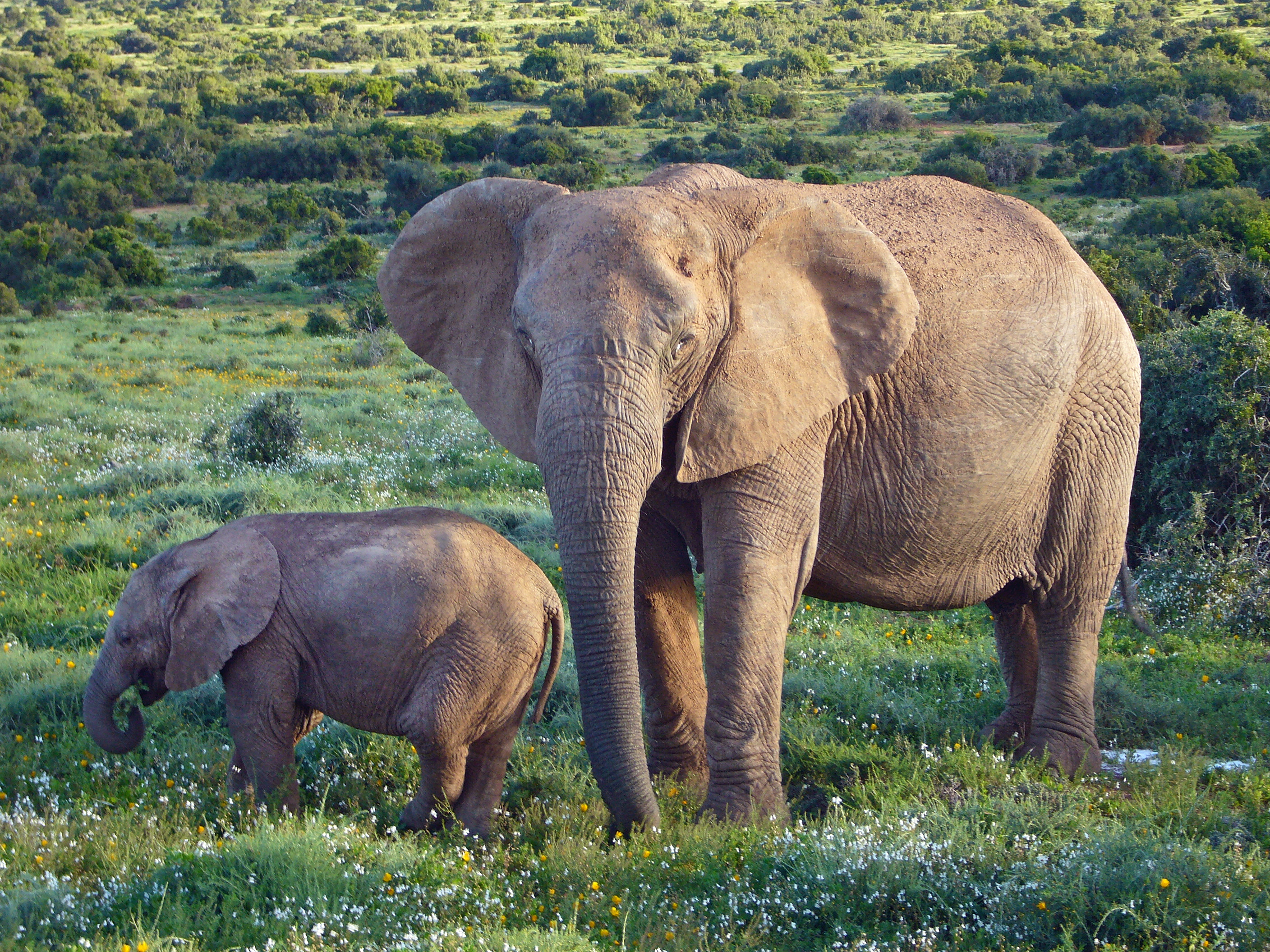
African Elephants
Elephants are among the most iconic wildlife species in Uganda. They can be seen in several national parks, including Murchison Falls and Queen Elizabeth National Park. These gentle giants play a crucial role in their ecosystems, helping to shape the landscape by uprooting trees and creating pathways for other animals.
Cape Buffalo:
cape buffalo
The Cape buffalo is a common sight in Uganda’s savannahs and wetlands. Known for their strong herd instincts, these animals are often seen grazing in large groups. While they are not currently under significant threat, they face challenges from habitat loss and poaching.
Rhinoceros:

Rhinoceros
Although the northern white rhino is functionally extinct in the wild, conservation efforts at the Ziwa Rhino Sanctuary are crucial for the species’ survival. This sanctuary provides a haven for rhinos and is part of a broader initiative to reintroduce them into their natural habitats in Uganda.
Beyond the Big Five: Uganda’s Lesser-Known Wildlife
While the Big Five are a significant draw for tourists, Uganda’s wildlife diversity extends far beyond these iconic species. Here are some lesser-known but equally fascinating animals to look out for:
- African Wild Dogs: Known for their social structure and cooperative hunting techniques, African wild dogs are one of the most endangered carnivores in Africa. They can be spotted in areas like Murchison Falls National Park.
- Patas Monkeys: These unique monkeys are known for their incredible speed and are often found in open savannah areas. Their distinctive red fur and long legs make them a fascinating sight.
- Giant Forest Hog: The largest wild pig species in Africa, the giant forest hog is primarily found in the forests of Uganda. They are elusive and often seen in small family groups.
Avian Wonders
Uganda is a birdwatcher’s paradise, with over 1,000 species recorded, representing more than half of Africa’s total bird species. The country is home to several endemic and near-endemic species, such as Shelley’s crimson wing and the Grauer’s broadbill. Birding hotspots include Mabira Forest, Bwindi Impenetrable National Park, and the Rwenzori Mountains.
Aquatic Ecosystems
Uganda’s diverse aquatic ecosystems, including lakes, rivers, and wetlands, support a wealth of biodiversity. Lake Victoria, shared by Uganda, Kenya, and Tanzania, is home to over 600 species of cichlid fish, many of which are endemic. The Nile River and its tributaries are also important habitats for fish and other aquatic species.
Threats to Biodiversity
While Uganda’s biodiversity is remarkable, it faces several threats, including habitat loss, poaching, and climate change. Deforestation, particularly in tropical high forests and woodlands, is a significant concern, with forests and woodlands now covering only 24% of the country’s total land area. Wetlands, which originally occupied 13% of Uganda’s land surface, now cover only about 2%.
Uganda’s biodiversity compared to other African countries
Uganda’s wildlife and biodiversity is exceptionally high compared to other African countries, especially considering its relatively small size. Here are some key points:
- Despite covering just 241,551 km2 (0.18% of the world’s land surface), Uganda harbors a remarkable 4.6% of the world’s dragonflies, 6.8% of the butterflies, 7.5% of the mammals, and 10.2% of the bird species.
- Uganda has more species of primates than anywhere else on Earth in a similar area. Kibale National Park alone, with an area of just 760 km2, has 12 species of primates.
- The Albertine Rift region in western Uganda boasts more threatened and endemic vertebrates than any other area on the African continent.
- Uganda is home to over 1,020 bird species, more than half of Africa’s total of 2,000 bird species. This includes about 10% of the world’s total bird species.
- Other species diversity is also very high, with 345 mammal species, 142 reptile species, 86 amphibian species, 501 fish species, 1,242 butterfly species, and 4,500 higher plant species.
- In just two Ugandan forests, Bwindi Impenetrable and Kibale National Parks, scientists have recorded 173 species of polypore fungi, accounting for 16% of the total species known from North America, Tropical Africa, and Europe.
This exceptional biodiversity is due to Uganda’s location at the convergence of seven of Africa’s distinct biogeographic regions, combined with its wide range of habitats from mountains to savannas to lakes and rivers. However, Uganda’s biodiversity faces threats from habitat loss, agricultural expansion, climate change, and other factors.
Uganda’s primate diversity compare to other countries
Uganda boasts an impressive array of primate species, making it one of Africa’s premier destinations for primate diversity and surpassing many other countries on the continent. Here’s a detailed comparison of Uganda’s primate diversity with other nations:
Primate Diversity in Uganda
- Species Richness:
Uganda is home to approximately 20 species of primates, including the iconic mountain gorillas, chimpanzees, and several lesser-known species such as the black-and-white colobus, red-tailed monkeys, and golden monkeys. Kibale National Park alone hosts 13 primate species, making it a hotspot for primate enthusiasts and researchers alike. - Mountain Gorillas:
Mountain gorillas inhabit only two countries in the world, with nearly half of the global population residing in Bwindi Impenetrable National Park and Mgahinga Gorilla National Park in Uganda. This unique opportunity for gorilla trekking significantly enhances Uganda’s appeal as a primate destination. - Chimpanzees:
Uganda has a substantial population of chimpanzees, estimated at around 5,000 individuals. The country’s chimpanzee trekking experiences, particularly in Kibale National Park, are among the best in Africa, allowing visitors to observe these intelligent primates in their natural habitat.
Comparison with Other African Countries
Rwanda:
Rwanda is another key player in primate tourism, particularly known for its mountain gorillas. However, it has fewer primate species overall compared to Uganda. While Rwanda offers gorilla trekking experiences similar to Uganda’s, it does not have the same diversity of primate species, with only about 13 primate species documented in the country.
Tanzania:
Tanzania boasts a rich variety of wildlife and is home to several primate species, including the famous yellow baboons and the rare red colobus monkeys found in the forests of Zanzibar. However, the total number of primate species is lower than Uganda’s, with around 15 species reported. The primate experiences in Tanzania often focus on different habitats, such as the Serengeti and Gombe Stream National Park, known for its chimpanzee populations.
Democratic Republic of the Congo (DRC):
The DRC is home to a vast number of primate species, including some unique and endemic species like the bonobo and the okapi. However, access to these species can be challenging due to political instability and logistical difficulties. While the DRC has a high species count, Uganda offers more accessible and diverse primate experiences for tourists.
West African Countries:
Countries like Ghana and Nigeria have notable primate populations, including the endangered Nigeria-Cameroon chimpanzee and various monkey species. However, these countries typically have fewer primate species compared to Uganda, and the opportunities for primate tourism are less developed.
In summary, Uganda stands out as a leader in primate diversity within Africa, offering unparalleled opportunities for observing a wide range of species in their natural habitats. With its unique combination of mountain gorillas, abundant chimpanzees, and various other primate species, Uganda provides a rich and rewarding experience for wildlife enthusiasts. The country’s proactive conservation efforts further solidify its status as a premier destination for primate tourism, making it a must-visit for anyone interested in these remarkable creatures.
Conservation Efforts and Sustainable Tourism
To address these threats, Uganda has established a network of national parks and wildlife reserves, covering approximately 11% of the country’s land area. Conservation efforts also involve engaging local communities in sustainable tourism initiatives, which provide economic benefits while promoting wildlife protection. By supporting responsible tourism practices, visitors can contribute to the preservation of Uganda’s natural heritage.
Conclusion
Uganda’s wildlife and biodiversity extend far beyond the iconic mountain gorillas, offering visitors a diverse array of experiences and opportunities to appreciate the country’s natural wonders. From the primate-rich forests of the Albertine Rift to the aquatic ecosystems teeming with endemic species, Uganda is a true gem for nature lovers and wildlife enthusiasts.