Uganda safari in May: 7 Ultimate, Amazing Planning Tips

Uganda safari in May: 7 Ultimate, Amazing Planning Tips
Uganda safari in May travel feels different from the high-season experience. Rain can make forests luminous, roads slippery, and skies dramatic, while quieter parks offer room to explore at a measured pace. This guide covers May safari weather, May gorilla trekking, the Uganda rainy season, and planning a wildlife safari in May with honest advice about what to book, what to pack, and when a different month might suit you better. May gorilla trekking benefits from a nearby overnight base. A Uganda safari in May benefits from having one flexible afternoon.
Is a Uganda safari in May a Good Idea?
Who Should Book a Uganda safari in May?
Travellers who enjoy specialist birding, landscape photography, and unhurried guiding are often comfortable with rainy conditions. By contrast, someone seeking easy walking and consistently firm roads may prefer a drier period. May safari weather is especially important for older visitors, families with young children, and anyone with limited mobility: the right safari plan may emphasize well-maintained lodges, vehicle game drives, and safe boat activities. The Uganda rainy season is not a reason to abandon the country; it is a reason to match activity difficulty to the people travelling. A wildlife safari in May can offer a rich variety of experiences without requiring a strenuous forest hike.
Before choosing dates, list your non-negotiables in priority order. For one person that might be mountain gorillas; for another it might be lions, elephants, or the possibility of a shoebill encounter. May gorilla trekking deserves extra discussion if you have concerns about joint pain, balance, or steep hills. The Uganda climate and weather vary significantly across regions, so a route that works well at one park may be a poor match at another. May safari weather is only one factor; road access, physical readiness, Accommodation location, and the quality of guiding matter just as much.
Budgeting also benefits from an honest comparison of total trip value. A low lodge price is less appealing if reaching that property requires hours on wet roads each day. The Uganda rainy season encourages choosing accommodation near the activities that matter most. May gorilla trekking works best when permit dates and meeting points guide the itinerary instead of being squeezed between long transfer days. A wildlife safari in May can also benefit from a second night in a park, creating an alternative game-drive window after heavy rain. Ask for a written itinerary with realistic transfer estimates, clear inclusions, and a backup activity for a particularly wet afternoon.

May is a thoughtful choice for travelers who prefer dramatic green landscapes to a perfectly predictable dry-weather holiday. A Uganda safari in May takes place during the long rains, so showers, wet roads, and changing schedules are realistic possibilities. Yet the country does not shut down. Ranger-led activities continue, safari lodges welcome guests, and the vegetation looks wonderfully fresh. The deciding question is whether your interests and physical comfort suit a wet-season journey. Guests who value photography, birds, flexible itineraries, and quieter public areas may enjoy May enormously. May gorilla trekking requires careful footing and realistic fitness expectations.
A May safari weather forecast is best treated as guidance rather than a promise for any individual day. Rainfall differs between the southwest highlands, Lake Victoria basin, western savannah, and northern districts. The Uganda rainy season can bring cloud and sunshine within the same morning, making a comfortable rain jacket and adaptable daily plan more useful than rigid expectations. A wildlife safari in May remains a genuine wildlife holiday, but dense vegetation can make some species harder to spot than during the drier months.
If you have limited mobility or dread slippery slopes, consider a more vehicle-based route or travel in a drier month. If you have traveled through rainforests before, May gorilla trekking can be memorable precisely because the forest feels alive and mysterious. It is wiser to choose the right activities than to assume every national park will offer the same conditions. An experienced local driver-guide can adjust departure times, road choices, and activity order as conditions change. May safari weather makes timing and packing decisions especially important. The Uganda rainy season rewards travelers who remain flexible.
May Weather in Uganda: What to Expect
Uganda sits near the equator, but elevation and geography shape the climate more than latitude alone. The Uganda rainy season associated with March through May affects many southern and western areas, while some northern locations have different rainfall patterns. Temperatures often remain comfortable by day, although highland mornings can feel chilly and wet. For May safari weather, think in terms of rain probability and trail condition rather than a single national average. Mountain forests are cooler than open savannah, and a lake breeze can change how warm a day feels. For broader context, Uganda weather and climate patterns depend on region and elevation. May safari weather affects both lighting and trail comfort.
Downpours are not necessarily continuous. In some areas a morning wildlife drive may have sunny intervals before rain builds later, but storms can arrive at any hour. A Uganda safari in May needs extra time for roads and unhurried transfers. Before leaving a lodge, ask your guide whether the route includes clay tracks, unbridged crossings, or sections that become difficult after heavy rain. A wildlife safari in May offers moody skies and rich colors, yet a photographer should still protect lenses and electronic equipment. May safari weather can shift quickly between highlands and plains.
When comparing May with April or June, avoid turning regional seasonal patterns into guarantees. A May safari weather outlook may improve toward the end of the month in some years while another year remains particularly wet. The Uganda rainy season also affects visibility: fresh grasses can conceal smaller animals, while flowering plants and insects encourage fascinating bird activity. Use a reliable forecast close to departure and keep enough flexibility for your guide to adapt the itinerary. May gorilla trekking benefits from a nearby overnight base. A wildlife safari in May rewards patience and attentive guiding.
Gorilla Trekking in May: Trails, Permits and Comfort
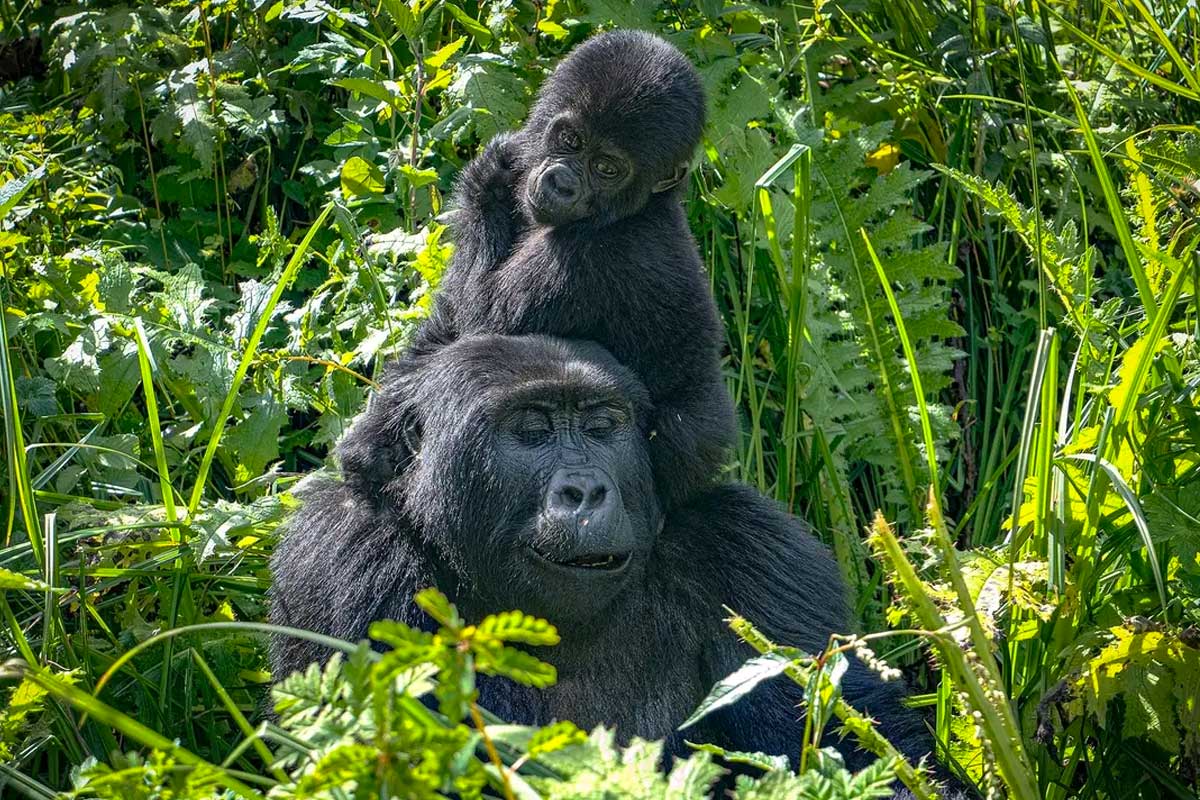
Gorilla tracking remains possible through much of the year in Bwindi Impenetrable Forest and Mgahinga, subject to park operations and valid permits. May gorilla trekking is physically more demanding when rain saturates steep forest trails and roots become slippery. A Uganda safari in May that includes gorillas should feature good footwear, gaiters or long trousers, gloves, and a waterproof layer. Hiring a porter is a practical decision, not a sign of weakness, particularly for carrying a daypack over steep and uneven ground. Mgahinga Gorilla National Park is another mountain-gorilla destination and should be assessed against your route. The weather conditions in Bwindi deserve special attention because altitude, forest cover, and slope affect comfort. May gorilla trekking requires careful footing and realistic fitness expectations. A Uganda safari in May needs planning around real road conditions.
A guide for gorilla trekking in rainy season can help set realistic expectations about mud, vegetation, and sudden showers. A Uganda rainy season trek does not mean gorillas are absent; it means reaching a habituated group may involve harder walking. Exact trek durations vary according to the gorillas’ movements and your group’s assigned location. May gorilla trekking should be scheduled with an overnight stay close to the assigned briefing point, rather than following an exhausting predawn journey across western Uganda. May gorilla trekking is easier with well-fitting waterproof equipment.
Arrange gorilla trekking permits before committing to nonrefundable lodges and flights. Fees, promotional conditions, and allocation rules can change, so verify current figures with the Uganda Wildlife Authority or a licensed operator. During May gorilla trekking, follow ranger guidance on minimum distances, illness restrictions, and photography. It is worth comparing the best time to trek mountain gorillas with your priorities: drier months may offer easier walking, while low-demand dates may appeal to travelers who accept tougher conditions. Before booking, confirm gorilla trekking permits are issued for the correct date and trekking sector. The Uganda rainy season rewards travelers who remain flexible.
Make Your Gorilla Trek Work in May
Share your travel dates, group size, preferred parks and budget level for a practical itinerary that accounts for changing conditions.
Request a Personalized Safari Plan
Email: info@ugandarwanda-safaris.com
Chimpanzees and Forest Walks in the Wet Season
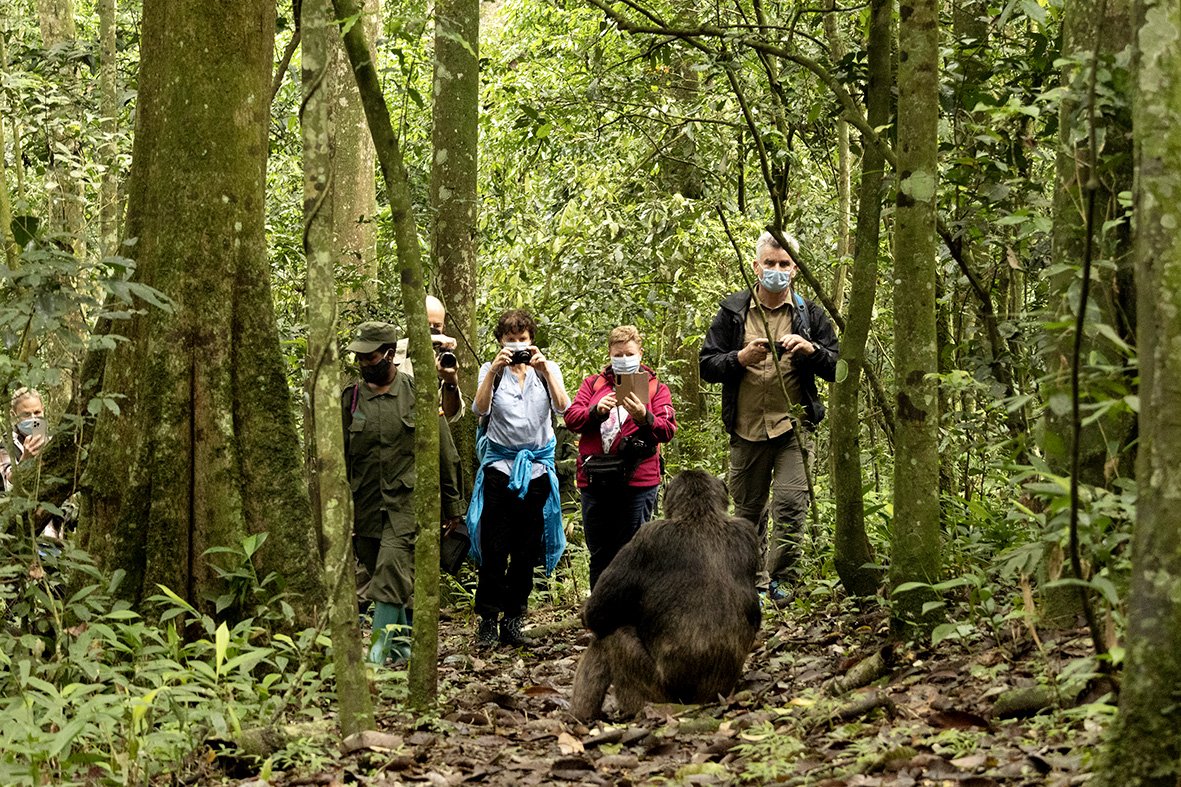
Kibale Forest National Park is a strong choice for travelers interested in primate behavior, rainforest ecology, and guided walking. Rain can make trails slick and the understory dense, but forests remain active habitats throughout May. May gorilla trekking can be combined with chimpanzee tracking, though separate permits and travel days are needed. The Uganda rainy season calls for dry bags, waterproof boots, and a willingness to accept a changing pace. A forest experience is rewarding even when every sighting cannot be photographed clearly. May safari weather deserves a fresh check before each transfer. The Uganda rainy season can make travel times less predictable.
Ask about the chimpanzee tracking experience before choosing between a standard trek and a longer specialized activity. A Uganda safari in May may feature intense canopy sounds, bird calls, dripping leaves, and views of monkeys above a narrow trail. For May safari weather, carrying layers matters because walking can become warm even when the forest air feels cool at the briefing area. Some participants prefer shorter nature walks after a demanding primate day, allowing time to rest and dry their equipment. May safari weather makes timing and packing decisions especially important.
A wildlife safari in May should not rely entirely on one ambitious forest day. Keep a buffer around your most important trek, and choose accommodation that reduces unnecessary road time. If May gorilla trekking and chimpanzee walks are both priorities, organize the route from permit dates outward. This avoids backtracking and means a rain-delayed transfer is less likely to disrupt a booked activity. A wildlife safari in May rewards patience and attentive guiding. May safari weather affects both lighting and trail comfort.
Queen Elizabeth National Park and the Kazinga Channel
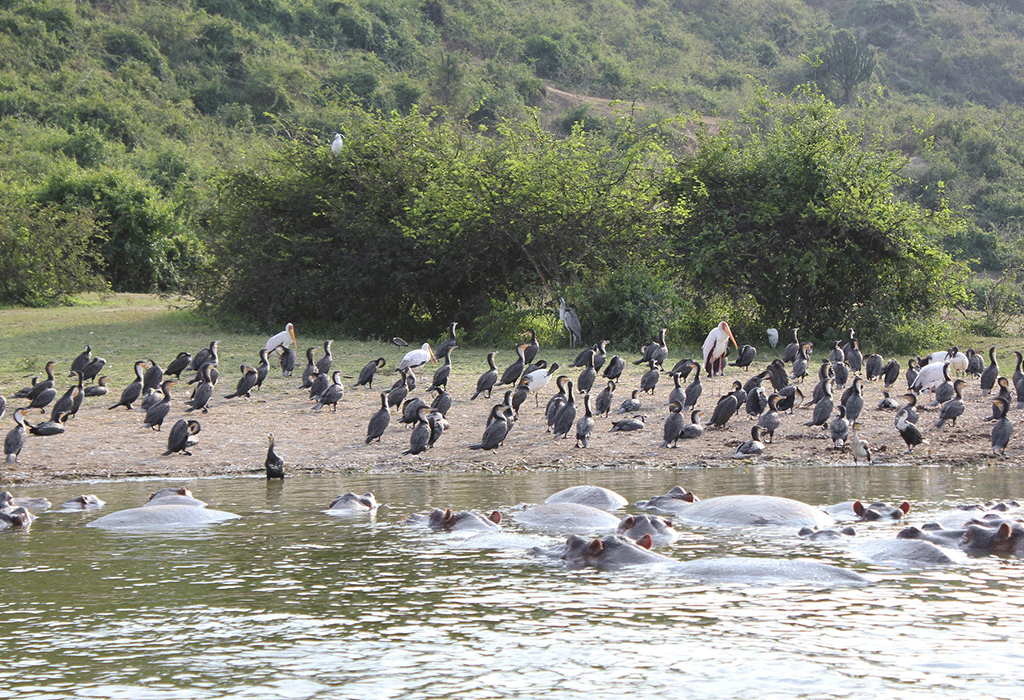
Queen Elizabeth National Park adds savannah plains, crater scenery, waterbirds, and a boat experience to a primate-led route. A wildlife safari in May can include game drives in the Kasenyi area, although tall grasses and rain may affect sightlines. A Kazinga Channel boat cruise is often a rewarding contrast because the boat accesses wildlife-rich shorelines without relying on deeply rutted tracks. The Uganda rainy season makes fresh vegetation and scenic cloud formations particularly photogenic. May gorilla trekking requires careful footing and realistic fitness expectations.
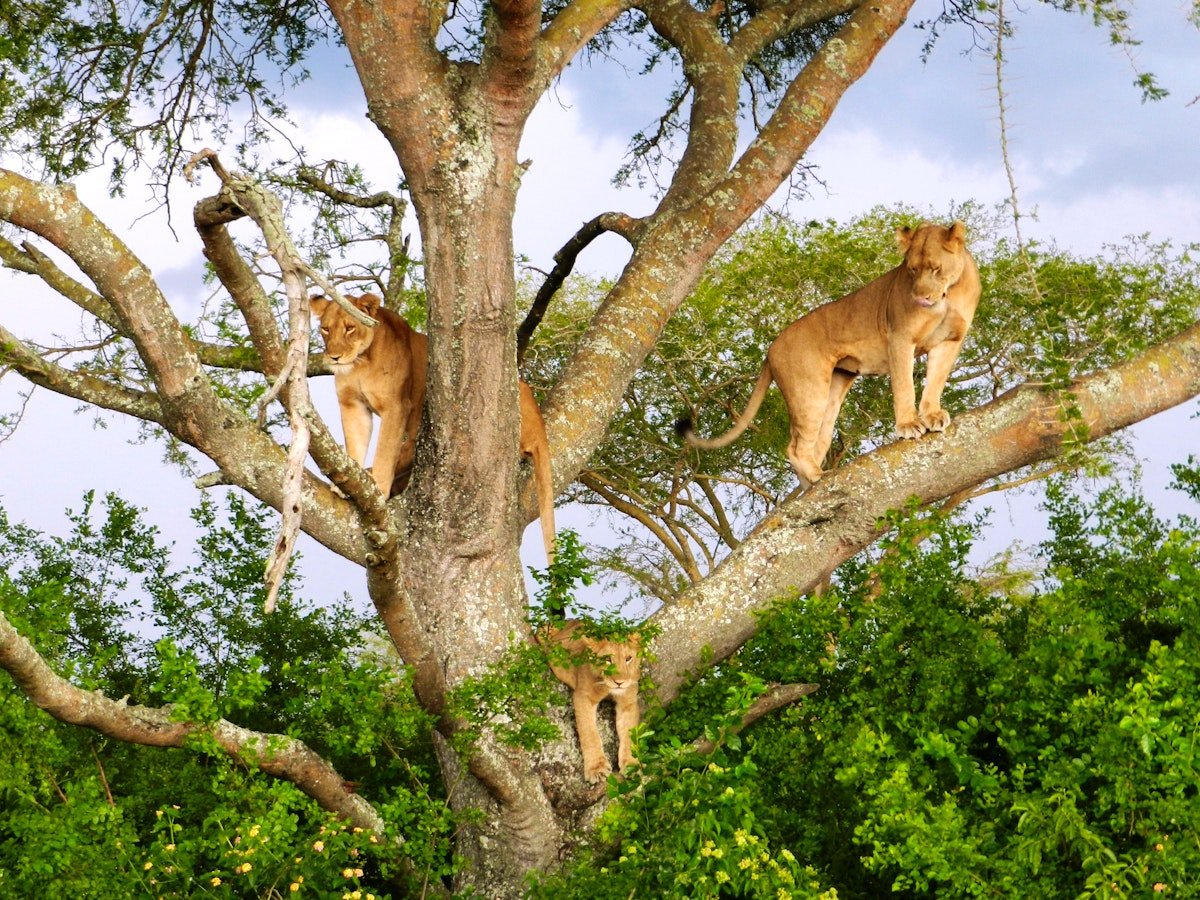
Keep expectations flexible for big cats, which may be hidden by long grass or sheltering in shade. A Uganda safari in May is still about searching patiently for elephants, buffalo, antelopes, hippos, and birds rather than promising a fixed checklist. If tree climbing lions of Ishasha interest you, confirm road access and driving time with your guide first. The southern sector can fit well between Queen Elizabeth and Bwindi, but a weather-aware schedule is more valuable than squeezing in every stop. May gorilla trekking is easier with well-fitting waterproof equipment. Your Uganda safari in May should leave space for unpredictable showers.
May safari weather can change the order of your activities. A morning game drive may be better before a shower, whereas a boat departure depends on scheduled operations and prevailing safety conditions. A wildlife safari in May works best when you stay two nights or more where possible, allowing a second chance to explore a promising area. Uganda rainy season travelers should ask lodges how they handle wet clothing and muddy footwear. May gorilla trekking benefits from a nearby overnight base.
Murchison Falls and Northern Uganda

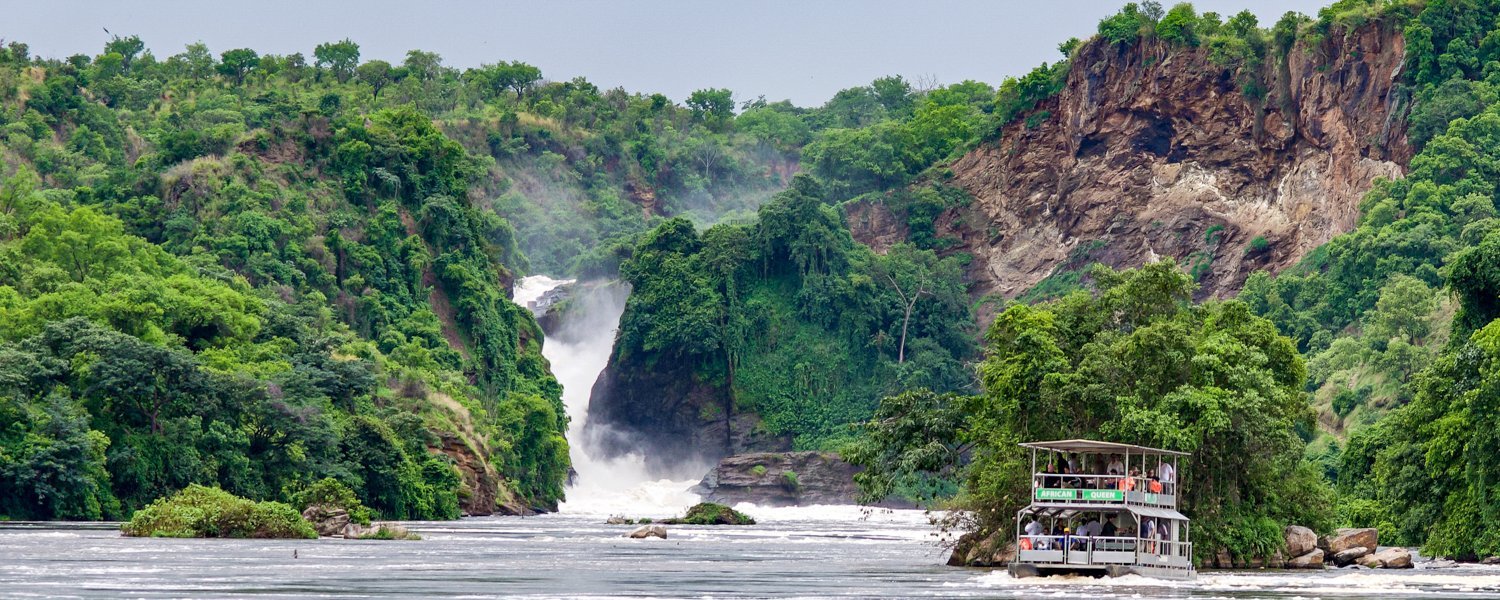
Murchison Falls National Park combines open grassland, river landscapes, and one of Uganda’s most powerful waterfalls. A wildlife safari in May can be rewarding here, but weather still matters for river access, game tracks, and transfer times. The northern section of the country has its own seasonal pattern, so the Uganda rainy season should never be described as identical across every park. A good route might include a game drive, a scheduled boat trip, and time to view the waterfall from an authorized viewpoint. The Uganda rainy season can make travel times less predictable.
Travelers approaching from the south sometimes visit Ziwa Rhino Sanctuary along the route, subject to current opening arrangements and operating rules. A Uganda safari in May should allocate enough time for this stop rather than treating it as a quick roadside photograph. On the river, look for hippos, crocodiles, elephants near the banks, and fish eagles. A wildlife safari in May rewards patient observation because the river provides a different viewing angle from the vehicle. May safari weather can shift quickly between highlands and plains. The Uganda rainy season favors comfortable, weather-ready clothing.
As May safari weather conditions vary, a longer stay often reduces the temptation to drive too fast after rain. Ask your driver to confirm park-gate access and the correct ferry or bridge arrangements for your chosen route. The Uganda rainy season can transform the scenery, but a practical itinerary still needs daylight transfer windows, comfortable breaks, and a conservative estimate of journey times. May safari weather deserves a fresh check before each transfer.
Shape a Flexible Wildlife Route
Share your travel dates, group size, preferred parks and budget level for a practical itinerary that accounts for changing conditions.
Request a Personalized Safari Plan
Email: info@ugandarwanda-safaris.com
Lake Mburo, Semuliki and Quieter Alternatives
Lake Mburo National Park is useful on routes between Entebbe and southwestern Uganda, especially if you want zebras, antelopes, and a change from forest trekking. A wildlife safari in May may combine a vehicle drive with a guided walking safari in Lake Mburo when conditions permit. Trails and grass can be damp, so walking activities should always follow ranger assessments. Uganda rainy season scenery adds color to the woodland and lake margins, making the park appealing to photographers who enjoy landscapes as well as animals. A wildlife safari in May can include both water and land activities. May safari weather makes timing and packing decisions especially important.
A Semuliki National Park safari offers a different lowland forest experience, but it requires careful planning around rain and travel time. Not every Uganda safari in May should include Semuliki; it is best for travelers seeking birds, forest ecology, and a less conventional route. May safari weather can make remote excursions slower, so build in spare hours and ask about trail access before arriving. Specialized bird guides add considerable value when visibility is limited by foliage. May gorilla trekking is easier with well-fitting waterproof equipment.
For a short wildlife safari in May, fewer destinations are usually better. You can gain more from two nights in Lake Mburo or Queen Elizabeth than from constantly changing lodges. The Uganda rainy season creates a good reason to favor thoughtful pacing, local expertise, and optional activities instead of a crowded itinerary. May gorilla trekking benefits from a nearby overnight base. A Uganda safari in May benefits from having one flexible afternoon.
Birdwatching and Nature Photography in May
An Uganda birding safari can be excellent for travelers who appreciate resident species, breeding activity, and rainforest soundscapes. May safari weather can be overcast, giving softer light for some photographs, although a downpour can interrupt a walk. The Uganda rainy season encourages lush foliage, insects, and flowering plants, which change where birds feed. A wildlife safari in May may involve more listening and waiting than chasing large mammals across open plains. May gorilla trekking requires careful footing and realistic fitness expectations.
The shoebill stork is a sought-after species around suitable wetlands, but a sighting must never be guaranteed. For a Uganda safari in May, allow a specialist guide to choose timing and the safest route based on local conditions. Mabamba wetlands near Entebbe can be considered when access and boat operations allow. May safari weather may involve rain or mist that changes visibility, so pack binoculars and a waterproof camera cover instead of relying only on a phone. The Uganda rainy season favors comfortable, weather-ready clothing.
Wildlife safari in May photography is strongest when you lean into the season. Capture mist on the forest edge, reflections after rain, elephants against fresh grass, and the details of wet leaves and animal tracks. Uganda rainy season conditions can limit long-distance views but open opportunities for atmospheric images. Move slowly near wildlife, avoid using flash around sensitive animals, and follow your guide’s instructions. May safari weather affects both lighting and trail comfort. The Uganda rainy season rewards travelers who remain flexible.
A Practical Seven-Day May Itinerary
Day one begins with arrival at Entebbe International Airport and a quiet night rather than an immediate long transfer. Day two can include a stop at Entebbe Botanical Gardens or a carefully planned drive toward the west. On day three, explore Queen Elizabeth National Park with a game drive or water activity. A Uganda safari in May needs transfer buffers and realistic expectations; an alternative may be to fly to a western airstrip where schedules and budgets allow. May safari weather can shift quickly between highlands and plains.
Day four can focus on a Kazinga Channel boat cruise and another safari drive, followed by a carefully paced road transfer on day five toward Bwindi. May gorilla trekking is the anchor of day six, with the permit and briefing sector confirmed in advance. Day seven can be a domestic transfer or a longer onward road journey, depending on flight arrangements. This wildlife safari in May itinerary is a concept, not a guaranteed operational schedule, and should be adjusted to location, weather, and accommodation. A wildlife safari in May calls for thoughtful daily pacing. May safari weather deserves a fresh check before each transfer.
For May safari weather, do not overcommit to a packed arrival and departure day. The Uganda rainy season can make small delays accumulate, especially on unpaved stretches. If May gorilla trekking matters most, add an extra night near the forest and remove a lesser-priority stop. A Uganda safari in May becomes significantly more relaxed when the schedule includes room for weather-related changes. May gorilla trekking benefits from a nearby overnight base.
Plan a Seven-Day Safari That Fits
Share your travel dates, group size, preferred parks and budget level for a practical itinerary that accounts for changing conditions.
Request a Personalized Safari Plan
Email: info@ugandarwanda-safaris.com
Ten to Fourteen Days: A Better Pace for Variety
With ten days, travelers can combine Kibale, Queen Elizabeth, and Bwindi while keeping more time in each destination. This creates a balanced Uganda safari in May with chimpanzees, primates, boat viewing, and game drives. Add Lake Mburo on the return route when appropriate, or extend farther north only when the journey length allows. The Uganda rainy season makes two-night stays especially useful because one wet afternoon need not ruin a whole park visit. May gorilla trekking requires careful footing and realistic fitness expectations.
For a fourteen-day wildlife safari in May, another option is a northern-and-western circuit that includes Murchison Falls, Kibale, Queen Elizabeth, and gorilla country. It involves long distances, so choose road or domestic air travel based on budget and comfort. May safari weather should shape your transfer plan; leave early and avoid scheduling night driving on unfamiliar rural roads. Not every traveler benefits from including all major parks, even with two weeks available. May gorilla trekking is easier with well-fitting waterproof equipment.
If May gorilla trekking is the highlight, keep the final forest stay relaxed. Some travelers prefer to add a lake retreat or quiet lodge day afterward. The Uganda rainy season invites slower moments: watching clouds move over hills, listening to birds at dawn, or enjoying a meal under a sheltered veranda. A Uganda safari in May can be adventurous without being exhausting. The Uganda rainy season rewards travelers who remain flexible.
Costs, Low-Season Value and Booking Decisions
Prices depend on the lodge category, park fees, permit costs, number of travelers, route length, vehicle type, and flights. A Uganda safari in May may qualify for lower accommodation rates at some properties because demand can be softer, but discounts should never be assumed. Ask for an itemized quotation that separates accommodation, transport, guides, meals, and activities. The Uganda rainy season may offer value, yet a longer route or private charter can still make a trip expensive. Uganda safaris range from focused primate trips to longer combinations of savannah and forest. May safari weather makes timing and packing decisions especially important. The Uganda rainy season can make travel times less predictable.
May gorilla trekking costs should be checked against the official rules for the year and traveler residency category. Discounted fees may apply in selected periods, but eligibility, availability, and rates change. For chimp trekking price and cost, confirm the exact park, session, and permit conditions before payment. A wildlife safari in May can be budget-conscious when travelers select fewer long transfers and sensibly located lodges rather than chasing a low nightly rate far from the parks. May safari weather affects both lighting and trail comfort.
May safari weather creates a few hidden cost considerations: better boots, proper waterproofs, porter fees, vehicle flexibility, and contingency time. Ask whether the quote includes park entrance fees, boat trips, community activities, and emergency assistance arrangements. For Uganda safari in the rainy season, compare inclusions carefully instead of choosing solely by the headline price. A wildlife safari in May rewards patience and attentive guiding. May safari weather can shift quickly between highlands and plains.
Packing List for Wet-Season Safari Days
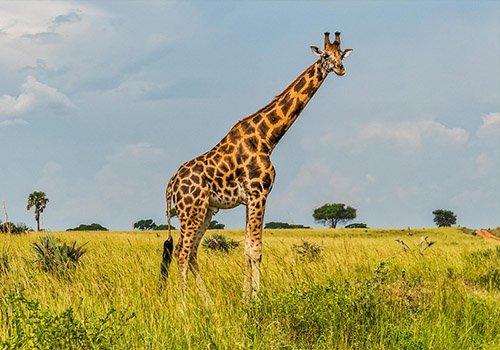
A Uganda safari in May calls for fast-drying shirts, long trousers, breathable layers, and a jacket that actually keeps out rain. Add a broad-brimmed hat, a warm layer for highland mornings, sunscreen, insect repellent, and durable closed shoes. For May gorilla trekking, hiking boots with reliable grip and ankle support can be more useful than fashionable travel footwear. The Uganda rainy season may leave paths muddy even after rainfall has stopped, so pack spare socks and a waterproof bag for wet clothes. May gorilla trekking requires careful footing and realistic fitness expectations.
The chimpanzee and safari packing guide can help you distinguish trekking gear from game-drive essentials. On a wildlife safari in May, binoculars, spare batteries, a lens cloth, and a rain sleeve for camera equipment are especially useful. Avoid bringing an oversized hard case if a domestic light-aircraft flight has luggage limits. A small daypack with a waterproof liner keeps snacks, water, medication, and travel documents accessible on the trail. May gorilla trekking is easier with well-fitting waterproof equipment.
May safari weather does not remove the need for sun protection. Bright spells can be intense even when a forecast shows showers. Uganda rainy season visitors should keep cash and electronic items dry, use refillable water bottles where practical, and bring a compact headlamp for lodges with dim outdoor paths. May gorilla trekking participants may find gaiters and lightweight gloves helpful for navigating vegetation and muddy slopes.
Choose the Right Rain-Season Comfort
Share your travel dates, group size, preferred parks and budget level for a practical itinerary that accounts for changing conditions.
Request a Personalized Safari Plan
Email: info@ugandarwanda-safaris.com
Health, Safety and Respectful Wildlife Encounters
Before departure, seek advice from an appropriate travel-health professional about malaria prevention, recommended vaccinations, and personal medical circumstances. A Uganda safari in May is not inherently unsafe because it rains, but wet ground, flooded sections, and reduced visibility require sensible decisions. Travel insurance should cover your planned activities and medical evacuation needs. The Uganda rainy season is a reason to follow ranger instructions closely, especially on forest paths and around rivers. The Uganda rainy season can make travel times less predictable.
May gorilla trekking has strict conservation and health rules because great apes can be vulnerable to illnesses carried by visitors. Do not join a trek when prohibited by current health restrictions, and respect the time and distance limits set by the rangers. A wildlife safari in May should also prioritize responsible viewing: never feed wildlife, request illegal off-road driving, or pressure a guide to move closer than permitted. Quiet patience generally creates a more rewarding encounter. May safari weather deserves a fresh check before each transfer. The Uganda rainy season favors comfortable, weather-ready clothing.
Rain does not justify rushed driving or taking shortcuts through protected habitats. For May safari weather, ask the guide when a change of plan would be safest. If you have mobility limitations, discuss them before paying for May gorilla trekking so that an operator can explain the terrain, porter support, and alternative experiences. A Uganda safari in May should be designed around safety and enjoyment, not an inflexible checklist. May safari weather makes timing and packing decisions especially important.
Arrivals, Visas and Transfers
Entebbe is the main international gateway for most visitors, while Kampala city tours can be useful for an extra day near the airport. On a Uganda safari in May, it may be wise to sleep near Entebbe after a long international flight before driving west. For a multi-country itinerary, check the current Uganda visa process and whether an East African Tourist Visa fits your route and nationality. Entry requirements are time-sensitive and should be confirmed through official authorities. A wildlife safari in May can include both water and land activities.
If you plan gorilla tracking from Entebbe, decide whether a road journey or scheduled domestic flight best suits your time and budget. May safari weather can affect road progress and, occasionally, flight operations. Ask exactly where the airstrip, lodge, and gorilla briefing sector are located. A Uganda rainy season route that looks efficient on a map may still contain slow mountainous roads, so the operator should provide realistic time ranges rather than optimistic mileage estimates. May gorilla trekking is easier with well-fitting waterproof equipment.
A wildlife safari in May deserves adequate buffer time before your international flight home. Do not book an inflexible connection immediately after a lengthy cross-country transfer. May gorilla trekking can be tiring, and a quieter final day in Entebbe may be more enjoyable than arriving late and rushing to the airport. Travelers who include regional borders should allow additional contingency time. May gorilla trekking benefits from a nearby overnight base.
Questions Travelers Ask About May
Is a Uganda safari in May worth it? Yes, for travelers comfortable with rain and occasional mud, the rewards include lush landscapes, possible lower demand, and diverse experiences. Is May gorilla trekking possible? In normal operating conditions, yes, with a valid permit and appropriate fitness, though trails may be slippery. Is wildlife safari in May game viewing guaranteed? No. As in any season, animal sightings vary and fresh vegetation may reduce visibility.
Does the Uganda rainy season mean it rains all day? Not necessarily; rainfall varies by area and day, and dry intervals are common. Can I book a last-minute trip? Sometimes, but permits, lodges, and transport must be checked for actual availability. What is the best packing priority? Good wet-weather footwear and a waterproof outer layer. May safari weather is variable enough that versatility matters more than bringing a separate outfit for every activity. The Uganda rainy season favors comfortable, weather-ready clothing.
What if my top priority is easy hiking? Consider a drier travel period, or choose a Uganda safari in May with mostly vehicle and boat activities. Can children join every trek? No; age limits and fitness criteria differ by activity, and current official rules should be checked. Is May gorilla trekking worthwhile for photographers? It can be atmospheric, but damp light, rain, and thick foliage also create technical challenges. A wildlife safari in May suits people who appreciate the whole ecosystem, not only clear-sky photographs. May safari weather can shift quickly between highlands and plains. The Uganda rainy season rewards travelers who remain flexible.
Final Planning Advice
The strongest Uganda safari in May has one clear priority, several thoughtfully selected habitats, and a travel plan that accepts weather changes. Begin by securing high-value permits and lodges near the appropriate park sectors. Then choose where a guided game drive, boat cruise, chimpanzee activity, or birdwatching day fits naturally. Uganda rainy season travel rewards flexibility more than ambitious distance targets. A good guide will help adapt your days to the conditions without compromising park rules. May safari weather deserves a fresh check before each transfer.
If May gorilla trekking is important, prepare for damp paths and protect your time around the trek. If a wildlife safari in May is your main interest, choose parks that provide complementary ways to observe wildlife, from vehicle tracks to water-based outings. May safari weather will shape the experience, but it need not define every hour. A Uganda safari in May can deliver a memorable blend of wildlife, green scenery, and quieter travel when expectations are realistic. A wildlife safari in May calls for thoughtful daily pacing.
Ask for a Tailored May Itinerary
Share your travel dates, group size, preferred parks and budget level for a practical itinerary that accounts for changing conditions.
Request a Personalized Safari Plan
Email: info@ugandarwanda-safaris.com