The Perfect Time to Spot Tanzania’s Big 5: Expert Photo Tips

The Perfect Time to Spot Tanzania’s Big 5: Expert Photo Tips
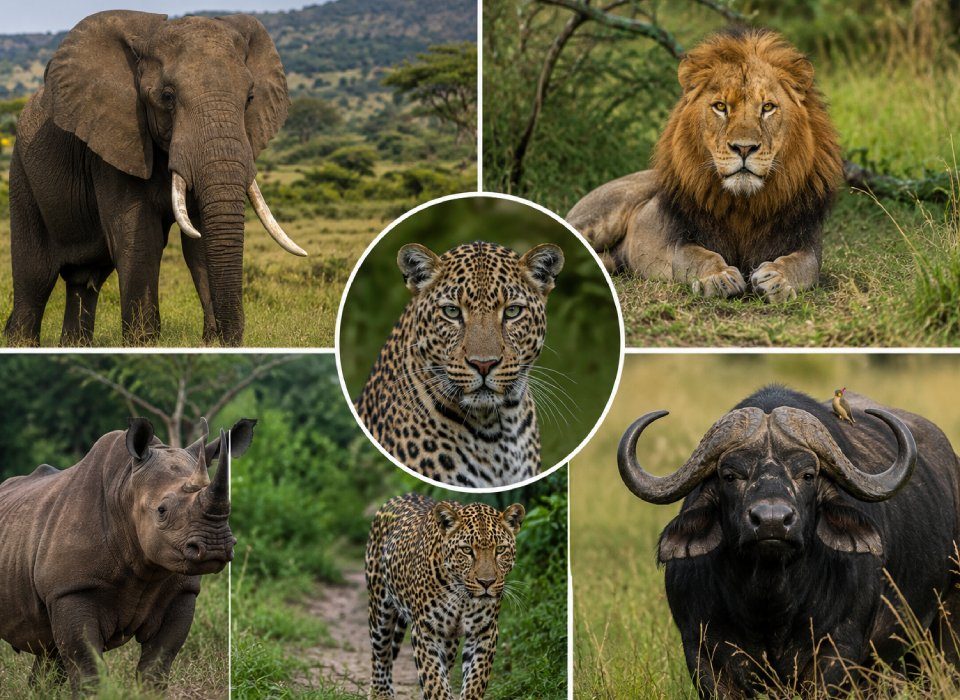
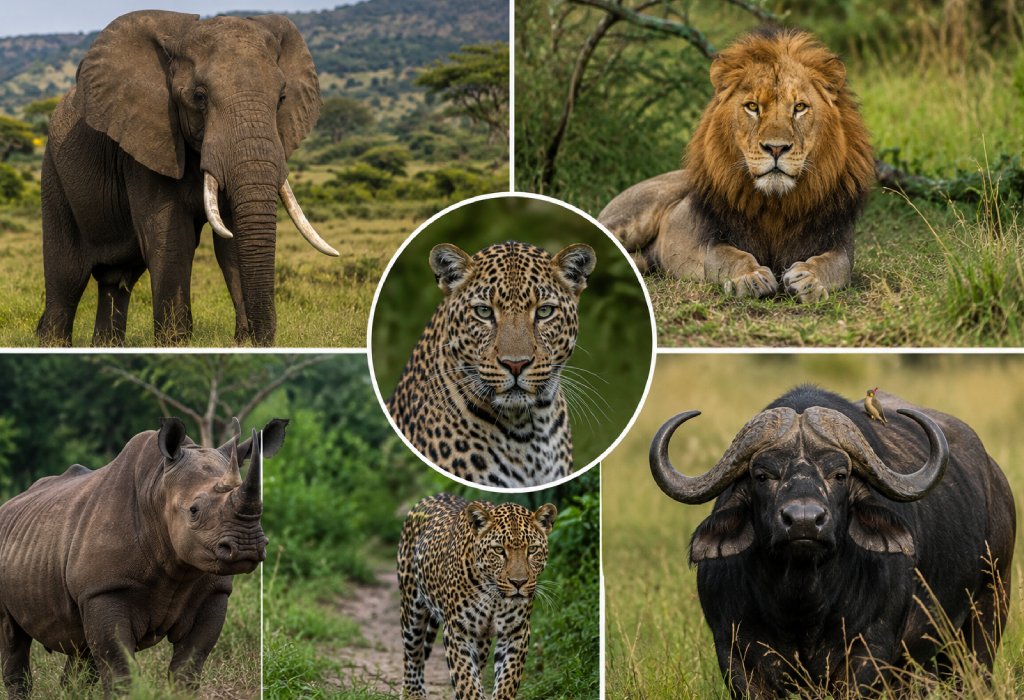
Tanzania is a prime destination in Africa for wildlife enthusiasts and photographers. It offers The Perfect Time to Spot Tanzania’s Big 5 and incredible opportunities to see and photograph the iconic Big Five: lions, leopards, elephants, buffaloes, and rhinos. Originally, the term “Big Five” designated the five most challenging animals to hunt. Today, it refers to the animals most sought after for observation and photography on safari.
Additionally, the term “Big 5” originally referred to the five most difficult and dangerous animals to hunt on foot. Today, these animals are the most sought-after by safari travelers and photographers. These include:
Lion: Known as the “king of the jungle,” lions are usually found resting under trees during the day and are most active at dawn and dusk. They often hunt in coordinated groups, making early morning an ideal time to capture action shots.
Leopard: A stealthy and solitary predator, leopards are often seen draped over tree branches. Spotting them requires patience and a keen eye. Their spotted coats help them blend seamlessly into the environment.
Elephant: The largest land mammals, elephants live in herds and are highly intelligent. They frequently visit waterholes, where they drink, bathe, and interact with each other. Their expressive eyes and strong family bonds make for compelling photography.
Buffalo: These powerful animals move in large herds and can be highly unpredictable. They are often found grazing in open grasslands or near water sources. Close-up shots highlight their imposing horns and rugged features.
Rhinoceros: One of the rarest of the Big 5 due to poaching threats, rhinos are best spotted in protected areas such as Ngorongoro Crater. Their thick skin, massive body, and distinctive horns make for dramatic photos.
Why They’re Hard to Photograph
Photographing the Big Five in Tanzania presents unique challenges, as these animals can be well-camouflaged, move quickly, or are only active during specific times of the day. Success requires patience, precise timing, and optimal camera settings.
Best Seasons to Spot Tanzania’s Big 5
Dry Season (June-October): The dry season is often considered the best time for wildlife photography. Animals tend to congregate around waterholes, making them easier to locate. The sparse vegetation improves visibility, and clear skies provide excellent lighting conditions.
Wet Season (November-May): The wet season transforms the landscape with lush greenery and dramatic skies, also bringing newborn animals. However, the thick vegetation can make spotting the Big Five more challenging. Wet conditions may also necessitate extra protection for camera equipment.
Migration Impact on Wildlife Viewing: The Great Migration, typically occurring from June to October, involves millions of wildebeest and zebras traversing the Serengeti1. This mass movement attracts predators, increasing the likelihood of capturing action-packed photos of lions and leopards hunting
Top Parks for Big 5 Photography
Serengeti National Park: The Serengeti National Park in Tanzania is a quintessential African wilderness, known as “endless plain” in the Masai language. The Serengeti’s diverse ecosystems support an impressive array of wildlife, including lions, elephants, leopards, rhinoceroses, and buffalos, collectively known as the Big Five. The park’s vast open plains, rocky outcrops (kopjes), and rivers like the Mara, Grumeti, and Seronera create diverse photographic opportunities. The annual Great Migration of wildebeest and zebras is a major attraction, drawing predators and offering unique action shots. Photographers can capture stunning images of wildlife and landscapes.
Ngorongoro Crater: Ngorongoro Crater offers a unique landscape with excellent lighting conditions and close encounters with wildlife. The crater’s high concentration of species makes it possible to see all of the Big Five in a single day.
Lesser-Known Spots
Tanzania offers several lesser-known spots that provide unique and rewarding experiences for wildlife photographers.
Ruaha National Park: Located in central Tanzania, Ruaha is a fantastic location for photographers seeking more isolated and rugged scenes. It offers dramatic landscapes, a variety of wildlife, and fewer crowds. The park is home to large populations of elephants, lions, cheetahs, and wild dogs, making it an excellent location for action shots.
Tarangire National Park: For photographers who love capturing elephants and birdlife, Tarangire National Park is an unmissable destination. The park is famous for its large herds of elephants, often seen in dramatic settings beneath the park’s signature baobab trees. Tarangire also boasts rich birdlife, including over 500 species of birds, making it ideal for bird photographers. The park is less crowded than the Serengeti and Ngorongoro, providing photographers with more tranquil settings and an opportunity for undisturbed shots.
Selous Game Reserve: Selous Game Reserve is one of Africa’s largest wildlife reserves and a haven for photographers seeking dramatic wildlife scenes. With its wide open spaces, rivers, and rugged landscapes, Selous is ideal for capturing dynamic shots of animals in action. It is known for its large populations of elephants, hippos, crocodiles, and lions. The reserve also offers boat safaris, providing a unique vantage point to photograph hippos, crocodiles, and elephants along the water’s edge.
Camera Settings for Different Times
Dawn and Dusk Settings
Dawn and dusk are the best times for wildlife photography because that is when nature is most active and the light is beautiful. Many animals are most active at dawn and dusk, which means that photographers are often trying to expose wildlife photos in low light. The light is constantly getting better at dawn, and the animals are often scouting around for food, making it the best possible time to photograph them before they go back to their nests.
ISO: In low-light situations, photographers should ideally capture images with a low ISO to reduce the digital noise. However, this isn’t always possible in dim conditions. Photographers can use higher ISOs but should be prepared to push things a bit.
Aperture: A wide aperture is crucial in low-light situations. You’ll need to have a lens that allows for a wide aperture, such as f/2.8, so you can capture animals in the dark without increasing your ISO. Use a wide aperture (f/2.8-f/5.6) to maximize the amount of light entering your lens. This will allow you to maintain faster shutter speeds, which are crucial for capturing sharp images of moving animals.
Shutter Speed: If the animal is moving fast, use a shutter speed of 1/1600 or 1/2000 – sometimes 1/1000 will be enough. If the animal is still, you’ll go down to 1/450 or even 1/200.
White Balance: Adjust your white balance to accurately capture dusk’s warm hues, enhancing the serene mood of this time of day.
Bright Daylight Tips
During midday, the harsh overhead sun can create strong, unflattering shadows and overexposed highlights. To combat these challenges:
ISO: For bright daylight shots, stick to a lower ISO to maintain crisp, clear images.
Aperture: Select an aperture value that will allow the most available light to reach the camera’s sensor.
Manual Mode: We invariably shoot in manual mode at night, setting ISO, aperture, and shutter speed.
Shoot in RAW: Our number one piece of advice is to shoot in RAW. Raw images will give you a lot more latitude to correct exposure and white balance in post-processing.
Overcast conditions: I like to shoot when the sky is overcast. This diffuses the sunlight, so the lighting is cast evenly across the frame. In addition, clouds create a neutral hue, and the camera can capture the natural colors of the animal and its surroundings.
Weather Impact on Wildlife Photography
Understanding how weather conditions affect light and animal behavior is crucial for successful wildlife photography. Each type of weather presents unique challenges and opportunities, requiring photographers to adjust their techniques and gear to capture the best possible images.
Shooting in Bright Sun
Bright sunlight can be challenging due to the high contrast and potential for overexposure.
- Lens Hood: Use a lens hood to block stray light and prevent glare, which can reduce contrast and image sharpness.
- Camera Settings: Adjust your camera settings to avoid overexposure. Lower your ISO to the base level (usually 100 or 200) and use a smaller aperture (f/8-f/11) to control the amount of light entering the camera.
- Time of Day: Early morning and late afternoon are preferable to midday. The lower angle of the sun during these times provides softer, warmer light that is more flattering for wildlife photography.
- Fill Flash: Use a fill flash to lighten shadows and even out the exposure. This can be particularly useful when photographing animals in backlit situations.
Handling Cloudy Conditions
Cloudy conditions provide soft, diffused lighting, which helps reduce harsh shadows and highlights. While the light may be less dramatic, it can be ideal for capturing details and subtle colors.
- ISO: To compensate for the lower light levels, increase your ISO slightly (200-800). Be mindful of image noise and try to keep the ISO as low as possible while still maintaining a fast enough shutter speed.
- White Balance: Set your white balance to “Cloudy” or “Shade” to warm up the colors and counteract the cool tones often associated with overcast skies.
- Exposure Compensation: Use exposure compensation to slightly overexpose your images (+0.3 to +0.7 stops) and brighten the overall scene.
- Focus on Details: Take advantage of the soft light to capture fine details in the animal’s fur, feathers, or skin.
- Look for Patterns: Search for interesting patterns and textures that are more visible in soft, diffused light.
Rain Photography Tips
Rain can add drama and emotion to your wildlife photographs, creating unique and captivating images.
- Camera Protection: Protect your camera and lens with a rain cover or waterproof housing.
- Fast Shutter Speed: Use a fast shutter speed (1/500 second or faster) to freeze the motion of raindrops and prevent motion blur.
- Focus on Reflections: Capture reflections of animals and landscapes in puddles or wet surfaces.
- Shoot Action: Look for opportunities to photograph animals interacting with the rain, such as elephants or buffaloes playing in the mud.
- Embrace the Mood: Embrace the moody atmosphere created by the rain and use it to convey a sense of drama and emotion in your images.
- Clean Your Lens: Regularly clean your lens with a microfiber cloth to remove water droplets and prevent them from blurring your images.
Planning Your Daily Safari Schedule
A well-planned daily safari schedule can significantly enhance your chances of capturing stunning wildlife photographs. Here’s how to optimize your time:
Morning Game Drive Timing
Mornings are prime time for wildlife activity, especially for predators on the hunt. Starting your game drive before sunrise allows you to capitalize on this active period and capture unique behaviors.
Pre-Sunrise Start: Leave camp before dawn to reach prime locations just as the sun begins to rise.
Predator Activity: Early mornings offer the best opportunities to witness predators like lions, leopards, and cheetahs stalking their prey.
Lighting: The first two hours after sunrise provide the most favorable lighting for photography. The soft, golden light enhances colors, reduces harsh shadows, and creates a warm, inviting atmosphere.
Animal Behavior: Animals are generally more active in the cooler hours of the morning before the heat of the day sets in.
Patience: Set up in a strategic location, be patient, and wait for the action to unfold.
Afternoon Photography Sessions
While the midday sun can be harsh, afternoons still offer valuable photography opportunities, especially as the light begins to soften in the late afternoon.
Focus on Specific Species: In the afternoon, focus on subjects that are more active during this time, such as elephants, buffaloes, and birds.
Elephant Encounters: Visit waterholes or rivers where elephants gather to drink and bathe. Photographing them interacting in these environments can create captivating images.
Buffalo Herds: Look for large herds of buffalo grazing in open areas or near water sources.
Bird Photography: The afternoon is an excellent time for bird photography as many birds are active and visible.
Improving Light: As the sun lowers in the late afternoon, the lighting becomes more favorable, with richer colors and longer shadows.
Landscape Integration: Use the afternoon light to capture stunning landscape shots with wildlife as secondary elements.
Golden Hour Finale: Stay out as late as possible to take advantage of the golden hour before sunset. This is a magical time for photography, with warm, glowing light that can transform even ordinary scenes into extraordinary ones.
Consider Night Drives: Some safari operators offer night drives, providing a unique opportunity to photograph nocturnal animals that are rarely seen during the day.
General Tips
Consult Your Guide: Work closely with your safari guide to plan your daily schedule and maximize your chances of seeing and photographing the Big Five.
Flexibility: Be flexible and willing to adjust your plans based on the prevailing conditions and wildlife sightings.
Rest: Take breaks during the day to rest and recharge your batteries (both yours and your camera’s).
Review Images: Use downtime to review your images and identify areas for improvement.
Communication: Communicate effectively with your guide and fellow photographers to ensure everyone has the best possible experience.
Conclusion
To get the best photos of Tanzania’s Big 5, timing is everything. Plan your safari during the dry season for clearer views, visit top parks like the Serengeti and Ngorongoro, and adjust your camera settings based on lighting conditions. With patience and the right techniques, you can capture stunning wildlife images to cherish forever.
Safari Vacations & Travel Services can help you plan the perfect photography safari in Tanzania. Contact us to book a trip and experience the thrill of capturing the Big 5 through your lens!