How to Plan a Safari Trip to Kidepo Valley National Park?

Uganda Safari Planning Guide
Kidepo Valley safari Planning
Knowing how to plan a safari trip to Kidepo Valley National Park is especially important because Kidepo is one of Uganda’s most remote safari destinations. The distance is part of its attraction, but it also means travellers need to think carefully about transport, safari duration, accommodation and how Kidepo fits into the rest of a Uganda itinerary.
This guide explains whether to drive or fly, how many nights to stay, where to focus your game drives, what wildlife to expect and which other Uganda destinations combine naturally with Kidepo.
Best suited to travellers wanting space and scenery
A comfortable minimum for most trips
Choose according to time and budget
Recommended for road and game-drive comfort
Important wildlife-viewing area
Plan Before You Travel
Kidepo Is a Destination Where Logistics Matter
Kidepo Valley National Park lies far from Uganda’s more frequently travelled western safari circuit. This gives the park its sense of remoteness, but it also means that your transport choice can shape the entire trip. A poorly planned road itinerary can feel dominated by transfers, while a carefully designed route can turn northern Uganda into one of the most rewarding parts of the safari.
Start by deciding how much time you have. Then choose between road and air access, select accommodation based on your safari plan, and only after that add other destinations such as Murchison Falls, Sipi Falls or gorilla trekking.
It also helps to think about the purpose of your Kidepo trip before you start booking. Some travellers want the shortest possible route into the park, while others see the overland journey as part of a wider northern Uganda safari. Wildlife photographers may prefer extra nights so they can repeat productive game-drive routes in different light, while first-time visitors may want a balanced itinerary that includes both Narus Valley and the wider Kidepo landscape. Making these priorities clear early helps prevent the itinerary from becoming either too rushed or unnecessarily expensive.
Step One
Decide Whether to Drive or Fly to Kidepo
This is usually the most important planning decision. Driving works particularly well for longer northern Uganda circuits, while flying allows travellers with fewer days to devote more time to actual wildlife viewing.
When comparing the two, look beyond the transport price alone. A road safari may require an additional travel night or two, but those days can be used to include other destinations and break the journey comfortably. A fly-in safari costs more in transport but can reduce the total number of holiday days needed. For couples, solo travellers and small groups, the best value therefore depends on the complete itinerary rather than simply whether the flight or vehicle appears cheaper at first glance.
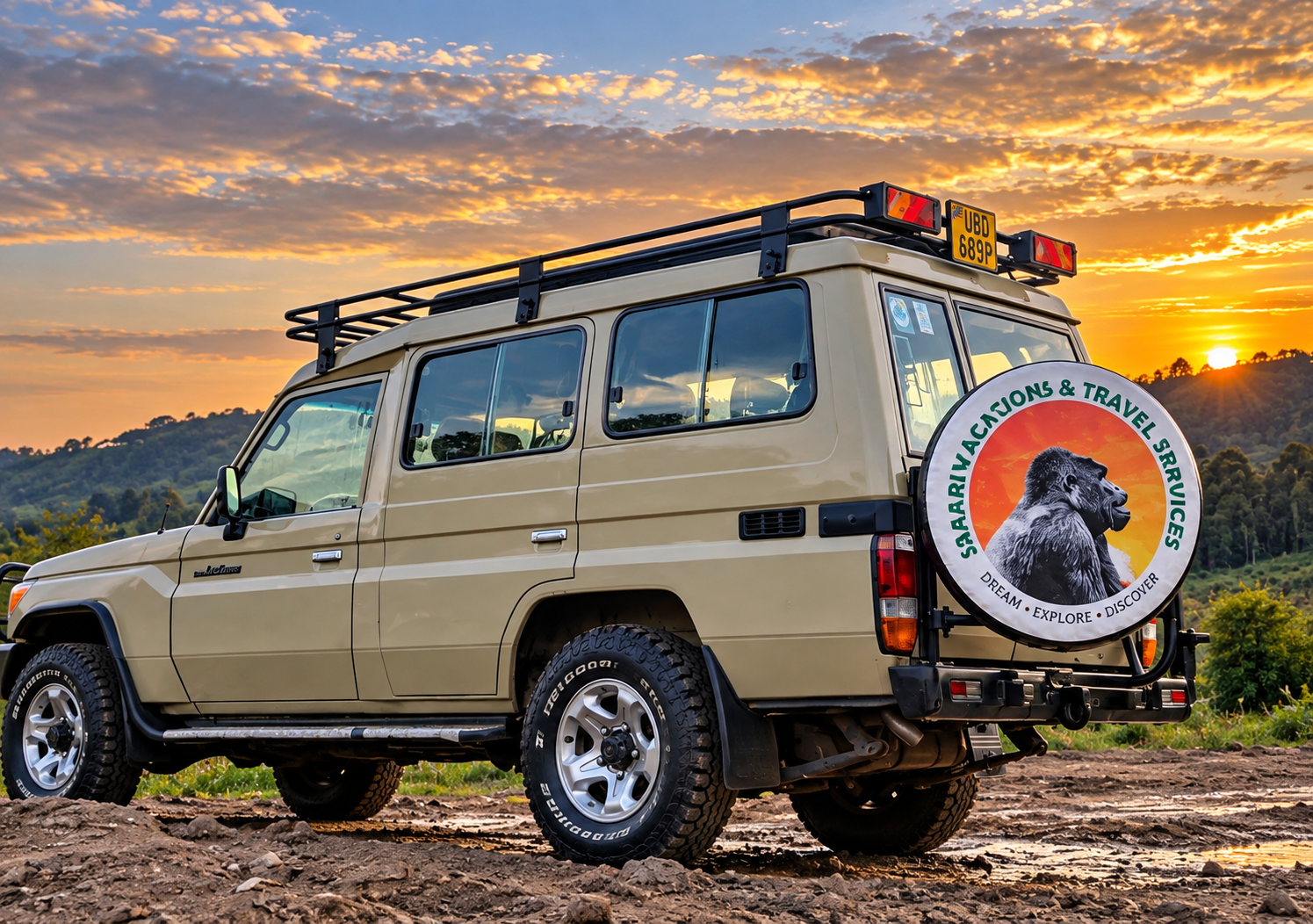

Kidepo Road Safari vs Fly-In Safari
| Consideration | Road Safari | Fly-In Safari |
|---|---|---|
| Travel time | Long | Much shorter |
| Safari cost | Usually lower | Usually higher |
| Scenic stops | Excellent | Limited |
| Best for | Longer overland safaris | Short or premium trips |
| Murchison combination | Very practical | Requires more flight/transfer planning |
Step Two
Decide How Many Nights to Spend in Kidepo
2 Nights
Possible for a compact fly-in visit, but there is limited room for delays or additional activities.
3 Nights
A strong choice for most travellers, allowing multiple game drives without rushing. Three nights usually gives you two full safari days between arrival and departure, which creates room for early-morning and late-afternoon wildlife viewing without trying to fit everything into one long day.
4 Nights
Better for wildlife photographers, birders and travellers adding cultural activities.
5+ Nights
Best for specialist wildlife trips and travellers who prefer a slower safari pace.
Step Three
Understand the Importance of Narus Valley
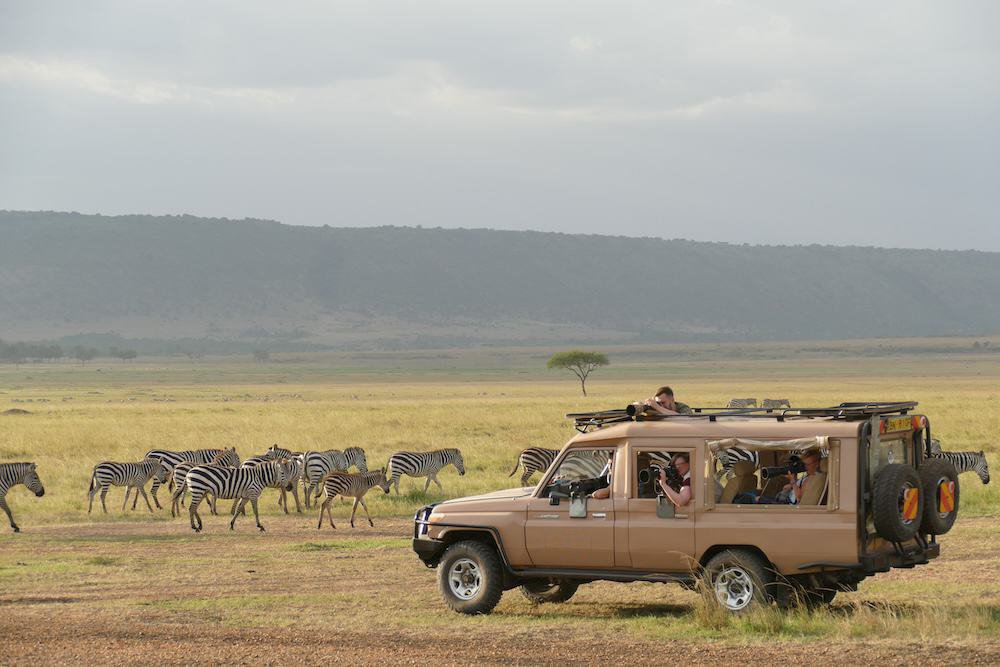
Narus Valley is one of the most important areas for game viewing in Kidepo. Water availability attracts large mammals, making it a natural focus for morning and late-afternoon drives.
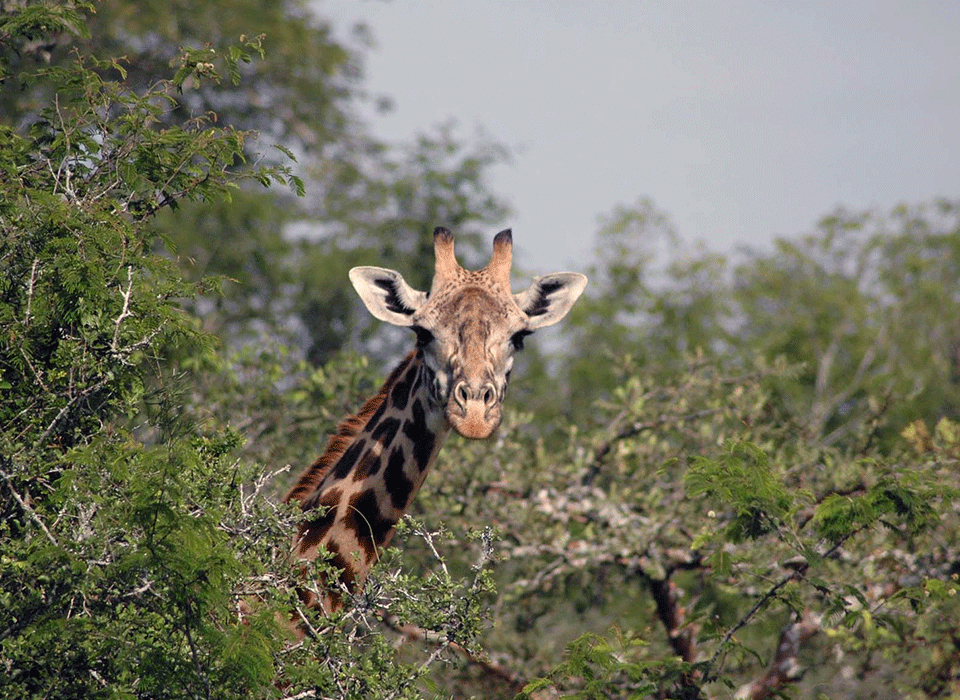
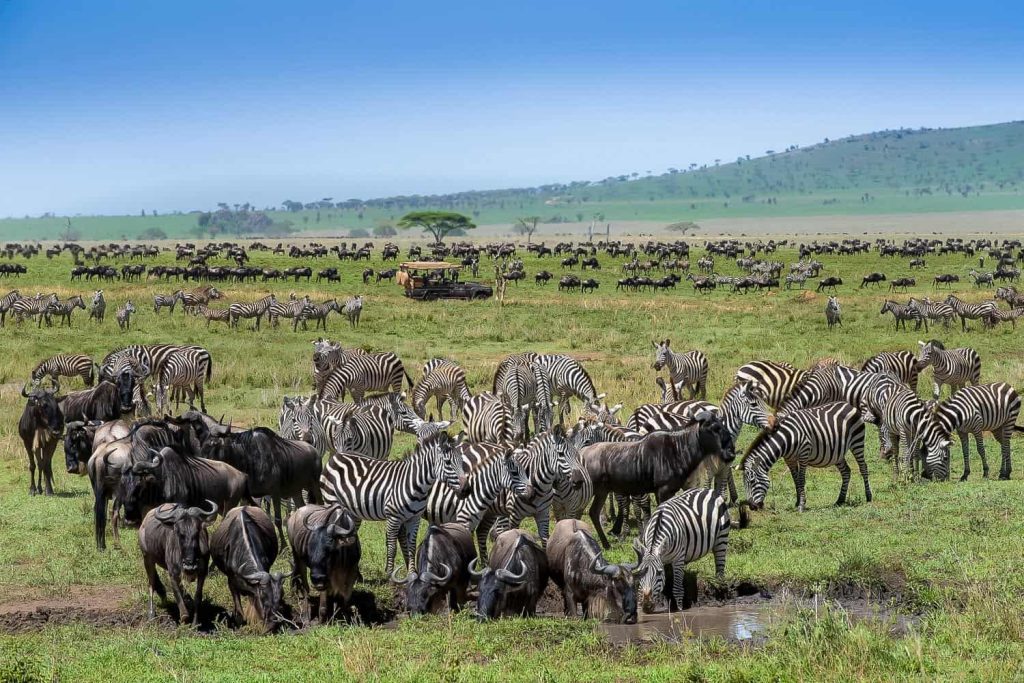
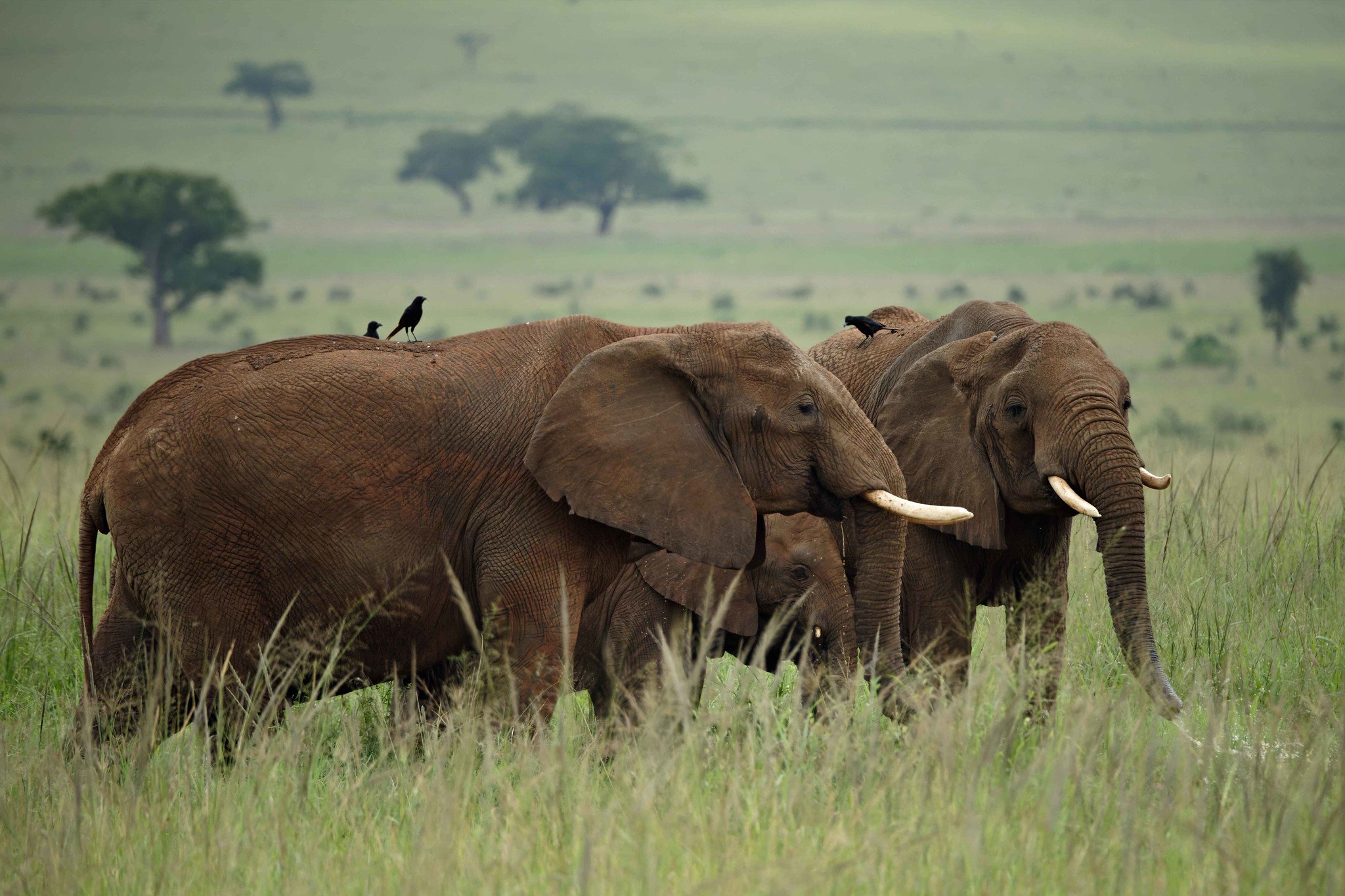
Buffaloes can occur in impressive herds, while elephants, giraffes, lions and different antelope species may also be encountered. Wildlife movements change with season and water availability, so game drives should remain flexible.
For planning purposes, it is useful to treat Narus Valley as the core of the wildlife programme rather than the only area worth seeing. Repeating the valley at different times of day can be rewarding because the distribution of animals changes as temperatures rise and fall. Your driver-guide can also adjust the route according to recent sightings, road conditions and where wildlife has been concentrating. This is one reason a private safari works particularly well in Kidepo: the game-drive schedule can remain flexible instead of following a rigid route.


Beyond Narus
Explore the Wider Kidepo Valley Landscape
The wider Kidepo Valley offers a different feeling from the main Narus game-viewing area. The landscape is expansive and dramatic, with dry riverbeds, mountains and a strong sense of isolation.
Travellers staying several nights have more flexibility to explore beyond the most frequently used game-drive routes rather than concentrating every activity around the same valley.
This wider exploration is especially worthwhile for travellers who value scenery as much as wildlife. Kidepo’s appeal is not only the number of animals seen but also the scale of the environment around them. Broad plains, distant mountain ridges and dry seasonal river channels create a very different atmosphere from Uganda’s greener western parks. Allowing time for these landscapes prevents the safari from becoming a checklist of animal sightings and gives you a stronger sense of why Kidepo is considered one of Uganda’s great wilderness destinations.
Step Four
Know What Wildlife to Look For
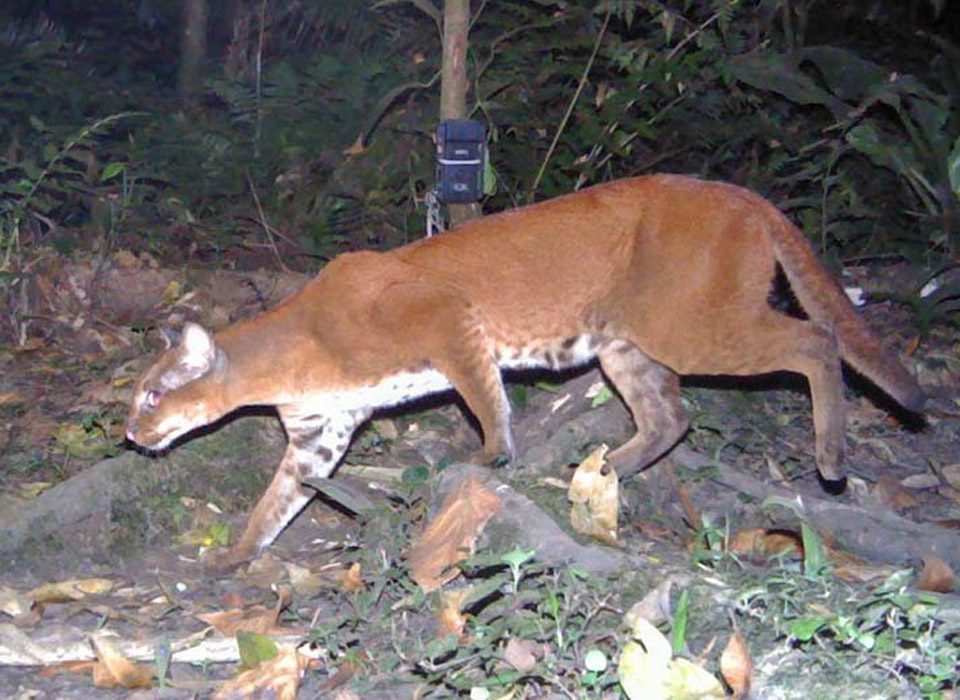
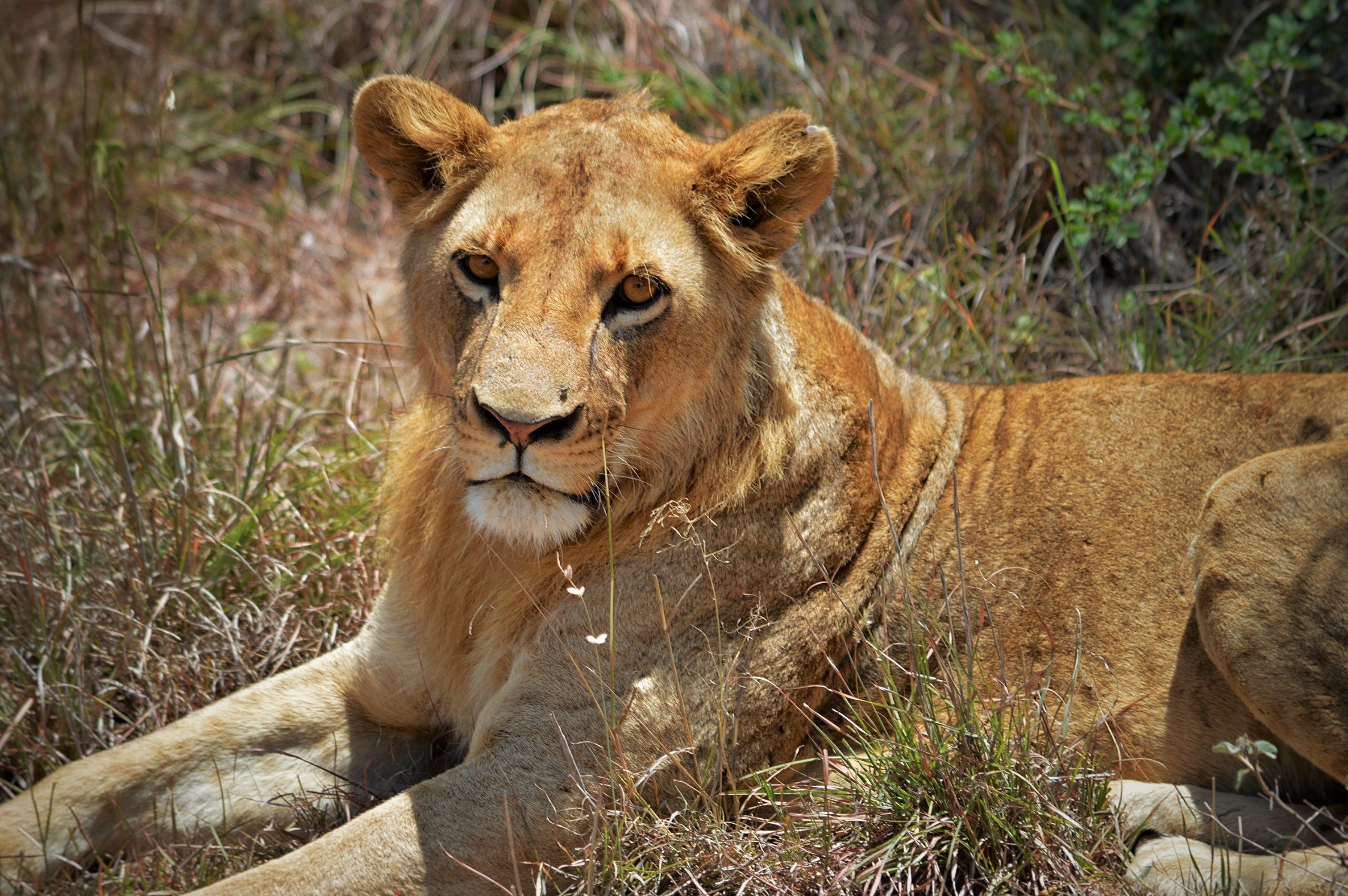
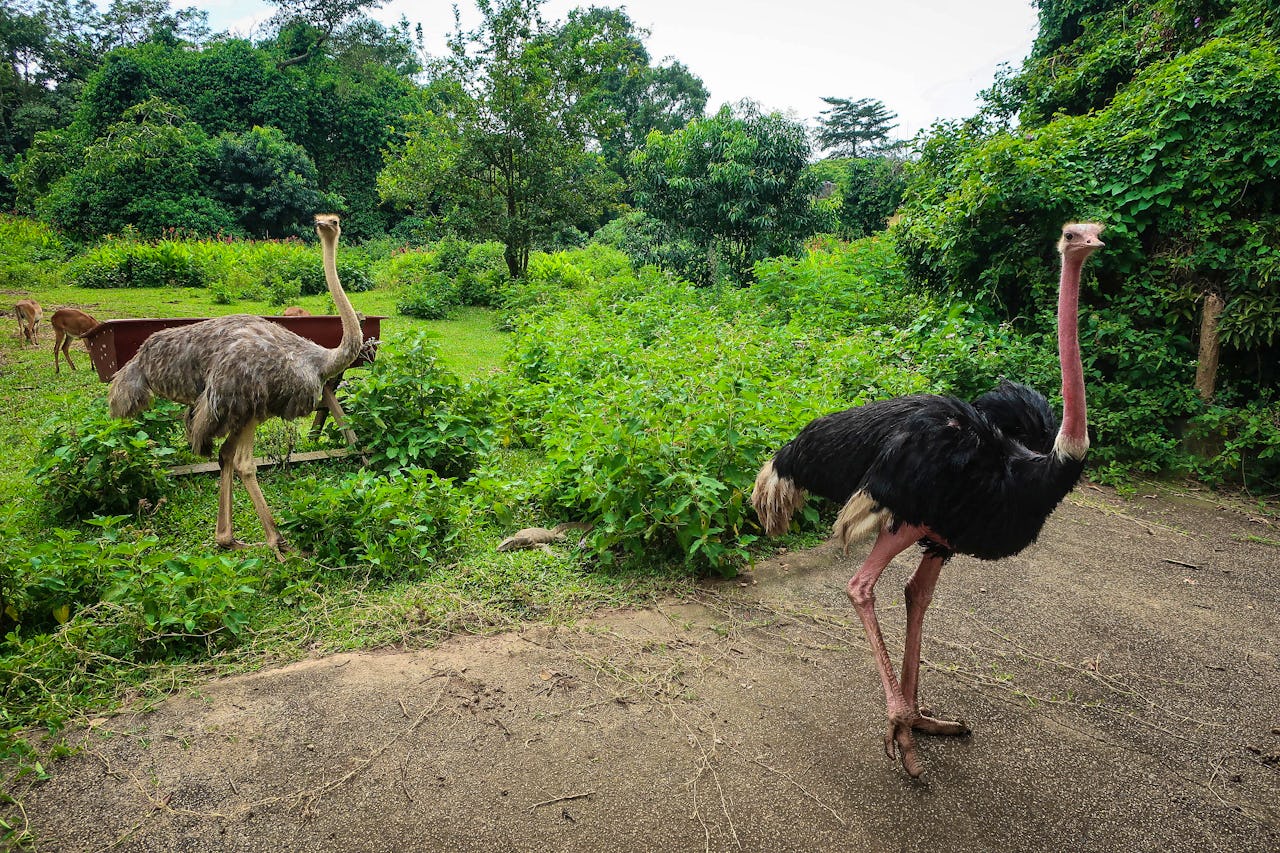
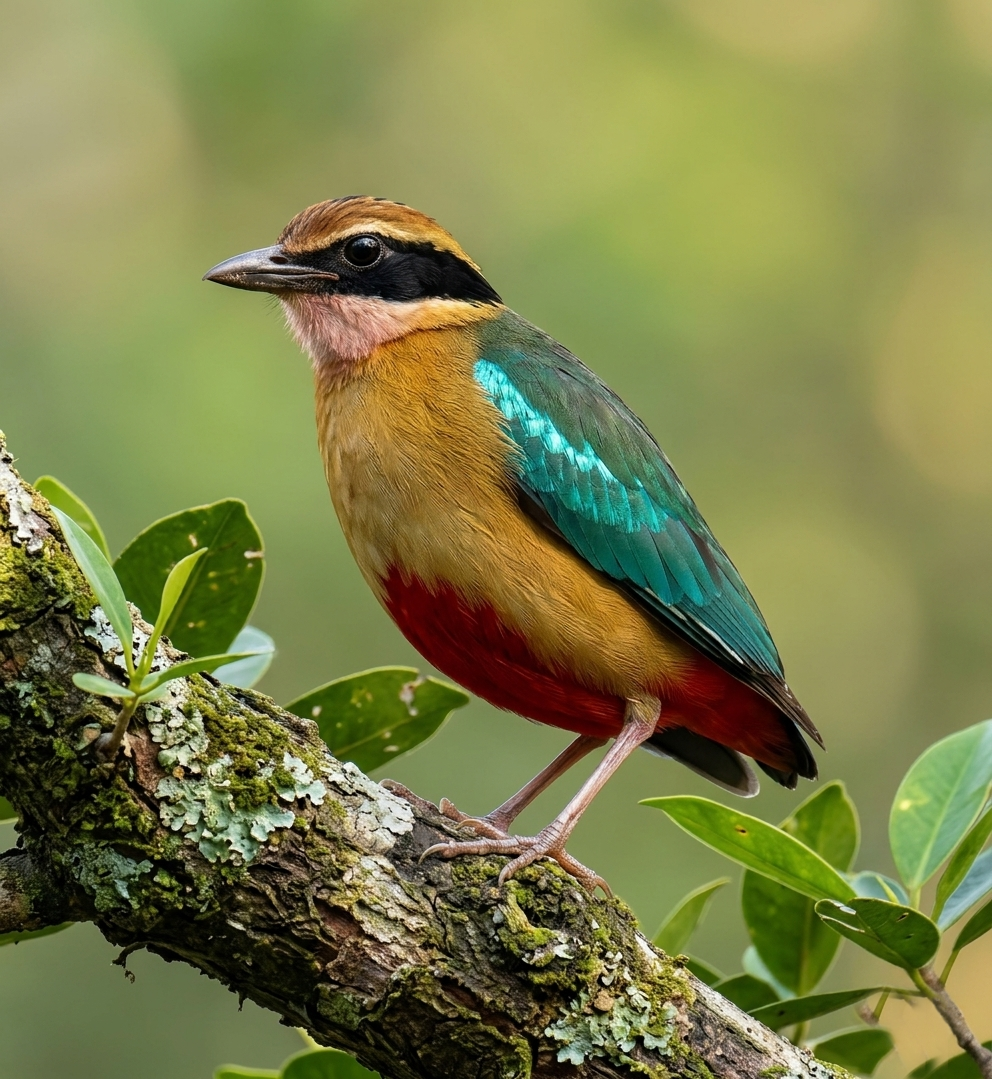
Kidepo supports an impressive range of savannah wildlife. Sightings are never guaranteed, but the diversity of open grassland, woodland and valley habitat gives travellers opportunities to look for both large mammals and specialist northern Uganda species.


Conservation Update
Rhinos Have Returned to Kidepo
Uganda began reintroducing southern white rhinos to Kidepo Valley National Park in March 2026. The animals are part of an active conservation programme and are being managed within a secure sanctuary. Travellers should therefore view this primarily as an important conservation development rather than assume that rhino sightings are automatically part of an ordinary Kidepo game drive.
Step Five
Choose Accommodation Around Your Safari Style
Accommodation in Kidepo should be selected according to comfort level, location and the game-drive plan rather than price alone. The remote setting makes unnecessary daily transfers particularly inconvenient.
Location also affects how easily you can take advantage of the best wildlife-viewing hours. A lodge that allows an efficient early departure can be more valuable than a cheaper property that adds a long transfer before every activity. When comparing options, consider meal arrangements, the quality of the rooms, whether power and charging facilities meet your needs, and how the lodge fits with your arrival and departure method. Fly-in guests and road travellers do not always need the same accommodation plan, so the lodge should support the route rather than dictate it.


Step Six
Plan More Than One Game Drive
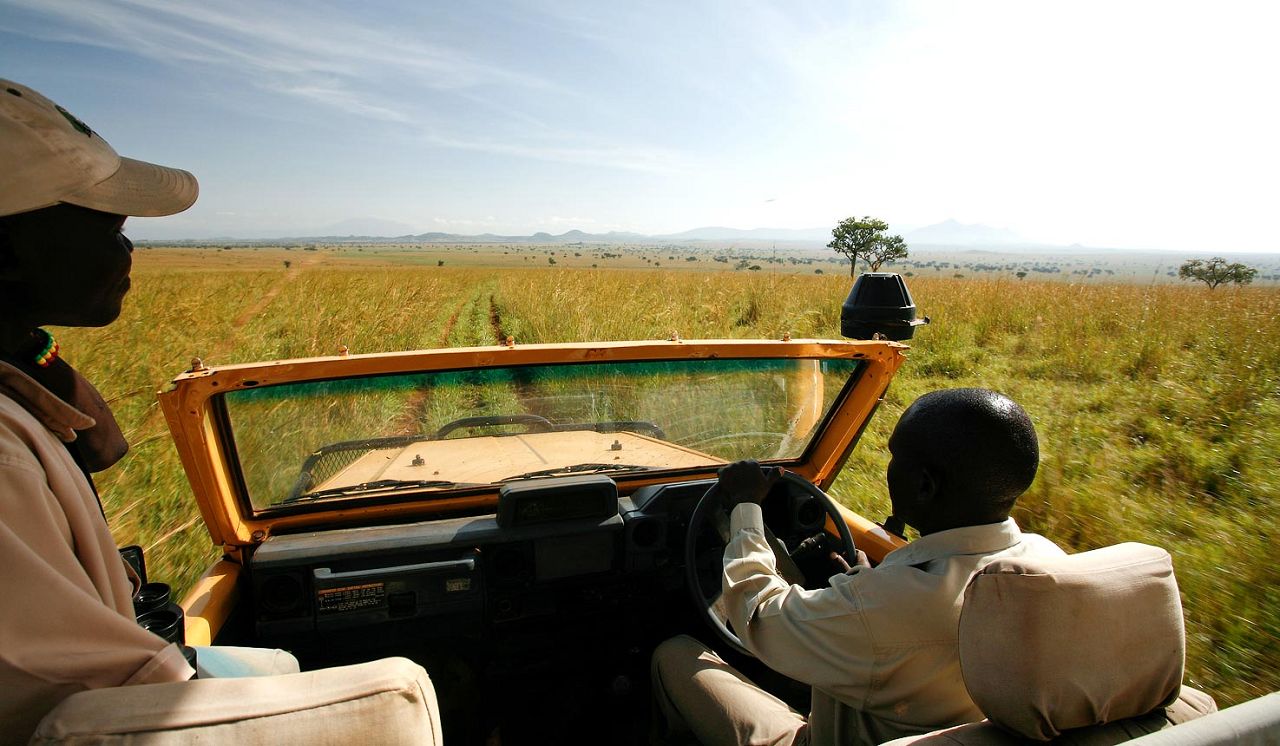
A single drive does not show the full character of Kidepo. Wildlife behaviour changes with temperature, light and water availability, so morning and afternoon drives can feel completely different.
The strongest plan normally leaves enough time between drives for meals and rest, especially during the hotter middle part of the day. Early mornings are valuable for cooler conditions and attractive photography light, while late afternoons can bring another period of activity as temperatures ease. Multiple drives also give you a second chance when a particular species is not found on the first outing, which is important in a large natural ecosystem where sightings can never be scheduled.
Cooler conditions, predators and soft light
Warm light and active wildlife

Step Seven
Add a Responsible Cultural Experience
A visit to northeastern Uganda can also provide meaningful insight into Karamojong pastoral traditions, settlement patterns, food, livestock and community life.
Cultural activities are best approached as community-guided interpretation rather than staged entertainment. Travellers with additional time can also ask about more specialised experiences toward Mount Morungole and Ik communities.
Step Eight
Choose the Season According to Your Priorities
Drier Conditions
Road travel is generally easier, vegetation can be more open and wildlife may become more concentrated around dependable water. Expect dustier and hotter conditions.
Greener Conditions
Landscapes become greener and birding can be rewarding, but some roads may be slower and wildlife may be more dispersed.
Step Nine
Use the Right Safari Vehicle
For an overland Kidepo safari, a well-maintained 4×4 is an important part of the trip. Long-distance road travel, park tracks and changing weather conditions all make vehicle capability more significant here than on a short city-to-park transfer.
- Good ground clearance
- Reliable suspension for long journeys
- Pop-up or open roof for wildlife viewing
- Comfortable seating
- Experienced driver-guide

Step Ten
Combine Kidepo With the Right Uganda Destinations
The best combination depends on whether you are travelling entirely by road or using domestic flights. Northern and eastern Uganda destinations generally connect more naturally with Kidepo than the far southwest.
For road travellers, route efficiency matters because Uganda’s major safari regions are spread across a large area. Linking Kidepo with Murchison Falls can create a logical north-to-west progression, while adding Sipi Falls can work well for travellers interested in scenery and hiking. Gorilla trekking in Bwindi is also possible, but the distance means it deserves additional travel time or a carefully planned domestic-flight connection. Trying to fit Kidepo, western Uganda and Bwindi into too few days can result in a safari dominated by transfers rather than experiences.


Longer Itinerary
Kidepo + Gorilla Trekking
This combination is possible, but Kidepo and Bwindi are far apart. More travel days or domestic flights are usually required to prevent the safari from becoming excessively road-heavy.
Route Ideas
Example Kidepo Safari Itineraries
Short & Efficient
4-Day Fly-In Kidepo Safari
Day 1: Fly to Kidepo + afternoon game drive
Day 2: Narus Valley wildlife drives
Day 3: Wider Kidepo exploration + cultural experience
Day 4: Morning activity + return flight
Overland
5-Day Road Kidepo Safari
Day 1: Entebbe/Kampala → northern Uganda
Day 2: Continue to Kidepo + afternoon drive
Day 3: Full-day game viewing
Day 4: Game drive + cultural experience
Day 5: Begin return or onward journey
Northern Uganda
7-Day Kidepo & Murchison Safari
Combine Kidepo’s remote savannah with Murchison Falls National Park for a more complete northern Uganda wildlife itinerary.
What to Pack for a Kidepo Safari
Is It Right for You?
Who Gets the Most From a Kidepo Safari?
- Travellers looking for remote wilderness
- Wildlife photographers
- Birders
- Repeat Uganda visitors
- Travellers exploring northern Uganda
- Guests who prefer fewer safari vehicles
- People interested in landscapes as well as wildlife
Frequently Asked Questions
Planning a Kidepo Valley Safari
Where is Kidepo Valley National Park?
Kidepo Valley National Park is located in northeastern Uganda near the borders with South Sudan and Kenya.
How do I get to Kidepo?
Travellers can reach Kidepo by private 4×4 road safari or by scheduled or charter flight, depending on availability and itinerary.
How long is the road journey to Kidepo?
The journey from Kampala or Entebbe is long and normally requires most of the day. Many road itineraries are more comfortable when the journey is broken or combined with other northern Uganda destinations.
Can I fly to Kidepo?
Yes. Fly-in arrangements can considerably reduce transfer time, although schedules and charter availability should be confirmed before finalising the safari.
How many nights should I stay in Kidepo?
Three nights is a practical choice for many travellers. Four nights is particularly useful for photography, birding and cultural activities.
What animals can I see in Kidepo?
Potential sightings include buffaloes, elephants, lions, giraffes, zebras, antelopes, ostriches and many bird species. Wildlife sightings always depend on natural animal movements.
Are there lions in Kidepo?
Yes. Lions are among Kidepo’s important predators and may be encountered during game drives.
Are there rhinos in Kidepo now?
Uganda began reintroducing southern white rhinos to Kidepo in March 2026. They are part of a carefully managed conservation programme, so travellers should not assume rhino viewing is included in a normal game drive.
What is Narus Valley?
Narus Valley is one of the park’s important game-viewing areas, with water and grazing that can attract substantial wildlife concentrations.
What is the best time to visit Kidepo?
Kidepo can be visited throughout the year, but road, vegetation and wildlife-viewing conditions vary between drier and wetter periods.
Do I need a 4×4 vehicle?
A capable 4×4 is strongly recommended for an overland Kidepo safari because of the long journey and park-road conditions.
Can I combine Kidepo and Murchison Falls?
Yes. Kidepo and Murchison Falls make one of the most logical combinations for a longer northern Uganda road safari.
Can I combine Kidepo with gorilla trekking?
Yes, but the destinations are far apart. Allow sufficient travel days or consider domestic flights if you want both experiences without excessive time on the road.
Is Kidepo suitable for photographers?
Yes. The combination of wildlife, broad grasslands, mountains and relatively open views makes Kidepo especially attractive for landscape and wildlife photography.
How do I start planning a Kidepo safari?
Start with your available number of days, travel month and budget. Safari Vacations & Travel Services can then advise whether a road or fly-in itinerary is more practical and which other Uganda destinations fit your route.
Road Safari or Fly-In?
Let Us Build the Most Practical Kidepo Valley safari Planning Around Your Time
Tell Safari Vacations & Travel Services your travel dates, number of travellers, available days and which other Uganda destinations interest you. We can plan the private vehicle, accommodation, domestic flights where required and the most sensible Kidepo route.