Mabamba Bay Swamp and Wetland
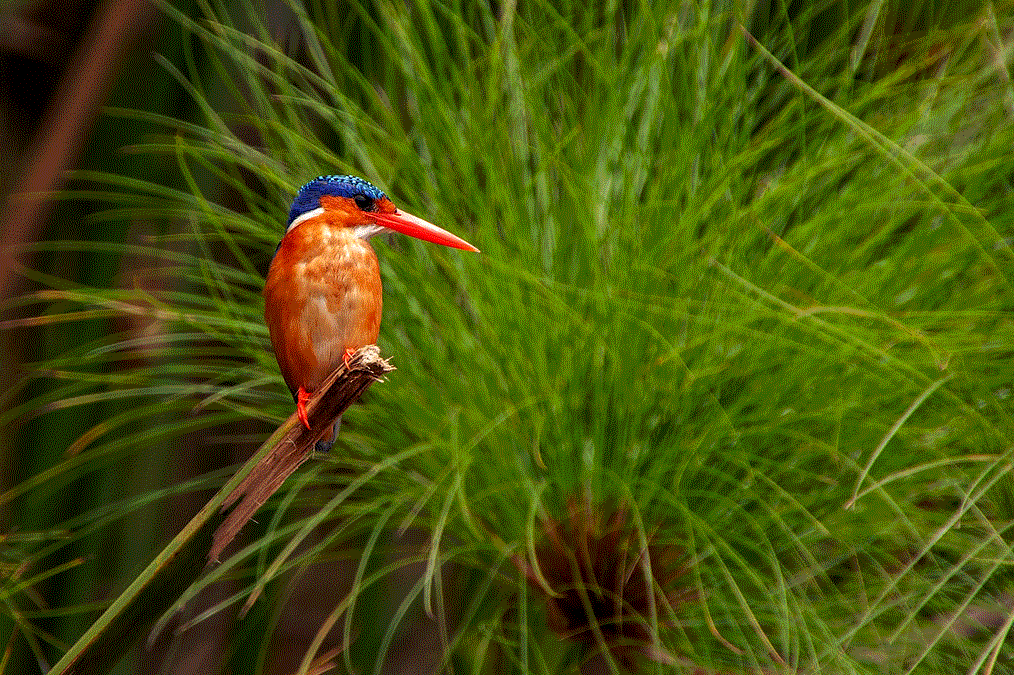
Mabamba Bay Swamp and Wetland is one of Uganda’s most special natural treasures. It sits close to both Kampala city and Entebbe town, making it easy to visit. The swamp covers a large area of Lake Victoria and holds over 260 bird species. Local people call it “Mabamba,” a Luganda word that means “lungfish swamp.” Every year, hundreds of birders from around the world travel here. They come to see rare birds, enjoy the calm waters, and take in the beauty of one of Africa’s finest wetlands.
Where Is Mabamba Bay Swamp?
The swamp lies about 40 kilometers from Entebbe and sits within a small village called Kasanje. It forms part of the vast wetlands that border Lake Victoria. Communities near the swamp earn their living through fishing, hunting, and mining. The wetland serves as both a home for wildlife and a source of income for local people.
In 2006, global conservation leaders named Mabamba a Ramsar Site. A Ramsar Site is a wetland of global importance. The Ramsar Convention is an international treaty that was signed in 1971 in the Iranian city of Ramsar. It pushes governments to protect and wisely use wetlands and the life they support. Mabamba earned this status because it shelters rare birds like the Papyrus Yellow Warbler, the Shoebill Stork, and the Blue Swallow. The Sitatunga, a shy swamp antelope, also lives here.
Why Birders Love Mabamba Bay Swamp and Wetland
Because of its Ramsar status, Mabamba has become a well-known Important Bird Area (IBA). This means it draws serious birders and casual visitors alike. Its location near Entebbe International Airport makes it a great first stop for anyone starting a longer safari in Uganda. Visitors can arrive, spend a morning on the water, and then move on to Uganda’s famous national parks.
The star of the show is the Shoebill Stork. Known locally as “Bbulwe,” this large bird gets its name from its huge, shoe-shaped bill. The bill is yellow, wide, and slightly hooked at the end, giving the bird a look that some say belongs to the age of dinosaurs. Despite its odd looks, the Shoebill is one of the most loved birds in Africa.
Shoebill Storks are rare and shy. Uganda holds about 1,000 of them — one of the largest numbers in the world. Besides Mabamba, you can spot them at Murchison Falls National Park, Lake Mburo National Park, Ziwa Rhino Sanctuary, Nabajuzi Swamp near Masaka, and along Lake Kyoga. Still, Mabamba offers some of the best chances to see them up close.
Getting to Know the Shoebill in Mabamba Bay Swamp and Wetland
Shoebills live in the papyrus swamps of sub-Saharan Africa, including Uganda, DR Congo, Tanzania, Zambia, and Sudan. They love to eat lungfish, which thrive in Mabamba, partly because many Baganda people do not eat them. In fact, one Baganda clan takes its name from the lungfish. Besides fish, Shoebills also eat frogs, water snakes, lizards, turtles, young crocodiles, snails, and rodents.
These birds live alone for most of the year. Two birds only come together during the breeding season, which happens in the dry months. The dry season helps protect their nests from floods. A female lays one to three eggs, and both parents take turns sitting on them. After the chicks hatch, both parents feed them until they can find food on their own. Only the strongest chick usually survives to adulthood. Young Shoebills take three to four years before they begin to breed. Adults can weigh up to 14 pounds and live for more than 50 years.
How to Get to Mabamba Bay Swamp and Wetland
You can reach Mabamba from either Kampala or Entebbe. From Entebbe, take the old Entebbe–Kampala road and turn off at Kisubi. Drive through Nakawuka and then Kasanje before arriving at Mabamba. From Kampala, take a taxi to the Kasanje trading center, then hire a boda-boda for the last 13.5 kilometers. Another road option is to take the Masaka road, turn off after 30 kilometers at Buyege, and then drive the remaining 22 kilometers to the swamp.
However, the most exciting way to arrive is by speedboat across Lake Victoria from Entebbe. The trip takes about 45 to 50 minutes and lets you enjoy the beautiful open water. You can hire speedboats from hotels in Entebbe or from the Entebbe Sailing Club. The boats are safe, comfortable, and fitted with life jackets. Once you reach the edge of the swamp, you switch to a smaller canoe to move through the narrow papyrus channels.
What a Visit Looks Like
Arrival and Boat Arrangements
When you arrive at the swamp’s entry point, local guides and boatmen welcome you warmly. A community leader organizes who gets which guide and boat. Each canoe can carry up to three visitors plus the guide and boatman. Before you set off, pay a small community fee of about $7 at the local office. The combined cost of a guide and a boat is around $35. Always carry or request a life jacket, as not all boats provide them.
Exploring the Papyrus Channels
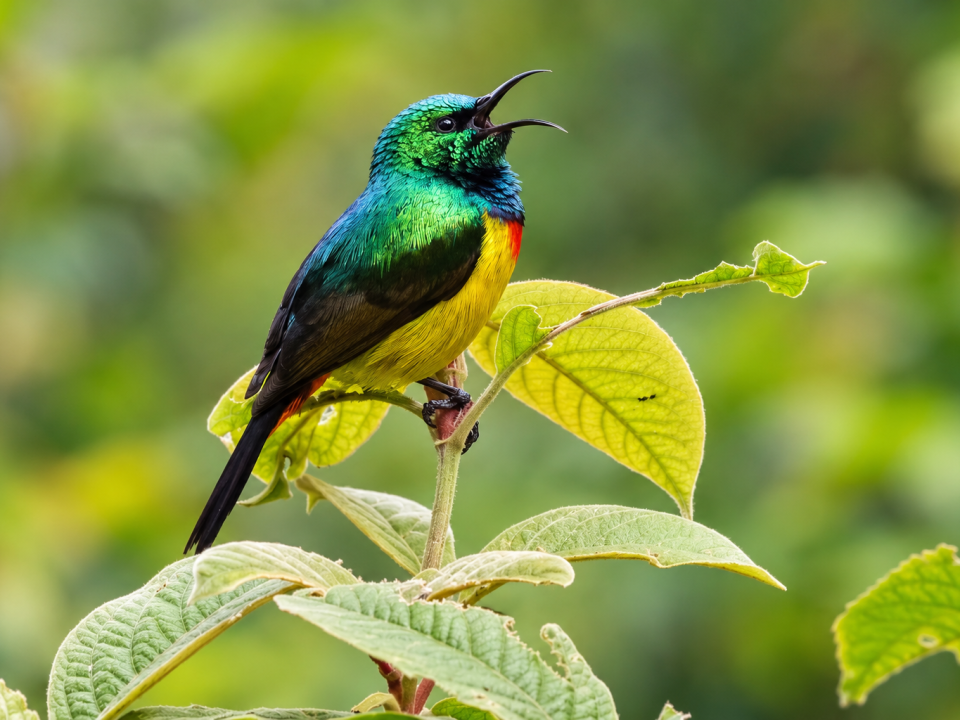
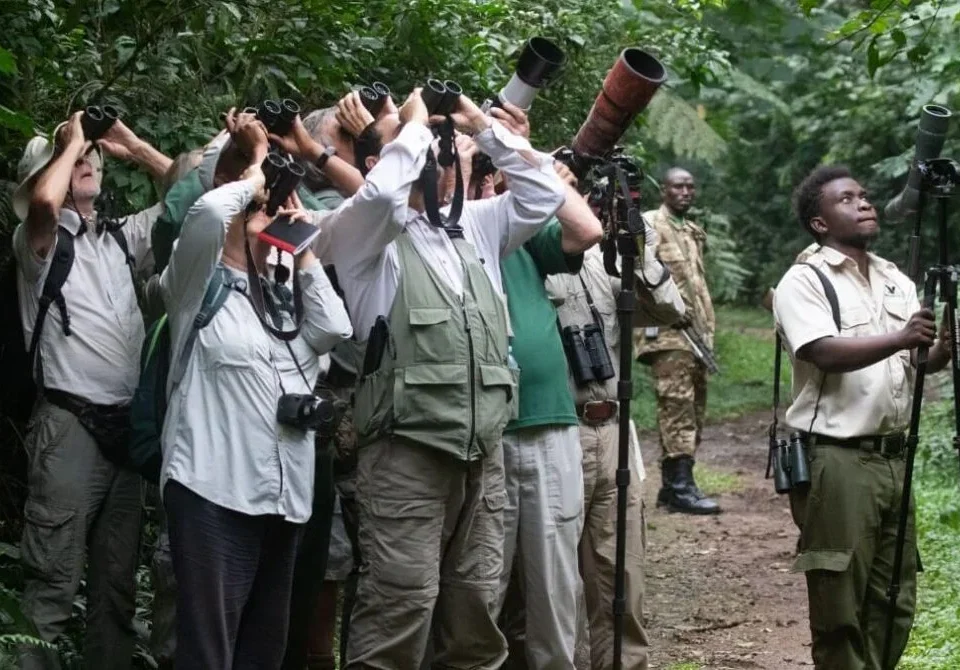
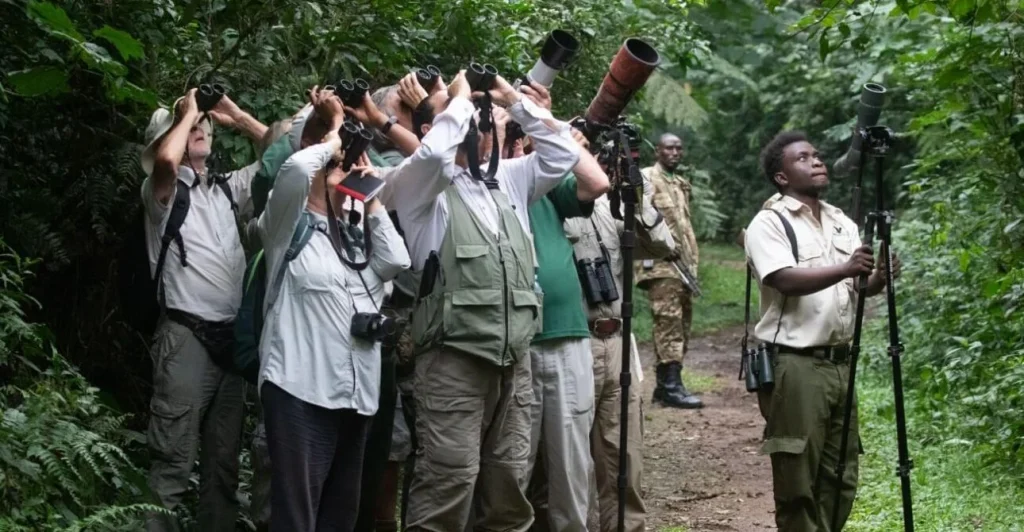
As your canoe moves through the papyrus reeds, keep your eyes and ears open. Your guide will quietly paddle you close to the birds. After a few minutes, the narrow reed channels open up into wide, flat, grassy sections of the swamp. This is where the action happens. Kingfishers, bee-eaters, herons, and weavers fill the air and the reeds on both sides.
Searching for the Shoebill
The best time to find Shoebills is in the early morning, when they come out to feed. These birds stand very still for long periods as they watch for fish and prey below. That stillness makes them easier to photograph than many other birds. Furthermore, the guides in Mabamba work as a team. They spread out across the swamp and stay in contact with each other. When one guide spots a Shoebill, all the others bring their canoes quietly to the same spot. This teamwork gives visitors a very high chance of seeing the bird.
Tour Duration and Best Time to Visit
A standard birding tour lasts about four hours. However, full-day tours can be arranged on request. The best birding months run from September to March, when migratory birds arrive from Europe and add to the already wide variety.
Other Things to Do in Mabamba Bay Swamp and Wetland
Birding is the main reason people visit Mabamba, but the swamp offers much more. The wetland is home to over 200 butterfly species. Among the most common are the Bicyclus sebetus and several Acraea species. Watching them flutter over the lotus flowers adds a peaceful touch to any visit.
Fishing is also popular here. Tilapia, mudfish, lungfish, and Nile Perch all swim in these waters. You can join a local fisherman or simply watch from the canoe. Mabamba also shelters the Sitatunga antelope. These shy animals are hard to spot because poachers have reduced their numbers. Efforts by the government and wildlife groups focus on protecting them through community education.
After your swamp tour, consider exploring the area further. A village walk lets you meet local families, see how they farm and live, and browse crafts made from swamp reeds. Bags, mats, baskets, and small huts made from these materials line the craft shops. From Mabamba, it is also easy to visit Entebbe’s other highlights. These include the Uganda Wildlife Education Centre, the shores of Lake Victoria, and the Ngamba Island Chimpanzee Sanctuary.
Protecting Mabamba for the Future
The greatest threat to the Mabamba wetland is human activity. People drain parts of the swamp to build houses and put up infrastructure. In the past, some fishermen believed that seeing a Shoebill before setting out to fish brought bad luck. As a result, they harmed the birds or stole their eggs to sell. Fortunately, the Ramsar designation helped bring these birds under greater protection.
Today, the government and wildlife agencies actively teach nearby communities about the value of the wetland. Local people have come to understand that a healthy swamp means a better life for them. Fishermen now rent their boats to tourists, and some have trained as birding guides. The income from tourism has turned the Shoebill from a feared bird into a prized asset worth protecting. As a result, Mabamba Bay Swamp stands as a bright example of how conservation and community can work hand in hand to keep nature alive for future generations.