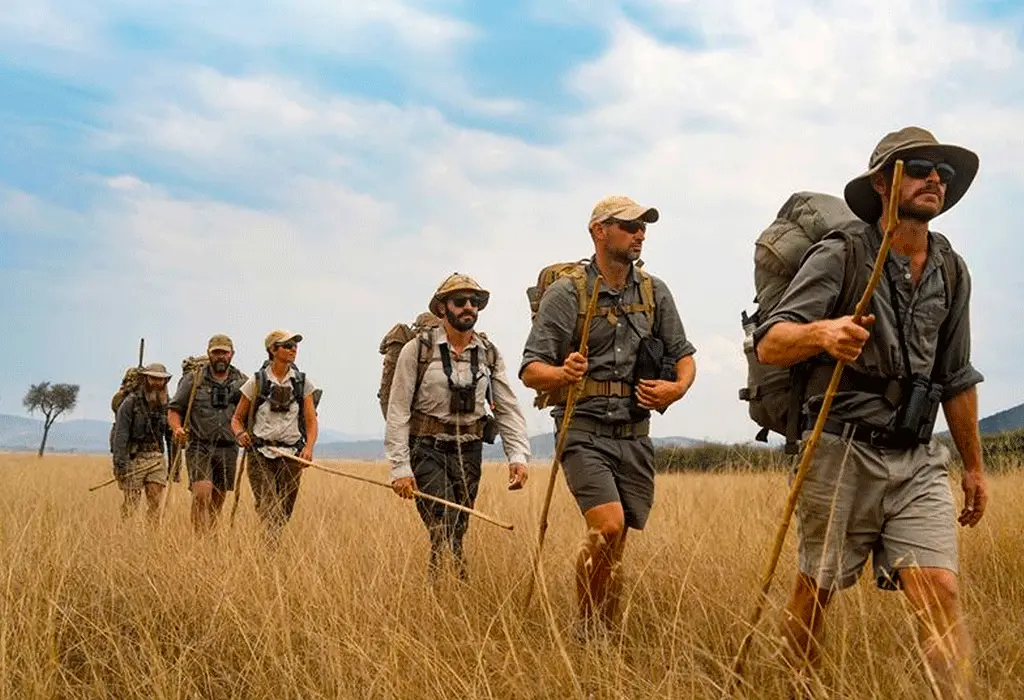
Climbing Mount Muhavura in Kisoro

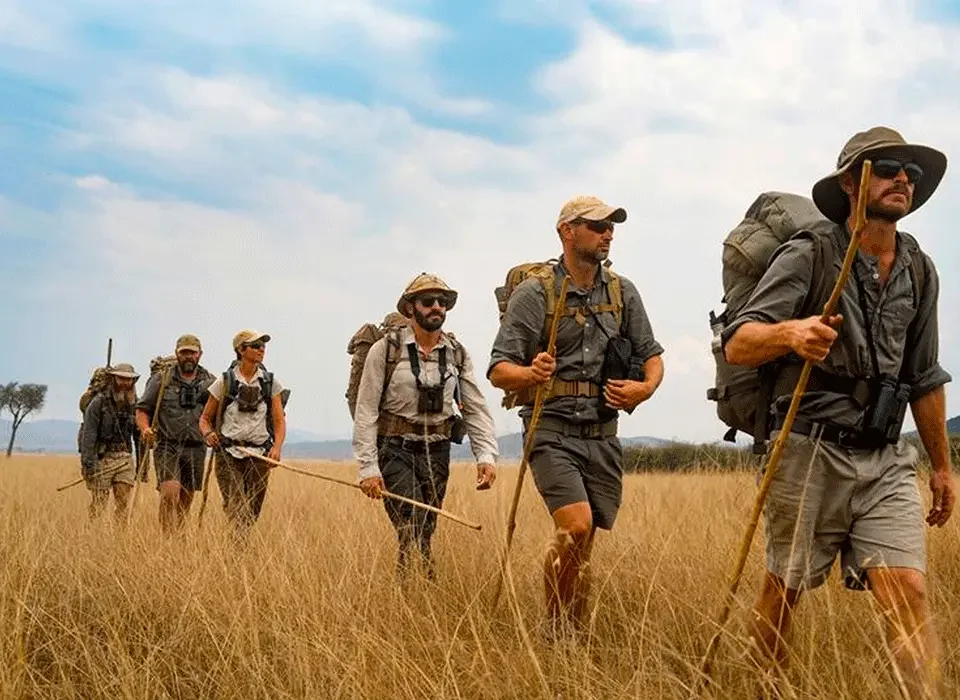
Climbing Mount Muhavura offers an exhilarating adventure for nature enthusiasts and thrill-seekers alike. Nestled in the breathtaking landscape of Kisoro, Uganda, this majestic peak is a geological wonder and a gateway to rich biodiversity and vibrant local culture. When planning to visit Uganda, the image of an obscure mountain may not be the first thing that comes to mind; however, the thrill of ascending a 4,127-meter peak through bamboo forests and moorland awaits those who seek it.
Mount Muhavura is an extinct volcano that has experienced significant erosion over the centuries, resulting in its current majestic form. The summit features a crater approximately 400 meters wide, which houses a small crater lake that was last reported to be glowing red hot in 1900. The name “Muhavura” translates to “Guide” in the local dialect, as it marks the way to the Virunga Mountains. It is similar to Mount Sabyinyo, the oldest of the Virunga range. Although it is not the tallest volcano in the region, it presents one of the most challenging hikes due to its steep slopes.
The mountain’s last eruption occurred around A.D. 1000, leaving behind a large eruption crater and several smaller explosive reliefs along its base. Deep gorges on its flanks were carved by rivers that have shaped this stunning landscape. This rich hydrology attracts tourists not only for its water features but also for the impressive flora and fauna that thrive in this unique environment.
Geographical Location and Significance
Mount Muhavura, standing at 4,127 meters (13,450 feet) above sea level, is the third highest of the eight major volcanoes in the Virunga Range. It straddles the border between Uganda and Rwanda, with portions lying within Mgahinga Gorilla National Park in Uganda and Volcanoes National Park in Rwanda. The name “Muhavura” translates to “the guide” in Rukiga, reflecting its historical significance as a navigational landmark for local communities.
This extinct volcano features a classic conical shape capped with a small crater lake, which many believe possesses medicinal properties. The mountain’s slopes are adorned with diverse vegetation ranging from lush rainforests to sub-alpine heather, creating a unique ecosystem that supports various wildlife species, including critically endangered mountain gorillas and golden monkeys.
Preparation and Planning for the Climb
Physical Fitness and Training
Climbing Mount Muhavura is not for the faint-hearted; it requires a good level of physical fitness. The hike typically takes between 5 to 7 hours, depending on individual pace and fitness levels. To prepare adequately:
- Cardiovascular Training: Engage in activities such as running, cycling, or swimming to build endurance.
- Strength Training: Focus on leg strength through exercises like squats and lunges to help with the steep ascent.
- Hiking Practice: If possible, practice hiking on similar terrains to acclimatize your body to the demands of the climb.
- Hydration Supplies: Carry enough water and high-energy snacks to keep your energy levels up during the hike.
The Climbing Experience
Trail Routes and Difficulty Levels
The hike up Mount Muhavura can be categorized into two main routes: one from Uganda (Ntebeko Visitor Center) and another from Rwanda (Kinigi Visitor Center). Both routes present unique challenges but ultimately lead to the same breathtaking summit.
The trail is steep and can be physically demanding. It is divided into two major stops before reaching the summit:
- First Stop (3,116 meters): A rest point where hikers can catch their breath.
- Second Stop (3,855 meters): Another checkpoint before tackling the final stretch to the peak.
While some hikers may choose to stop at these huts for lunch or rest, those who continue must be prepared for colder temperatures and potentially misty conditions as they approach the summit.
Best times to climb Mount Muhavura
The best times to climb Mount Muhavura are during the dry seasons, which occur from June to September and December to February. During these months, rainfall is minimal, resulting in drier and more manageable hiking trails, making the climbing experience significantly easier compared to the rainy season.
While it is possible to hike Mount Muhavura year-round, the rainy seasons, which typically run from March to May and October to November, can present challenges. Trails become muddy and slippery, which can slow down progress and increase the risk of accidents. Moreover, heavy vegetation during these months can obscure views of wildlife and the surrounding landscape.
Time taken to hike to the summit and back
Hiking to the summit of Mount Muhavura and back typically takes between 6 to 8 hours in total, depending on your pace and fitness level.
- Ascent: The hike to the summit generally takes about 5 to 7 hours. This includes stops for rest and acclimatization along the way, particularly at two major points: the first stop at approximately 3,117 meters and the second at around 3,860 meters.
- Descent: The return journey usually takes about 1 to 2 hours, making the entire round trip a full-day adventure.
It is essential to start early in the morning, around 7 AM, to ensure you have enough daylight for both the ascent and descent, as well as to enjoy the views from the summit without rushing
Flora and Fauna Encountered on Mount Muhavura
One of the most captivating aspects of climbing Mount Muhavura is the opportunity to experience its diverse flora and fauna. The mountain’s unique ecosystem supports a variety of wildlife species and plant life, creating an immersive natural experience for hikers.
Wildlife Species Commonly Spotted
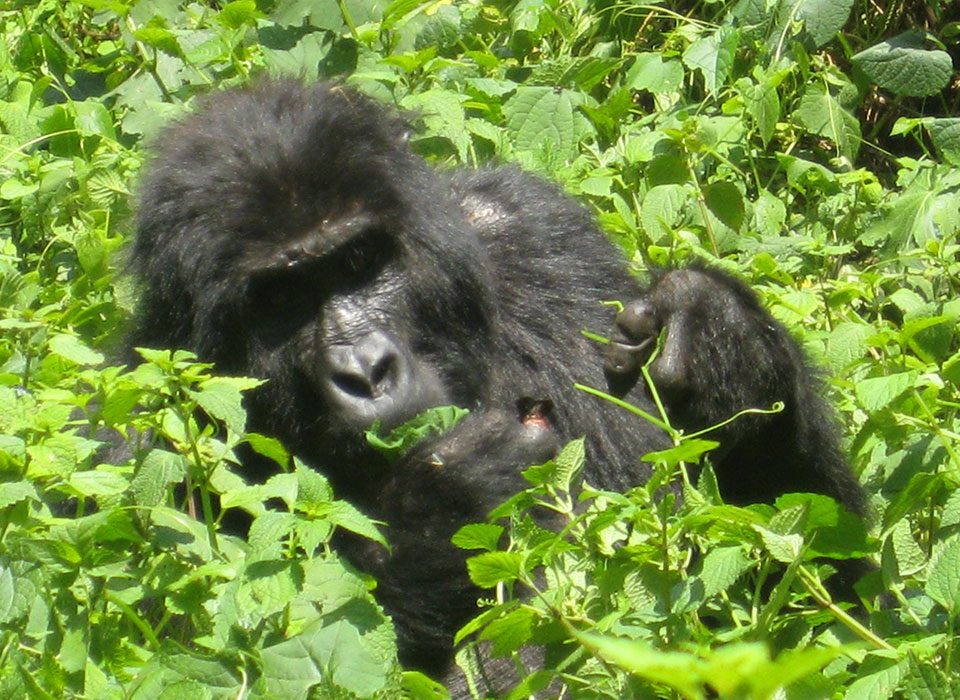
- Mountain Gorillas: As one of the region’s most iconic residents, these critically endangered primates are often spotted in the lower forested areas of the mountain. Their presence is a significant draw for many hikers, as they embody the rich biodiversity of the Virunga region.
- Golden Monkeys: These playful and rare primates inhabit the bamboo forests surrounding Mount Muhavura. Their vibrant appearance and lively antics make them a delightful sight along the trails.
- Blue Monkeys: Frequently seen swinging through the trees, blue monkeys add to the dynamic wildlife experience on the mountain.
- Bushbucks: This shy species of antelope can occasionally be spotted in the underbrush along the trails, providing a glimpse into the mountain’s diverse mammal population.
- Duikers: These elusive small antelopes tend to hide in dense vegetation, making sightings less common but still possible, especially in lower forested areas.
- Bird Species: Mount Muhavura is home to a rich variety of birds, including:
- Scarlet-Tufted Malachite Sunbirds: Often flitting among the vegetation, these colorful birds are a favorite among birdwatchers.
- Various raptors and endemic species thrive in different habitats across the mountain.
- Butterflies and Insects: The lower slopes are teeming with various insects, including numerous butterfly species that enhance the vibrant ecosystem encountered along the trail.
- White-Necked Ravens: As hikers ascend to higher altitudes, these clever birds can often be seen at campsites, scavenging for food.
Flora Along the Trail
The vegetation on Mount Muhavura varies significantly with altitude, offering hikers a diverse botanical experience:
- Lower Elevations (Rainforest): The lower slopes are characterized by dense rainforests that provide habitat for many wildlife species, including gorillas and monkeys.
- Bamboo Zone: Found between 2,500 to 3,300 meters (8,200 to 10,800 feet), this area covers about 60% of Mgahinga Gorilla National Park and is crucial for larger mammals like mountain gorillas and golden monkeys. Bamboo serves as an important resource for both wildlife and local communities.
- Hagenia-Hypericum Woodland: Above the bamboo zone lies this unique vegetation type that supports various plant species adapted to cooler climates.
- Afro-Alpine Zone: At higher elevations, hikers encounter giant lobelias and other specialized plants that thrive in harsh conditions. This zone showcases some of the most stunning views on the mountain.
The combination of diverse wildlife encounters and varied plant life makes climbing Mount Muhavura an unforgettable experience for nature lovers and adventure seekers alike. Each step along the trail reveals new wonders, from playful monkeys to breathtaking landscapes, ensuring that every hiker leaves with cherished memories of this remarkable journey.
Cultural and Historical Context
Local Communities and Traditions
The area surrounding Mount Muhavura is rich in cultural heritage. The Bakiga people predominantly inhabit the Kisoro district, known for their agricultural skills and vibrant traditions. The Bafumbira community also contributes to this cultural tapestry with its unique practices.
The Batwa people, historically forest dwellers, have a distinct culture centered around hunting and gathering. Engaging with local communities can enhance your climbing experience by providing insights into their way of life, traditional dances, music, and rituals that celebrate their connection with nature.
Safety Measures and Emergency Protocols
Ensuring your safety is paramount when embarking on a hiking adventure, especially on a challenging climb like Mount Muhavura. Here are essential safety measures and emergency protocols to keep in mind:
Pre-Hike Briefing
- Attend the Pre-Hike Briefing: Make it a priority to participate in the pre-hike briefing conducted by park rangers. This informative session covers crucial topics, including:
- The mountain’s history and ecological significance.
- Detailed safety guidelines tailored to the trail.
- Strategies for managing altitude sickness and recognizing its symptoms.
- What to expect during your hike, including trail conditions and weather forecasts.
Emergency Preparedness
- Familiarize Yourself with Emergency Procedures: Understanding how to respond to emergencies can make a significant difference. Key protocols include:
- Stay Calm: If you find yourself lost or injured, maintaining composure is vital. Panic can cloud judgment and complicate the situation.
- Signal for Help: Use whistles, mirrors, or brightly colored clothing to attract attention if you need assistance. Make noise or create visible signals to alert others to your location.
- Administer First Aid: Carry a basic first aid kit and know how to use its contents. Be prepared to treat minor injuries and recognize when professional medical help is needed.
- Stay Warm and Dry: In adverse weather conditions, prioritize your comfort. Use extra layers of clothing and seek shelter if necessary to avoid hypothermia.
Guided Tours
- Consider Hiring Experienced Guides: Engaging a knowledgeable guide can greatly enhance your hiking experience. Benefits of hiring a guide include:
- Safety Expertise: Guides are familiar with the terrain and can navigate safely through challenging sections of the trail.
- Local Knowledge: They provide valuable insights into the mountain’s ecology, wildlife, and cultural significance, enriching your understanding of the environment.
- Emergency Response: In case of an emergency, experienced guides are trained to handle various situations effectively, ensuring that you receive prompt assistance.
By prioritizing safety through thorough preparation, understanding emergency protocols, and considering guided tours, you can enhance your hiking experience on Mount Muhavura while minimizing risks. Remember that being well-prepared is key to enjoying this incredible adventure in one of Uganda’s most stunning natural landscapes.
Essential Hiking Gear for Climbing Mount Muhavura
Hiking Boots:
Waterproof and Sturdy: Strong, waterproof hiking boots are crucial, especially during wet conditions. They provide the necessary support and traction on steep and slippery trails.
Clothing:
- Moisture-Wicking Base Layers: Wear lightweight, breathable fabrics that wick moisture away from your skin.
- Long-Sleeve Shirts and Pants: These protect against sunburn and insect bites while also keeping you warm at higher altitudes.
- Warm Layers: Pack a fleece or insulated jacket for colder temperatures near the summit.
- Rain Jacket: A waterproof jacket with a hood is essential for unexpected rain showers.
Accessories:
- Warm Stockings and Gloves: These will help keep you warm as temperatures drop at higher elevations.
- Hat or Beanie: A hat can protect you from the sun, while a beanie is useful for warmth.
Backpack:
- Daypack: A comfortable daypack to carry your essentials like water, snacks, and extra layers. Ensure it is waterproof or has a rain cover.
Hydration:
- Adequate Water Supply: Carry enough bottled water to stay hydrated throughout the hike.
Snacks and Lunch:
- Energy-Giving Snacks: Bring light snacks such as energy bars, nuts, or dried fruits to maintain your energy levels during the climb.
- Walking Stick or Trekking Poles: These can provide additional support on steep sections and help reduce strain on your knees.
- Insect Repellent: Protect yourself from insect bites, particularly in lower forested areas.
- Sunscreen: Apply sunscreen to protect your skin from UV rays, especially at higher altitudes where the sun’s intensity increases.
- First Aid Kit: Include essentials such as bandages, antiseptic wipes, pain relievers, and altitude sickness medication.
- Camera and Binoculars: A good camera for capturing stunning views and binoculars for spotting wildlife from a distance.
- Extra Batteries and Memory Cards: Ensure you have spare batteries for your camera and extra memory cards to capture all your memories without running out of space.
- Microfiber Towel: A quick-drying towel can be useful for personal hygiene or drying off after rain.
Additional Considerations
- Fitness Level Preparation: Ensure you are physically prepared for the hike by engaging in cardiovascular training and strength exercises before your climb.
- Guided Tours: Consider joining a guided tour for added safety and expertise on the trail.
- Weather Awareness: Check weather conditions before your hike to ensure you are adequately prepared for any weather changes.
By equipping yourself with this essential gear, you’ll be well-prepared to tackle the challenges of climbing Mount Muhavura while enjoying its breathtaking scenery and rich biodiversity.
Conclusion
Climbing Mount Muhavura is more than just a physical challenge; it’s an opportunity to connect with nature, experience breathtaking views of neighboring volcanoes and lakes, and immerse yourself in rich cultural traditions. Whether you are an experienced hiker or a novice adventurer looking for a memorable experience in Uganda’s stunning landscapes, this journey promises unforgettable moments at every turn.
At Safari Vacations and Travel Services, we ensure that your climbing expedition is well-organized with expert guides who prioritize your safety while providing insights into this magnificent region’s ecology and culture. Join us for an adventure of a lifetime on Mount Muhavura! Fill out the following inquiry form for more information.