Chances of Seeing Gorillas in Bwindi
Chances of Seeing Gorillas in Bwindi
Chances of Seeing Gorillas in Bwindi
An evidence-aware guide to your likelihood of seeing mountain gorillas, how trackers find them and what could affect your encounter.
How likely are you to see gorillas in Bwindi?
The Chances of Seeing Gorillas in Bwindi are very high. Safari operators commonly report a sighting success rate above 95% for guided visits to habituated mountain gorilla families. You may also encounter estimates of 98% or 99%, but these are widely circulated industry figures rather than a single publicly audited, day-by-day park statistic. No responsible operator should promise a 100% encounter.
Bwindi Impenetrable National Park in southwestern Uganda offers guided treks to gorilla groups accustomed to carefully managed human visits. Experienced rangers, trackers and daily monitoring help teams search in the right areas. The gorillas nevertheless remain wild and free to move, and a permit gives you access to a guided search rather than ownership of a sighting. For trip ideas, explore our best gorilla trekking tours and curated Bwindi gorilla safari options.
The practical message is reassuring: most visitors undertaking a normal, well-organised trekking day do encounter gorillas. What varies more sharply is the difficulty of the walk, the hours spent searching, the vegetation around the group, and the quality of the photographs you can take. It helps to separate the chance of finding gorillas from the chance of getting an effortless or perfectly clear view.
The short answer
Most organised treks locate a habituated gorilla family, with sighting rates commonly described as over 95%. That figure is an approximate industry-reported success rate, not a guarantee for an individual trek or an official probability forecast for your date.
Three reasons sighting chances are so high

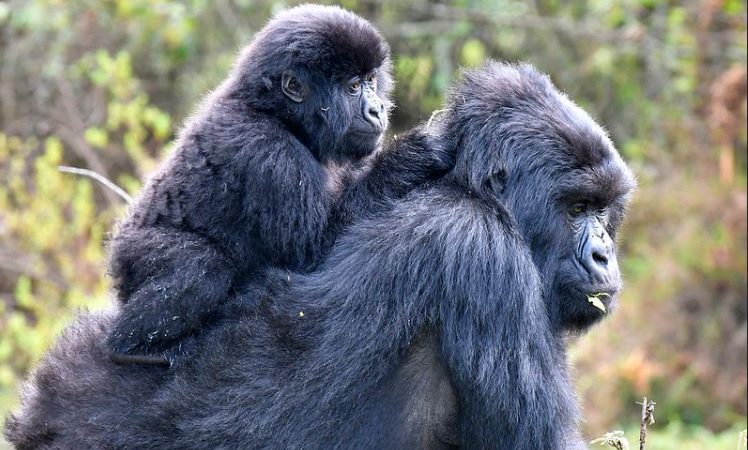
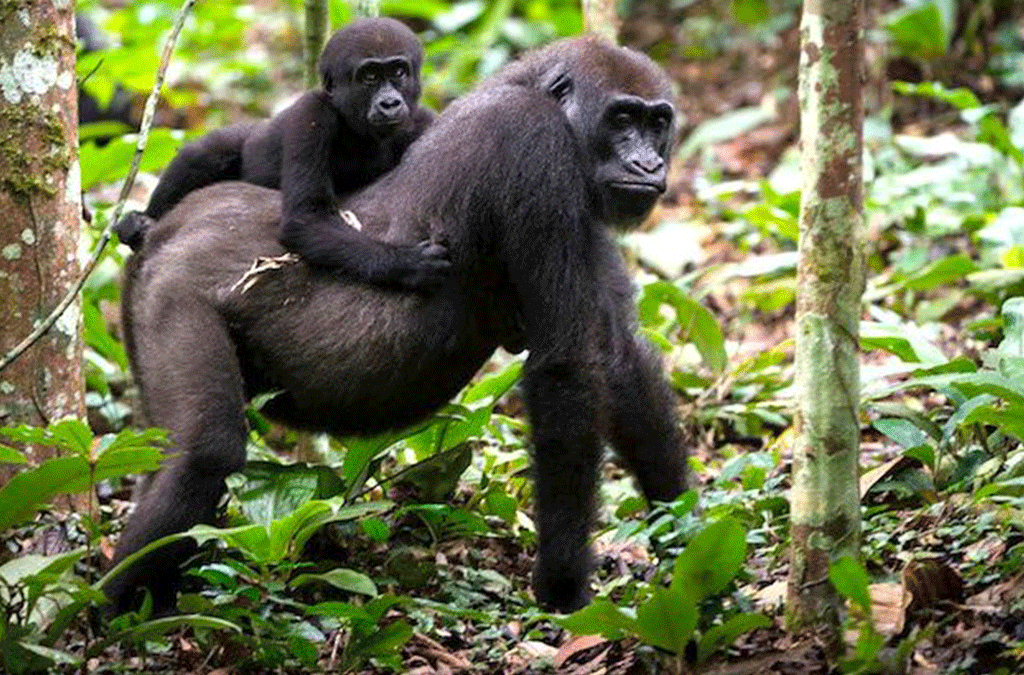
Habituated gorilla families
The families used for tourism are accustomed to ranger-supervised encounters, though they stay wild and may move daily.
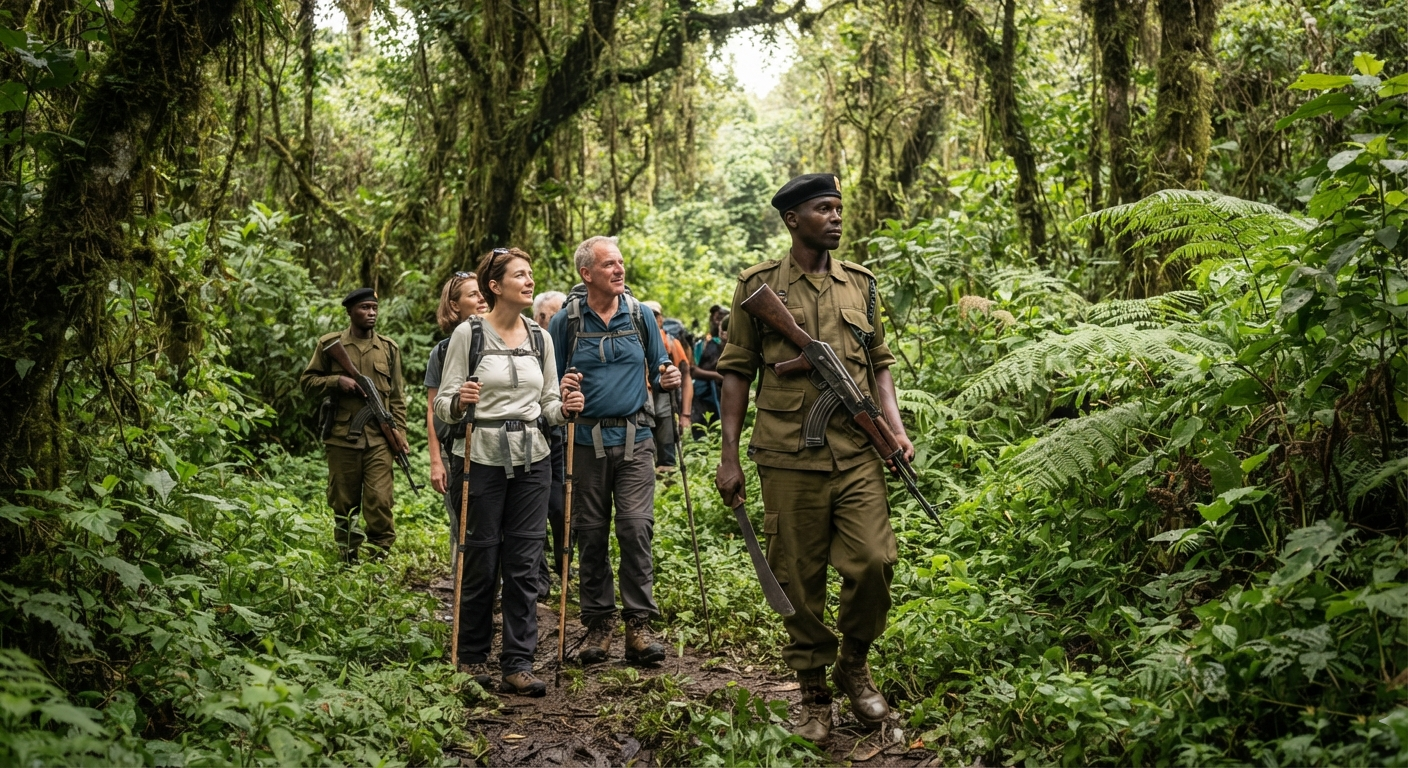
Local ranger and tracker teams
Guides understand animal movements, terrain and signals, and communicate with tracking teams during the search.
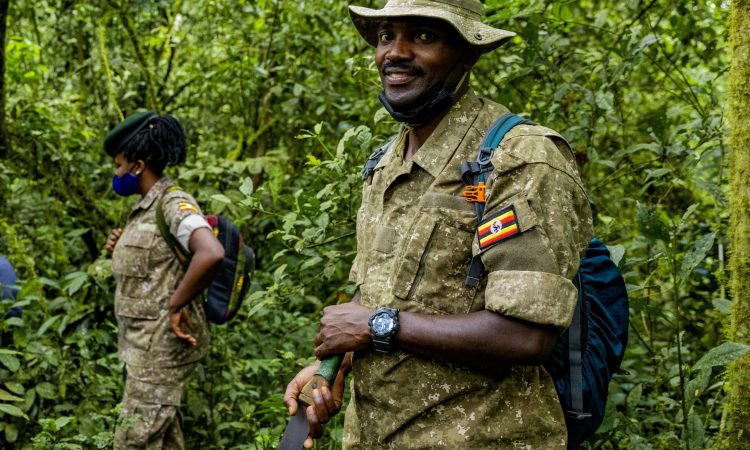
Regular monitoring in the forest
Fresh information about nesting sites, feeding areas and previous movements helps narrow down where to look.
Because gorilla families may travel across steep slopes and thick forest, tracking is never simply a stroll to a fixed enclosure. Learn more about gorilla family allocation and the gorilla families available to visitors to understand why your exact group is confirmed through the park process.
What happens on the trekking day?
Your day typically starts at a park briefing point, where rangers explain behaviour around gorillas, group sizes, safety guidance and trekking logistics. Travellers are placed into small groups, usually no more than eight visitors per habituated family. The assignment may consider logistics and reported fitness, but the final decisions are made by park authorities.
After the briefing, guides take your group into the forest or to an appropriate trailhead. Tracking staff may already be searching or monitoring the day’s likely gorilla location. You follow the ranger’s instructions and move at the pace appropriate for the terrain. For an hour-by-hour account, read what to expect on trekking day and the guide to gorilla trekking start times.
A trek may take anywhere from roughly one to six hours or longer, depending on the group’s location, weather and route. An exceptionally quick encounter is possible, but should not be assumed. Once the gorillas are located, the usual standard trekking visit permits up to one hour of viewing under ranger supervision. The clock for that hour begins when the encounter is established, not when you depart your lodge.
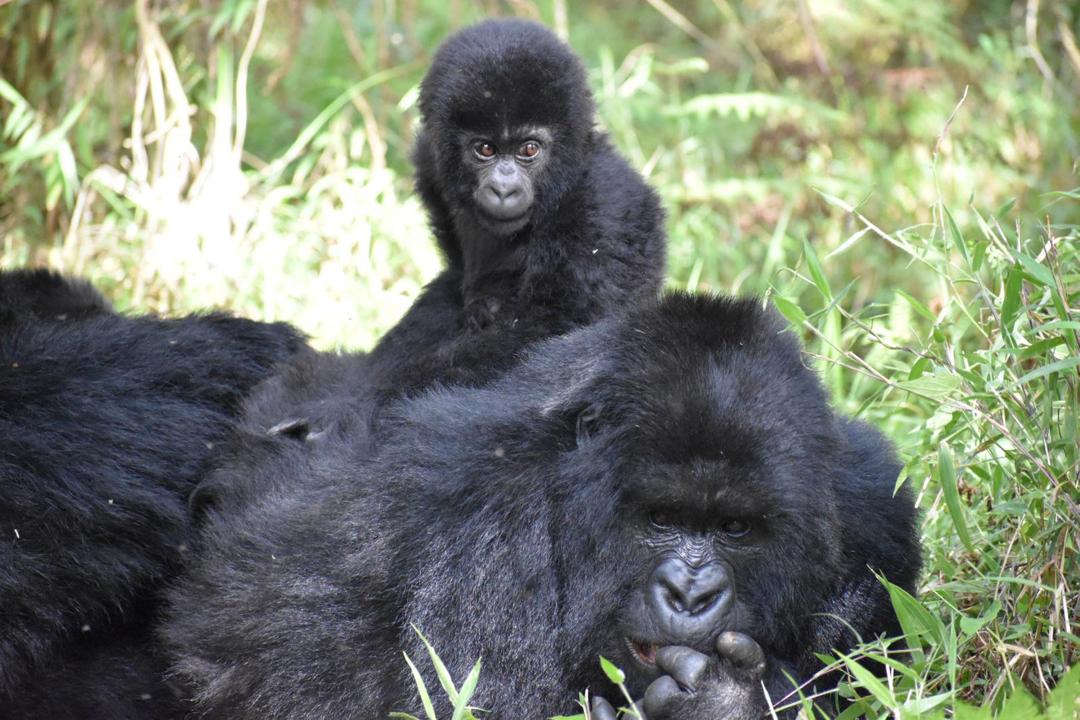
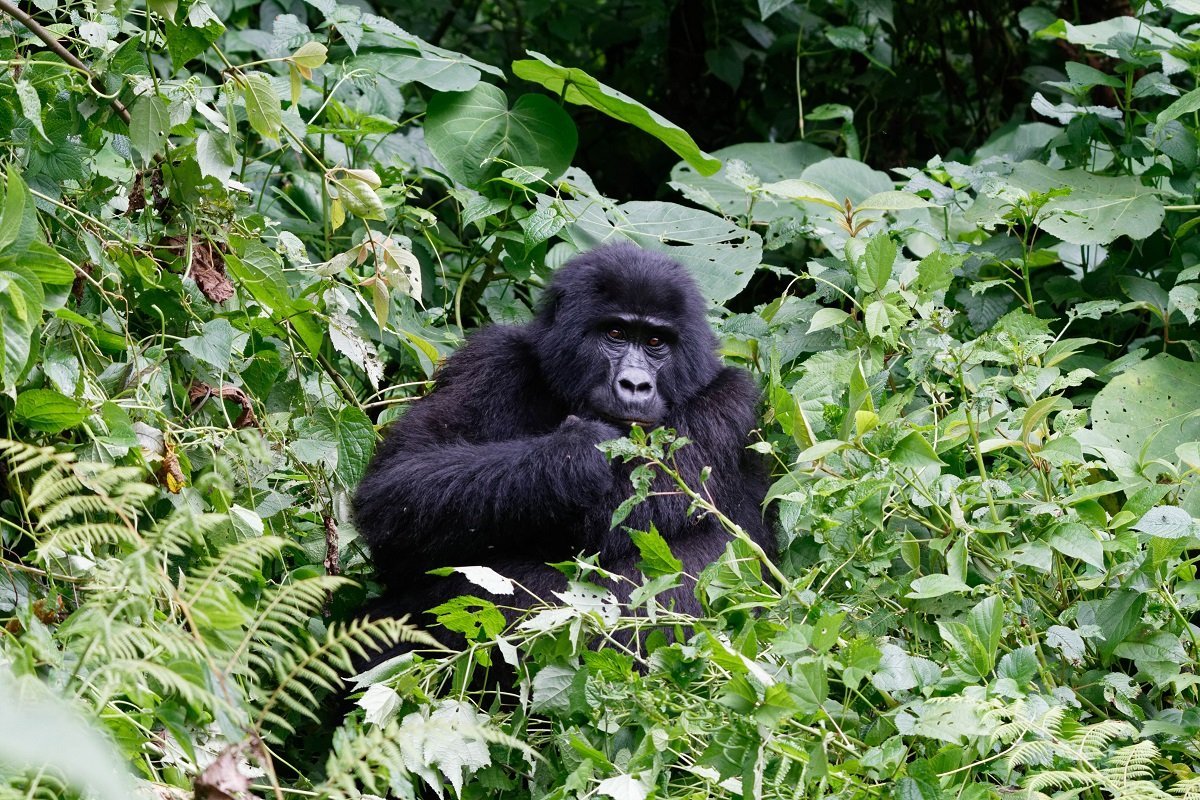
Sometimes gorillas are feeding quietly in open undergrowth; on other days, branches, vines or steep slopes partly obstruct your view. A silverback may settle close to the group, while younger gorillas play or move deeper into the vegetation. Rangers determine what is safe and appropriate, and guests must not pursue better angles or disregard the required separation distance. Our article on how far you may walk helps set expectations.
Does the Bwindi trekking sector affect sighting success?
Bwindi has four established trekking areas: Buhoma in the north, Ruhija in the east, and Rushaga and Nkuringo in the south. Every sector provides opportunities to find habituated gorillas. There is no sound basis for promising that one sector guarantees sightings or that a particular traveller will see more gorillas there. Instead, compare access roads, available permits, hiking conditions and your preferred accommodation. Our best trekking sector in Bwindi guide and four Bwindi trekking sectors overview explain the differences.
| Sector | Planning characteristics | Sighting outlook |
|---|---|---|
| Buhoma | Established northern gateway and lodge selection | Generally high; never guaranteed |
| Ruhija | Elevated forest terrain and convenient eastern access | Generally high; never guaranteed |
| Rushaga | Southern access and a range of trekking activities | Generally high; never guaranteed |
| Nkuringo | Scenic, often steep southern terrain | Generally high; never guaranteed |
Buhoma may suit travellers arriving through northern Bwindi or from Queen Elizabeth National Park. Ruhija gives a distinct highland forest experience. Rushaga is useful when approaching from Kigali or Kisoro and may work well for travellers interested in additional gorilla activities. Nkuringo rewards visitors who enjoy dramatic scenery, but its slopes deserve careful consideration. Review our sector comparison guide and accessible gorilla trekking sectors before choosing a lodge.
Seven important factors that influence your experience
1. Daily gorilla movement
Mountain gorillas travel as they feed, rest and find suitable overnight nesting areas. Their previous position is a starting clue, not a fixed appointment. If a family moves deeper into thick vegetation or over a ridge, the walk may be longer. Their freedom to move is precisely why the encounter remains a genuine wildlife experience.
2. Weather and trail conditions
Rain can make slopes slick and increase the physical challenge of a trek. Low cloud and rain may affect comfort and photography, although they do not automatically mean you will miss the gorillas. The forest remains a year-round habitat, and ranger tracking continues within safety and operational limits.
3. Your fitness and walking pace
Fitness does not determine whether gorillas are present, but it affects how comfortably you can follow the assigned route. Let the rangers know about knee problems, mobility limitations or concerns before your group departs. Practise hill walking if possible and communicate clearly rather than struggling silently.
4. Booking the correct sector
Your confirmed trekking permit is associated with the park’s booking arrangements. Staying near the appropriate briefing location avoids a dawn transfer across difficult roads and reduces the risk of arriving late. Tour operators should coordinate your permits, sector and lodge together.
5. Experience of the tracking team
Uganda Wildlife Authority rangers and trackers are central to the search. Their monitoring and local knowledge make a very high success rate possible, but even expert trackers cannot control wild animal movements or promise a particular photographic moment.
6. Good preparation and practical assistance
Water, snacks, sturdy boots, long trousers, gloves and a rain layer can make a major difference. A porter may help carry a daypack and offer a steadying hand. This support makes the trek more manageable but does not alter the behaviour of the gorillas.
7. Respecting conservation rules
Guests need to follow ranger instructions, stay back at the required distance, avoid flash photography and remain quiet. Anyone unwell with a potentially transmissible illness should disclose symptoms to park staff. The welfare of these endangered primates comes before a sighting or a photograph.
Visitors preparing for their first visit can use our first-time gorilla trekking guide, practical advice on what to wear on a gorilla trek, the complete clothing checklist, and information about hiring a gorilla trekking porter.
Is the dry season better for seeing gorillas?
The drier seasons, generally June to September and December to February, are often preferred because some forest paths are less slippery and driving conditions can be more manageable. However, rain can occur at any time in Bwindi, and mountain gorillas do not leave the national park during the wetter months. The choice of season often matters more for trekking comfort than for the fundamental likelihood of finding a habituated family.
March to May and October to November generally see more rainfall. The forest may appear intensely green, and visitor numbers can be lower at certain times. Clouds and mist contribute to the atmosphere but can make photographs trickier. If your travel dates are flexible, compare monthly conditions with our best time to visit Bwindi guide. No month offers a guaranteed gorilla sighting or consistently clear skies.
What if you do not find the gorillas?
Unsuccessful treks are uncommon, but they can occur. Search efforts may be affected by unexpected animal movement, harsh conditions, safety restrictions or a visitor’s inability to continue the route. Your ranger team directs the search and determines whether it can safely proceed. It is sensible to keep the trekking day free of tight onward connections, and to tell your operator immediately if anything prevents a normal encounter.
Permit refunds, repeat-trek permissions or alternative arrangements are not automatic. They depend on the reason, park authority assessment and current written rules. Do not assume you receive a free second trek solely because you did not see a gorilla. Ask your operator to explain the specific Uganda Wildlife Authority policy in effect for your visit.
How to improve your overall chance of a rewarding encounter
Start by reserving a genuine permit through a reputable operator, then confirm the exact date and sector. We recommend checking availability early during popular travel months; permits are limited and a beautiful lodge does not mean the required trek permit is available. See when to book a gorilla safari and booking your gorilla permit for practical steps.
Choose a lodge close enough to the designated briefing point and allow one relaxed arrival day before trekking. Ask your travel consultant to check the likely drive from your arrival airport, explain what terrain is typical around your sector, and arrange a porter if you want assistance. Make your clothing and daypack decisions around comfort rather than packing heavy photographic equipment.
For southern Bwindi travellers, our Rushaga permits explanation and Rushaga trekking experience help distinguish trekking logistics from expectations about the actual sighting. If comparing countries, read Bwindi versus Volcanoes National Park; both destinations offer guided encounters, while park access, permits, scenery and overall costs vary.
Standard trekking or gorilla habituation: which should you choose?
Standard gorilla trekking is the usual choice for first-time visitors. Once a family is found, the regulated encounter typically lasts one hour. Gorilla habituation is a different, more specialised activity with a much longer permitted time alongside a group undergoing a carefully managed process of becoming familiar with human presence, subject to ranger instructions. It is not a guarantee of easier walking or better photography.
Travellers considering a longer encounter should compare gorilla trekking versus habituation, check the habituation permit sectors and review the Uganda gorilla habituation experience. The right activity depends on budget, fitness, available permits and the type of experience you value. We would not advise buying a more expensive permit solely because you think standard trekking is unlikely to succeed.
Which itinerary gives you enough time?
A three-day itinerary from Kigali, with a travel day, a full trekking day and a return day, is usually a sound starting point for visitors prioritising a Bwindi gorilla encounter. It avoids the fatigue of trying to fit international travel, border crossing and a forest trek into an unrealistic schedule. Our three-day gorilla trekking from Kigali route illustrates the structure.
If you can spare longer, an extra night supports slower transfers and time to enjoy the surrounding hills or lakes. See how many days to allow and compare three-day tour costs. A one-day Kigali trekking option can be considered under specific circumstances, but its demanding travel logistics make it unsuitable for many guests. A luxury fly-in gorilla safaris arrangement can reduce some road time for travellers arriving through Uganda. International visitors, including those planning from the United States, should allow sufficient arrival time for onward transfers and contingency planning.
How to interpret the 95% figure responsibly
The figure often quoted for Bwindi describes the proportion of organised gorilla treks that are thought to result in sightings, not the probability that an individual gorilla will appear at a specific spot. It should not be interpreted as a scientifically controlled experiment with the same group, route or weather every day. Different providers may use different reporting periods, sample sizes and definitions of success. An encounter seen briefly through foliage may be counted as successful even when the traveller hoped for close, unobstructed photographs.
This distinction is especially important when comparing marketing claims. A website advertising 99% does not necessarily have better ranger teams, easier hiking or more gorillas than a competitor quoting 95%. The actual tracking is managed by the park authorities, not independently controlled by the company arranging your road transport and accommodation. Instead of selecting a tour by the highest percentage on an advertisement, examine its itinerary, permit arrangements, transparent inclusions and ability to accommodate your fitness needs.
There is also a difference between a sighting and a fulfilling experience. For some people, watching a family feed for an hour in a quiet forest clearing is the dream. Others may meet a family beneath thick branches where photographs are less straightforward. Both can be authentic and valuable. Keep your expectations focused on respectful wildlife observation, not a particular pose, silverback, infant or perfect camera angle. This mindset helps visitors appreciate the whole forest adventure.
Practical advice for photographers and families
Photographers should prepare for changing light and unpredictable movement rather than expecting a stationary subject. Camera equipment needs to be portable on muddy paths. A weather-resistant covering, spare batteries and a lens suitable for lower light can help, but avoid carrying more weight than necessary. Flash photography is not permitted, and no photograph should involve crossing a ranger-designated boundary or pressuring the animals to move. Often the most memorable images are those made patiently during natural feeding, grooming or resting.
Families need to plan for the park’s minimum trekking age of 15 years. Younger children cannot join a standard gorilla trek simply because they have prior hiking experience. Families travelling with children below the minimum age may instead arrange suitable lodge activities or other supervised experiences while eligible adults trek, subject to availability and appropriate childcare. Teenagers who meet the age rule should still be prepared for wet terrain, steep hills and the need to follow ranger directions quietly.
If your party includes people with very different fitness levels, discuss this openly with the safari consultant before making payments. A porter can be helpful, and specialised carrying assistance may be organised in some circumstances, but these services require advance planning and carry separate costs. Park staff determine the safest practical route and the day’s allocation. We recommend a conservative travel schedule, sufficient water, early sleep before trekking and an unhurried evening after the activity.
Why seeing gorillas responsibly matters
Gorilla trekking revenue supports conservation operations and contributes to surrounding communities, while daily visitor limits help manage the pressure of tourism on habituated groups. Visitors have an important role in keeping this system sustainable. Being willing to follow a ranger’s instructions, even when that means missing an appealing photograph or stepping away from a moving animal, is part of the experience. A successful trip should protect the gorillas as well as delight the visitor.
The forest is not a zoo, and the animals should never be drawn closer with food, blocked on their path or approached for selfies. Keep your voice low and listen carefully if the ranger instructs your party to crouch, stand still or step back. Gorilla families include powerful adult animals and vulnerable young individuals; respectful distance reduces disturbance and helps maintain the conditions under which future visitors can continue to enjoy carefully managed encounters.
Frequently asked questions
Are gorilla sightings in Bwindi guaranteed?
No. Guided trekking success is commonly reported above 95%, but gorillas are wild and sightings cannot be guaranteed.
What is the realistic Bwindi gorilla sighting success rate?
Published tour-operator estimates usually describe success as greater than 95%, with some claiming 98–99%. Treat those as indicative operator estimates rather than an independently verified official annual statistic.
Can I see gorillas on a rainy day?
Yes, treks can proceed during rain when conditions are safe. Rain affects comfort, footing and camera visibility more than the basic presence of gorillas.
Is Rushaga better than Buhoma for guaranteed sightings?
Neither sector guarantees sightings. Choose based on permit availability, terrain, accommodations, route and personal needs.
How long will I see the gorillas once located?
A standard trekking visit ordinarily permits up to one hour with the habituated family under ranger supervision.
Can elderly visitors see gorillas in Bwindi?
Many older travellers successfully trek. Share mobility needs in advance, consider a porter or suitable assistance, and discuss any significant health limits with an appropriate clinician and park officials.
Will I get a refund if I do not see gorillas?
Do not assume so. Any refund, rescheduling or other remedy depends on the park authority rules and circumstances; confirm the current written policy before booking.
How early should I book?
Earlier reservations are wise for busy seasons, because daily visitor permits are limited and the lodge must match the assigned sector.
Plan your Bwindi gorilla trek with confidence
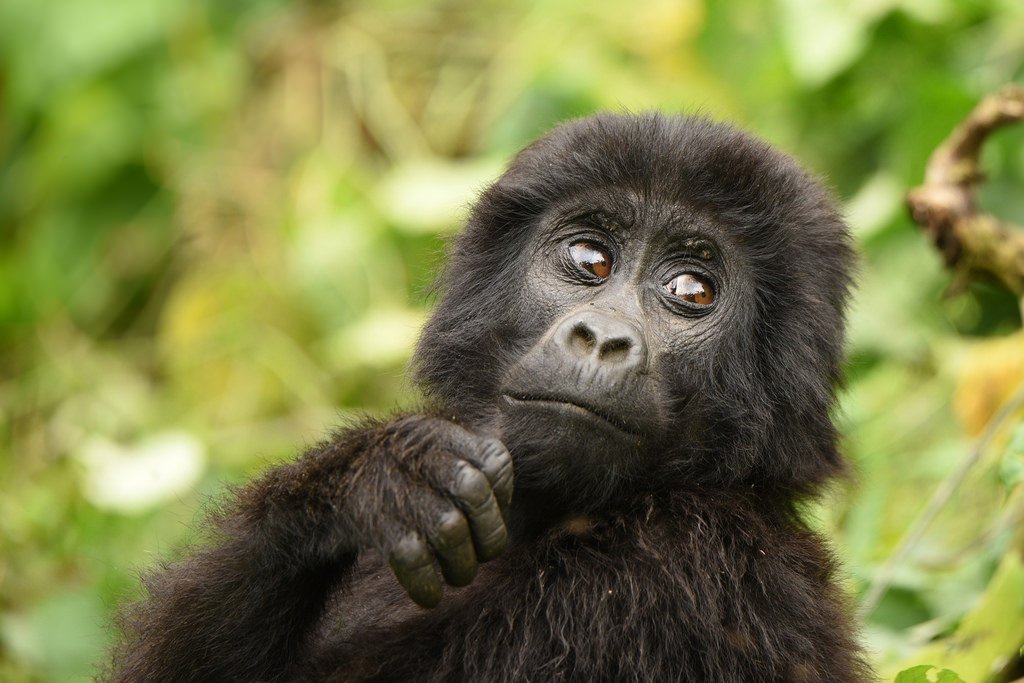
The appeal of Bwindi is not a manufactured guarantee. It is the rare opportunity to visit an endangered mountain gorilla family in its natural environment with a knowledgeable local team and responsible conservation rules. For most visitors, that extraordinary encounter does happen. Preparing well ensures that you are ready for both the excitement and the uncertainties of a real forest adventure.
Safari Vacations and Travel Services can help coordinate permit availability, the appropriate Bwindi sector, lodging, private 4×4 transfers and onward Uganda or Rwanda safari arrangements.