Bwindi Terrain Kibale Humidity Intensity

Bwindi vs Kibale trekking difficulty: Which Trek Is More Intense?
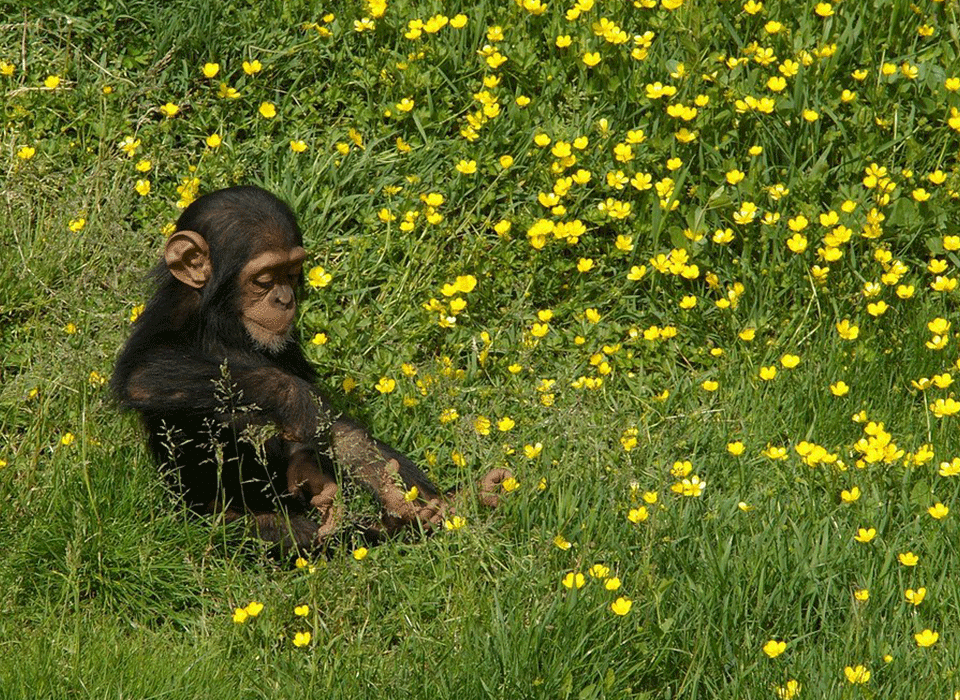
Gorilla trekking in Bwindi and chimpanzee trekking in Kibale are two of Uganda’s most rewarding wildlife experiences, but they challenge travellers in very different ways. Bwindi is dominated by steep forest slopes and elevation changes, while Kibale combines humid rainforest conditions with the unpredictable movement of chimpanzees.
Travellers planning both gorilla trekking in Bwindi and chimpanzee trekking in Uganda often ask the same question: which experience is physically harder?
There is no single answer that applies to every trekking day because both mountain gorillas and chimpanzees are wild animals whose locations change constantly. However, the physical demands are noticeably different. In Bwindi Impenetrable National Park, the main challenge is usually the terrain: steep hills, uneven ground, thick vegetation, exposed roots and occasionally long ascents or descents. In Kibale National Park, the ground is generally less mountainous, but the warm, humid rainforest environment and the faster movement of chimpanzees can create a different kind of intensity.
Understanding these differences before travelling helps you prepare properly, choose suitable footwear, plan rest days, decide whether to hire a porter and build a Uganda safari itinerary that matches your preferred level of activity.
Quick Answer: Is Bwindi or Kibale More Difficult?
Bwindi is generally the more physically demanding trek because of its mountainous terrain, steep gradients, elevation changes and the possibility of walking for several hours before locating the gorillas. Kibale chimpanzee tracking is usually less demanding in terms of climbing, but the combination of humidity, muddy forest trails and periods of faster walking while following moving chimpanzees can still make it surprisingly energetic.
Bwindi vs Kibale trekking difficulty at a Glance
The two experiences involve rainforest walking, but the source of the physical challenge is quite different.
| Factor | Bwindi Gorilla Trekking | Kibale Chimpanzee Trekking |
|---|---|---|
| Main challenge | Steep terrain and elevation changes | Humidity, pace and moving chimpanzees |
| Terrain | Mountainous and uneven | Forest trails with gentler gradients |
| Walking pace | Usually steady and controlled | May become fast when chimps move |
| Humidity | Humid montane rainforest | Often feels warmer and more humid |
| Mud after rain | Can make slopes slippery | Can make trails soft and muddy |
| Fitness | Moderate to good fitness recommended | Moderate fitness generally sufficient |
Why Bwindi’s Terrain Can Be Physically Demanding
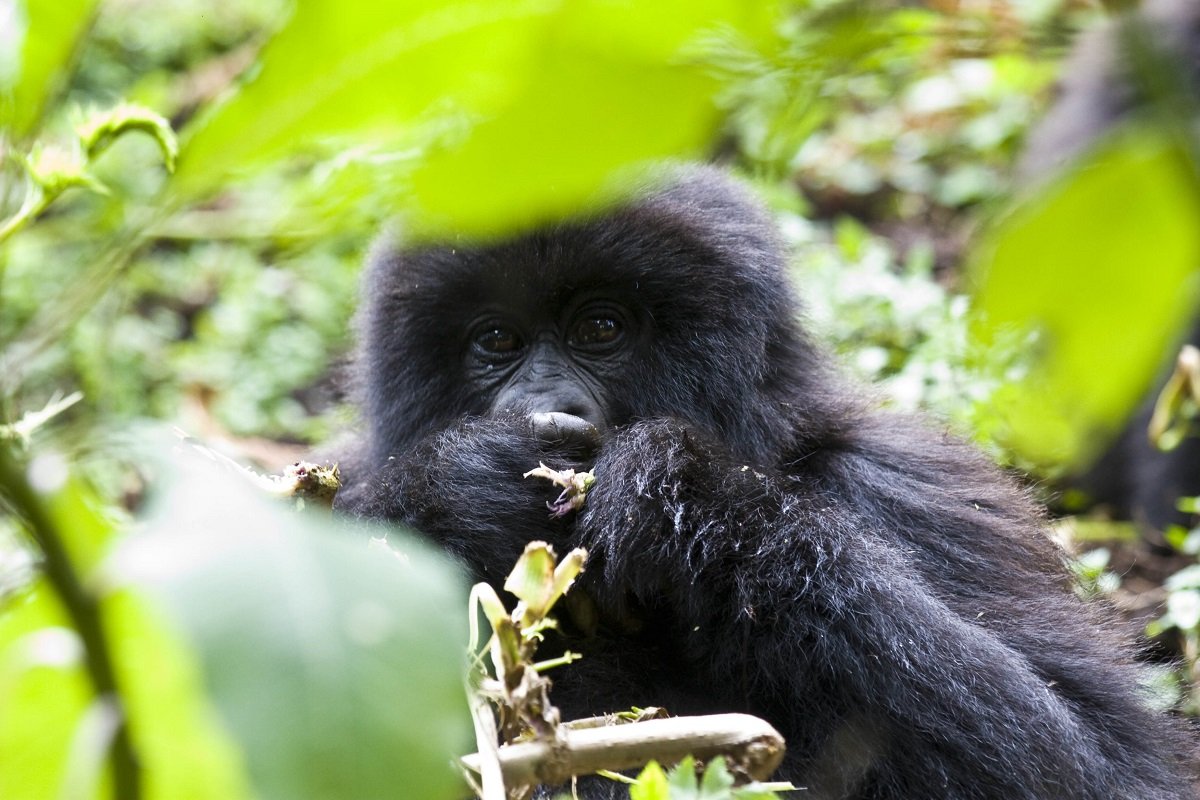
Bwindi’s name, commonly translated as the “impenetrable forest”, gives travellers an idea of the environment they are entering. The park consists of densely vegetated ridges, valleys and mountain forest where trekking routes can involve repeated ascents and descents.
The biggest physical challenge is often not the distance covered but the combination of gradient and footing. A seemingly short route can become tiring when it includes steep climbs, muddy ground, roots and vegetation.
Gorilla families move continuously throughout their home ranges. Some mornings, trackers may locate a family relatively close to the starting point. On another day, trekkers may need to walk considerably deeper into the forest.
Travellers concerned about fitness can read our guide to gorilla trekking fitness before travelling.
What Makes a Bwindi Trek Feel Hard?
Several factors combine to determine the intensity of an individual gorilla trek.
Steep Slopes
Bwindi’s hills mean that uphill and downhill walking can continue for extended periods.
Uneven Footing
Forest roots, rocks, leaf litter and vegetation require attention to balance and foot placement.
Rain and Mud
Rain can quickly change a manageable slope into a slippery and more demanding section.
Gorilla Location
The gorillas’ position that morning has a major influence on how long and challenging your trek becomes.
Does Your Bwindi Sector Affect Trekking Difficulty?
Bwindi has four principal gorilla trekking sectors. Terrain differs between them, but no sector can guarantee an easy or difficult trek because mountain gorillas move freely each day.
Buhoma
Located in northern Bwindi. Trekking conditions vary considerably depending on the assigned gorilla family and its position.
Ruhija
Situated in eastern Bwindi and associated with higher forested ridges where some routes can involve substantial climbing.
Rushaga
Southern Bwindi has numerous habituated families, but routes can still include hilly and uneven terrain.
Nkuringo
The dramatic hills around Nkuringo can make some trekking routes physically rewarding and comparatively demanding.
Why Kibale Feels Completely Different
Chimpanzee trekking in Kibale is usually less mountainous than gorilla trekking in Bwindi. That does not mean the experience is effortless. The challenge shifts from climbing to a combination of warm rainforest conditions, humidity, muddy paths and the movement of chimpanzees.
Chimpanzees are highly mobile primates. Once a community has been located, individuals may feed quietly for a period and then move through the forest, sometimes requiring visitors to change pace quickly to keep up with their guide.
This stop-and-start rhythm can feel very different from the slow, sustained climbing often experienced during a Bwindi gorilla trek.
For travellers primarily interested in chimpanzees, explore our guide to chimpanzee trekking safaris in Uganda.
How Kibale Humidity Affects Trekking Intensity
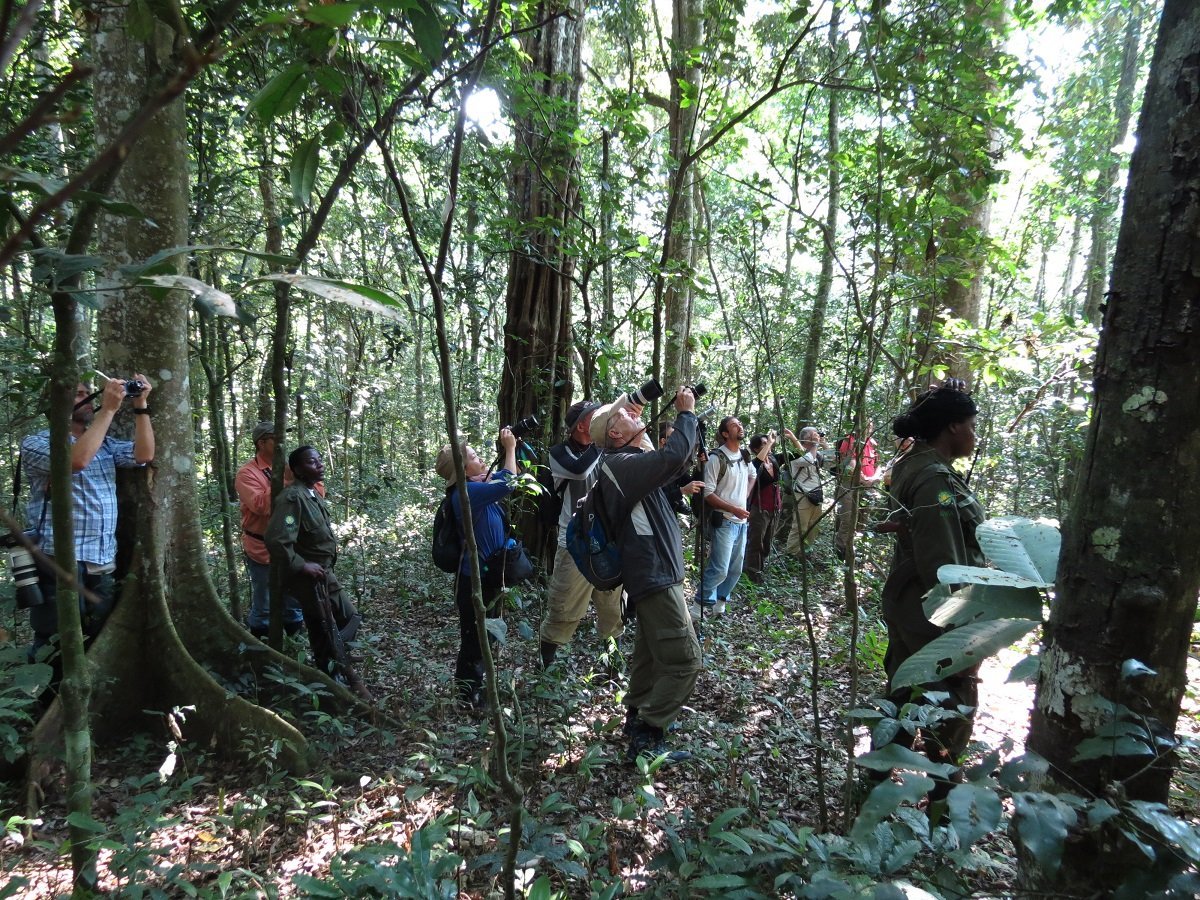
Humidity is easy to underestimate when planning a forest trek. Even without long steep climbs, warm and moisture-rich conditions can make physical activity feel more tiring. Travellers may perspire heavily, clothing can become damp and the forest can feel warmer than expected when walking continuously.
Good hydration is therefore important. Carry sufficient drinking water, wear lightweight and breathable clothing underneath your outer trekking layers, and avoid beginning the trek dehydrated.
Why Humidity Can Increase Perceived Effort
→
Perspiration
→
Fluid Loss
→
Greater Fatigue
You do not need specialist athletic training for Kibale, but being accustomed to walking for a few hours in warm conditions makes the experience more comfortable.
Steeper and Slower vs Flatter and Faster
One of the most useful ways to understand the difference is to compare the movement style of each trek.


Rain and Mud Can Change the Difficulty Completely
Both Bwindi and Kibale are tropical forests, so rain is possible throughout the year. Even during traditionally drier travel periods, visitors should arrive prepared for a shower.
Bwindi After Rain
The main effect is reduced grip. Steep slopes become more challenging, exposed roots can become slippery and mud may make both ascending and descending slower.
This is one reason sturdy hiking boots are strongly preferable to ordinary trainers.
Kibale After Rain
Kibale trails can become muddy and wet vegetation may brush against clothing. Warm temperatures combined with damp conditions can also increase the feeling of humidity.
Lightweight rain protection and shoes with reliable grip remain useful.
Fitness Requirements: Bwindi vs Kibale
These are practical planning comparisons rather than fixed difficulty grades. The actual intensity of each trek depends on wildlife location, trail conditions, weather and the individual traveller.
| Physical Factor | Bwindi | Kibale |
|---|---|---|
| Cardiovascular endurance | Important | Useful |
| Leg strength | Important for slopes | Moderately important |
| Balance | Important on uneven ground | Useful on muddy trails |
| Heat tolerance | Moderate | More noticeable |
| Ability to climb | Important | Generally less important |
| Ability to change pace | Occasionally | More relevant |
Does Bwindi’s Elevation Make Trekking Harder?
Elevation is another factor that separates the two experiences. Bwindi’s landscape rises and falls considerably, and the combination of altitude with steep gradients means breathing can become more noticeable during longer climbs.
For most healthy visitors, the more obvious issue is not simply altitude itself but the effort required to repeatedly climb and descend forested hills.
A steady pace is usually far more useful than trying to walk quickly. Guides understand that visitors have different fitness levels and normally manage the group accordingly.

Why Hiring a Porter in Bwindi Is Worth Considering
Hiring a porter is one of the simplest ways to make a gorilla trek more comfortable. A porter can carry your daypack, water, rain jacket and camera accessories, allowing you to concentrate on walking.
On slippery or steep sections, porters can also provide a steadying hand when appropriate. This is particularly valuable on descents after rainfall.
Porter services also provide direct income to surrounding communities, making them useful from both a practical and community-support perspective.
Even travellers who consider themselves fit often appreciate arriving at the gorillas without having carried several kilograms through the forest.
Footwear Can Make a Bigger Difference Than You Expect
Both forests reward good footwear, but hiking boots are especially useful in Bwindi because of steep gradients and potentially slippery slopes.
Choose boots with strong tread, adequate grip and a comfortable fit. Ideally, use footwear that has already been broken in before arriving in Uganda rather than wearing brand-new boots for the first time on your trek.
Ankle support can also be helpful when negotiating uneven forest ground. Pair your boots with comfortable hiking socks and consider gaiters if travelling during wetter conditions.
See our full guide on preparing physically for gorilla trekking.
How to Prepare Before Your Uganda Primate Safari
You do not need to become an athlete before travelling to Uganda. However, a few weeks of consistent activity can make both forest experiences substantially more comfortable.
Brisk Walking
Build comfort walking continuously for one to two hours.
Hill Walking
Prepare your legs for Bwindi’s repeated ascents and descents.
Stair Climbing
A practical substitute if you do not have hills near home.
Small Backpack
Practice walking with the light daypack you expect to use.
Can Beginners and Older Travellers Manage Both Treks?
Many travellers with ordinary recreational fitness successfully complete gorilla and chimpanzee treks every year. Age by itself does not determine whether someone will enjoy the experience. Walking ability, balance, stamina, health, preparation and the conditions on the specific trekking day are more useful considerations.
Visitors who are worried about endurance should tell their safari planner and trekking guides in advance. In Bwindi, requesting porter assistance is particularly worthwhile. It is also sensible to avoid packing your itinerary too tightly around the trekking days.
A relaxed safari with time to recover between major activities can be more enjoyable than trying to fit gorilla trekking, long road transfers and another strenuous activity into consecutive days.
What to Pack for Bwindi and Kibale
Can You Visit Bwindi and Kibale on the Same Safari?
Absolutely. Combining the two forests is one of the best ways to understand Uganda’s primate diversity. A well-planned route can connect Kibale Forest, Queen Elizabeth National Park and Bwindi Impenetrable National Park without unnecessary backtracking.
Chimpanzee trekking can be scheduled earlier in the safari before continuing south towards Bwindi for the mountain gorilla experience. Queen Elizabeth National Park fits naturally between the two forests and adds classic wildlife viewing to the itinerary.
Where to Stay Before Your Trek
Staying close to your trekking starting point reduces unnecessary early-morning driving and gives you more time to rest before the activity.
Buhoma – Bwindi
Popular options include Buhoma Lodge and Mahogany Springs, both positioned conveniently for travellers trekking from the Buhoma sector.
Rushaga – Bwindi
Options such as Gorilla Leisure Lodge, Four Gorillas Lodge and Rushaga Gorilla Havens provide useful bases for southern Bwindi trekking.
Nkuringo – Bwindi
Nkuringo Bwindi Gorilla Lodge is among the established choices for travellers trekking or exploring the Nkuringo side of the forest.
Kibale Forest
Primate Lodge Kibale, Turaco Treetops, Chimpundu Lodge and other properties around the forest offer a range of comfort levels.
So, Which Trek Is More Intense?
For most travellers, Bwindi gorilla trekking is physically more demanding overall. Its steep slopes, higher-elevation forest, uneven footing and unpredictable trekking duration can place more sustained demand on the legs and cardiovascular system.
Kibale is normally easier from a terrain perspective, but that should not be confused with being effortless. Tropical humidity, mud and the rapid movement of chimpanzees can create short periods of surprisingly intense walking.
A useful way to remember the difference is:
Bwindi
Kibale
Frequently Asked Questions
Is gorilla trekking in Bwindi difficult?
It can range from moderate to strenuous. Difficulty depends largely on the location of your assigned gorilla family, weather, terrain and personal fitness.
Is Kibale chimpanzee trekking difficult?
Most travellers with moderate fitness manage Kibale well. The main challenges are humid forest conditions, mud after rain and keeping pace when chimpanzees move.
Which is harder, gorilla trekking or chimpanzee trekking?
Gorilla trekking in Bwindi is generally harder because of steeper terrain and greater elevation change. However, individual trekking days vary considerably.
Do I need hiking boots for Bwindi?
Hiking boots with good grip are strongly recommended because trails can be steep, muddy and slippery, particularly after rainfall.
Should I hire a porter for gorilla trekking?
A porter is highly useful even for fit travellers because they can carry your daypack and provide assistance on challenging sections of trail.
Does it rain in Bwindi during the dry season?
Yes. Bwindi is a tropical rainforest and rain can occur at any time, even during months generally considered drier.
Can older travellers trek gorillas?
Many older travellers successfully complete gorilla treks. Fitness, balance and mobility matter more than age alone. Travellers with specific health concerns should obtain appropriate medical advice before undertaking strenuous activities.
Can I combine gorilla and chimpanzee trekking?
Yes. Kibale and Bwindi combine extremely well in a Uganda primate itinerary and can also be connected with Queen Elizabeth National Park for game drives and a boat safari.
Ready to Trek Uganda’s Gorillas and Chimpanzees?
Whether you are concerned about Bwindi’s steep terrain, Kibale’s humid rainforest conditions or simply want a safari matched to your preferred pace, we can design a private Uganda primate safari around your travel dates, accommodation preference and fitness level.