Uganda Gorilla Safari Essentials

Uganda Gorilla Safari Essentials
Uganda Gorilla Safari Essentials. Embarking on a gorilla trekking safari in Uganda is a once-in-a-lifetime experience that promises breathtaking encounters with the majestic mountain gorillas in their natural habitat. As you plan this adventure, carefully considering various factors will ensure a seamless and memorable journey. This guide will delve into the ten crucial aspects to consider before booking your Uganda gorilla trekking safari.
Choosing the Right Time for Gorilla Trekking
The Rwanda gorilla tours are open anytime; however, the dry season is better. Although volcanic forests receive untimely rains, the dry season rains are less. More sunlight penetrates the ground, reducing the precipitation in the forest. Also, the trails are drier, and rivers flow in the normal course.
The mountain gorillas and other forest dwellers are more accessible to spot in the jungle. This is because they usually feed closer to the ground in the dry season. Rwanda’s dry season is usually June, July, August, September, December, and January.
Since the dry season is the peak tourism season in Rwanda, demand for gorilla permits is high. Therefore, last-minute gorilla permits are hard to find.
The wet season, which is March to May and November, may give you a chance for a solo gorilla trekking experience in Rwanda since fewer people are booking in. Even at the lodges, there are fewer people to rumble with for space. Hence, you have all the lodge staff’s attention on you.
Securing Your Gorilla Permit
Obtaining a gorilla permit is paramount. These permits are few, and demand often exceeds supply. Booking well in advance, sometimes six months to a year is advisable. The Uganda Wildlife Authority issues permits and operates on a first-come, first-serve basis. Securing your permit early ensures your spot and contributes to the conservation efforts of these endangered primates.
Understanding Gorilla Permit Costs
Gorilla trekking permits come at a cost, and it’s crucial to factor this into your budget. The current permit fee in Uganda is $800 per person for foreign non-residents and $700 for foreign residents. Also, African citizens pay $500 while East African Citizens pay 300,000Ugshs. The experience of witnessing these incredible creatures in the wild is undoubtedly worth the investment.
Choosing the Right Tour Operator
Selecting a reputable tour operator is pivotal for a successful gorilla trekking safari. Researching and reading reviews about tour operators in Uganda can provide insights into their track record, customer satisfaction, and commitment to sustainable tourism practices. Pamoja Tours and Travel, for instance, is renowned for crafting unforgettable safari experiences.
Selecting Your Accommodations
Accommodations significantly impact your overall safari experience. Uganda offers a range of lodges, from luxury to budget-friendly options. Factors such as proximity to the gorilla trekking sites, amenities, and personal preferences should influence your choice. Popular lodges include Buhoma Lodge, Mahogany Springs, and Gorilla Forest Camp. Also, you can stay at Gorilla Heights Lodge, Rushaga Havens Lodge, and Buhoma Community Rest Camp.
Physical Fitness and Health Considerations
Gorilla trekking involves navigating through dense forests and challenging terrains. Thus, ensuring you are in good physical health condition. Prioritize fitness and consult your healthcare provider for vaccinations and health advice. Additionally, inform your tour operator (fill out the form at the end of the article) of any health concerns to facilitate appropriate arrangements during the trek. These may include dietary requirements and allergies because they require special attention.
Packing List
Preparing adequately for your gorilla trek is vital. Packing essentials such as sturdy hiking boots, long-sleeved clothing, a hat, gloves, and a backpack with water and snacks will enhance your comfort during the trek. A waterproof jacket and camera gear are also recommended to capture the magical moments.
Camera for taking photos of the lowland gorillas’ trekking experience and other safari
Safari long-sleeved shirt and convertible trousers to save your entire body from rough jungle surfaces and when they get dirty, you are not afraid of the stains
Tracking boots for wearing on your feet to go through soggy surfaces and slippery ground
A pair of stockings to tack in your trousers and prevent insects from climbing into your trousers.
First aid to carry emergency medication in case you need it.
A pair of Binoculars to get a clearer view of far-ranging attractions.
Energy snacks to munch on when you get hungry because you need to re-energize
Medicated Insect repellants to keep away stinging insects in the jungle
Torch in case lights go out in the night as you are sleeping
A pair of garden gloves for protecting your palms when you slide and holding a tighter grip on creepers.
Safari large brim hat to safeguard your head from dripping water off the leaves and buzzing insects in the wilderness.
Carry some hard cash to change into local currency and use when purchasing personal items on the ground.
A shoe bag to put in your shoes when they get dirty and you have no time to clean them
Cultural Sensitivity and Local Etiquette
Respecting the local communities and their customs is integral to responsible tourism. Understanding and adhering to cultural norms, such as proper greetings and behaviors, fosters positive interactions with the communities you encounter during your safari. Engaging in community-based activities can also enrich your overall experience.
Environmental Conservation and Responsible Tourism
Promoting environmental conservation and responsible tourism practices is everyone’s responsibility. Choosing eco-friendly accommodations, minimizing your environmental impact, and supporting conservation initiatives contribute to the preservation of Uganda’s rich biodiversity. Be an advocate for sustainable tourism.
Planning Additional Activities
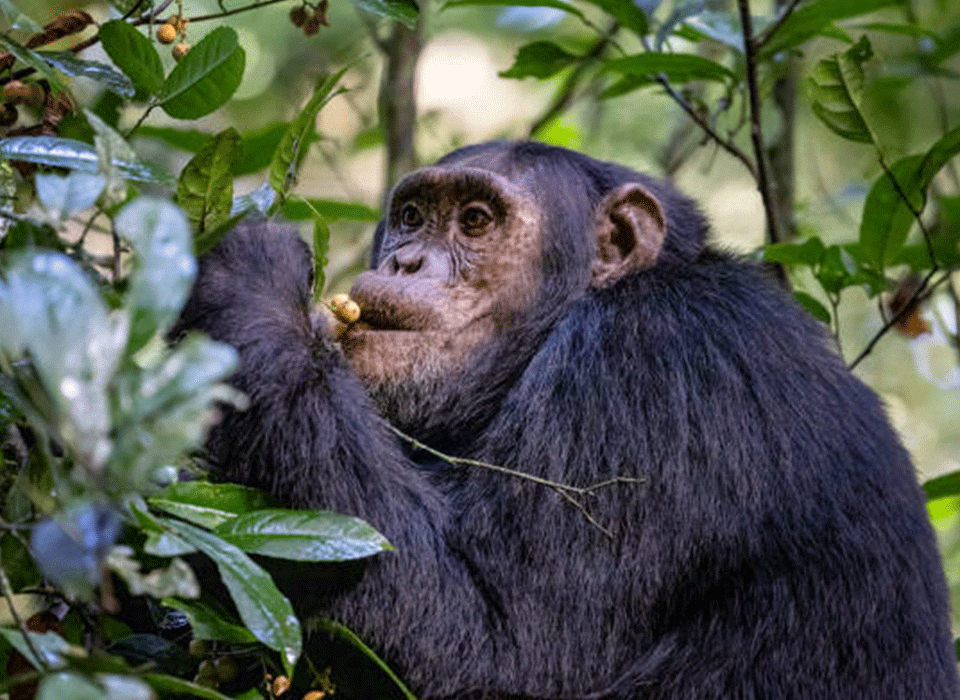
While gorilla trekking takes center stage, Uganda offers a myriad of additional activities to complement your safari experience. Exploring other national parks, embarking on a chimpanzee trek, or enjoying a cultural village visit can diversify your itinerary and provide a holistic Ugandan adventure.
Conclusion
In conclusion, a gorilla trekking safari in Uganda requires meticulous planning and consideration of various elements. From choosing the right time and securing permits to selecting accommodations and embracing responsible tourism practices, each aspect contributes to a seamless and fulfilling adventure. Safari Vacations and Travel Services is committed to ensuring your gorilla trekking safari exceeds expectations. We thus provide a harmonious blend of wildlife encounters, cultural immersion, and environmental consciousness. Prepare for an unforgettable journey into the heart of Uganda’s natural wonders.