The Batwa Trail Cultural Experience

The Batwa Trail Cultural Experience
Introduction
The Batwa trail cultural experience is a tourism experience that aims at promoting the Batwa tribe. The Batwa were the first people to inhabit the tropical rainforest and used to stay with mountain gorillas in harmony, as it was their home for centuries. To make more sense, it is said that they used to eat the same food as the mountain gorillas did. This exhibited the closeness between the Batwa people and the great apes. As the Batwa find themselves in the transition period, no longer having access to their ancestral forest, there is a risk that future generations may lose touch with their rich heritage.
Therefore, in case you need to have a first-hand glimpse of how the Batwa people used to co-exist with the mountain gorillas in Bwindi Impenetrable National Park, the Batwa Trail Cultural Experience would be the perfect eye-opener since it will help you understand everything about the South-Western Ugandan tribe. Safari Vacations and Travel Services will be happy to access the Batwa trail cultural experience whenever you need it.
The socio-economic history
Historically, people knew the Batwa as hunter-gatherers, and they are said to have lived such a life for more than 50,000 years in the montane forests. Contrary to the recent livelihood activities such as farming and charcoal burning, which require better tools, yet they didn’t have them during ancient times. Their shelter was environmentally friendly, enabling them to sustainably utilize the resources of the dense rainforests, as the forests were ‘beloved’ by the Batwa. Before, there was a saying “Amutwa” from the Batw, which means loving the forest as much as loving themselves.
However, due to the migration of the Bantu, there arose a problem of encroachment. The new settlers carried out deforestation, crop growing, and cattle grazing, ng and these were on the boundaries of forests. This was akin to tampering with the habitats or livelihoods of the Batwa, as many of them were displaced. The tables turned against them starting in 1992 when Bwindi Impenetrable National Park was declared a UNESCO World Heritage site. In a bid to conserve the remaining mountain gorillas, there came a need to relocate the Batwa outside the park. This made them turn into conservation refugees as they had to adapt to a new life. For instance, the Uganda Wildlife Authority had to pool resources from the Netherlands Embassy and USAID. This initiative aimed to support the Batwa in Buhoma, who were struggling to earn a living after being evacuated from the rainforest.
The cultural Rejuvenation
There have been supportive programs to support the Batwa through their cultural transformation.
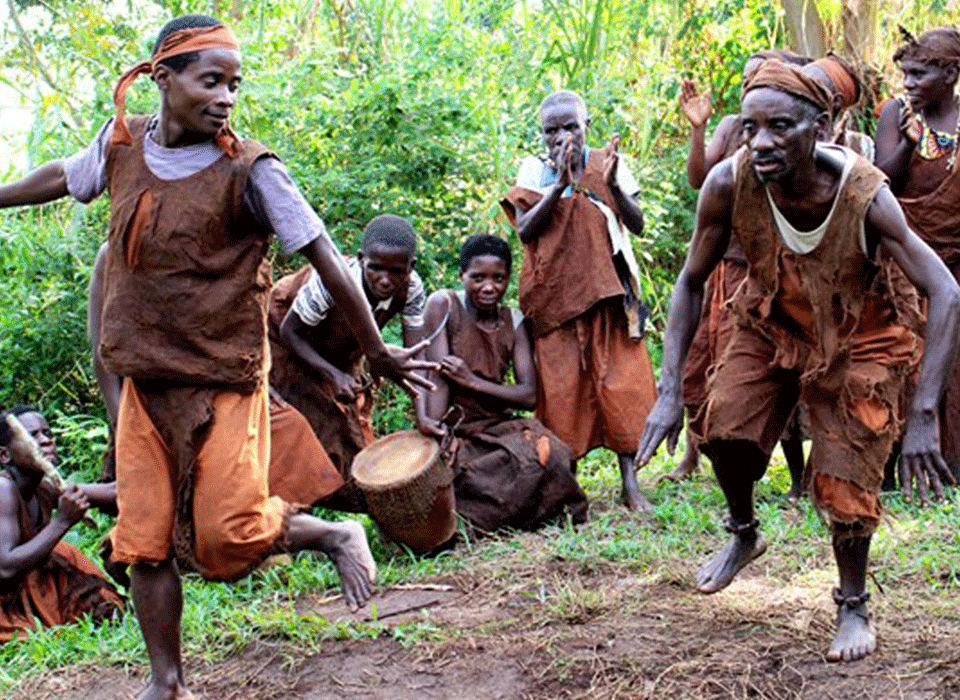
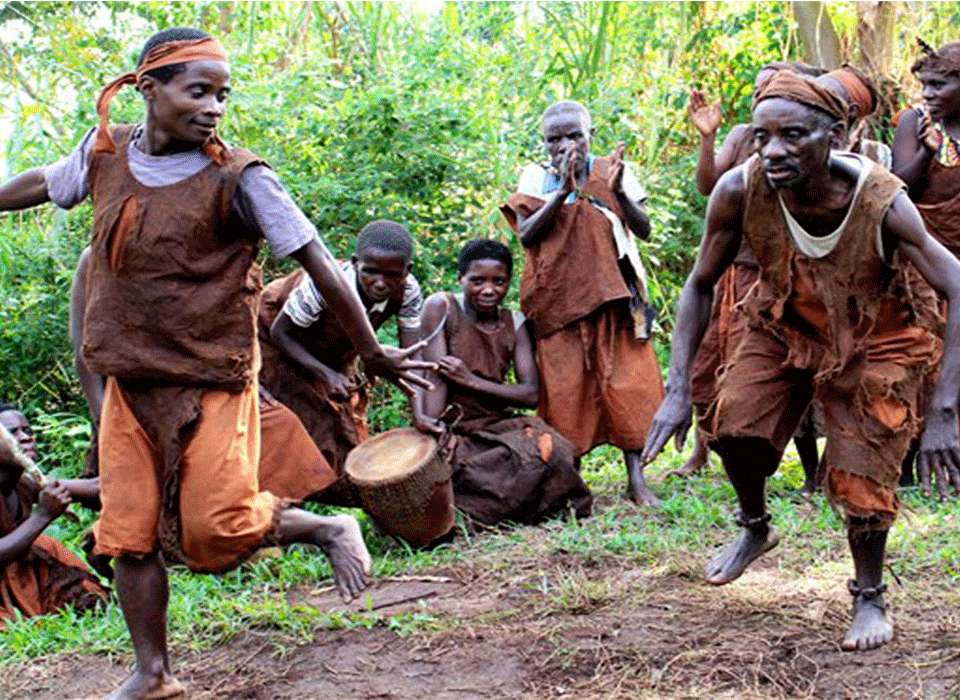
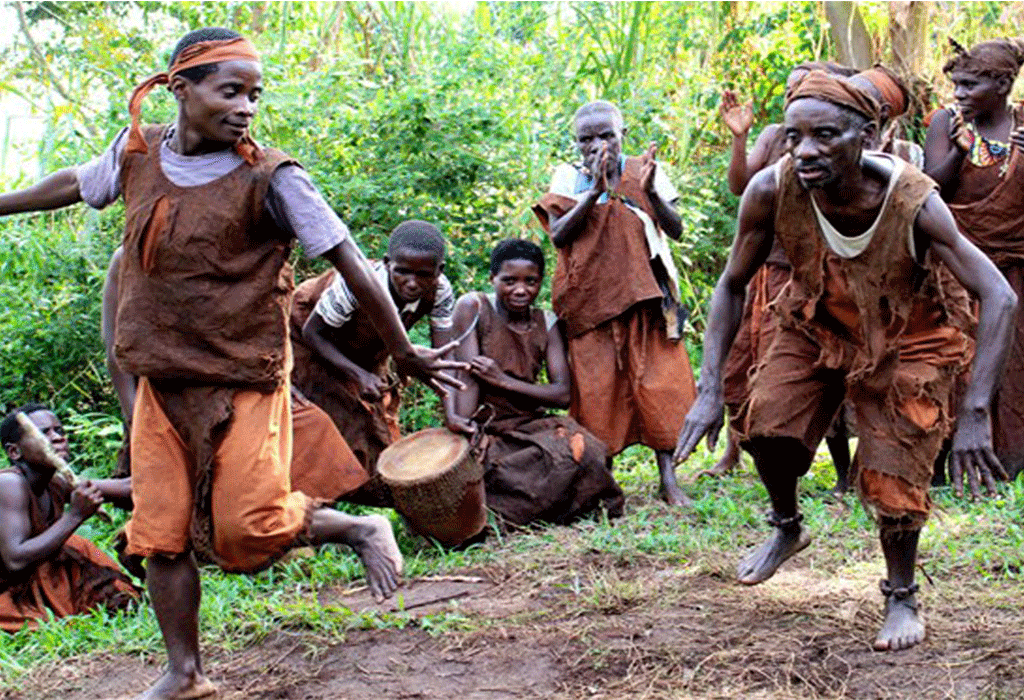
In Bwindi Impenetrable National Park, there exists a Foundation called the ‘Kellerman Foundation,’ located outside the park, where visitors can go and encounter the Batwa. The International Gorilla Conservation Programme has helped the Batwa survive for years. It started the Buniga-Batwa forest walk and village visit program to assist them in terms of earning money through their social activities and educating children. Homestays and entertainment through local dances are some of the social aspects that support the well-being of the Batwa.
Some of the things you would expect to learn from these people are how, for example, you can learn how they used to hunt small animals, how they used to make clothes from local materials, how they prepare local food, the local tools they use for different activities, their local houses built with grass, traditional honey gathering, hunting, trapping methods and visiting the caves which all make the experience unforgettable.
The experience
The culture of the Batwa will stick with you after you encounter it. They were the first people to live or stay with mountain gorillas in the forests. One of the things you should look forward to experiencing is their traditional homestead, where you will be able to learn how women prepare local food and how they serve their meals. This, of course, goes hand in hand with tasting the prepared meals. On the masculine side, you will learn how the Batwa used to hunt traditionally, and you will also enjoy their stunning hunting techniques, which teach you how to use a bow and arrow. Storytelling is also part of the experience,e as you will listen to legends and their ancient folk stories. To sum this up, it is an effusive experience that no one should miss.
The famous Buniga Batwa Forest Walk.
The Buniga Forest Trail illustrates the symbiotic relationship the Batwa pygmies had with the Bwindi jungle before authorities ousted them to convert the forest into a protected reserve. To reveal their unique heritage and traditions to the world, USAID came up with an initiative run by the NCCDF(Nkuringo Community Conservation and Development Foundation). The organization takes tourists into their small pocket forests, showcasing their historical nomadic cultures when they occupied the jungles.
Guests walk an hour to a Batwa-enacted settlement. Here, they’ll observe how the women prepare, cook, and serve a meal. They’ll engage with medicine men, learn about the lush forest flora’s medicinal properties, and hear ancient legends and traditional songs. They’ll learn about the Batwa’s fascinating way of life, from religion to their food gathering and hunting techniques, and how they made fires from rubbing sticks.
The Buniga Forest Walk enables the Batwa to preserve and earn an income from their culture and heritage. The forest walk is a source of employment for the Batwa guides and enables women to sell their crafts to the visitors.
Flora and Fauna on the Batwa Trail cultural experience
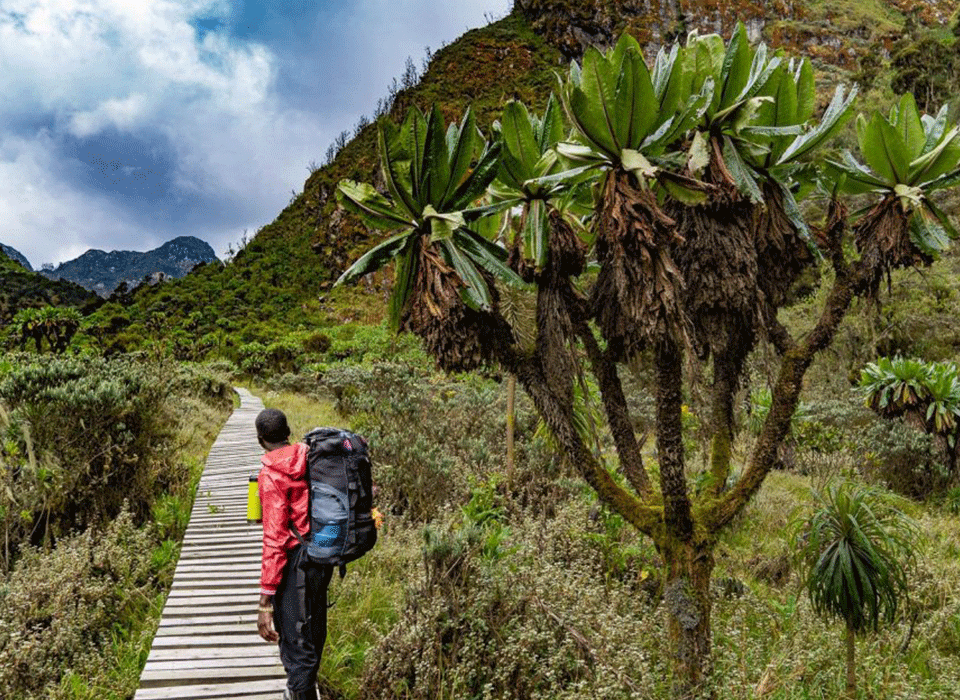
You will find a rich biodiversity of flora and fauna within the Buniga pocket forest, which is amazing. This lush forest is home to many indigenous plant species with medicinal benefits to both the Batwa and local community, such as the Giant lobelias, tree ferns, and Syzygium, which provide food to Chimpanzees.
As you continue the hike, you’ll learn about the different plants and roots that the Batwa used to treat various ailments and diseases, such as malaria, high blood pressure, and fungal skin infections.
Birding enthusiasts will also delight in the diverse birdlife of the Buniga forest. The forest has over 100 species of birds identified within and near the forest. The forest trail allows visitors to sit and listen to the beautiful songs of these feathered friends. And that’s not all – the forest is also a habitat for many mammal species, including Duikers, black-and-white colobus monkeys, and Chimpanzees.
By visiting the Buniga forest, you’re experiencing its beauty and contributing to important conservation and development projects in the local community. 70% of the fee you pay for the experience goes to NCCDF. NCCDF employs your guides and operates local community conservation and development projects. The remaining 30% goes to the Kisoro Local Government, which owns the Buniga Forest.
Contact us today to schedule a tour of this community.