Tourist Attractions in Uganda

Tourist Attractions in Uganda: A Comprehensive Guide
Uganda, often referred to as the “Pearl of Africa,” is a vibrant East African nation known for its diverse landscapes, rich culture, and exceptional wildlife. It is home to the source of the Nile River and boasts vast savannahs, tropical rainforests, majestic lakes, and a wide range of tourist attractions in Uganda. The country has emerged as one of the continent’s top travel destinations, offering everything from gorilla trekking to cultural experiences. Visitors can explore its welcoming cities, like Kampala and Entebbe, and enjoy the warm hospitality of the local communities. Uganda’s unique blend of history, nature, and adventure makes it an ideal destination.
Geography and Climate
Uganda is situated on the equator, bordered by Kenya, Tanzania, Rwanda, South Sudan, and the Democratic Republic of Congo. The country features diverse topography, including the snow-capped Rwenzori Mountains, vast savannahs, and tropical rainforests. Its most famous bodies of water include Lake Victoria, the world’s second-largest freshwater lake, and the Nile River. The climate is largely tropical, with two main seasons: a rainy season (March to May and September to November) and a dry season (December to February and June to August), making it a year-round destination for travelers seeking nature and wildlife experiences.
Cultural Diversity
Uganda is a melting pot of cultures, with over 50 indigenous ethnic groups. The largest ethnic group is the Baganda, but others, like the Basoga, Banyankole, and Acholi, also have deep-rooted traditions. Each group boasts unique languages, customs, and traditional attire. English and Swahili are the official languages, while Luganda is widely spoken in the central region. Cultural festivals, traditional dances, and local cuisine offer a deep insight into Uganda’s cultural diversity. Visitors can explore traditional crafts, music, and storytelling, which play a significant role in the cultural fabric of this diverse nation.
Wildlife and Biodiversity
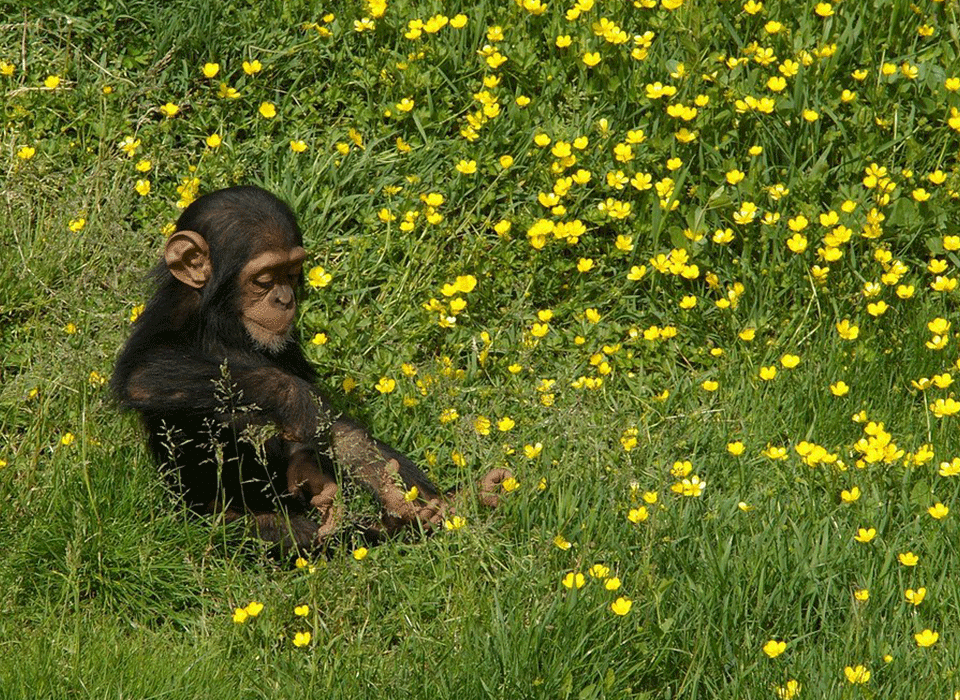
Uganda is renowned for its extraordinary biodiversity, especially its role in conserving critically endangered species like mountain gorillas and chimpanzees. Bwindi Impenetrable National Park and Mgahinga Gorilla National Park provide sanctuary to some of the world’s remaining mountain gorillas. Besides primates, Uganda is home to the Big Five—lions, elephants, leopards, buffaloes, and rhinos. The country’s diverse ecosystems support an incredible range of flora and fauna, including over 1,000 bird species, making it a paradise for birdwatchers. Uganda’s commitment to conservation has helped preserve its rich wildlife heritage for generations to come.
Historical and Cultural Sites
Uganda’s rich history is preserved in its historical and cultural landmarks. These sites reflect the country’s colonial past, its ancient kingdoms, and its deep religious traditions. Visitors can explore sacred tombs, learn about Uganda’s Christian martyrs, and dive into the country’s pre-colonial history. Many of these sites also offer a glimpse into the intricate social structures of the traditional Ugandan kingdoms. Whether in the capital city of Kampala or the rural countryside, Uganda’s historical and cultural attractions provide an opportunity to better understand the country’s multifaceted identity and its journey through time.
Kasubi Tombs
The Kasubi Tombs, located in Kampala, is a UNESCO World Heritage site and the burial grounds of the Buganda kings. This sacred site serves as a symbol of Buganda’s spiritual, political, and cultural heritage. The tombs were built in 1882 as the palace of Kabaka Mutesa I and later converted into his burial site. Visitors can learn about the rich traditions of the Baganda people and the architectural marvels of this site, which was crafted entirely from organic materials like wood and thatch. Despite a fire in 2010, restoration efforts have ensured that Kasubi continues to be a key cultural landmark.

Kasubi tombs
Uganda Museum
The Uganda Museum was founded in 1908, It is the oldest museum in East Africa. It houses an extensive collection of artifacts that showcase Uganda’s cultural and historical heritage. Exhibits include traditional musical instruments, archaeological finds, ethnographic collections, and items from Uganda’s pre-colonial kingdoms. The museum also offers insights into the country’s colonial past and independence struggle. The Uganda Museum is an excellent starting point for visitors looking to understand the nation’s diverse cultures and its journey through history. Interactive exhibits also make it an educational experience for both children and adults.

Uganda Museum
Namugongo Martyrs Shrine
The Namugongo Martyrs Shrine is a key pilgrimage site in Uganda, dedicated to the 45 Christian martyrs who were executed between 1885 and 1887 under the orders of Kabaka Mwanga II. Located in the Wakiso District near Kampala, the shrine is an important symbol of Uganda’s religious history and the spread of Christianity in the region. Every year, on June 3rd, thousands of pilgrims from Uganda and neighboring countries gather at the shrine to commemorate the martyrs. The architectural design of the shrine is unique, and its peaceful surroundings make it a place for reflection and prayer.

Namugongo Matyrs shrine
National Parks and Reserves
Uganda is home to a remarkable collection of national parks and wildlife reserves, offering diverse experiences for nature lovers and adventure seekers alike. The country’s parks are renowned for their stunning landscapes, rich biodiversity, and opportunities to see iconic wildlife species. From the dense rainforests of Bwindi to the open savannahs of Queen Elizabeth National Park, each park presents unique ecosystems and activities. Whether it’s tracking gorillas, viewing the Big Five, or simply soaking in the natural beauty, Uganda’s national parks are essential destinations for any traveler looking to connect with nature.
Bwindi Impenetrable National Park
Bwindi Impenetrable National Park is Uganda’s most famous national park, renowned for being home to nearly half of the world’s remaining mountain gorillas. This UNESCO World Heritage site spans over 320 square kilometers of dense rainforest and offers visitors the rare opportunity to trek through the forest to observe these majestic primates in their natural habitat. The park is also home to a variety of other wildlife species, including several primate species, forest elephants, and over 350 bird species. Gorilla trekking in Bwindi is an unforgettable experience, making it one of Africa’s top wildlife encounters.
Queen Elizabeth National Park
Queen Elizabeth National Park, situated in western Uganda, is one of the country’s most popular wildlife reserves. The park is known for its diverse ecosystems, including savannah, wetlands, and forests, which support a wide array of wildlife. Visitors can see elephants, lions, hippos, crocodiles, and an impressive variety of bird species. One of the park’s highlights is the tree-climbing lions, which are a rare phenomenon in Africa. The park also features the Kazinga Channel, where boat safaris provide close-up views of hippos, buffaloes, and various bird species. It’s a premier destination for nature enthusiasts.
Murchison Falls National Park
Murchison Falls National Park is Uganda’s largest and oldest national park, offering visitors a blend of wildlife and dramatic landscapes. The centerpiece of the park is the mighty Murchison Falls, where the Nile River forces its way through a narrow gorge, creating a powerful and breathtaking waterfall. The park is home to lions, elephants, giraffes, and a variety of bird species, including the rare shoebill stork. Visitors can enjoy game drives, boat safaris, and hikes to the top of the falls. The diverse landscapes and abundant wildlife make Murchison Falls one of Uganda’s top tourist destinations.
Adventure and Outdoor Activities
Uganda is a playground for adventurers, offering a wide range of outdoor activities that cater to thrill-seekers and nature lovers alike. From the exhilarating experience of white-water rafting on the Nile River to trekking through dense rainforests in search of mountain gorillas, the country provides ample opportunities for exploration. Whether it’s hiking in the Rwenzori Mountains, taking on the rapids of the Nile, or birdwatching in one of the national parks, Uganda’s varied landscapes make it an ideal destination for outdoor enthusiasts seeking both adventure and breathtaking scenery.
Gorilla Trekking
Gorilla trekking is one of the most sought-after experiences in Uganda, offering a once-in-a-lifetime opportunity to observe mountain gorillas in their natural habitat. Visitors can embark on guided treks in Bwindi Impenetrable National Park or Mgahinga Gorilla National Park. Treks usually take several hours, as participants traverse the dense forests in search of these magnificent creatures. Once the gorillas are located, visitors can spend an hour observing their behavior. The experience is both awe-inspiring and humbling, as tourists witness gorillas feeding, playing, and interacting with their surroundings. Permits are required and limited to conserve the species.
White-Water Rafting on the Nile
White-water rafting on the Nile River is one of the most exhilarating adventure activities in Uganda. Jinja, the source of the Nile, is the heart of this thrilling experience, offering some of the best rapids in the world. Rafters can choose between different levels of difficulty, from mild to extreme, making it suitable for both beginners and experienced adventurers. In addition to the adrenaline-pumping rapids, the rafting trip offers stunning views of the surrounding landscape. Professional guides ensure safety and many trips include options for other activities like kayaking or riverboarding for an all-encompassing water adventure.
Nile white water rafting
Hiking and Mountaineering
Uganda’s diverse terrain provides numerous opportunities for hiking and mountaineering, attracting outdoor enthusiasts from around the world. The Rwenzori Mountains, also known as the “Mountains of the Moon,” offer one of Africa’s most challenging and rewarding mountaineering experiences, with snow-capped peaks and glaciers. Mount Elgon, another popular destination, offers a slightly less demanding trek with equally stunning views and rich biodiversity. For those seeking less strenuous options, the forests and hills of Bwindi, Mgahinga, and other national parks provide excellent hiking trails, offering close encounters with wildlife and stunning natural beauty.
Water-based Activities
Uganda’s vast network of lakes and rivers makes it an excellent destination for water-based activities. Whether exploring Lake Victoria, Africa’s largest lake, or navigating the waters of the Kazinga Channel in Queen Elizabeth National Park, there are plenty of ways to enjoy the country’s aquatic landscapes. Visitors can go on boat safaris, engage in fishing expeditions, or simply relax by the lakeshores. The country also offers unique opportunities for birdwatching along its waterways, with many rare and migratory species found near water bodies. These activities provide a refreshing and scenic contrast to Uganda’s terrestrial adventures.
Boat Safaris on the Kazinga Channel
Boat safaris on the Kazinga Channel, located in Queen Elizabeth National Park, offer a unique way to experience Uganda’s wildlife up close. The 32-kilometer channel connects Lake Edward and Lake George, and its shores are teeming with animals like hippos, crocodiles, buffaloes, and elephants. Birdwatchers will delight in spotting some of the park’s 600 bird species, including pelicans, storks, and kingfishers. The boat trips provide an opportunity to see animals that gather along the water’s edge to drink and bathe, making it one of the best wildlife-viewing experiences in Uganda.
Lake Bunyonyi
Lake Bunyonyi, located in southwestern Uganda, is one of the most picturesque and tranquil lakes in Africa. Known for its 29 islands scattered across its surface, Lake Bunyonyi is the perfect destination for relaxation and water-based activities such as canoeing, swimming, and birdwatching. Its name, which means “Place of Many Little Birds,” reflects the abundant avian life that thrives in the region. The lake’s calm waters and scenic surroundings make it ideal for boat trips and island hopping. Lake Bunyonyi is also a great spot for cultural experiences, with local communities offering homestays and guided tours.

Canoeing on Lake Bunyonyi
Ssese Islands
The Ssese Islands are an idyllic archipelago of 84 islands located in the northwestern part of Lake Victoria. Known for their white sandy beaches, lush forests, and laid-back atmosphere, the Ssese Islands are a hidden gem for travelers seeking relaxation and natural beauty. Visitors can enjoy boat rides, nature walks, and birdwatching, or simply unwind on the shores of Lake Victoria. The islands are also popular for fishing, especially for Nile perch, and many lodges offer fresh seafood. The Ssese Islands provide a peaceful retreat away from the bustle of the mainland, making them an ideal getaway.

Ssese Island
Cultural Experiences
Uganda offers a rich array of cultural experiences, allowing visitors to immerse themselves in the daily lives, traditions, and customs of its people. From bustling local markets to traditional dance performances, Uganda’s vibrant culture is on full display for those interested in learning more about the country’s diverse communities. Craft markets, village tours, and homestays provide opportunities to engage directly with local artisans and farmers. Visitors can also partake in cultural festivals or witness unique rituals. These experiences offer insight into the deep-rooted traditions that have shaped Ugandan society, making for a meaningful and enriching travel experience.
Visiting Local Markets
Exploring local markets in Uganda is a must for anyone interested in experiencing the country’s vibrant culture. These markets, bustling with activity, are where locals gather to buy and sell everything from fresh produce to handmade crafts. In cities like Kampala, markets such as Owino (St. Balikuddembe) offer a sensory overload of sights, sounds, and smells, with stalls overflowing with fruits, vegetables, fabrics, and more. Rural markets, often held weekly, provide a more intimate look at local life. Visitors can engage with vendors, sample street food, and purchase unique souvenirs while gaining a deeper appreciation for Uganda’s everyday life.

Kabale Central Market
Traditional Dance Performances
Traditional dance plays an integral role in Uganda’s cultural heritage, with each ethnic group showcasing its unique styles. Visitors have the opportunity to witness or participate in vibrant dance performances that celebrate important events like weddings, harvests, and festivals. The Bakisimba dance of the Baganda people and the Ekizino dance of the Bakiga are among the most popular. These performances are often accompanied by traditional music, played on instruments like drums, xylophones, and flutes. Cultural centers and community events across Uganda regularly host such performances, offering travelers a chance to experience the country’s rich artistic traditions.
Bakiga Traditional Dance
Craft Markets and Workshops
Uganda’s craft markets and workshops offer visitors a chance to purchase authentic, handmade products while supporting local artisans. Popular items include hand-woven baskets, beaded jewelry, and carved wooden sculptures. Craft markets in Kampala, like the Uganda Crafts 2000 Ltd and Exposure Africa Crafts Village, are great places to find high-quality, locally made goods. For a more hands-on experience, visitors can participate in workshops where they learn traditional techniques such as pottery, weaving, or beadwork. These workshops provide a deeper understanding of Uganda’s artistic heritage and offer a meaningful way to engage with the local culture.
Relaxation and Wellness
For travelers seeking relaxation and rejuvenation, Uganda offers a variety of wellness experiences set against the backdrop of its stunning landscapes. Whether it’s unwinding at a luxury spa, participating in yoga retreats, or soaking in natural hot springs, the country provides plenty of opportunities to relax and recharge. Many resorts and lodges offer wellness services that blend modern therapies with traditional healing practices. Uganda’s serene environment, from the shores of Lake Victoria to the remote forests, creates an ideal setting for those looking to disconnect from the hustle and bustle of daily life.
Spa Retreats
Uganda boasts several spa retreats that offer travelers the perfect opportunity to relax and rejuvenate amidst the country’s natural beauty. From luxury lodges near national parks to boutique hotels in Kampala, many establishments provide a range of wellness treatments, including massages, facials, and aromatherapy. These retreats often incorporate locally sourced natural ingredients, such as shea butter and essential oils, into their treatments. Some lodges also offer outdoor spa experiences, where guests can enjoy treatments while surrounded by nature. A spa retreat in Uganda is an excellent way to unwind after an adventurous safari or a day of trekking.
Yoga and Meditation Centers
Yoga and meditation centers in Uganda offer serene environments for travelers looking to enhance their wellness journey. Many eco-lodges and retreat centers, particularly around Lake Victoria and in rural settings, provide yoga classes and meditation sessions. These centers often focus on holistic wellness, incorporating elements of mindfulness, detoxification, and healthy eating. Whether it’s a short retreat or a week-long wellness program, these centers provide the perfect escape for those seeking tranquility and relaxation. The natural surroundings, often amidst forests, lakes, or mountains, enhance the experience, offering a peaceful atmosphere for reflection and inner peace.
Hot Springs
Uganda is home to several natural hot springs, which are renowned for their therapeutic properties. These geothermal springs, located in various parts of the country, attract both locals and visitors seeking relaxation and healing. One of the most famous hot springs is Sempaya Hot Springs, located in Semuliki National Park, where visitors can soak in the warm waters and enjoy the surrounding tropical forest. Other notable hot springs include the Kitagata Hot Springs in western Uganda, which are believed to have medicinal qualities. These natural attractions offer a unique and calming experience for travelers looking to unwind.

Natural Hot Spring
Food and Cuisine
Ugandan cuisine is a delicious blend of traditional African ingredients and influences from its diverse cultural groups. Staples like matoke (steamed green bananas), posho (maize meal), and beans are at the heart of many meals, while roasted meats, fish, and fresh vegetables add variety. Ugandan dishes are often simple but flavorful, using fresh, locally grown ingredients. The country’s cuisine is also influenced by Indian, Arab, and British cooking traditions, resulting in a diverse food culture. Visitors can enjoy local dishes in restaurants, street food stalls, or even in the homes of friendly locals for an authentic culinary experience.
Ugandan Staple Foods
Ugandan staple foods are an integral part of the country’s culinary culture, with each region offering its variations. Matoke, made from steamed green bananas, is one of the most popular staples, often served with groundnut sauce or stews. Posho, a maize meal porridge, is another common dish, especially in rural areas. Other staples include cassava, sweet potatoes, and rice. These foods are usually paired with protein-rich accompaniments like beans, fish, or meat stews. Ugandan cuisine emphasizes fresh, locally sourced ingredients, with many families growing their food. Sampling staple foods is a must for visitors seeking an authentic experience.
Street Food Culture
Street food is a vibrant aspect of Uganda’s culinary scene, offering affordable and delicious options for both locals and tourists. Popular street foods include “Rolex,” a chapati wrap filled with eggs and vegetables, which has become a national favorite. Other common street snacks are grilled meats (muchomo), roasted maize, and fried cassava. Kampala’s street markets are bustling with vendors selling a wide variety of dishes, from grilled fish to samosas. Street food in Uganda is not only a convenient way to experience local flavors but also offers insight into the country’s diverse food culture.

grilled meat (Mchomo)
Local Breweries and Distilleries
Uganda has a growing craft beer scene, with several local breweries producing unique and flavorful beers. Nile Special, brewed from the waters of the Nile River, is one of the most famous beers in the country. In addition to beer, Uganda is known for its traditional banana-based brew called “tonto,” which is popular in the western region. Visitors can tour local breweries and distilleries to learn about the brewing process and sample different varieties. Whether it’s tasting craft beer in Kampala or enjoying a locally brewed spirit in a rural village, Uganda’s beverage culture is not to be missed.
Festivals and Events
Uganda’s lively festivals and events provide an opportunity for visitors to experience the country’s vibrant culture, music, and traditions. From music festivals to cultural celebrations, these events bring together people from all walks of life in joyful celebration. Festivals like Nyege Nyege, which showcases electronic and Afro-fusion music, attract international visitors and promote Uganda’s creative industries. Other events, such as the Kampala City Festival and Uganda International Cultural Tourism Fair, highlight the country’s rich cultural heritage. Attending a festival in Uganda is a great way to immerse oneself in local traditions and meet friendly locals.
Nyege Nyege Festival
The Nyege Nyege Festival is Uganda’s most famous music festival, attracting thousands of attendees from around the world. Held annually near the Nile River in Jinja, the festival is a celebration of electronic music, African beats, and contemporary culture. It features performances by both local and international artists, as well as art installations, workshops, and cultural exhibitions. Nyege Nyege has become a symbol of creative expression and unity, drawing a diverse crowd of music lovers. The festival’s vibrant atmosphere, combined with its riverside setting, makes it a must-visit event for anyone looking to experience Uganda’s dynamic arts scene.

Nyege Nyege Festival in Jinja
Kampala City Festival
The Kampala City Festival is an annual celebration of Uganda’s capital city, bringing together residents and visitors for a day of festivities. The festival features parades, street performances, music, and dance, with the streets of Kampala transformed into a colorful carnival. It’s a family-friendly event that celebrates the city’s cultural diversity, economic achievements, and community spirit. Food stalls, craft vendors, and cultural exhibits provide plenty to see and do throughout the day. The festival is a great opportunity to experience the vibrancy of Kampala and engage with the local community in a fun, celebratory atmosphere.

Kampala Festival
Uganda International Cultural Tourism Fair
The Uganda International Cultural Tourism Fair is an event that showcases the country’s rich cultural heritage through performances, exhibitions, and interactive workshops. Held annually, the fair attracts participants from across the country, representing various ethnic groups and traditions. Visitors can enjoy traditional dances, music performances, and craft demonstrations, as well as taste local foods. The fair promotes cultural exchange and provides a platform for local artisans and performers to share their talents with a wider audience. It’s a great opportunity for travelers to gain a deeper understanding of Uganda’s diverse cultural landscape in an engaging and festive setting.
Practical Travel Tips
Uganda is a welcoming destination, but visitors should be well-prepared to make the most of their trip. Understanding visa requirements, health precautions, and transportation options can ensure a smooth travel experience. Most travelers will need a visa to enter Uganda, which can be obtained online or upon arrival. Health considerations, such as vaccinations for yellow fever and malaria prevention, are important to keep in mind. Transportation options range from domestic flights to buses and private car rentals, depending on the region and the traveler’s preferences. Being informed about these practical details will help ensure a hassle-free journey.
Visa Requirements and Entry Points
Travelers to Uganda typically require a visa, which can be obtained online through the Uganda Electronic Visa/Permit System or on arrival at Entebbe International Airport. Single-entry tourist visas are valid for 90 days, and East African tourist visas allow access to Uganda, Kenya, and Rwanda with a single visa. Entebbe International Airport is the primary entry point for international visitors, although land border crossings from neighboring countries like Kenya, Rwanda, and Tanzania are also available. It’s advisable to check with the Ugandan embassy or consulate for the latest visa requirements before traveling, as regulations can change.
Health and Safety Considerations
When traveling to Uganda, it’s essential to prioritize health and safety to ensure a worry-free trip. Visitors are advised to get vaccinated for yellow fever, which is a requirement for entry, and to take precautions against malaria by using mosquito repellent and antimalarial medications. It’s also a good idea to pack a first-aid kit with essentials for minor health concerns. While Uganda is generally safe for tourists, it’s important to stay vigilant, particularly in crowded areas and at night. Hiring licensed guides for tours and safaris and avoiding remote areas after dark can also enhance safety during the trip.
Transportation Options
Uganda offers a range of transportation options for travelers, from domestic flights to road travel. Entebbe International Airport is the country’s main gateway, and domestic flights connect to key destinations like Bwindi, Murchison Falls, and Jinja. Taxis and private car rentals are popular choices for getting around cities, while buses and shared taxis (matatus) are more common for intercity travel. In rural areas, boda-bodas (motorcycle taxis) are a convenient but sometimes risky option. For those on safari, many tour operators like Safari Vacations and Travel Services provide private vehicles with knowledgeable guides. Overall, transportation in Uganda is varied and can suit different travel preferences.

For more information, fill out the form below