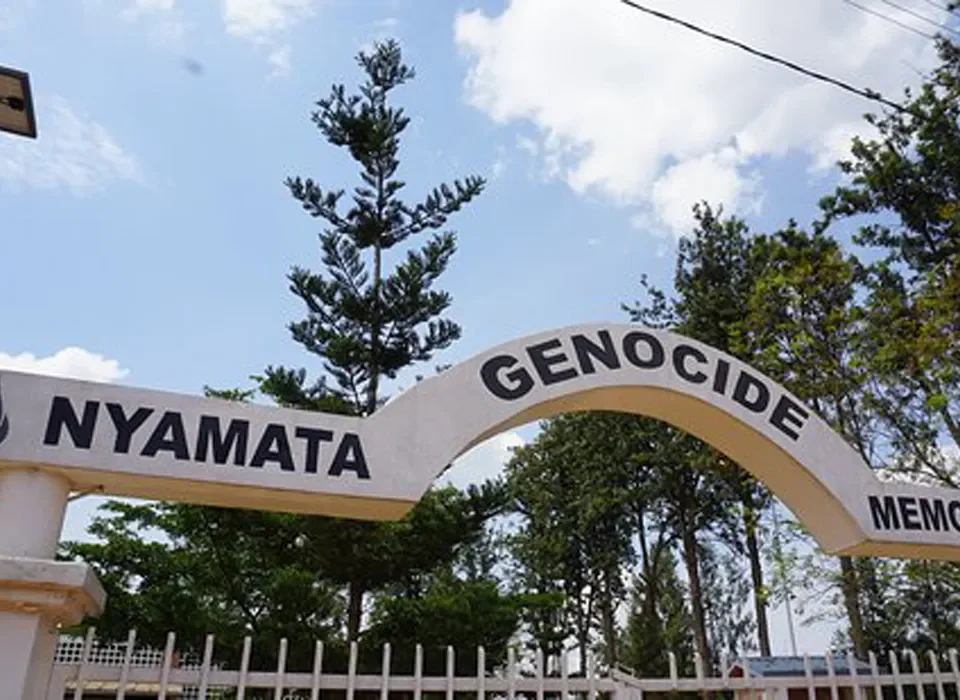
The Rwandan Genocide of 1994 – The Genocide was a major Rwandan-Cultural massacre of civilians in Rwanda. It belonged to the Tutsi and Hutu ethnic groups. The vicious fighting began on 6 April 1994 and lasted 100 days. This left more than 800,000 Hutu and Tutsis dead along with 2 million refugees crowded in sick settlements. They went to Burundi, Uganda, and Tanzania. Rwanda is popular worldwide for the genocide of 1994. It claimed the lives of more than 800,000 people in 100 days.
Nevertheless, the country has since normalized. The government has reinstated stability whereby peace and security now prevail in Rwanda. Rwanda is now among the safest countries in Africa to flourish in the tourism industry. This is due to the dynamic governance leadership of H.E. Paul Kagame the president of Rwanda. Also, the solidarity of Rwandans who have partnered with the government has done a great job. These have built Rwanda into an outstanding country and a better place for its people and the continent at large.
Who were the Tutsis and Hutu?
The Tutsi and Hutu were the two ethnic groups who were the first inhabitants of Rwanda. They shared the same origin but had different activities. The Tutsi were cattle keepers while the Hutu did not rare any cattle at all. This is not the common practice anymore since any tribe/ person can now rare cattle. There are even intermarriages between the two different tribes.
After the conquest of the region, the Hutu and Tutsi Europeans have an ethnic role to play. As Rwanda sought its freedom from Belgium, the Belgians turned to the position of the two communities. They faced a revolt that the Hutu led, and the Belgians abandoned the Hutus. The Hutu were the largest population in Rwanda, to ruled over the new government of Rwanda. This angered the Tutsis and contributed to tensions that persisted for years between the two parties.
The events that led to the Rwanda Genocide
The assassination on 6 April 1994 of Rwandan President Juvenal Habyarimana triggered the Genocide. Habyarimana was a Hutu and unknown people shot down his plane. They shot it over Kigali Airport on his way from a conference in Tanzania.
From 1973 onwards, the President of Rwanda had a dictatorial regime. He had never allowed the Tutsis to participate in it. This escalated on August 3, 1993, when Habyarimana signed the Arusha Accords. It strengthened Rwanda’s Hutu forces and also enabled the Tutsis to participate in the country’s governing relations. When the Presidential plane was shot, the Hutu felt greatly insulted by this.
This is mainly because nobody had quite a true story about who would be accountable for the Rwandan president’s death. Just one day later, a simple collision came up by the chief of the Hutu. He used the chance of the death of the president to launch an attack on the Rwandan government. He took over the government which later initiated the madder between the two parties. Thus, this fueled the death of a large number of people in the country.
The killing of people was in every place in the country. These included churches, Schools, hospitals, and homes among others. There were places where the people seeking refuge hid in different parts. However, still, the guillotines found them there and killed them. The killing was mostly used by hand weapons, such as clubs, hand matches, pangas, and others. Both men, women, and children suffered brutal murder. The Hutu soldiers raped Some women and girls before killing them.
Rwanda’s Genocide Ends
Rwanda’s genocide eventually came to a halt when the Rwandan Patriotic Front (RPF) took over the Rwandan regime. This military group consisted of Tutsis who had fled in the previous years. Most of them had arrived from Uganda. They were able to access and take over the government. Thus, they seized and took control in mid-July 1994 which marked the end of the Genocide.
Rwanda’s post-genocide Era
After the genocide, the government came up with strategies to remember and learn from the mysterious past. The government which H.E Paul Kagame headed decided to build genocide memorial grounds. As mentioned earlier, there are places where people lost their lives while hiding. These include Nyamata Church and Murambi. These turned into genocide memorial centers. In the Capital city, Kigali, you find the Kigali Genocide Memorial Center. It is a must-visit genocide memorial center when you visit Rwanda. The center enables you to listen to audio and see the names of the victims on the walls. You also get to see the massive graves where the victims were buried.
Contact us, we will help you visit these places and learn about the history of the genocide. You can add this to your gorilla or wildlife safari while in the country.