Genocide Memorial Centers in Rwanda

Genocide Memorial Centers in Rwanda
In commemoration of those who lost their dear lives to genocides, genocide memorial centers in Rwanda were built. Genocide in Rwanda was the deliberate killing of a large number of people (the Tutsi) by another (the Hutu) to destroy them. Having begun in 1994 and lasting for 100 days, the Rwandan Genocide is one of the most notorious modern genocides.
During the 100 days between April and July 1994, nearly one million ethnic Tutsi and moderate Hutu lost their dear lives. The genocide was sparked when the airplane, which was carrying Juvenal Habyarimana, the President of Rwanda, and Cyprien Ntaryamira, the President of Burundi, was shot down. Both presidents were Hutu, and they all died. The Hutu suspected the Tutsi minority of having spearheaded the shooting and started killing them, which resulted in genocide. However, to date, there is no evidence or truth revealed on who shot the plane.
Safari Vacations and Travel Services is determined to take you through the Genocide memorial centers to see the history of this saga against humanity.
There are six major Genocide Memorial centers in Rwanda. These include: Kigali Genocide Memorial Center, the Murambi Genocide Memorial Centre, the Bisesero Genocide Memorial Centre and Ntarama Genocide Memorial Centre, the Nyamata Genocide Memorial Centre, and the Genocide Memorial Centre in Nyarubuye.
Kigali Genocide Memorial Center
This genocide memorial center was inaugurated in 2004 at Gisozi. It is the final resting place for more than 250,000 victims of genocide against the Tutsi. The genocide memorial has a wall of names dedicated to those who died and is a work still in progress. Many of the victims’ names have yet to be gathered and documented. Yet, many of the victims who rest in graves are unknown. There is a compound where people sit for reflection and quiet contemplation about the history of the Genocide against the Tutsi. The center also provides support to survivors, in particular orphans and widows. This memorial also serves to educate about how the Genocide against the Tutsi took shape. It also examines genocide in the 20th century.
Nyanza Genocide Memorial Center
This genocide memorial center is in Kicukiro, a suburb southeast of the city center towards the airport. There is little to see at this memorial other than the tiled tops of four mass graves believed to contain the remains of the 4000 Tutsis who took refuge in the Ecole Technique Officielle (ETO) grounds and numerous unmarked wooden crosses.
Following the assassination of 10 Belgian soldiers at Camp Kigali and the subsequent withdrawal of Belgian troops, the Tutsis here were left unprotected and ultimately taken to Nyanza and massacred.
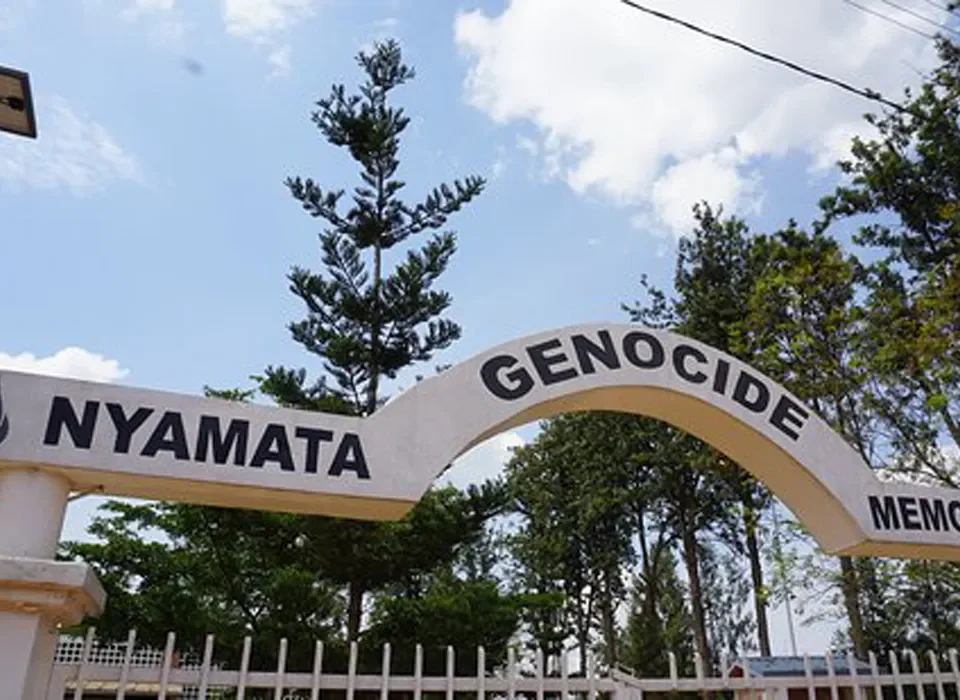
Nyamata Genocide Memorial Centre
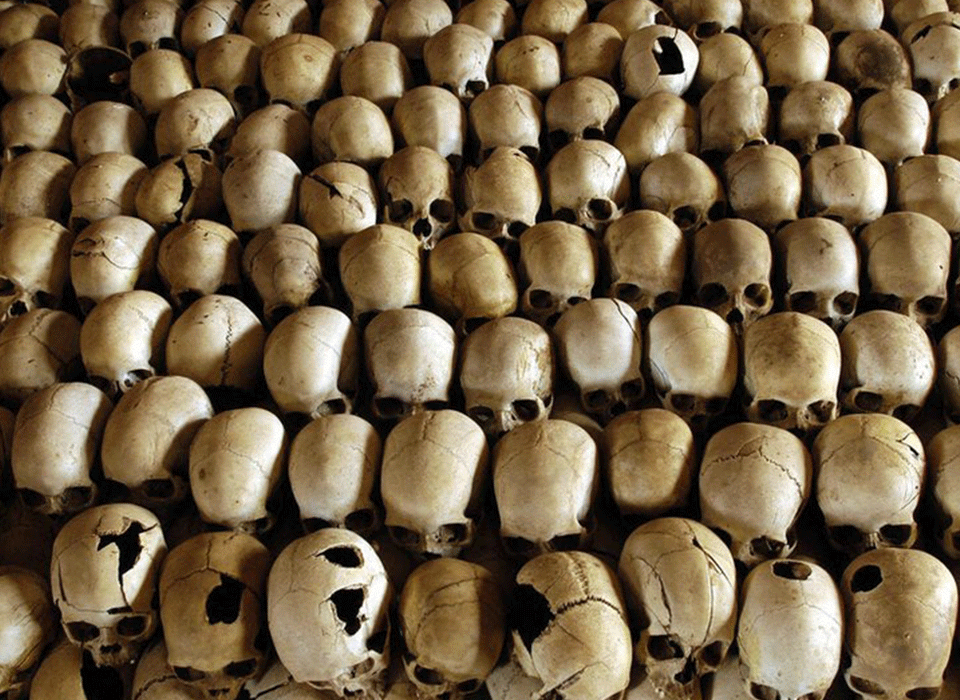
The Nyamata church Genocide Memorial Site is a church that is preserved for the remembrance of the 1994 genocide victims in Rwanda. The memorial is located in what was originally the Nyamata Parish. Approximately 25000 people lost their lives in this church during the famous genocide in Rwanda.
The church has thus become an emblem of the harsh treatment Rwandan women got during the 1994 genocide. Once you enter the church, you will realize that it displays a big picture of agony. The several graphics and audio focus solely on mass rape, the brutality of women, and the spread of HIV as a strong weapon of genocide. You will see the clothes of the victims plus their identity cards.
When the Rwandan genocide broke out in 1994, Nyamata church acted as a gathering place. Many Rwandan residents of the regiondid here as a way of seeking protection. The compound provided a home for the scared Rwandans who hoped they would escape death. This was so because no one expected the militia to attack it.
However, the search for protection was short-lived. This is because many lives, about 1000, were taken from this church and within its compound. The massacre took place on 10th April 1994, as narrated by the locals who managed to survive.
Murambi Genocide Memorial Centre
The Murambi Genocide memorial was created on 21st April 1995. During the genocide, the Tutsis of this region sought sanctuary at Murambi, where a technical school was being constructed. Today, Murambi serves as one of the six National genocide memorial sites. The remains of approximately 50,000 people who were killed in this region are found on this site. It also includes some remains exhumed from areas surrounding the technical school. Only 34 people are said to have survived the genocide in this area. 21st April every year is dedicated to the people who were massacred at this site.
Ntarama Genocide Memorial Centre
On April 14th, 1995, they converted the church of Ntarama into a genocide memorial. Dedicated to the 5,000 people who lost their lives there, it stands as one of Rwanda’s six National Genocide Memorial Sites. Ntarama contains human remains, clothing, and artifacts belonging to those who were killed at the church, all of which remain on display at all times. When the Hutu militias knew that the Tutsi were hiding in this small church, they pushed brick by brick until they demolished it. This shows the willingness they had to demolish the Tutsi.
Bisesero Genocide Memorial Centre
You can find this genocide memorial site in Kibuye, Rwanda. There is a 60 km drive to access it by road. An estimated 40,000 people are believed to have been murdered at this place. It is well known because the Tutsis tried to resist their invaders in the hills of Bisesero, using primitive weapons. They used stones and sticks to defend themselves against the Hutu. However, these did not help much in protecting themselves; when they finally failed, they were butchered to death.
Nyarubuye Genocide Memorial Center
The Nyarubuye Memorial Site is located 140 km east of Kigali near the town of Kibungo. It stands where a convent and school run by the Benebikira Sisters once stood. It is estimated that 20,000 Tutsis and moderate Hutus were killed here. They were either attempting to escape to Tanzania or simply seeking refuge inside the Catholic church. The Interahamwe used mainly blunt weapons such as spears, machetes, and clubs. They also used hand grenades and automatic weapons to kill those attempting to hide or escape. The convent is today a memorial site and houses the victims’ shoes and clothing. Meanwhile, they have renovated the school and now utilize it as a school for the local community.
Conclusively, there is much to see and learn about the 1994 genocide in Rwanda. You just need to consider traveling with us, since providing the best customer safari experience is one of our strengths. Contact us for the best wildlife safaris, gorilla trekking and habituation safaris, city tours, and other tourism activities.