Guide to See Tree-climbing Lions in Uganda

Guide to see tree-climbing lions in Queen Elizabeth National Park
Before we go to the Guide to see tree climbing lions in Queen Elizabeth National Park, let us learn about them first. The tree-climbing lions of Queen Elizabeth National Park are a unique and fascinating phenomenon. Unlike most lions that are famous for staying on the ground, a particular of lions in the Ishasha sector of Queen Elizabeth National Park has developed the behavior of climbing trees. Here are some key facts about the tree-climbing lions of Queen Elizabeth National Park. The tree-climbing lions of Queen Elizabeth National Park have adapted to their environment. They have done so by regularly climbing and resting in fig trees. This behavior is not common in other lion populations.
Guide to See Tree-climbing Lions-Where to Find them
The tree-climbing lions are primarily found in the southern part of Queen Elizabeth National Park, particularly in the Ishasha sector. This area is characterized by large fig trees that provide shade and comfortable perches for the lions.
Reasons for climbing trees
The exact reasons why these lions climb trees are not entirely understood. Some theories suggest that tree climbing allows them to escape the heat on the ground. Climbing trees also helps them avoid annoying insects, or get a better vantage point for spotting prey or intruders.
Also, these lions climb trees to spot prey from a distance.
Tree preferences:
The lions in Queen Elizabeth National Park prefer certain types of trees, especially fig trees. These trees have sturdy branches that can support the weight of the lions. They also shed fewer leaves, especially during the dry season which makes lions climb them for shade.
Climbing ability:
Lions are not natural climbers, and their tree-climbing ability is somewhat limited compared to other tree-dwelling species. However, they have strong forelimbs and sharp claws that help them ascend and descend the fig trees.
Viewing opportunities
Spotting the tree-climbing lions in Queen Elizabeth National Park can be a thrilling experience. However, you need to be patient enough and lucky. Game drives in the Ishasha sector offer the best chance of seeing these unique lions in their natural habitat.
8 Days Uganda gorilla and Big 5 safari
15 Days Uganda, Rwanda, and Congo safari
6 Days Uganda Gorilla and Tree-climbing Lions Safari
What else to see in Queen Elizabeth National Park
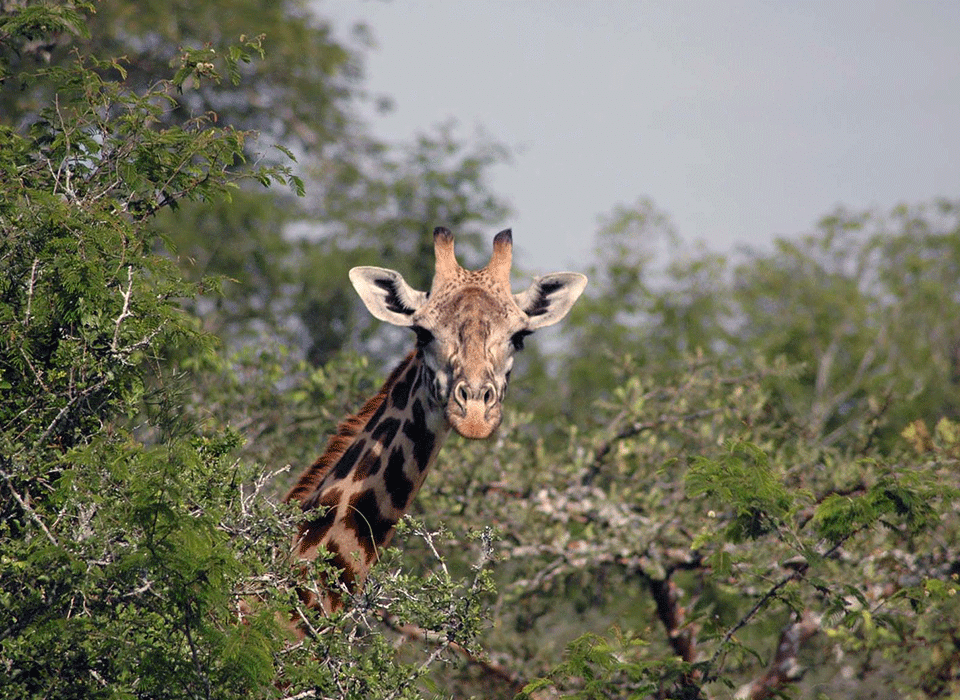
While searching for the tree-climbing lions, you can also enjoy the abundance of other wildlife in Queen Elizabeth National Park. The park is home to elephants, buffaloes, antelopes, hippos, crocodiles, and various bird species.
You can partake in a 2-hour boat cruise on the Kazinga channel. The abundance of wildlife on the banks of the river including schools of hippos, crocodiles, and many other animals will fascinate you.
Remember that wildlife sightings are never guaranteed, and the tree-climbing behavior of lions is not constant. However, the Ishasha sector of Queen Elizabeth National Park remains one of the best places in the world to observe these remarkable lions in their tree-climbing habitat.
This is the ultimate guide to seeing climbing lions in Queen Elizabeth National Park on your Uganda safari.
Plan your visit:
Start planning your visit to see tree-climbing lions by sending an inquiry to Safari Vacations and Travel Services (fill form at the end of this article). We’ll reply to you as soon as possible with a quotation. The quotation will depend on your budget and the number of days you have for a safari. Start by determining the best time to visit Queen Elizabeth National Park. The dry season, from December to February and June to July, is generally better for wildlife viewing. However, you can spot tree-climbing lions all year round.
What you need to do to see tree-climbing lions
Take part in game drives within the park. These are typically in open 4×4 vehicles and provide the best opportunity to spot wildlife, including the tree-climbing lions. The guides will know the lions’ favorite trees and areas they frequent.
Patience and timing
Spotting tree-climbing lions can require some patience and timing. Keep in mind that these lions are still wild animals, and you can guarantee their behavior. Spend enough time on a game drive, focusing on the areas also famous for tree-climbing lions.
Timing
Lions are generally more active during the early morning or late afternoon when temperatures are cooler. However, if you want to see them climbing trees, you need to go there in the afternoon. This is because one of the reasons they climb trees is to get shade away from the scorching sun. Plan your game drives during these times to increase your chances of sighting tree-climbing lions.
Look for clues
Keep an eye out for signs of the lions’ presence. These include claw marks on tree trunks, fresh tracks, or even other animals’ alarm calls. These indicators can help you and your guide locate the lions more efficiently.
Respect the animals
When you do spot the tree-climbing lions, maintain a safe distance and respect their space. Do not disturb or provoke them, and follow your guide’s instructions for the best wildlife viewing experience. Do not make weird signs to them or throw food at them. This may make them react aggressively hence putting your life under danger.
Enjoy the other wildlife
While searching for tree-climbing lions, take the opportunity to enjoy the other wildlife in Queen Elizabeth National Park. The park is home to a diverse range of animals, including elephants, buffaloes, hippos, and various bird species.
Remember that wildlife sightings are not a guarantee. However, by following these tips and with a little luck, you’ll have a better chance of seeing the tree-climbing lions in Queen Elizabeth National Park.