Economic Factors Behind the High Costs of African Safaris
Exploring the Economic Factors Behind the High Costs of African Safaris
Introduction
African safaris are often seen as once-in-a-lifetime experiences, but their high cost can make them feel out of reach for many travelers. Understanding the economic factors behind the high costs of African Safaris helps explain why safaris are an investment. This blog dives deep into the costs, examining everything from conservation efforts to luxury accommodations. By the end, you’ll have a clearer picture of what makes safaris more expensive and how they benefit local economies. Whether you’re planning a trip or just curious, Safari Vacations and Travel Services will help you make informed decisions about your safari experience.
Understanding the Safari Industry in Africa
The safari industry in Africa is more than just tourism—it’s a major driver of economic growth, conservation, and cultural preservation. Safaris provide employment to local communities, fund wildlife protection programs, and attract millions of travelers seeking adventure. However, this industry is also highly regulated to ensure that both wildlife and ecosystems are protected. To provide top-notch safari experiences, tour operators must navigate a range of challenges, from maintaining luxury lodges to organizing complex logistics in remote areas. All of these factors contribute to the higher costs of safaris.
Economic Impact of Safaris on Local Communities
Safaris play a crucial role in uplifting local communities across Africa. Many safari operators employ local guides, drivers, and staff, providing valuable jobs in rural areas where opportunities may be scarce. Additionally, some tour companies, like Safari Vacations & Travel Services, actively engage in revenue-sharing schemes, where a portion of tourism revenue is allocated to community development. This could include building schools, healthcare centers, or infrastructure. By choosing responsible safari operators, travelers directly contribute to these projects, ensuring that their vacation has a positive and lasting impact on local communities.
Cost Components of African Safaris
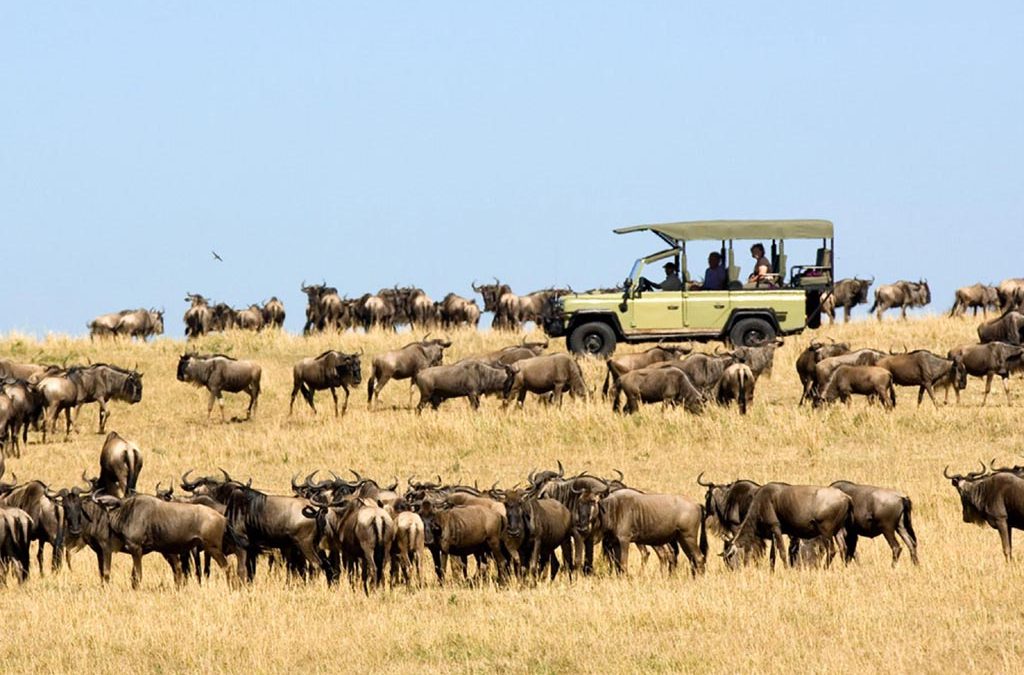
Several elements drive the costs of African safaris. First, conservation fees are often built into the pricing to support wildlife protection and park maintenance. Second, transportation—whether charter flights, 4×4 vehicles, or transfers to remote locations—requires significant investment. Accommodation ranges from luxury lodges to mobile camps, each with its cost structure based on location and service. Additional expenses like park permits, especially for high-demand activities like gorilla trekking, also contribute. Lastly, the seasonality of safaris affects prices, with peak travel times, like during the Great Migration, commanding higher rates.
Factors Influencing Pricing in the Safari Industry
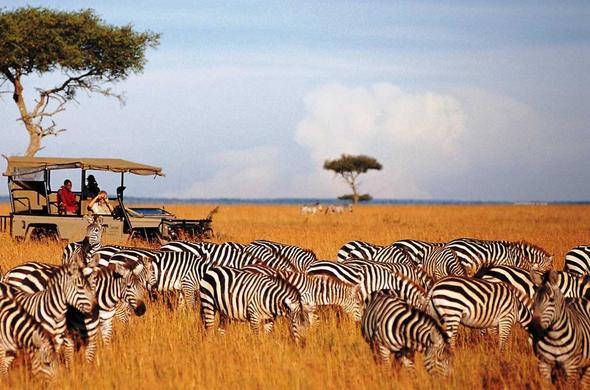
Several factors influence the pricing of safaris, from the time of year to the type of animals travelers hope to see. High demand for certain destinations, like Kenya’s Maasai Mara during the Great Migration, raises prices due to limited availability. The remoteness of safari locations also impacts costs, as getting supplies, maintaining lodges, and ensuring reliable transportation can be challenging and expensive. Additionally, the number of people in a group and the level of luxury you desire will influence the final price. Safari operators must balance providing unforgettable experiences with maintaining sustainable business practices.
Role of Conservation and Sustainability in Safari Costs
Conservation efforts are a key reason why African safaris come with a higher price tag. Many safari operators contribute significantly to wildlife protection, anti-poaching initiatives, and habitat preservation. For instance, the cost often includes national park fees, ensuring that your safari directly funds the ongoing protection of endangered species and natural landscapes. The pricing also reflects sustainable tourism practices, such as minimizing environmental impact and supporting local communities. The costs associated with maintaining eco-friendly operations are crucial to preserving Africa’s unique ecosystems for future generations.
Luxury vs. Budget Safari Experiences
African safaris cater to a range of budgets, from high-end luxury to more affordable, no-frills options. Luxury safaris often include private game drives, upscale lodges with gourmet dining, and exclusive experiences like hot air balloon rides over the savannah. These elements significantly drive up the cost. On the other hand, budget safaris offer simpler accommodations, group tours, and less flexibility in terms of activities, but still provide the core safari experience. Travelers can choose between the two based on their preferences and financial capacity, ensuring there’s a safari for everyone.
Comparison of Safari Costs Across African Countries
Safari costs vary significantly across African countries due to different economic conditions, park fees, and available wildlife. For example, safaris in Kenya and Tanzania are often pricier due to the high demand during the Great Migration, while Uganda and Rwanda’s gorilla trekking permits are some of the most expensive in the region. South Africa offers a range of safari experiences, from budget-friendly options to high-end luxury lodges. Namibia and Botswana also provide diverse safari opportunities, with costs that fluctuate depending on the level of remoteness and exclusivity of the experiences offered.
Influence of Exchange Rates on Safari Pricing
Exchange rates can play a significant role in determining the cost of an African safari for international travelers. When local currencies weaken against the dollar, euro, or pound, safari prices may seem more affordable for those paying in foreign currency. Conversely, when local currencies strengthen, travelers might face higher costs. Tour operators, like Safari Vacations & Travel Services, often try to stabilize their prices by adjusting them based on currency fluctuations. Keeping an eye on exchange rates and booking at the right time can help travelers get better deals on their safari vacations.
Government Policies and Regulations Affecting Safari Costs
Government policies, including taxation and park management regulations, also impact the cost of safaris. Many African governments charge substantial fees for access to national parks and wildlife reserves, with the money going toward conservation and community development. In countries like Uganda and Rwanda, for example, gorilla trekking permits can cost upwards of $1,500 per person. Other policies may include restrictions on the number of vehicles allowed in certain areas or the need for permits to engage in activities like game drives. These regulations are essential for sustainable tourism but can increase safari costs.
The Role of Tour Operators and Agencies in Pricing
Tour operators and travel agencies are key players in determining the price of safaris. They act as intermediaries between travelers and the various service providers, including lodges, transportation companies, and park authorities. Operators like Safari Vacations & Travel Services help streamline the booking process, securing permits and organizing complex itineraries, which adds value but also increases the overall cost. In return, they offer expertise, convenience, and access to exclusive experiences that independent travelers might struggle to arrange. Operators’ ability to negotiate discounts and manage logistics efficiently can significantly influence the final price of a safari.
Marketing Strategies and Branding in the Safari Industry
In the competitive safari industry, marketing strategies and branding play a crucial role in attracting travelers. Luxury safari brands often emphasize exclusivity, showcasing high-end lodges, private game reserves, and personalized experiences to justify premium pricing. Budget safari operators, on the other hand, highlight affordability and value for money, focusing on wildlife encounters and adventure. The way safaris are marketed also affects customer perceptions of cost and value. For example, branding a safari as an eco-friendly or conservation-focused experience can attract ethically conscious travelers who are willing to pay more for responsible tourism.
Customer Preferences and Perceptions of Value
Customers’ preferences heavily influence the perceived value of a safari. Some travelers prioritize luxury and comfort, expecting five-star accommodations and gourmet meals, while others are more focused on wildlife sightings and outdoor adventures. The perceived value also depends on the rarity of the experience—activities like gorilla trekking are considered premium because of the limited number of permits available and the uniqueness of encountering such endangered species. Ultimately, the way travelers view value concerning the cost is subjective, and safari operators cater to a wide range of preferences to meet diverse expectations.
Technological Innovations and Their Impact on Safari Costs
Technology is gradually transforming the safari industry, with innovations influencing costs in various ways. Drones are used for wildlife monitoring and anti-poaching efforts, which adds a layer of protection for endangered species but can increase operational expenses. High-quality camera equipment, Wi-Fi access in remote lodges, and modern transportation options enhance the safari experience, though they often come with higher price tags. On the other hand, advancements in booking platforms and virtual tours can help reduce planning costs, making safaris more accessible to a broader range of travelers.
Challenges and Opportunities for Reducing Safari Costs
While safaris can be costly, there are opportunities to reduce expenses without sacrificing the experience. Booking during the off-peak season, opting for group tours instead of private ones, and choosing mid-range lodges over luxury accommodations can significantly lower costs. Some safari operators, like Safari Vacations & Travel Services, offer flexible packages that allow travelers to customize their itineraries based on budget. However, challenges remain, especially in balancing affordability with sustainability. Lowering prices too much could compromise conservation efforts and the quality of service, making it important to find a middle ground.
Case Studies: Successful Cost Management Strategies in the Safari Industry
Several safari operators have successfully implemented strategies to manage costs while maintaining high-quality experiences. For instance, some companies focus on eco-lodges that are solar-powered, reducing energy costs and their environmental footprint. Others partner with local communities to provide more affordable accommodations and experiences, benefiting both tourists and locals. By investing in efficient transportation options, like hybrid vehicles, and cutting down on unnecessary luxury services, operators can offer lower prices without compromising on the core safari experience. These case studies demonstrate that it is possible to offer memorable safaris at more accessible price points.
Future Trends and Predictions for Safari Costs
The future of safari pricing will likely be shaped by several factors, including advancements in technology, increasing demand for eco-friendly travel, and shifts in customer preferences. As more travelers seek sustainable and ethical tourism options, prices for such experiences may rise due to the added costs of conservation initiatives. However, technological innovations could streamline operations and reduce some logistical expenses, potentially balancing out price hikes. Additionally, as more African countries invest in their tourism infrastructure, we could see increased competition among safari operators, which might help to stabilize or even reduce costs over time.
Conclusion and Key Takeaways
The economic factors behind the high costs of African safaris are influenced by a complex mix of factors, from conservation fees to luxury services. While safaris can be expensive, understanding the reasons behind the pricing helps travelers appreciate the value they’re getting in return. By supporting local communities and conservation efforts, safari-goers contribute to the long-term sustainability of Africa’s wildlife and ecosystems. Whether you’re looking for a budget-friendly option or a luxurious experience, Safari Vacations and Travel Services provide ways to tailor a safari to your preferences and budget. With proper planning, a safari can be both an unforgettable adventure and a worthwhile investment.
For more information fill out the form below