Best Birding Spots in Uganda.

Best Birding Spots in Uganda.
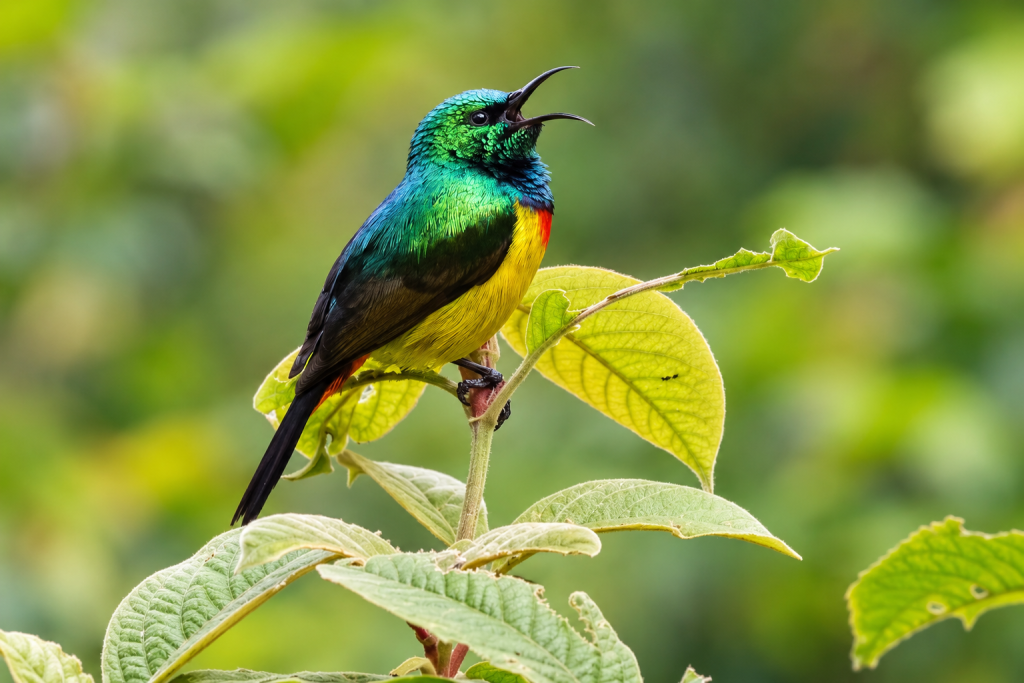
Uganda’s year-round conducive climate, abundant water sources, and diverse vegetation cover make it one of the best birding destinations in Africa. Vast species of birds fly in from around the world throughout the year and about 1,080 bird species have been recorded. Bird watching can be done in Uganda’s many National Parks and forests as well as during boat rides where birds can be seen by the banks of various water bodies in the country. Our birding safaris in Uganda are well-planned to give birding enthusiasts a memorable bird-watching experience in Uganda. Here are our 10 best birding spots in Uganda.
Mabamba Bay Wetland.
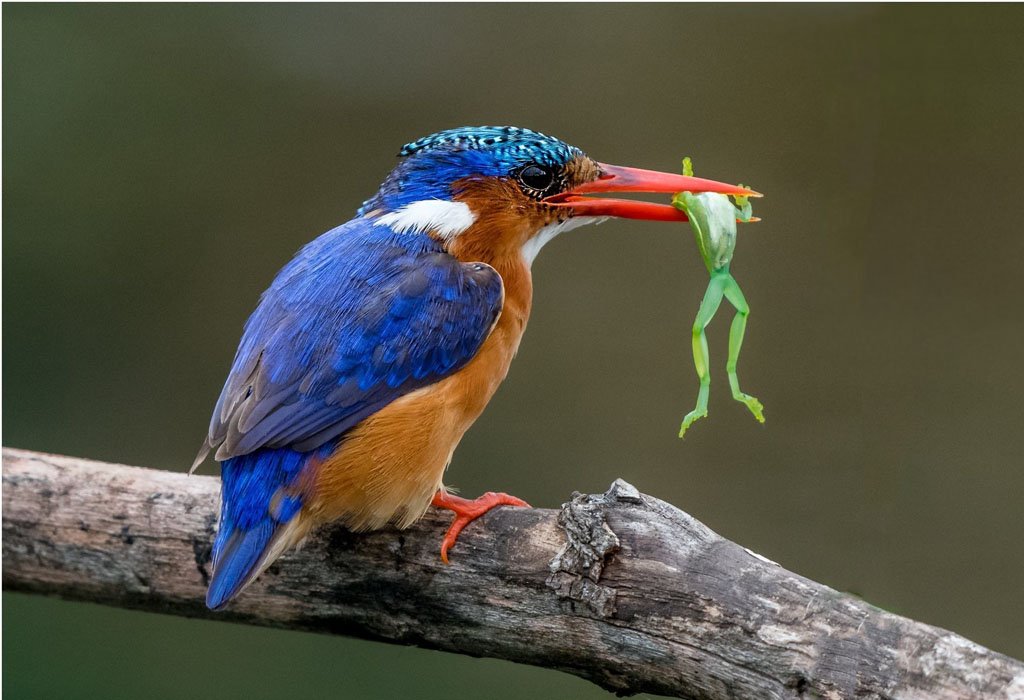
Sighting the Shoebill Stork at Mabamba Bay Wetland will make your Uganda birding safari all the more exciting. Mabamba’s proximity to Lake Victoria provides the perfect conditions for birds especially those that like to live near water. A canoe ride through Mabamba Bay Wetland is a great way to explore the abundant bird species which include; the Shoebill Stork, Malachite Kingfisher, Swamp Flycatcher, Pied Kingfisher, Papyrus Gonolex, Black-headed Heron, African Open-billed Stork, Black Kite, African Marsh Harrier among many others. Mabamba Bay Wetland is one of the 10 Best Birding Spots in Uganda.
Murchison Falls National Park.
Bird species in Murchison Falls National Park include the goliath Heron, Swamp Flycatcher, Abyssinian Ground Horn Bill, Red-throated Bee Eater, Northern Red Bishop, African Quail Finch, and Giant Kingfishers among many others. Bird watching in Murchison Falls National Park is a great highlight of a wildlife safari in Uganda.
Bwindi Impenetrable National Park.
Although Uganda Gorilla Trekking Safaris are more popular in Bwindi Impenetrable National Park, bird watching comes at a close second due to the abundance of rare species of birds. About 350 species of birds can be found in Bwindi and these include the black-billed Turaco, African Green Broadbill, Chapin’s Flycatcher, Fraser’s Eagle, Handsome Francolin, Collared Apalis, White-bellied Robin Chat among many others.
Mgahinga Gorilla National Park.
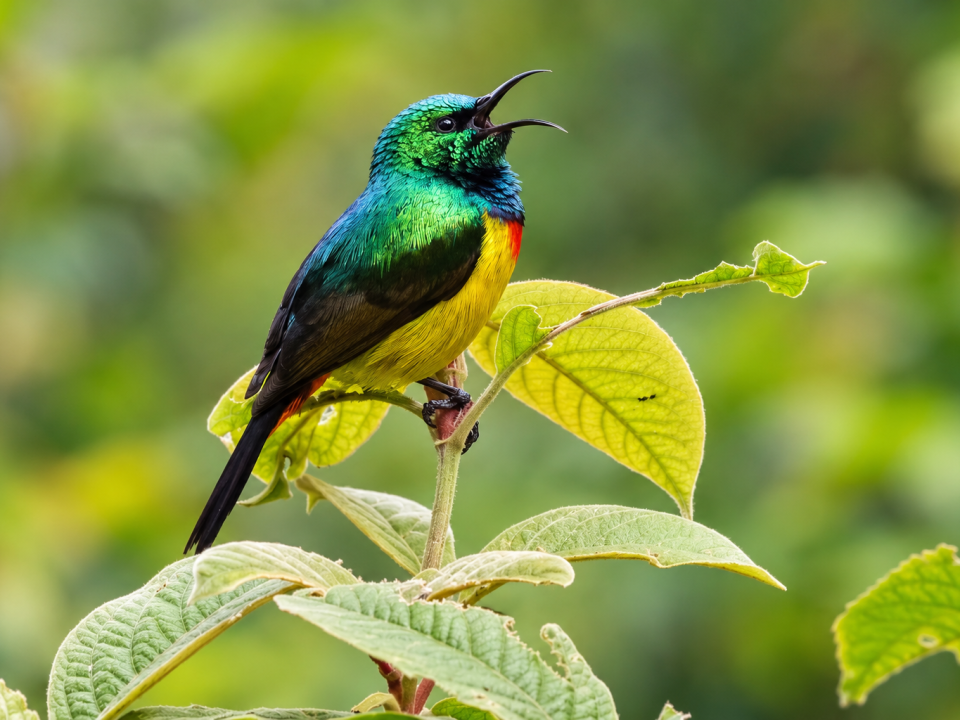
Located in the southwestern part of Uganda, Mgahinga Gorilla National Park is home to about 180 bird species. In addition to tracking the Nyakagezi Gorilla Family in Mgahinga, tourists can take part in bird watching. The bird species in Mgahinga Gorilla National Park include; Cape Robin, White-starred Robin, Brown Woodland Warbler, Cinnamon Bracken Warbler, White-starred Robin, Rwenzori Batis, Greater Double-collared Sunbirds, Archer’s Robin Chat among many others.
Kibale Forest National Park.

With over 375 species of birds, Kibale Forest National Park is one of the best bird-watching destinations in Uganda. In addition to Chimpanzee Tracking Safaris, bird watching is also popular due to the dense vegetation cover that favors bird life. Bird species found in Kibale Forest National Park include; Red-chested Owlet, Purple-breasted Sunbird, Blue-breasted Kingfisher, Crowned Eagle, Little Greenbul, Black Bee-eater, Dusky-blue Flycatcher, Grey-throated Flycatcher, White-naped Pigeon among many others. Kibale Forest is not only home to primates but is also one of the 10 Best Birding Spots in Uganda.
Queen Elizabeth National Park.
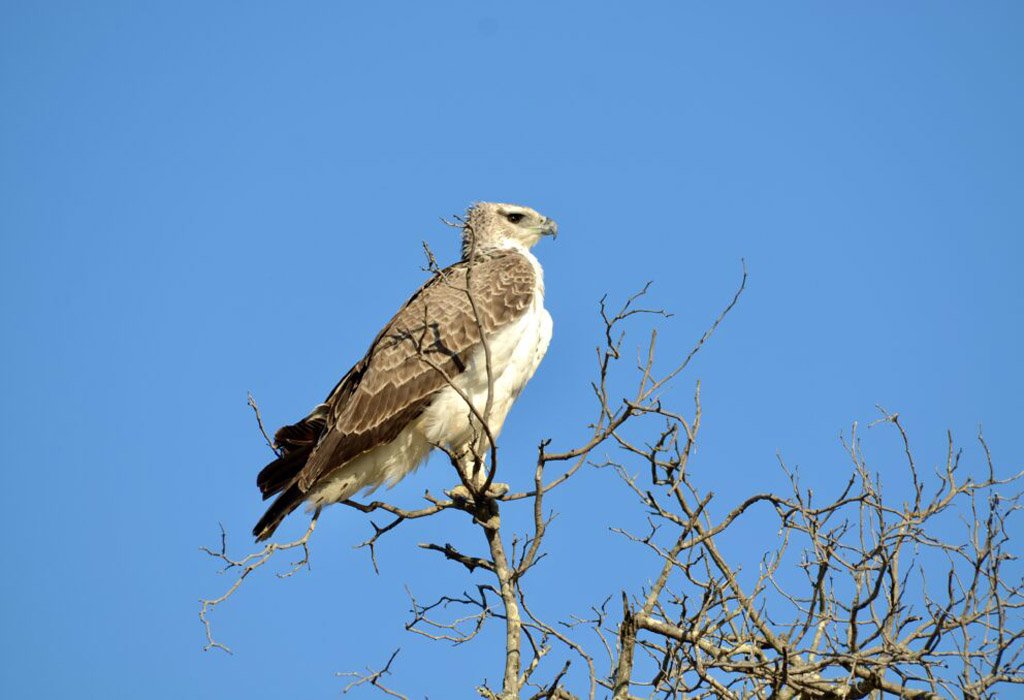
Queen Elizabeth National Park is one of Uganda’s most visited National Parks and is home to vast animal and bird species. With over 600 bird species, Queen Elizabeth National Park is one of the best spots where birding enthusiasts can encounter even the most rare bird species. Bird species in Queen Elizabeth National Park include; Swamp Flycatcher, African Skimmer, Malachite and Pied Kingfishers, Grey-headed Kingfisher, Black-headed Gonolek, Verreaux’s Eagle-owl, Sedge Warbler, White-winged Terns, Grey-capped Warbler, Collared Pratincole, Martial Eagle, Gabon and Slender-tailed Nightjars among others.
Lake Mburo National Park

Lake Mburo National Park is one of the 10 Best Birding Spots in Uganda. In addition to being home to plenty of Zebras, Lake Mburo National Park is also home to about 351 bird species, making it one of the 10 best birding spots in Uganda. Bird species in Lake Mburo National Park include the Nubian Woodpecker, Trilling Cisticola, Bee-eaters, Cheeky Bronze-tailed Starling, Crested Francolin, Emerald-spotted Wood Dove, Brown Parrot, African Fish Eagle, Red-necked Spurfowl among others.
Semuliki National Park
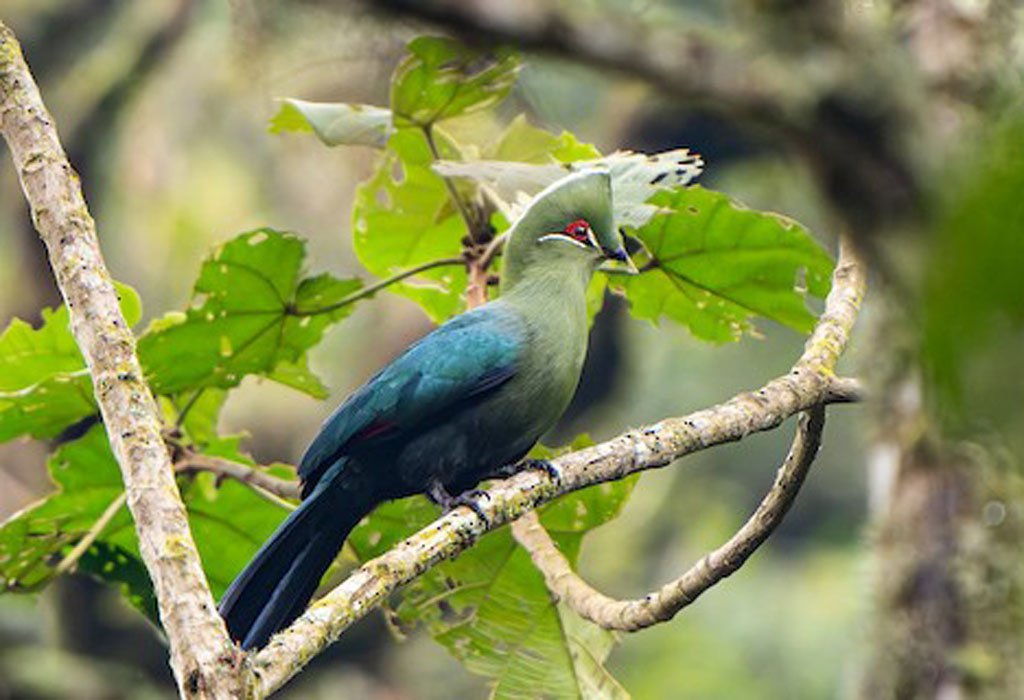
Located in Western Uganda in the Albertine Rift Valley, Semuliki National Park is one of the 10 best birding spots in Uganda. There are about 441 bird species in Semuliki riverine forest and these include; Maxwell’s Black Weaver, Blue-billed Malimbe, Yellow-throated Nicator, Black Dwarf Hornbill, Nkulengu Rail, Piping Hornbill, Yellow-throated Cuckoo, Dwarf Honeyguide, Great Blue Turaco, Purple-breasted Sunbird among others.
Budongo Forest

Budongo Forest lies at the edge of the Albertine Rift Valley in Murchison Falls National Park and is home to more than 350 bird species. The forest is also a popular destination for Chimpanzee Tracking. Bird species in Budongo Forest include the blue-breasted Kingfisher, African Dwarf Kingfisher, Cassin’s Spine Tail, Chestnut-capped Flycatcher, Ituri Batis, and Nahan’s Francolin among others.
Rwenzori Mountains National Park
Bird species in Rwenzori Mountains National Park include; Rwenzori Turaco, Blue-headed Sunbird, Golden-winged Sunbird, White-starred Robin, Long-eared Owl, Archers’ Robin-chat, Lagden’s Bush Shrike, Slender-billed Starling among others.
Why Safari Vacations & Travel Services
With over 10 years of experience operating in the greater East African region, Safari Vacations& Travel Services is one of the few trusted and tested tour operators that will guarantee you the best experience when it comes to safaris to see mountain gorillas and wildlife in Africa. We decided to go green and promote responsible travel whenever we visit sites in Africa. We have a team of professionally trained office and field staff ready to serve you with diligence. Our satisfied clients always leave some reviews on Trip Advisor as well as Safari booking.