
Plan Gorilla Trekking in Uganda & Rwanda • 2026–2027 Guide
Gorilla Trekking: Plan Your Mountain Gorilla Encounter
A Gorilla Trekking journey leads you into misty highland forest with trained trackers to locate a habituated mountain-gorilla family and spend a carefully managed viewing period observing the group in its natural habitat. Planning Gorilla Trekking around permits, trailheads and transfers makes the experience far easier to organize.
Planning guide below
Where to Go for Gorilla Trekking
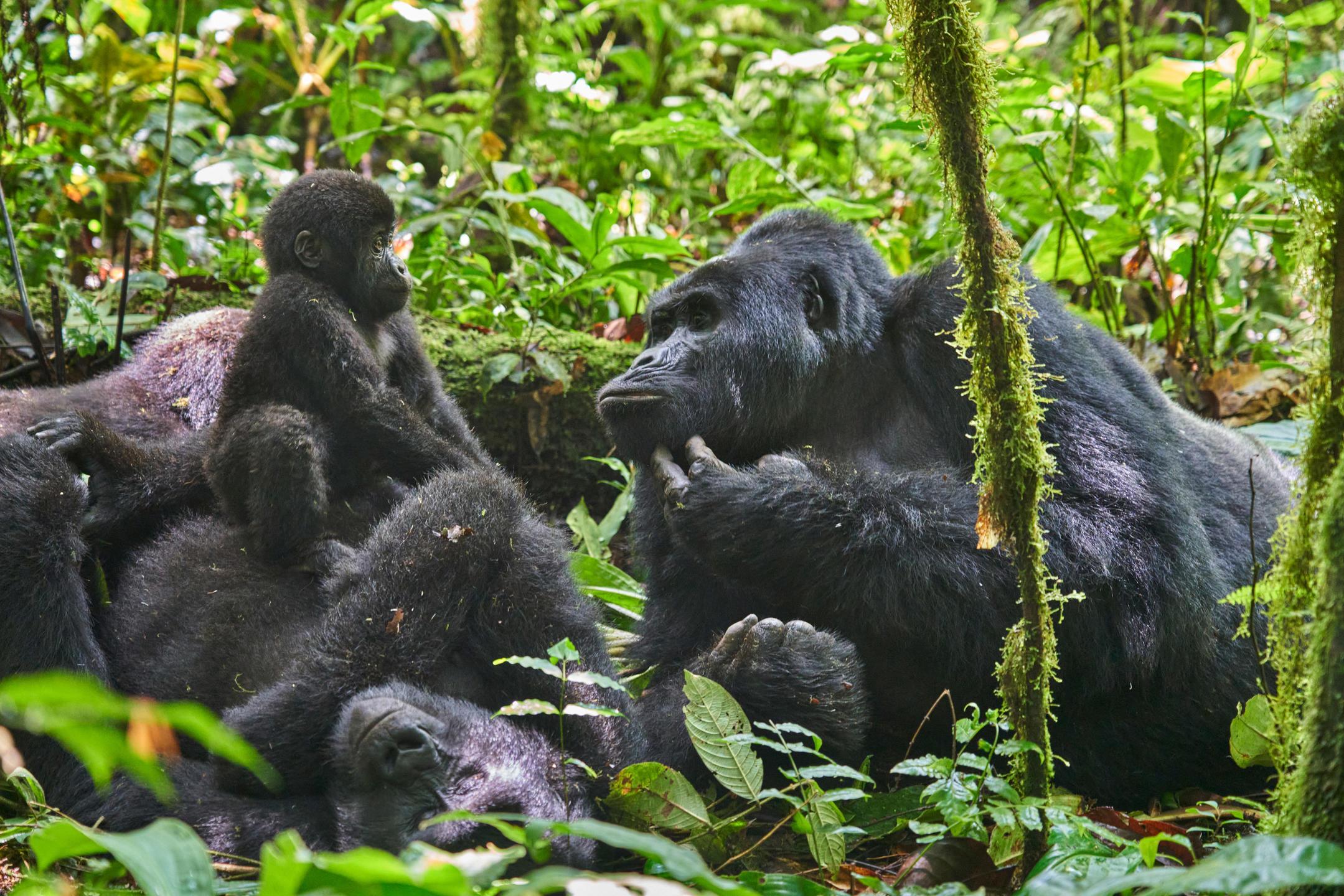
For Gorilla Trekking, Uganda gives travelers two distinct forest settings. Bwindi Impenetrable Forest is the larger choice, with trailheads spread across Buhoma, Ruhija, Rushaga and Nkuringo. That variety makes it especially useful for travelers who want to match the primate encounter with different lodge styles and wider western-Uganda routes.
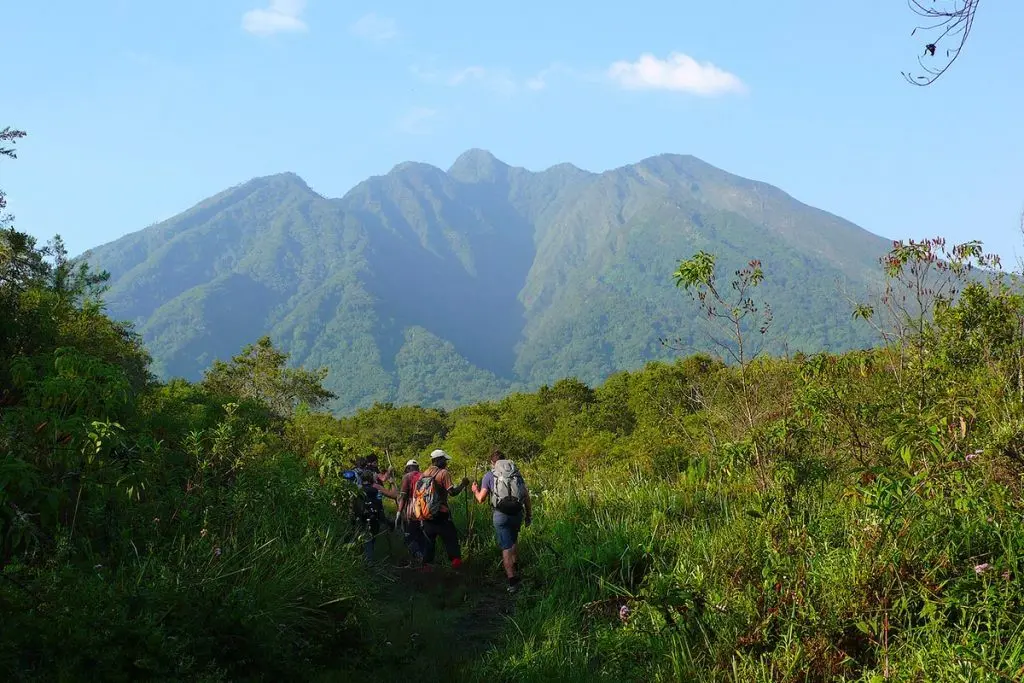
For a different Gorilla Trekking setting farther south, Mgahinga Gorilla National Park places the experience on the volcanic Virunga landscape. It is a compelling alternative for travelers who like mountain scenery or want to pair the forest day with golden monkeys and highland hiking.
Choosing Bwindi or Mgahinga for Gorilla Trekking
When planning Gorilla Trekking in Uganda, the decision starts with permit availability and route design rather than a promise that one forest is always easier. In Bwindi, your assigned trailhead affects road transfers and where you should sleep, so review the four Bwindi sectors before locking in a lodge.
If Gorilla Trekking is part of a short trip or you are already in Rwanda, compare the logistics of Uganda and Rwanda. Rwanda concentrates mountain-gorilla visits in Volcanoes National Park and can work efficiently with Kigali-based itineraries, while Uganda offers more trailhead variety and easy combinations with classic wildlife and chimpanzee experiences.
A Useful Gorilla Trekking Planning Rule
For smoother Gorilla Trekking logistics, confirm the permit and trekking area first. Then choose accommodation and transfers around that location. Reversing that order can create unnecessarily long drives on the morning of your forest visit.
What a Gorilla Trekking Day Actually Feels Like
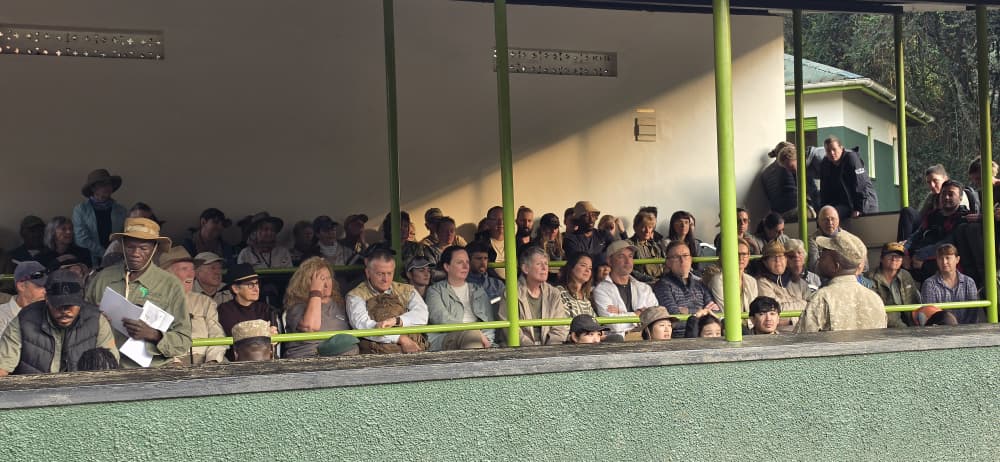
A Gorilla Trekking morning normally begins with a ranger briefing, group allocation and an explanation of forest etiquette. From there, guides and trackers lead you along changing terrain. The route may be muddy, steep or tangled, and there is no fixed walking distance because the animals move freely. Read the practical visitor guidelines before arrival so the conservation rules are familiar.
During Gorilla Trekking, once the assigned family is located, the pace changes from searching to quiet observation. Visitors watch feeding, resting, grooming and social behavior while following ranger instructions. The whole outing can occupy much of the morning or longer, so plan the day around the forest rather than squeezing it between tight transfers.
Permits, Timing and Budget for Gorilla Trekking
A Gorilla Trekking permit is the foundation of the itinerary. Availability can tighten around popular travel periods, so check the current Uganda permit process before committing to non-flexible accommodation. Travelers comparing destinations should also confirm current official fees rather than relying on old blog prices.
Gorilla Trekking is possible throughout the year, but trail conditions change with rainfall. Drier periods are popular because footing is often more manageable; wetter periods can mean softer trails, lush vegetation and fewer visitors. Use this season-by-season guide to weigh weather against availability and travel style.
Fitness and Packing for Gorilla Trekking
Gorilla Trekking does not require elite hiking ability, but uneven slopes, humidity, altitude and mud can make the day demanding. Build walking stamina before travel and be realistic about your mobility. The overview of trek difficulty explains why two visitors in the same park can have very different walking days.
For Gorilla Trekking, pack for a rainforest rather than a game drive: grippy waterproof boots, long trousers, long sleeves, light rain protection, drinking water and a compact daypack. A porter can also be valuable on steep or slippery sections. Check the detailed clothing checklist before departure.
Gorilla Trekking or an Extended Habituation Experience?
Travelers who want more forest time beyond standard Gorilla Trekking can investigate the habituation experience, where available. It is a different product from the standard one-hour viewing format and generally requires a larger budget and a willingness to spend longer in demanding forest conditions.
Combine Gorilla Trekking with a Wider Safari
Gorilla Trekking in Uganda fits particularly well into mixed itineraries. After the highland forest, travelers can add savanna wildlife, boat trips or a second primate experience. A chimpanzee tracking experience creates a useful contrast: different habitat, movement and social behavior, while keeping the journey focused on primates.
Travelers planning Gorilla Trekking with limited time can look at a compact three-day Uganda itinerary, while longer journeys can connect the forest with Queen Elizabeth National Park, Kibale or Lake Bunyonyi.
Responsible Wildlife Viewing During Gorilla Trekking
Responsible Gorilla Trekking depends on carefully controlled access. Follow ranger directions, keep the required distance, avoid touching or feeding animals, never use flash, and do not enter the forest when you are ill. The principles behind responsible gorilla tourism are as important as choosing the right lodge or camera.
Build your Gorilla Trekking route
Plan Gorilla Trekking Around the Permit
To plan Gorilla Trekking well, start with your travel dates, preferred country, fitness level and overall safari length. From there, match permit availability to the correct trailhead, nearby accommodation and realistic road or flight connections.
Tailor the route to your dates and permit