
Queen Elizabeth National Park Location, Geography, Landscape and Ecosystems
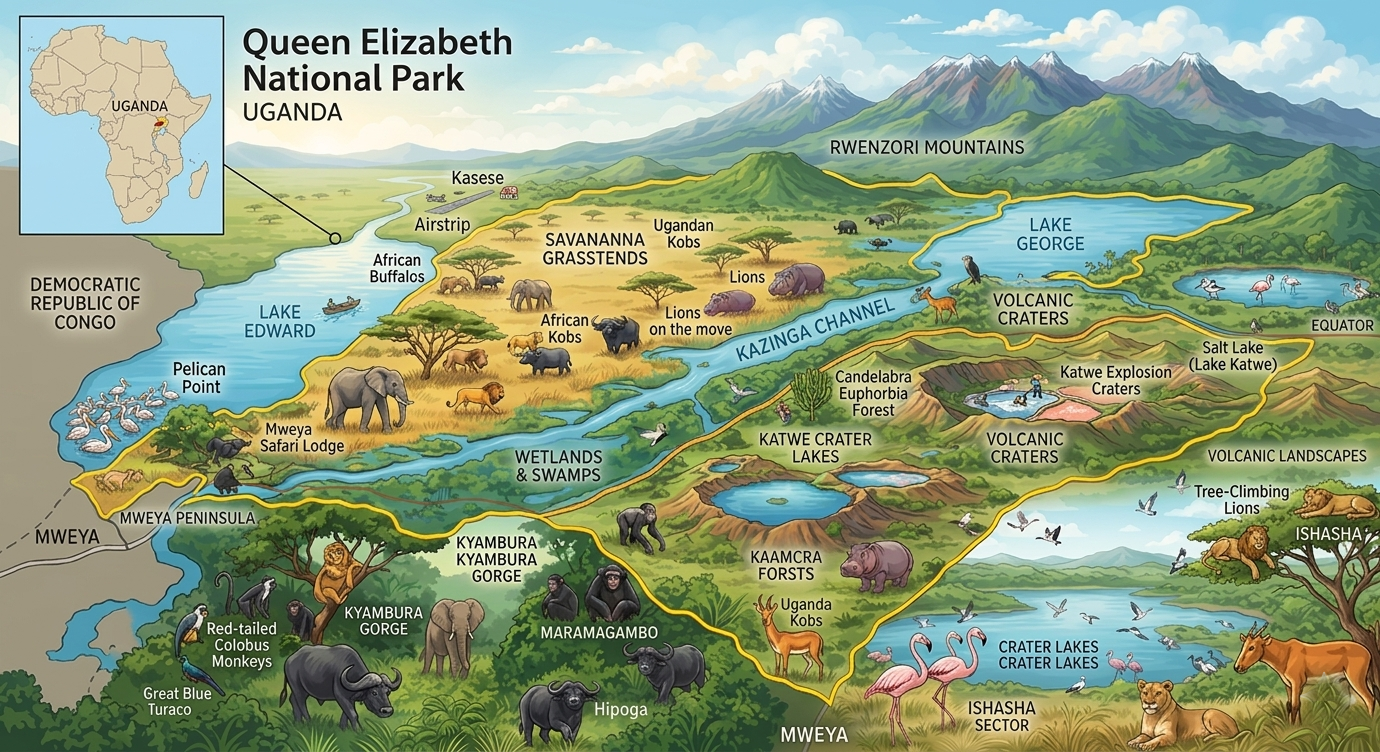
Map showing ecosystems and wildlife in Queen Elizabeth National Park.
Understanding the location, geography, landscape and ecosystems of Queen Elizabeth National Park is essential for anyone planning a safari in western Uganda. The park is not simply a large area of savannah where visitors search for wildlife. Its combination of open grasslands, wetlands, lakes, forests, crater landscapes and the Kazinga Channel creates a remarkably varied environment that supports a wide range of mammals, birds and other wildlife.
For travelers researching a Queen Elizabeth National Park Guide, understanding this geographical diversity also helps explain why different parts of the park offer different safari experiences. The Kasenyi Plains, Mweya Peninsula, Kazinga Channel, Kyambura area and Ishasha Sector each have their own physical characteristics, wildlife habitats and attractions.
Where Is Queen Elizabeth National Park?
Queen Elizabeth National Park is located in western Uganda within the Albertine Rift landscape. It is one of Uganda’s best-known protected areas and forms an important part of the country’s western safari circuit. Its geographical position makes it particularly useful for travelers who want to combine a traditional wildlife safari with other destinations in western Uganda.
The park lies between major natural features including Lake Edward and Lake George, while the Kazinga Channel connects the two lakes. The wider landscape is also influenced by the Albertine Rift and the nearby Rwenzori Mountains. These geographical features contribute to the variety of habitats found throughout the protected area.
Its position also allows Queen Elizabeth National Park to be incorporated into longer Uganda safari itineraries. Travelers may combine the park with destinations such as Kibale Forest National Park, Bwindi Impenetrable National Park and the Rwenzori region depending on their interests, available time and chosen travel route.
The park’s geographical position is particularly important for understanding its ecosystems. The combination of savannah, forests, wetlands, lakes and crater landscapes provides different ecological conditions within a relatively concentrated safari destination.
Queen Elizabeth National Park and Western Uganda
Queen Elizabeth National Park is an important part of western Uganda’s tourism landscape. The region contains several major wildlife and primate destinations, making it possible to create multi-destination itineraries rather than treating the park as an isolated stop.
Travelers approaching the park from the direction of Kibale encounter a landscape that gradually changes from forest and agricultural areas toward the open ecosystems associated with Queen Elizabeth National Park. The park can therefore form an important transition between Uganda’s forest-based primate experiences and its traditional savannah wildlife experiences.
For visitors interested in understanding the wider region, the Kibale Crater Lakes are particularly relevant geographically because the crater landscape around Kibale provides views toward Lake George, the Rwenzori Mountains and surrounding western Uganda landscapes.
The Albertine Rift and the Park’s Physical Setting
One of the most important geographical concepts for understanding Queen Elizabeth National Park is its position within the Albertine Rift. The Albertine Rift forms part of the western branch of the East African Rift System and contains a remarkable mixture of mountains, valleys, forests, lakes and other ecosystems.
Queen Elizabeth National Park’s landscape reflects this geological setting. Elevation changes, volcanic features, lakes and drainage systems have contributed to the variety of environments found within and around the park.
This geographical diversity is directly connected to the park’s biological richness. Different elevations, soil conditions, water sources and vegetation communities create habitats for different species. Open grasslands can support grazing animals, wetlands provide habitat for water-associated species, while forested areas offer conditions suitable for primates and forest birds.
Lake Edward and Lake George
Lake Edward and Lake George are two of the most important water bodies associated with Queen Elizabeth National Park. Their presence contributes significantly to the park’s landscape and ecological character.
Queen Elizabeth National Park Wildlife and Animals
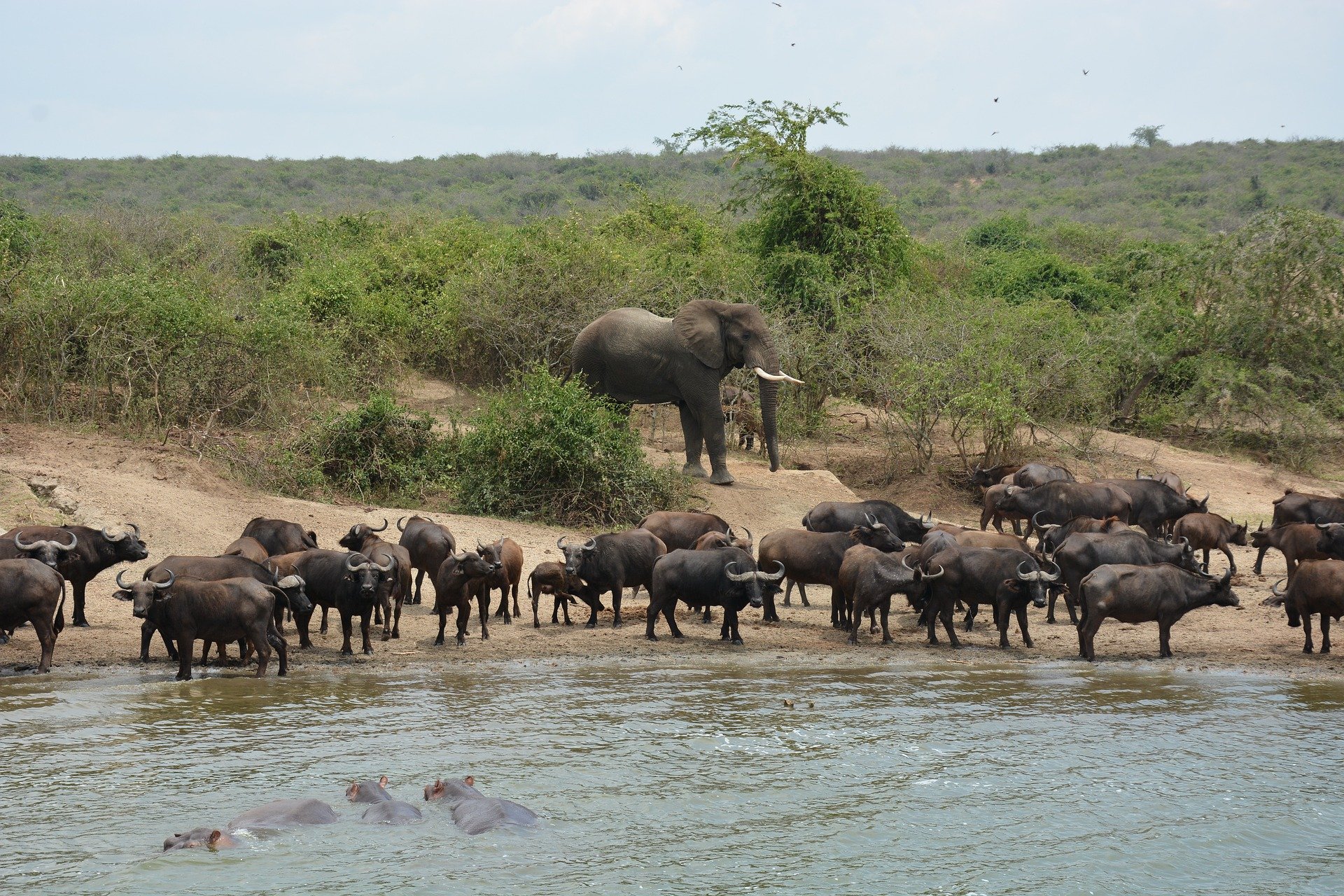
Diverse wildlife gathering by the water in Queen Elizabeth National Park.
Queen Elizabeth National Park wildlife is one of the main reasons this protected area remains one of Uganda’s most important safari destinations. The combination of open savannah, wetlands, forests, crater landscapes, lakes and the Kazinga Channel creates habitats for a remarkable variety of mammals, birds, reptiles and primates. A detailed Queen Elizabeth National Park Guide therefore needs to look beyond a simple list of animals and explain where different species occur, how habitats influence sightings and what travelers can realistically expect during a safari.
Queen Elizabeth National Park animals include elephants, lions, buffaloes, Uganda kobs, hippos, leopards, warthogs, waterbucks, bushbucks, several other antelope species and numerous smaller mammals. The park also provides important habitats for primates and an exceptionally diverse bird population. Wildlife experiences can vary considerably between the Kasenyi Plains, Mweya area, Kazinga Channel, Kyambura Gorge and Ishasha Sector, making the choice of safari activities and areas particularly important.
For travelers researching Queen Elizabeth wildlife safari experiences, the park offers several ways to observe animals. Conventional game drives provide access to savannah wildlife, specialized lion-tracking experiences can focus on predators where available, and boat cruises along the Kazinga Channel provide a different perspective on animals gathering around water.
Why Queen Elizabeth National Park Has Such Diverse Wildlife
The wildlife diversity of Queen Elizabeth National Park is closely connected to the variety of habitats within the protected area. Open grasslands provide grazing areas for herbivores and hunting grounds for predators. Wetlands support water-dependent animals and birds, while lakes and the Kazinga Channel provide permanent or seasonal water resources.
Forested areas add another ecological dimension. Kyambura Gorge provides a forested environment associated with chimpanzees and other primates, while Maramagambo Forest contributes additional forest habitat within the wider park ecosystem. The result is a landscape where visitors can experience savannah wildlife, aquatic wildlife, forest species and birds during the same overall safari.
This ecological variety is important when planning a Queen Elizabeth National Park safari because wildlife is not distributed evenly across every part of the park. Some species are more strongly associated with open plains, while others are more likely to occur around water, woodland or forest.
Elephants in Queen Elizabeth National Park
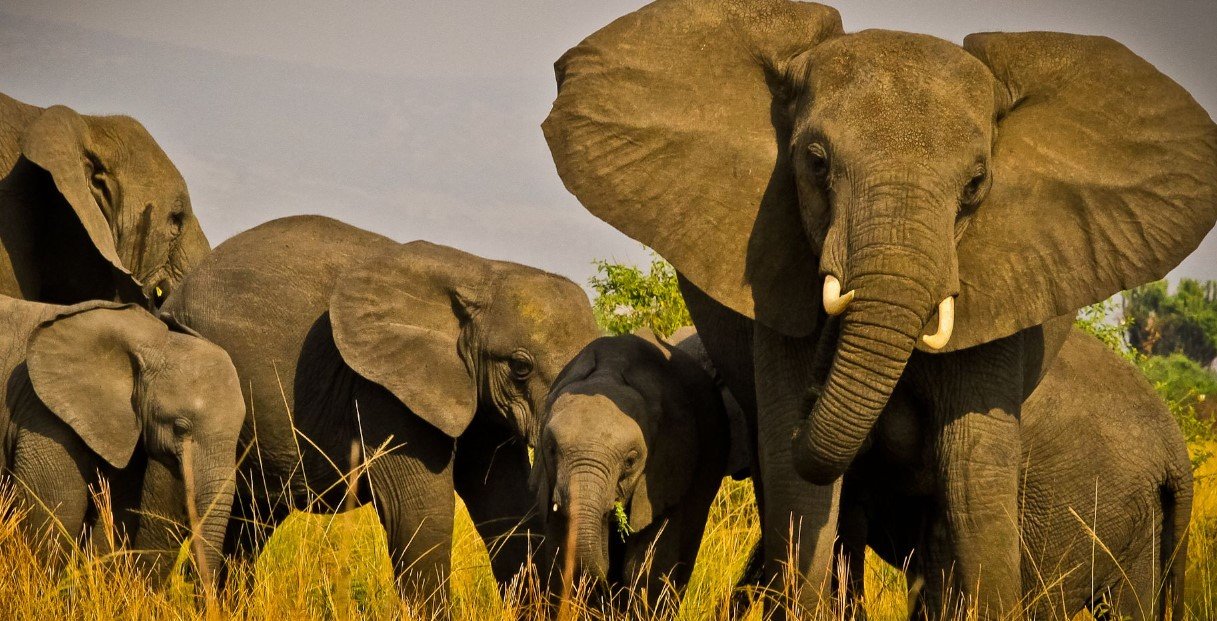
A family of wild elephants in Queen Elizabeth National Park.
Elephants are among the most recognizable Queen Elizabeth National Park animals. They can occur in different habitats within the park and may be encountered during game drives or around water sources. Their large size, social behavior and interaction with vegetation make them one of the most rewarding species to observe during a Uganda safari.
Elephants are often associated with areas where food and water are available. During a game drive, travelers may encounter individual elephants, family groups or larger gatherings depending on local conditions and animal movements.
The Kazinga Channel is particularly interesting for elephant viewing because the shoreline provides access to water. During a boat cruise, visitors may observe elephants approaching or moving along the banks, although sightings naturally depend on the animals’ movements on the day of the excursion.
Elephant encounters also demonstrate why responsible wildlife viewing is important. Large mammals need space and can react unpredictably when they feel threatened. Visitors should remain inside designated vehicles or follow official guide instructions during any wildlife encounter.
Lions in Queen Elizabeth National Park
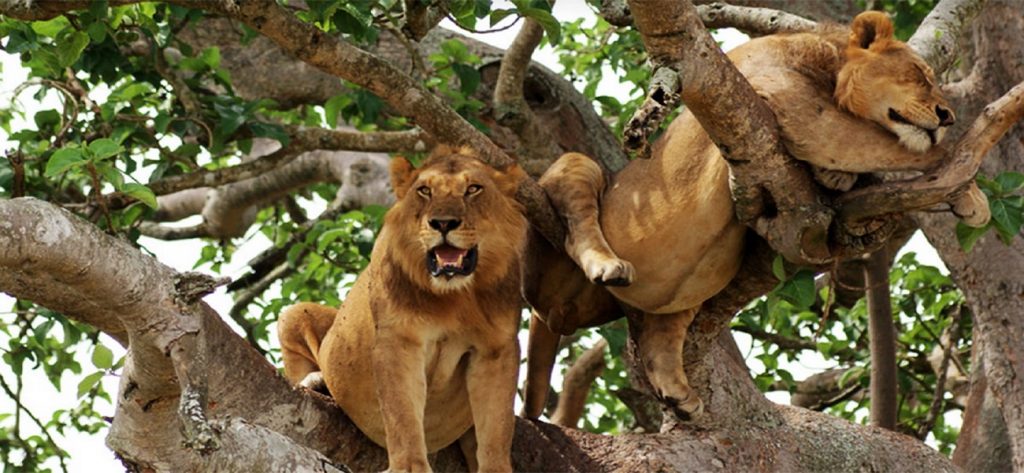
Rare tree-climbing lions lounge in a fig tree at Queen Elizabeth National Park.
Lions are among the most sought-after predators in Queen Elizabeth National Park. They occur in areas including the Kasenyi Plains and Ishasha Sector, where the availability of prey and suitable habitat supports lion populations.
The Kasenyi Plains are particularly associated with classic savannah game viewing. Uganda kob and other herbivores provide prey for predators, creating opportunities for visitors to search for lions during game drives.
Lion sightings are never guaranteed because lions are wild animals whose movements depend on prey availability, temperature, weather, territorial behavior and other natural factors. Experienced guides can use knowledge of recent animal movements and habitat conditions to improve the chances of finding them, but no responsible safari operator should promise a particular wildlife sighting.
Queen Elizabeth National Park is also particularly famous for its tree-climbing lions in the Ishasha Sector. This unusual behavior has become one of the park’s most distinctive wildlife attractions.
The Tree-Climbing Lions of Ishasha
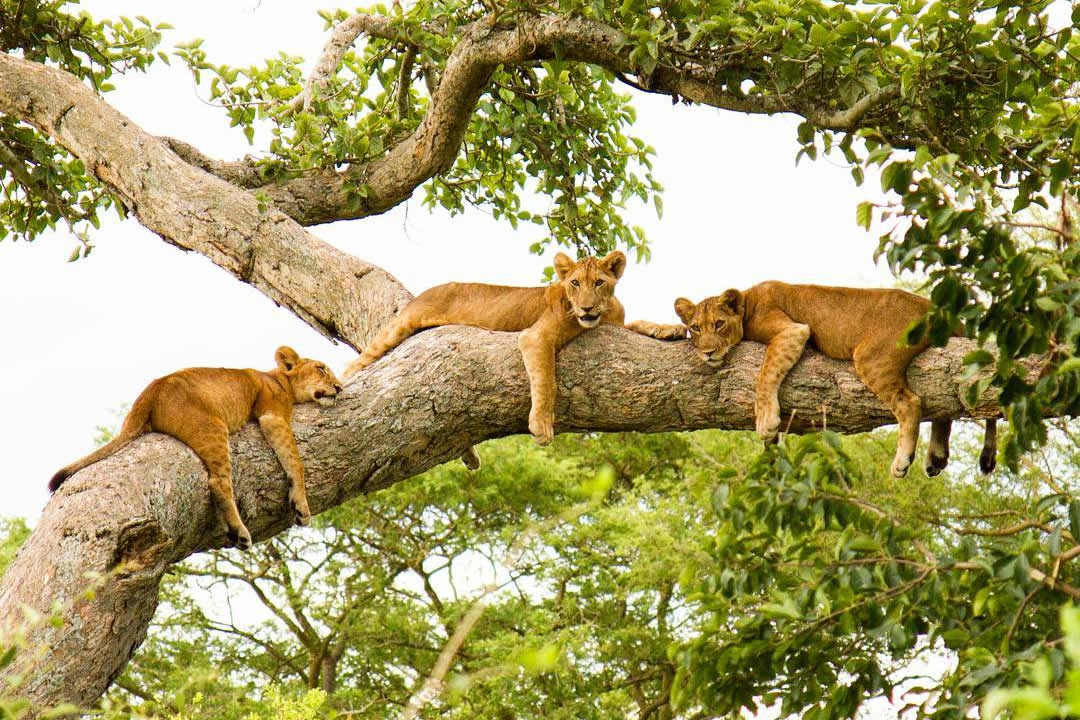
Ishasha’s famous tree-climbing lions lounge high above the savanna.
The Ishasha Sector in the southern part of Queen Elizabeth National Park is internationally associated with lions that climb and rest in trees. This behavior is unusual among lions and has become one of the most memorable wildlife experiences available in Uganda.
The lions may be observed resting in large fig or acacia trees, giving visitors a very different perspective from the usual sight of lions lying on the ground. Researchers and safari guides have proposed several possible explanations for this behavior, including escaping ground-level insects, taking advantage of cooler air and gaining a higher vantage point over the surrounding landscape.
The behavior is not something that every lion everywhere demonstrates regularly. It is particularly associated with the Ishasha population, which is why the southern sector has become an important destination for travelers specifically interested in unusual lion behavior.
For visitors interested specifically in these animals, the Ishasha lions provide one of the most distinctive wildlife experiences associated with Queen Elizabeth National Park.
However, travelers should understand that even in Ishasha, wildlife remains unpredictable. Tree-climbing lions may not be in the trees during every visit, and their location can change. A good guide can search appropriate habitats, but sightings should always be treated as a natural wildlife experience rather than a guaranteed event.
Buffaloes in Queen Elizabeth National Park
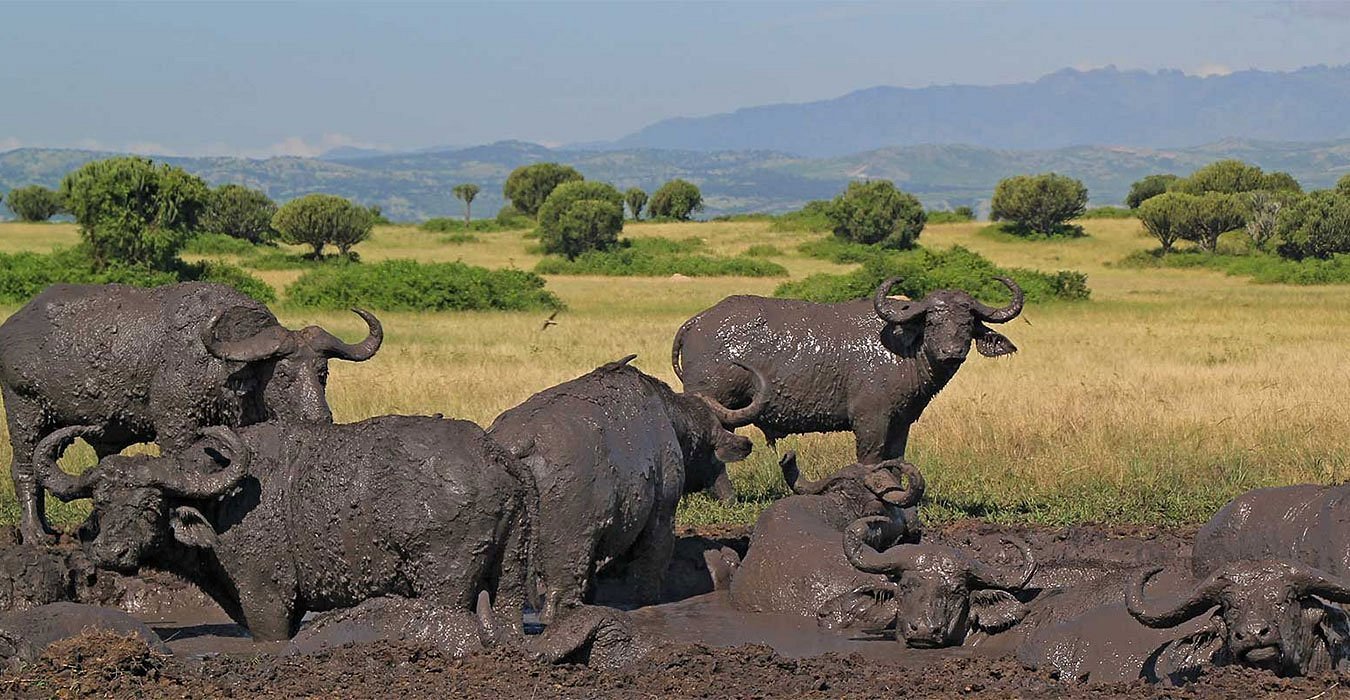
Cape buffaloes cool down in a mud wallow within Queen Elizabeth National Park.
African buffaloes are another major component of Queen Elizabeth National Park wildlife. They are commonly associated with open grassland, woodland and areas where suitable food and water are available.
Buffaloes are powerful social herbivores that can occur in groups ranging from smaller herds to much larger gatherings. Their presence contributes significantly to the character of a savannah game drive.
Visitors may encounter buffaloes while driving through the park’s plains, and they can also be observed around water-associated environments. The Kazinga Channel is particularly valuable because animals frequently approach water sources in this landscape.
Despite their apparently calm behavior when observed from a safari vehicle, buffaloes are wild animals that deserve considerable space. Visitors should never attempt to approach them on foot unless participating in an officially authorized activity led by qualified personnel.
Uganda Kob and Other Antelopes
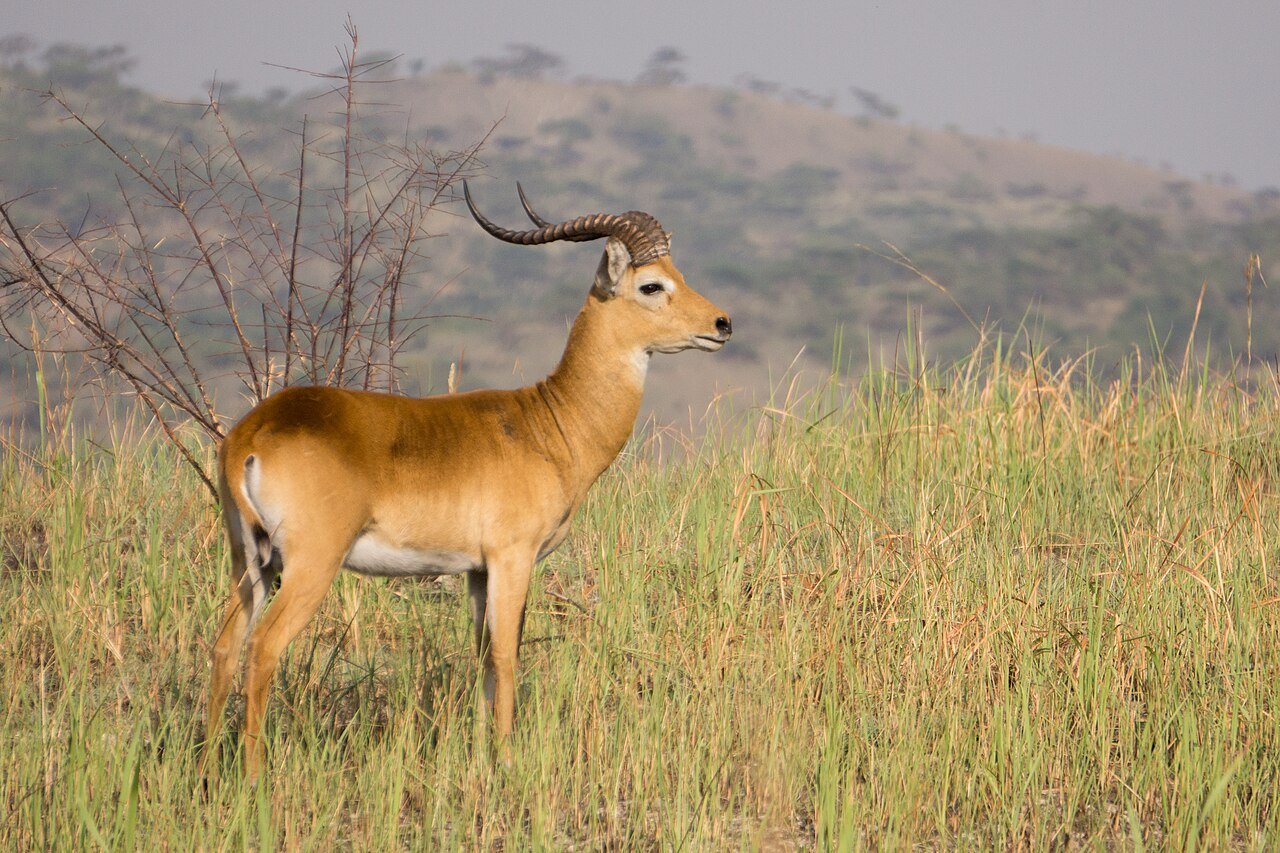
A male Uganda Kob alert in the grasslands of Queen Elizabeth National Park.
Uganda kob is one of the antelope species strongly associated with Queen Elizabeth National Park. The open plains provide suitable habitat for these grazing animals, and their presence is particularly important because they form part of the prey base for predators such as lions.
During a game drive, travelers may encounter Uganda kob standing or grazing across open grassland. Their reddish-brown appearance and characteristic body shape make them relatively recognizable once a guide points them out.
Queen Elizabeth National Park also supports other antelope species. Depending on the area visited, travelers may encounter waterbucks, bushbucks, topi and smaller antelopes. Habitat, season and animal movements influence which species are encountered on any particular drive.
The diversity of antelopes is important because herbivores form a major part of the park’s food web. Their grazing and browsing influence vegetation, while their presence provides food for predators and scavengers.
Hippos in Queen Elizabeth National Park
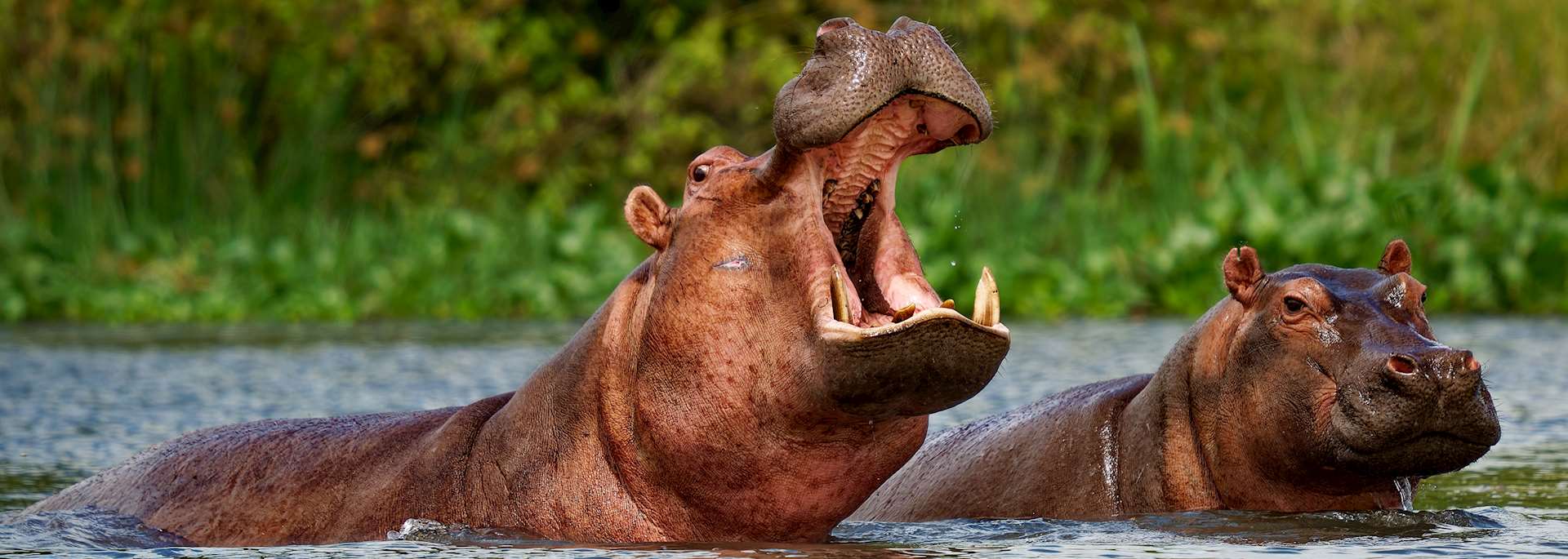
Wild hippos wallowing in Queen Elizabeth National Park.
Hippopotamuses are among the most impressive aquatic mammals encountered in Queen Elizabeth National Park. The Kazinga Channel provides particularly strong opportunities for observing hippos because the waterway and its surrounding wetlands provide suitable aquatic habitat.
During a boat cruise, visitors may see hippos partially submerged in the water, with groups often concentrated in suitable areas. Their eyes, ears and nostrils can remain visible above the water while most of the body stays submerged.
Hippos also leave the water to feed, particularly during periods when they move onto land to graze. Their behavior demonstrates the connection between the park’s aquatic and terrestrial ecosystems.
Although hippos may appear slow and peaceful, they are powerful wild animals. Visitors should never attempt to approach them independently or leave a safari vehicle or boat to get closer. Guides and boat crews provide instructions designed to keep visitors at a safe distance.
Crocodiles and Other Reptiles
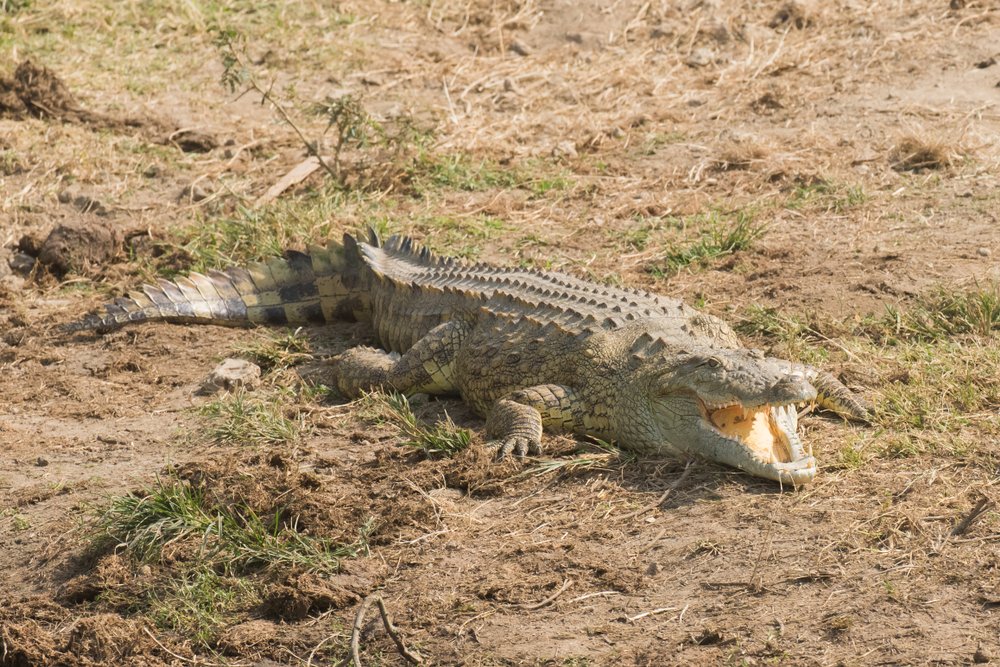
A crocodile opens its mouth to regulate its body temperature.
The waterways of Queen Elizabeth National Park also support reptiles, including Nile crocodiles. These animals may be observed around suitable aquatic habitats, particularly during activities along the Kazinga Channel.
Reptile sightings add another dimension to Queen Elizabeth National Park wildlife because they demonstrate that the park’s biodiversity extends beyond mammals and birds. Water monitors and other reptiles may also occur around aquatic and forested environments.
Visitors should observe reptiles from a safe distance and avoid any attempt to approach, touch or feed them. Wildlife photography should always be conducted without disturbing the animals.
Leopards in Queen Elizabeth National Park
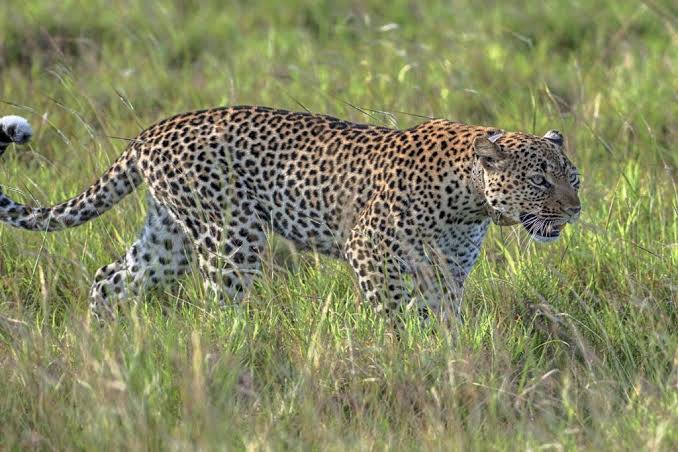
A majestic leopard stalks through the Ugandan savanna.
Leopards are among the more elusive Queen Elizabeth National Park animals. Unlike some more visible herbivores, leopards are solitary predators that can be difficult to locate because they use vegetation, woodland and other cover to remain concealed.
Leopard sightings can therefore require patience. A guide may scan trees, grassland edges, woodland areas and other likely habitats while looking for movement, tracks or other signs.
The difficulty of locating leopards is part of what makes a successful encounter particularly memorable. Travelers should understand that a safari is not a wildlife checklist. A day without seeing a leopard does not mean that the safari has failed.
The park’s varied landscapes provide different opportunities for predator viewing, and travelers interested specifically in big cats may want to communicate this preference when planning their itinerary so that their guide can consider appropriate areas and activities.
Warthogs and Smaller Mammals
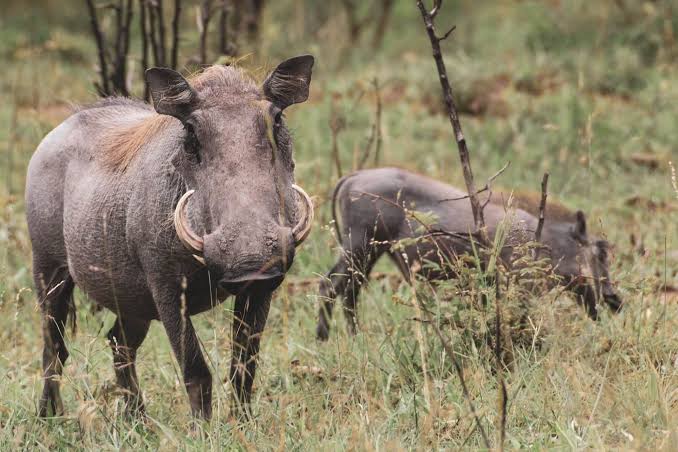
Warthogs foraging among smaller mammals in Queen Elizabeth National Park.
Warthogs are familiar savannah animals that can be encountered in Queen Elizabeth National Park. Their distinctive appearance and habit of moving through open grassland make them interesting subjects during game drives.
Warthogs are herbivores and can be seen feeding, moving between grazing areas or responding to disturbances. They form part of the wider food web and can contribute to predator-prey interactions within the ecosystem.
Other smaller mammals also inhabit the park, although they may be easier to overlook from a moving safari vehicle. A skilled guide can help visitors identify species that might otherwise appear to be ordinary movement in the vegetation.
Waterbucks and Bushbucks
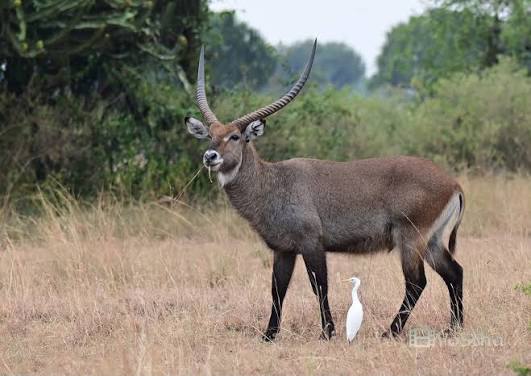
A majestic waterbuck shares a moment with a small white bird in the savanna.
Waterbucks and bushbucks add further diversity to the antelope community of Queen Elizabeth National Park. Their preferred habitats differ from those of animals that depend mainly on open plains, demonstrating again why the park’s habitat variety is important.
Waterbucks are associated with environments where water and suitable vegetation are available, while bushbucks are more closely associated with thicker vegetation and woodland habitats. Seeing both species during the same broader safari illustrates the ecological differences found within Queen Elizabeth National Park.
Primates of Queen Elizabeth National Park
Although Queen Elizabeth National Park is particularly famous for savannah mammals, primates are also an important part of its biodiversity. The forested areas and gorges provide habitats that differ considerably from the open plains.
Kyambura Gorge is particularly important for chimpanzee tracking. The forested gorge provides a striking contrast with the surrounding savannah and allows visitors to experience a different side of Queen Elizabeth National Park wildlife.
Other primates can also occur in forested areas. Depending on the location and conditions, visitors may encounter monkeys and baboons while exploring appropriate habitats.
Chimpanzee encounters are not the same as conventional game drives. Forest wildlife can be more difficult to observe because vegetation limits visibility and animals may move through the canopy or dense undergrowth.
Birdlife in Queen Elizabeth National Park
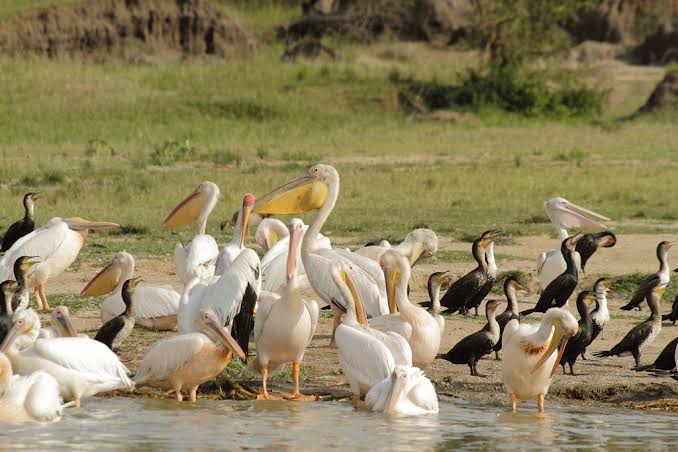
Diverse bird species gather along the water’s edge in Uganda.
Birds are a major part of Queen Elizabeth National Park wildlife and are particularly important around the Kazinga Channel, wetlands, forests and savannah habitats. The variety of ecosystems allows both water-associated and terrestrial bird species to occur within the wider park.
Visitors may encounter fish eagles, kingfishers, herons, storks, bee-eaters, cormorants and many other birds depending on the habitat being explored. The Kazinga Channel is especially attractive to birdwatchers because its shoreline and aquatic environment provide suitable feeding and nesting conditions for numerous species.
For travelers who want to make birdwatching a major part of their safari, the Queen Elizabeth birding guide provides additional destination-specific information about habitats and birdwatching opportunities.
Birding can also be combined with conventional wildlife viewing. A game drive may produce opportunities to identify raptors, ground-dwelling birds and savannah species, while a boat cruise can provide access to waterbirds that may be difficult to observe from a vehicle.
Wildlife Around the Kazinga Channel
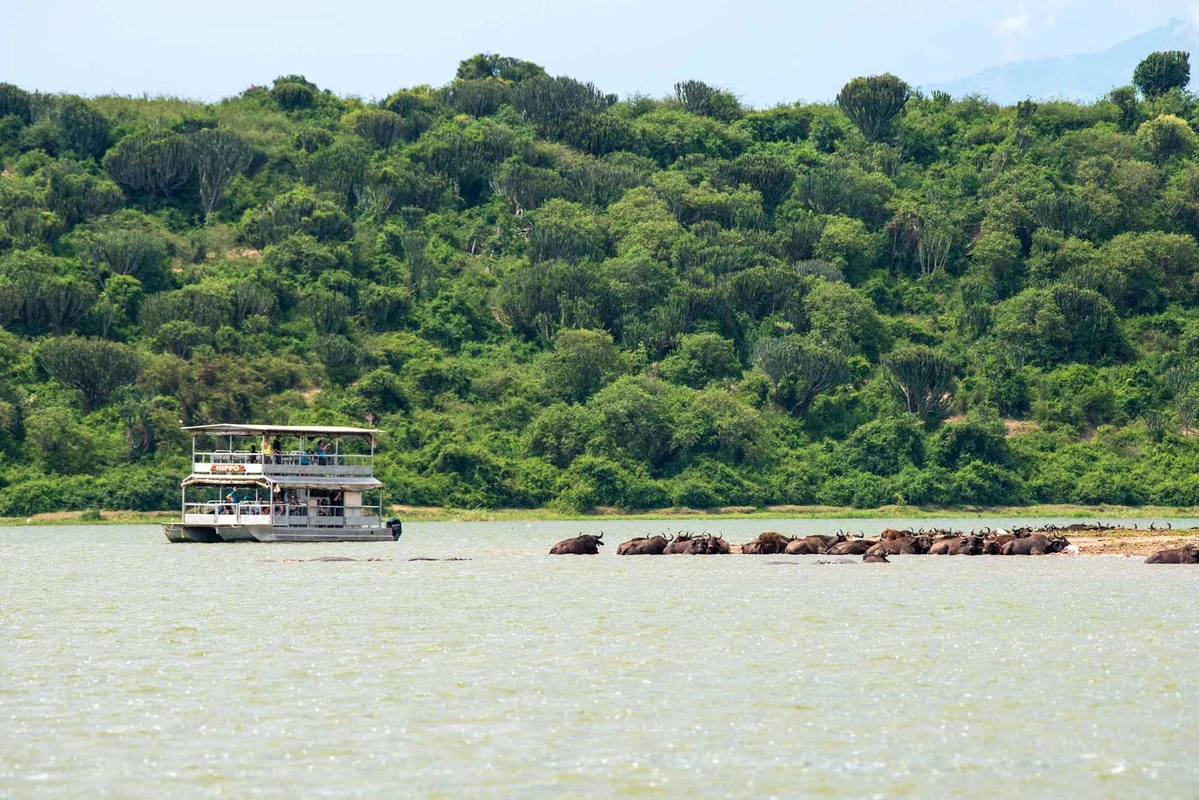
Tourists spot a herd of buffaloes during a Kazinga Channel boat safari.
The Kazinga Channel is one of the most productive wildlife-viewing environments in Queen Elizabeth National Park. Its importance comes from the interaction between water, shoreline vegetation and the surrounding terrestrial habitats.
During a boat cruise, travelers may encounter hippos in the water and crocodiles along suitable banks. Elephants, buffaloes, waterbucks and other animals may approach the shoreline to drink or feed.
The channel is also valuable for birdwatching. The combination of open water, marshy edges and vegetation creates feeding opportunities for numerous water-associated species.
This concentration of wildlife makes the Kazinga Channel especially useful for travelers with limited time. A boat cruise can provide a different perspective from a game drive and may allow visitors to observe several animal groups during one excursion.
Wildlife of the Kasenyi Plains
The Kasenyi Plains are among the most important game-viewing areas in the northern part of Queen Elizabeth National Park. Their open savannah landscape provides good visibility and supports herbivores that attract predators.
Uganda kob are particularly associated with the plains, and the presence of prey contributes to opportunities for observing lions and other predators.
Game drives through this environment can also produce sightings of elephants, buffaloes, warthogs, waterbucks and other mammals. The exact animals seen on any particular drive depend on weather, season, recent movements and other natural factors.
Wildlife of the Ishasha Sector
The Ishasha Sector provides a different wildlife experience from the northern areas of Queen Elizabeth National Park. Its savannah plains and riverine vegetation support elephants, buffaloes, antelopes, warthogs and predators.
The sector’s defining attraction is its tree-climbing lions. However, visitors should not overlook the wider wildlife community. A game drive through Ishasha can reveal several herbivore species and other predators, making the sector valuable even when lions are not immediately visible.
Ishasha is also strategically important for travelers combining Queen Elizabeth National Park with southwestern Uganda. Its position can allow a safari itinerary to connect with destinations farther south, subject to the selected route and current road conditions.
Wildlife of Kyambura Gorge
Kyambura Gorge represents one of the clearest examples of habitat variation within Queen Elizabeth National Park. Instead of broad open plains, visitors enter a forested gorge environment where primates become a major focus.
The gorge is associated with chimpanzee tracking and provides opportunities to observe forest wildlife. The experience requires a different approach from savannah game drives because visibility is affected by vegetation and terrain.
The gorge is therefore particularly valuable for travelers who want their Queen Elizabeth National Park safari to include both traditional wildlife viewing and primate experiences.
Wildlife of Maramagambo Forest
Maramagambo Forest provides another important forest habitat within Queen Elizabeth National Park. Its dense vegetation creates conditions for primates, birds and other forest species that differ from those found on the open plains.
The forest is particularly interesting because it demonstrates how Queen Elizabeth National Park combines multiple ecosystems within one protected landscape. A traveler can move from open savannah into forest environments and experience a significant change in scenery and wildlife.
Forest exploration also requires patience. Some animals may remain hidden in vegetation, and birdwatching can become more dependent on calls and movement than on long-distance visibility.
How Wildlife Sightings Vary by Season
Wildlife sightings in Queen Elizabeth National Park can vary throughout the year because animals respond to changing water availability, vegetation conditions, temperature and other environmental factors.
During drier periods, animals may concentrate more strongly around reliable water sources. This can make certain areas particularly productive for wildlife viewing, although animal behavior remains unpredictable.
During wetter periods, vegetation can become denser and water may be available in more locations. This can change animal distribution and make some species more difficult to see in open areas.
Birding can also respond to seasonal changes, particularly when migratory species are present. Travelers whose primary objective is birdwatching should therefore plan their safari differently from visitors whose main interest is large mammals.
Predator and Prey Relationships
One of the most fascinating aspects of Queen Elizabeth National Park wildlife is the relationship between predators and herbivores. Species such as Uganda kob, buffaloes and other antelopes form an important part of the food web, while lions, leopards and other predators occupy higher levels of the ecosystem.
These relationships help explain why particular areas can be productive for game viewing. Where suitable prey species are abundant, predators may use the surrounding habitat for hunting, resting and territorial activities.
However, predators do not remain in one location simply because visitors expect them to be there. Natural wildlife movements are complex, which is why experienced guides and flexible safari planning are valuable.
Wildlife Photography in Queen Elizabeth National Park
Queen Elizabeth National Park offers a broad range of photographic opportunities because its wildlife occurs across contrasting environments. Open plains can provide wide landscape compositions, while the Kazinga Channel offers opportunities to photograph animals against water and shoreline vegetation.
The Ishasha Sector provides particularly distinctive photography opportunities when tree-climbing lions are resting in suitable trees. Birdwatchers and photographers can also use boat cruises to photograph waterbirds from the channel.
Wildlife photography should always prioritize animal welfare. Visitors should avoid loud noises, sudden movements, chasing animals or attempting to force an animal into a particular position for a photograph.
How to Improve Your Wildlife Viewing Experience
The best way to approach Queen Elizabeth National Park wildlife is with realistic expectations and patience. Wildlife is not performing for visitors, and even experienced guides cannot control where animals move.
Early starts can be useful for game drives because temperatures are generally cooler and some animals may be active. Afternoon and later-day drives can provide different lighting and behavioral opportunities.
Using binoculars is particularly valuable for distant animals, birds and predators resting in trees. A good pair can transform a distant movement into a clear observation without requiring visitors to approach wildlife.
It is also useful to allow time for observation rather than rushing between sightings. A guide may identify tracks, alarm calls, distant movement or other signs that indicate wildlife nearby.
Responsible Wildlife Viewing
Responsible wildlife tourism is essential for protecting the animals that make Queen Elizabeth National Park special. Visitors should follow instructions from guides and park authorities, remain in designated areas and maintain appropriate distances from wildlife.
Animals should never be fed, chased or deliberately disturbed. Visitors should also avoid loud behavior around wildlife because unnecessary disturbance can alter natural behavior.
Photography should be conducted respectfully, with the welfare of animals taking priority over obtaining a particular photograph. The objective of a safari is to observe wildlife behaving naturally rather than to manipulate wildlife for entertainment.
What You May See on a Queen Elizabeth National Park Safari
A typical Queen Elizabeth National Park safari can produce a mixture of large mammals, predators, antelopes, primates, birds and reptiles. However, no two safari days are identical.
A morning game drive might reveal Uganda kobs, buffaloes, elephants and lions, while a later boat cruise could produce hippos, crocodiles, elephants and waterbirds. Another day may focus on Ishasha or Kyambura and produce completely different wildlife encounters.
This variation is one of the strengths of the park. Rather than guaranteeing a fixed checklist of species, Queen Elizabeth National Park provides a broad ecological setting in which natural wildlife encounters develop according to the conditions of the day.
Why Queen Elizabeth National Park Wildlife Stands Out
The strength of Queen Elizabeth National Park wildlife is not based on one animal alone. Its importance comes from the combination of species, habitats and experiences found within one protected landscape.
Visitors can search for lions across savannah landscapes, look for tree-climbing lions in Ishasha, observe elephants and buffaloes around the plains and waterways, watch hippos from the Kazinga Channel, search for elusive leopards, track chimpanzees in Kyambura Gorge and observe an extensive variety of birds.
The park’s wildlife diversity is therefore closely connected to its geographical diversity. The savannah supports large herbivores and predators, the waterways support aquatic species, forests support primates and birds, and wetlands connect many of these ecological systems.
For anyone using this Queen Elizabeth National Park Guide to plan a safari, the most important principle is to match personal wildlife interests with the appropriate habitats and activities. Travelers focused on big cats may prioritize Kasenyi and Ishasha, those interested in aquatic wildlife may emphasize the Kazinga Channel, and visitors interested in primates may include Kyambura Gorge or forest experiences.
Queen Elizabeth National Park wildlife ultimately offers a broad representation of western Uganda’s biodiversity. Its combination of elephants, lions, buffaloes, antelopes, hippos, leopards, primates, birds and reptiles creates a safari environment in which every game drive, boat cruise or forest experience can reveal something different.
Queen Elizabeth National Park Activities and Safari Experiences
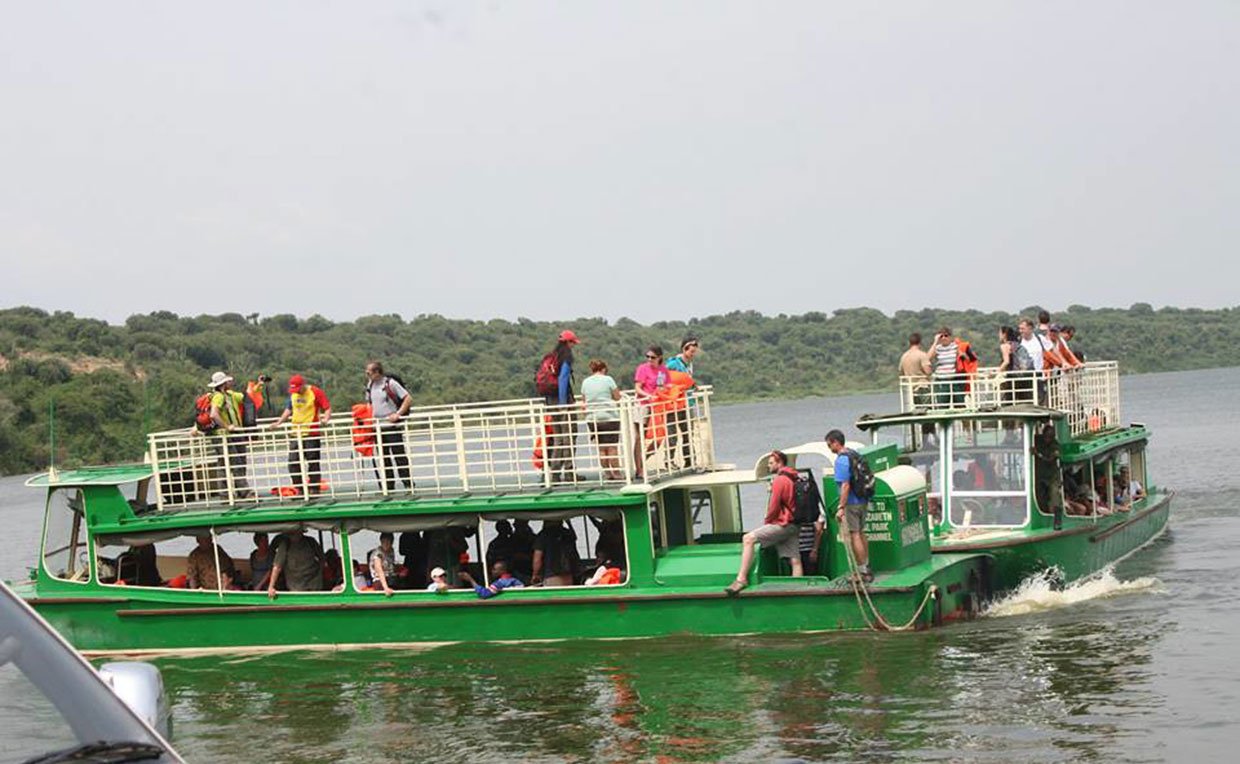
Visitors enjoy a scenic boat safari along the Kazinga Channel.
Queen Elizabeth National Park activities are a major reason travelers include this destination in a Uganda safari itinerary. The park offers much more than conventional wildlife viewing. Visitors can experience game drives across open savannah, boat cruises along the Kazinga Channel, lion-tracking experiences where available, chimpanzee tracking in Kyambura Gorge, birdwatching, nature walks and wildlife photography. The combination allows travelers to experience the park from different ecological perspectives.
A well-designed Queen Elizabeth National Park Guide should therefore explain not only what activities are available, but also what each experience involves, which part of the park it is associated with, what wildlife travelers may encounter and how each activity fits into a broader safari itinerary.
For travelers researching Queen Elizabeth boat safari experiences, the Kazinga Channel is particularly important. For those interested in terrestrial wildlife, game drives through areas such as the Kasenyi Plains and Ishasha provide opportunities to search for elephants, buffaloes, lions, leopards, Uganda kobs and other animals.
Game Drives in Queen Elizabeth National Park
Game drives are among the most important Queen Elizabeth National Park activities and are the traditional way to explore the park’s savannah ecosystems. A safari vehicle allows visitors to cover larger areas than would be practical on foot while maintaining a suitable distance from wild animals.
Game drives can take place in different parts of the park, with the Kasenyi Plains being particularly associated with open-s avannah wildlife viewing. The Ishasha Sector in the south provides another distinctive experience, especially for travelers hoping to find the famous tree-climbing lions.
The diversity of habitats means that a game drive can produce a varied sequence of sightings. Travelers may encounter Uganda kobs grazing across open grassland, buffaloes moving through the plains, elephants feeding near suitable vegetation, warthogs crossing tracks or predators resting in the shade.
The precise experience depends on the route, weather, season, animal movements and the skill and local knowledge of the guide. Wildlife sightings should therefore always be treated as natural encounters rather than guaranteed events.
Morning Game Drives
A morning game drive is an excellent way to begin a Queen Elizabeth National Park safari. Early hours can provide opportunities to observe wildlife while temperatures are relatively cooler and some animals are active.
Predators may still be moving through their territories, herbivores can be feeding across the plains and birds are often active during the early part of the day. The changing morning light can also create excellent conditions for wildlife photography.
Morning drives are particularly useful for travelers with limited time because they provide a concentrated wildlife-viewing period before returning to the lodge for breakfast or another planned activity.
Afternoon and Evening Game Drives
Afternoon game drives provide a different perspective from early-morning outings. As temperatures change, wildlife behavior can change as well, and some animals may become more active later in the day.
Travelers can explore open plains and woodland habitats while looking for elephants, buffaloes, antelopes, lions and other species. The later light can also provide different photographic conditions from a morning drive.
Evening activities should always follow the current regulations and guidance of the relevant park authorities and safari operator. Visitors should not independently drive through the park outside authorized arrangements.
Game Drives in the Kasenyi Plains
The Kasenyi Plains are one of the most recognized game-viewing areas in Queen Elizabeth National Park. The relatively open savannah landscape provides good visibility and supports Uganda kob and other herbivores.
The concentration of herbivores makes the area particularly interesting for travelers searching for predators. Lions may use the plains to hunt or rest, while other carnivores may also move through the wider landscape.
The Kasenyi game drive experience can therefore be combined with other activities such as a Kazinga Channel boat cruise and chimpanzee tracking, creating a varied Queen Elizabeth National Park itinerary rather than relying exclusively on vehicle-based wildlife viewing.
Game Drives in the Ishasha Sector
The Ishasha Sector occupies the southern part of Queen Elizabeth National Park and offers a distinctive safari environment. Its open plains, woodland and riverine habitats support a range of wildlife including elephants, buffaloes, antelopes and predators.
Ishasha is especially famous for tree-climbing lions. Seeing lions resting in trees is an unusual wildlife experience and one of the reasons travelers deliberately include the southern sector in their itineraries.
However, Ishasha should not be viewed solely as a place to search for tree-climbing lions. The wider ecosystem contains many other animals, and a game drive can be rewarding even when lions are not visible.
Boat Safari on the Kazinga Channel
The Kazinga Channel boat safari is one of the signature Queen Elizabeth National Park activities. The channel connects Lake George and Lake Edward and provides a water-based perspective on the wildlife of the surrounding ecosystem.
A boat cruise changes the way visitors observe wildlife. Instead of traveling across the savannah in a vehicle, travelers move along the water while looking toward the shoreline, wetlands and aquatic habitats.
Hippos are among the most recognizable animals associated with the channel. Visitors may also encounter crocodiles, elephants, buffaloes, waterbucks and other animals around the shoreline. Birdlife is another major attraction, with water-associated species using the channel and its surrounding habitats.
The Kazinga Channel boat cruise is particularly valuable because it complements a game drive rather than simply duplicating it. The two activities use different viewing environments and can reveal different aspects of the same ecosystem.
What to Expect During a Kazinga Channel Boat Cruise
A boat cruise generally provides an extended period on the water during which travelers can observe animals along the channel’s shores. The exact duration and operating arrangements should be confirmed when booking because schedules and service arrangements can change.
Passengers should listen carefully to the instructions of the boat crew and guide. Remaining seated or in designated areas, following safety instructions and avoiding unnecessary movement are important parts of responsible boat travel.
Photography is a major attraction because the channel can bring wildlife relatively close to the viewing route. However, visitors should never attempt to attract animals or encourage a boat operator to approach wildlife in an unsafe or disruptive manner.
Birdwatching During the Boat Cruise
The Kazinga Channel is particularly valuable for birdwatchers because its combination of open water, shoreline vegetation and wetlands creates habitat for many bird species.
Visitors may encounter kingfishers, herons, cormorants, storks, fish eagles, bee-eaters and other species depending on the season and exact location. A knowledgeable guide can help identify birds by appearance, behavior and calls.
The boat provides an advantage because it allows visitors to explore stretches of shoreline that may be difficult to approach from a conventional game-drive route. Birdwatchers should therefore consider carrying binoculars even when their primary objective is large mammals.
Lion Tracking Experiences
Lion tracking can provide a more specialized wildlife experience than a conventional game drive. Where officially authorized and available, participants can accompany trained personnel who monitor lions and study their movements.
The objective is not simply to find a lion but to learn more about predator behavior, movement patterns and conservation. This can make the experience particularly interesting for travelers who want to understand wildlife beyond simply taking photographs.
Availability, participation requirements and operating arrangements should be confirmed before booking because specialized wildlife activities can be subject to current conservation and park-management arrangements.
The lion tracking experience can be particularly appealing to visitors whose main interest is large predators, although normal wildlife-viewing uncertainty still applies.
Chimpanzee Tracking in Kyambura Gorge
Chimpanzee tracking in Kyambura Gorge introduces visitors to a completely different environment from the open Kasenyi Plains. The gorge contains forest habitat and provides opportunities to search for chimpanzees and other primates.
The experience involves walking through forest terrain with trained guides rather than sitting in a safari vehicle. This makes it more physically active and requires visitors to follow the instructions of their guides throughout the experience.
Chimpanzees are highly mobile and can move through dense vegetation or the forest canopy. Consequently, sightings are not guaranteed, and the experience should be approached as a guided forest exploration rather than a promise of a particular animal encounter.
The surrounding forest also provides opportunities to observe birds, monkeys, plants and other organisms that may not be encountered during an open-savannah game drive.
Nature Walks and Forest Experiences
Nature walks provide another way to experience Queen Elizabeth National Park. Instead of covering large distances by vehicle, visitors can explore selected environments on foot under appropriate guidance and within authorized areas.
Walking can reveal details that are easy to overlook from a safari vehicle. Tracks, plants, insects, bird calls and smaller animals become more noticeable when travelers move slowly through the environment.
Forest environments such as Maramagambo provide a particularly different experience from the open plains. The Maramagambo Forest experience introduces travelers to a forest ecosystem within the wider Queen Elizabeth landscape.
Birdwatching in Queen Elizabeth National Park
Birdwatching is one of the most versatile Queen Elizabeth National Park activities because birds occur across nearly all of the park’s major habitats. Savannah, wetlands, lakeshores, forests and the Kazinga Channel each provide different opportunities.
A dedicated birding safari can be planned around habitats and species of particular interest. Travelers with a general interest in wildlife can also incorporate birdwatching into ordinary game drives and boat cruises.
Carrying binoculars is strongly useful for birdwatching because many birds remain at a distance or perch in trees. A field guide or experienced birding guide can also make species identification considerably easier.
Wildlife Photography
Queen Elizabeth National Park provides diverse photography opportunities because wildlife can be observed in open plains, woodland, forests and aquatic environments.
Game drives can produce photographs of elephants, buffaloes, Uganda kobs, lions and other mammals against open landscapes. The Kazinga Channel offers opportunities to photograph hippos, crocodiles, elephants and waterbirds with the water and shoreline forming the background.
Ishasha provides particularly distinctive photography possibilities when tree-climbing lions are resting in suitable trees. The combination of elevated lions, vegetation and open savannah can create images that differ substantially from conventional ground-level lion photographs.
Responsible photography should always remain the priority. Visitors should not pressure guides to approach animals too closely, block their movement or make loud noises for the purpose of obtaining a photograph.
Crater Landscape Experiences
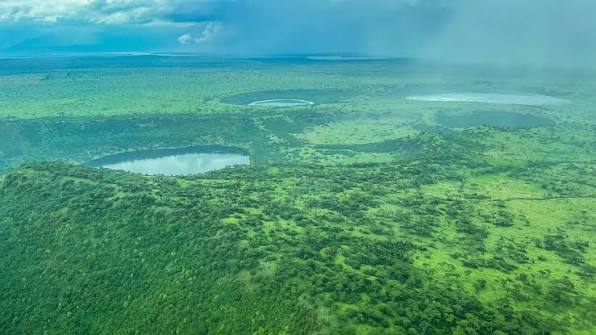
The scenic explosion craters of Queen Elizabeth National Park.
The crater landscapes around Queen Elizabeth National Park provide a scenic alternative to conventional wildlife viewing. These geological features demonstrate the region’s volcanic history and provide viewpoints over parts of the surrounding landscape.
Crater-area visits can be particularly rewarding for travelers interested in combining wildlife with scenery, geology and photography. The experience also helps explain why the park is more geographically diverse than a typical open-s avannah destination.
These landscapes can be incorporated into longer itineraries when time and route planning allow. They are particularly useful for travelers who want their safari to include both wildlife and broader natural landscapes.
Fishing-Related Experiences
Fishing has a historical and cultural connection with the lakes and waterways around the Queen Elizabeth landscape. Where recreational or tourism-related fishing activities are currently authorized, visitors should follow the rules governing the specific area and activity.
Fishing opportunities should never be assumed to be available everywhere within the protected area. Current regulations, permitted locations and applicable requirements should be confirmed before including fishing in an itinerary.
Information not found in current search results for a comprehensive, current list of recreational fishing arrangements inside Queen Elizabeth National Park. The activity should therefore not be advertised as universally available without current official confirmation.
Combining Game Drives and Boat Cruises
Visitors enjoy a scenic boat safari along the Kazinga Channel.
One of the strongest ways to experience Queen Elizabeth National Park is to combine activities rather than spending the entire safari on game drives.
A morning game drive can focus on savannah wildlife, followed by a boat cruise later in the day to explore the Kazinga Channel. This combination allows travelers to experience terrestrial and aquatic ecosystems during the same safari.
The approach is particularly useful for first-time visitors because it provides a broad introduction to the park. Instead of seeing the destination through one activity, travelers experience different habitats, wildlife behaviors and landscapes.
Combining Wildlife and Primate Experiences
Queen Elizabeth National Park is particularly valuable for travelers who want both classic safari wildlife and primate experiences. A game drive can focus on lions, elephants, buffaloes and antelopes, while Kyambura Gorge provides an opportunity to explore a forest environment associated with chimpanzee tracking.
This combination makes the park different from destinations where wildlife viewing is concentrated almost entirely in open savannah. Travelers can build an itinerary around several ecological experiences without leaving the broader Queen Elizabeth landscape.
Combining Ishasha with Other Activities
Travelers who include Ishasha in their itinerary can combine the southern sector with other Queen Elizabeth National Park activities. A game drive in Ishasha can focus on the area’s distinctive wildlife and landscapes, while time in the northern sector can be used for the Kazinga Channel and Kasenyi Plains.
This approach is especially useful for longer itineraries because it reduces the risk of treating the entire park as though it offered exactly the same experience everywhere.
Ishasha can also form part of itineraries connecting Queen Elizabeth National Park with southwestern Uganda. Route planning should always take account of current road conditions, travel times and the locations of accommodation.
Activities for First-Time Visitors
First-time visitors often benefit from combining a conventional game drive with a Kazinga Channel boat cruise. These two experiences provide a strong introduction to the park’s major terrestrial and aquatic ecosystems.
Travelers with additional time can add Kyambura Gorge chimpanzee tracking, Ishasha game drives or birdwatching depending on their interests.
There is no single itinerary that is best for every visitor. A wildlife enthusiast may prioritize game drives, a birdwatcher may allocate more time to wetlands and the channel, while a primate enthusiast may place greater emphasis on Kyambura Gorge.
Activities for Wildlife Enthusiasts
Travelers whose primary objective is large mammals and predators should prioritize game drives across suitable wildlife areas. Kasenyi can provide opportunities to search for lions and herbivores, while Ishasha offers the possibility of observing tree-climbing lions.
A Kazinga Channel cruise can then complement the terrestrial experience with hippos, crocodiles, elephants, buffaloes and birds.
Travelers interested in predator behavior may also investigate the availability of authorized lion-tracking experiences before their trip.
Activities for Birdwatchers
Birdwatchers should consider combining the Kazinga Channel with wetlands, forest habitats and savannah environments. The diversity of habitats increases the range of species that may be encountered.
A boat cruise is particularly useful because many water-associated species can be observed along the channel. Forest walks and game drives can then add species associated with terrestrial vegetation.
Dedicated birdwatchers should allow sufficient time for observation rather than trying to cover too many activities in a short itinerary. Birding often rewards patience and careful listening.
Activities for Photographers
Photographers can benefit from combining several environments. Open plains provide opportunities for wide landscape compositions and wildlife portraits, while the Kazinga Channel provides water-based perspectives.
Ishasha adds the possibility of tree-climbing lions, while Kyambura and Maramagambo provide forest photography opportunities.
Photographers should remember that conditions can change quickly. Light, weather, animal positions and vegetation can all influence the final image, so flexibility is more valuable than attempting to control the encounter.
How Many Activities Should You Include?
The number of activities should be determined by the length of the safari rather than by trying to complete every possible experience. Overloading a short itinerary can make the experience rushed and reduce time available for actual wildlife observation.
A short visit may be better served by concentrating on game drives and the Kazinga Channel. A longer stay creates more room for Ishasha, Kyambura Gorge, birdwatching, nature walks or other authorized experiences.
The best Queen Elizabeth National Park itinerary is therefore one that balances travel time, activity duration, wildlife interests, accommodation location and personal energy levels.
Responsible Participation in Queen Elizabeth National Park Activities
Every activity in Queen Elizabeth National Park should be approached with respect for wildlife and the environment. Visitors should follow the instructions of guides, rangers, boat crews and park authorities.
Wild animals should never be fed, chased or deliberately disturbed. Visitors should remain within designated areas and avoid attempting to approach wildlife independently.
During walking experiences, travelers should stay with their authorized guide and follow instructions concerning wildlife encounters. During boat cruises, passengers should follow all safety instructions and use any required safety equipment.
Choosing the Right Queen Elizabeth National Park Activities
The strongest Queen Elizabeth National Park safari is usually built around the traveler’s interests rather than a generic list of activities. The park is sufficiently diverse that different visitors can have very different experiences.
Someone interested in big cats may prioritize Kasenyi and Ishasha. Someone fascinated by aquatic wildlife may emphasize the Kazinga Channel. A primate enthusiast may choose Kyambura Gorge, while a birdwatcher may allocate substantial time to wetlands, forests and the channel.
Combining activities also helps travelers understand the ecological connections within the park. A game drive reveals the savannah food web, a boat cruise demonstrates the importance of water, and forest experiences reveal another layer of biodiversity.
Why Activities Make Queen Elizabeth National Park Special
The strength of Queen Elizabeth National Park activities lies in their diversity. Visitors can move from open savannah game drives to a boat cruise, from a forested gorge to a crater landscape, or from a search for lions to a quiet period of birdwatching.
The Queen Elizabeth safari itinerary concept illustrates how several activities can be combined into a multi-day journey rather than experienced independently.
For a comprehensive Queen Elizabeth National Park Guide, this variety is essential because the destination cannot be adequately understood through game drives alone. Its wildlife, waterways, forests and landscapes each provide a different perspective.
Ultimately, the best approach is to select activities according to the time available and the wildlife or landscape experiences that matter most to the traveler. Game drives remain central to the safari experience, but the Kazinga Channel, Ishasha, Kyambura Gorge, birdwatching and nature-based experiences can transform a conventional wildlife trip into a much broader exploration of Queen Elizabeth National Park.
Queen Elizabeth National Park Attractions and Places to Explore
The scenic explosion craters of Queen Elizabeth National Park.
Queen Elizabeth National Park attractions are among the strongest reasons to include western Uganda in a safari itinerary. The park combines open savannah, lakes, wetlands, forests, crater landscapes, riverine environments and the Kazinga Channel, creating a destination where sightseeing extends well beyond conventional game drives.
A comprehensive Queen Elizabeth National Park Guide should therefore examine each major attraction according to its location, landscape, ecological importance, wildlife value and suitability for different types of travelers. The most important places include the Kazinga Channel, Mweya Peninsula, Kasenyi Plains, Ishasha Sector, Kyambura Gorge, Maramagambo Forest, the Katwe crater area and the park’s major lakes and wetlands.
The Uganda safari destinations information available from the verified source also identifies Queen Elizabeth National Park as a major destination characterized by savannah, wetlands, forest and crater lakes, with the Kazinga Channel and Ishasha Sector among its principal attractions.
Kazinga Channel
The Kazinga Channel is one of the defining Queen Elizabeth National Park attractions. It connects Lake George and Lake Edward and creates an important aquatic corridor through the park. The combination of open water, marshy edges and surrounding vegetation supports a concentration of wildlife and birdlife.
The channel is particularly famous for boat safaris. From the water, visitors can observe hippos, crocodiles, elephants, buffaloes and other animals that use the shoreline. Numerous birds also occur around the channel, making it valuable for travelers interested in both mammals and birdwatching.
The attraction is important not only because of the wildlife that visitors can see but also because it demonstrates the ecological relationship between water and terrestrial habitats. Animals may approach the channel to drink, feed or cool themselves, while aquatic and shoreline species depend directly on the water environment.
The Kazinga Channel wildlife experience is therefore one of the most useful ways to understand the aquatic side of Queen Elizabeth National Park.
Mweya Peninsula
Mweya Peninsula is one of the most important visitor areas in Queen Elizabeth National Park. It occupies a strategic position overlooking the Kazinga Channel and Lake Edward and functions as a major tourism hub within the park.
The peninsula provides access to accommodation, visitor services and activities, making it a practical base for travelers exploring the northern part of the park. Its elevated setting also provides attractive views over the surrounding water and landscape.
Mweya is particularly valuable because several major Queen Elizabeth National Park attractions can be reached from this area. Travelers staying around the peninsula can organize game drives, boat activities and other experiences without needing to treat each attraction as a separate destination.
The landscape around Mweya also demonstrates the diversity of the park. Water, savannah and woodland environments occur within the wider area, creating opportunities to observe different types of wildlife.
Kasenyi Plains
The Kasenyi Plains are among the best-known wildlife-viewing areas in Queen Elizabeth National Park. Their open savannah landscape provides relatively wide visibility and supports large herbivores, particularly Uganda kobs.
The presence of prey species also makes the plains important for predator viewing. Lions use the wider area, while other carnivores may move through the plains in search of food or suitable resting areas.
Kasenyi is therefore particularly suitable for visitors whose primary interest is traditional African savannah wildlife. A game drive across the plains can provide opportunities to observe Uganda kobs, elephants, buffaloes, warthogs, waterbucks and predators, although wildlife sightings are never guaranteed.
The open character of Kasenyi also makes it useful for photography. Wildlife can sometimes be observed against broad grassland backgrounds, allowing photographers to capture both animals and the surrounding landscape.
Ishasha Sector
The Ishasha Sector occupies the southern portion of Queen Elizabeth National Park and is one of the park’s most distinctive attractions. Its landscape differs from the northern areas around Mweya and Kasenyi, with open savannah, woodland and riverine environments.
Ishasha is internationally associated with tree-climbing lions. These lions have become one of the defining attractions of Queen Elizabeth National Park because they are known for resting in trees, particularly in suitable fig and acacia trees.
The sector should not, however, be viewed solely as a destination for lion viewing. Ishasha also supports elephants, buffaloes, Uganda kobs, topis, hippos and other wildlife. Its relatively remote setting can also provide a different atmosphere from the busier northern tourism areas.
The Queen Elizabeth destination information confirms Ishasha as one of the park’s principal wildlife areas and identifies its tree-climbing lions as a major attraction.
Tree-Climbing Lions of Ishasha
The tree-climbing lions deserve separate attention because they are among the most distinctive Queen Elizabeth National Park attractions. Unlike the more familiar image of lions resting on open ground, these lions can be found resting on branches above the savannah.
The behavior is especially associated with the Ishasha Sector. Possible explanations include escaping ground-level insects, taking advantage of cooler air and obtaining a broader view of the surrounding landscape, although individual behavior can vary.
Visitors should understand that the presence of tree-climbing lions is a natural wildlife phenomenon rather than a scheduled performance. Even in Ishasha, sightings and the position of the lions can change from one visit to another.
Kyambura Gorge
Kyambura Gorge provides one of the most dramatic contrasts within Queen Elizabeth National Park. Instead of the open savannah of Kasenyi, the gorge contains a forested environment enclosed within steep terrain.
The gorge is particularly known for chimpanzee tracking. Visitors enter the forest with authorized guides and search for chimpanzees and other primates while learning about the surrounding ecosystem.
Kyambura Gorge is also valuable as a landscape attraction. The gorge demonstrates the geological and ecological diversity of the park and creates a completely different experience from a conventional savannah game drive.
The western Uganda attractions information available from the verified source specifically highlights Queen Elizabeth National Park’s Ishasha Plains, Kazinga Channel and Kyambura Gorge as attractions that can be combined within a broader western Uganda journey.
Maramagambo Forest
Maramagambo Forest is another important natural attraction within Queen Elizabeth National Park. The forest creates a strong ecological contrast with the surrounding savannah and provides habitat for primates, birds and other forest organisms.
Forest exploration allows travelers to experience a quieter side of the park. Instead of searching across open plains for large mammals, visitors can focus on vegetation, bird calls, primates, insects and other smaller signs of forest life.
The forest is also significant because it demonstrates how several ecosystems exist within the same protected area. Travelers can experience savannah, wetlands and forest environments during the same Queen Elizabeth National Park itinerary.
Katwe Explosion Craters
The Katwe Explosion Craters are among the most significant geological attractions associated with Queen Elizabeth National Park. The crater landscape provides evidence of the volcanic and geological forces that have shaped western Uganda.
The area provides a different sightseeing experience from wildlife-focused attractions such as Kasenyi or Ishasha. Travelers interested in geology, landscape photography and panoramic scenery can find the crater environment particularly interesting.
The crater area also contributes to the visual diversity of Queen Elizabeth National Park. The landscape changes from broad plains and wetlands to elevated geological formations, demonstrating how varied the park’s physical environment is.
Lake Edward
Lake Edward forms an important part of the western landscape of Queen Elizabeth National Park. The lake contributes to the park’s water system and provides an extensive aquatic environment along the western side of the protected area.
Its presence is particularly important when understanding the geography of the park because it forms one end of the Kazinga Channel system. The combination of lake, channel and wetlands creates habitats for aquatic wildlife and birds.
The lake also contributes to the scenic character of the park. Views toward open water can provide a strong contrast with the surrounding savannah and forested landscapes.
Lake George
Lake George lies on the eastern side of the Kazinga Channel system and is another important water body associated with Queen Elizabeth National Park.
The lake and its surrounding wetlands contribute to the ecological diversity of the park by providing aquatic and wetland habitats. These environments support birdlife and other species that depend on water.
Lake George is therefore best understood as part of the wider ecological system rather than as an isolated attraction. Its connection with the Kazinga Channel helps create the aquatic landscape that is central to the park’s identity.
Kazinga Channel Shoreline
Although the Kazinga Channel itself is a major attraction, its shoreline deserves attention because it is where aquatic and terrestrial ecosystems meet. Animals that live primarily on land may approach the water, while hippos, crocodiles and waterbirds use the aquatic environment.
This transition zone can be especially productive for wildlife observation. During a boat cruise, visitors can look toward the banks and observe animals interacting with the water and vegetation.
The shoreline also provides valuable birdwatching opportunities. Different species can use mudflats, marshes, vegetation and open water for feeding and resting.
Kikorongo and Wetland Landscapes
The Kikorongo area and its wetland environments add another dimension to the Queen Elizabeth National Park landscape. Wetlands provide habitat for birds and contribute to the wider ecological network connecting water bodies, grasslands and other environments.
For birdwatchers, wetlands can be particularly valuable because they support species that are less closely associated with dry savannah. They also change visually throughout the year as water levels and vegetation conditions vary.
Travelers interested in birding can therefore include wetland environments alongside the more famous mammal-viewing areas.
Equator Experience
The equatorial location of Queen Elizabeth National Park is another point of interest for visitors. The Equator passes through the park area, creating an opportunity for travelers to experience one of the most geographically recognizable lines on Earth.
The equatorial setting is particularly useful as a geographical point of interest rather than as a wildlife attraction. It can add a cultural and geographical element to a safari itinerary that is otherwise dominated by nature and wildlife.
Kichwamba Escarpment
The Kichwamba Escarpment contributes to the varied scenery around Queen Elizabeth National Park. Elevated landscapes provide contrasts with the lower plains and water bodies and can create expansive views across the surrounding environment.
The escarpment is also associated with the broader landscape around Kyambura Gorge. This relationship between elevated terrain, gorge and forest helps explain the geological complexity of the park.
Travelers interested in landscapes and photography can therefore find value in exploring areas that are not exclusively focused on large mammals.
Crater Lakes and Scenic Landscapes
The crater lakes and associated landscapes around Queen Elizabeth National Park are important attractions for travelers who want to experience the destination beyond wildlife viewing.
Crater formations provide opportunities to observe the geological history of the region while also offering scenic viewpoints. Some areas combine water, vegetation, hills and distant mountains, creating strong landscape photography opportunities.
These sites are particularly useful additions to longer itineraries because they provide variety between game drives and wildlife-focused activities.
Maramagambo Caves and Forest Features
Forest features associated with Maramagambo add another layer to the park’s attractions. The forest contains natural features that have become part of guided nature experiences.
Travelers should only visit caves, forest trails and other natural features through currently authorized routes and with appropriate guides. Conditions inside natural environments can change, and visitor access should follow the regulations applicable at the time of travel.
Information not found in current search results for a complete, current list of every cave or forest feature that is officially open to visitors. Specific access should therefore be confirmed before publication as a fixed attraction list.
Wildlife Viewing as an Attraction
Although game drives are an activity rather than a geographical feature, the wildlife-viewing landscapes themselves are central to the attraction of Queen Elizabeth National Park. Kasenyi provides open savannah, Ishasha offers a distinctive southern ecosystem, and the Mweya area provides access to water and nearby wildlife habitats.
The variety means visitors can experience different safari environments during one trip. This is one of the strongest reasons the park works well for travelers who want both wildlife and scenery.
Birding Attractions
Queen Elizabeth National Park is also an important birding destination. The park’s combination of water, wetlands, forest and savannah allows birdwatchers to explore several habitats without traveling between entirely separate national parks.
The Kazinga Channel provides opportunities for water-associated birds, while Kasenyi offers open-grassland habitats. Mweya provides a transition between bush, water and thicket, and Ishasha combines woodland, riverine environments and savannah.
The Queen Elizabeth birding information available from the verified source provides additional detail on birding opportunities around Mweya, Ishasha and Kasenyi.
Attractions for First-Time Visitors
Travelers visiting Queen Elizabeth National Park for the first time often benefit from prioritizing attractions that demonstrate the park’s ecological diversity. The Kazinga Channel provides an aquatic perspective, Kasenyi introduces classic savannah wildlife, and Kyambura Gorge provides a forest and primate experience.
If the itinerary allows sufficient time, Ishasha can add another distinctive environment and the possibility of searching for tree-climbing lions.
The best combination depends on the number of days available, accommodation location and personal interests. A short safari may require prioritization, while a longer stay can accommodate several sectors and ecosystems.
Attractions for Wildlife Photographers
Photographers can find different opportunities across the park. Kasenyi offers open landscapes and wildlife portraits, Mweya and the Kazinga Channel provide water-based compositions, and Ishasha provides the possibility of photographing tree-climbing lions.
Kyambura and Maramagambo add forest photography opportunities, while crater landscapes provide broader scenic compositions.
Photography should always remain secondary to wildlife welfare. Visitors should never encourage guides or drivers to disturb animals simply to improve a photograph.
Attractions for Birdwatchers
Birdwatchers should think in terms of habitats rather than trying to identify one single birding location. Wetlands, open grasslands, forests and water bodies each support different bird communities.
The Kazinga Channel is especially useful for water-associated species, while Mweya and Kasenyi can provide opportunities for bush, thicket and grassland birds. Ishasha adds riverine and woodland habitats.
Birdwatchers should carry binoculars and allow enough time for careful observation. Some species may be easier to identify through calls or movement than through immediate visual sightings.
Attractions for Landscape Lovers
Travelers primarily interested in scenery can combine the lakes, crater landscapes, escarpments, forests and savannah plains. This creates an itinerary that is not dependent entirely on animal sightings.
The contrast between open plains and forested areas is particularly striking. Water bodies add another visual dimension, while the broader western Uganda landscape can provide views toward mountainous terrain.
This variety makes Queen Elizabeth National Park suitable for travelers who want a combination of wildlife photography, scenic exploration and natural history.
How the Attractions Connect
The greatest strength of Queen Elizabeth National Park attractions is their geographical connection. The Kazinga Channel links Lake George and Lake Edward, while the surrounding plains, wetlands and forests create a network of habitats around the water system.
Mweya provides a central tourism area, Kasenyi offers open savannah, Kyambura introduces a forested gorge, and Ishasha provides a distinctive southern landscape. Crater areas add geological interest to the wider destination.
Because these attractions are not identical, travelers can build an itinerary that provides several different perspectives on the park rather than repeatedly visiting the same type of environment.
Choosing Which Queen Elizabeth National Park Attractions to Visit
Best Time to Visit Queen Elizabeth National Park
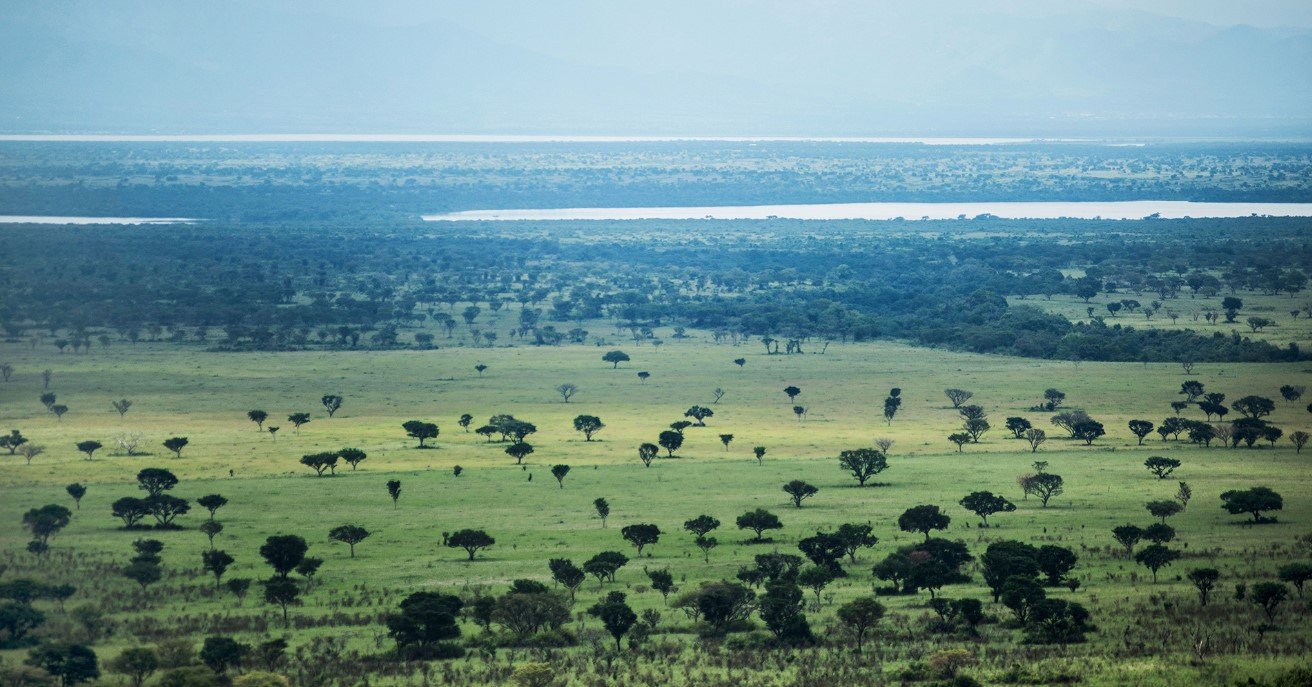
Lush green plains of Queen Elizabeth National Park during the wet season
The best time to visit Queen Elizabeth National Park depends on what you want to experience during your safari. Wildlife viewing, birdwatching, photography, road conditions, vegetation, rainfall and visitor numbers can all influence the quality of a trip. Queen Elizabeth National Park can be visited throughout the year, but different seasons offer different advantages.
For most travelers primarily interested in wildlife viewing and comfortable game drives, the drier periods are generally preferred because wildlife can become easier to locate around reliable water sources and vegetation may be less dense. The wetter periods can also be rewarding, particularly for birdwatchers and travelers who appreciate greener landscapes and potentially lower visitor numbers.
Current information from Uganda safari planning identifies June to September and December to February as the principal dry periods and March to May and October to November as wetter periods. These seasonal patterns provide a useful framework for planning a Queen Elizabeth National Park safari, although actual weather conditions can vary.
Is Queen Elizabeth National Park Open All Year?
Queen Elizabeth National Park is a year-round safari destination. Travelers can visit during both relatively dry and wetter periods, and each period has characteristics that may appeal to different types of visitors.
The fact that the park can be visited throughout the year means there is no single month that is universally best for every traveler. Someone focused on large mammals may prioritize drier conditions, while a birdwatcher may deliberately choose a wetter period because of the combination of resident and migratory birdlife.
Planning should therefore begin with the primary purpose of the trip rather than simply selecting a month labeled as the “best.” The best time to visit Queen Elizabeth National Park is ultimately determined by the experience a traveler wants to prioritize.
Dry Season in Queen Elizabeth National Park
The main dry periods are generally associated with June to September and December to February. These periods are widely preferred for conventional wildlife safaris because reduced rainfall can make some roads and tracks easier to navigate and because animals may concentrate more predictably around permanent or dependable water sources.
For visitors interested in game drives, these conditions can make wildlife searching more comfortable. Open vegetation can also improve visibility in some areas, although wildlife sightings remain dependent on natural animal movements.
The December safari season can therefore be attractive to travelers seeking a combination of generally drier conditions and conventional wildlife viewing.
June to September: The Longer Dry Period
June through September is commonly considered one of the strongest periods for a Queen Elizabeth National Park safari. The period generally falls within Uganda’s longer dry season and is often favored by travelers who want to prioritize game drives.
During drier conditions, vegetation in some areas can become less dense, potentially improving visibility. Water sources can also become increasingly important to wildlife, which may make areas around permanent water particularly productive for observation.
The period is especially useful for travelers who want to combine game drives with a Kazinga Channel boat cruise. The channel remains an important wildlife-viewing environment regardless of season, but generally drier weather can make outdoor activities more comfortable.
Travelers should not interpret the dry season as a guarantee of better wildlife sightings. Animals continue to move naturally, and weather conditions can change. A skilled guide and flexible itinerary remain important throughout the year.
December to February: The Shorter Dry Period
December through February forms another commonly recognized dry period. This period can provide favorable conditions for game drives, wildlife photography and other outdoor activities.
Travelers planning a Queen Elizabeth National Park safari during these months can benefit from generally drier conditions while still experiencing the park’s diverse ecosystems.
The period can also be useful for visitors combining Queen Elizabeth National Park with other western Uganda destinations. Travelers can potentially incorporate wildlife viewing with primate experiences and other nature-based activities depending on the itinerary.
For travelers interested in broader seasonal planning, Uganda travel seasons provide useful context for understanding how different periods can affect safari and outdoor experiences across the country.
Wet Season in Queen Elizabeth National Park
The wetter periods generally occur around March to May and October to November. Rainfall does not mean that a safari becomes impossible. Queen Elizabeth National Park remains a wildlife destination during these months, and wet-season travel can provide its own advantages.
Rain can transform the landscape, producing greener vegetation and changing the appearance of the savannah, wetlands and forests. For photographers, the greener environment can create different compositions from those available during drier months.
Wet periods can also be attractive to birdwatchers. The combination of resident birds, seasonal movements and productive vegetation can make the park interesting for people whose primary objective is birding.
March to May
March to May is one of the wetter periods in Uganda. Travelers visiting Queen Elizabeth National Park during these months should be prepared for rainfall and potentially wetter road and trail conditions.
The increased moisture can produce lush vegetation and attractive landscapes. The park can appear particularly green, creating a different visual experience from the drier months.
Rainfall can also affect wildlife distribution because water becomes available in more locations. Animals may therefore be less concentrated around the most dependable permanent water sources than during prolonged dry conditions.
For visitors who value scenery, birdwatching and quieter travel conditions more than predictable road conditions, this period can still be rewarding.
October to November
October and November are another wetter period associated with Uganda’s seasonal rainfall pattern. These months can provide lush landscapes and opportunities for birdwatching while requiring travelers to accept a greater possibility of rain during outdoor activities.
Birdwatchers can find the period particularly interesting because seasonal bird movements can increase the diversity of species present in Uganda. However, exact species composition and arrival patterns can vary from year to year.
Queen Elizabeth National Park also remains suitable for conventional wildlife viewing during these months. The park’s resident mammals do not disappear during the wet season, although their distribution and visibility can change.
Best Time for Wildlife Viewing
If the primary objective is conventional wildlife viewing, the drier periods are generally the strongest choice. Reduced rainfall and more concentrated water availability can make some animals easier to locate, while less dense vegetation can improve visibility in suitable habitats.
This can be particularly useful for travelers searching for elephants, buffaloes, Uganda kobs, lions and other large mammals.
The Kasenyi Plains can be especially attractive during game drives because open savannah provides relatively good visibility. Ishasha can also be rewarding for travelers interested in searching for its famous tree-climbing lions.
Nevertheless, wildlife viewing is never completely predictable. Even during the preferred dry periods, animals can move away from roads or remain concealed in vegetation.
Best Time for Lion Viewing
Travelers primarily interested in lions may prefer drier conditions because open vegetation and concentrated wildlife can sometimes make predator searches more productive.
Kasenyi is associated with lion viewing, while Ishasha is particularly famous for its tree-climbing lions. The two areas provide different lion-viewing experiences and can be incorporated into longer itineraries.
Current information from lion tracking experiences confirms that lion-related activities in Queen Elizabeth National Park are available throughout the year, subject to current operating arrangements.
Visitors should nevertheless understand that the presence of lions in a particular location is never guaranteed. Wild animals move according to their own behavior and environmental conditions.
Best Time for the Kazinga Channel Boat Cruise
The Kazinga Channel can be explored throughout the year, but weather conditions can influence the comfort of a boat excursion.
Generally drier conditions can provide more predictable outdoor weather, which is one reason the dry periods are commonly preferred for boat activities. The channel itself remains an important wildlife and birding environment during wetter months as well.
Hippos, crocodiles, elephants, buffaloes and waterbirds can occur around the channel throughout the year. Rainfall can change the appearance of the landscape without eliminating the ecological importance of the waterway.
Current information from the verified Kazinga Channel resource also describes the boat cruise as a major Queen Elizabeth National Park experience and identifies the dry seasons as favorable for wildlife spotting.
Best Time for Birdwatching
Queen Elizabeth National Park is an important birding destination because its combination of savannah, wetlands, forest and aquatic habitats supports a broad range of bird species.
Birdwatching is possible throughout the year, but seasonal conditions can change the composition and visibility of birds. The wetter periods can be particularly interesting for travelers interested in migratory species and lush habitats.
The dry season also has advantages for birdwatching. Reduced vegetation growth can improve visibility in some environments, while concentrated water sources may make certain species easier to locate.
The Queen Elizabeth birding season information currently available identifies June to October as a particularly favorable period for birding because reduced vegetation can improve visibility and access to habitats.
Best Time for Bird Photography
Bird photographers should consider both season and time of day. Early mornings can provide favorable light and active bird behavior, while the choice of habitat can be just as important as the month of travel.
Wetlands and the Kazinga Channel are particularly useful for water-associated birds, while forested environments can provide different species from open savannah.
Travelers should also carry suitable optical equipment because many birds remain at a distance. Binoculars can assist with identification even when photography is not the primary objective.
Best Time for Photography in General
Photography opportunities exist throughout the year, but the visual character of Queen Elizabeth National Park changes considerably between wet and dry conditions.
The dry period can produce clearer visibility and open vegetation, making it easier to frame wildlife against the landscape. The wet season can provide greener scenery, dramatic skies and richer vegetation.
Photographers interested in landscapes may actually prefer the wetter period because rainfall can produce vibrant vegetation and changing atmospheric conditions.
Wildlife photographers who prioritize visibility may prefer the drier periods, particularly when photographing animals in open savannah habitats.
Best Time for Chimpanzee Tracking
Travelers combining Queen Elizabeth National Park with chimpanzee tracking should consider trail conditions as well as wildlife-viewing priorities.
Kyambura Gorge is a forest environment where rainfall can influence trail conditions. Drier periods can generally make walking conditions more manageable, while wet periods can produce muddy or slippery terrain.
However, the forest remains biologically active during wetter conditions, and some travelers may prefer the lush appearance and quieter atmosphere of the green season.
The best choice therefore depends on whether the traveler prioritizes easier walking conditions or the distinctive character of a wetter forest environment.
Best Time for a Family Safari
Families planning a Queen Elizabeth National Park safari should consider weather, travel pace and the ages of travelers when selecting a season.
Drier conditions can make outdoor activities more comfortable and can reduce the likelihood that rain interrupts planned game drives or boat activities. This can make the dry periods convenient for families who want a more predictable itinerary.
However, families traveling during wetter periods can still have rewarding experiences if they prepare appropriately for changing weather and allow flexibility in the daily schedule.
Best Time for First-Time Safari Travelers
First-time safari travelers who want to maximize conventional wildlife-viewing opportunities will generally find the drier periods easier to plan around. Game drives can be more comfortable when roads are less affected by rainfall, while wildlife may be easier to locate in some areas.
The dry periods can also make it easier to combine several activities within a relatively short itinerary, although weather conditions should always be checked close to travel.
Travelers who are more flexible may deliberately choose a wetter period for greener landscapes, birding opportunities and potentially quieter tourism conditions.
Dry Season Versus Wet Season
The choice between dry and wet seasons should be based on priorities rather than the assumption that one season is universally superior.
Dry-season travel generally offers easier road conditions, improved visibility in some habitats and favorable conditions for conventional game viewing. The trade-off can include higher demand during popular travel periods.
Wet-season travel can provide greener landscapes, interesting birding opportunities and a different photographic environment. The trade-off can include rainfall, wetter roads and potentially more challenging trail conditions.
Both seasons therefore have legitimate advantages. A well-designed Queen Elizabeth National Park Guide should present these differences honestly rather than declaring that one season is always the only correct choice.
Best Time for a Short Queen Elizabeth National Park Safari
Travelers with only a short amount of time may benefit from choosing a period with generally favorable outdoor conditions. A dry period can make it easier to combine a game drive with a Kazinga Channel boat cruise without allowing rainfall to disrupt the schedule.
For a short trip, efficient itinerary planning is particularly important because there is less flexibility if weather affects a planned activity.
Travelers should also consider accommodation location because unnecessary transfers can reduce the time available for wildlife viewing.
Best Time for a Longer Queen Elizabeth National Park Safari
A longer safari provides greater flexibility and can reduce the importance of choosing a perfect season. If rain interrupts one activity, another opportunity may be available on a different day.
Longer stays can also allow travelers to explore multiple habitats, including Kasenyi, Mweya, the Kazinga Channel, Kyambura and Ishasha.
This makes a longer itinerary particularly useful for photographers, birdwatchers and travelers who want a broader understanding of the park rather than simply searching for a few famous animals.
How Rain Affects Safari Roads and Trails
Rainfall can affect road and trail conditions in Queen Elizabeth National Park. Some tracks can become wetter or more difficult to navigate, while forest trails can become muddy or slippery.
The degree of impact varies according to the amount and timing of rainfall, the specific route and prevailing local conditions. Travelers should therefore avoid treating a general seasonal statement as a guarantee about road conditions on a particular date.
A safari vehicle appropriate for the terrain and an experienced driver-guide can be important during wetter periods.
How Vegetation Changes Between Seasons
Vegetation is one of the most visible differences between wet and dry periods. During wetter months, grasslands and other habitats can become greener and more densely vegetated.
During drier conditions, vegetation can become less lush and visibility may improve in certain open habitats. This can make it easier to locate animals from a vehicle.
The changing vegetation also influences photography. Dry-season landscapes can emphasize golden grass and open horizons, while wet-season landscapes can emphasize green vegetation and dramatic skies.
How Water Availability Influences Wildlife
Water availability is an important factor influencing wildlife distribution. During drier conditions, animals may rely more heavily on permanent water sources, potentially making locations around lakes and channels more productive for viewing.
The Kazinga Channel is particularly important because it provides a reliable aquatic environment within the park. Animals can move between feeding areas and water sources according to their needs.
During wetter periods, temporary water sources can become more widely available, potentially reducing the need for some animals to concentrate around permanent water.
Peak Travel Periods and Visitor Demand
Popular dry-season periods can attract more safari travelers because many visitors prefer predictable outdoor conditions and conventional wildlife viewing.
Higher demand can influence accommodation availability and safari planning. Travelers intending to visit during popular periods should therefore plan accommodation and transportation well in advance.
Information about exact current visitor volumes or accommodation occupancy for specific dates was not found in current search results, so no numerical peak-season occupancy figures are provided here.
Should You Avoid the Rainy Season?
No. The rainy season should not automatically be considered a poor time to visit Queen Elizabeth National Park.
Travelers who value lush landscapes, birdwatching and quieter conditions may find the wetter periods attractive. The park’s wildlife remains present, and the changing environment can create a distinctive safari experience.
The key consideration is preparedness. Visitors should expect the possibility of rain and allow enough flexibility for outdoor activities.
Best Time for a Balanced Queen Elizabeth National Park Experience
For travelers seeking a balance between wildlife viewing, comfortable outdoor activities and access to different parts of the park, the dry periods are generally the most straightforward choice.
June to September and December to February provide the principal dry-season windows. These periods are commonly preferred for game drives and other outdoor activities, while the park remains accessible outside these periods.
Travelers who place greater emphasis on birding, green scenery or lower visitor pressure may find the wetter periods equally appealing.
Choosing Your Travel Month
Rather than asking only, “What is the best month to visit Queen Elizabeth National Park?”, travelers should ask what they want to accomplish during that month.
A traveler focused on lions and large mammals may choose a drier period. A birdwatcher may consider seasonal bird movements. A photographer may decide between open dry landscapes and lush wet-season scenery. Someone seeking a quieter trip may be more comfortable accepting the possibility of rain.
This approach produces a more useful travel decision than relying on a single universal recommendation.
Final Advice on the Best Time to Visit Queen Elizabeth National Park
The best time to visit Queen Elizabeth National Park is ultimately a matter of matching seasonal conditions to personal priorities. The drier periods of June to September and December to February are generally favored for conventional wildlife viewing, easier outdoor conditions and game-drive planning.
The wetter periods of March to May and October to November offer a different experience, with greener landscapes, changing wildlife distribution and strong opportunities for birdwatching and nature photography.
Queen Elizabeth National Park remains a year-round destination, so travelers should not postpone a safari simply because their available dates fall outside the traditionally preferred dry periods. With appropriate planning, every season can provide meaningful wildlife and landscape experiences.
For travelers combining Queen Elizabeth National Park with other Ugandan destinations, Uganda safari packages can be planned around the seasonal priorities of the entire itinerary rather than Queen Elizabeth National Park alone.
Accommodation in Queen Elizabeth National Park: Where to Stay During Your Safari
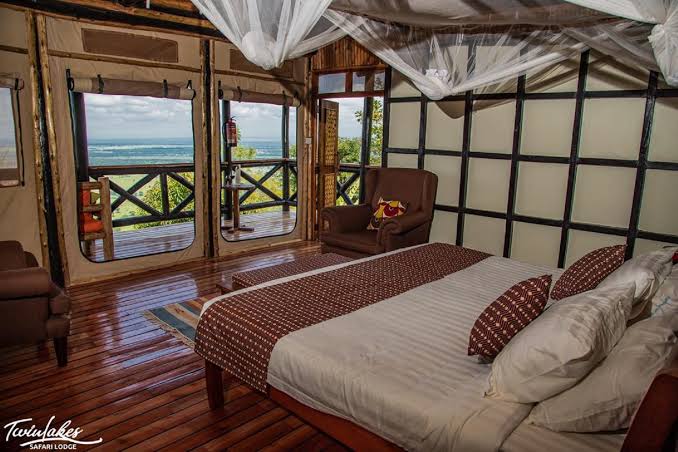
Experience luxury safari living inside Queen Elizabeth National Park.
Accommodation is an important part of planning a Queen Elizabeth National Park safari because the location and type of lodge can affect travel time, access to wildlife areas, comfort, meals and the overall pace of the itinerary. Queen Elizabeth National Park has accommodation options associated with different parts of the park, allowing travelers to choose according to budget, preferred experience and planned activities.
A practical Queen Elizabeth National Park Guide should distinguish between accommodation around the northern sector, particularly the Mweya area, and accommodation useful for travelers exploring the southern Ishasha sector. This distinction matters because Queen Elizabeth National Park is extensive, and staying close to the activities you want to prioritize can reduce unnecessary driving.
Why Accommodation Location Matters
Queen Elizabeth National Park is not a single compact wildlife-viewing area. Different sectors offer different experiences, including the Kasenyi Plains, Kazinga Channel, Kyambura Gorge and Ishasha. Choosing accommodation according to your itinerary can therefore make a substantial difference to the amount of time available for wildlife viewing.
For example, travelers prioritizing the Kazinga Channel and northern game drives may find accommodation around Mweya particularly practical. Travelers planning to explore Ishasha may prefer to stay closer to the southern sector rather than repeatedly making long transfers.
The Queen Elizabeth safari itinerary information confirms accommodation options including Mweya Safari Lodge, Parkview Safari Lodge and Pumba Safari Cottages for an itinerary combining game drives and the Kazinga Channel.
Accommodation Around Mweya
Mweya is one of the principal tourism areas of Queen Elizabeth National Park and is particularly convenient for visitors interested in the Kazinga Channel and northern-sector activities.
Staying around Mweya can reduce transfers between accommodation and major activities. It also places travelers near the water environment created by the Kazinga Channel and Lake Edward.
The area is therefore especially suitable for visitors whose Queen Elizabeth National Park itinerary includes a game drive followed by a boat cruise or travelers who want to explore several northern-sector attractions.
Mweya Safari Lodge
Mweya Safari Lodge is one of the accommodation properties specifically identified in the verified safari itinerary used for Queen Elizabeth National Park. The same itinerary places it near the Kazinga Channel boat-cruise departure area.
Its location makes it particularly relevant for travelers planning a conventional northern Queen Elizabeth National Park safari involving game drives and a Kazinga Channel cruise.
Travelers considering this property should confirm current room categories, rates, meal plans, availability and included services directly with the accommodation provider before booking, because these details can change.
The Uganda safari packages resource can also provide broader context when comparing a Queen Elizabeth stay with accommodation requirements in other Ugandan destinations.
Parkview Safari Lodge
Parkview Safari Lodge is another accommodation option identified in the verified Queen Elizabeth itinerary. It is presented as an overnight option for travelers undertaking game drives and the Kazinga Channel boat cruise.
This makes it relevant to travelers seeking accommodation that works well with northern Queen Elizabeth National Park activities.
As with any safari property, travelers should verify the current accommodation category, availability and services before making a reservation.
Pumba Safari Cottages
Pumba Safari Cottages is also identified in the verified Queen Elizabeth National Park itinerary as an accommodation option for the game-drive and boat-cruise portion of the journey.
The property can therefore be considered by travelers comparing accommodation options associated with the northern part of a Queen Elizabeth safari.
Current information about room inventory, pricing and exact services was not found in the current search results, so these details should be confirmed directly before publication or booking.
Accommodation Near Ishasha
Travelers who specifically want to explore the Ishasha Sector should consider accommodation location carefully. Ishasha is in the southern part of Queen Elizabeth National Park and is particularly known for its tree-climbing lions.
Staying closer to Ishasha can be useful when the sector is a major focus of the safari. It can also make it easier to allocate sufficient time to game drives instead of spending a large portion of the day transferring between sectors.
The Ishasha safari experience information confirms the sector’s importance for travelers interested in tree-climbing lions and demonstrates how Ishasha can be combined with other western Uganda experiences.
Accommodation for a Kazinga Channel Safari
Travelers whose main objective is the Kazinga Channel should prioritize accommodation that provides convenient access to the boat-cruise departure area.
This is particularly useful because the boat cruise is commonly incorporated into a day that also includes a game drive. Staying relatively close to the activity area can make the daily schedule more efficient.
The verified safari itinerary identifies Mweya Safari Lodge, Parkview Safari Lodge and Pumba Safari Cottages as accommodation options for a Queen Elizabeth National Park program involving both game drives and the Kazinga Channel boat cruise.
Accommodation for Game Drives
Game-drive accommodation should be selected according to the wildlife areas you intend to explore. Travelers concentrating on Kasenyi may benefit from accommodation positioned conveniently for the northern plains, while those prioritizing Ishasha should consider the southern sector.
This is particularly important for early morning game drives because minimizing unnecessary transfers can leave more time for wildlife observation.
A well-designed itinerary should therefore connect accommodation location with the day’s planned activity rather than choosing a lodge independently of the safari route.
Accommodation for Chimpanzee Tracking
Travelers planning chimpanzee tracking in Kyambura Gorge should consider how accommodation fits into the day’s route. Kyambura provides a forest-based experience that differs substantially from the open savannah areas.
Accommodation that allows convenient access to the gorge can make the itinerary more efficient, particularly when chimpanzee tracking is combined with other Queen Elizabeth National Park activities.
The chimpanzee and wildlife safari information demonstrates how Queen Elizabeth National Park can be incorporated into a broader western Uganda itinerary involving primate experiences and game viewing.
Luxury Accommodation
Luxury travelers generally prioritize spacious accommodation, high service standards, scenic locations, quality dining and additional comfort. Queen Elizabeth National Park has established luxury accommodation associated particularly with the Mweya area.
Luxury accommodation can be appropriate for travelers who want the safari experience to include substantial time at the lodge rather than treating accommodation simply as a place to sleep between activities.
Before booking, travelers should verify what is included in the quoted rate. Full board, half board, drinks, transfers and activities can be treated differently from one property to another.
Mid-Range Accommodation
Mid-range accommodation can provide a balance between comfort and safari cost. These properties are particularly useful for travelers who intend to spend most of their days on game drives, boat cruises and other outdoor activities.
The most important consideration is not simply the room price but the relationship between accommodation location, meals, transport and planned activities.
A slightly more expensive property in a strategically useful location can sometimes reduce unnecessary transfers and make the overall itinerary more convenient.
Budget Accommodation
Budget travelers can structure a Queen Elizabeth National Park safari around simpler accommodation while allocating more of the trip budget toward wildlife activities and transportation.
When selecting budget accommodation, travelers should check whether private or shared facilities are provided, whether meals are included, how far the property is from the intended activity area and what transport arrangements are available.
Current search results did not provide a sufficiently verified and comprehensive list of all budget properties around Queen Elizabeth National Park. Information not found in current search results should therefore not be substituted with unverified accommodation names.
Accommodation and Safari Cost
Accommodation is one of the main components that influences the total cost of a Queen Elizabeth National Park safari. However, the accommodation rate alone does not represent the complete trip cost.
Travelers should consider accommodation together with transportation, meals, park-related fees, activities, guide services and any additional transfers.
The best accommodation choice is therefore not necessarily the cheapest property. It is the option that provides an appropriate balance between price, location, comfort and itinerary requirements.
Full Board and Half Board Accommodation
Meal plans can have a significant effect on safari logistics. Full-board accommodation may include breakfast, lunch and dinner, while half-board arrangements commonly cover fewer meals.
Travelers spending entire days away from the lodge should confirm whether packed lunches are available and whether they require advance ordering.
Meal arrangements should be checked before booking because terminology and inclusions can differ between accommodation providers.
Accommodation for Families
Families should consider room configuration, meal flexibility, safety arrangements, travel distances and the suitability of daily activities when choosing accommodation in Queen Elizabeth National Park.
It is useful to confirm whether family rooms or connecting rooms are available and whether children can participate in planned activities. Policies concerning minimum ages for particular activities should be confirmed directly with the relevant operator or authority.
For families, a convenient accommodation location can be especially valuable because it reduces unnecessary time spent traveling between the lodge and activity areas.
Accommodation for Couples
Couples may place greater emphasis on privacy, scenery, dining, room quality and the atmosphere of the property. Accommodation around scenic areas such as Mweya can provide a strong combination of comfort and access to wildlife activities.
Couples should still prioritize location when building the itinerary. A beautiful lodge that requires lengthy transfers for every activity may not be the most efficient choice for a short safari.
Accommodation for Photographers
Wildlife photographers should consider accommodation in relation to the areas they intend to photograph. Travelers focusing on Kasenyi may prefer northern-sector accommodation, while photographers specifically interested in tree-climbing lions should consider the Ishasha route.
Accommodation facilities such as secure equipment storage, charging access and suitable meal arrangements can also be practical considerations for photographers, although availability should be confirmed directly with each property.
Accommodation for Birdwatchers
Birdwatchers can benefit from accommodation located near a variety of habitats. Properties around the Mweya area can provide access to the Kazinga Channel, while accommodation positioned near other habitats may provide different birding opportunities.
Travelers should ask whether guided birding activities are available and whether early breakfasts or packed meals can be arranged for early departures.
Because birdwatching often depends on patience and habitat diversity, accommodation that enables longer stays in productive areas can be more valuable than simply choosing the lowest room rate.
Accommodation During a Multi-Park Safari
Queen Elizabeth National Park is frequently incorporated into longer Uganda safari itineraries. Travelers may arrive from Kibale National Park and continue toward Bwindi Impenetrable National Park, making accommodation location particularly important.
The verified seven-day safari itinerary illustrates this routing, with travelers transferring from Kibale to Queen Elizabeth before continuing toward Bwindi through the Ishasha Sector.
This type of itinerary demonstrates why accommodation should be planned together with the entire safari route rather than selected independently for each night.
Staying One Night or Multiple Nights
One night can be sufficient for travelers with a very limited schedule, particularly when the itinerary is focused on a game drive and Kazinga Channel boat cruise.
However, multiple nights provide considerably greater flexibility. Travelers can dedicate different days to Kasenyi, the Kazinga Channel, Kyambura Gorge or Ishasha without making the safari feel rushed.
Longer stays are particularly useful for photographers and birdwatchers because natural sightings are unpredictable and additional time increases the opportunity for observation.
How to Choose the Right Location
The simplest way to choose accommodation is to begin with the activities rather than the lodge. Decide whether the itinerary is centered on Kasenyi, Mweya, the Kazinga Channel, Kyambura Gorge or Ishasha, and then identify accommodation that fits the route.
This approach helps prevent a common planning mistake: selecting accommodation based only on photographs or room prices and discovering later that significant safari time must be spent traveling to the desired activities.
What to Confirm Before Booking
Before confirming accommodation, travelers should verify the current room availability, room category, meal plan, check-in and check-out arrangements, location, included services and cancellation terms.
Travelers should also confirm whether the property can arrange packed lunches, transfers or other services required by the planned itinerary.
Current prices were not sufficiently verified in the search results used for this section, so no specific accommodation prices are presented here.
Accommodation and the Overall Queen Elizabeth Safari Experience
Accommodation should support the safari rather than become an isolated part of the trip. The strongest choice is usually the property that fits the route, activity schedule and travel budget while providing the level of comfort required.
For northern-sector safaris, accommodation around Mweya can be especially practical because of its relationship with the Kazinga Channel and nearby wildlife areas. For southern-sector itineraries, accommodation closer to Ishasha can make more sense.
Travelers combining Queen Elizabeth with Kibale or Bwindi should also consider the direction of travel and avoid unnecessary backtracking.
Planning Accommodation Around Your Queen Elizabeth National Park Itinerary
A good accommodation plan begins by identifying the activities that matter most. Travelers focused on wildlife can prioritize accommodation convenient for game drives. Travelers interested in the Kazinga Channel can emphasize access to the boat-cruise area. Those interested in chimpanzees can consider accommodation in relation to Kyambura Gorge, while travelers focused on tree-climbing lions should examine the Ishasha route.
The Uganda travel planning resource can be used alongside seasonal considerations when determining how many nights to spend in Queen Elizabeth National Park and how accommodation fits into a wider Uganda itinerary.
Final Accommodation Advice
There is no single accommodation option that is best for every Queen Elizabeth National Park traveler. The right choice depends on budget, preferred comfort level, planned activities, safari duration and the specific sector you want to explore.
Mweya-area accommodation is particularly relevant for northern-sector activities and Kazinga Channel cruises, while travelers concentrating on Ishasha should consider accommodation and routing around the southern sector.
The most reliable approach is to verify the property, current availability, room type, meal plan, location and services before making a reservation. This prevents outdated accommodation information from becoming part of an otherwise carefully planned Queen Elizabeth National Park safari.
When accommodation, activities and transport are planned together, travelers can spend more of their available time experiencing the park rather than unnecessarily moving between distant parts of the destination.
How to Get to Queen Elizabeth National Park and Travel Around the Park
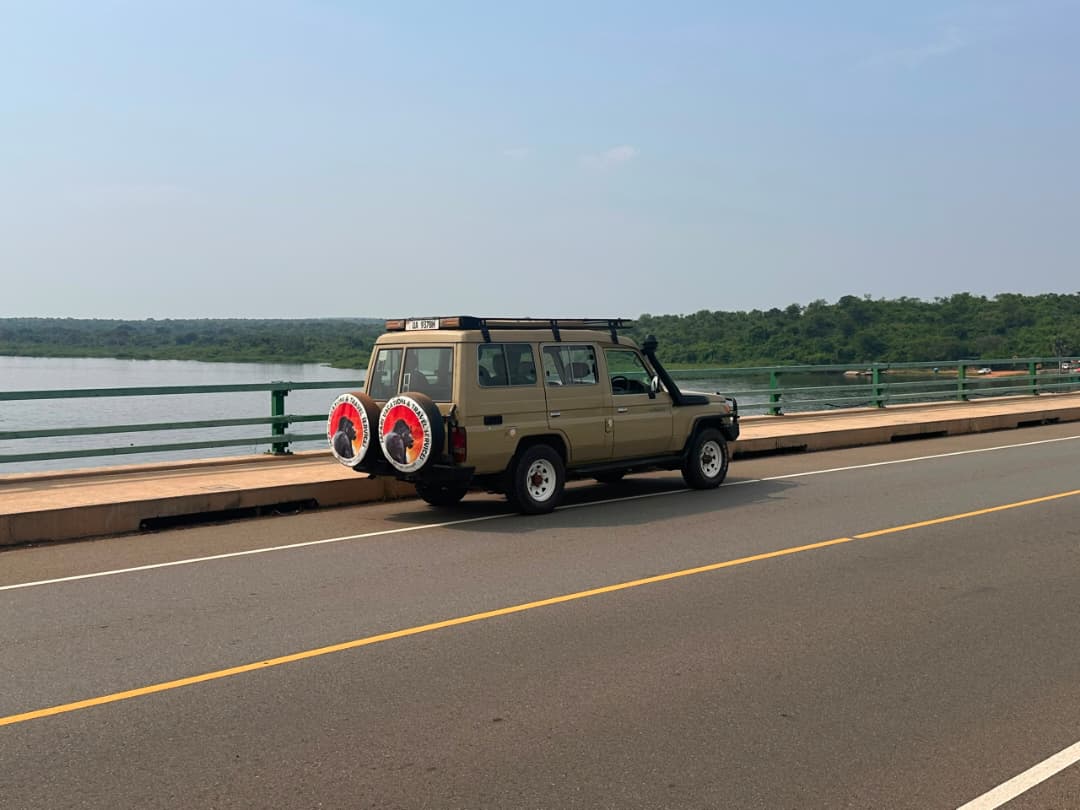
Crossing the bridge into a scenic national park safari adventure
Getting to Queen Elizabeth National Park is an important part of planning a successful safari because the park is located in western Uganda and can be reached by road or, depending on the itinerary and current flight schedules, by air followed by a ground transfer. The most suitable option depends on where you begin your journey, how much time you have, your budget and which sector of the park you intend to explore.
A well-planned Queen Elizabeth National Park Guide should not treat transportation as an afterthought. The route you choose can influence how much time remains for game drives, the Kazinga Channel boat cruise, chimpanzee tracking in Kyambura Gorge and exploration of the Ishasha Sector.
Queen Elizabeth National Park is also commonly combined with Kibale National Park, Bwindi Impenetrable National Park and other western Uganda destinations. This makes route planning particularly important because the most efficient itinerary is usually one that follows a logical circuit instead of repeatedly returning along the same roads.
Where Is Queen Elizabeth National Park Located?
Queen Elizabeth National Park is located in western Uganda within a landscape characterized by savannah, wetlands, lakes, forests, crater areas and the Rwenzori mountain region. Its position makes it particularly convenient to combine with other major destinations in southwestern Uganda.
The park’s location between several major safari destinations is one reason it frequently appears in multi-destination Uganda itineraries. Travelers can combine Queen Elizabeth with Kibale National Park for chimpanzee experiences or continue toward Bwindi for gorilla trekking.
The Kibale travel route information available from the verified source demonstrates the close relationship between Kibale National Park and Queen Elizabeth National Park and provides useful context for planning a western Uganda safari circuit.
Traveling to Queen Elizabeth National Park by Road
Road travel is one of the most practical ways to reach Queen Elizabeth National Park. It allows travelers to combine transportation with sightseeing and can provide access to different parts of the park depending on the chosen route.
Traveling by road also provides greater flexibility than relying entirely on fixed flight schedules. A private safari vehicle with a driver-guide can stop at appropriate locations for meals, viewpoints and other planned experiences.
The actual journey time depends on the starting point, destination sector, road conditions, stops and the route selected. It is therefore better to build an itinerary around realistic travel periods rather than relying on one fixed journey time for every traveler.
From Kampala to Queen Elizabeth National Park
Travelers beginning in Kampala generally travel westward toward the Queen Elizabeth National Park area. The journey passes through several parts of Uganda and can be incorporated into a broader safari route.
Because the drive is substantial, travelers should avoid scheduling too many activities immediately after arrival. A more comfortable itinerary may include an overnight stop or a relaxed arrival day depending on the starting time.
For travelers continuing toward western Uganda, the route can also be combined with other destinations such as Kibale National Park.
From Entebbe to Queen Elizabeth National Park
Travelers arriving through Entebbe International Airport can begin their safari from the airport area or spend time in Entebbe before proceeding westward.
The road journey from Entebbe forms part of many Uganda safari circuits. Depending on the itinerary, travelers can move through central and western Uganda before reaching Queen Elizabeth National Park.
Travelers arriving on an international flight should consider their arrival time carefully. Beginning a long road journey immediately after an overnight international flight may be tiring, so an overnight stay near the airport can sometimes create a more comfortable schedule.
Traveling from Kibale National Park to Queen Elizabeth National Park
The connection between Kibale National Park and Queen Elizabeth National Park is particularly useful for travelers interested in combining chimpanzee tracking with a traditional wildlife safari.
This route can be efficient because the two destinations are relatively close compared with many other major Uganda safari combinations. A traveler can spend time in Kibale and then continue to Queen Elizabeth for game drives and a Kazinga Channel boat cruise.
The Kibale crater lakes resource is also relevant to travelers considering an itinerary that combines Kibale’s forest and crater landscapes with Queen Elizabeth National Park.
Traveling from Queen Elizabeth to Bwindi
Queen Elizabeth National Park is commonly combined with Bwindi Impenetrable National Park in southwestern Uganda. This creates a safari itinerary that combines savannah wildlife with mountain gorilla trekking.
One of the most distinctive routing options involves passing through the Ishasha Sector in southern Queen Elizabeth National Park before continuing toward Bwindi. This route can provide an opportunity to include an Ishasha game drive within the broader journey.
The verified seven-day safari itinerary describes this approach, including a Queen Elizabeth game drive and Kazinga Channel boat cruise before continuing through Ishasha toward Bwindi.
The Ishasha Route to Bwindi
The Ishasha route is particularly attractive for travelers who want to combine Queen Elizabeth National Park with Bwindi without treating the two destinations as completely separate experiences.
Ishasha is famous for its tree-climbing lions, although sightings are never guaranteed. The route therefore adds another wildlife-viewing opportunity to the journey before the traveler continues toward the forested landscapes of southwestern Uganda.
Travelers should allow sufficient time for the route and should not schedule a major activity immediately after an uncertain long transfer. Road and weather conditions can affect travel times.
Traveling to Queen Elizabeth by Air
Air travel can reduce the amount of time spent on long road transfers. Depending on the current flight network, travelers may use domestic or charter flights to suitable airstrips serving the Queen Elizabeth area and then continue by road to their accommodation.
Flight availability, operating days, baggage restrictions, aircraft schedules and applicable airstrips can change. These details should therefore be confirmed directly with the airline or safari operator before booking.
Information not found in current search results for a sufficiently current and comprehensive schedule of all domestic flights serving every Queen Elizabeth National Park access point. No fixed flight timetable is therefore provided here.
Flying Versus Driving to Queen Elizabeth National Park
Driving generally provides greater flexibility and allows travelers to experience the Ugandan countryside along the route. It can also be more practical for multi-destination safaris where several parks are connected by road.
Flying can be useful when time is limited or when travelers want to reduce the number of long road transfers. However, a flight normally still requires a ground transfer from the relevant airstrip to the lodge or park sector.
The best choice depends on the balance between time, budget, comfort and the desire to experience the journey itself.
Choosing the Best Entrance or Sector
Queen Elizabeth National Park contains several important areas, and the best access point depends on the itinerary. Travelers concentrating on the northern section may plan around the Mweya and Kazinga Channel area, while those specifically interested in Ishasha should structure their route around the southern sector.
Travelers visiting Kyambura Gorge should also consider the relationship between their accommodation, the gorge and the other planned activities.
Choosing the route according to the activity can significantly reduce unnecessary driving.
Getting to Mweya
Mweya is one of the principal tourism areas in Queen Elizabeth National Park and is particularly useful for travelers planning activities around the Kazinga Channel and northern wildlife areas.
Travelers staying around Mweya can conveniently organize game drives and boat-cruise activities without making long transfers from distant accommodation.
The location also makes Mweya a practical base for visitors who want a balanced itinerary involving both terrestrial and aquatic wildlife experiences.
Getting to Kasenyi Plains
Kasenyi is one of the best-known game-viewing areas in the northern part of Queen Elizabeth National Park. Travelers planning game drives in this area should consider accommodation and daily route planning carefully.
The open plains are particularly associated with Uganda kobs and provide opportunities to search for predators such as lions and leopards.
Starting a game drive from accommodation that is reasonably convenient to Kasenyi can reduce the amount of time spent traveling before wildlife viewing begins.
Getting to Kyambura Gorge
Kyambura Gorge provides a forest-based experience within the wider Queen Elizabeth National Park ecosystem. Travelers planning chimpanzee tracking should allow enough time to reach the relevant briefing and starting point.
The terrain inside the gorge differs significantly from the open savannah, and visitors should plan appropriate footwear and clothing for a forest environment.
The Uganda primate safari resource provides additional context on combining primate experiences with Queen Elizabeth National Park game drives and Kazinga Channel activities.
Getting to Ishasha
Ishasha lies in the southern part of Queen Elizabeth National Park. Its position means that travelers should treat it as a distinct sector when planning their route.
Ishasha can be especially useful for travelers continuing toward Bwindi because the sector can be incorporated into the transfer route rather than requiring a separate return journey.
Travelers should confirm current road conditions and accessibility before departure, particularly during periods of heavy rainfall.
Road Conditions and Travel Time
Travel times around Queen Elizabeth National Park should always be treated as estimates. Weather, road conditions, traffic, wildlife-related delays, stops and the exact destination can all influence the duration of a journey.
Road conditions can also differ between major highways and tracks inside or around protected areas. A journey that appears short on a map can therefore take longer than expected.
A professional driver-guide familiar with the safari circuit can help build a realistic daily schedule.
Using a 4×4 Safari Vehicle
A suitable safari vehicle is particularly useful for exploring Queen Elizabeth National Park because safari activities involve a combination of paved roads, secondary roads and game-drive tracks.
A 4×4 vehicle can provide additional capability on rough or wet sections of the route, although the suitability of any vehicle depends on current road conditions and the specific route.
Travelers should confirm the vehicle type, seating configuration, luggage capacity and included services before booking a safari.
Self-Drive Versus Guided Safari
Travelers can consider different approaches to exploring Uganda, but a guided safari can provide important advantages inside a wildlife destination. A professional guide can assist with navigation, wildlife interpretation and itinerary management.
A guide can also help identify animals and understand their behavior, which can significantly improve the educational value of a game drive.
Visitors should always follow the regulations governing vehicle movement, wildlife viewing and access within the protected area.
Why a Driver-Guide Is Valuable
A knowledgeable driver-guide contributes much more than transportation. Guides can help identify wildlife, interpret landscapes and adjust the day’s route according to practical circumstances.
In a large destination such as Queen Elizabeth National Park, local knowledge can be particularly useful because animal movements and road conditions change.
A guide can also help coordinate the timing of game drives and other activities so that the itinerary remains realistic.
Traveling During the Dry Season
Travel during the generally drier periods can provide more favorable road conditions in many areas. This can make transfers and game drives more comfortable, although exact conditions vary.
The principal dry periods are commonly identified as June to September and December to February. Travelers should nevertheless check conditions close to departure rather than assuming that every road will be dry.
Traveling During the Wet Season
Wet-season travel can produce more challenging road and trail conditions, particularly after substantial rainfall. However, the season can also provide greener landscapes and attractive conditions for photography and birdwatching.
Travelers visiting during wetter months should allow additional flexibility in the schedule and use an appropriate safari vehicle.
Planning Travel Around Game Drives
Transportation should be planned around the timing of wildlife activities. Early morning game drives require accommodation that provides practical access to the selected game-viewing area.
Likewise, travelers planning an afternoon Kazinga Channel boat cruise should avoid unnecessary transfers immediately beforehand.
Efficient scheduling allows more time to observe wildlife and reduces fatigue caused by excessive driving.
Planning Travel Around the Kazinga Channel
The Kazinga Channel is one of the central attractions of the northern Queen Elizabeth experience. Travelers staying near Mweya can integrate the boat cruise with a morning game drive or other activities.
The verified safari itinerary used for this guide describes a morning game drive followed by an afternoon boat cruise, illustrating how transportation and activities can be combined efficiently.
Traveling With Children
Families should consider the length of road journeys when planning a Queen Elizabeth National Park safari. Long transfers can be tiring, especially for younger travelers.
Breaking up long journeys with appropriate rest stops can make the experience more comfortable. Families should also discuss the planned activity schedule with their safari operator before departure.
Traveling With Limited Time
Travelers with limited time should avoid trying to cover every part of Queen Elizabeth National Park. A concentrated itinerary around the northern sector can provide access to game drives and the Kazinga Channel without requiring extensive transfers.
If Ishasha is a priority, the itinerary should be structured around the southern route rather than attempting to visit Ishasha as a rushed side trip.
Combining Queen Elizabeth With Kibale
Combining Queen Elizabeth National Park with Kibale is one of the most logical western Uganda safari combinations. Travelers can experience chimpanzee tracking and forest ecosystems in Kibale before moving into Queen Elizabeth’s savannah and wetland environments.
This combination is especially valuable for travelers who want both primate and classic African wildlife experiences within the same journey.
Combining Queen Elizabeth With Bwindi
Combining Queen Elizabeth National Park with Bwindi creates an itinerary that moves from savannah wildlife to mountain forest and gorilla trekking.
The Ishasha route can make this combination particularly attractive because travelers can include another wildlife-viewing experience while transferring toward Bwindi.
However, travelers should build sufficient time into the itinerary rather than assuming that every transfer will take exactly the same amount of time.
Documents and Travel Preparation
International travelers should ensure that passports, visas where applicable, travel insurance and safari documentation are in order before beginning the journey.
Travelers undertaking activities that require permits should confirm the permit requirements and dates in advance. Documentation should be kept safely accessible during the safari.
For travelers arriving from abroad, it is also sensible to keep copies of important travel documents separately from the originals.
What to Carry During Long Road Transfers
Long journeys are more comfortable when travelers have practical personal items easily accessible. Drinking water, appropriate clothing, personal documents, a camera, binoculars and other essential travel items can be kept in a small day bag rather than buried inside larger luggage.
Weather can change during the journey, so a lightweight waterproof layer can also be useful.
Travelers should avoid overpacking the safari vehicle because available luggage space depends on the vehicle configuration and number of passengers.
Using Air and Road Travel Together
A combined fly-and-drive itinerary can be useful for travelers who want to save time while retaining the flexibility of a safari vehicle once they reach western Uganda.
The flight reduces a long transfer, while the ground vehicle provides access to lodges, park tracks and individual activities.
Exact air connections should always be confirmed before booking because schedules and operating arrangements can change.
How Transportation Affects Safari Cost
Transportation can represent a significant part of the overall cost of a Queen Elizabeth National Park safari. Private 4×4 vehicles, driver-guide services, fuel, airport transfers and domestic flights can all affect the final price.
Travelers should compare the complete safari package rather than judging cost from accommodation alone.
A slightly more expensive itinerary may provide better route efficiency, reducing unnecessary transfers and creating more time for actual safari activities.
Planning a Logical Queen Elizabeth National Park Circuit
A logical circuit can reduce backtracking. Travelers arriving from Kampala or Entebbe can proceed toward western Uganda, visit Kibale where appropriate, continue to Queen Elizabeth, explore the selected sectors and then continue toward Bwindi or another destination.
The exact order should depend on the traveler’s priorities and the location of accommodation and activities.
The goal should be to create a continuous route that maximizes time spent experiencing destinations rather than repeatedly covering the same roads.
Travel Safety and Responsible Driving
Travelers should always use seat belts and follow the instructions of their driver-guide. Inside the national park, vehicles should remain on authorized routes and maintain appropriate distances from wildlife.
Drivers should never deliberately chase animals or create unnecessary disturbance for photography. Wildlife encounters should be allowed to develop naturally.
Visitors should also follow current instructions from park authorities concerning road access, wildlife encounters and temporary restrictions.
Getting Around Queen Elizabeth National Park
Once inside Queen Elizabeth National Park, most conventional wildlife viewing is conducted using safari vehicles. Boat travel is used for the Kazinga Channel experience, while walking activities such as chimpanzee tracking involve authorized guides and designated areas.
The different transportation methods are part of what makes the park diverse. Travelers can move across savannah by vehicle, explore the channel by boat and experience forest environments on foot.
Best Transportation Strategy for a First-Time Visitor
For a first-time visitor, a guided road safari is generally the simplest way to combine Queen Elizabeth National Park with other Ugandan destinations. A driver-guide can coordinate transfers, accommodation and activities while providing wildlife interpretation.
A typical efficient itinerary can include arrival in the Queen Elizabeth area, a game drive, the Kazinga Channel boat cruise and onward travel to another western Uganda destination.
Travelers with additional time can expand the itinerary to include Kyambura Gorge and Ishasha.
Final Travel Planning Advice
Getting to Queen Elizabeth National Park is not simply about choosing between a road and a flight. The best transportation strategy depends on the entire safari circuit, the sector you want to explore, the time available and the activities you want to prioritize.
Road travel provides flexibility and works particularly well for multi-park itineraries. Air travel can reduce long transfers when suitable flights are available, but ground transportation is still required after landing.
For most travelers, the most effective approach is to plan transportation together with accommodation and activities. This allows the itinerary to follow a logical route through western Uganda and minimizes unnecessary backtracking.
The western Uganda travel guide provides additional route-planning context for travelers continuing from Queen Elizabeth toward Bwindi and other southwestern Uganda destinations.
With realistic travel times, suitable transportation, strategically located accommodation and a flexible schedule, travelers can spend substantially more of their Queen Elizabeth National Park safari experiencing wildlife and landscapes rather than dealing with avoidable transfers.
Queen Elizabeth National Park Activities and Things to Do
Visitors enjoy a scenic boat safari along the Kazinga Channel.
Queen Elizabeth National Park offers a broad range of activities that allow visitors to experience its savannahs, wetlands, forests, lakes and wildlife from different perspectives. A strong Queen Elizabeth National Park Guide should not treat the park as a destination for game drives alone. The most complete experience can combine game viewing, the Kazinga Channel boat cruise, chimpanzee tracking, lion tracking, birdwatching and selected nature-based experiences.
The park’s varied habitats make it possible to design different safari styles. A first-time visitor may prioritize game drives and the Kazinga Channel, while a wildlife enthusiast may add lion tracking and Ishasha. Birdwatchers can allocate additional time to wetlands and forest habitats, while travelers interested in primates can include Kyambura Gorge.
The verified Queen Elizabeth National Park information from Anthill Safaris identifies game drives, the Kazinga Channel, Kyambura Gorge, birdwatching and forest walks among the park’s principal experiences.
Game Drives in Queen Elizabeth National Park
Game drives are the foundation of most Queen Elizabeth National Park safaris. They provide opportunities to explore the open savannah and search for elephants, buffaloes, Uganda kobs, lions, leopards, warthogs, waterbucks and other wildlife.
The Kasenyi Plains are particularly important for game viewing. Their relatively open landscape can provide good visibility, while the presence of Uganda kobs creates opportunities to search for predators such as lions.
Game drives can also be conducted in the Ishasha Sector, where travelers may encounter elephants, buffaloes, topis, Uganda kobs and the famous tree-climbing lions.
For broader planning, the verified Uganda wildlife safaris resource places Queen Elizabeth within Uganda’s wider network of wildlife destinations.
Morning Game Drives
Morning game drives are popular because cooler conditions can coincide with increased wildlife activity. Starting early also provides opportunities to observe animals before temperatures rise.
The exact departure time should be arranged with the safari operator and should follow current park requirements. Travelers should also allow sufficient time to reach the selected game-viewing area.
Morning drives can be particularly useful for travelers interested in predators, because lions and other carnivores may still be active after the night.
Afternoon Game Drives
Afternoon game drives provide another opportunity to explore the park after the day’s heat begins to decrease. They can be combined conveniently with other activities such as a morning boat cruise or a relaxed lunch at the lodge.
Afternoon drives can also be useful for travelers who missed particular species during an earlier drive. Wildlife movements are unpredictable, so a second drive can provide a completely different experience.
Ishasha Game Drives
Ishasha is one of the most distinctive sectors of Queen Elizabeth National Park. Its open plains, woodland and riverine environments support a variety of wildlife, while the sector is internationally associated with tree-climbing lions.
Travelers should not assume that the lions will necessarily be in trees. Their behavior is natural and sightings vary according to conditions and animal movements.
The verified lion tracking experience resource also explains the distinction between the lion population around Kasenyi and the tree-climbing lions associated with Ishasha.
Tree-Climbing Lion Viewing
Searching for tree-climbing lions is one of the most distinctive things to do in Queen Elizabeth National Park. The behavior is particularly associated with Ishasha, where lions may rest in large fig trees.
The experience is different from ordinary lion viewing because travelers are not simply searching for lions on open ground. Guides may scan trees and surrounding plains while looking for characteristic signs of lion activity.
There is no ethical way to guarantee a tree-climbing lion sighting. Visitors should appreciate the experience as a wildlife encounter rather than expect a particular animal to perform on demand.
Lion Tracking in Queen Elizabeth National Park
Lion tracking is a specialized wildlife experience associated with the northern sector and the Kasenyi Plains. Unlike a conventional game drive, the activity can provide insight into predator research and lion behavior.
The verified lion-tracking resource explains that the activity is conducted with researchers associated with the Uganda Carnivore Program and focuses on understanding predators and their ecology.
Availability, participation limits, pricing and operating arrangements can change. Travelers should therefore confirm current details before planning lion tracking as a fixed component of an itinerary.
Kazinga Channel Boat Cruise
The Kazinga Channel boat cruise is one of the signature experiences of Queen Elizabeth National Park. The waterway connects Lake George and Lake Edward and attracts large concentrations of wildlife to its banks.
During a cruise, travelers can potentially observe hippos, crocodiles, elephants, buffaloes, waterbucks and numerous water-associated birds. The boat provides a different viewing angle from a safari vehicle and can be particularly effective for wildlife photography.
The verified Kazinga Channel boat cruise resource describes the cruise as a major wildlife-viewing experience and explains how it can be combined with game drives and other park activities.
Wildlife Photography From the Boat
The Kazinga Channel is particularly useful for photography because animals frequently occur along the shoreline. Elephants, buffaloes, hippos, crocodiles and birds can provide opportunities for both close and wider landscape compositions.
Travelers should use camera equipment responsibly and avoid movements or noises that could disturb wildlife. A longer lens can be useful for maintaining a respectful distance while photographing animals.
Birdwatching in Queen Elizabeth National Park
Birdwatching is one of the most rewarding additional activities in Queen Elizabeth National Park. The park’s combination of wetlands, lakes, savannah, forest and woodland habitats supports a large bird community.
More than 600 bird species are reported in current tourism sources, although exact counts can differ according to classification and survey methods. The diversity makes the park attractive to both dedicated birders and travelers who simply want to add birdwatching to a conventional safari.
The bird migration guide identifies Queen Elizabeth National Park as an important destination for birdwatchers and discusses seasonal migratory visitors.
Birdwatching Along the Kazinga Channel
The Kazinga Channel is especially useful for birdwatching because its shoreline combines aquatic habitats, vegetation and open areas.
Depending on season and location, travelers may encounter pelicans, cormorants, kingfishers, herons, storks and other water-associated birds.
A guide can help distinguish species and explain their feeding behavior, habitat preferences and seasonal movements.
Chimpanzee Tracking in Kyambura Gorge
Chimpanzee tracking in Kyambura Gorge provides a forest-based activity within the wider Queen Elizabeth National Park ecosystem. The gorge is dramatically different from the open savannah of Kasenyi and offers an opportunity to experience a more enclosed forest environment.
Travelers walk with authorized guides while searching for chimpanzees and observing other forest wildlife. The activity requires patience because chimpanzees move naturally through the forest and are not guaranteed to remain close to trails.
The verified chimpanzee trekking safari itinerary demonstrates how Kyambura experiences can be combined with Queen Elizabeth game drives and the Kazinga Channel.
Nature Walks in Queen Elizabeth National Park
Nature walks provide an alternative to vehicle-based wildlife viewing. Depending on the current authorized activities and location, visitors can experience forest, savannah and other environments on foot with appropriate guides.
Walking allows travelers to notice smaller details that can easily be missed from a vehicle, including tracks, insects, plants, bird calls and other signs of wildlife.
All walking activities should follow current park rules and be conducted with authorized guides where required.
Maramagambo Forest Experiences
Maramagambo Forest provides a forest environment that contrasts with the open plains. Nature-based exploration in forest habitats can add variety to a Queen Elizabeth itinerary.
The forest is associated with primates, birds, vegetation and other wildlife. Travelers interested in ecology can therefore use a forest walk to understand how the park’s habitats differ.
Mweya Peninsula
Mweya Peninsula is one of the principal tourism hubs of Queen Elizabeth National Park. Its location near the Kazinga Channel makes it particularly useful for travelers combining accommodation, game drives and boat activities.
The peninsula also provides scenic views and access to tourism facilities. Travelers staying in the area can often structure several activities without excessive transfers.
The verified Anthill destination guide identifies Mweya as the park’s main tourism hub and notes its relationship with the Kazinga Channel and Lake Edward.
Crater Lake and Scenic Experiences
Queen Elizabeth National Park contains crater landscapes that add a geological and scenic dimension to a wildlife safari. These areas can be incorporated into an itinerary for travelers who want more than conventional game drives.
Crater landscapes also provide opportunities for photography and understanding the geological processes that have shaped the region.
Travelers should distinguish crater sightseeing from dedicated wildlife activities because the experience varies considerably between locations.
Lake Katwe Community and Salt-Related Experiences
Community experiences around Lake Katwe can add a human and cultural dimension to a Queen Elizabeth itinerary. The area is known for traditional salt extraction, providing an opportunity to learn how local communities interact with their environment.
Such experiences are particularly useful for travelers who want to understand the relationship between conservation, tourism and communities surrounding protected areas.
Community visits should be arranged responsibly and respectfully, with appropriate local guidance.
Fishing Village and Community Experiences
Communities around the lakes and channels of the Queen Elizabeth landscape have long depended on fishing and other natural-resource activities. A responsible community experience can help visitors understand livelihoods in the region.
Travelers should follow local guidance when photographing people or entering community spaces and should avoid treating local residents merely as photographic subjects.
Wildlife Photography
Queen Elizabeth National Park offers diverse photography opportunities because activities range from open-plain game drives to boat cruises and forest walks.
The Kasenyi Plains can provide opportunities for wide wildlife compositions, while Ishasha offers distinctive tree-climbing lion photography. The Kazinga Channel adds water-based photography involving hippos, crocodiles, elephants and birds.
Photographers should prioritize animal welfare and never request that a guide move too close to wildlife solely to obtain a photograph.
Landscape Photography
The park’s landscapes are as important as its animals. Savannah plains, crater areas, wetlands, lakes, forested gorges and distant mountain scenery can all contribute to landscape photography.
Early morning and late afternoon light can create changing conditions, although the exact quality of light depends on weather and season.
Landscape photography can also provide an opportunity to document the relationship between wildlife habitats and surrounding geological features.
Bird Photography
Bird photographers can combine boat-based observation with land-based birding around wetlands, woodland and forest habitats.
Because many birds remain at a distance, binoculars are useful for locating them before attempting photography. Patience is often more valuable than simply carrying larger equipment.
Travelers should avoid approaching nesting sites or disturbing birds for a better photograph.
Wildlife Tracking and Interpretation
Tracking wildlife is an important part of guided game drives. Experienced guides can interpret footprints, feeding signs, calls and other indicators that help explain what is happening within the ecosystem.
This can transform a game drive from simply looking for animals into a deeper understanding of wildlife behavior.
Predator-Focused Safari Experiences
Travelers particularly interested in predators can design an itinerary around lions, leopards and hyenas. Kasenyi is important for lion viewing and lion tracking, while Ishasha is famous for tree-climbing lions.
Leopards are more elusive and may require patience and repeated searches. No predator-focused itinerary should promise guaranteed sightings.
The verified hippo viewing safari resource also illustrates how wildlife-focused itineraries can combine terrestrial game drives with aquatic wildlife experiences.
Primate-Focused Activities
Travelers interested in primates can include Kyambura Gorge in their Queen Elizabeth itinerary. The experience differs from traditional game viewing because it involves walking through a forested gorge rather than searching from a safari vehicle.
Additional primate species may be encountered during forest exploration, although sightings are not guaranteed.
Activities for Families
Families can select activities according to the ages and interests of the travelers. Game drives and boat cruises can provide accessible ways to experience wildlife without extended walking.
Families considering chimpanzee tracking or nature walks should confirm age requirements, physical demands and current operating rules before booking.
A flexible itinerary is generally more comfortable for families than scheduling several long activities without adequate rest periods.
Activities for Birdwatchers
Dedicated birdwatchers can spend additional time around the Kazinga Channel, wetlands, forest habitats and other birding areas. A knowledgeable birding guide can substantially improve the educational value of the experience.
Travelers who are not dedicated birders can still incorporate short birdwatching sessions into game drives and boat cruises.
Activities for First-Time Safari Travelers
First-time visitors usually benefit from combining a game drive with the Kazinga Channel boat cruise. These two activities provide complementary perspectives on the park.
Adding Kyambura Gorge or Ishasha can create a more diverse itinerary when sufficient time is available.
The goal should be to experience different habitats rather than simply maximize the number of activities.
Activities for Wildlife Enthusiasts
Wildlife enthusiasts can build a more specialized itinerary around Kasenyi game drives, lion tracking, Ishasha exploration and the Kazinga Channel.
Additional time allows guides to search more patiently for elusive species and gives travelers greater flexibility when wildlife is not immediately visible.
Activities for Short Safaris
Travelers with only a few days should prioritize activities according to location. A northern-sector itinerary can efficiently combine a game drive with the Kazinga Channel boat cruise.
Adding Kyambura Gorge may be possible when the schedule allows, while Ishasha is better incorporated when the broader route already passes through the southern sector.
Activities for Longer Safaris
Longer stays provide greater flexibility to combine multiple experiences. Travelers can explore Kasenyi, take a Kazinga Channel cruise, visit Kyambura Gorge and continue toward Ishasha.
A longer itinerary is particularly useful for photographers and birdwatchers because it provides more time to wait for favorable conditions and observe wildlife naturally.
Combining Queen Elizabeth With Kibale
Queen Elizabeth National Park and Kibale National Park form a strong western Uganda combination because they provide contrasting wildlife environments.
Travelers can experience chimpanzee trekking and forest habitats in Kibale before continuing to Queen Elizabeth for savannah game drives and the Kazinga Channel.
The route is especially attractive for travelers who want both primate and classic wildlife experiences.
Combining Queen Elizabeth With Bwindi
Combining Queen Elizabeth National Park with Bwindi creates a broader western Uganda journey involving savannah wildlife and mountain forest experiences.
The Ishasha Sector can provide an especially logical connection because travelers may explore the southern sector while continuing toward Bwindi.
Combining Game Drives and Boat Cruises
One of the strongest ways to experience Queen Elizabeth National Park is to combine a land-based game drive with the Kazinga Channel boat cruise.
The game drive provides access to terrestrial wildlife and open savannah habitats, while the boat provides opportunities to observe animals concentrated around the water.
This combination creates a more complete understanding of the park’s ecosystems than either activity alone.
Combining Wildlife and Birdwatching
Birdwatching can be incorporated naturally into almost every Queen Elizabeth National Park itinerary. Travelers can watch birds during game drives, around wetlands and during the Kazinga Channel cruise.
This makes birdwatching particularly suitable for mixed-interest groups in which not everyone wants to spend an entire day on a specialized birding excursion.
Best Activities for Photography
The best activities for photographers depend on the type of images they want. Game drives provide opportunities for mammals and landscapes, the Kazinga Channel provides water-level wildlife perspectives, and Ishasha offers distinctive tree-climbing lion possibilities.
Forest activities provide a completely different photographic environment with shaded vegetation, primates and birds.
How Long Should You Spend on Activities?
The ideal duration depends on the activity and itinerary. Game drives can occupy several hours, while a boat cruise provides a concentrated wildlife-viewing period on the channel.
Chimpanzee tracking can take several hours because the time required to locate chimpanzees depends on their movements.
Travelers should avoid filling every available hour with activities. Rest periods can make a multi-day safari more enjoyable.
Best Time for Queen Elizabeth Activities
Different activities can perform differently according to weather and season. Game drives are often favored during drier periods, while wet-season landscapes can be attractive for photography and birdwatching.
The Kazinga Channel remains an important activity throughout the year, although weather can affect comfort and visibility.
Travelers should select their season according to their priorities rather than assuming that every activity has exactly the same optimal period.
Responsible Participation in Park Activities
Responsible tourism is essential during every Queen Elizabeth National Park activity. Visitors should follow guide instructions, respect wildlife distances and remain on authorized routes.
Boats should be used according to current safety requirements, while walking activities should be conducted with appropriate guides and within authorized areas.
Responsible behavior protects both visitors and the wildlife that makes the destination valuable.
How to Build the Ideal Queen Elizabeth National Park Activity Plan
A strong itinerary begins by identifying the experiences that matter most. A wildlife-focused traveler may prioritize game drives, while a birdwatcher may allocate more time to wetlands and the Kazinga Channel.
Travelers interested in primates can add Kyambura Gorge, while those continuing toward Bwindi can consider incorporating Ishasha.
The most efficient plan groups activities geographically. This reduces unnecessary transfers and leaves more time for the actual experiences.
Final Guide to Things to Do in Queen Elizabeth National Park
Queen Elizabeth National Park offers far more than a conventional game drive. Visitors can explore the Kasenyi Plains, search for lions, experience Ishasha’s tree-climbing lions, cruise the Kazinga Channel, track chimpanzees in Kyambura Gorge, explore forest habitats, observe birds and discover the landscapes and communities surrounding the park.
The strongest itinerary combines activities that complement one another. A game drive reveals the savannah ecosystem, the Kazinga Channel provides an aquatic wildlife perspective, and Kyambura introduces a forest environment. Ishasha adds another distinctive wildlife experience for travelers with sufficient time.
Travelers should also remember that wildlife encounters are naturally unpredictable. No responsible guide can guarantee a particular animal or behavior. The value of a Queen Elizabeth National Park safari comes from experiencing the ecosystem as a whole, not simply checking individual animals off a list.
For a wider wildlife itinerary, the verified Lake Mburo safari resource demonstrates how Queen Elizabeth National Park can be incorporated into a multi-destination western Uganda journey.
Practical Queen Elizabeth National Park Safari Planning Guide
For the final section of this Queen Elizabeth National Park Guide, the focus should shift from individual attractions to practical safari planning. A strong itinerary needs to connect transportation, accommodation, activities, timing, park access and the traveler’s priorities without creating unnecessary transfers.
Queen Elizabeth National Park works particularly well as part of a western Uganda circuit. It can be combined with Kibale National Park for chimpanzee experiences and with Bwindi Impenetrable National Park for gorilla trekking. A verified itinerary from Safari Vacations and Travel Services combines Kibale, Queen Elizabeth and Bwindi, including a game drive, Kazinga Channel boat cruise and an Ishasha visit.
How to Plan a Queen Elizabeth National Park Safari
The first step is to decide what you most want to experience. Travelers primarily interested in classic wildlife should prioritize game drives. Those interested in aquatic wildlife should include the Kazinga Channel boat cruise. Visitors interested in primates can add Kyambura Gorge, while travelers continuing south toward Bwindi may consider the Ishasha Sector.
The Uganda safari planning guide can provide additional context when comparing Uganda’s wildlife experiences with other East African safari destinations.
How Many Days Do You Need?
The number of days depends on whether Queen Elizabeth National Park is the main destination or part of a larger western Uganda circuit. A short visit can concentrate on a game drive and Kazinga Channel cruise, while a longer itinerary can add Kyambura Gorge, Ishasha and additional wildlife drives.
Travelers combining Queen Elizabeth with Kibale and Bwindi should allow sufficient time for transfers rather than attempting to compress every activity into a single schedule.
A longer stay also gives more flexibility when wildlife sightings are unpredictable.
Queen Elizabeth National Park as Part of a Western Uganda Circuit
Queen Elizabeth National Park is strategically positioned between several important western Uganda destinations. Kibale lies to the north, while Bwindi is farther south. This makes the park useful as a connecting destination in a multi-park itinerary.
The chimpanzee and gorilla safari itinerary demonstrates one verified route combining Kibale, Queen Elizabeth and Bwindi.
Combining Queen Elizabeth With Kibale National Park
Combining Queen Elizabeth National Park with Kibale creates a strong contrast between savannah wildlife and tropical forest experiences. Kibale is particularly associated with chimpanzees and other primates, while Queen Elizabeth provides classic game viewing and the Kazinga Channel.
The two destinations can therefore appeal to travelers who want both primate tracking and conventional wildlife safari experiences.
Combining Queen Elizabeth With Bwindi
Queen Elizabeth National Park can also form part of a journey toward Bwindi Impenetrable National Park. Travelers can experience savannah wildlife before continuing toward the mountain forest environment of Bwindi.
Ishasha can be particularly relevant to this route because it lies in the southern portion of Queen Elizabeth National Park and is known for its tree-climbing lions.
The Bwindi safari planning resource confirms that Queen Elizabeth can be incorporated into itineraries for travelers combining wildlife and gorilla experiences.
Getting to Queen Elizabeth National Park by Road
Road travel is a practical option for visitors exploring western Uganda. The journey can be incorporated into a larger circuit rather than treated simply as transportation between Kampala and the park.
Driving also provides opportunities to experience the changing landscapes of Uganda along the route.
Travel times vary according to the starting point, route, road conditions, traffic and the exact sector or accommodation being visited. Travelers should therefore avoid relying on a single fixed travel-time estimate when planning connections.
Getting to Queen Elizabeth National Park by Air
Air travel can reduce the amount of time spent on long road transfers. Verified information from the Queen Elizabeth lion-tracking resource identifies airstrips at or near the park, including Mweya, Kasese and Ishasha, while noting that flights can connect from Entebbe or Kajjansi.
Flight schedules and operational details should be confirmed before booking because availability can change.
Choosing Where to Stay
Accommodation should be selected according to the activities and sectors included in the itinerary. Staying near the area where the day’s main activity begins can reduce unnecessary driving and make early starts more convenient.
Mweya is particularly useful for travelers prioritizing the Kazinga Channel and central park activities because it is an established tourism hub.
The verified Anthill destination information identifies Mweya Peninsula as the main tourism hub and notes its location overlooking the Kazinga Channel and Lake Edward.
Choosing Between Budget, Mid-Range and Luxury Safaris
Safari accommodation can be selected according to comfort preferences and overall budget. The most important consideration is not simply the lodge category but its location relative to the activities planned.
A traveler spending most of the day on game drives may prioritize convenient access and practical facilities, while someone planning a more relaxed safari may place greater emphasis on lodge amenities and views.
The safari accommodation guide provides a verified comparison of mid-range and luxury safari approaches.
Planning Around the Kazinga Channel Cruise
The Kazinga Channel cruise should be scheduled carefully because it is one of the most important activities in the park. A common approach is to combine a morning game drive with an afternoon boat cruise, although the exact schedule should be confirmed with the operator and current park arrangements.
The cruise provides a different perspective from a game drive and can produce opportunities to see hippos, crocodiles, elephants, buffaloes and waterbirds.
Planning Around Lion Tracking
Travelers interested in lion tracking should plan ahead because participation is limited. Verified information from Safari Vacations and Travel Services states that only a limited number of people participate in the research-oriented activity to reduce disturbance to the lions.
Lion tracking should therefore be treated as a specialized activity rather than something automatically included in every Queen Elizabeth National Park safari.
Planning for Kyambura Gorge
Kyambura Gorge requires a different type of planning from a conventional game drive because it involves walking in a forest environment. Travelers interested in chimpanzees should check current permit arrangements, start times and participation requirements before finalizing the itinerary.
The experience is particularly valuable when combined with savannah activities because it introduces a completely different habitat.
Planning for the Ishasha Sector
Ishasha deserves additional planning when tree-climbing lions are a priority. The sector is geographically distinct from the central Mweya area, so travelers should consider driving distances when deciding whether to visit it as a dedicated activity or as part of a route toward Bwindi.
The presence of tree-climbing lions should never be treated as guaranteed. Wildlife movements and behavior remain unpredictable.
Best Time to Visit Queen Elizabeth National Park
Seasonal conditions can influence the safari experience. Drier periods can make some wildlife-viewing conditions more convenient, while wetter periods can produce greener landscapes and different photographic conditions.
The Uganda safari seasons resource discusses seasonal planning and explains why travelers should consider weather when designing wildlife itineraries.
There is no single month that guarantees the best experience for every traveler. The ideal period depends on whether the priority is wildlife viewing, photography, birdwatching, accommodation value or combining several destinations.
What to Pack for Queen Elizabeth National Park
Safari packing should focus on practical comfort rather than bringing unnecessary equipment. Lightweight clothing, comfortable footwear, sun protection and protection against rain are useful considerations.
Binoculars can substantially improve wildlife and birdwatching experiences. A camera is optional but useful for travelers interested in photography.
Travelers should also consider the specific activities included. Forest walking and chimpanzee tracking require different preparation from a vehicle-based game drive.
Preparing for Early-Morning Activities
Many safari activities begin early. Travelers should therefore organize clothing, cameras, binoculars, water and other essentials the evening before.
Preparing in advance reduces delays and makes it easier to leave accommodation promptly for scheduled activities.
How to Plan a Wildlife-Focused Safari
Wildlife-focused travelers should prioritize multiple game drives across suitable habitats rather than relying on one drive to provide every desired sighting.
A combination of Kasenyi game drives, the Kazinga Channel and, where appropriate, Ishasha can provide a broader wildlife experience.
The lion tracking safari page provides additional information for travelers specifically interested in predator-focused experiences.
How to Plan a Birdwatching Safari
Birdwatchers should allocate additional time to wetlands, forests and the Kazinga Channel. A specialized birding guide can help identify species and understand habitat differences.
Travelers combining birdwatching with conventional game drives should tell the guide about their birding interests in advance so that suitable areas can be incorporated into the itinerary.
How to Plan a Family Safari
Families should consider travel times, activity duration and the interests of younger travelers. Game drives and boat cruises can provide accessible wildlife experiences, while longer forest walks may require additional planning.
A balanced schedule with breaks between activities can make the experience more comfortable than filling every day with continuous excursions.
How to Plan a Photography Safari
Photography-focused travelers should communicate their priorities before the safari begins. Guides can then understand whether the main interest is mammals, birds, landscapes or specific species.
Patience is especially important for wildlife photography. Animals should never be pressured or disturbed for the sake of obtaining a photograph.
Responsible Tourism in Queen Elizabeth National Park
Responsible tourism should be incorporated into every Queen Elizabeth National Park itinerary. Visitors should follow park regulations, respect wildlife distances, avoid feeding animals and listen carefully to guide instructions.
Visitors should also respect local communities and avoid photographing people without appropriate permission.
Supporting Conservation Through Tourism
Protected-area tourism can contribute to conservation and local economies through park-related employment, guiding, accommodation, transport and other tourism services.
Travelers can contribute positively by respecting the protected area, following regulations and choosing responsible tourism providers.
Common Planning Mistakes to Avoid
One common mistake is attempting to include too many destinations within too little time. Long transfers can reduce the amount of time actually available for wildlife experiences.
Another mistake is planning around guaranteed sightings. Wildlife is unpredictable, so a safari should be designed around opportunities rather than promises.
Travelers should also avoid choosing accommodation solely by price without considering its location relative to the planned activities.
How to Create an Efficient Queen Elizabeth Itinerary
An efficient itinerary groups activities geographically. For example, central park activities can be combined around Mweya and the Kazinga Channel, while Ishasha can be incorporated when traveling toward or from Bwindi.
Kyambura should be planned around its own schedule rather than treated as an activity that can simply be added at the last minute.
This approach reduces unnecessary driving and provides more time for actual wildlife experiences.
Example of a Short Queen Elizabeth Safari
A short itinerary can focus on arrival, a game drive, a Kazinga Channel cruise and departure. This approach works best for travelers who have limited time and want to experience the park’s most recognizable attractions.
The exact sequence should depend on arrival and departure times and the current availability of activities.
Example of a Longer Queen Elizabeth Safari
A longer itinerary can include multiple game drives, the Kazinga Channel, Kyambura Gorge and Ishasha. Additional time allows travelers to experience different habitats rather than repeating exactly the same route.
Longer stays can also provide greater flexibility for photographers, birdwatchers and wildlife enthusiasts.
Queen Elizabeth National Park for First-Time Visitors
First-time visitors can simplify their planning by prioritizing the park’s signature experiences. A game drive introduces the savannah ecosystem, while the Kazinga Channel provides an aquatic wildlife experience.
Travelers with additional time can add Kyambura or Ishasha depending on their interests and onward route.
Queen Elizabeth National Park for Repeat Visitors
Repeat visitors can focus on specialized experiences such as lion tracking, birdwatching, photography or less familiar sections of the park.
A second visit also makes it possible to explore the park at a slower pace rather than trying to cover every attraction during a first short trip.
Final Queen Elizabeth National Park Planning Advice
A successful Queen Elizabeth National Park safari depends on matching the itinerary to the traveler’s priorities. The park is large and diverse, so the most effective plan is rarely the one that simply includes the greatest number of activities.
Instead, combine complementary experiences. Game drives reveal the savannah wildlife, the Kazinga Channel provides aquatic viewing, Kyambura adds forest and primate experiences, while Ishasha offers a distinctive southern-sector experience.
The verified western Uganda safari itinerary demonstrates how Queen Elizabeth can serve as a central component of a broader Kibale–Queen Elizabeth–Bwindi journey.
For travelers seeking a broader perspective, the verified Uganda primate safari resource also shows how Queen Elizabeth wildlife experiences can be combined with other Ugandan wildlife and primate activities.
Finally, the verified park activities guide confirms the importance of Mweya, the Kazinga Channel and other attractions within the Queen Elizabeth National Park experience.
Information about exact current accommodation prices, park fees and activity charges was not sufficiently verified in the current search results for inclusion as fixed figures.