
About Kidepo Valley National Park
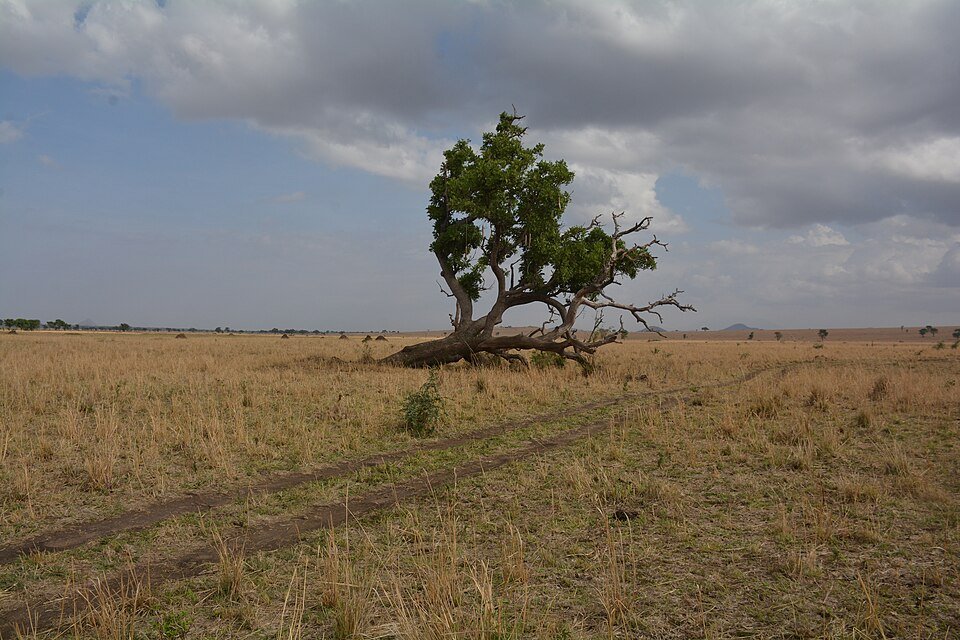
The rugged and picturesque landscape of Kidepo Valley
Kidepo Valley National Park is one of Uganda’s most distinctive protected areas, located in the remote northeastern part of the country within the Karamoja region. A Kidepo Valley Safari introduces travelers to a landscape that differs significantly from the lush forests, wetlands, lakes and greener savannah environments found elsewhere in Uganda. The park is characterized by broad valleys, open grasslands, rugged mountain scenery and seasonal watercourses that create a striking wilderness setting.
For travelers researching a Kidepo wildlife safari, understanding the geography, history, ecosystems and accessibility of the destination is essential before choosing an itinerary. Kidepo is not simply another stop on a Uganda safari circuit. Its remote position, distinctive landscapes and combination of wildlife and cultural experiences make the journey itself an important part of the overall experience.
The park covers approximately 1,442 square kilometers and is managed by the Uganda Wildlife Authority. Uganda Wildlife Authority describes Kidepo Valley National Park as Uganda’s most remote and least explored national park. The protected area extends across a varied landscape that includes savannah, woodland, mountain areas and broad valleys.
Where Is Kidepo Valley National Park?
Kidepo Valley National Park is situated in northeastern Uganda in the Karamoja region. The park lies close to Uganda’s international borders with South Sudan and Kenya, giving it a geographic position that is considerably different from Uganda’s more frequently visited southwestern safari destinations.
The location is one of the defining characteristics of a Kidepo Valley Safari. Reaching the park generally requires substantially more planning than visiting destinations located closer to Kampala or Entebbe. Travelers who choose the overland route can experience a gradual transition from the more densely settled and greener areas of central Uganda toward the drier landscapes of northeastern Uganda.
For visitors researching Kidepo from Kampala, the distance is an important consideration when planning the number of days required for the safari. Uganda Wildlife Authority gives the park’s approximate distance from Kampala as about 700 kilometers, although the actual journey depends on the route, road conditions and transportation method.
Size of Kidepo Valley National Park
Kidepo Valley National Park covers approximately 1,442 square kilometers. This large protected area provides extensive habitat for wildlife and creates the sense of spaciousness that defines many safari experiences in the park.
The size of the park is particularly important when considering wildlife viewing. Animals are not confined to small viewing areas, and their movements are influenced by water availability, vegetation, weather and seasonal conditions. Consequently, wildlife encounters can vary from one visit to another.
The park’s size also contributes to the feeling of wilderness. Instead of an environment dominated by infrastructure, visitors encounter large natural landscapes where mountains, grasslands and valleys form much of the visual experience.
Kidepo Valley National Park Altitude and Landscape
Kidepo has considerable variation in elevation. Uganda Wildlife Authority gives the park an elevation range of approximately 914 metres to 2,750 metres above sea level. This variation contributes to differences in vegetation, climate and scenery across the protected area.
The landscape includes expansive valleys and rugged mountainous areas. The Narus Valley and Kidepo Valley are particularly important geographical features of the park and are associated with different wildlife-viewing environments.
The contrast between open plains and surrounding mountains gives Kidepo its distinctive visual character. During a game drive, visitors can encounter wide grassland views with mountain ranges forming a dramatic background. This combination makes the park particularly attractive to travelers interested in both wildlife and landscape photography.
The Narus Valley
The Narus Valley is one of the most important areas for wildlife viewing within Kidepo Valley National Park. Its ecological importance is closely associated with the availability of water and the surrounding habitats.
During periods when water becomes less widely available, wildlife may concentrate around areas that retain water for longer. This can make the Narus Valley an important location for game drives, although animal movements are naturally variable and sightings can never be guaranteed.
The valley also provides an opportunity to observe the relationship between landscape and wildlife. Rather than viewing animals independently from their surroundings, visitors can appreciate how water, vegetation, terrain and seasonal conditions influence where different species occur.
The Kidepo Valley
The Kidepo Valley gives the national park its name and forms another important part of the park’s landscape. Compared with the more wildlife-focused Narus Valley, parts of the Kidepo Valley are particularly notable for their expansive scenery and sense of remoteness.
The Kidepo River is seasonal, meaning that its appearance changes according to rainfall and environmental conditions. In drier periods, sections of the river system may present as broad sandy or dry riverbeds rather than flowing channels.
The valley provides a striking setting for a Uganda safari planning itinerary because the experience is not limited to wildlife sightings. The scenery, mountains, seasonal river systems and surrounding wilderness contribute substantially to the character of the destination.
Mount Morungole and the Mountain Landscape
Mount Morungole is an important geographical feature associated with the wider Kidepo landscape. The mountainous environment provides a dramatic contrast to the broad savannah plains and contributes to the visual diversity of northeastern Uganda.
The mountains also have cultural significance because communities living around the wider region have developed livelihoods and traditions closely connected with the surrounding environment.
For travelers combining wildlife viewing with cultural experiences, the mountain landscape provides important context for understanding the relationship between the protected area and the communities living around it.
History of Kidepo Valley National Park
The history of Kidepo Valley National Park extends back to the establishment of the Kidepo Game Reserve in 1958. The area was subsequently gazetted as a national park in 1962.
The development of the protected area was influenced by the need to conserve wildlife habitats and protect animals from uncontrolled hunting and other pressures. Over time, Kidepo developed into one of Uganda’s most important protected landscapes.
The park’s history is important when understanding modern conservation in northern Uganda. Today, wildlife conservation exists alongside the social and economic realities of communities living around the protected landscape.
Kidepo and the Karamoja Region
Kidepo Valley National Park cannot be fully understood without considering its relationship with the Karamoja region. Karamoja has distinctive cultural traditions, landscapes and livelihoods that differ from many other parts of Uganda.
The region is strongly associated with pastoralist traditions, and cattle have historically played an important role in local livelihoods. Cultural experiences connected with communities around Kidepo can therefore add an important human dimension to a wildlife-focused safari.
Responsible cultural tourism should prioritize respect, informed participation and appropriate community engagement. Visitors should avoid treating local people as attractions and instead approach cultural experiences as opportunities for respectful learning and exchange.
Wildlife Habitat in Kidepo Valley National Park
Kidepo contains several habitat types that support a diverse range of wildlife. These include open savannah, grassland, woodland, valleys and mountainous environments.
Different wildlife species use these habitats in different ways. Grazing animals may favor open grasslands, while other species depend on woodland, rocky areas or vegetation surrounding water sources.
The diversity of habitats helps explain why a Kidepo wildlife experience can include a wide variety of animals and birds within the same protected area. However, the presence of a species in the park does not mean that every visitor will see it during a particular game drive.
Wildlife Diversity
Uganda Wildlife Authority currently reports more than 77 mammal species and 476 bird species in Kidepo Valley National Park. These figures demonstrate that the park is important not only for traditional big-game safari experiences but also for bird watching and broader wildlife observation.
Among the wildlife associated with Kidepo are lions, elephants, buffaloes, giraffes, zebras, several antelope species and other savannah-adapted animals. The park is also known for species that are less commonly associated with Uganda’s other major safari destinations.
Wildlife viewing remains unpredictable because animals move freely through their habitats. A responsible safari should therefore focus on observing natural behavior rather than guaranteeing particular sightings.
Kidepo’s Birdlife
Bird watching is another important component of the park’s biodiversity. The combination of savannah, woodland, seasonal waterways and mountainous environments provides habitat for numerous bird species.
Birders can therefore incorporate dedicated bird watching into a broader safari itinerary. Visitors interested in birds should communicate their interests to their safari guide before entering the park so that available time can be used effectively.
Species associated with Kidepo include ostriches and a range of dry-country birds and raptors. Exact species lists should be checked against current authoritative wildlife information before publication because bird records and taxonomic classifications can change.
Conservation Importance of Kidepo
Kidepo Valley National Park plays an important role in protecting wildlife and habitats in northeastern Uganda. Its large protected landscape provides space for wildlife populations while also forming part of the broader conservation landscape of the region.
Conservation in Kidepo extends beyond protecting animals inside the park. Effective long-term conservation also depends on relationships between protected-area authorities and surrounding communities.
Recent conservation developments demonstrate that Kidepo remains an active conservation landscape. In 2026, Uganda Wildlife Authority announced the beginning of a Southern White Rhino reintroduction initiative involving Kidepo Valley National Park. Such developments make it important for a Kidepo Valley Safari guide to be updated regularly rather than relying entirely on older tourism information.
Why the Remote Location Matters
Kidepo’s remoteness affects nearly every part of the safari experience. It influences transportation, journey duration, accommodation planning and the overall character of the visit.
The long distance from Uganda’s main urban centers means that travelers need to allocate sufficient time to reach the destination. Those traveling by road should consider the journey as part of the safari rather than simply as a transfer between two points.
Travelers with limited time may consider flying, while those who want a broader overland experience may choose to drive. The appropriate option depends on the available time, budget and preferred style of travel.
Kidepo as a Wilderness Destination
The combination of large open landscapes, mountain scenery, wildlife habitats and geographic isolation gives Kidepo a distinctive wilderness character. It is particularly suited to travelers who want to explore a less conventional safari destination within Uganda.
Unlike a destination where the primary attraction is concentrated around one landmark, Kidepo offers an integrated experience involving wildlife, scenery, conservation and culture.
This is why understanding the park before visiting is valuable. A successful Kidepo Valley Safari is not only about counting animals. It is about understanding the landscape in which those animals live and appreciating the ecological and cultural context of northeastern Uganda.
Kidepo and the Broader Uganda Safari Circuit
Kidepo can be incorporated into longer Uganda itineraries that include other wildlife destinations. Travelers may combine it with destinations such as Murchison Falls National Park, Queen Elizabeth National Park, Lake Mburo National Park or Bwindi Impenetrable National Park, depending on the duration and purpose of the journey.
However, combining several distant destinations requires careful route planning. Kidepo’s location means that adding it to an itinerary can substantially increase travel time compared with focusing on Uganda’s western safari circuit.
Travelers interested in combining wildlife viewing with primate experiences can also design a broader itinerary that includes gorilla trekking or chimpanzee tracking. The most appropriate combination depends on available days, transportation arrangements and the traveler’s priorities.
Why Understanding Kidepo Matters Before Booking
A detailed understanding of Kidepo Valley National Park helps travelers choose the right safari duration, transportation method, accommodation category and activities.
The destination is particularly suitable for visitors who value remote wilderness, diverse wildlife habitats, expansive landscapes and cultural experiences. It can also appeal to photographers and birders who want to explore a distinctive ecological environment.
At the same time, Kidepo requires realistic expectations. Its remoteness means that transportation takes planning, wildlife sightings remain naturally unpredictable and seasonal conditions can influence the experience.
For travelers comparing different Uganda safari destinations, Big Five information can also help place Kidepo within the broader context of Uganda’s wildlife experiences. Kidepo is associated with four of the traditionally defined Big Five—lion, leopard, elephant and buffalo—while rhino conservation and reintroduction is now an important developing story for the park.
What Makes Kidepo Different?
The defining characteristic of Kidepo Valley National Park is the combination of remoteness, landscape and wildlife diversity. The park offers a distinctly northeastern Ugandan environment that differs from the rainforest landscapes of Bwindi and Kibale and from the lake-and-savannah environments found elsewhere in the country.
The destination also provides an opportunity to connect wildlife tourism with the cultural landscape of Karamoja. This makes a carefully planned Kidepo Valley Safari more than a sequence of game drives.
For travelers prepared to make the journey, Kidepo offers an opportunity to experience one of Uganda’s most geographically distinctive protected areas while gaining a deeper understanding of the country’s northern wilderness and conservation landscape.
Why Choose a Kidepo Valley Safari?

Experience Africa as it used to be, far from the crowds
A Kidepo Valley Safari offers a distinctly different Uganda wildlife experience because of the park’s remote location, expansive landscapes, diverse wildlife and connection with the wider Karamoja region. Unlike safari destinations that can be incorporated easily into shorter circuits from Kampala, Kidepo requires more deliberate planning. That additional effort is part of what makes the destination attractive to travelers looking for a more remote wilderness experience.
Kidepo Valley National Park lies in northeastern Uganda and covers approximately 1,442 square kilometres. Its landscape combines broad savannah plains, valleys, seasonal watercourses and rugged mountains. The result is a setting where wildlife viewing is closely connected to the character of the surrounding landscape.
For travelers comparing different Uganda safari experiences, Kidepo stands out because it combines traditional game viewing with scenery and cultural experiences that are strongly associated with northeastern Uganda.
A Remote Ugandan Wilderness
One of the strongest reasons to choose a Kidepo Valley Safari is the park’s geographical remoteness. Kidepo is located far from Uganda’s major urban centres and established tourism hubs. This means reaching the park requires more time and planning than visiting several of the country’s other national parks.
The remote setting contributes to the character of the safari. Instead of viewing Kidepo simply as another stop on a short itinerary, travelers can approach it as a dedicated wilderness destination. The journey also provides an opportunity to observe how Uganda’s landscapes change as you travel toward the northeastern part of the country.
Travelers considering Kidepo from Kampala should allow sufficient time for transportation. Road travel involves a long overland journey, while air travel can substantially reduce the time spent in transit. The appropriate choice depends on the itinerary, available time and preferred travel style.
Expansive Savannah Landscapes
Kidepo is particularly attractive to travelers who want to experience wide-open African landscapes. The park contains extensive savannah areas framed by mountain ranges, creating scenery that is visually different from Uganda’s rainforest destinations.
The landscape changes considerably across the park. Open grasslands provide grazing habitat for herbivores, while woodland and more rugged areas provide different ecological niches. Seasonal watercourses also influence the appearance and ecological character of the valleys.
For photographers, the combination of wildlife, mountains, open plains and changing light creates opportunities to photograph animals within their natural surroundings rather than focusing exclusively on close-up portraits.
A Different Wildlife Experience
Kidepo supports a substantial diversity of wildlife. Uganda Wildlife Authority currently reports more than 77 mammal species in the park, while its current park information lists 476 bird species.
The wildlife experience can include species such as lions, elephants, buffaloes, giraffes, zebras and several antelope species. Leopards and other predators are also associated with the park, although sightings of elusive animals are never guaranteed.
This makes Kidepo particularly appealing to travelers who want a safari based on exploration rather than a predetermined list of animal sightings. Every game drive can develop differently depending on weather, vegetation, water availability, animal movements and the route taken.
Exceptional Game-Viewing Landscapes
The Narus Valley is an important area for wildlife viewing in Kidepo. Water availability and surrounding habitats can influence where animals are found, particularly during drier periods.
The Kidepo Valley provides a different experience, with expansive scenery and seasonal river landscapes. The contrast between the two areas gives visitors opportunities to experience different sides of the park during a single safari.
A well-planned Kidepo wilderness experience therefore combines game viewing with appreciation of the wider landscape rather than treating wildlife sightings as the only objective.
Unique Wildlife of Northeastern Uganda
Kidepo is valuable because its location contributes to a wildlife community that differs from what visitors may encounter in other parts of Uganda. The park’s northeastern position creates a distinctive ecological setting influenced by the surrounding savannah and semi-arid environment.
The park is also notable for species that are less frequently associated with Uganda’s more heavily visited safari destinations. This increases its appeal for experienced safari travelers who want to explore beyond the country’s most established wildlife circuits.
Current conservation developments add another dimension to Kidepo’s wildlife story. Uganda Wildlife Authority announced in 2026 that Southern White Rhinos were being reintroduced into Kidepo Valley National Park as part of a conservation initiative. This is an important development that should be treated as an ongoing conservation story rather than as a guarantee of rhino sightings.
A Strong Destination for Bird Watching
Kidepo is not only a destination for big-game viewing. Its varied habitats also support substantial bird diversity. Uganda Wildlife Authority currently lists 476 bird species for the park.
Birders can encounter species associated with savannah, woodland, open country and other habitats. Ostriches are among the birds associated with Kidepo, while the broader bird community includes raptors and other species adapted to the region’s ecological conditions.
Visitors whose primary interest is birding should communicate this preference when planning their safari. A guide can then help structure game drives and observation periods around the traveler’s interests.
A Strong Cultural Dimension
A Kidepo Valley Safari can extend beyond wildlife through cultural experiences connected with communities in the Karamoja region. This creates an opportunity to understand the people, traditions and livelihoods associated with the wider landscape.
The Karamojong cultural experience is particularly relevant to visitors interested in learning about northeastern Uganda. Cultural tourism should, however, be approached respectfully, with community participation and appropriate arrangements rather than treating local communities simply as attractions.
Travelers interested in Uganda’s cultural heritage can also explore Uganda cultural sites as part of a wider itinerary. This can provide useful context before or after visiting the Karamoja region.
Outstanding Opportunities for Landscape Photography
Kidepo’s scenery is one of its strongest photographic features. The combination of open savannah, rugged mountains, wildlife and changing seasonal conditions creates a broad range of subjects.
Wildlife photographers can concentrate on animals, while landscape photographers can use the mountains and valleys as major elements of their compositions. Bird photographers can also benefit from the park’s substantial bird diversity.
Responsible photography remains important. Wildlife should be photographed without disturbing natural behaviour, while cultural photography should respect the wishes and privacy of local people.
The Journey Is Part of the Experience
For visitors traveling by road, the journey to Kidepo is not merely a transfer. The landscape changes progressively as the route moves north and east, offering views of different environments and communities along the way.
The journey can therefore form part of the safari experience, particularly for travelers who have enough time to travel at a relaxed pace. Those with shorter schedules may prefer flying and using the additional time for wildlife viewing inside the park.
Choosing the right transportation method is therefore an important part of designing a Kidepo itinerary rather than an afterthought.
A Destination for Travelers Seeking Fewer Conventional Experiences
Kidepo appeals strongly to travelers who want to explore beyond the most familiar Uganda safari routes. Its remote setting, distinctive scenery and northeastern location provide a different perspective on the country’s wildlife tourism.
It is especially suitable for travelers who value wilderness landscapes, wildlife diversity, photography, birding and cultural discovery. It can also be incorporated into longer Uganda itineraries when sufficient time is available.
Kidepo Compared With Uganda’s Other Safari Destinations
Kidepo should not necessarily be viewed as a replacement for every other Ugandan national park. Instead, its value comes from the particular combination of characteristics it offers.
Murchison Falls National Park provides a different experience centred around the Nile and its associated wildlife habitats. Queen Elizabeth National Park combines savannah, lakes, wetlands and the Kazinga Channel. Bwindi is primarily associated with mountain gorilla trekking and rainforest biodiversity. Kidepo, by contrast, is defined by its remote northeastern setting, expansive savannah landscapes and distinctive wildlife environment.
This makes destination selection largely dependent on what the traveler wants from the safari. Someone focused on gorilla trekking will need a different itinerary from someone whose priority is exploring remote savannah wilderness.
Suitable for Longer Uganda Safari Itineraries
Kidepo works particularly well when travelers have enough time to explore Uganda beyond one region. It can form part of a broader wildlife circuit or be the principal destination of a dedicated northern Uganda safari.
Longer itineraries can potentially combine Kidepo with other national parks, but route planning is essential because of the distances involved. Travelers should avoid creating an itinerary that spends most of its time moving between destinations with too little time available for actual activities.
Why Kidepo Is Worth the Extra Planning
The strongest case for choosing a Kidepo Valley Safari is the combination of factors rather than one individual attraction. The park offers remote wilderness, expansive scenery, diverse wildlife, substantial birdlife and access to the cultural landscape of Karamoja.
Its distance from Uganda’s main tourism centres means that visiting requires more preparation. However, for travelers whose priority is experiencing a distinctive and less conventional Ugandan wilderness destination, that remoteness can be one of the principal reasons to choose Kidepo.
The park is therefore best approached with realistic expectations: wildlife encounters are naturally unpredictable, road conditions can affect travel, and the experience depends heavily on season, itinerary and transportation. Those factors do not diminish the destination; they are part of understanding what a Kidepo Valley Safari actually involves.
For travelers researching broader wildlife options, Big Five information provides useful context for comparing Kidepo with other Ugandan wildlife destinations. Kidepo is associated with lion, leopard, elephant and buffalo, while the 2026 rhino reintroduction adds an important new chapter to the park’s conservation story.
The Overall Kidepo Valley Safari Experience
Kidepo Valley National Park offers a combination of wilderness, wildlife, scenery and culture that makes it one of Uganda’s most distinctive safari destinations. Its remote position means the safari requires more planning than many shorter Uganda circuits, but the destination rewards travelers who have the time to explore it properly.
Rather than choosing Kidepo solely because of a particular animal or attraction, travelers should consider the complete experience: the journey into northeastern Uganda, the open savannah landscapes, the valleys and mountains, wildlife viewing, bird watching and opportunities to learn about the communities surrounding the protected area.
That combination is what makes a Kidepo Valley Safari particularly compelling for travelers seeking a deeper and more geographically distinctive Uganda safari experience.
Kidepo Valley Safari Wildlife

Abundant wildlife roaming the open grasslands
The wildlife of Kidepo Valley National Park is one of the principal reasons travelers choose a Kidepo Valley Safari. The park’s remote location, broad savannahs, valleys, woodland and mountainous terrain provide habitat for a diverse collection of mammals and birds. Uganda Wildlife Authority currently reports more than 77 mammal species and 476 bird species in the park, making wildlife viewing an important part of the overall Kidepo experience.
Unlike a wildlife destination where visitors can expect to find animals concentrated around a single permanent water source, Kidepo presents a more dynamic environment. Wildlife distribution changes according to rainfall, vegetation, water availability and seasonal conditions. Consequently, every Kidepo safari journey can produce different wildlife encounters.
Lions in Kidepo Valley National Park
Lions are among the most sought-after predators on a Kidepo Valley Safari. The park’s open savannah and woodland habitats provide suitable environments for these large cats, while the presence of numerous herbivores provides an important prey base.
Lions can be encountered during game drives, particularly in areas where prey species occur. However, wildlife is free to move throughout its habitat, so sightings cannot be guaranteed. A good safari guide will normally concentrate on habitat, recent animal activity and information from other wildlife observers when deciding where to search.
The opportunity to observe lions in a broad natural landscape is an important part of the Kidepo experience. Rather than viewing a predator independently from its surroundings, visitors can observe how the animal fits into the wider savannah ecosystem.
Leopards in Kidepo
Leopards are also associated with Kidepo Valley National Park, although they are considerably more elusive than some of the larger and more conspicuous wildlife species. Their secretive behavior and preference for cover can make them difficult to locate.
Visitors interested in seeing leopards should maintain realistic expectations. A safari guide may look for signs of recent activity, suitable habitat and areas where prey species are present, but a leopard encounter remains a matter of chance.
The possibility of seeing elusive predators adds another dimension to the park’s wildlife experience. For photographers and experienced safari travelers, even the search itself can become an important part of the game drive.
Elephants in Kidepo Valley National Park
Elephants are among the major mammals associated with Kidepo Valley National Park. Their presence contributes significantly to the character of the park because elephant herds can be observed moving through savannah and woodland habitats.
Elephants may be encountered near areas with suitable food and water, although their movements vary according to environmental conditions. During a game drive, visitors may see individual elephants, small groups or larger family groups depending on the circumstances.
Observing elephants from a safari vehicle also provides an opportunity to appreciate their relationship with the landscape. Their movements, feeding behavior and interactions with other members of the herd can be more informative than simply photographing the animals.
Buffaloes in Kidepo
African buffaloes are another important large mammal found in Kidepo. Their presence contributes to the park’s predator-prey dynamics and provides visitors with opportunities to observe one of Africa’s best-known large herbivores.
Buffaloes can occur in different habitats depending on seasonal conditions. Their behavior can also vary according to group size, location and environmental circumstances.
For travelers interested in the traditional African safari concept, observing buffalo alongside elephants, lions and leopards is one of the attractions of a Kidepo wildlife safari.
Giraffes in Kidepo Valley National Park
Giraffes are among the distinctive herbivores associated with Kidepo. Their height allows them to browse vegetation that is inaccessible to many shorter herbivores, making them an important component of the savannah ecosystem.
The sight of giraffes moving across open grassland with mountains in the background is also one of the memorable landscape experiences available during a Kidepo Valley Safari.
Giraffe sightings can vary according to location and season. Visitors should therefore allow enough time for game drives rather than expecting to find them immediately after entering the park.
Zebras in Kidepo
Zebras are another familiar savannah species that visitors may encounter in Kidepo. Their distinctive appearance makes them particularly appealing to wildlife photographers, especially when groups are photographed against the park’s open landscapes.
Zebras are herbivores whose distribution can be influenced by vegetation and water availability. Their presence can also contribute to predator activity because large concentrations of grazing animals form part of the wider food web.
A game drive focused on zebras should therefore not be viewed only as an opportunity to photograph one species. The surrounding herbivores, predators, birds and landscape can provide equally important observations.
Antelopes and Other Herbivores
Kidepo supports several antelope species, adding considerable variety to wildlife viewing. Antelopes occupy different ecological niches and can be found across grassland, woodland and other habitats.
Depending on the area and season, travelers may encounter species such as waterbuck, reedbuck, hartebeest and other antelope species. Exact species records should always be checked against current wildlife authority information because species distributions and published lists can change.
These herbivores are ecologically important because they form part of the food chain supporting predators such as lions and leopards. Their abundance and distribution can also influence where predators are found during particular periods.
Ostriches in Kidepo
Ostriches are among the most distinctive birds associated with Kidepo Valley National Park. Their large size and preference for open environments make them particularly noticeable during game drives across suitable savannah habitats.
For visitors who have never seen an ostrich in the wild, an encounter can be one of the memorable highlights of a Kidepo Valley Safari. The open landscape also makes it possible to appreciate the bird within its natural environment rather than simply viewing it as an isolated species.
Birdlife in Kidepo Valley National Park
Bird watching is an important part of Kidepo’s wildlife experience. Uganda Wildlife Authority currently lists 476 bird species for the park, demonstrating the importance of its different habitats for avian diversity.
The park is particularly interesting for visitors who want to explore birdlife associated with savannah and dry-country environments. Raptors, ground birds, woodland species and other birds can form part of a dedicated birding experience.
Travelers who want to combine wildlife viewing with birding should inform their guide before the safari begins. This allows the itinerary and game drives to take account of the visitor’s interests rather than focusing exclusively on large mammals.
Raptors and Birds of Prey
Kidepo’s open landscapes provide suitable environments for various birds of prey. Raptors are an important component of the ecosystem because they occupy higher levels of the food chain and interact with smaller mammals, reptiles and other prey.
Birders should carry suitable binoculars and allow time to observe birds perched in trees, flying over open plains or moving between habitats. Identification should be based on reliable field guides or experienced birding guides rather than assumptions from appearance alone.
Cheetahs and Other Predators
Cheetahs are associated with the wildlife of Kidepo Valley National Park and are among the predators that can make the destination particularly attractive to experienced safari travelers.
Because cheetahs are naturally elusive and their distribution can change, visitors should not regard a sighting as guaranteed. The best approach is to spend sufficient time exploring appropriate habitats while allowing the guide to respond to recent wildlife observations.
Other carnivores and smaller predators also contribute to the ecological diversity of Kidepo. A safari that looks beyond the most famous species can reveal a much richer wildlife community.
Smaller Mammals and Less Frequently Seen Wildlife
Kidepo’s wildlife diversity extends beyond elephants, lions, buffaloes and giraffes. Smaller mammals and less conspicuous species contribute to the functioning of the park’s ecosystems even when they receive less attention from visitors.
These animals can include smaller carnivores, antelopes and other species adapted to the park’s savannah and woodland environments. Some are nocturnal or particularly secretive, making them more difficult to observe during conventional daytime game drives.
Visitors who are genuinely interested in biodiversity should therefore avoid measuring the success of a safari only by the number of large mammals seen.
African Wild Dog and Recent Wildlife Records
African wild dogs are an especially interesting part of Kidepo’s recent wildlife story. Uganda Wildlife Authority’s 2026 State of Wildlife Resources report records a confirmed 2023 sighting of African painted dogs in Kidepo after more than four decades without a confirmed record in Uganda.
This is an important conservation and wildlife-record development, but it should not be presented to travelers as an animal they are likely to see on an ordinary game drive. The species is rare and sightings are exceptional.
Current wildlife information should always be checked before publishing definitive statements about the status or frequency of rare species in Kidepo.
The Southern White Rhino Reintroduction
Kidepo’s wildlife story is also developing through conservation initiatives. In March 2026, Uganda Wildlife Authority announced the beginning of a Southern White Rhino reintroduction programme in Kidepo Valley National Park, with eight rhinos planned for translocation.
This development is significant because it introduces a new chapter in the conservation history of the park. However, the presence of a reintroduction programme should not be confused with established wild populations or guaranteed visitor sightings.
For future versions of this Kidepo Valley Safari guide, rhino information should be updated regularly because the population and conservation programme are expected to develop over time.
Wildlife Viewing in the Narus Valley
The Narus Valley is one of the most important areas for wildlife viewing within Kidepo. Water availability and the surrounding habitats can influence animal concentrations, particularly during drier conditions.
Game drives through the valley can provide opportunities to observe large herbivores and predators while also taking in the surrounding mountains and savannah. The scenery itself is an important part of the experience.
Travelers should avoid assuming that every game drive will produce identical results. Seasonal changes and animal movements mean that guides must adapt their routes and expectations.
Wildlife Viewing in the Kidepo Valley
The Kidepo Valley offers a contrasting environment characterized by expansive scenery and seasonal river landscapes. Its broad open spaces contribute strongly to the feeling of remoteness that defines the park.
Game drives in this part of the park can be particularly rewarding for travelers who value landscapes as much as individual wildlife encounters. The combination of open plains, mountains and wildlife creates opportunities for wide-angle photography and environmental wildlife images.
Visitors seeking information about Kidepo wildlife experiences should understand that different valleys and habitats can produce different observations during the same safari.
How Seasonal Conditions Affect Kidepo Wildlife
Seasonal changes influence vegetation, water availability and wildlife distribution. During drier periods, water becomes an increasingly important factor in determining where animals spend time.
During wetter periods, vegetation can become more abundant and wildlife may be distributed across a wider area. This can influence how easy it is to locate particular species during a game drive.
These seasonal differences mean that there is no single wildlife-viewing formula that applies throughout the year. The same route can produce very different experiences at different times.
Wildlife Viewing Without Guarantees
A responsible Kidepo Valley Safari should never promise specific animal sightings. Wild animals move according to their own ecological needs and are not placed in predetermined viewing locations.
Instead, safari operators should explain the probability of different encounters honestly and allow guides to make informed decisions based on current conditions.
This approach creates more realistic expectations and encourages visitors to appreciate the full ecosystem rather than becoming disappointed when a particular animal is not seen.
Why the Landscape Matters to Wildlife
The wildlife of Kidepo cannot be separated from the landscape. Valleys provide different conditions from mountains, while grasslands support different species from woodland habitats.
Water availability is another major ecological factor. Seasonal rivers and water sources influence where herbivores feed and drink, which in turn can affect predator movements.
Understanding these relationships makes game drives more meaningful because visitors begin to see wildlife as part of an interconnected ecosystem rather than as isolated attractions.
Wildlife Photography in Kidepo
Kidepo is particularly well suited to environmental wildlife photography because animals can often be photographed within expansive landscapes. Mountains, open plains, trees and seasonal riverbeds can all become elements of an image.
Photographers should prioritize ethical wildlife observation and avoid actions that disturb animals. A good guide can help position the vehicle responsibly while maintaining appropriate distances and respecting park regulations.
For travelers interested in combining Kidepo with broader wildlife experiences, Big Five information can help explain how Kidepo fits within Uganda’s wider safari landscape.
Why Kidepo Wildlife Is Different
The appeal of Kidepo wildlife comes from the combination of species diversity and the environment in which those species are observed. Elephants, lions, giraffes, buffaloes, zebras, antelopes and birds are not simply viewed against a generic safari backdrop. They are encountered within a distinctive northeastern Ugandan landscape of valleys, mountains and open savannah.
The park’s remoteness also contributes to its character. Reaching Kidepo requires more planning than many other Ugandan safari destinations, but travelers who make the journey gain access to a wildlife environment that feels geographically and ecologically distinct.
Ultimately, the strongest reason to explore Kidepo wildlife is not a promise of seeing a particular species. It is the opportunity to experience a functioning wilderness where wildlife, landscapes, seasonal conditions and conservation efforts come together in one of Uganda’s most distinctive national parks.
Kidepo Valley Safari Activities
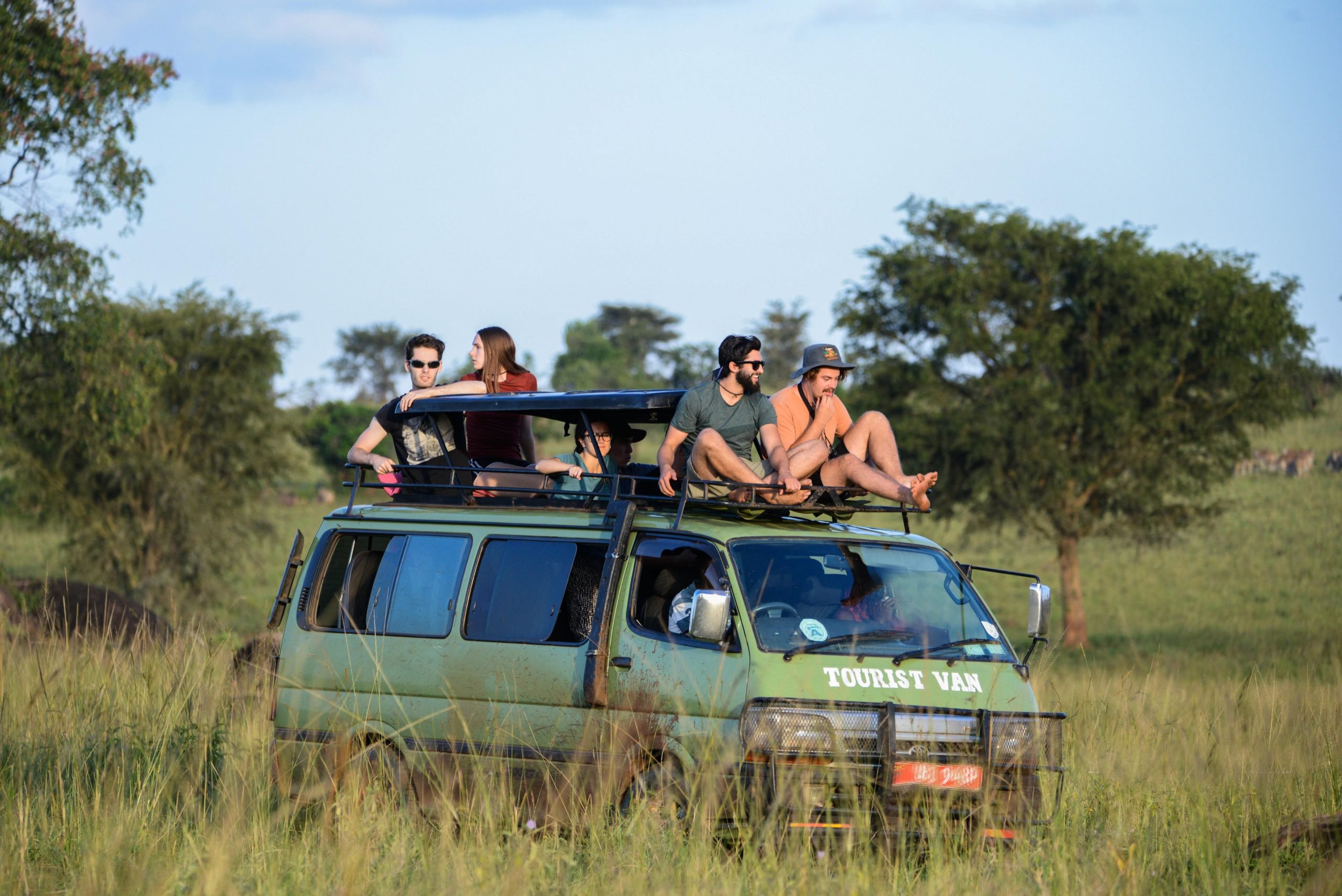
A wide array of adventures from game viewing to cultural walks
A Kidepo Valley Safari is not limited to conventional wildlife viewing. The park offers a combination of game drives, bird watching, nature-based experiences, cultural encounters and opportunities to appreciate the distinctive landscapes of northeastern Uganda. The activities selected should depend on the season, available time, interests of the traveler and the activities currently permitted by park authorities.
For visitors planning a broader Uganda safari experience, Kidepo can provide a strong contrast to rainforest trekking and the more established wildlife destinations of western Uganda. Its remote setting and open savannah landscapes make the activities here particularly focused on wilderness observation.
Game Drives in Kidepo Valley National Park
Game drives are the principal activity for many visitors to Kidepo Valley National Park. They provide opportunities to explore the park’s savannahs, valleys and woodland habitats while searching for wildlife in its natural environment.
A game drive can involve searching for elephants, buffaloes, giraffes, zebras, antelopes and predators such as lions and leopards. Sightings are naturally unpredictable, so the quality of the experience depends on patience, the skill of the guide, seasonal conditions and current animal movements.
The Narus Valley is particularly important for wildlife viewing, while drives through the wider Kidepo Valley provide opportunities to experience the park’s expansive scenery.
Morning Game Drives
Morning game drives allow visitors to explore the park during the cooler part of the day. Wildlife activity can vary according to weather and season, but early excursions provide an opportunity to observe animals before the heat of the day becomes more intense.
Morning drives can also be particularly rewarding for photographers because softer early light can illuminate the landscape and wildlife. The exact departure time should be confirmed with the safari operator or accommodation provider because schedules can vary.
Afternoon and Evening Game Drives
Afternoon drives provide another opportunity to explore Kidepo after the hottest part of the day. Wildlife activity can change as temperatures fall, and the changing light can create different photographic conditions from those experienced during morning drives.
Travelers should confirm which specific evening or late-day activities are currently authorized within the park rather than assuming that every type of game drive is available throughout the year.
Wildlife Viewing in the Narus Valley
The Narus Valley is one of the most important wildlife-viewing areas in Kidepo. Its ecological conditions can make it particularly valuable during periods when water availability influences animal movements.
Exploring the valley allows visitors to combine wildlife observation with views of the surrounding mountains and savannah. A single drive can therefore provide both close wildlife encounters and broad landscape perspectives.
Exploring the Kidepo Valley
The Kidepo Valley offers a contrasting experience characterized by broad landscapes and seasonal river systems. The valley contributes strongly to the sense of remoteness that makes the park distinctive.
Visitors interested in landscape photography may find this area particularly appealing because the open terrain provides opportunities to photograph wildlife within a much wider environmental setting.
Travelers researching Kidepo travel planning should consider the time required to explore different areas of the park when deciding how many days to spend at the destination.
Bird Watching
Bird watching is another important Kidepo Valley Safari activity. Uganda Wildlife Authority currently lists 476 bird species for Kidepo Valley National Park, making the park relevant to travelers interested in avian diversity as well as large mammals.
The park’s savannah, woodland, valley and mountainous habitats support different bird communities. Ostriches, raptors and numerous other bird species can form part of the birding experience.
Visitors with a serious interest in birding should tell their guide before the safari begins. This allows the available time to be used more effectively for observation and identification.
Wildlife Photography
Kidepo provides strong opportunities for wildlife and landscape photography because animals can be photographed against expansive savannahs, mountains and valleys. This creates a different photographic experience from forest destinations where vegetation can restrict visibility.
Photographers can concentrate on large mammals, birds, landscapes or combinations of these subjects. Early and late light can also produce changing visual conditions throughout the day.
Photography should always be conducted responsibly. Visitors should follow guide instructions, avoid disturbing animals and respect applicable park regulations.
Landscape Photography
The landscape itself is one of Kidepo’s major attractions. The combination of open plains, rugged mountains and seasonal valleys provides numerous opportunities for wide environmental photographs.
Unlike a wildlife photograph that focuses primarily on an animal, a landscape image can communicate the scale and character of the park. This makes Kidepo particularly suitable for travelers who want to document the wilderness setting as well as its wildlife.
Cultural Experiences in Karamoja
A Kidepo Valley Safari can include cultural experiences connected with communities around the park. These experiences provide an opportunity to learn about the traditions, livelihoods and history of the Karamoja region.
Cultural tourism should be approached respectfully. Visitors should use appropriate community-led experiences, ask permission before photographing people and avoid treating cultural traditions as staged entertainment.
The cultural dimension can make a Kidepo trip more comprehensive because it connects the protected landscape with the people who live around it.
Karamojong Cultural Experiences
The Karamojong people are an important part of the cultural landscape surrounding Kidepo. Travelers may have opportunities to learn about traditional livelihoods, cattle keeping, local crafts, music, dance and community life depending on the experience arranged.
The details of cultural visits vary, so travelers should confirm the specific activity, community arrangements and current availability before booking.
Nature-Based Experiences
Nature-based activities can provide an alternative perspective on Kidepo beyond vehicle-based wildlife viewing. Depending on current park regulations and arrangements, visitors may be able to participate in guided experiences that focus on the environment, vegetation, smaller wildlife and interpretation of the landscape.
Because permitted activities can change, visitors should verify the current rules with Uganda Wildlife Authority or their safari operator before relying on a particular activity when planning an itinerary.
Scenic Viewing
Kidepo’s mountains, valleys and open savannah create opportunities simply to appreciate the scenery. Scenic stops can be incorporated into a wider safari where permitted and appropriate.
This is especially valuable for travelers who enjoy photography or who want a slower experience between wildlife-viewing activities. The landscape provides a strong sense of place and helps explain why Kidepo is considered one of Uganda’s distinctive wilderness destinations.
Wildlife Tracking and Interpretation
Game drives can become more informative when guides explain tracks, animal behavior, vegetation and signs of wildlife activity. Rather than simply searching for visible animals, visitors can learn how guides interpret the environment.
Tracks, dung, feeding marks, calls and other signs can help explain what animals have recently been doing in an area. The interpretation should always be provided by trained guides and should never involve visitors approaching wildlife independently.
Birding Combined With Game Drives
Visitors do not necessarily have to choose between traditional game viewing and bird watching. The two interests can often be incorporated into the same safari when sufficient time is available.
A game drive through the savannah can produce opportunities to observe large mammals while also identifying birds along the route. Travelers with specialist birding interests should allocate additional time because identifying and photographing birds can require longer observation periods.
Combining Kidepo With Other Uganda Safari Activities
Kidepo can form part of a longer Uganda itinerary that combines wildlife viewing with other experiences. Depending on the route and available time, travelers may combine Kidepo with destinations such as Murchison Falls National Park, Queen Elizabeth National Park, Kibale National Park or Bwindi Impenetrable National Park.
Such combinations require careful planning because Kidepo is geographically distant from many of Uganda’s major tourism destinations. The itinerary should provide enough time for activities rather than spending most of the trip on transfers.
Travelers interested in exploring Uganda’s broader wildlife opportunities can also read about visiting Uganda in 2026 when developing a multi-destination itinerary.
Combining Kidepo With Gorilla Trekking
Kidepo can also be incorporated into a longer Uganda itinerary that includes gorilla trekking, although the two experiences take place in very different environments. Kidepo is characterized by savannah and mountain landscapes in northeastern Uganda, while gorilla trekking takes place in the forested mountains of southwestern Uganda.
A combined itinerary therefore requires substantial attention to transportation and the number of available days. Travelers should avoid creating an overly compressed schedule that leaves insufficient time for either experience.
Combining Kidepo With Chimpanzee Tracking
Chimpanzee tracking can also be added to a longer Uganda itinerary, particularly when travelers want to experience both savannah wildlife and forest primates.
Kibale National Park is one of Uganda’s major chimpanzee destinations. Combining it with Kidepo creates a substantial geographic journey, so transportation arrangements and realistic travel times should be considered before confirming the itinerary.
Choosing the Right Kidepo Safari Activities
The best combination of activities depends on the purpose of the trip. A first-time wildlife visitor may prioritize game drives, while a birder may want more time for bird observation. Photographers may prefer longer drives and flexible schedules, while culturally interested travelers may allocate additional time to community experiences.
The number of available days is equally important. A short Kidepo visit should focus on the highest-priority activities, while a longer stay can provide greater flexibility to explore different habitats and experiences.
How Long Should You Spend on Kidepo Activities?
There is no single duration that suits every traveler. The appropriate length depends on transportation, the activities selected and whether Kidepo is part of a larger Uganda itinerary.
Travelers arriving by road need to account for the considerable journey to and from the park. Those arriving by air can dedicate a larger proportion of their available time to activities inside the protected area.
A longer stay also provides more opportunities to experience changing wildlife conditions rather than relying on a single game drive.
Responsible Participation in Kidepo Activities
Responsible tourism should be part of every Kidepo activity. Wildlife should be observed without disturbance, visitors should follow guide and ranger instructions, and cultural experiences should respect local communities.
Travelers should also avoid leaving waste behind and should follow all applicable protected-area rules. These simple practices help protect the destination that makes the Kidepo Valley Safari possible.
Why Kidepo Activities Are Different
The activities available in Kidepo are connected by the character of the landscape. Game drives reveal wildlife, birding highlights avian diversity, photography captures the scenery, and cultural experiences connect visitors with the human landscape surrounding the park.
This combination means that a Kidepo Valley Safari does not have to be defined solely by the number of large animals seen. The experience can be broader, combining wildlife observation, landscape appreciation, ecological interpretation and cultural learning.
For travelers comparing wildlife experiences in Uganda, Uganda safari seasons can also help when deciding how seasonal conditions may influence the activities included in a Kidepo itinerary.
Planning a Balanced Kidepo Valley Safari
A well-designed Kidepo itinerary should balance wildlife viewing with time to appreciate the landscape and, where desired, cultural and birding experiences. The schedule should remain flexible enough to respond to wildlife movements and weather conditions.
The most effective approach is to decide the main purpose of the safari first and then build the activities around that priority. Travelers focused on wildlife can emphasize game drives, while photographers and birders may benefit from longer observation periods.
Ultimately, the strength of Kidepo lies in the variety of experiences that can be combined within one remote protected landscape. Game drives, bird watching, photography, scenic exploration and cultural experiences can work together to create a richer understanding of northeastern Uganda.
Important Note on Activity Availability
Specific activities, routes, access conditions and operating arrangements can change. Information not found in current search results should not be presented as a confirmed current activity. Travelers should verify activity availability, park rules, permits and operating conditions with Uganda Wildlife Authority or their safari operator before travel.
For wildlife context, Big Five information provides additional background on Kidepo’s large mammals, while current Uganda Wildlife Authority information should remain the primary reference for official park activities and regulations.
Game Drives in Kidepo Valley National Park
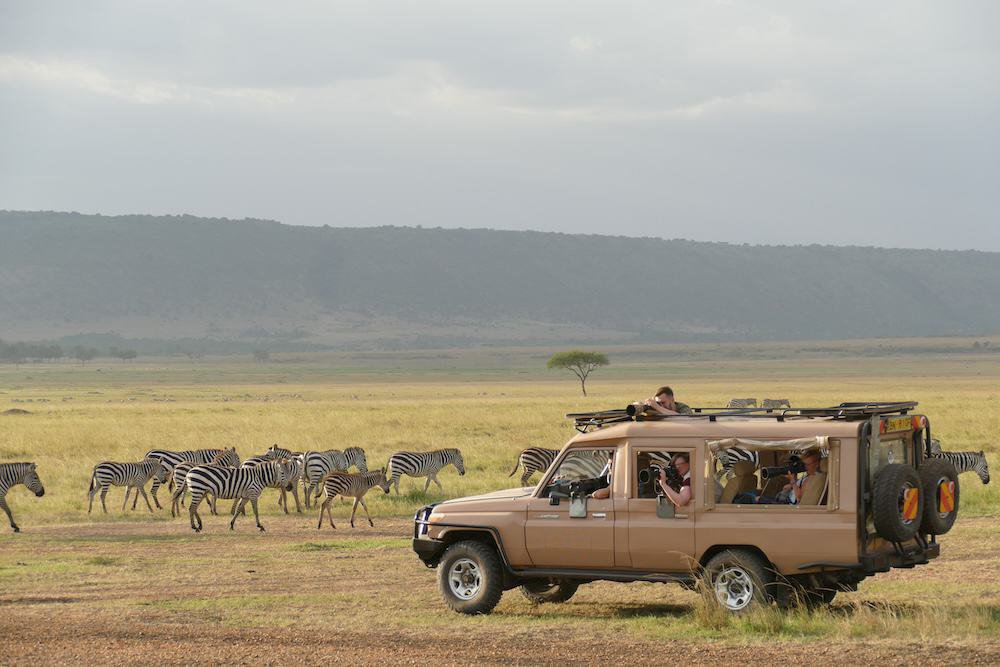
Morning game drive through golden savannah plains
Game drives are the central wildlife activity on a Kidepo Valley Safari and provide the main opportunity to explore the park’s extensive savannahs, valleys and woodland habitats. The experience is shaped by Kidepo’s remote setting, seasonal conditions and the natural movements of wildlife. Uganda Wildlife Authority identifies game drives as a key way of exploring the park, with the Narus Valley being particularly important for wildlife viewing.
A game drive in Kidepo is different from visiting a wildlife enclosure or a destination where animals are concentrated in predictable locations. Wildlife moves freely across the protected landscape, so each drive can produce different observations. Travelers may encounter elephants, buffaloes, giraffes, zebras, antelopes and predators such as lions or leopards, but sightings can never be guaranteed.
For visitors researching Kidepo travel, understanding how game drives work is important when deciding how many days to spend inside the park. A longer stay creates more opportunities to explore different areas and experience changing wildlife conditions.
What Is a Kidepo Valley Game Drive?
A Kidepo Valley game drive is a guided wildlife-viewing excursion conducted within the national park. Visitors travel through designated areas of the park in a safari vehicle while a guide interprets the landscape and searches for wildlife.
The guide does more than simply drive from one location to another. A knowledgeable guide can interpret animal tracks, vegetation, water sources and recent wildlife activity while explaining the ecological relationships between different species.
This makes the game drive an educational experience as well as a wildlife-viewing activity. Visitors can learn why animals use particular habitats and how seasonal changes influence their distribution.
Where Do Game Drives Take Place?
Game drives take place across suitable areas of Kidepo Valley National Park, with the Narus Valley being one of the principal wildlife-viewing areas. The Kidepo Valley also provides important opportunities to explore the park’s expansive landscapes.
The exact route taken during a game drive can vary according to current conditions, wildlife activity, weather and park regulations. Guides may adjust their routes when recent information indicates that particular areas are more productive for wildlife viewing.
Travelers planning Kidepo safaris should therefore avoid expecting a fixed route to produce the same experience every day.
Game Drives in the Narus Valley
The Narus Valley is one of the most significant areas for wildlife viewing in Kidepo Valley National Park. Its ecological conditions and availability of water can make it particularly valuable for wildlife during drier periods.
Large herbivores may use the valley for feeding and drinking, while predators can be attracted by the concentration of potential prey. This creates opportunities for visitors to observe relationships between different parts of the ecosystem.
The surrounding mountains also contribute to the experience, providing a dramatic backdrop to wildlife photography and scenic observation.
Game Drives in the Kidepo Valley
The Kidepo Valley provides a contrasting landscape characterized by broad open areas and seasonal river systems. Exploring this part of the park allows visitors to experience the scale and remoteness that are central to the identity of Kidepo.
Wildlife viewing here can be complemented by landscape photography because animals may appear within expansive surroundings rather than close to dense vegetation.
Travelers researching Kidepo landscapes should recognize that the scenery itself is an important part of the game-drive experience.
Morning Game Drives
Morning game drives are popular because temperatures are generally cooler than during the hottest part of the day. Early excursions also provide favorable conditions for observing the landscape as it changes with the morning light.
The exact wildlife activity encountered during a morning drive depends on the season, weather and location of the animals. Some species may be active in open areas, while others may remain in cover.
Early morning light can also be valuable for photography, particularly when animals are positioned against open plains or mountain scenery.
Afternoon Game Drives
Afternoon game drives provide another opportunity to explore Kidepo after the middle of the day. As temperatures change, animal activity can also change, creating different opportunities from those experienced during an early morning excursion.
The afternoon period can also provide attractive photographic conditions as the sun becomes lower and the landscape develops longer shadows.
Visitors should confirm the current daily game-drive schedule with their accommodation provider or safari operator because operating arrangements can vary.
Full-Day Game Drives
A full-day game drive can allow travelers to explore a wider area of the park than shorter excursions. This can be particularly useful for visitors with strong wildlife or photography interests.
Spending more time in the park also provides greater flexibility to stop for wildlife observation, photography and interpretation where permitted.
However, a full-day drive should be planned realistically. Travelers should consider meals, drinking water, weather conditions and the physical demands of spending many hours in a safari vehicle.
Wildlife You May See During Game Drives
Kidepo Valley National Park supports more than 77 mammal species according to current Uganda Wildlife Authority information. Large mammals associated with the park include elephants, buffaloes, giraffes, zebras and several antelope species.
Predators include lions and leopards, while cheetahs are also associated with the park. Less frequently encountered carnivores and smaller mammals contribute to the broader biodiversity of the protected area.
Birds are also an important part of the game-drive experience. Uganda Wildlife Authority currently lists 476 bird species in Kidepo, meaning that travelers should look beyond large mammals when exploring the park.
Lion Viewing During Kidepo Game Drives
Lions are among the most sought-after animals during Kidepo game drives. The park’s savannah habitats and populations of herbivores provide suitable ecological conditions for these predators.
The Narus Valley is particularly associated with lion viewing because water and prey availability can influence predator movements. Nevertheless, lions are wild animals and their location changes naturally.
A guide may search areas where recent activity has been observed, but visitors should never expect a guaranteed lion encounter on every drive.
Leopard Viewing
Leopards can be found in Kidepo but are generally more difficult to observe because of their secretive behavior and ability to use vegetation and other cover.
Searching for leopards can require patience. Guides may examine suitable habitat, recent tracks and areas where prey species are active.
The possibility of finding a leopard adds an element of unpredictability to Kidepo game drives. Even experienced safari travelers should regard a sighting as a fortunate wildlife encounter rather than an expected event.
Elephant Viewing
Elephants are among the major mammals that visitors may encounter during Kidepo game drives. Their large size makes them easier to notice than many smaller species, although their exact location changes with food and water availability.
Observing elephants from a safe position allows visitors to watch natural behaviors such as feeding, walking and interactions between members of a group.
Guides should always determine the appropriate vehicle position and distance from wildlife. Visitors should never attempt to approach elephants independently.
Buffalo Viewing
Buffaloes are another important component of Kidepo’s large-mammal community. They can occur in groups and contribute significantly to the food web that supports predators.
When buffaloes are encountered, guides can explain their behavior, habitat preferences and relationship with predators. Observing the animals within the wider landscape provides a better understanding of their ecological role.
Giraffe and Zebra Viewing
Giraffes and zebras can provide some of the most visually striking encounters during a Kidepo game drive. Their contrasting shapes and colors stand out against open savannah landscapes.
Giraffes may browse vegetation while zebras graze in open areas. Both species can contribute to a broader wildlife scene that includes other herbivores and potentially predators.
Photographers can use these encounters to create environmental images that include both the animals and Kidepo’s distinctive mountain scenery.
Antelope Viewing
Kidepo supports a variety of antelope species, making them an important part of wildlife observation during game drives. Different antelopes occupy different habitats and respond differently to seasonal conditions.
Rather than focusing only on the largest mammals, visitors can ask their guides to identify the antelope species encountered along the route. This adds greater depth to the wildlife experience.
Cheetah Viewing
Cheetahs are among the more distinctive predators associated with Kidepo Valley National Park. Their presence contributes to the park’s reputation as a destination for travelers interested in a broad range of African wildlife.
Cheetah sightings are not guaranteed. Their movements, habitat preferences and natural behavior mean that locating them requires patience and favorable circumstances.
Visitors should be cautious about safari marketing claims that promise cheetah sightings. A reputable operator should explain that wildlife encounters remain unpredictable.
Bird Watching During Game Drives
Game drives provide an opportunity to observe birds alongside mammals. Kidepo’s open savannahs, woodland, valleys and other habitats support a wide variety of birdlife.
Ostriches are among the most recognizable birds associated with Kidepo, while raptors and other savannah species can also be observed during drives.
Birders should carry binoculars and allow time for identification. A guide with knowledge of local birdlife can substantially improve the educational value of the experience.
Tracking Wildlife Signs
A good Kidepo game drive involves more than looking for animals that are immediately visible. Guides can interpret signs such as tracks, feeding marks and other evidence of recent wildlife activity.
Learning to recognize these signs gives visitors a deeper understanding of how guides locate animals. It also demonstrates that wildlife viewing is an interpretive process rather than simply driving around until an animal appears.
Visitors should not leave the safari vehicle or attempt to follow wildlife tracks independently unless they are participating in an officially permitted guided activity.
Game Drives and Seasonal Conditions
Seasonal conditions can strongly influence wildlife distribution. During drier periods, water becomes particularly important and animals may concentrate around reliable sources.
During wetter periods, vegetation can become more abundant and animals may spread across a wider area. This can change the experience of searching for wildlife.
For travelers considering Kidepo travel plans, seasonal conditions should therefore be considered alongside transportation and accommodation when deciding the length of the safari.
Game Drives for Photographers
Kidepo is particularly attractive to photographers because wildlife can often be photographed within expansive landscapes. Mountains, valleys, trees and open grasslands can become important elements of an image.
A photographer should communicate their interests to the guide before the drive. This can help the guide understand whether the traveler wants close wildlife portraits, environmental photographs, bird images or landscape compositions.
Photography should never take priority over wildlife welfare. Visitors should follow park regulations and guide instructions throughout the drive.
Game Drives for First-Time Safari Visitors
First-time safari visitors should approach Kidepo game drives with patience. Wildlife may not appear immediately, and a quiet period can be followed by a sudden encounter with a large mammal or predator.
Binoculars are useful because animals may initially be visible only at a distance. Neutral, comfortable clothing, sun protection and sufficient drinking water can also make long drives more comfortable.
The most important expectation is flexibility. The guide may change direction or spend additional time in one area because of fresh wildlife information.
How Guides Improve the Game-Drive Experience
The guide is an important part of a Kidepo game drive because they provide local knowledge about the landscape, wildlife and road conditions. Experienced guides can explain animal behavior and help visitors understand what they are seeing.
Guides may also communicate with other authorized safari teams about wildlife activity, subject to applicable rules and professional standards. This can improve the chances of locating animals without creating unnecessary disturbance.
Responsible Wildlife Viewing
Responsible game drives protect both visitors and wildlife. Safari vehicles should follow park rules, maintain appropriate distances and avoid actions that disturb animals.
Visitors should remain quiet when appropriate, avoid feeding wildlife and follow the guide’s instructions. Flash photography or other disruptive behavior should be avoided where it could disturb animals.
Responsible viewing also means accepting that wildlife belongs in the wild. Animals should never be pressured into moving closer to a vehicle for photographs.
Game Drives and Conservation
Tourism can contribute to conservation when it is properly managed. Visitor activity generates demand for guides, accommodation, transportation and other tourism services while supporting the broader economic value of protected areas.
Kidepo is also an active conservation landscape. Current developments, including the Southern White Rhino reintroduction programme announced by Uganda Wildlife Authority in 2026, demonstrate that wildlife management in the park continues to evolve.
Visitors should therefore view a game drive as an opportunity to observe conservation in practice while respecting the rules established to protect the park.
How Many Game Drives Should You Include?
The number of game drives depends on the length of the safari and the traveler’s priorities. A short stay may allow only a limited number of excursions, while a longer stay provides more opportunities to explore different parts of the park.
Multiple drives are useful because wildlife movements change throughout the day and from one day to another. A species that is not located during one excursion may be encountered during another.
Travelers should avoid scheduling so many activities that the safari becomes exhausting. Time for meals, rest and appreciation of the surroundings can make the overall experience more enjoyable.
Game Drives and the Overall Kidepo Experience
Game drives provide the primary way for many visitors to experience Kidepo’s wildlife, but they should not be considered separately from the landscape. The valleys, mountains, seasonal water systems and vegetation all influence what visitors encounter.
The best game drives therefore combine wildlife observation with interpretation of the wider ecosystem. Instead of simply asking how many animals were seen, visitors can consider why animals were in a particular area, what they were doing and how environmental conditions influenced their behavior.
What Makes Kidepo Game Drives Special?
The distinctive character of Kidepo game drives comes from the combination of wildlife and landscape. The park’s remote northeastern setting creates a different atmosphere from more accessible safari destinations, while its expansive terrain provides opportunities to observe wildlife in a broad natural environment.
For travelers interested in a less conventional Uganda safari, the experience can be especially rewarding because the game drive is part of a wider wilderness journey. The distance to the park, the changing landscape and the diversity of wildlife all contribute to the sense of exploration.
Travelers researching broader Uganda safari planning should therefore consider Kidepo when they have enough time to explore the northeastern region properly rather than trying to compress the destination into an unnecessarily short itinerary.
Current Information and Activity Verification
Game-drive routes, operating schedules, access conditions and permitted activities can change. Information not found in current search results should not be presented as a confirmed current rule or operating arrangement.
Travelers should verify current park regulations and activity arrangements with Uganda Wildlife Authority or their safari operator before travel. This is particularly important when planning routes, specialized activities or visits during changing seasonal conditions.
For additional Kidepo wildlife planning context, current operator information can supplement, but should not replace, official park guidance.
Bird Watching on a Kidepo Valley Safari
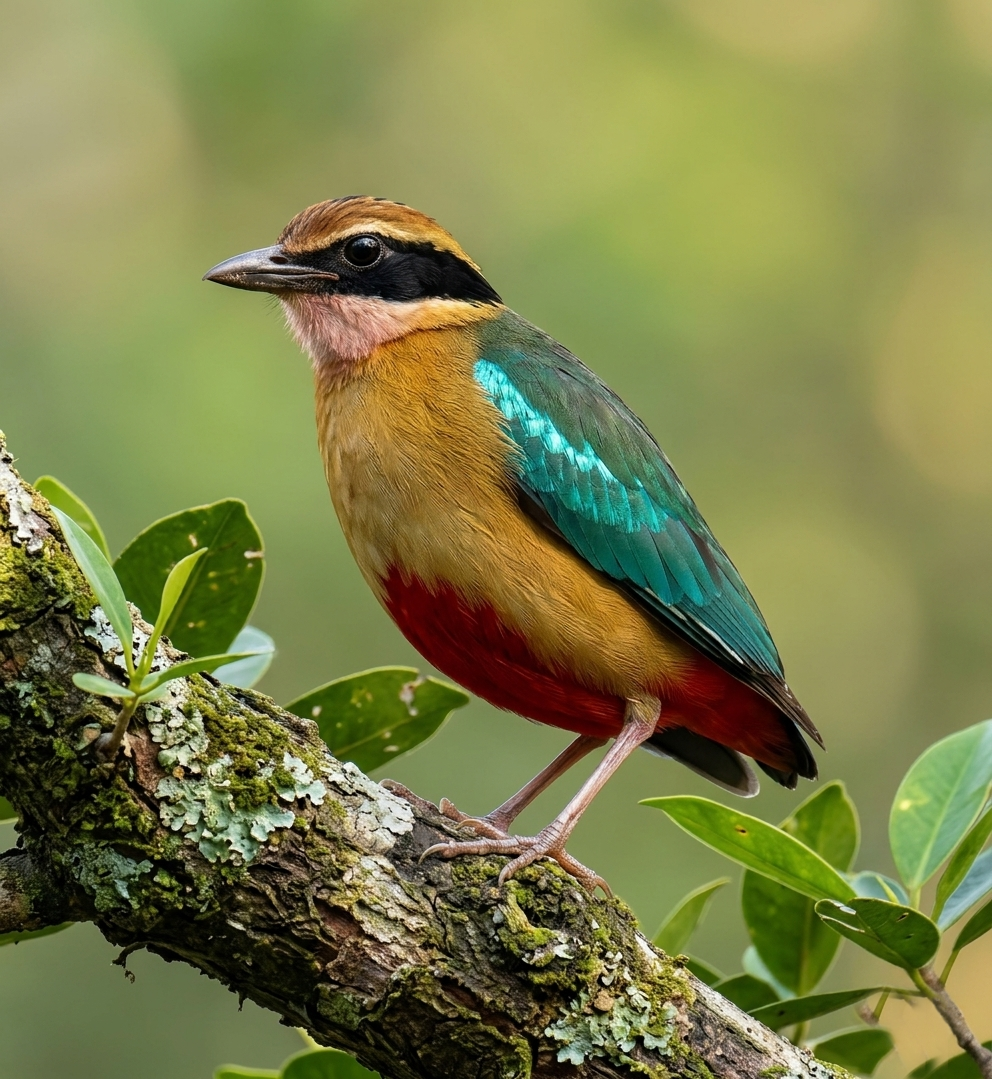
Spotting rare bird species in a premier birding haven
Bird watching is an important part of the Kidepo Valley Safari experience because Kidepo Valley National Park contains a wide range of habitats, including savannah, woodland, valleys and mountainous areas. Uganda Wildlife Authority currently lists 476 bird species for the park, making birding a valuable activity alongside traditional wildlife viewing.
The park is particularly interesting for travelers who want to observe birds associated with northeastern Uganda’s dry and semi-arid environments. The combination of open plains, scattered trees, seasonal watercourses and rugged terrain creates different opportunities for bird observation across the park.
Travelers planning a Uganda birding safari can therefore consider Kidepo as part of a wider birding itinerary, particularly when their interests include both savannah wildlife and bird diversity.
Why Kidepo Is Important for Bird Watching
Kidepo’s geographical position gives it a distinctive bird community compared with Uganda’s forested and wetland destinations. Its habitats support birds adapted to open savannah, woodland and relatively dry conditions.
The park’s large size also means that birding is not restricted to one small area. Different habitats can produce different observations, and the birds encountered during a particular drive depend on season, weather, vegetation and local conditions.
For serious birders, this variety makes Kidepo more than an occasional bird-watching stop. It can form an important component of a broader northern Uganda birding itinerary.
Kidepo Bird Species Diversity
Uganda Wildlife Authority currently reports 476 bird species in Kidepo Valley National Park. This figure illustrates the park’s importance for avian diversity while also demonstrating why a detailed birding experience requires time and careful observation.
The park is associated with ostriches, hornbills, raptors, bustards and other savannah birds. However, species lists should be checked against current authoritative records before publication because bird distributions, taxonomic classifications and confirmed records can change.
A traveler interested in a Uganda birding experience should therefore distinguish between species documented for Uganda generally and species specifically recorded in Kidepo.
Ostriches in Kidepo
The ostrich is one of the most recognizable large birds associated with Kidepo Valley National Park. Its preference for open environments makes the species particularly suited to the park’s expansive savannah landscapes.
Ostriches can be especially impressive when observed within the wider landscape rather than simply photographed as isolated birds. Their size, long legs and distinctive movement make them relatively conspicuous during suitable game drives.
Because birds move naturally across the park, however, an ostrich sighting should never be presented as guaranteed.
Hornbills
Hornbills form an important component of Kidepo’s birdlife. Their distinctive bills and calls can make them easier to recognize than some smaller woodland species.
Several hornbill species are associated with the broader Kidepo region. Identification should be based on reliable field guides and the guidance of experienced birding guides because similar species can sometimes be confused by inexperienced observers.
Hornbills also provide an opportunity to observe the relationship between birds and vegetation because different species use trees and surrounding habitats in different ways.
Raptors and Birds of Prey
Kidepo’s open landscapes provide suitable conditions for observing birds of prey. Raptors occupy an important ecological position because they feed on smaller animals and contribute to the balance of the ecosystem.
During a game drive, visitors may notice raptors soaring above open plains, perched on trees or scanning the ground for prey. Binoculars are particularly useful for identifying distant birds.
Birders should allow sufficient time for observation because identifying a raptor from a brief distant view can be difficult.
Ground Birds of Kidepo
The open savannah environment supports a variety of ground-associated birds. Some species spend considerable time walking or feeding on the ground, making them particularly interesting to observe from a slowly moving safari vehicle.
Ground birds can be easier to locate when the vehicle is moving quietly and the guide understands their preferred habitat. Visitors should remain attentive because some species can blend into dry grass and vegetation.
Birding in the Narus Valley
The Narus Valley provides an important environment for wildlife observation, and birding can be incorporated into game drives through the area. Water availability and surrounding vegetation can influence which birds are present.
Birders should look not only at the open ground but also at trees, shrubs, water-associated areas and the surrounding sky. Different species occupy different ecological niches within the same landscape.
This makes a drive through the Narus Valley useful for combining bird observation with traditional mammal viewing.
Birding in the Kidepo Valley
The Kidepo Valley offers broad landscapes and seasonal river environments that provide a contrasting setting for bird watching. Open areas can be particularly useful for spotting larger ground birds and species adapted to savannah habitats.
The valley also offers strong landscape photography opportunities. Birds can sometimes be photographed within expansive surroundings, creating images that communicate both the species and its habitat.
Birding During Game Drives
Many travelers can combine bird watching with conventional game drives rather than dedicating every excursion exclusively to birds. This works particularly well for visitors whose primary interest is wildlife but who also want to record bird species.
When a birding interest is communicated to the guide in advance, the guide can allow additional time for observation and identification where practical.
Travelers should carry binoculars because many birds may initially appear at a considerable distance. A camera with an appropriate lens can also be useful for documentation and later identification.
Dedicated Birding Safaris
Visitors whose primary purpose is bird watching may benefit from a dedicated birding itinerary rather than treating birds as an occasional addition to game drives.
A dedicated itinerary can provide more time for careful observation, species identification, photography and habitat interpretation. It can also include other Ugandan birding destinations before or after Kidepo.
Uganda has a wide range of bird habitats, so a longer birding itinerary can combine Kidepo’s savannah environment with forests, wetlands and other ecosystems.
Best Habitats for Kidepo Bird Watching
Birders should consider several habitat types rather than concentrating on one location. Open grasslands, woodland, seasonal valleys, water-associated areas and rocky or mountainous environments can each support different bird communities.
Habitat diversity is one of the reasons Kidepo can be rewarding for observers who want to build a broad species list. The exact birds encountered will depend on season, weather and local conditions.
Birding and the Dry Season
Dry conditions can change how birds use the landscape. Water availability becomes increasingly important, while vegetation may become less dense in some areas, potentially improving visibility.
However, birding success is never determined by season alone. Rainfall patterns, food availability, local habitat conditions and bird movements all influence what visitors encounter.
Travelers should therefore avoid assuming that one season will automatically produce every target species.
Birding During the Green Season
During wetter periods, vegetation can become more abundant and the landscape changes significantly. These conditions can influence feeding opportunities, breeding behavior and the distribution of different birds.
Wet-season landscapes can also provide strong photographic opportunities because the scenery becomes more vibrant and atmospheric.
Travelers should nevertheless prepare for changing road and weather conditions when planning a safari during wetter periods.
Bird Photography in Kidepo
Kidepo offers opportunities for bird photography ranging from large, conspicuous species to smaller and more difficult subjects. The open environment can make it possible to photograph birds against relatively uncluttered backgrounds.
Photographers should use appropriate equipment and remain patient. Birds may change direction quickly or move into vegetation before a photograph can be taken.
Ethical photography is essential. Visitors should never disturb birds or attempt to manipulate their behavior for a photograph.
Bird Calls and Identification
Bird identification in Kidepo is not limited to visual observation. Calls and other sounds can provide valuable clues, particularly when birds are hidden in vegetation.
An experienced guide can help visitors recognize common calls and understand where particular species are likely to occur. Field guides and reputable bird-identification applications can also support identification after the observation.
For serious birders, keeping a written species checklist can help document sightings without relying entirely on memory.
Binoculars for a Kidepo Birding Safari
Binoculars are among the most useful items for a birding-focused Kidepo safari. They allow visitors to observe distant birds without approaching them.
A pair with clear optics can make it easier to identify birds perched in trees, flying overhead or standing across open grassland. Birders should also ensure that binoculars are comfortable enough to use repeatedly during long game drives.
Birding With an Experienced Guide
A knowledgeable guide can substantially improve the birding experience. Guides familiar with the area can help identify species, explain habitat preferences and recognize calls.
Visitors should communicate their birding priorities before the safari begins. This is particularly important when the traveler has specific target species or wants to spend significant time photographing birds.
Birding and Wildlife Photography Together
Kidepo makes it possible to combine bird photography with conventional wildlife photography during the same trip. A single game drive may produce opportunities to photograph large mammals, raptors, ground birds and landscape scenes.
This combination can make the safari particularly rewarding for photographers who want a broad portfolio rather than images of only one animal group.
Kidepo Birding Compared With Forest Birding
Kidepo provides a different birding experience from Uganda’s tropical forest destinations. Forest birding often involves dense vegetation, shaded conditions and species that spend much of their time within the canopy or understory.
Kidepo’s more open savannah environment can provide longer sightlines and opportunities to observe larger ground birds and birds of prey. The two environments therefore complement rather than replace each other.
Travelers planning a multi-destination Uganda birding itinerary can combine different habitats to experience a wider range of species.
Birding as Part of a Longer Uganda Safari
Kidepo can be incorporated into a longer Uganda safari that includes other wildlife and birding destinations. The choice of additional destinations should depend on the traveler’s available time and target species.
Because Kidepo is geographically distant from many western Ugandan destinations, combining it with several other parks requires careful route planning. The itinerary should allow enough time for actual birding rather than creating a schedule dominated by transportation.
Responsible Bird Watching
Responsible bird watching means observing birds without disturbing their natural behavior. Visitors should avoid chasing birds, damaging vegetation to obtain a better view or using inappropriate techniques to attract them.
Photography should also be conducted responsibly. Birds should never be deliberately stressed simply to obtain a photograph.
Visitors should follow all protected-area regulations and instructions from guides and park authorities.
Why Birders Should Include Kidepo
Kidepo is particularly valuable for birders because it adds a distinctive northeastern savannah environment to Uganda’s wider birding landscape. Its combination of open grasslands, woodland, valleys and mountains creates opportunities to observe species that may differ from those found in forests and wetlands.
The park also allows birding to be combined naturally with big-game viewing. A traveler can spend part of a game drive looking for elephants and predators and then shift attention to raptors, hornbills, ostriches or other birds.
Planning a Kidepo Birding Safari
A successful birding safari begins with realistic expectations and sufficient time. Travelers should determine whether birds are the main purpose of the trip or an additional interest alongside wildlife viewing.
Those with specialist birding goals should communicate their target species to the safari operator and guide in advance. This helps establish whether the proposed itinerary provides appropriate habitats and sufficient observation time.
Current bird records should also be verified before publication or booking. Information not found in current search results should not be presented as a confirmed Kidepo species record.
Kidepo’s Place in Uganda Birding
Kidepo adds an important savannah component to Uganda’s broader birding opportunities. While wetlands and tropical forests attract many birders, Kidepo provides access to a different ecological setting characterized by open landscapes and dry-country habitats.
For travelers who want to combine bird watching, wildlife photography and traditional game drives, this diversity can make Kidepo an especially interesting destination.
Current Uganda Wildlife Authority information should remain the primary reference for official park biodiversity figures and management information. The 476-bird figure currently published by UWA should be used consistently unless a newer authoritative source provides an updated count.
Current Birding Information
Bird populations, species records, park regulations and activity arrangements can change. For this reason, birding content should be reviewed periodically rather than treated as permanently fixed information.
For additional specialist context, birding safari information can supplement the destination guide, while current Uganda Wildlife Authority information should be used for official park facts and regulations.
Kidepo Valley Safari Accommodation and Lodges

Comfortable lodging blending into the natural landscape
Accommodation is an important part of planning a Kidepo Valley Safari because Kidepo Valley National Park is remote and has a more limited selection of places to stay than some of Uganda’s more established safari destinations. Current search results confirm accommodation options ranging from luxury and mid-range properties to budget facilities and campsites, but availability and operating arrangements should be confirmed before booking.
The right accommodation depends on the type of Kidepo Valley Safari being planned, the preferred level of comfort, budget, location, and whether the traveler is prioritizing game drives, bird watching, cultural experiences or a combination of activities.
Travelers comparing Uganda safari lodges should pay particular attention to the location of each property because staying closer to the areas being explored can reduce unnecessary transfer time during a short safari.
Why Accommodation Matters on a Kidepo Valley Safari
Kidepo’s remote setting makes accommodation more than simply a place to sleep. The location of a lodge or camp can influence how easily travelers access game-drive areas, how much time they spend on the road and how comfortably they can structure their daily activities.
A well-planned Kidepo Valley Safari should therefore consider accommodation and activities together. A traveler who wants extensive game drives may benefit from accommodation that provides convenient access to the planned safari areas, while a traveler seeking a more immersive wilderness experience may place greater emphasis on the setting and style of the property.
Luxury Accommodation in Kidepo
Luxury accommodation provides the highest level of comfort available within the Kidepo safari environment. The best-known luxury option appearing consistently in current search results is Apoka Safari Lodge.
Luxury accommodation is generally suited to travelers who want a premium safari experience while spending substantial time inside or close to the protected area. The combination of wilderness surroundings, accommodation and guided activities can make the lodge itself part of the safari experience.
Travelers considering luxury safari accommodation should compare what is included in the quoted rate rather than judging properties solely by the room category or headline price.
Apoka Safari Lodge
Apoka Safari Lodge is one of the established accommodation options associated with Kidepo Valley National Park. Current search results identify it among the accommodation facilities available for travelers visiting Kidepo.
Its position within the Kidepo safari environment makes it particularly relevant to travelers seeking a higher-end wilderness experience. Guests should confirm current room availability, inclusions, meal arrangements, transfer arrangements and activity options directly with the property or their safari operator before booking.
Because accommodation information can change, current booking information should take precedence over older published descriptions.
Mid-Range Accommodation in Kidepo
Mid-range accommodation can provide a balance between comfort and overall safari expenditure. Current search results identify Kidepo Savannah Lodge and Adere Safari Lodge among the accommodation options associated with the park.
Mid-range properties can be appropriate for travelers who want comfortable accommodation without selecting the highest-priced option. However, the exact facilities, room types and current rates should be verified before travel.
Travelers planning mid-range safari accommodation should also consider whether the quoted rate includes meals, transfers, game drives or other services.
Kidepo Savannah Lodge
Kidepo Savannah Lodge appears in current search results as one of the accommodation options associated with Kidepo Valley National Park. Its inclusion in a safari itinerary can provide travelers with a mid-range accommodation option when designing their trip.
Before making a reservation, travelers should confirm the property’s current operating status, room availability, meal plan and transport arrangements. This is particularly important for Kidepo because accommodation inventory is more limited than in some other Ugandan safari destinations.
Adere Safari Lodge
Adere Safari Lodge is another property identified in current search results as an accommodation option for travelers visiting Kidepo. It also appears in information concerning the overland journey to Kidepo, where it is described as an accommodation option in Gulu rather than necessarily a lodge inside the national park.
Because similarly named accommodation references can create confusion, travelers should confirm the property’s exact location before booking. The distinction between accommodation inside Kidepo, accommodation near the park and accommodation used as an overnight stop on the journey is important when calculating daily travel times.
Budget Accommodation in Kidepo
Budget accommodation is relevant to travelers who want to control accommodation costs while dedicating more of their overall budget to transportation and safari activities. Current search results identify Apoka Rest Camp among the accommodation facilities associated with Kidepo.
Budget facilities generally provide fewer amenities than luxury lodges, so travelers should verify what is actually included before making a reservation. Facilities such as private bathrooms, meals, electricity, bedding and other services should not be assumed without current confirmation.
Apoka Rest Camp
Apoka Rest Camp appears in current search results as one of the accommodation facilities associated with Kidepo Valley National Park. It represents a more basic accommodation option for travelers who prioritize being in the safari environment over premium lodge facilities.
Current availability and operating conditions should be confirmed before relying on the rest camp when preparing a Kidepo itinerary.
Camping in Kidepo
Camping can provide a more direct wilderness-oriented experience for travelers who prefer basic accommodation. Current search results indicate that camping is among the accommodation categories available in Kidepo Valley National Park.
Camping arrangements can vary considerably, so visitors should establish whether they are booking a managed campsite, a designated facility or a package in which camping equipment and support are provided.
Travelers should not assume that independent camping is permitted everywhere within the park. Accommodation and camping must follow current protected-area rules.
Where to Stay Inside Kidepo Valley National Park
Staying within or immediately around the safari area can be advantageous because it reduces unnecessary travel between accommodation and wildlife-viewing areas. This can be especially valuable for visitors with a short itinerary.
The precise location of each property should be checked before booking. Travelers should compare the property’s position with the activities they intend to undertake rather than selecting accommodation solely because it appears in a general list of Kidepo lodges.
Accommodation and Game Drives
The relationship between accommodation and game drives is particularly important in Kidepo. Early departures and long wildlife-viewing excursions can make proximity to the intended safari area valuable.
A traveler staying farther away may spend more time transferring to and from activity locations. This does not necessarily make the accommodation a poor choice, but the additional travel should be considered when designing the itinerary.
Travelers researching Kidepo access and accommodation should evaluate the two together because the park’s remote location makes logistics a significant part of the overall trip.
Accommodation for Bird Watchers
Bird watchers may want accommodation that allows easy access to different habitats and provides sufficient flexibility for early departures or extended observation periods.
Because Kidepo currently has 476 bird species listed by Uganda Wildlife Authority, birding can be incorporated into a wider wildlife safari or planned as a more specialized experience.
Birders should communicate their priorities to the accommodation provider or safari operator before arrival so that activity schedules can be coordinated appropriately.
Accommodation for Photographers
Photographers may value accommodation that provides convenient access to game-drive areas and allows flexible daily scheduling. The landscape around Kidepo can be an important photographic subject in addition to wildlife.
Travelers carrying photography equipment should also confirm practical matters such as secure storage, charging facilities and luggage arrangements, especially when using smaller aircraft to access the park.
Accommodation for Families
Families should verify room configurations, age policies, meal arrangements and activity requirements before booking Kidepo accommodation. These details can vary between properties and may change over time.
Families should also consider the length of game drives and the remoteness of the destination when deciding which accommodation style is most appropriate.
Accommodation for Couples
Couples may prefer accommodation that combines privacy, comfort and easy access to safari activities. Luxury properties can appeal to travelers seeking a more exclusive wilderness experience, while mid-range accommodation can provide a balance between comfort and overall trip cost.
The best choice depends on individual priorities rather than simply the accommodation category. Location, included services and the overall itinerary should all be considered together.
Accommodation for Budget Travelers
Budget travelers should compare the total safari cost rather than looking only at the nightly accommodation price. Kidepo’s remoteness means that transportation can represent a substantial part of the overall budget.
A cheaper room may not necessarily result in a cheaper safari if it requires additional transfers or if meals and activities are excluded from the quoted rate.
Accommodation and Road Safaris
Travelers reaching Kidepo by road should consider where they will stay during the journey as well as where they will stay inside the park. The long distance from Kampala means that some itineraries use overnight stops such as Gulu or Kitgum before reaching Kidepo.
Current search results describe Gulu as a common overnight stop on the road journey, while Kitgum can provide another option for travelers who prefer to break the journey differently.
This makes accommodation planning an important part of the route rather than something that begins only after reaching the national park.
Accommodation and Fly-In Safaris
Fly-in safaris can reduce the amount of time spent traveling by road and allow travelers to dedicate more of their trip to Kidepo activities. Accommodation still needs to be coordinated with the flight schedule and ground transfers.
Current search results identify Apoka Airstrip as an access point for Kidepo, but travelers should confirm current flight schedules, luggage restrictions, transfers and airstrip arrangements before booking.
For travelers interested in planning a Uganda safari, the decision between road and air access can significantly affect the number of nights required and the overall structure of the itinerary.
What Is Usually Included in Kidepo Accommodation?
Inclusions vary by property and booking arrangement. Travelers should check whether accommodation rates include breakfast, other meals, drinking water, transfers, game drives, park-related costs or other services.
It is particularly important to distinguish between a room-only rate and a full safari package. A lodge may provide accommodation while the safari operator separately handles transportation, guides and activities.
Current information about inclusions should always come directly from the property or the safari company making the reservation.
How Early Should You Book Kidepo Accommodation?
Kidepo has fewer accommodation options than several of Uganda’s more heavily visited national parks. Current search results specifically describe accommodation availability as limited.
For that reason, travelers should avoid waiting until the last moment when their travel dates are fixed. Early planning is especially useful for peak travel periods and for itineraries requiring specific room categories.
However, exact booking lead times cannot be stated reliably without current availability data for the travel dates in question. Information not found in current search results should not be substituted with an assumed booking deadline.
How to Compare Kidepo Lodges
Accommodation should be compared using several practical factors rather than price alone. Location, room type, meal arrangements, access to activities, transport requirements and current availability can all affect the quality and value of the stay.
Travelers should also distinguish between properties located inside the park, properties outside the park and accommodation used during the journey to Kidepo.
Accommodation and the Kidepo Wilderness Experience
One of the defining features of a Kidepo Valley Safari is the feeling of remoteness. Accommodation can reinforce this experience when it is integrated with the surrounding landscape and safari activities.
Luxury travelers may prioritize comfort without sacrificing the wilderness setting, while budget travelers may prefer simpler facilities that allow more of the budget to be directed toward wildlife experiences.
The important consideration is whether the accommodation supports the type of safari the traveler actually wants to experience.
Checking Current Accommodation Information
Kidepo accommodation information can change as properties open, close, renovate, change management or alter their services. Consequently, older articles should not be treated as definitive booking information.
Current search results confirm several accommodation categories and named properties, but they do not provide sufficiently reliable current rates for every Kidepo property. Information not found in current search results should therefore not be presented as a confirmed price.
For additional accommodation context, Kidepo accommodation information can be consulted alongside current operator and official park information.
Choosing the Best Accommodation for Your Kidepo Valley Safari
The best Kidepo accommodation is ultimately the property that fits the traveler’s budget, comfort expectations, safari priorities and transportation plan. Luxury lodges can suit travelers seeking premium wilderness accommodation, while mid-range and budget options can make the destination accessible to travelers with different spending priorities.
The most important step is to confirm the property’s current operating status, exact location, available facilities, rates and included services before making a reservation.
Because Kidepo is remote and accommodation capacity is limited, accommodation planning should be completed alongside transportation and game-drive planning rather than treated as a separate final step. A well-coordinated combination of lodging, access and activities can make the Kidepo Valley Safari considerably more efficient and enjoyable.
Best Time to Visit Kidepo Valley National Park
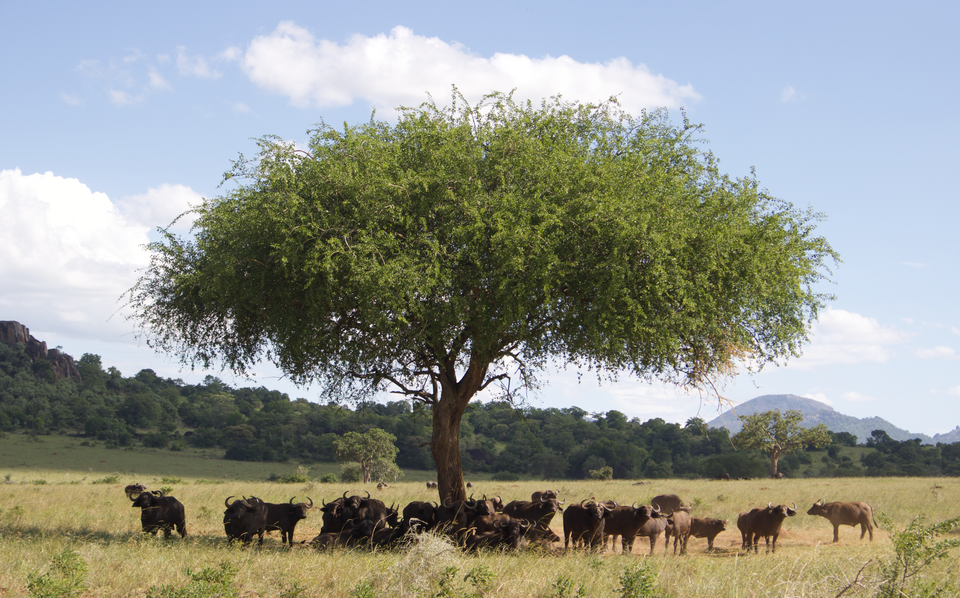
Animals congregate near water sources during the dry months
The best time to visit Kidepo Valley National Park depends on what you want from a Kidepo Valley Safari. The park can be visited throughout the year, but the dry months are generally the most favorable for conventional wildlife viewing because vegetation becomes thinner and water availability can concentrate wildlife around remaining water sources. Current Uganda Wildlife Authority information describes Kidepo as having a short wet season and a long dry spell, with the wet season generally occurring from April to October and the dry period covering the remainder of the year.
For travelers planning Uganda safari seasons, the most useful approach is to choose travel dates according to the experience you value most rather than treating one month as universally best.
Best Months for a Kidepo Valley Safari
The commonly recommended dry-season months for a Kidepo Valley Safari are June, July, August, September, December, January and February. During these periods, rainfall is generally lower, vegetation can be less dense and access conditions are often more favorable.
Current specialist safari information also identifies June through September and December through February as the preferred dry-season periods for visiting Kidepo. These months can be particularly attractive to travelers whose primary goal is game viewing.
However, the exact conditions can vary from year to year. Weather patterns, rainfall and local water availability should therefore be considered alongside the general seasonal pattern.
Why the Dry Season Is Popular
The dry season is popular because reduced rainfall can make wildlife easier to locate in some areas. As natural water sources become scarcer, animals may spend more time around dependable water sources, particularly in areas such as the Narus Valley.
Thinner vegetation can also improve visibility across open savannah. This does not guarantee sightings of particular species, but it can make the process of searching for wildlife more productive.
Road conditions are another consideration. Drier conditions can make some routes easier to navigate than during periods of heavy rainfall, although individual road conditions should always be checked before travel.
June in Kidepo
June marks the beginning of one of the commonly preferred dry-season periods for Kidepo. Travelers can expect generally drier conditions compared with the wetter months, although actual weather varies from year to year.
June can be a strong choice for travelers who want a balance between wildlife viewing and comfortable safari logistics. The landscape may still retain some vegetation following the preceding rains, while drying conditions begin to influence wildlife distribution.
Travelers considering dry-season Uganda travel should remember that national park conditions are not identical across the country, so Kidepo-specific information is more useful than applying a general Uganda weather assumption.
July in Kidepo
July falls within Kidepo’s commonly recommended dry period. Lower rainfall can support easier wildlife viewing and generally drier safari conditions.
The month can be particularly suitable for travelers whose priority is game drives. Wildlife may be easier to locate in areas where water remains available, although animal movements remain unpredictable.
Because July can be a popular safari period, travelers should arrange accommodation and transportation in advance once their dates are confirmed.
August in Kidepo
August is another dry-season month commonly recommended for a Kidepo Valley Safari. The combination of lower rainfall, open vegetation and wildlife concentration around available water can provide favorable game-viewing conditions.
August can also be attractive for photographers because the dry landscape creates strong contrasts between wildlife, golden grasslands and the surrounding mountains.
Visitors should nevertheless prepare for heat. Kidepo can experience very high daytime temperatures, particularly during the dry period, so appropriate sun protection and hydration are important.
September in Kidepo
September remains within the commonly cited dry-season period. Wildlife viewing can continue to be productive as water availability becomes increasingly important to animals.
The landscape can appear particularly dry toward the end of the dry period. This creates a distinctive visual character but can also mean hotter and harsher conditions.
September can therefore suit travelers who prioritize wildlife viewing and do not mind traveling during a hotter period.
December in Kidepo
December begins the second commonly recognized dry period in Kidepo. It can offer favorable conditions for game drives while providing a different landscape from the later part of the long dry spell.
The beginning of the dry period can offer a useful balance between accessibility, wildlife viewing and landscape conditions. However, rainfall patterns are not identical every year, so December should not be treated as completely rain-free.
January in Kidepo
January is one of the commonly recommended months for visiting Kidepo. It falls within the December-to-February dry period and can provide favorable conditions for game drives.
Reduced rainfall and relatively dry roads can make it easier to organize safari activities. Wildlife may also become increasingly associated with dependable water sources as dry conditions continue.
Travelers planning a January Kidepo Valley Safari should still prepare for high temperatures and strong sunlight during daytime game drives.
February in Kidepo
February is another popular dry-season month. It can be particularly appealing to travelers who want good wildlife-viewing conditions while also experiencing Kidepo’s distinctive dry-season landscapes.
Current Uganda-focused travel information identifies February as one of the favorable months for safari activities, while Kidepo-specific sources also place February within the preferred dry period.
Travelers should distinguish this Kidepo-specific dry-season pattern from broader claims about Uganda’s climate because different regions of the country can experience different conditions.
March in Kidepo
March sits between the commonly recommended December-to-February dry period and the longer wet period described in Uganda Wildlife Authority’s Kidepo management information. Conditions can therefore begin changing as rainfall patterns develop.
March can still offer worthwhile wildlife viewing, but travelers choosing the month should be prepared for changing weather rather than assuming consistently dry conditions.
This transitional character can appeal to visitors who prefer fewer rigid expectations and are comfortable with variable conditions.
April in Kidepo
Uganda Wildlife Authority’s Kidepo management information identifies April to October as the wet season. April therefore represents the beginning of the wetter part of the annual cycle described for the park.
Rain can influence road conditions, vegetation and wildlife distribution. The landscape can become greener, while animals may spread across a wider area as water becomes more readily available.
Travelers choosing April should therefore place greater emphasis on flexible planning and appropriate rain protection.
May in Kidepo
May falls within the wet-season period identified in the Kidepo management information. Rainfall can make some roads more challenging and can increase vegetation cover.
The wetter conditions can produce attractive landscapes and a different safari atmosphere. Travelers who prefer green scenery and do not mind the possibility of rain may find this period worthwhile.
However, visitors should not assume that every road or activity will operate identically under wet conditions. Current local information should be checked before travel.
June to September: The Main Dry Period
June through September is commonly identified by safari operators as one of the best periods for a Kidepo Valley Safari. This period generally corresponds with drier conditions and can offer strong opportunities for conventional game viewing.
During these months, vegetation can become thinner and animals may become more dependent on remaining water sources. This can improve the chances of locating wildlife, particularly in areas where water remains available.
The trade-off is that temperatures can be high, particularly during the hottest part of the day.
October and November: Transitional Conditions
October is included within the wet-season period in Uganda Wildlife Authority’s Kidepo management information, while November represents a transition toward the December-to-February dry period.
These months can provide changing landscape conditions and may be suitable for travelers who prefer a less rigid seasonal approach. However, rainfall can influence roads, vegetation and daily safari arrangements.
Visitors choosing these months should therefore prioritize flexible itineraries and current weather information.
December to February: The Short Dry Period
December through February forms the second commonly recommended dry period for Kidepo. It is often considered one of the strongest periods for traditional wildlife viewing.
The combination of reduced rainfall, relatively dry access routes and potentially concentrated wildlife can make these months attractive to first-time safari visitors.
For travelers seeking Kidepo safari access, the dry conditions can also make overland travel more manageable than during periods of heavier rainfall, although road conditions should always be confirmed close to departure.
Wet Season Kidepo Valley Safari
A wet-season Kidepo Valley Safari can still be rewarding. The park remains open to visitors, and rainfall does not eliminate wildlife viewing opportunities.
The major difference is that water becomes more widely available and vegetation can become denser. Animals may therefore be less concentrated around particular water sources, while some roads can become more difficult to navigate.
The reward is a landscape that can become greener and visually different from the dry-season environment.
Advantages of Visiting Kidepo During the Wet Season
The wet season can appeal to travelers interested in landscapes, photography and a quieter safari atmosphere. Rainfall can transform the appearance of the savannah and provide a strong contrast with the dry-season landscape.
Birding can also remain worthwhile throughout the year. Current birding information confirms that Kidepo is an important birding destination, although bird species and visibility can vary according to season.
Travelers who are flexible about weather can therefore consider the wet season rather than assuming that only dry months are worthwhile.
Rainfall and Road Conditions
Rainfall is particularly important for travelers arriving by road. The route to Kidepo includes stretches where wet conditions can affect travel speed and road accessibility.
Current travel information for the Kampala-to-Kidepo journey notes that muddy sections and washouts can slow progress during the wet season and recommends a reliable four-wheel-drive vehicle for the overland route.
This makes seasonal planning especially important when the journey itself is part of the safari experience.
Wildlife Viewing and Water Availability
Water availability is one of the most important factors influencing wildlife distribution in Kidepo. During drier conditions, remaining water sources can attract concentrations of animals.
Uganda Wildlife Authority identifies the Narus Valley as an important game-viewing area and notes that the Kidepo and Narus rivers dry during harsh dry conditions, leaving scattered pools that become important for wildlife.
This seasonal water dynamic is one reason dry-season game drives are commonly recommended for travelers prioritizing wildlife viewing.
Best Time for Wildlife Photography
The best time for wildlife photography depends on the desired style of images. Dry-season conditions can make animals easier to locate and can provide open views across the savannah.
Wet-season conditions can create greener landscapes and atmospheric scenes. Photographers interested in environmental images may therefore appreciate the contrast between seasons.
Rather than identifying one universally best photography month, travelers should choose the season that matches their preferred combination of wildlife visibility, landscape appearance and weather.
Best Time for Bird Watching in Kidepo
Bird watching is possible throughout the year, but seasonal conditions can influence visibility and species composition. Current birding information identifies Kidepo as a significant birding destination and notes that Uganda’s wider birding experience changes between dry and wet seasons.
Dry conditions can improve access and visibility, while wetter conditions can increase vegetation and create different ecological opportunities for birds.
Travelers with specific target species should therefore plan around the species they want to observe rather than relying only on a general “best month” recommendation.
Best Time for a First Kidepo Safari
For a first-time traveler whose main goal is traditional wildlife viewing, the dry periods of June through September and December through February are the most straightforward starting point.
These periods generally provide easier road conditions, thinner vegetation and greater potential for animals to concentrate around available water. They also make it easier to combine multiple game drives within a relatively short itinerary.
However, first-time travelers should understand that a dry-season safari can also mean hotter temperatures and higher demand for accommodation.
Best Time for a Budget Kidepo Safari
There is no reliable universal month that guarantees the lowest Kidepo safari price. Costs depend on accommodation availability, transportation, operator pricing, group size and travel dates.
Travelers seeking lower overall costs should compare complete safari quotations rather than assuming that a particular season is automatically cheaper.
Information not found in current search results should not be presented as a confirmed low-season price or guaranteed discount period.
Best Time for a Longer Kidepo Safari
A longer safari gives travelers greater flexibility because they are less dependent on conditions on a single day. Multiple game drives increase opportunities to explore different habitats and observe changing wildlife activity.
A longer stay can also make a wet-season visit more practical because a temporary change in weather is less likely to affect the entire trip.
Best Time to Combine Kidepo With Other Uganda Destinations
Travelers combining Kidepo with western or central Uganda should consider the seasonal conditions of every destination rather than selecting dates based solely on Kidepo.
A multi-destination itinerary may involve savannah wildlife, forest trekking and birding, each of which can respond differently to rainfall. The ideal travel period is therefore the period that best balances the priorities of the complete itinerary.
Is Kidepo Open All Year?
Yes. Current Kidepo-specific information indicates that the national park can be visited throughout the year. The phrase “best time” should therefore be understood as a recommendation based on conditions and traveler priorities, not as a restriction on when the park can be visited.
Travelers should still confirm current access, accommodation and activity arrangements before departure, particularly when traveling during periods of heavier rainfall.
Choosing the Best Month for Your Kidepo Valley Safari
If your priority is the strongest chance of convenient wildlife viewing, the dry periods are the logical choice. If your priority is greener scenery, seasonal variety or a different photographic atmosphere, wetter months can also provide a valuable experience.
The best Kidepo Valley Safari is therefore not determined by a single calendar date. It depends on wildlife priorities, photography interests, birding goals, transportation method, accommodation availability and tolerance for heat or rain.
For a practical comparison of seasonal safari planning, February and March travel provides additional Uganda-wide context, although Kidepo’s specific climate should take priority when making destination-level decisions.
Final Recommendation on the Best Time to Visit Kidepo
For a classic Kidepo Valley Safari centered on game drives, June through September and December through February are the strongest general choices based on the current sources reviewed. These periods generally offer drier conditions, better road accessibility and wildlife-viewing conditions that can be favorable when animals concentrate around remaining water sources.
The wet season should not be dismissed. April through October is identified in the Kidepo management information as the wet-season period, and visits during wetter conditions can offer greener landscapes, different wildlife distribution and worthwhile birding opportunities.
The most accurate advice is therefore to match the season to the purpose of the trip rather than claiming that one month guarantees the best safari. Current weather, road conditions, accommodation availability and official park information should always be checked before finalizing travel dates.
For an additional current perspective on Kidepo timing, the operator source reviewed for this section also identifies June through September and December through February as the preferred dry-season period.
Top Things to Do on a Kidepo Valley Safari
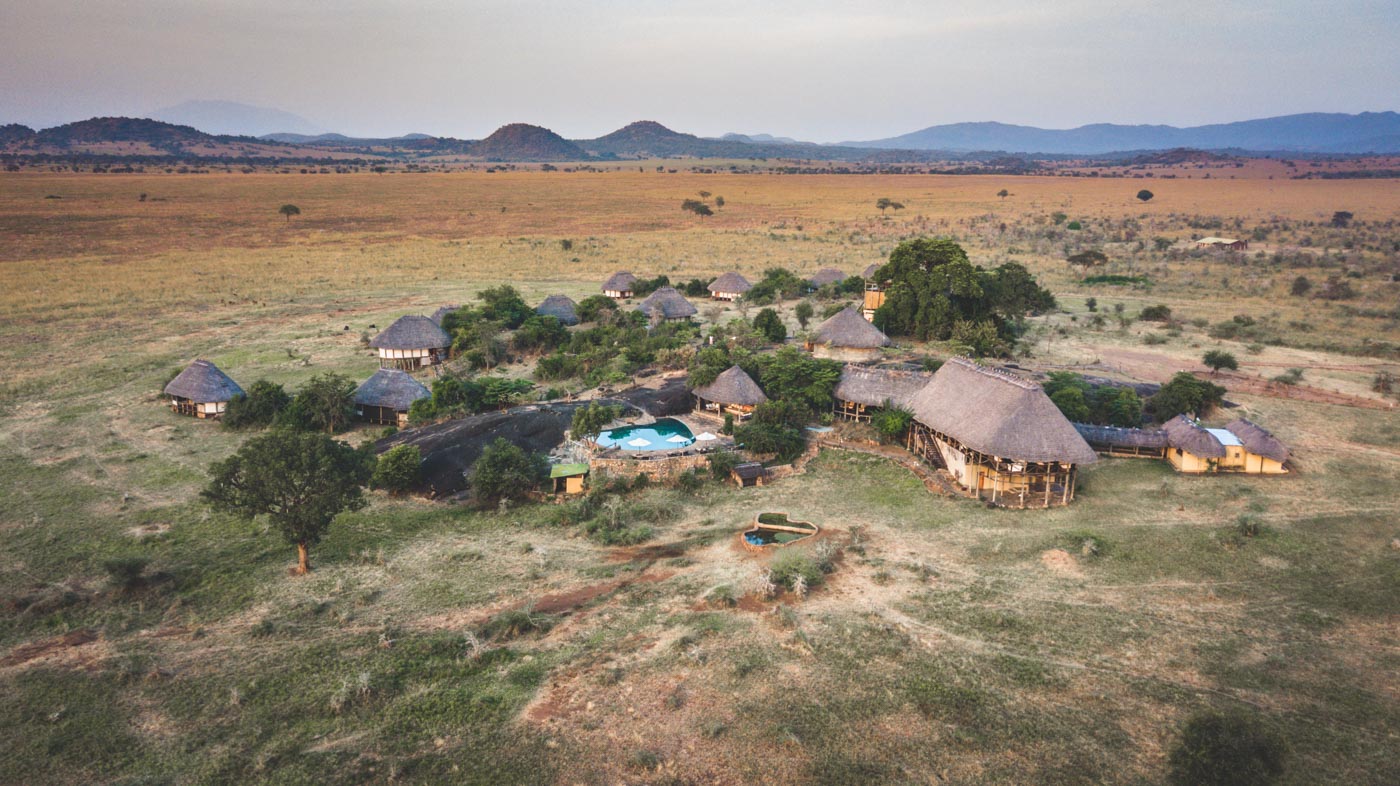
Cultural and wilderness experiences combined
A Kidepo Valley Safari offers much more than a conventional wildlife game drive. Kidepo Valley National Park combines extensive savannah landscapes, rugged mountains, seasonal valleys and distinctive wildlife habitats, creating opportunities for game drives, bird watching, nature walks and cultural experiences. The activities you choose should match the amount of time available, your interests and the current conditions in the park.
For travelers researching Kidepo Valley National Park, activity planning should begin together with transportation and accommodation because the park’s remote location can make transfers a significant part of the itinerary.
Game Drives in Kidepo Valley National Park
Game drives are the central activity on most Kidepo Valley Safari itineraries. The park contains extensive wildlife-viewing areas, with the Narus Valley and Kidepo Valley providing contrasting landscapes and different opportunities for observing wildlife.
During game drives, visitors may encounter elephants, buffaloes, giraffes, zebras, hartebeest, waterbucks, elands and other antelope species. Predators including lions, cheetahs, leopards and spotted hyenas are also associated with the park.
The precise animals encountered depend on season, time of day, habitat and natural animal movements. No individual wildlife sighting should be presented as guaranteed.
Game Drives in the Narus Valley
The Narus Valley is one of the most important areas for wildlife viewing in Kidepo. Its seasonal water availability makes the valley particularly significant during drier periods when wildlife activity can become concentrated around dependable water sources.
A drive through the Narus Valley can provide opportunities to observe large mammals while also allowing visitors to appreciate Kidepo’s dramatic mountain scenery.
Travelers interested in Uganda wildlife safaris can combine the Narus game-drive experience with other activities rather than limiting the entire itinerary to conventional vehicle viewing.
Game Drives in the Kidepo Valley
The Kidepo Valley provides a different landscape from the Narus Valley. Current safari information describes the route through the valley as particularly scenic, with broad landscapes, rugged terrain and views toward the surrounding mountains.
The Kidepo Valley drive can include a visit toward Kanangorok Hot Springs, which lies farther along the valley route. The journey itself is an important part of the experience because the scenery changes considerably as the vehicle moves through the valley.
Wildlife sightings are possible, but the Kidepo Valley should not be judged only by the number of animals seen. Its landscape and remote atmosphere are significant attractions in their own right.
Wildlife Viewing in Kidepo
Kidepo is known for wildlife diversity that includes species not commonly associated with many other Ugandan safari destinations. Visitors may encounter Rothschild’s giraffes, zebras, elephants, buffaloes, lions, cheetahs, leopards and numerous antelope species.
Some species are particularly associated with the northeastern Ugandan environment, giving a Kidepo Valley Safari a distinctive character compared with safari experiences elsewhere in the country.
The best approach is to allow several game drives because wildlife movements are unpredictable and different habitats can produce different sightings.
Lion Viewing
Lions are among the predators visitors may encounter during a Kidepo Valley Safari. Open savannah habitats can provide opportunities to observe lions from safari vehicles when conditions and animal movements align.
Guides play an important role in locating predators while maintaining appropriate distances and following park regulations. Visitors should avoid expecting a guaranteed lion sighting simply because lions are known to occur in the park.
Cheetah Viewing
Kidepo is one of the Ugandan destinations where travelers may have an opportunity to encounter cheetahs. Their presence adds another dimension to the park’s predator diversity.
Cheetahs can be difficult to locate because they move across large areas and may blend into open grassland. A knowledgeable guide and patient observation can therefore make a significant difference.
Elephant Watching
Elephants are among the major mammals associated with Kidepo Valley National Park. Their presence can make a game drive particularly memorable, especially when herds are encountered within the open savannah landscape.
Visitors should observe elephants from the distance required by park regulations and follow the instructions of their guide. Wildlife viewing should always prioritize animal welfare and visitor safety.
Giraffe Viewing
Rothschild’s giraffes are among the notable wildlife species associated with Kidepo. Their tall silhouettes make them relatively conspicuous against the open landscape, particularly when they are feeding near scattered trees.
Giraffe sightings can also provide excellent opportunities for environmental photography because the animals can be photographed within the wider savannah setting.
Bird Watching in Kidepo
Bird watching is another major activity available during a Kidepo Valley Safari. The park’s combination of open savannah, woodland, seasonal valleys and other habitats supports a diverse bird community.
Current sources reviewed for this page report more than 460 bird species in Kidepo, while Uganda Wildlife Authority information reviewed for the wider guide lists 476 species. Because published totals can vary according to source and taxonomy, the current authoritative park information should take priority.
Notable birds associated with Kidepo include ostriches, secretary birds, Kori bustards, Abyssinian ground hornbills and several hornbill species.
Ostrich Watching
The ostrich is one of the most distinctive birds visitors may look for during a Kidepo Valley Safari. Its large size and preference for open landscapes make it a particularly memorable birding subject.
Ostriches can sometimes be observed during game drives, particularly across open areas. Visitors should use binoculars rather than approaching birds closely.
Birding With a Ranger Guide
Birding can be enhanced by using an experienced ranger or knowledgeable safari guide. Guides familiar with Kidepo can assist with identifying birds by appearance, behavior and calls.
This is especially valuable for smaller species that may be difficult for first-time birders to distinguish. Birders should allow adequate time for observation rather than rushing between sightings.
Nature Walks in Kidepo
Nature walking provides a different way to experience Kidepo from a vehicle-based game drive. Current information identifies walking opportunities around areas such as Apoka and other designated locations.
A guided walk can focus attention on smaller details that are easily overlooked from a vehicle, including tracks, insects, plants, birds and other signs of wildlife.
Walking activities must follow current park rules and should be undertaken only in areas and circumstances authorized by park management.
Walking Around Apoka
Current safari information identifies nature walks near Apoka Rest Camp as one of the walking opportunities associated with Kidepo. These walks can provide opportunities to observe smaller wildlife and understand the environment at a slower pace.
Visitors should follow the instructions of their ranger guide throughout the experience. The purpose of a guided nature walk is observation and interpretation rather than approaching wildlife.
Longer Walking Experiences
For travelers seeking a more active experience, current Kidepo information describes longer walking routes, including trails in the wider Narus Valley area. The availability and conditions of individual routes should be confirmed locally before planning a specific walk.
Walking distances, weather and terrain can make longer hikes substantially different from short nature walks. Travelers should therefore choose an activity that matches their experience and the conditions on the day.
Rionomoe Trail
The Rionomoe Trail is identified in current safari information as a longer walking route in the southern part of the Narus Valley. The route is described as approximately 15 kilometers and can provide a more immersive experience of the park’s terrain.
Because trail conditions and operational arrangements can change, travelers should confirm whether the route is currently available and what guide arrangements are required before including it in an itinerary.
East Kakine Grasslands
Current information also identifies the East Kakine grasslands as an area where longer walking experiences can provide opportunities to observe wildlife and explore the landscape.
Such experiences can offer a different perspective on Kidepo’s savannah ecosystem compared with a vehicle-based game drive. Wildlife encounters while walking require strict adherence to ranger instructions and protected-area regulations.
Visiting Kanangorok Hot Springs
Kanangorok Hot Springs is one of the notable attractions reached during excursions toward the Kidepo Valley. The springs are located farther along the valley route, and the journey provides opportunities to appreciate the remote landscape.
The attraction is particularly interesting because of its position within the broader Kidepo Valley landscape and its proximity to the South Sudan border region.
Travelers should confirm current access arrangements and park guidance before planning a specific visit.
Scenic Viewing in Kidepo
Kidepo’s landscapes are an activity in themselves. Broad savannah plains are surrounded by rugged mountains, creating viewpoints that are very different from the heavily forested environments found elsewhere in Uganda.
Scenic viewing can be incorporated into game drives and valley excursions. Photographers should allow time to stop at appropriate viewpoints rather than treating the landscape simply as scenery between wildlife sightings.
Mountain and Valley Landscapes
The contrast between open valleys and surrounding mountains gives Kidepo its distinctive visual character. Jebel Lotuke is one of the prominent mountains visible from parts of the Kidepo landscape.
Current information describes views toward the 2,975-meter Jebel Lotuke from areas around the Narus-Kidepo watershed. Visitors should distinguish between observing the mountain from the park and undertaking an actual mountain-climbing activity, which is a different experience requiring separate planning.
Cultural Experiences With the Karamojong
Cultural tourism can complement wildlife activities during a Kidepo Valley Safari. The Karamojong communities of the wider region provide opportunities for visitors to learn about local traditions, livelihoods and cultural heritage through appropriately organized community experiences.
A responsible cultural visit should be based on respectful interaction rather than treating local communities as tourist displays. Visitors should follow the guidance of their tour operator and community hosts regarding photography, participation and appropriate behavior.
Karamojong Community Visits
Community visits can provide insight into the relationship between people, livestock, land and wildlife in the Karamoja region. A well-organized experience can help travelers understand aspects of local life that cannot be learned from a game drive alone.
Travelers interested in Uganda safari experiences can include a cultural component when designing a longer Kidepo itinerary.
Traditional Cultural Experiences
Cultural activities can include opportunities to learn about traditional practices, local crafts, music, dance and community life, depending on the experience currently available and the community hosting the visit.
The exact activities should be confirmed before booking because community tourism experiences are not necessarily identical from one location or provider to another.
Photography in Kidepo
Photography is naturally integrated into many Kidepo activities. The park provides opportunities to photograph wildlife, birds, mountains, valleys, vegetation and cultural experiences.
Early morning and late afternoon can provide attractive light for landscape and wildlife photography, while changing weather can create different visual conditions throughout the day.
Photographers should prioritize ethical wildlife behavior and follow all instructions from guides and park authorities.
Landscape Photography
Kidepo is particularly suitable for landscape photography because of the combination of wide-open plains and surrounding mountains. Images can communicate the scale and remoteness of the park more effectively when wildlife is included within the wider environment.
Travelers who enjoy photography should consider carrying appropriate camera equipment while keeping luggage practical for the selected transportation method.
Bird Photography
Bird photography can be combined with game drives and dedicated birding sessions. Larger birds such as ostriches and ground hornbills can provide easier subjects, while smaller birds may require patience and longer observation.
Visitors should avoid using photography techniques that disturb birds or alter their natural behavior.
Sunrise and Sunset Experiences
Sunrise and sunset can add a strong visual element to a Kidepo Valley Safari. The open landscapes and mountains provide broad horizons that can be particularly attractive during changing light.
Any early or late activity should follow the current park rules and the arrangements made by the safari operator or guide. Visitors should never leave designated areas independently simply to obtain a photograph.
Game Viewing and Cultural Tourism Together
A well-designed Kidepo itinerary can combine wildlife viewing with cultural experiences. This approach allows travelers to experience both the protected ecosystem and the communities surrounding the park.
The balance depends on the length of the safari. A short itinerary may prioritize game drives, while a longer visit can allocate additional time for birding, walking and cultural activities.
Birding and Wildlife Viewing Together
Birding does not always require a separate safari. Many visitors can combine bird watching with conventional game drives, particularly when traveling with a guide who understands both wildlife and birds.
A single drive can therefore provide opportunities to observe large mammals, raptors, hornbills, ground birds and other species.
How Many Activities Can You Do on One Safari?
The number of activities depends on the length of the itinerary and the time required for transportation. Travelers should avoid filling every day with activities without allowing sufficient time for rest and unexpected changes in road or weather conditions.
A three-day itinerary may prioritize game drives and one additional experience, while a longer Kidepo visit can accommodate more extensive birding, walking and cultural activities.
Choosing Activities for a Short Kidepo Safari
For a short Kidepo Valley Safari, game drives should normally form the core of the itinerary because they provide the broadest opportunity to explore the park and search for wildlife.
A second activity can then be selected according to personal interest. Birders may choose bird watching, photographers may prioritize landscape and wildlife photography, and travelers interested in local culture may include a community visit.
Choosing Activities for a Longer Kidepo Safari
Longer stays provide greater flexibility. Travelers can dedicate different sessions to the Narus Valley, Kidepo Valley, birding, nature walks, cultural experiences and scenic photography.
This slower approach can also reduce pressure to see everything during a single game drive. Wildlife encounters are unpredictable, so additional time can improve the overall experience without guaranteeing particular sightings.
Fly-In Safaris and Kidepo Activities
Fly-in access can be useful for travelers with limited time because it reduces the amount of time spent traveling by road. Current information identifies air access to Kidepo through airstrips serving the park.
Travelers choosing a fly-in itinerary should coordinate flight arrival times with accommodation and planned activities. The availability of particular activities may depend on the season, operator and current park arrangements.
Road Safaris and Kidepo Activities
A road safari provides more time to experience northern Uganda before reaching Kidepo. The journey can include cultural encounters, scenic stops and other attractions depending on the route.
The long-distance nature of the journey means that road travelers should avoid creating an itinerary so tightly packed that there is no allowance for delays.
Responsible Tourism During Kidepo Activities
Every Kidepo activity should support responsible tourism. Visitors should follow park regulations, respect wildlife distances, avoid littering and treat local communities respectfully.
Cultural tourism should provide meaningful benefits to participating communities, while wildlife activities should prioritize conservation and responsible observation.
Planning Your Kidepo Valley Safari Activities
The strongest Kidepo itinerary is one that combines the activities that matter most to the traveler without making the schedule unnecessarily complicated. Game drives provide the foundation for wildlife viewing, while birding, nature walks, photography, scenic excursions and cultural experiences can add depth to the trip.
For travelers comparing Uganda adventure activities, Kidepo offers a particularly distinctive combination of wilderness, scenery and cultural experiences.
The final activity schedule should always be checked against current park regulations, road conditions, weather and operator arrangements. Information not found in current search results should not be presented as a confirmed activity, fixed schedule or guaranteed wildlife encounter.
For an additional Kidepo perspective, Kidepo activities information confirms game drives, bird watching and walking experiences among the activities associated with the park.
Kidepo Valley Safari: Travel Tips, Planning Advice and Practical Information
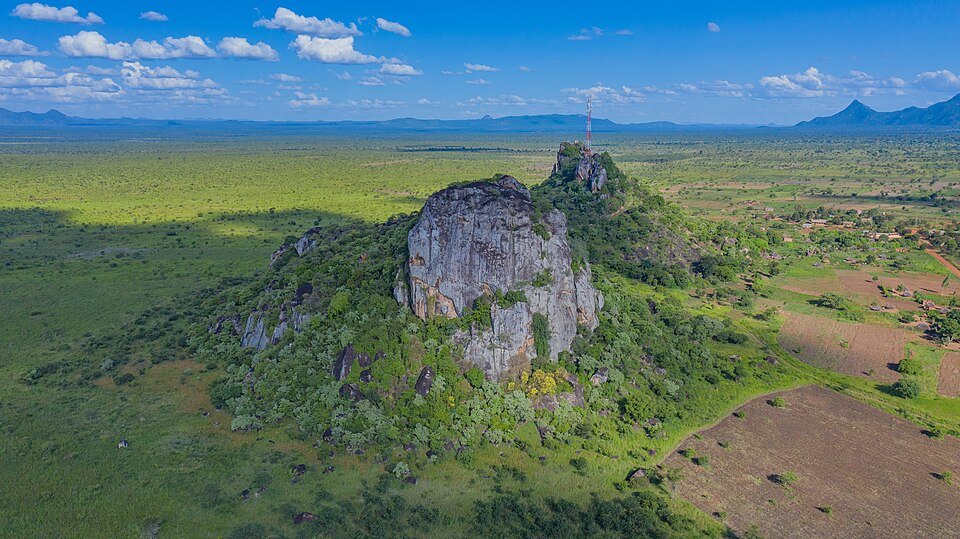
Essential tips for a smooth and prepared journey
Planning a Kidepo Valley Safari requires more preparation than many conventional Uganda safari destinations because Kidepo Valley National Park is remote and the journey, accommodation, weather, activities and timing all influence the overall experience. A strong itinerary should therefore be built around the traveler’s priorities rather than simply adding as many activities as possible.
Travelers researching how to reach Kidepo Valley should consider transportation, accommodation and park activities together. This is particularly important for road safaris, where the journey itself can occupy a substantial portion of the itinerary.
Plan Your Kidepo Valley Safari Around Your Main Goal
The first step is identifying what you most want from the safari. Wildlife viewing, bird watching, photography, cultural experiences and landscape exploration can all be incorporated into a Kidepo Valley Safari, but each requires slightly different planning.
Travelers primarily interested in wildlife should prioritize sufficient game-drive time. Birders should allow additional observation time, while photographers may prefer a slower schedule that provides opportunities to stop for landscapes and wildlife compositions.
Allow Enough Time for Kidepo
Kidepo’s remote location makes extremely short itineraries less efficient, particularly when traveling by road. A longer stay allows visitors to recover from the journey while also providing multiple opportunities for game drives and other activities.
Additional days also reduce dependence on a single game drive. Wildlife movements are naturally unpredictable, so having more than one opportunity to explore the park can improve the overall safari experience without guaranteeing particular sightings.
Choose Between Road and Air Access
Travelers can plan Kidepo access by road or by air, depending on their budget, available time and preferred safari style. Road travel provides an opportunity to experience more of northern Uganda, while flying can significantly reduce travel time.
The decision should be made before finalizing accommodation because arrival arrangements, transfer schedules and the number of nights required can depend on the transportation method.
Prepare for the Long Road Journey
Traveling to Kidepo by road requires realistic expectations about distance and travel time. The route from Kampala is considerably longer than journeys to several of Uganda’s more accessible safari destinations.
Travelers should allow reasonable time for rest stops, meals, traffic, road conditions and other delays. An itinerary that leaves no flexibility can become stressful if the journey takes longer than anticipated.
Use a Suitable Safari Vehicle
Vehicle choice matters particularly for an overland Kidepo Valley Safari. Travelers should confirm with their safari operator that the vehicle is appropriate for the planned route and prevailing road conditions.
During wetter periods, some sections of the route can become more difficult. Current road conditions should therefore be checked before departure rather than relying entirely on historical descriptions.
Book Accommodation Before Arrival
Kidepo has fewer accommodation options than some of Uganda’s heavily visited safari destinations. Travelers should therefore confirm accommodation availability before finalizing transportation.
The choice between luxury, mid-range, budget and camping accommodation should reflect the overall safari budget and the level of comfort required.
Travelers comparing mid-range safari accommodation can use similar comparison principles for Kidepo, but the actual Kidepo properties and current facilities should be verified independently.
Compare Accommodation by Location
Price should not be the only factor when choosing a Kidepo lodge or camp. Location can affect the amount of time spent traveling to and from planned activities.
Travelers should establish whether a property is inside the park, near the park or being used as an overnight stop on the journey to Kidepo. These distinctions can materially affect an itinerary.
Check What Your Accommodation Rate Includes
Accommodation rates can cover different services depending on the property and booking arrangement. Travelers should confirm whether meals, transfers, activities or other services are included before comparing quotations.
A room-only price should not be compared directly with a full-board safari package without accounting for the additional services provided by each option.
Choose the Travel Season Carefully
The best time for a Kidepo Valley Safari depends on the intended experience. The dry periods are commonly favored for conventional wildlife viewing because vegetation can be thinner and wildlife may become more concentrated around remaining water sources.
Wetter periods offer a different landscape, with greener vegetation and changing wildlife distribution. Travelers should therefore choose the season according to their priorities rather than assuming that one period is universally superior.
Dry Season Planning
June through September and December through February are commonly identified as favorable dry periods for Kidepo. These months can provide useful conditions for game drives and overland travel.
Dry conditions can also mean higher temperatures, so travelers should prepare appropriately for strong sun and heat during daytime activities.
Wet Season Planning
Wet-season travel can still produce an excellent safari. The landscape can become greener, while rainfall can alter wildlife distribution and road conditions.
Travelers choosing wetter months should build flexibility into the itinerary and confirm current road conditions before beginning long overland journeys.
Pack for Kidepo’s Conditions
Clothing should be selected for practical safari conditions rather than appearance alone. Lightweight, comfortable clothing, sun protection and suitable walking shoes are useful for many Kidepo activities.
Travelers should also consider the season. Rain protection becomes more important during wetter periods, while sun protection and hydration become particularly important during hot, dry conditions.
Carry Binoculars for Wildlife and Birding
Binoculars can significantly improve the Kidepo Valley Safari experience. They allow travelers to observe distant birds and wildlife without attempting to approach animals.
They are particularly useful for bird watching because many species can remain high in trees, across open plains or at considerable distances from the vehicle.
Bring Appropriate Photography Equipment
Kidepo provides opportunities for wildlife, bird and landscape photography. Travelers should choose equipment according to their interests while keeping luggage practical for the selected transport method.
A long lens can be useful for distant wildlife and birds, while a wider lens can help capture Kidepo’s expansive landscapes.
Protect Your Camera Equipment
Dust, heat and occasional rain can affect photography equipment. Travelers should carry practical protection for cameras, lenses, memory cards and batteries.
Photographers should also confirm charging arrangements at their accommodation, particularly when staying at more basic facilities.
Take Bird Watching Seriously
Kidepo is not only a mammal-viewing destination. Bird watching can add another dimension to the safari, particularly for travelers who enjoy observing savannah birds, raptors, hornbills and other species.
Visitors interested in birding should tell their guide before the safari begins so that sufficient observation time can be incorporated into game drives.
Use a Knowledgeable Guide
A knowledgeable guide can make a major difference to a Kidepo Valley Safari. Guides can help interpret animal behavior, identify birds, explain the landscape and navigate the park according to current conditions.
Travelers with specialist interests should communicate those interests in advance rather than assuming the guide will automatically know their priorities.
Follow Park Rules
Visitors should follow all current Uganda Wildlife Authority regulations and instructions from park personnel. Wildlife should be observed from appropriate distances, and visitors should remain within authorized areas.
Park regulations can change, so travelers should verify the current rules before departure rather than relying exclusively on older safari articles.
Do Not Expect Guaranteed Wildlife Sightings
Kidepo is a wild ecosystem rather than a controlled wildlife viewing environment. Even when particular species are known to occur in the park, sightings cannot be guaranteed.
Travelers should treat each game drive as an opportunity to search rather than as a scheduled appointment with a particular animal.
Use Multiple Game Drives
Multiple game drives provide a broader opportunity to explore different habitats and observe wildlife under different conditions. Early and later drives can also reveal different patterns of animal activity.
A longer stay therefore provides more value than trying to compress every wildlife experience into a single outing.
Explore the Narus Valley
The Narus Valley is one of the important areas to include in a Kidepo itinerary. Water availability and the surrounding landscape make it relevant to wildlife viewing, particularly during drier periods.
The valley also provides scenic opportunities because the open plains contrast strongly with the surrounding mountainous terrain.
Explore the Kidepo Valley
The Kidepo Valley provides another major landscape experience. A drive through the valley can offer expansive views and opportunities to appreciate the remote character of the park.
Travelers should allow sufficient time for the excursion rather than treating it simply as a quick transfer between locations.
Consider Kanangorok Hot Springs
Kanangorok Hot Springs is an attraction associated with excursions through the Kidepo Valley. Its location provides an opportunity to combine scenery, geology and wildlife observation during a longer drive.
Current access conditions should be confirmed with park authorities or the safari operator before the activity is included in a fixed itinerary.
Include a Cultural Experience
A Kidepo Valley Safari can be enriched by learning about communities in the wider Karamoja region. Cultural experiences can provide context for understanding local livelihoods, traditions and the relationship between communities and the surrounding environment.
Visitors should choose community experiences that are organized respectfully and follow local guidance on photography and participation.
Respect Local Communities
Cultural tourism should be approached as an opportunity for genuine learning and respectful exchange. Travelers should avoid treating community members or cultural practices simply as photographic subjects.
Where possible, visitors should use established community tourism experiences that clearly explain what participation involves and how benefits are shared.
Plan for Connectivity Limitations
Kidepo’s remote setting means travelers should not assume that connectivity will be identical to what they experience in Kampala or other major Ugandan towns.
Important travel documents, booking information and emergency contacts should therefore be available offline when possible.
Carry Essential Personal Items
Travelers should ensure they have essential personal items before leaving major towns because shopping opportunities can be more limited in remote safari areas.
Medication, personal hygiene items, suitable clothing and important travel documents should be packed before beginning the journey.
Prepare for Temperature Changes
Kidepo can feel hot during the day, while temperatures can become more comfortable or cooler at other times. Layering can therefore be practical, particularly for early-morning game drives.
The correct clothing should be determined by current seasonal conditions rather than relying solely on generalized descriptions of Kidepo’s climate.
Keep Hydrated
Hydration is important during long game drives and walks, particularly in hot conditions. Travelers should confirm with their safari operator how drinking water is provided during activities.
Long drives can make regular hydration especially important because travelers may spend several hours away from accommodation.
Allow Time for Rest
A safari schedule should include sufficient rest. Early starts, long drives and extended wildlife-viewing sessions can become tiring when scheduled consecutively without breaks.
A slower itinerary can often produce a better overall experience than one that attempts to include every possible activity.
Plan Meals Around Activities
Travelers should understand how breakfast, lunch and dinner fit around game drives and excursions. Early activities may require packed breakfasts or other arrangements depending on the accommodation and operator.
These details should be confirmed before departure so that meal schedules do not interfere with the most important safari activities.
Consider Travel Insurance
Travel insurance is a practical consideration for international travelers visiting remote destinations. The policy should be reviewed carefully to understand what types of travel, medical expenses and unexpected itinerary changes are covered.
The specific coverage required depends on the traveler’s circumstances and the details of the policy.
Keep Your Itinerary Flexible
Flexibility is particularly useful in Kidepo because weather, road conditions, wildlife movements and operational arrangements can affect daily plans.
A flexible itinerary allows the safari operator and guide to adjust activities when conditions change without undermining the entire trip.
Do Not Overload a Short Itinerary
Trying to combine every possible activity can make a short safari exhausting. Travelers should identify their top priorities and allocate sufficient time to each one.
For many first-time visitors, game drives provide the foundation, with birding, cultural experiences or nature walks added according to available time.
Combine Kidepo With Other Uganda Destinations Carefully
Kidepo can be combined with other Ugandan destinations, but the geographical distances between parks should be considered carefully. An itinerary that attempts to cover too many destinations can result in excessive time spent traveling.
Travelers interested in broader Uganda safari itineraries should balance destination diversity against the time available for actual activities.
Check Current Park Information
Park conditions, regulations, accommodation arrangements, road conditions and activity availability can change. Travelers should therefore confirm important operational information shortly before departure.
This is especially important for remote destinations such as Kidepo, where assumptions based on an old itinerary may no longer reflect current conditions.
Use Current Accommodation Information
Accommodation properties can change their operating arrangements, room inventory and included services. Travelers should obtain current confirmation directly from the accommodation provider or safari operator.
Information not found in current search results should not be presented as a confirmed current price, facility or booking condition.
Research Before Booking
Travelers should compare complete safari proposals rather than judging operators on price alone. The comparison should include transportation, accommodation, meals, activities and any applicable park-related costs.
A lower headline price can represent a different level of service or a different set of inclusions, so the full quotation should always be examined.
Keep Expectations Realistic
The strongest Kidepo Valley Safari experience comes from understanding that the destination is a remote wilderness rather than a predictable wildlife attraction. Some drives may produce numerous sightings, while others may focus more heavily on scenery, tracks, birds or smaller wildlife.
That unpredictability is part of what makes a genuine wilderness safari different from a controlled wildlife attraction.
Prioritize Conservation
Visitors contribute to conservation by respecting park regulations, minimizing environmental impact and supporting responsible tourism. Travelers should avoid littering, disturbing wildlife or damaging vegetation.
Responsible behavior helps protect the ecosystem that makes Kidepo Valley National Park valuable in the first place.
Use Responsible Photography
Photography should never take priority over wildlife welfare. Visitors should remain at appropriate distances, avoid disturbing animals and follow the instructions of their guide.
Travelers should also be respectful when photographing local people and should follow local expectations regarding consent and cultural sensitivity.
Best Practical Strategy for a Kidepo Valley Safari
The most practical strategy is to begin with the main objective, select the appropriate season, choose road or air access, secure accommodation and then build activities around the available time.
For a wildlife-focused trip, multiple game drives should form the core. Birders can incorporate dedicated bird observation, while travelers seeking a broader experience can add cultural and nature-based activities.
Final Kidepo Valley Safari Planning Advice
A successful Kidepo Valley Safari depends less on trying to follow a perfect checklist and more on making realistic decisions before arrival. Kidepo’s remoteness, changing weather, wildlife movements and limited accommodation inventory mean that advance planning is valuable.
Travelers should verify current park information, accommodation availability, road conditions and activity arrangements before departure. They should also allow flexibility because conditions in a wilderness destination cannot always be predicted precisely.
For broader safari planning context, Uganda wildlife and birding experiences can complement a Kidepo itinerary when the available travel time allows additional destinations.
For another Kidepo-specific reference, Kidepo travel information provides additional context on accessing the destination.
:::
Kidepo Valley Safari Cost and Budget Planning

Budgeting wisely for transport, accommodation, and permits
The cost of a Kidepo Valley Safari depends on several variables rather than one fixed price. Transportation, accommodation, safari duration, vehicle arrangements, meals, park-related charges, activities and the number of travelers sharing the safari can all influence the final quotation.
Because Kidepo Valley National Park is one of Uganda’s most remote safari destinations, transportation can represent a significant part of the overall budget. Travelers should therefore compare the complete safari package rather than looking only at the accommodation price.
What Determines the Cost of a Kidepo Valley Safari?
The main factors are the number of safari days, type of accommodation, transportation method, group size, travel season and activities included in the itinerary. A private safari for one or two travelers will normally have a different per-person cost from a larger group sharing vehicle and guide expenses.
The choice between driving and flying can also create a substantial difference. Current Kidepo travel information describes road access as a long overland journey, while air travel can greatly reduce the amount of time spent reaching the park.
Travelers comparing midrange and luxury safari costs should examine what each quotation actually includes instead of assuming that a higher price automatically represents better value.
Transportation Costs to Kidepo
Transportation is particularly important when calculating the cost of a Kidepo Valley Safari. The park is approximately 700 kilometers by road from Kampala according to the current travel information reviewed, making fuel, driver services and vehicle use important components of an overland safari quotation.
A road safari can be attractive for travelers who want to experience northern Uganda along the way. The same journey can also be combined with overnight stops, cultural encounters and other destinations where appropriate.
Road Safari Costs
A road-based Kidepo Valley Safari normally requires a suitable safari vehicle, driver-guide, fuel and sufficient travel time. The total cost therefore depends partly on whether the vehicle is being used exclusively by your group or shared with other travelers.
Current Kidepo travel information recommends a reliable 4×4 vehicle for the final sections of the overland journey because road conditions can become more difficult during wet periods.
The most accurate price should be obtained from a current safari quotation because fuel prices, vehicle rates, accommodation and operator charges can change.
Fly-In Kidepo Safari Costs
Flying can reduce the amount of time required to reach Kidepo, but it can also increase the transportation component of the safari budget. Current information reviewed for this page describes chartered flights as an option and reports indicative costs of approximately US$600 to US$1,200 per person depending on factors such as passenger numbers and fuel prices.
That figure should be treated as an indicative published range rather than a guaranteed 2026 fare. Current flight availability, routing, aircraft, luggage restrictions and quotation terms should be confirmed before booking.
Travelers considering flying or driving to Kidepo should compare the complete cost of each option, including transfers and accommodation affected by the travel schedule.
Accommodation and Kidepo Safari Prices
Accommodation can create one of the largest differences between budget, mid-range and luxury Kidepo Valley Safari packages. A basic campsite and a high-end safari lodge do not provide the same level of accommodation, meals, facilities or services.
Published Uganda safari information reviewed for this guide gives broad national accommodation categories, but those figures should not be treated as current Kidepo-specific prices. Kidepo accommodation rates vary by property, room type, season and package inclusions.
Budget Kidepo Valley Safari
A budget Kidepo Valley Safari focuses on controlling accommodation and transportation costs while retaining the essential wildlife experience. Travelers may reduce costs by sharing transportation, selecting simpler accommodation and choosing an itinerary that avoids unnecessary transfers.
However, budget should not mean ignoring safety, suitable transportation or legitimate park requirements. The cheapest quotation is not automatically the best-value safari.
Information not found in current search results: a verified current 2026 Kidepo-specific budget package price.
Mid-Range Kidepo Valley Safari
A mid-range Kidepo Valley Safari generally provides a balance between comfort and cost. Travelers can prioritize comfortable accommodation, reliable safari transportation and full-board arrangements without necessarily selecting the most expensive properties.
The exact meaning of “mid-range” differs between operators, so travelers should check room standards, meal plans, vehicle type and included activities before comparing quotations.
Luxury Kidepo Valley Safari
A luxury Kidepo Valley Safari places greater emphasis on accommodation quality, personalized service, private transportation and convenience. Luxury properties can significantly increase the overall cost, particularly when private transfers and premium accommodation are included.
Luxury pricing should therefore be evaluated as a complete experience rather than simply as the cost of a room.
Does Group Size Affect Kidepo Safari Cost?
Yes. Group size can have a major influence on the per-person cost of a private Kidepo Valley Safari because some expenses are shared across travelers.
Vehicle hire, driver-guide services and some transportation expenses can be divided among several travelers. A solo traveler may therefore pay considerably more per person than several people traveling together in the same vehicle.
Private Kidepo Safari Versus Shared Safari
A private safari provides greater flexibility because the itinerary can be organized around the group’s interests. Travelers can spend more time on wildlife viewing, photography or birding without having to accommodate unrelated passengers.
A shared safari can reduce the per-person transportation cost, but availability depends on whether other travelers are taking the same route and dates.
Park Fees and Other Mandatory Costs
Park-related charges are an important part of the safari budget. Travelers should request a quotation that clearly identifies whether applicable park entry and activity fees are already included.
Current fees can change, so old online price lists should not be treated as guaranteed 2026 rates. The Uganda Wildlife Authority should be used as the authoritative source for current official park charges.
Game Drive Costs
Game drives are normally central to a Kidepo Valley Safari, but travelers should establish whether the game-drive costs are already incorporated into their package.
Some safari quotations are designed as comprehensive packages, while others separate transportation, accommodation, meals and activities. Comparing like-for-like quotations is therefore essential.
Cost of Cultural Experiences
A cultural visit can add another component to the safari budget. The actual cost depends on the community experience, local arrangements and what is included.
Travelers should ask how community tourism payments are handled and whether the stated price includes transportation, guides or participation fees.
Cost of Birding in Kidepo
Bird watching can often be incorporated into conventional game drives rather than requiring an entirely separate safari. However, dedicated birding may require additional guide time or changes to the daily schedule.
Birders should communicate their interests when requesting a quotation so that the operator can design the itinerary appropriately.
How Safari Duration Changes the Price
A three-day Kidepo Valley Safari will have a different total price from a five-day or seven-day safari. Additional nights increase accommodation and meal costs, while longer road itineraries can also increase transportation expenses.
At the same time, longer stays can improve the value of the journey because the substantial travel distance is spread across more safari days.
Three-Day Kidepo Safari Budget
A three-day itinerary can be suitable for travelers with limited time, particularly when flying. However, road travelers may find such a short itinerary less efficient because a significant amount of time can be spent traveling to and from the park.
For a three-day safari, travelers should prioritize their most important activities rather than attempting to cover every attraction.
Four-Day Kidepo Safari Budget
Four days provide more flexibility for combining game drives with birding, cultural experiences or a scenic excursion. The additional night also creates more opportunities for wildlife viewing.
The final price depends heavily on accommodation and transportation choices, so a current quotation remains more reliable than a generic online estimate.
Five-Day Kidepo Safari Budget
A five-day Kidepo Valley Safari can provide a more relaxed experience, especially for road travelers. It allows more time for the journey and multiple game drives without making every day excessively busy.
Travelers can also use the additional time to explore both the Narus Valley and Kidepo Valley rather than concentrating all wildlife viewing in one area.
Seven-Day Kidepo Safari Budget
A seven-day itinerary provides substantial flexibility. It can be designed around several game drives, bird watching, cultural experiences and scenic excursions while allowing sufficient time for rest.
Seven-day safaris can also be structured as broader northern Uganda circuits, although additional destinations will naturally change the total cost.
Best Ways to Reduce Kidepo Safari Costs
The most practical ways to reduce costs are to travel as a group, compare several complete quotations, choose accommodation according to actual needs and select transportation that matches the available time.
Travelers should avoid reducing costs by choosing unsuitable vehicles or removing essential services. A well-organized safari should remain safe, reliable and realistic.
Travel as a Small Group
Sharing a safari vehicle can reduce the per-person cost because transportation and guide expenses are distributed among travelers. Friends and family traveling together can therefore achieve better value than booking completely separate vehicles.
The exact savings depend on vehicle capacity, accommodation arrangements and operator pricing.
Compare Complete Safari Quotations
A useful comparison should show the number of nights, accommodation category, transportation method, meals, activities and applicable fees. This prevents travelers from selecting a seemingly cheaper quotation that excludes important expenses.
For broader budgeting context, Uganda safari travel costs can vary by season, accommodation and itinerary structure.
Travel During Favorable Shoulder Periods
Travel dates can influence accommodation and transportation availability. Some Uganda safari information identifies February and March as potentially more budget-friendly months, but this should not be interpreted as a guaranteed Kidepo discount period.
Travelers should request current prices for their exact dates rather than assuming a published seasonal claim applies to every Kidepo property.
Budget for Personal Expenses
Travelers should retain a separate allowance for personal expenses rather than allocating the entire budget to the safari package. Depending on the itinerary, this can include drinks, souvenirs, tips, additional activities and other personal purchases.
Because Kidepo is remote, travelers should also ask their operator about payment facilities and whether cash is advisable for the planned itinerary.
Budgeting for a Road Trip
Road travelers should consider the complete cost of the journey rather than calculating only the fuel used inside the park. The route from Kampala is long, and some travelers split the journey with overnight accommodation.
Current travel information identifies Gulu and Kitgum as possible overnight stops on the journey, although the best stopping point depends on the selected route and itinerary.
Budgeting for a Fly-In Safari
Fly-in travelers should confirm whether airport or airstrip transfers are included in the safari quotation. They should also check baggage restrictions before departure because small aircraft can have strict luggage limitations.
The higher transportation cost can nevertheless provide value for travelers who have limited vacation time and want to maximize time inside Kidepo.
What a Kidepo Safari Quote Should Include
A detailed quotation should clearly state transportation, accommodation, meals, activities, park-related charges and the number of safari days. It should also identify what is excluded.
Travelers should ask specifically about airport or hotel transfers, guide services, fuel, accommodation meals and any additional activities they have requested.
What May Be Excluded From a Safari Quote?
Exclusions vary between operators. Common examples can include international flights, travel insurance, personal purchases, optional activities, alcoholic beverages and certain tips or gratuities.
These should never be assumed. The correct approach is to ask the operator to provide a written list of inclusions and exclusions.
How to Get the Best Value on a Kidepo Valley Safari
The best value does not necessarily mean the lowest price. A good-value Kidepo Valley Safari should provide appropriate transportation, comfortable accommodation, knowledgeable guiding, sufficient game-drive time and a realistic itinerary.
A slightly higher quotation may provide better accommodation or more efficient transportation, while a cheaper option may require additional personal spending or involve longer transfers.
Why Kidepo Can Cost More Than Accessible Parks
Kidepo’s remoteness can make logistics more complex than destinations closer to Kampala or Entebbe. Long-distance transportation, limited accommodation and air-access requirements can all influence the final price.
At the same time, the remote setting is one of the reasons travelers choose Kidepo. The distance contributes to the destination’s wilderness character and comparatively low visitor numbers.
Is a Kidepo Valley Safari Worth the Cost?
Whether the safari is worth the cost depends on the traveler’s priorities. For travelers seeking remote landscapes, diverse wildlife, distinctive northern Ugandan scenery and a less crowded safari environment, Kidepo can offer a very different experience from more accessible parks.
Current sources describe Kidepo as one of Uganda’s remote wilderness destinations and highlight wildlife including elephants, buffaloes, lions, cheetahs and giraffes, together with a substantial bird population.
Final Kidepo Valley Safari Budget Advice
The safest way to budget for a Kidepo Valley Safari is to request a current, itemized quotation based on exact travel dates, number of travelers, accommodation preference and transportation method.
Do not rely on a single historical price because safari costs can change with fuel prices, accommodation rates, park charges, flight availability and operator pricing. Information not found in current search results should be treated as unavailable rather than replaced with an unsupported estimate.
For travelers researching the broader Uganda safari experience, Kidepo can also be considered as part of a wider itinerary when time and transportation logistics allow.
For an additional current Kidepo reference, fly-in safari information provides further context on reaching Kidepo by air.
Information not found in current search results: a verified universal 2026 per-person Kidepo Valley Safari price that applies to all operators, accommodation categories and group sizes.
Kidepo Valley Safari Wildlife: Animals, Habitats and What You Can See
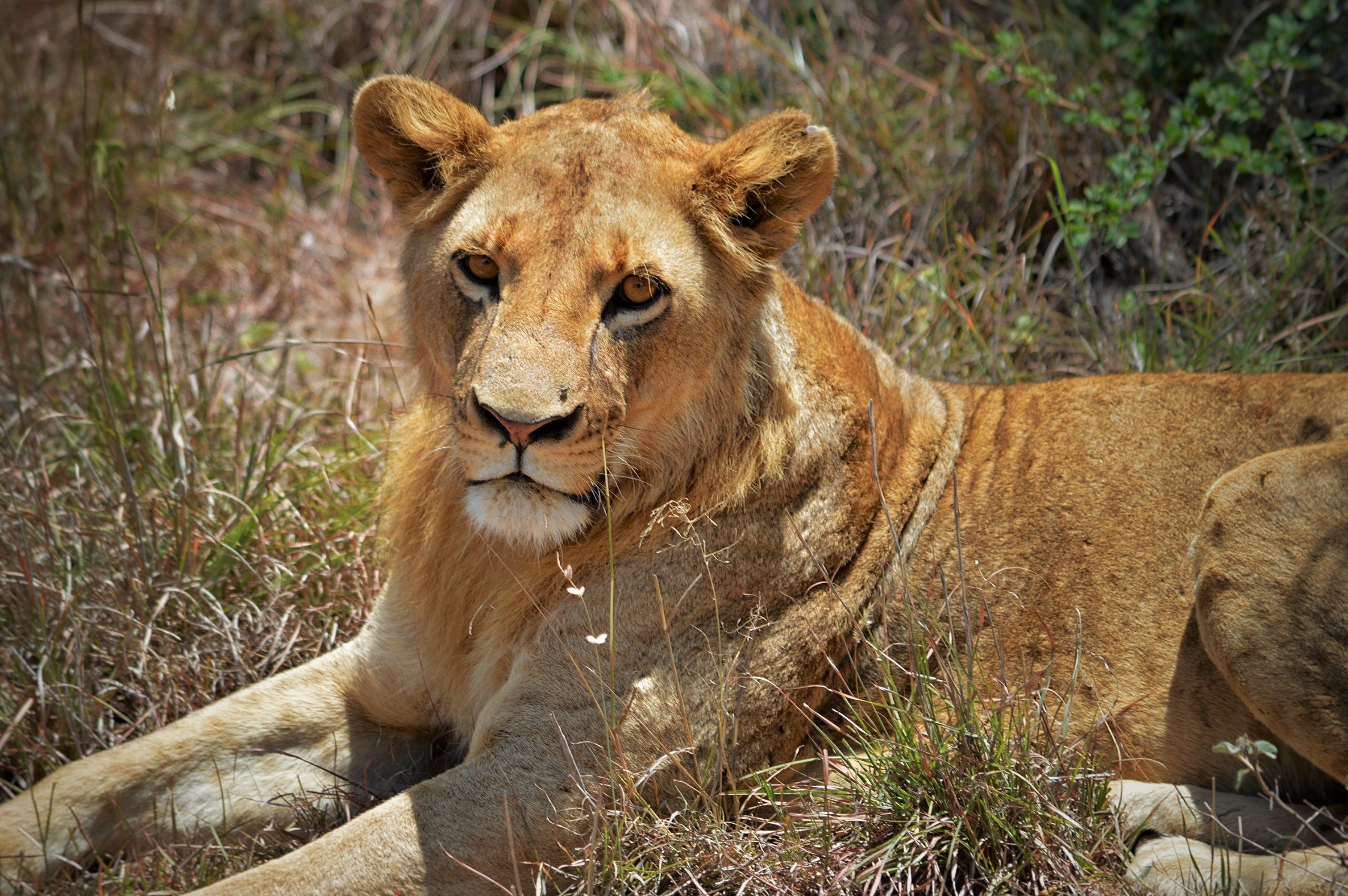
Predators and rare antelopes of the semi-arid plains
Kidepo Valley National Park is one of Uganda’s most distinctive wildlife destinations, combining expansive savannah, rugged mountain scenery and a remote setting in northeastern Uganda. A Kidepo Valley Safari is especially appealing to travelers interested in large mammals, predators, unusual antelope species, birds and landscapes that differ from the better-known safari areas farther south.
The park supports a substantial range of wildlife, although sightings are never guaranteed. Animals move naturally across large areas, and what visitors see depends on season, habitat, time of day, weather and the location of wildlife when the game drive takes place.
For travelers researching Kidepo Valley National Park wildlife, understanding the different habitats is just as important as knowing the species that live there.
Wildlife Diversity in Kidepo Valley National Park
Kidepo contains a wide range of mammals, including elephants, buffaloes, giraffes, zebras, waterbucks, hartebeests, elands and several smaller antelope species. The park is also notable for predators such as lions, leopards, cheetahs and spotted hyenas.
Current sources reviewed for this guide describe Kidepo as supporting more than 450 bird species, while other published sources give figures above 460 or 475 species. Because species totals can vary according to source and taxonomy, the current Uganda Wildlife Authority information should be treated as the primary reference when an exact total is required.
Four of the African Big Five in Kidepo
Kidepo Valley National Park supports four of the animals traditionally known as the African Big Five: lions, leopards, elephants and buffaloes. Rhinoceros are not naturally present in Kidepo.
This means a Kidepo Valley Safari can provide opportunities to encounter four major large mammal species within one protected area, although seeing all four during a single safari is never guaranteed.
Lions in Kidepo Valley
Lions are among Kidepo’s most sought-after predators. They occur in the park’s savannah habitats and may be encountered during game drives, particularly in areas where prey and water availability support predator activity.
The Narus Valley is particularly important for wildlife viewing because its water resources can attract animals during dry periods. Where prey concentrations increase, predators may also be encountered.
Travelers interested in Uganda lion safaris should nevertheless remember that wild animals are unpredictable and sightings depend on natural conditions.
Leopards in Kidepo
Leopards occur in Kidepo and can inhabit areas where woodland, rocky terrain and prey provide suitable conditions. They are generally more difficult to see than some of the park’s larger herbivores because of their secretive behavior.
A patient guide can help identify signs of leopard activity, but visitors should not expect a guaranteed sighting.
Cheetahs in Kidepo
Kidepo is particularly notable for its cheetahs. Current wildlife sources identify the park as one of the principal places in Uganda where cheetahs can be encountered.
Cheetahs favor open habitats where they can use their speed while hunting. Their relatively low numbers and wide-ranging behavior make encounters special rather than predictable.
Current research-based safari information reviewed for this guide describes Uganda’s cheetah population as very small, with Kidepo and the adjacent Pian Upe landscape identified as important areas. Exact population estimates should be treated cautiously because wildlife populations change and estimates depend on survey methods.
Elephants in Kidepo
African elephants are among the major herbivores found in Kidepo Valley National Park. They can be encountered during game drives across suitable savannah and woodland habitats.
Elephants can travel considerable distances in search of food and water, so their location can change from one day to another. Guides therefore rely on current tracks, sightings and local knowledge when searching for them.
Buffaloes in Kidepo
Cape buffaloes are another prominent large mammal in Kidepo. They can occur in herds and are among the species travelers may encounter during game drives.
Buffaloes contribute significantly to the park ecosystem as large grazers and also form an important prey resource for large predators.
Rothschild’s Giraffes
Rothschild’s giraffes are one of the distinctive giraffe populations associated with Kidepo. Their presence adds to the park’s appeal for travelers interested in large herbivores and photography.
Giraffes can often be easier to notice in open landscapes because of their height, although the exact location of animals changes throughout the day.
Zebras in Kidepo
Zebras are among the common grassland herbivores that can be encountered during a Kidepo Valley Safari. Their striped coats create striking photographic subjects against Kidepo’s open savannah.
Zebra distribution can change with water and forage availability, so different game-drive routes can produce different wildlife encounters.
Jackson’s Hartebeest
Jackson’s hartebeest is one of the antelope species associated with Kidepo. It is adapted to open grassland environments and can be encountered during game drives.
Its presence contributes to Kidepo’s distinctive antelope diversity and gives wildlife enthusiasts another species to look for beyond the more familiar zebras and buffaloes.
Elands in Kidepo
Elands are among the larger antelopes found in Kidepo. Their size makes them visually impressive, while their movement across open habitats can provide interesting wildlife-viewing opportunities.
As with other antelope species, sightings depend on natural movements and seasonal habitat conditions.
Waterbucks in Kidepo
Waterbucks are associated with areas where water and suitable vegetation are available. They may be encountered during game drives, particularly around habitats influenced by seasonal water sources.
Their association with water makes them an interesting species to observe when exploring the Narus Valley and other suitable habitats.
Uganda Kob and Other Antelope
Kidepo supports several antelope species beyond the larger elands and hartebeests. Current safari sources identify Uganda kob, oribi, bushbuck, dik-dik, klipspringer and other antelope among the wildlife associated with the park.
The variety of antelope helps sustain the park’s predator populations and contributes to the ecological diversity experienced during game drives.
Guenther’s Dik-Dik
Guenther’s dik-dik is a small antelope associated with northeastern Uganda and is among the more specialized wildlife species visitors may look for in Kidepo.
Because of its small size and behavior, spotting a dik-dik can require considerably more attention than spotting a giraffe, elephant or buffalo.
Klipspringers
Klipspringers are small antelopes adapted to rocky environments. Their association with rugged terrain makes them particularly interesting in a park characterized by mountains, valleys and rocky landscapes.
Visitors should rely on guides to identify suitable habitat rather than expecting to see them on every game drive.
Warthogs
Warthogs are among the recognizable mammals that may be encountered in Kidepo. They often use open grassland and savannah environments and can sometimes be observed during routine game drives.
Their presence adds to the diversity of smaller and medium-sized mammals that complement Kidepo’s large-animal encounters.
Spotted Hyenas
Spotted hyenas occur in Kidepo and are important predators and scavengers within the ecosystem. They can sometimes be encountered during game drives, particularly when moving through open areas.
Hyenas play an important ecological role by consuming prey and carrion and helping recycle nutrients within the ecosystem.
Bat-Eared Foxes
Bat-eared foxes are among the smaller carnivores associated with Kidepo’s savannah environment. Their smaller size and behavior make them more difficult to encounter than lions or hyenas.
Travelers interested in smaller carnivores should tell their guide because careful observation can reveal species that might otherwise be overlooked.
Aardwolves and Other Rare Carnivores
Aardwolves have been reported among Kidepo’s wildlife, although sightings are considerably less predictable than those of common herbivores.
The same principle applies to other less frequently encountered carnivores. A safari should be approached as wildlife observation rather than as a guaranteed species checklist.
Jackals in Kidepo
Jackals are among the smaller carnivores that may be encountered during game drives. They occupy a range of habitats and can take advantage of different food sources within the ecosystem.
Their smaller size means they can be missed when attention is focused exclusively on large mammals.
Birdlife in Kidepo Valley National Park
Bird watching is one of the strongest additions to a Kidepo Valley Safari. The park’s combination of savannah, woodland, valleys and seasonal water sources supports a broad range of bird species.
Current sources reviewed for this page identify more than 450 bird species in Kidepo, including ostriches, secretary birds, ground hornbills, hornbills, vultures, rollers and other savannah birds.
For visitors who enjoy both wildlife and birds, a game drive can become a combined mammal-and-birding experience.
Ostriches in Kidepo
The ostrich is one of Kidepo’s most recognizable birds. Its large size makes it relatively easy to distinguish from smaller savannah species.
Ostriches are particularly impressive when observed within the broad open landscapes that characterize parts of Kidepo.
Secretary Birds
Secretary birds are another notable bird species associated with Kidepo’s open habitats. Their distinctive appearance and ground-feeding behavior make them a popular target for birders.
A dedicated birding approach can increase the opportunity to observe species such as secretary birds while also searching for larger mammals.
Abyssinian Ground Hornbill
The Abyssinian ground hornbill is a distinctive large ground-dwelling bird associated with the savannah environment. Its size and dark plumage make it a particularly memorable species for bird watchers.
Visitors should use binoculars and maintain appropriate distances rather than attempting to approach birds closely.
Kori Bustard
The Kori bustard is another large bird that birders may look for in Kidepo. Its substantial size and terrestrial habits make it particularly interesting during open-country game drives.
Spotting large ground birds can add variety to a game drive dominated by mammals.
Hornbills in Kidepo
Kidepo supports several hornbill species. Current sources mention yellow-billed and Jackson’s hornbills among the birds associated with the park.
Hornbills can often be detected by their distinctive shapes and calls, making them rewarding targets for travelers who take time to observe the trees and woodland edges.
Vultures and Birds of Prey
Raptors and vultures form another important component of Kidepo’s birdlife. They play ecological roles as predators and scavengers and can sometimes be observed soaring over open landscapes.
Birders should scan the sky as well as trees and grasslands because many raptors are easier to notice in flight.
Where to See Wildlife in Kidepo
Wildlife distribution differs across Kidepo’s habitats. The Narus Valley is especially important during dry periods because water availability can influence where animals gather.
The Kidepo Valley offers expansive scenery and opportunities to observe wildlife while traveling through a much broader landscape. The two areas should therefore be considered complementary rather than identical wildlife-viewing environments.
Narus Valley Wildlife
The Narus Valley is widely recognized as a productive wildlife-viewing area. Seasonal water availability can attract herbivores, which in turn can attract predators.
Travelers seeking lions, elephants, buffaloes and other large mammals should discuss Narus Valley game drives with their guide when planning the itinerary.
Kidepo Valley Wildlife
The Kidepo Valley provides a more expansive and scenic experience. Current information describes a drive through the valley toward Kanangorok Hot Springs, with opportunities to observe the landscape and wildlife along the route.
The valley can be particularly valuable for travelers who want landscape photography alongside wildlife viewing.
Wildlife During the Dry Season
Dry-season conditions can influence wildlife distribution because water becomes less widely available. Animals may concentrate around remaining sources, making some areas more productive for game viewing.
However, this does not mean that animals remain in one location. Wildlife continues to move naturally according to food, water, temperature and other ecological factors.
Wildlife During the Wet Season
During wetter conditions, water becomes more widely distributed and vegetation can become denser. Animals may therefore spread across larger areas instead of concentrating around particular water sources.
The reward can be greener scenery and a different ecological atmosphere, making wet-season safaris worthwhile for travelers interested in landscapes as well as wildlife.
Best Time for Kidepo Wildlife Viewing
The commonly preferred periods for conventional wildlife viewing are June through September and December through February. These dry periods can provide easier access and potentially better visibility through thinner vegetation.
Current travel sources also identify these periods as favorable for game viewing, but no season guarantees sightings of a particular animal.
Best Time to See Cheetahs
Cheetah encounters are unpredictable throughout the year. Their presence in Kidepo makes the park a significant destination for travelers interested in this rare Ugandan predator, but their movements cannot be scheduled.
Travelers should therefore plan multiple game drives rather than choosing a particular day on the assumption that cheetahs will be visible.
Best Time for Birding
Birding can be undertaken throughout the year, with seasonal conditions influencing vegetation, water availability and bird distribution.
Travelers interested in specialist birding should communicate their target species to the guide in advance and allocate sufficient time for observation.
Wildlife Photography in Kidepo
Kidepo’s broad landscapes provide strong opportunities for wildlife photography that includes the surrounding environment rather than only close portraits of animals.
Elephants, giraffes, zebras and buffaloes can work particularly well in environmental compositions, while predators and smaller species can provide more challenging subjects.
Travelers seeking Uganda wildlife photography can combine Kidepo with other destinations, but each park provides a different photographic environment.
Responsible Wildlife Viewing
Responsible wildlife viewing is essential in Kidepo. Visitors should remain inside the vehicle during game drives unless their guide and park authorities authorize a particular activity.
Animals should not be chased, surrounded or deliberately disturbed for photographs. Following ranger and guide instructions helps protect both visitors and wildlife.
Wildlife and the Karamojong Cultural Landscape
The wildlife experience in Kidepo exists alongside the cultural landscape of Karamoja. Community experiences can help travelers understand the relationship between people, livestock, land and wildlife in the region.
Cultural visits should be organized respectfully and should follow the guidance of community hosts concerning photography and participation.
How Many Animals Can You See on a Kidepo Safari?
There is no reliable number of animals that every visitor will see. One game drive may produce several large mammal sightings, while another may focus more on birds, tracks, landscapes or smaller species.
The quality of a Kidepo Valley Safari should therefore not be measured solely by counting species. The remoteness, habitat diversity and opportunity to observe wildlife in a relatively wild setting are also important parts of the experience.
Why Kidepo Wildlife Is Different From Other Uganda Parks
Kidepo’s northeastern location gives it a wildlife character that differs from many of Uganda’s more heavily visited parks. Its semi-arid environment, mountain ranges and extensive savannah support species and ecological communities that create a distinctive safari experience.
Travelers who have already visited Queen Elizabeth or Murchison Falls may find Kidepo particularly interesting because the scenery and wildlife experience are not simply repetitions of those destinations.
Final Kidepo Valley Safari Wildlife Guide
Kidepo Valley National Park offers a broad wildlife experience centered on large mammals, predators, antelope and diverse birdlife. Lions, leopards, cheetahs, elephants, buffaloes, giraffes, zebras and numerous antelope species are among the animals travelers may encounter, while birds such as ostriches, ground hornbills, secretary birds, bustards and hornbills add another dimension to the safari.
The most productive approach is to allow enough time for multiple game drives, explore both the Narus and Kidepo valleys where appropriate, use a knowledgeable guide and remain flexible about wildlife sightings.
For additional context on Uganda’s larger wildlife experience, Uganda wildlife safari planning can help place Kidepo within a broader national safari itinerary.
For specialist information on Kidepo’s large predators, Kidepo big cats provides additional destination-specific information.
How to Plan a Kidepo Valley Safari Itinerary
Structuring your days for maximum wildlife viewing
Planning a Kidepo Valley Safari itinerary requires careful attention to travel time, wildlife activities, accommodation, seasonality and the distance between Kidepo Valley National Park and Uganda’s main tourism hubs. Because Kidepo is located in northeastern Uganda and is approximately 700 kilometers from Kampala by road, the itinerary should allow enough time for the journey rather than treating Kidepo as a quick add-on to a Uganda safari. Current destination information confirms that both road and air access are used, with road journeys taking substantially longer than flights. :contentReference[oaicite:0]{index=0}
Travelers researching Kidepo Valley safari planning should first decide whether their priority is wildlife viewing, photography, bird watching, cultural experiences, scenery or a combination of these experiences.
Start With the Number of Days Available
The number of days available should determine the structure of a Kidepo Valley Safari itinerary. Travelers with limited time may benefit from flying, while travelers with more time can consider an overland journey that incorporates northern Uganda destinations and communities along the route.
A short itinerary should concentrate on the most important experiences instead of attempting to cover every attraction. A longer itinerary provides greater flexibility for multiple game drives, wildlife observation, birding, cultural experiences and scenic excursions.
Choose Between Road and Air Travel
Road and air access create very different safari experiences. Current information from Uganda safari sources describes the road journey from Kampala as roughly 700 kilometers, while flights can substantially reduce the time spent traveling. :contentReference[oaicite:1]{index=1}
Road travel can suit travelers who want to experience Uganda beyond the national parks, while flying is particularly useful for visitors whose main objective is maximizing time inside Kidepo.
For travelers comparing Uganda safari itinerary options, transportation should be considered together with accommodation and the number of nights inside the park.
Three-Day Kidepo Valley Safari
A three-day Kidepo Valley Safari can work particularly well as a fly-in itinerary because flying minimizes the amount of time spent traveling by road. A typical structure can allow arrival, game viewing and departure while maintaining the main focus on Kidepo.
Travelers choosing a road-based three-day itinerary should understand that the journey itself can consume a considerable proportion of the available time. A longer road itinerary is generally more practical when the objective is to experience the destination rather than simply reach it.
Four-Day Kidepo Valley Safari
Four days provide additional flexibility for wildlife viewing. The itinerary can include arrival, several game drives and departure while leaving some room for birding or a cultural activity.
A four-day itinerary can be particularly useful for travelers who want more than a single wildlife-viewing opportunity but cannot commit to a full week.
Five-Day Kidepo Valley Safari
A five-day Kidepo Valley Safari allows a more relaxed pace. Travelers can dedicate different periods to the Narus Valley, Kidepo Valley, wildlife photography, birding and cultural experiences.
The additional time also makes an overland itinerary more comfortable because the journey can be distributed across several days instead of being treated simply as transportation between Kampala and Kidepo.
Seven-Day Kidepo Valley Safari
A seven-day itinerary offers considerable flexibility for travelers who want to explore Kidepo in depth. Multiple game drives can be combined with cultural experiences, bird watching, nature walks where authorized and scenic excursions.
A week also makes it easier to include additional destinations before or after Kidepo without reducing the time available for wildlife viewing inside the park.
Build the Itinerary Around Game Drives
Game drives should form the foundation of most wildlife-focused Kidepo Valley Safari itineraries. Current information identifies both the Narus Valley and Kidepo Valley as important areas for game viewing. :contentReference[oaicite:2]{index=2}
Travelers should avoid scheduling only one game drive when possible. Wildlife movements are unpredictable, so multiple opportunities provide more chances to encounter different species and observe changing animal behavior.
Explore the Narus Valley
The Narus Valley is an important part of a Kidepo itinerary. Current safari information identifies the valley as an area where visitors can encounter wildlife including elephants, buffaloes, giraffes, zebras, waterbucks and predators. :contentReference[oaicite:3]{index=3}
The valley is also particularly relevant during dry periods when water availability can influence wildlife distribution.
Explore the Kidepo Valley
The Kidepo Valley provides a contrasting experience to the Narus Valley. The landscape is broad and scenic, and the drive toward Kanangorok Hot Springs provides opportunities to appreciate the park’s northern scenery.
Current information describes the Kidepo Valley as offering expansive landscapes and opportunities for wildlife observation, although it can have fewer concentrations of big game than the Narus Valley. :contentReference[oaicite:4]{index=4}
Include Kanangorok Hot Springs
Kanangorok Hot Springs can be incorporated into a Kidepo Valley Safari itinerary as part of an excursion through the Kidepo Valley. The journey provides an opportunity to combine scenery with wildlife observation.
Travelers should confirm current access arrangements with their safari operator or park authorities before fixing the excursion into a detailed daily schedule.
Plan for Wildlife Photography
Travelers interested in photography should allow additional time for slow wildlife observation. A rushed itinerary can limit opportunities to compose photographs or wait for suitable wildlife behavior.
Kidepo’s open landscapes can also provide opportunities for environmental photography, allowing animals to be photographed together with mountains, grasslands and broad savannah scenery.
Plan a Bird-Watching Kidepo Safari
Birding can be incorporated into game drives or planned as a more specialized activity. Current information identifies more than 450 bird species in Kidepo, although published sources differ on the exact total. :contentReference[oaicite:5]{index=5}
Notable birds reported in current sources include ostriches, secretary birds, Kori bustards, Abyssinian ground hornbills, Karamoja apalis, Egyptian vultures and several hornbill species. :contentReference[oaicite:6]{index=6}
Travelers planning a dedicated birding experience should inform their guide before the safari so that the daily schedule can accommodate observation time.
Add a Karamojong Cultural Experience
A Kidepo itinerary can include a cultural experience involving communities in the Karamoja region. Current information describes visits to traditional Karamojong homesteads and cultural activities that provide insight into local pastoralist traditions and daily life. :contentReference[oaicite:7]{index=7}
Cultural experiences should be organized respectfully, with local hosts guiding visitors on appropriate participation and photography.
Combine Wildlife and Culture
Travelers do not necessarily need to choose between wildlife and cultural experiences. A well-designed itinerary can use game drives as the central activity while reserving a separate period for cultural interaction.
This approach creates a broader understanding of the region rather than treating Kidepo exclusively as a wildlife-viewing destination.
Include a Nature Walk Where Appropriate
Current Kidepo information describes guided nature walks near Apoka and other authorized walking areas. These experiences provide a different perspective from vehicle-based game drives because travelers experience the landscape on foot under the direction of qualified guides or rangers. :contentReference[oaicite:8]{index=8}
Walking activities should only be undertaken through authorized arrangements and according to current park rules.
Plan Around the Dry Season
Current destination information identifies June, July, August, September, December, January and February as commonly preferred dry-season months for visiting Kidepo. During these periods, thinner vegetation and reduced water availability can make some wildlife easier to locate. :contentReference[oaicite:9]{index=9}
However, wildlife movements remain natural and sightings cannot be guaranteed regardless of season.
Consider the Wet Season
Wet-season travel can provide a different Kidepo experience, with greener landscapes and changing wildlife distribution. Travelers choosing wetter periods should allow greater flexibility for road conditions and daily activities.
Wet-season travel can be particularly attractive to photographers who want greener landscapes, but travelers should verify current access conditions before departure.
Plan Accommodation Around Activities
Accommodation location can influence the efficiency of a Kidepo Valley Safari itinerary. Current information identifies several accommodation categories and properties around Kidepo, including luxury, mid-range, budget and camping options. :contentReference[oaicite:10]{index=10}
Travelers should compare accommodation based not only on price but also on location, meals, services, transfer arrangements and access to planned activities.
Match Accommodation to Your Budget
Budget travelers can consider simpler accommodation or campsites, while travelers seeking greater comfort may prefer established safari lodges. The correct choice depends on the traveler’s priorities and the current availability of each property.
Accommodation prices should be confirmed directly through a current quotation because rates and inclusions can change.
Plan the Road Journey Carefully
Road travelers should avoid treating the journey from Kampala as a simple transfer. Current information describes several routes and possible overnight stops, including journeys through Gulu, Kitgum, Kotido or Moroto depending on the route selected. :contentReference[oaicite:11]{index=11}
Breaking the journey into manageable sections can make the overall safari more comfortable and can provide opportunities to experience additional parts of Uganda.
Consider a Northern Uganda Circuit
A longer overland Kidepo Valley Safari can be designed as a northern Uganda circuit rather than a direct journey between Kampala and Kidepo. The exact route should be selected according to available time, road conditions and the attractions the traveler wants to include.
This approach is particularly useful for travelers who want the journey itself to become part of the safari experience.
Allow Time for Unexpected Changes
A remote safari destination requires flexibility. Weather, road conditions, wildlife movements and accommodation logistics can influence the daily schedule.
Travelers should avoid planning every hour of the trip so that guides and drivers can make sensible adjustments when conditions change.
Plan Early-Morning Activities
Early-morning game drives can be incorporated into a Kidepo itinerary when the objective is to observe wildlife during cooler periods and before the heat of the day becomes stronger.
Travelers should confirm departure times with their accommodation because breakfast arrangements can differ when guests leave before normal meal-service hours.
Plan Afternoon and Evening Activities
Afternoon and later game drives can provide additional wildlife-viewing opportunities and allow travelers to experience changing light across the savannah.
Exact activity times should follow current park regulations and the guidance of the safari operator.
Do Not Schedule Too Many Activities
One of the most common itinerary-planning mistakes is attempting to fit every possible activity into a short safari. Kidepo’s landscapes and wildlife are best experienced when travelers have enough time to observe rather than constantly moving from one activity to another.
A balanced itinerary should prioritize the experiences that matter most to the traveler.
Combine Kidepo With Other Uganda Parks
Kidepo can be combined with other Ugandan destinations when sufficient travel time is available. However, distances should be considered before adding multiple parks to a single itinerary.
Travelers who want to combine Kidepo with gorilla trekking, chimpanzee trekking or other wildlife experiences should allocate adequate transportation time rather than attempting to cover the entire country in a compressed schedule.
Additional Uganda safari planning information can help travelers understand how seasonal conditions affect different destinations.
Design a Kidepo Photography Itinerary
A photography-focused itinerary should emphasize longer game-drive windows and fewer rushed transfers. Photographers may also want to prioritize areas with expansive landscapes, mountains and large mammals rather than simply maximizing the number of destinations visited.
Wildlife photography also benefits from patience. The guide should be informed about the photographer’s interests so that the vehicle can spend appropriate time observing wildlife when conditions permit.
Design a Family Kidepo Itinerary
Families should consider the length of road transfers, accommodation facilities, meal arrangements and the age of the travelers when planning a Kidepo Valley Safari.
A slower itinerary with comfortable accommodation and manageable activity periods can be more practical than a schedule built around long daily drives and numerous activities.
Design a Birding Kidepo Itinerary
A dedicated birding itinerary should provide time for careful observation rather than relying exclusively on conventional game drives. The diversity of Kidepo’s habitats provides opportunities to look for both open-country and woodland birds.
Current sources identify Kidepo as a major birding destination, with more than 450 species reported depending on the source and classification used. :contentReference[oaicite:12]{index=12}
Design a Luxury Kidepo Itinerary
A luxury itinerary can prioritize air access, high-comfort accommodation, private transportation and a flexible schedule. Flying can be particularly valuable when travelers want to maximize time in the park rather than spending several days on the road.
Current information on private flying safaris describes Kidepo as a remote destination where air access can form an important part of the safari experience. :contentReference[oaicite:13]{index=13}
Design a Budget Kidepo Itinerary
A budget itinerary can focus on sharing transportation, selecting suitable lower-cost accommodation and avoiding unnecessary transfers. The itinerary should still provide enough time for game drives and should use appropriate safari transportation.
The cheapest possible itinerary is not necessarily the most useful one if excessive travel reduces the amount of time available for wildlife activities.
Plan the Return Journey
The return journey should be considered when calculating the total itinerary length. Road travelers should avoid scheduling an important international flight immediately after a long overland journey without sufficient flexibility.
Fly-in travelers should also confirm the flight schedule and transfer arrangements before finalizing onward travel.
Verify Current Flight Information
Air-access information can change. Current sources differ in how they describe scheduled and charter services, so travelers should verify the exact flight availability, departure point, airstrip and baggage conditions for their travel dates before booking. :contentReference[oaicite:14]{index=14}
Information not found in current search results: a universally applicable 2026 flight schedule and fare that can be guaranteed for every travel date.
Use a Flexible Wildlife Schedule
Wildlife does not follow a tourist timetable. A flexible schedule gives guides the opportunity to respond to fresh sightings, changing animal movements and current road conditions.
Travelers should therefore avoid measuring the success of the safari solely by whether a particular species appears at a predetermined time.
Include Time for Scenic Viewing
Kidepo’s landscapes are an important part of the destination. The mountains, valleys, open savannahs and distant horizons create a safari experience that extends beyond wildlife sightings.
Travelers should allow time to stop at appropriate scenic locations where permitted rather than rushing through every landscape in pursuit of the next activity.
Respect Kidepo’s Wildlife Rules
Visitors should follow current Uganda Wildlife Authority regulations and the instructions of their guides and rangers. Wildlife should be observed responsibly, and travelers should avoid behavior that could disturb animals or damage habitats.
Current rules should be confirmed before departure because regulations and operational procedures can change.
Best Overall Kidepo Valley Safari Itinerary Strategy
For most travelers, the strongest Kidepo Valley Safari itinerary begins with transportation planning, followed by accommodation selection and then activity scheduling. Game drives should form the wildlife foundation, while birding, cultural experiences, scenic excursions and authorized walks can be added according to available time.
Travelers with limited time should prioritize flying, while those with several days can consider an overland route that incorporates northern Uganda. Either approach can produce an excellent safari when the itinerary is realistic and flexible.
For travelers interested in comparing Kidepo with other Ugandan wildlife experiences, Uganda wildlife safari experiences provides additional destination-planning context.
For an additional perspective on Kidepo access, Kidepo access information covers road and air approaches to the park. :contentReference[oaicite:15]{index=15}
Final Kidepo Valley Safari Itinerary Checklist
The most important principle is to build the itinerary around realistic travel times and the experiences that matter most. Kidepo is remote, so allowing adequate time for transportation is essential. Multiple game drives provide better opportunities for wildlife observation, while dedicated birding, cultural activities and scenic excursions can make the safari more comprehensive.
Current information confirms that Kidepo can be accessed by road and air, supports diverse wildlife and birdlife, and offers activities including game drives, bird watching, cultural experiences and authorized nature walks. :contentReference[oaicite:16]{index=16}
Information not found in current search results: a single universally correct day-by-day itinerary that suits every traveler. The final itinerary should be customized according to travel dates, transportation method, budget, accommodation preference and primary safari interests.
Kidepo Valley Safari Safety, Health and Responsible Travel
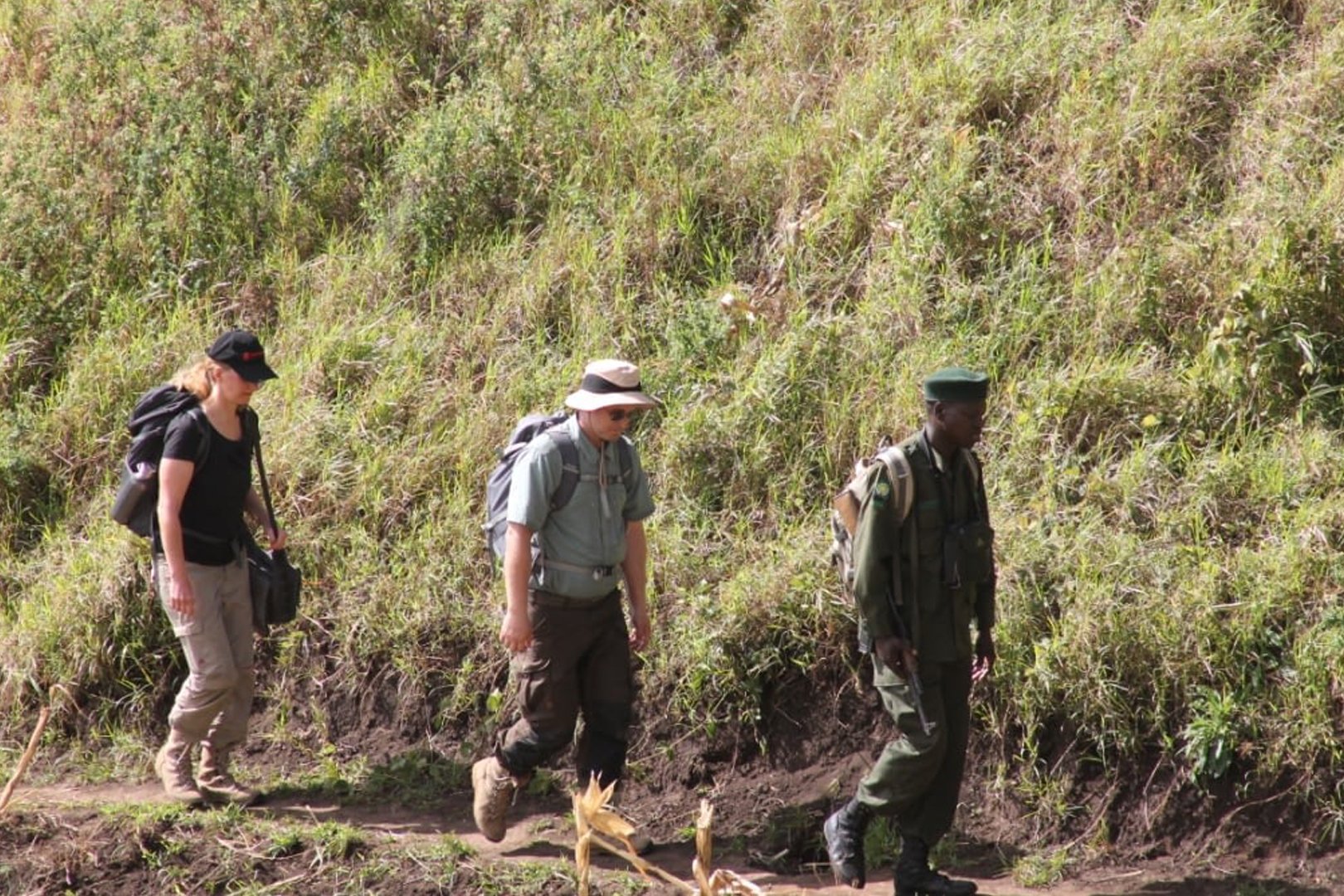
Safe exploration and respectful eco-tourism practices
A well-planned Kidepo Valley Safari should include practical preparation for remote travel, wildlife encounters, changing weather, long road journeys and responsible interaction with the environment and local communities. Kidepo Valley National Park is a remote destination, so travelers should confirm current park regulations, transport arrangements, accommodation facilities and health requirements before departure rather than relying on outdated safari information.
For travelers preparing safe Uganda wildlife adventures, the same basic principle applies: preparation should support the experience without interfering with wildlife or local communities.
Follow Current Park Regulations
Visitors should follow all current instructions issued by Uganda Wildlife Authority personnel, guides and rangers. Park regulations exist to protect visitors, wildlife and habitats, and the rules applying to particular activities can vary.
Travelers should receive a briefing before game drives, walking activities or other experiences and should ask their guide whenever they are uncertain about what is permitted.
Remain With Your Guide During Wildlife Activities
Kidepo is a wild environment rather than a controlled wildlife attraction. Visitors should remain with their authorized guide during activities and should not independently approach animals.
A guide understands the local terrain and wildlife behavior and can help determine appropriate viewing distances and safe locations for stopping.
Keep a Safe Distance From Wildlife
Wild animals should always be observed without attempting to approach, touch, feed or provoke them. Even apparently calm animals can react unpredictably when they feel threatened.
Maintaining an appropriate distance also produces a better wildlife experience because animals can continue their natural behavior without unnecessary disturbance.
Stay Inside the Safari Vehicle When Required
During ordinary game drives, travelers should remain inside the vehicle unless the guide and park authorities have specifically authorized a stop outside the vehicle.
Large mammals and predators can move quickly, and the vehicle provides an important layer of protection. Visitors should never leave the vehicle simply to obtain a closer photograph.
Follow Instructions Around Elephants
Elephants can be unpredictable, particularly when they are startled, protecting young animals or responding to perceived threats. Drivers and guides should determine the appropriate position of the vehicle.
Travelers should remain quiet, avoid sudden movements and allow the guide to manage the encounter.
Be Careful Around Buffaloes
Cape buffaloes are powerful wild animals and should be observed from an appropriate distance. Herd behavior can change quickly, especially when animals feel pressured.
Visitors should never attempt to walk toward buffaloes or encourage a vehicle to move closer merely for photography.
Respect Predators
Lions, leopards, cheetahs and hyenas are wild predators. Travelers should never attempt to attract their attention, feed them or leave the vehicle without authorization in areas where predators are present.
Predator sightings are best enjoyed through patient observation while allowing the guide to manage the vehicle’s position.
Do Not Feed Wildlife
Feeding wild animals can alter their natural behavior and create risks for both animals and people. Visitors should never offer food to wildlife from a safari vehicle or accommodation facility.
Keeping food securely stored also helps prevent unwanted interactions with animals around camps and lodges.
Do Not Call or Chase Animals
Wildlife should not be chased, surrounded or deliberately disturbed to create a better sighting. A responsible Kidepo Valley Safari allows animals to determine their own movements.
Experienced guides can often position vehicles appropriately without interfering with natural behavior.
Use Responsible Photography
Photography should complement wildlife observation rather than control it. Visitors should avoid loud noises, sudden movements and repeated attempts to attract an animal’s attention.
Photographers should also respect the instructions of their guide regarding vehicle positioning and distance.
Protect Your Camera and Electronics
Kidepo’s environment can include dust, heat and seasonal rain. Travelers carrying cameras, phones or other electronics should protect them appropriately during game drives.
Keeping equipment secured when traveling over rough roads can reduce the risk of accidental damage.
Prepare for Sun and Heat
Daytime conditions can become hot, particularly during drier periods. Travelers should use practical sun protection, drink sufficient water and avoid unnecessary exposure when conditions are particularly hot.
Early-morning and late-afternoon activities can provide more comfortable conditions than remaining outdoors during the hottest part of the day.
Carry Sufficient Drinking Water
Travelers should confirm how drinking water is provided during game drives and long excursions. On extended drives, having an adequate supply is particularly important.
Water requirements vary between individuals and weather conditions, so travelers should plan accordingly.
Choose Clothing for the Environment
Clothing should prioritize comfort, protection from the sun and suitability for the day’s activities. Lightweight clothing can be useful in hot conditions, while an additional layer may be helpful during cooler early-morning drives.
Travelers should also consider rain protection during wetter periods.
Wear Suitable Footwear
Comfortable closed footwear is useful for travelers who intend to participate in walking activities or explore areas around accommodation. Footwear should provide adequate grip and remain comfortable during extended periods of use.
The appropriate footwear depends on the specific activity and current ground conditions.
Prepare for Dust on Road Safaris
Long overland journeys can expose travelers and luggage to dust, particularly during drier periods. Camera protection, luggage covers and practical clothing can make the journey more comfortable.
Travelers should keep important documents and electronics securely protected throughout the journey.
Prepare for Rain
Rain can occur during wetter periods and may affect roads and outdoor activities. A lightweight waterproof layer can be useful for travelers visiting during wetter months.
Travelers should also understand that rainfall can alter the timing of activities and road conditions, particularly on long overland routes.
Be Prepared for Remote Travel
Kidepo’s remoteness means travelers should avoid assuming that every service available in Kampala will be immediately accessible inside or near the park.
Essential personal items should be packed before beginning the journey, and travelers should confirm accommodation and transportation arrangements in advance.
Keep Important Documents Accessible
Travel documents, booking confirmations, identification and relevant travel information should be kept securely accessible throughout the safari.
Digital copies can be useful when connectivity is available, but travelers should also consider keeping essential information available offline.
Plan Communication in Advance
Mobile connectivity can vary in remote areas. Travelers should not assume that they will have continuous access to internet or mobile services throughout Kidepo.
Important contacts and itinerary information should therefore be available offline whenever possible.
Confirm Accommodation Facilities Before Travel
Travelers should confirm the facilities provided by their chosen accommodation before departure. This can include electricity arrangements, charging facilities, meal schedules, water availability and communication options.
Current facilities should be confirmed directly with the accommodation provider because services can change.
Understand Road Travel Conditions
The overland journey to Kidepo can be long, and road conditions vary along the route and according to weather. Drivers and safari operators should assess current conditions before departure.
Travelers should avoid fixing tightly timed connections immediately after a long road journey because unexpected delays can occur.
Allow Extra Time on the Road
Flexible scheduling is particularly valuable when traveling overland. Traffic, roadworks, weather, stops and changing road conditions can affect arrival times.
A realistic itinerary should allow sufficient time rather than assuming the shortest possible journey duration.
Consider Flying When Time Is Limited
Travelers with limited vacation time can consider air access to reduce the amount of time spent traveling by road. Flight arrangements should be confirmed for the specific travel dates, including departure point, destination airstrip and luggage requirements.
Current flight schedules and prices should be verified before booking because they can change.
Prepare for Long Game Drives
Game drives can involve extended periods inside a safari vehicle. Travelers should carry water, sun protection, suitable clothing and any personal items they need during the activity.
Photography equipment should also be packed in a way that keeps it secure and accessible without obstructing other passengers.
Take Breaks Appropriately
Long excursions can become tiring, particularly in hot conditions. Travelers should communicate with their guide when they need a reasonable break.
Break locations should always be selected by the guide according to current wildlife and park conditions rather than chosen independently.
Health Preparation Before a Kidepo Safari
International travelers should consult a qualified healthcare professional or an official travel-health service before visiting Uganda. Health recommendations can depend on the traveler’s medical history, previous vaccinations, planned activities and travel route.
Travelers should not rely on a general safari article to determine personal medical requirements.
Carry Necessary Personal Medication
Travelers who take regular medication should plan their supplies before leaving home and keep medication in appropriate travel packaging.
Because Kidepo is remote, it is sensible to discuss medication planning with a qualified healthcare professional before travel.
Consider Travel Insurance
Travel insurance can provide protection against eligible unexpected travel, medical or logistical expenses. Travelers should read the policy carefully because coverage differs between providers.
The policy should match the actual activities included in the Kidepo Valley Safari itinerary.
Eat and Drink Carefully
Travelers should follow sensible food and water practices throughout the journey. They should confirm drinking-water arrangements with their safari operator and accommodation provider.
Long road journeys also make meal planning important, particularly when traveling through remote areas.
Keep Personal Hygiene Supplies Available
Travelers should pack the personal hygiene products they regularly require before leaving major towns. Availability can be more limited in remote safari areas.
A small personal travel kit can help avoid unnecessary inconvenience during long journeys.
Respect Local Communities
A responsible Kidepo Valley Safari should treat local communities as partners rather than tourist attractions. Visitors should listen to community hosts, follow local guidance and avoid intrusive behavior.
Cultural activities should be organized through appropriate local arrangements that explain what visitors can expect and how participation works.
Ask Before Photographing People
Photography involving local residents should be approached respectfully. Visitors should ask permission before taking identifiable photographs of individuals and should respect a refusal.
This is especially important during cultural visits where travelers may encounter people engaged in everyday activities.
Support Local Communities Responsibly
Community-based tourism can provide opportunities for local people to benefit from tourism. Travelers should use established experiences and purchase locally produced goods where appropriate.
Responsible spending can complement conservation and community initiatives without turning cultural encounters into transactional experiences.
Do Not Remove Natural Materials
Visitors should not collect plants, rocks, animal parts or other natural materials from protected areas. Removing objects can damage ecosystems and may violate park regulations.
Photographs and memories provide better souvenirs than taking natural materials from the park.
Do Not Litter
All waste should be kept securely until it can be disposed of appropriately. Even small items such as plastic wrappers can create hazards for wildlife and degrade the environment.
Travelers should follow the waste-management instructions provided by their guide and accommodation.
Reduce Single-Use Waste
Travelers can reduce unnecessary waste by carrying reusable personal items where practical and following the waste policies of their accommodation and safari operator.
Responsible tourism is particularly important in remote environments where waste collection and disposal can be more challenging.
Respect Vegetation and Habitats
Visitors should remain on authorized routes and avoid damaging vegetation. The landscape is part of the ecological system supporting Kidepo’s wildlife.
Even apparently small disturbances can accumulate when large numbers of visitors behave irresponsibly.
Follow Fire and Camp Rules
Travelers staying in camps should follow all instructions concerning fires, cooking and outdoor activities. Fire can pose significant risks in dry savannah environments if not properly controlled.
Only authorized staff should determine where fires and other potentially hazardous activities are permitted.
Be Careful Around Accommodation
Wildlife can move through areas around safari accommodation. Travelers should follow lodge or camp instructions about walking after dark, storing food and moving between buildings.
Visitors should never assume that the absence of animals at one moment means the area is permanently wildlife-free.
Follow Nighttime Instructions
Some accommodation facilities may require guests to be escorted between buildings after dark. Travelers should follow these instructions rather than walking independently.
The exact procedures differ between properties, so visitors should receive a briefing when they check in.
Be Prepared for Changing Wildlife Activity
Wildlife activity can change according to temperature, rainfall, water availability and time of day. Guides may adjust routes or activity timing accordingly.
This flexibility is an important part of responsible safari planning because it prioritizes wildlife welfare and visitor safety.
Do Not Expect Guaranteed Sightings
No responsible safari operator can guarantee that visitors will see a particular wild animal. A Kidepo Valley Safari should be approached as an opportunity to observe wildlife rather than as a predetermined checklist.
Patience and flexibility generally produce a more rewarding experience than pressuring guides to locate a specific species.
Respect Other Safari Vehicles
Responsible wildlife viewing also involves consideration for other visitors. Drivers should avoid crowding animals with unnecessary vehicles and should follow park rules governing wildlife encounters.
Travelers should accept that another vehicle may have a better position during a particular sighting and should avoid pressuring their guide to behave irresponsibly.
Choose a Responsible Safari Operator
Travelers should select an operator that provides clear information about transportation, accommodation, activities, park regulations and responsible tourism practices.
A reputable operator should be willing to explain what is included in the safari and how activities will be conducted.
For broader responsible Uganda wildlife travel, travelers can also examine how conservation, wildlife observation and community experiences are incorporated into other safari destinations.
Keep Emergency Contacts Accessible
Travelers should keep the contact details supplied by their safari operator, accommodation provider and relevant travel services accessible throughout the trip.
Because connectivity can vary in remote areas, important information should not exist only inside an online application that may be inaccessible without an internet connection.
Tell Your Guide About Important Needs
Travelers should inform their safari operator about relevant dietary, mobility, accommodation or activity requirements before the itinerary is finalized.
Early communication gives the operator a better opportunity to determine whether the requested arrangements are available.
Respect Accessibility Limitations
Kidepo’s remote setting and some safari activities can involve uneven terrain, long drives and limited infrastructure. Travelers with accessibility requirements should discuss them with the safari operator before booking.
Specific accommodation and activity accessibility information should be verified directly rather than assumed from generic descriptions.
Responsible Use of Drones and Technology
Travelers should not operate drones or other equipment in protected areas unless they have confirmed that such use is permitted and have obtained all required authorization.
Technology should never be used in a way that disturbs wildlife or interferes with other visitors.
Protect the Wilderness Character of Kidepo
One of Kidepo’s major attractions is its remote wilderness character. Travelers can help preserve this experience by minimizing noise, respecting wildlife, avoiding litter and following park regulations.
The goal of responsible tourism is not simply to enjoy Kidepo today but to help maintain the ecosystem for future visitors and the wildlife that depends on it.
Final Safety and Responsible Travel Advice
The safest Kidepo Valley Safari is one that combines good preparation with respect for the natural environment. Travelers should use authorized guides, follow park regulations, maintain appropriate wildlife distances, prepare for heat and changing weather, carry essential personal items and allow flexibility for remote travel.
Responsible tourism is equally important. Visitors should avoid disturbing wildlife, respect local communities, manage waste carefully and follow accommodation instructions. These simple practices help protect both travelers and the destination.
Additional Uganda safari itinerary planning can be useful when Kidepo is combined with other national parks, particularly because travel distances can be substantial.
For another perspective on remote Uganda safari planning, travelers can review current information about air-access safari arrangements.
Information not found in current search results: a single set of health or safety requirements that applies identically to every Kidepo traveler. Individual requirements can depend on nationality, medical circumstances, travel route, activities and current regulations, so travelers should obtain current advice from qualified official sources before departure.