
Kigali City Tour – The Ultimate Guide to Exploring Rwanda’s Cleanest and Most Vibrant City.
Why Choose a Kigali City Tour?
A Kigali city tour is one of the best ways to understand Rwanda beyond its famous mountain gorillas and national parks. Kigali is not simply an arrival and departure point for international travelers; it is the political, cultural, commercial and historical heart of Rwanda. Spending time exploring the capital gives visitors important context about the country’s history, contemporary life, culture, art, food, entrepreneurship and remarkable post-1994 transformation. Travelers planning a wider journey through Rwanda can therefore use a Kigali city tour as an introduction before continuing to the country’s wildlife destinations and other Rwanda attractions.
A well-designed Kigali city tour can combine historical sites, museums, memorials, local neighborhoods, markets, art galleries, viewpoints, restaurants and modern commercial districts within a single itinerary. Instead of simply driving through Kigali on the way to another destination, visitors have an opportunity to experience the different layers of Rwanda’s capital with the interpretation of a knowledgeable local guide. This can make the city particularly valuable for first-time visitors who want to understand the country before exploring places such as Volcanoes National Park, Akagera National Park or Nyungwe National Park.
Kigali also works well for travelers with limited time. Depending on arrival and departure schedules, a Kigali city tour can be arranged as a half-day experience, a full-day exploration, or part of a longer Rwanda itinerary. Because many international journeys through Rwanda begin or end in the capital, adding a city experience can be an efficient way of seeing more of the country without requiring an additional long-distance transfer.
Experience Rwanda’s Capital Beyond the Airport
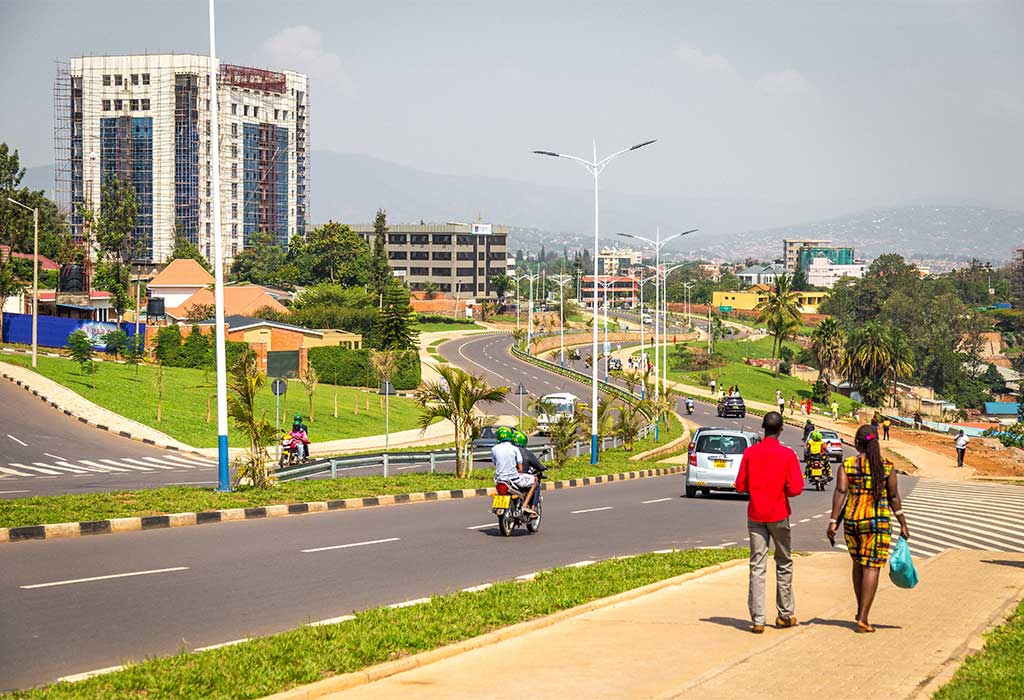
Many travelers first encounter Rwanda through Kigali, but travelers who immediately leave for the national parks can miss an important part of the country’s story. A Kigali city tour transforms the capital from a transit point into a destination in its own right. Visitors can explore different neighborhoods, see major government and commercial areas, visit cultural institutions, and learn how Kigali developed into Rwanda’s largest urban center.
Kigali became Rwanda’s capital after independence in 1962 and has since grown into the country’s main administrative and economic center. Exploring the city with a guide allows visitors to connect its historical development with what they see today, from older neighborhoods and traditional markets to expanding residential areas, business districts and modern architecture. Travelers who want additional background before their tour can read our detailed guide to Kigali City.
The appeal of a Kigali sightseeing tour also comes from the city’s landscape. Kigali spreads across a series of hills and valleys, creating changing viewpoints as visitors move between neighborhoods. Rather than being concentrated around a single historic center, attractions are distributed across the city, making a professionally planned route particularly useful for travelers who want to see several locations efficiently.
Understand Rwanda’s History and Remarkable Transformation
One of the most important reasons to choose a Kigali city tour is the opportunity to learn about Rwanda’s history in the places where significant events occurred. The country’s story includes pre-colonial traditions, German and Belgian colonial rule, independence, political upheaval, the 1994 Genocide against the Tutsi, and the country’s subsequent reconstruction and development.
The Kigali Genocide Memorial at Gisozi is among the most significant historical locations in the city. According to the Memorial, it is the final resting place for approximately 250,000 victims of the 1994 Genocide against the Tutsi and contains exhibitions examining the genocide, Rwanda’s history and wider examples of genocidal violence. The Memorial also functions as a center for remembrance, documentation and peace education. Visitors should approach the site respectfully and allow sufficient time for reflection. The Memorial currently recommends allowing at least an hour and a half for a complete visit.
A thoughtfully organized Kigali city tour should not reduce Rwanda’s identity to the genocide alone. The memorial is an essential historical experience, but understanding Kigali also requires seeing how people live today. Art centers, markets, businesses, restaurants, residential neighborhoods, and new developments demonstrate the many dimensions of contemporary Rwandan society.
This contrast between remembrance and modern life makes the Kigali historical tour particularly meaningful. Visitors can gain a clearer understanding of both the country’s difficult past and the society that has developed in the decades since 1994.
Visit the Kigali Genocide Memorial with Greater Context

For many international visitors, the Kigali Genocide Memorial becomes one of the most emotionally significant stops during a Kigali city tour. The Memorial’s permanent exhibitions explain Rwanda before the genocide, the events surrounding the 1994 Genocide against the Tutsi and the country’s subsequent path toward justice, reconciliation and renewal. The site also contains memorial gardens, mass graves, the Wall of Names and the Genocide Archive of Rwanda.
Visiting as part of a broader Kigali city tour can provide useful geographical and historical context. A knowledgeable guide can explain the city’s neighborhoods and historical development before or after the formal Memorial experience while allowing the Memorial’s own exhibitions and guides to provide authoritative interpretation of the site itself.
Where Is Kigali?
Kigali is the capital and largest city of Rwanda, a landlocked country in East-Central Africa. The city lies roughly in the geographical center of Rwanda, which makes it an important starting point for travelers exploring different parts of the country. Kigali is surrounded by Rwanda’s characteristic rolling hills and valleys, giving visitors changing views of residential neighborhoods, commercial districts and green landscapes as they travel across the city. Its central location also makes a Kigali city tour easy to combine with gorilla trekking, wildlife safaris, cultural experiences and other Rwanda attractions.
Kigali developed from a relatively small settlement into Rwanda’s principal administrative, commercial and transport center. The city became the national capital following Rwanda’s independence in 1962. Today, Kigali contains government institutions, businesses, hotels, restaurants, cultural centers, museums, residential neighborhoods, and Rwanda’s main international airport. For international tourists, it is therefore both an important gateway into Rwanda and a destination worth exploring in its own right.
A traveler arriving for a Kigali city tour will quickly notice that the capital does not have a completely flat urban landscape. Instead, roads rise and descend through a series of hills and valleys. This topography helps explain Rwanda’s well-known description as the “Land of a Thousand Hills” and gives different parts of Kigali distinctive views and geographical character.
Where Is Kigali Located in Rwanda?
Kigali is situated near the center of Rwanda, providing relatively convenient road connections to the country’s major tourism regions. From Kigali, travelers can head northwest toward the Virunga Mountains, east toward Rwanda’s savannah landscapes, southwest toward the country’s montane rainforests or west toward Lake Kivu.
This central position is one of Kigali’s major advantages for tourism. Instead of functioning only as an international gateway, the capital serves as a practical base from which travelers can organize a wider Rwanda safari. Visitors can spend their first day exploring Kigali’s historical and cultural attractions and then continue into the countryside the following morning.
Kigali is also positioned relatively close to Rwanda’s neighboring countries compared with much larger African nations. Rwanda borders Uganda to the north, Tanzania to the east, Burundi to the south and the Democratic Republic of Congo to the west. This geographical setting makes Kigali relevant to travelers planning multi-country East African itineraries, although actual border routes, visa requirements and entry regulations should always be checked for the specific journey being planned.
Kigali’s Hills and Landscape
One of the defining geographical characteristics of Kigali is its hilly terrain. Neighborhoods extend across ridges, hilltops and valleys rather than forming one continuous flat city center. Travelers on a Kigali city sightseeing tour therefore encounter frequent changes in elevation as they move between attractions.
The landscape contributes significantly to Kigali’s visual character. From elevated areas, visitors can often see layers of surrounding hills covered with homes, businesses and vegetation. These viewpoints are especially attractive to travelers interested in city photography and landscape photography.
Mount Kigali is one of the better-known elevated areas associated with the capital. Travelers interested in outdoor experiences can learn more about Mount Kigali when planning a city itinerary that combines conventional sightseeing with scenery and outdoor activities.
The city’s hilly geography also affects sightseeing logistics. Attractions that may appear relatively close together on a map can require additional driving because roads follow the terrain. For this reason, arranging attractions geographically rather than simply selecting them at random can make a full-day Kigali city tour considerably more efficient.
What Is the Altitude of Kigali?
Kigali sits at a relatively high elevation compared with many tropical African cities. Elevation varies considerably across the city’s hills and valleys, so there is no single altitude that accurately represents every neighborhood. One precisely documented reference point is Kigali International Airport, whose official aeronautical data lists an elevation of 1,488 meters, or 4,883 feet, above sea level.
The varied elevation contributes to Kigali’s generally moderate highland conditions despite Rwanda’s proximity to the Equator. Visitors should nevertheless remember that weather can change during the day, particularly during Rwanda’s wetter periods. Light clothing may be comfortable while sightseeing, but carrying a light rain jacket can be useful when exploring the city.
The altitude is normally manageable for ordinary sightseeing because a Kigali city tour does not involve the demanding high-altitude trekking associated with some mountain destinations. Nevertheless, travelers arriving after long international flights may prefer an easy first afternoon with moderate walking before undertaking a more active full-day itinerary.
Which Areas Make Up Kigali?
Administratively, the City of Kigali is divided into three districts: Gasabo, Kicukiro and Nyarugenge. Within these districts are numerous sectors and neighborhoods with different residential, commercial, governmental, cultural and tourism functions.
Nyarugenge includes important parts of central Kigali and several historic and commercial areas. Gasabo covers a large section of the capital and includes many expanding residential and business neighborhoods. Kicukiro extends across the southeastern side of the city and includes areas near Kigali International Airport.
For tourists, understanding every administrative boundary is less important than understanding how attractions are distributed across the city. A professionally planned Kigali city tour normally links attractions according to location, available time and traveler interests so visitors spend more time experiencing Kigali and less time unnecessarily crossing the city.
Those researching the city’s main experiences before deciding which neighborhoods to explore can also consult our guide to things to do in Kigali, which introduces several of the cultural, historical and recreational attractions available in Rwanda’s capital.
Where Is Kigali International Airport?
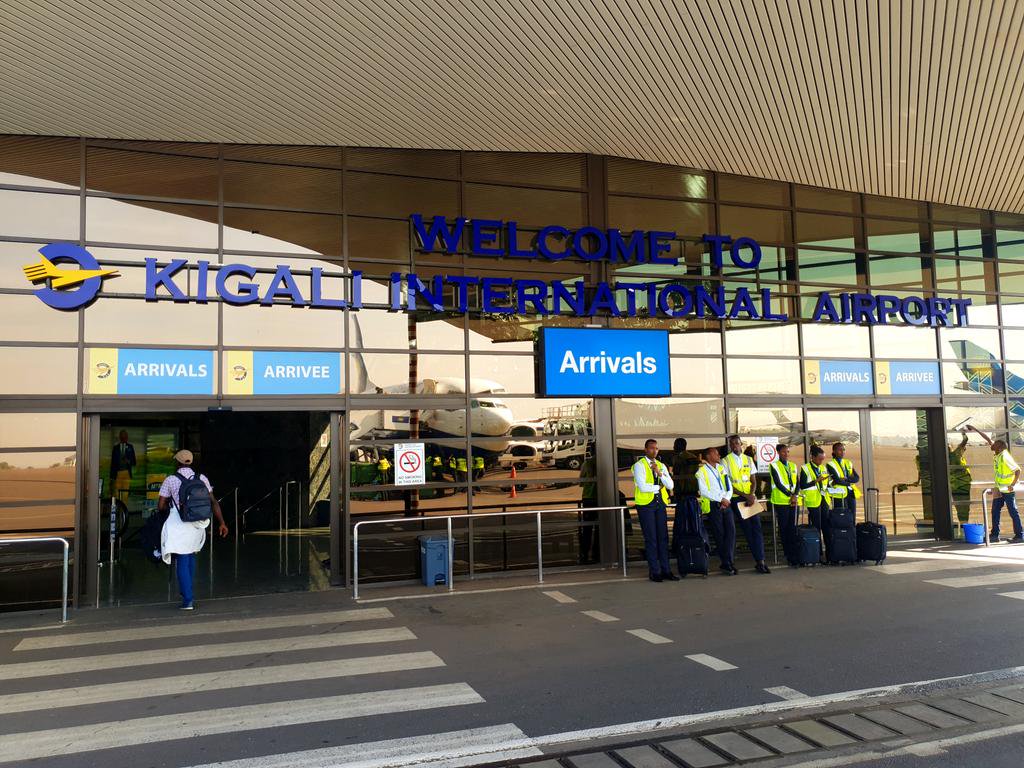
Kigali International Airport is located southeast of central Kigali in the Kanombe area. Official aeronautical information places the airport approximately 10 kilometers from Kigali city center. Rwanda’s National Land Use and Development Master Plan similarly describes Kigali International Airport as being on the outskirts of Kanombe, southeast of Kigali, about 10 kilometers from the capital’s central business district.
This proximity is convenient for tourists because an airport arrival can often be combined with accommodation check-in and some Kigali sightseeing on the same day, depending on flight arrival time, immigration procedures, luggage collection, traffic and the traveler’s energy level.
A Kigali city tour can also be arranged on a departure day when flight timing provides a sufficient margin. However, travelers should avoid planning an overly ambitious program immediately before an international flight. Airport check-in requirements and traffic conditions should always take priority over adding another attraction.
The airport’s location also makes Kigali a practical starting point for travelers proceeding toward Rwanda’s national parks. After arriving and completing a city tour, visitors can begin an overland journey to the country’s major safari regions without needing to change cities first.
How Far Is Kigali from Volcanoes National Park?
Volcanoes National Park lies in northwestern Rwanda in the Virunga highlands. Kigali is commonly used as the principal arrival point for travelers heading there for mountain gorilla trekking, golden monkey tracking and volcano hiking.
Safari Vacations and Travel Services’ current Rwanda gorilla trekking guide describes the road journey from Kigali to the Volcanoes National Park area as approximately two hours, although actual journey time can vary according to the exact starting point in Kigali, destination lodge, road conditions and traffic.
This comparatively manageable transfer is one of the reasons travelers frequently combine a Kigali city tour with Volcanoes National Park. A visitor can explore Kigali after arriving in Rwanda, stay overnight and then travel north toward Musanze and the park area.
The combination creates a well-rounded Rwanda itinerary. Kigali introduces travelers to Rwanda’s history, contemporary society, food, art and urban culture, while Volcanoes National Park provides access to the dramatically different environment of the Virunga Mountains and Rwanda’s famous mountain gorilla experience.
Kigali as a Gateway to Gorilla Trekking in Rwanda
For travelers primarily visiting Rwanda to see mountain gorillas, Kigali is usually the most practical starting point. International visitors commonly arrive in the capital before continuing to Volcanoes National Park, where Rwanda’s mountain gorilla trekking takes place.
Instead of driving directly out of the city after landing, travelers with sufficient time can spend a night in Kigali and include a city tour. This arrangement may be particularly comfortable after a long international journey because it provides time to recover from the flight while beginning to learn about Rwanda.
Travelers planning this experience can read our detailed Rwanda gorilla trekking guide before combining the trek with Kigali sightseeing. The city-and-gorilla combination is especially suitable for visitors with only a few days in Rwanda because both experiences can be incorporated into a relatively compact itinerary.
How Kigali Connects with Akagera National Park

Travelers looking for a traditional savannah wildlife experience can travel eastward from Kigali toward Akagera National Park. The contrast is significant: Kigali provides history, urban culture, markets, restaurants and museums, while Akagera offers savannah, woodland, wetlands, lakes and game-viewing experiences.
This makes Kigali and Akagera particularly complementary. Travelers can begin with a Kigali city tour and continue into the national park for wildlife viewing, or return to the capital after their safari for sightseeing before departing Rwanda.
Visitors interested in this combination can explore our information about an Akagera National Park safari when designing the wildlife portion of their journey.
How Kigali Connects with Nyungwe and Western Rwanda

Southwestern Rwanda provides another completely different environment. Nyungwe National Park protects montane rainforest and is one of Rwanda’s major primate tourism destinations. Travelers heading from Kigali toward Nyungwe can incorporate the journey into a longer circuit connecting the capital with Rwanda’s forest, lake and wildlife regions.
Rather than visiting each destination as an isolated trip, travelers with enough time can design a route that moves through several of Rwanda’s major ecosystems. Kigali provides the urban introduction, Volcanoes National Park offers mountain gorillas and volcanic landscapes, Nyungwe provides rainforest and primate experiences, and Akagera provides savannah wildlife.
Our guide to Nyungwe, Volcanoes and Akagera explains how these major Rwanda destinations can be connected within a broader safari itinerary.
Can Kigali Be Combined with Uganda?
Kigali’s location also makes it relevant to travelers planning combined Rwanda and Uganda journeys. Overland routes connect Rwanda with southwestern Uganda, allowing itineraries to combine Kigali sightseeing with gorilla trekking and other safari experiences across the border.
The exact route depends on the itinerary, the location of accommodation, border crossing arrangements and current entry requirements. Travelers should therefore avoid relying on generic driving-time estimates when planning a tightly scheduled safari. Transfers should be calculated according to the actual itinerary and current border operating conditions.
For travelers interested specifically in primates, a combined Uganda and Rwanda gorilla safari can use Kigali as an arrival or departure point while incorporating trekking experiences elsewhere in the region.
Why Kigali’s Location Is Ideal for a Rwanda City Tour and Safari
Kigali’s importance to travelers comes from more than its status as Rwanda’s capital. Its relatively central position, international airport and road connections make it a logical place from which to organize journeys throughout the country.
Visitors can explore Kigali’s museums, memorials, markets, art centers, restaurants and neighborhoods before traveling toward completely different landscapes within Rwanda. Northwest of the capital are the Virunga volcanoes and mountain gorillas. Eastward lies Akagera’s savannah and wetland ecosystem. Southwest are the montane forests associated with Nyungwe, while western Rwanda opens toward the Lake Kivu region.
This geography allows a Kigali city tour to function as the first chapter of a wider Rwanda experience rather than as an isolated excursion. Spending time in the capital gives travelers historical and cultural context before entering the country’s national parks, while returning to Kigali at the end provides an opportunity for shopping, dining, additional sightseeing and preparation for the international flight home.
For first-time visitors in particular, understanding where Kigali is located helps make the entire Rwanda itinerary easier to visualize. The capital connects international air travel, urban sightseeing, gorilla trekking, rainforest experiences and savannah wildlife within one relatively compact country, making Kigali one of the most useful starting points for exploring Rwanda.
History of Kigali
The history of Kigali is essential to understanding Rwanda because the city has witnessed many of the political, social and economic changes that shaped the country. Today, visitors experience a rapidly developing African capital filled with modern buildings, hotels, restaurants, markets, museums, art spaces and residential neighborhoods, but Kigali’s story stretches from the pre-colonial period through German and Belgian colonial administration, independence, the 1994 Genocide against the Tutsi and the country’s subsequent reconstruction. A well-guided Kigali city tour helps travelers connect these historical periods with actual locations across the capital.
Understanding Kigali’s history also makes a Kigali city tour considerably more meaningful. Streets, hills, museums and memorials that might otherwise appear to be individual sightseeing stops become connected chapters in Rwanda’s wider national story. Visitors can see how a small colonial administrative center developed into the political and economic heart of modern Rwanda while also learning about one of the most devastating periods in the country’s history and the processes of remembrance, justice, reconciliation and reconstruction that followed.
Kigali should therefore not be viewed only as a modern gateway to mountain gorilla trekking. Its history is itself one of the strongest reasons to spend time in the capital. Travelers interested in Rwanda’s past, contemporary society and future development can gain valuable context by including historical attractions within their Kigali city tour itinerary.
Kigali Before the Colonial Period
Long before Kigali developed into the modern capital seen today, the surrounding hills formed part of a much older Rwandan social and political landscape. Rwanda existed as an organized kingdom before European colonial rule, with a monarchy, systems of governance, agriculture, cattle keeping, crafts, oral traditions and cultural practices that developed over generations.
This pre-colonial history is important because Kigali’s story did not begin with European explorers. Colonial administration changed the political geography and administrative importance of the area, but Rwandan communities and institutions existed long before colonial offices appeared on Kigali’s hills.
The Kandt House Museum is particularly relevant for travelers interested in this earlier period because the Rwanda Cultural Heritage Academy states that one part of its exhibition presents Rwandan social, economic and political life before colonial rule. The museum then moves into the colonial period and the development of Kigali, allowing visitors on a Kigali historical city tour to place colonial-era events within a much longer Rwandan history.
Learning about Rwanda before colonialism also helps visitors avoid the common mistake of understanding the country’s history only through the events of 1994. Rwanda has centuries of cultural heritage, governance traditions and social history, all of which provide important context for interpreting Kigali today.
The Establishment of Kigali During German Colonial Rule
Kigali’s emergence as an administrative center is closely associated with German colonial official and explorer Richard Kandt. Official information from the Rwanda Cultural Heritage Academy records that Kandt became German Resident Administrator in Rwanda in 1907 and that his office was established at Nyarugenge in Kigali in 1908.
The house associated with Richard Kandt was constructed during this period. Rwanda’s official cultural heritage records state that construction began in 1908 and was completed in 1910. Today, the property survives as the Kandt House Museum and represents one of the most important physical reminders of Kigali’s early colonial history.
Visitors interested in how these early developments shaped the capital can include the museum within a Kigali historical city tour. Rather than treating the building simply as an old colonial residence, the museum helps explain how Kigali changed before, during and after colonial rule.
The establishment of an administrative presence around Nyarugenge contributed to Kigali’s growing importance. However, the settlement of the early twentieth century was dramatically smaller than today’s metropolitan capital. Its later growth was influenced by changing colonial administrations, independence, population movement and Rwanda’s expanding political and economic institutions.
Kigali Under Belgian Colonial Administration
German colonial control of Rwanda ended during the First World War. Belgian forces occupied Rwanda and Burundi during the conflict, and Belgium subsequently administered the territory that became known as Ruanda-Urundi under international mandate and trusteeship arrangements.
This period brought significant changes to administration, education, political institutions and social organization. Colonial policies also contributed to the institutionalization of social classifications that would have profound consequences in later decades.
For visitors on a Kigali city tour, understanding the transition from German to Belgian colonial rule helps explain why museums discussing Rwanda’s colonial experience devote attention to both administrations. The colonial period cannot be treated as a single event; it involved evolving policies, changing political relationships and transformations that affected Rwandan society.
The Kandt House Museum remains one of the most useful Kigali attractions for examining this historical transition. Its exhibitions provide context concerning Rwanda before colonialism, German rule and Kigali’s growth as an urban center.
Kigali Becomes Rwanda’s Capital in 1962
Rwanda gained independence from Belgium on 1 July 1962, and Kigali became the capital of the independent Republic of Rwanda. This was one of the most important turning points in the history of Kigali because the city became the center of national government and gradually expanded its administrative, commercial and residential functions.
As government ministries, businesses, schools and other institutions developed, Kigali attracted increasing numbers of residents. New neighborhoods expanded across the surrounding hills and valleys, gradually transforming the relatively small colonial administrative settlement into a much larger national capital.
The city’s position near the center of Rwanda also strengthened its importance as a transport and commercial hub. Roads connected Kigali with other regions of the country, while the city’s airport increasingly provided Rwanda’s principal international aviation gateway.
Travelers who want to place Kigali’s historical development within the country’s wider tourism landscape can also explore the major attractions in Rwanda. Combining the capital with Rwanda’s national parks and cultural destinations helps visitors appreciate how Kigali fits into the wider geography and identity of the country.
Kigali in the Decades After Independence
The decades following independence brought rapid demographic and physical expansion, but they were also periods of major political tension in Rwanda. Understanding this background is particularly important for travelers seeking to comprehend the events that ultimately culminated in the 1994 Genocide against the Tutsi.
Political developments during the post-independence period affected relationships between communities, generated repeated episodes of violence and contributed to refugee movements. Large numbers of Rwandans lived outside the country, particularly in neighboring states, while internal political structures evolved through successive governments.
Kigali’s importance continued growing because it contained the country’s principal political institutions, foreign embassies, businesses and administrative infrastructure. Consequently, events in the capital frequently reflected wider national political developments.
A detailed Kigali city tour should therefore provide sufficient historical context before discussing 1994. Presenting the genocide without explaining earlier political and social developments can leave visitors with an incomplete understanding of Rwanda’s history.
Kigali and the 1994 Genocide Against the Tutsi
The darkest chapter in modern Kigali’s history came during the 1994 Genocide against the Tutsi. The genocide began after years of political extremism, discrimination and organized persecution and unfolded across Rwanda over approximately 100 days between April and July 1994.
Kigali became one of the central locations of the violence. Tutsi civilians and others who opposed the killings were targeted, while homes, churches, schools, roads and other locations became connected to events that are remembered through survivor testimony, documentation and memorial sites today.
Because this history involves enormous human suffering, a responsible Kigali city tour should present it accurately and respectfully. The experience should never be reduced to sensational storytelling or treated merely as an opportunity for photographs. Memorial sites are places of remembrance and education, and many contain the remains of victims.
Travelers seeking to understand this period can include the Kigali Genocide Memorial visit within their itinerary. The Memorial’s exhibitions explain Rwanda before the genocide, events during the genocide and Rwanda’s subsequent journey through justice, reconciliation and renewal.
The Kigali Genocide Memorial and the Memory of 1994
The Kigali Genocide Memorial at Gisozi is one of the most important historical sites included on a Kigali city tour. According to the official Memorial, approximately 250,000 victims of the Genocide against the Tutsi have their final resting place there.
The site includes mass graves, exhibitions, memorial gardens, the Wall of Names and the Genocide Archive of Rwanda. Its role extends beyond remembrance. The Memorial also works in education, documentation, genocide prevention and support for survivors.
The current Kigali Genocide Memorial was developed through collaboration between Rwandan authorities and the Aegis Trust. It officially opened in 2004. Its main permanent exhibition examines Rwanda before 1994, the genocide itself and the country’s post-genocide journey toward justice, reconciliation and renewal.
A Kigali city tour that includes the Memorial should allocate enough time for visitors to engage with the exhibitions rather than treating the site as a brief photo stop. Visitors should also dress and behave respectfully because the Memorial is a burial place.
Other Genocide Memorials and Historical Sites in Rwanda
Although the Kigali Genocide Memorial is the most prominent memorial encountered during many Kigali city tours, Rwanda has other memorial sites that preserve evidence and memory relating to the 1994 Genocide against the Tutsi.
One example is the Murambi Genocide Memorial in southern Rwanda. Travelers undertaking longer historical journeys can combine Kigali with memorials elsewhere in the country, giving them a broader understanding of how the genocide affected different communities and regions.
These visits require sensitivity. Memorial tourism should prioritize learning, remembrance and respect for victims and survivors. Guides should avoid exaggerating casualty figures or repeating unverified stories merely to make a tour appear more dramatic.
For visitors with a serious interest in Rwandan history, extending a Kigali city tour beyond the capital can therefore provide additional historical context, but such visits should be planned thoughtfully because of their emotional intensity.
The Campaign Against Genocide and Kigali’s Parliamentary Building

Another significant historical location in Kigali is the Museum for the Campaign Against Genocide, situated within Rwanda’s parliamentary complex. The Rwanda Cultural Heritage Academy identifies the museum as one of the country’s national museums and places it close to the Kigali Convention Centre.
The museum examines the military and political events associated with the campaign that ended the Genocide against the Tutsi. This makes it different from the Kigali Genocide Memorial, which focuses strongly on victims, remembrance, documentation, education and prevention.
Including both locations in an extended Kigali historical tour can provide different perspectives on 1994. However, visitors should allow appropriate time at each site because attempting to cover numerous emotionally demanding historical attractions in rapid succession can diminish rather than improve the educational experience.
Kigali After July 1994
When the genocide ended in July 1994, Kigali and Rwanda faced extraordinary challenges. The country had experienced enormous loss of life, displacement, destroyed infrastructure, institutional collapse and profound social trauma.
The rebuilding of Kigali therefore involved much more than reconstructing roads and buildings. Rwanda also had to restore state institutions, address justice and security, support survivors, facilitate the return and resettlement of displaced populations and confront the long-term consequences of genocide.
Over subsequent decades, Kigali expanded considerably. New roads, residential areas, hotels, offices, conference facilities and commercial developments transformed the physical appearance of the capital. Visitors taking a Kigali city tour today can therefore observe the contrast between historical locations associated with earlier periods and contemporary districts reflecting the city’s continued development.
Travelers with enough time can see this transformation within a broader Rwanda city and safari tour, combining Kigali’s urban history with the country’s natural landscapes and wildlife destinations.
Remembrance, Reconciliation and Kwibuka

Remembering the Genocide against the Tutsi remains an important part of Rwanda’s national life. The Kinyarwanda word “Kwibuka” means “to remember” and is closely associated with the annual commemoration period.
Each year, 7 April marks the beginning of the national commemoration of the Genocide against the Tutsi. Memorial activities honor victims, support remembrance and encourage reflection on the consequences of genocide and the importance of preventing future violence.
Visitors traveling during the commemoration period should be particularly sensitive to the national atmosphere. Some events and facilities may operate differently, while certain locations host official commemorations. Travelers should follow guidance from local authorities, accommodation providers and their tour operator.
Understanding Kwibuka also helps travelers appreciate why memorials encountered during a Kigali city tour remain active places of remembrance rather than historical monuments disconnected from contemporary Rwandan society.
The Development of Modern Kigali
Modern Kigali has developed into Rwanda’s principal political, economic and international business center. Government institutions, corporate offices, hospitality facilities, restaurants, residential developments, conference venues and creative spaces now spread across its hills.
The city’s newer architecture provides a striking contrast with historical locations such as Kandt House and genocide memorial sites. This juxtaposition is one reason a comprehensive Kigali city tour can be so informative: travelers can examine Rwanda’s past while simultaneously observing the contemporary city that has developed around these historical landmarks.
Modern attractions should therefore complement rather than replace Kigali’s historical experiences. Visiting commercial districts, art centers, cafés and markets helps travelers see how residents live today and prevents the city’s identity from being defined exclusively by tragedy.
Travelers wondering how to combine these different experiences can explore the things to do in Kigali before selecting the historical, cultural, artistic and contemporary attractions that best match their interests.
Kigali’s History and Rwanda’s Tourism Development
Kigali plays a central role in Rwanda’s modern tourism industry because most international visitors begin or end their journeys in the capital. This makes the Kigali city tour a natural addition to gorilla trekking and national park safaris.
Travelers may spend a day learning about Rwanda’s history before continuing toward the Virunga Mountains for gorilla trekking. This sequence can be particularly valuable because understanding Rwanda’s historical and social context helps visitors see the country as much more than a wildlife destination.
Northwestern Rwanda’s Volcanoes National Park provides a dramatic contrast with Kigali’s urban environment. Combining the two gives travelers both cultural context and access to Rwanda’s internationally renowned mountain gorilla habitat.
Visitors planning a wider regional journey can also connect Kigali with Uganda and Rwanda gorilla trekking, creating an itinerary that combines historical sightseeing in Rwanda’s capital with primate experiences across the region.
Why Kigali’s History Matters During a Kigali City Tour
A Kigali city tour becomes significantly more valuable when travelers understand the history behind the places they visit. Kandt House is not simply an old building; it provides a physical connection to the establishment of colonial administration in Kigali. The Kigali Genocide Memorial is not simply a museum; it is a burial place, a center for documentation and education and a national site of remembrance. Modern districts are not simply examples of new architecture; they form part of the continuing story of Kigali’s post-1994 development.
This historical understanding allows travelers to recognize continuity as well as change. Kigali contains evidence of Rwanda’s pre-colonial heritage, colonial intervention, independence, political conflict, genocide, reconstruction and contemporary urban development within the same city.
For this reason, the best Kigali city tour should never rush travelers from attraction to attraction without interpretation. A knowledgeable local guide should explain chronology, identify what is historically documented and allow official museums and memorial institutions to provide authoritative interpretation of sensitive events.
The history of Kigali is ultimately a story containing many different periods rather than a single defining event. The city cannot be understood exclusively through colonial history, nor solely through the Genocide against the Tutsi, nor only through its modern development. Experiencing these layers together allows a visitor to gain a much deeper understanding of Rwanda’s capital and makes a historical Kigali city tour one of the most educational experiences to include in a Rwanda journey.
Top Attractions Included in a Kigali City Tour
A Kigali city tour can combine Rwanda’s history, contemporary culture, local markets, museums, art, architecture, food and panoramic viewpoints within a single sightseeing experience. The exact attractions included should depend on available time and traveler interests, but a carefully designed itinerary normally balances important historical sites with places that reveal everyday life in modern Kigali. Travelers researching the city before choosing their itinerary can explore these detailed Kigali city tour attractions and then select the experiences that best match their interests.
Visitors should avoid trying to visit every Kigali attraction in a few hours. The Kigali Genocide Memorial alone deserves sufficient time for its exhibitions, gardens and reflection, while markets, museums and art centers become much more rewarding when travelers are not constantly watching the clock. A private Kigali city tour can therefore be adapted into a half-day, full-day or even multi-day experience.
Kigali Genocide Memorial
The Kigali Genocide Memorial in Gisozi is one of the most significant historical sites in Rwanda and is frequently considered an essential stop during a Kigali city tour. According to the Memorial’s official visitor information, it is the final resting place for approximately 250,000 victims of the 1994 Genocide against the Tutsi. The site serves simultaneously as a place of remembrance, education and reflection.
The permanent exhibitions explain Rwanda before the genocide, the events of the 1994 Genocide against the Tutsi and Rwanda’s subsequent journey through justice, reconciliation and renewal. Visitors can also spend time within the memorial gardens and burial area. Because this is a place of mass burial rather than an ordinary tourist attraction, appropriate behavior and respectful dress are important.
The Kigali Genocide Memorial recommends allowing at least an hour and a half for a complete visit, although travelers interested in history may require longer. For that reason, a professional Kigali city tour should never reduce the Memorial to a brief stop between unrelated attractions.
Travelers who want their Kigali itinerary to focus particularly on Rwanda’s twentieth-century history can consider a dedicated Kigali Genocide Memorial tour that combines the Memorial with other historically relevant locations around the capital.
Kandt House Museum
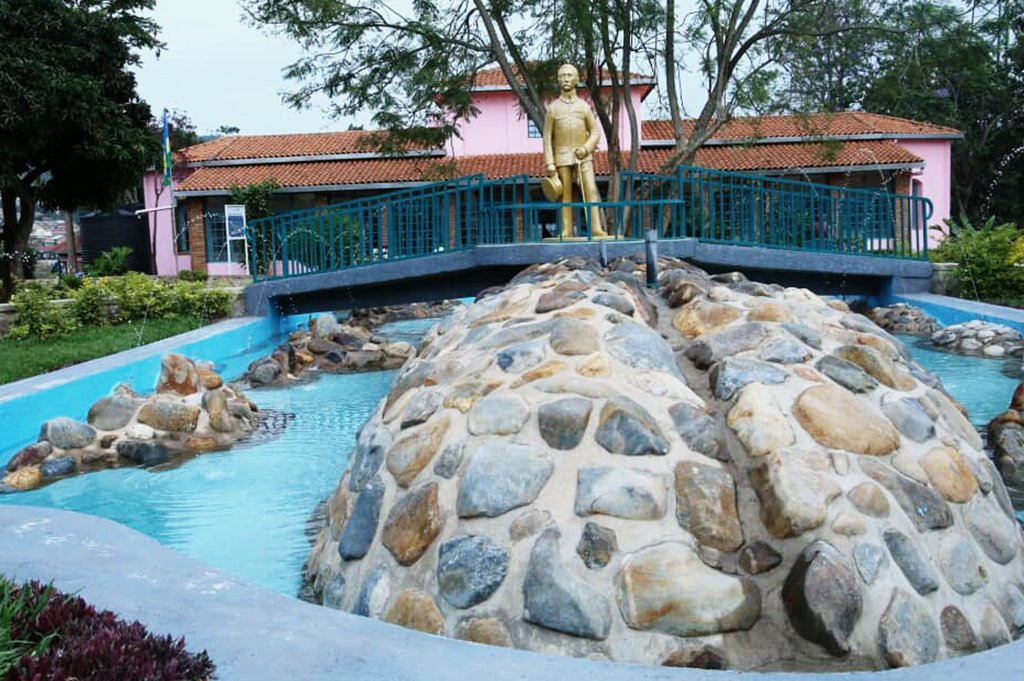
Kandt House Museum is another important attraction for travelers who want to understand the development of Kigali. Located relatively close to central Kigali, the museum occupies the former residence associated with German colonial administrator Richard Kandt.
The Rwanda Cultural Heritage Academy explains that the museum presents three broad historical themes. One section introduces Rwanda’s social, economic and political life before colonial rule. Another examines the colonial period, while a third explores the history of Kigali before, during and after colonial administration.
This makes Kandt House especially valuable when visited before or after the Kigali Genocide Memorial because it extends the historical narrative much further back than 1994. Travelers can gain a clearer understanding of pre-colonial Rwanda, European colonial intervention and the emergence of Kigali as an administrative center.
For visitors interested in history, museums can form an important component of a full-day Kigali city tour. Additional background on cultural institutions elsewhere in the country is available through our guide to museums in Rwanda.
Campaign Against Genocide Museum
The Campaign Against Genocide Museum provides another perspective on Rwanda’s recent history. Located within Rwanda’s parliamentary complex, the museum examines events associated with the campaign that brought the 1994 Genocide against the Tutsi to an end.
This attraction should not be treated as interchangeable with the Kigali Genocide Memorial. The Memorial centers strongly on victims, remembrance, education and the consequences of genocide, whereas the Campaign Against Genocide Museum focuses more closely on political and military developments surrounding the campaign against the genocide.
Travelers with a strong interest in Rwanda’s history may therefore choose to visit both sites. Doing so can provide different but complementary perspectives, although visitors should allow enough time between emotionally demanding historical experiences.
Kigali Convention Centre

This image showcases the spectacular Kigali Convention Centre illuminated at night in Kigali, Rwanda.The Kigali Convention Centre has become one of the most recognizable structures in modern Kigali. Its distinctive dome and illuminated exterior have made it a prominent element of the city’s contemporary skyline and a frequent photography stop during Kigali sightseeing tours.
The Convention Centre area provides an excellent contrast with historical attractions visited earlier in the day. While memorials and museums explain Rwanda’s past, Kigali’s conference, hospitality and commercial infrastructure demonstrates the capital’s modern role in business and international events.
Travelers interested in urban photography often include the Kigali Convention Centre area during their Kigali city tour. Exterior views can be particularly striking, although visitors should always follow instructions concerning photography and access around private or security-sensitive areas.
Kimironko Market
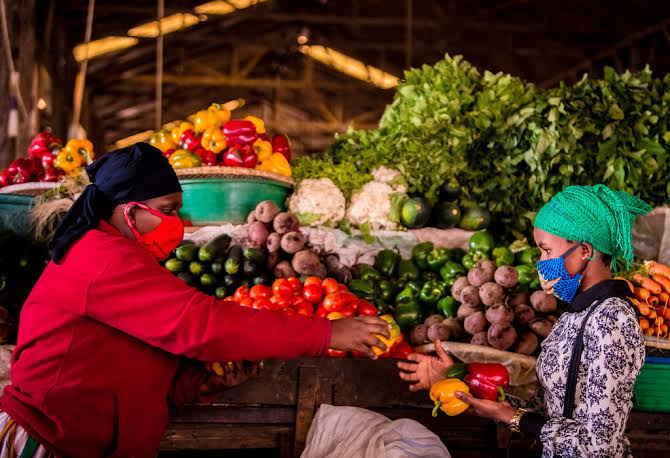
Kimironko Market offers a completely different experience from Kigali’s museums and formal attractions. It is a busy local market where visitors can encounter everyday commerce and see fruit, vegetables, food products, clothing, fabrics, and various household goods being sold.
Markets are valuable during a Kigali city tour because they introduce visitors to aspects of daily life that are difficult to understand from hotels and tourist attractions alone. Walking through Kimironko with a local guide can also help travelers identify unfamiliar produce and understand how purchasing and bargaining practices work.
Visitors should approach the market respectfully. Photography of individual traders should not be assumed to be acceptable simply because the location is included on a tourist itinerary. Asking permission before photographing people is good practice.
Kimironko is one of several experiences travelers can combine with museums, galleries, neighborhoods and historical sites. Our detailed guide to things to do in Kigali provides additional ideas for building a more varied city itinerary.
Inema Arts Center
Travelers interested in contemporary African art can add Inema Arts Center to their Kigali city tour. The creative space has become associated with Rwanda’s contemporary art scene and gives visitors an opportunity to experience a very different side of the capital after visiting historical attractions.
Art centers are important within a comprehensive Kigali city tour because Rwanda should not be presented entirely through its difficult twentieth-century history. Contemporary painting, sculpture, design, performance and other creative work demonstrate the continuing development of Rwanda’s cultural scene.
Visitors interested in purchasing artwork should allow more time than travelers who simply want to browse. Conversations with artists and gallery staff can provide additional insight into the inspiration, materials and themes behind individual works.
Niyo Arts Gallery
Niyo Arts Gallery is another location that can appeal to travelers interested in Kigali’s creative community. Contemporary galleries give visitors an opportunity to encounter artwork created in Rwanda and the wider region while learning about the city’s evolving artistic identity.
A Kigali art tour can combine several creative spaces rather than visiting only one. This works particularly well for photographers, collectors, designers and travelers who want their city experience to focus more strongly on contemporary culture.
Art galleries can also offer a welcome change of pace after emotionally intense historical attractions. For this reason, guides may schedule an art experience later in the day after museums or memorial visits.
Nyamirambo
Nyamirambo is one of Kigali’s best-known neighborhoods and can add an important everyday-life dimension to a Kigali city tour. Rather than visiting only formal landmarks, travelers can explore streets, local businesses, restaurants and community initiatives while learning more about urban life in the capital.
A guided neighborhood experience can introduce visitors to local food, languages, social life and small businesses. The value of visiting Nyamirambo lies in experiencing a living neighborhood respectfully rather than treating local residents as part of an exhibit.
Walking portions should therefore be conducted at a comfortable pace with appropriate local guidance. Visitors should ask before photographing residents, particularly children, religious sites or people working inside businesses.
Nyamirambo Women’s Center
The Nyamirambo Women’s Center is frequently associated with community-based experiences in this part of Kigali. Visitors interested in local culture may incorporate a guided neighborhood experience, craft-related activities or other community-focused experiences depending on current availability.
This type of attraction helps diversify a Kigali city tour by connecting travelers with local initiatives rather than concentrating exclusively on museums and major buildings. It can also provide a closer look at everyday neighborhood life and locally produced crafts.
Because community programs and activity schedules can change, specific experiences should be confirmed when the tour is booked rather than assumed to operate every day.
Caplaki Craft Village
Travelers interested in souvenirs and locally inspired crafts can consider adding a craft market to their Kigali sightseeing itinerary. Craft shopping may include baskets, decorative objects, textiles, artwork, carvings and other items produced in Rwanda or the wider East African region.
A craft stop works particularly well toward the end of a Kigali city tour because travelers can shop after completing the more time-sensitive museum and memorial visits. Visitors should ask about where products were made if purchasing locally produced goods is important to them.
Shopping responsibly can contribute to local businesses, but travelers should distinguish genuine locally made products from imported souvenirs whenever possible.
Kigali City Center
Exploring central Kigali allows visitors to see the commercial and administrative side of Rwanda’s capital. A guided drive or walk through selected areas can provide orientation while introducing important streets, businesses, banking areas and public spaces.
The city center is particularly useful for first-time visitors because it helps them understand how Kigali is organized geographically. Kigali’s hilly terrain means different districts are spread across ridges and valleys rather than concentrated within one flat sightseeing zone.
A well-planned one-day Kigali city tour can connect the city center with markets, memorial sites, museums and cultural attractions while minimizing unnecessary driving between different sides of Kigali.
Mount Kigali
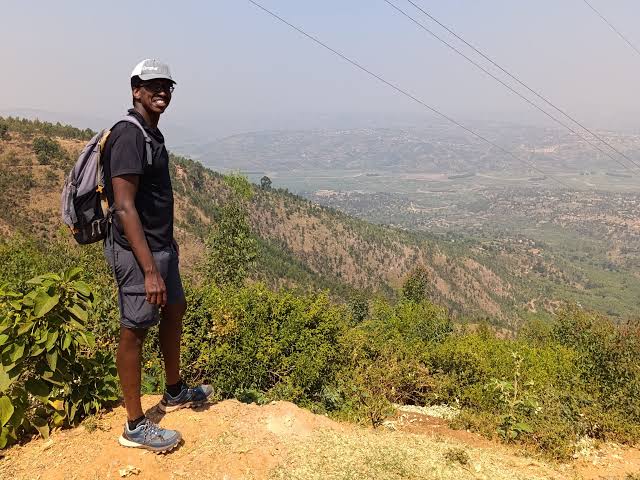
Mount Kigali provides an alternative for visitors who want to combine city sightseeing with outdoor scenery. The elevated landscape offers a contrast to central Kigali and can be incorporated into itineraries designed around walking, photography and panoramic views.
The experience is especially attractive for travelers who prefer active sightseeing rather than spending the entire day moving between museums by vehicle. Weather, fitness, available time, and trail conditions should nevertheless be considered before adding a longer walk.
Visitors interested specifically in the area’s outdoor possibilities can read more about Mount Kigali before deciding whether to incorporate it into their Kigali city tour.
Rebero and Kigali’s Panoramic Viewpoints
Kigali’s hills provide numerous elevated perspectives over the capital. Areas such as Rebero can be incorporated into a city tour when travelers want panoramic views and opportunities to appreciate the scale and topography of Kigali.
Viewpoints are particularly useful after visitors have already explored several neighborhoods because they help connect the different locations geographically. From higher ground, travelers can better understand why Kigali is often described as a city spread across hills and valleys.
Photography conditions depend heavily on weather, cloud cover and visibility, so panoramic stops should remain flexible rather than being scheduled at an exact minute regardless of conditions.
Nyandungu Eco-Park
Travelers who want a greener side of Kigali can consider including Nyandungu Eco-Park in their itinerary. Urban nature experiences can provide a quiet contrast to busy markets, museums and commercial districts.
A nature stop is particularly suitable for repeat visitors, families and travelers spending more than one day in Kigali. Instead of trying to include every attraction in the standard city circuit, a customized tour can allocate more time to walking, birding and outdoor relaxation.
Travelers should confirm current access arrangements and operating conditions before visiting because public attraction schedules can change.
Rwanda Art Museum
The Rwanda Art Museum provides another option for visitors interested in the country’s cultural and artistic development. The museum is housed in a former presidential residence in the Kanombe area of Kigali and displays contemporary artworks by Rwandan and international artists.
The Rwanda Cultural Heritage Academy identifies the institution among Rwanda’s national museums. The property is also historically notable because remains of the presidential aircraft associated with the events of 6 April 1994 are located within the museum grounds and are offered as a special exhibition experience according to current museum information.
Because the museum lies toward the airport side of Kigali, it can sometimes be incorporated efficiently on an arrival or departure day, depending on flight schedules and confirmed opening arrangements.
Kigali Golf and Leisure Experiences
Not every Kigali city tour has to concentrate exclusively on history and culture. Travelers spending several nights in the capital may prefer a slower itinerary that includes leisure activities, restaurants, cafés, golf or time at their hotel.
These experiences are particularly relevant for repeat visitors, honeymooners and business travelers who have already visited Kigali’s major historical attractions. Couples planning a longer romantic journey can integrate time in the capital into a wider Rwanda honeymoon safari combining Kigali with mountain gorillas, Lake Kivu, rainforest experiences or wildlife viewing.
Kigali Coffee and Café Experiences
Kigali’s cafés provide travelers with another way to experience contemporary urban life. Rwanda is internationally known for coffee production, and spending time at a café offers an opportunity to experience locally produced coffee within the country’s capital.
A Kigali coffee stop works especially well between major attractions. After a morning memorial or museum visit, travelers can take time for lunch or coffee before continuing toward art galleries, markets and viewpoints.
Travelers with a particular interest in coffee can request additional time for a café experience rather than treating it simply as a refreshment stop.
Local Restaurants and Rwandan Food
Food should be considered part of the Kigali city tour experience rather than merely a logistical lunch break. Restaurants allow visitors to experience Rwandan ingredients and dishes while learning about contemporary dining culture in the capital.
A private tour can match the restaurant to individual preferences, dietary requirements and available time. Some travelers may prefer traditional Rwandan food, while others may want contemporary cuisine, international options or a longer relaxed lunch.
Including enough time for meals also prevents the itinerary from becoming exhausting. Kigali contains many attractions, but a successful full-day tour should balance sightseeing with opportunities to rest and absorb what has already been experienced.
Belgian Peacekeepers Memorial
Travelers undertaking a more historically focused Kigali city tour may also inquire about sites associated with the Belgian peacekeepers killed during the opening phase of the 1994 genocide. Because historical sites can have different access arrangements and interpretation requirements, availability should be confirmed during itinerary planning.
This type of stop is most appropriate for travelers with a deeper interest in the international and political dimensions of the events of 1994 rather than visitors trying to complete a short introductory tour.
Hotel des Mille Collines
Hotel des Mille Collines is internationally known because of its connection to events during the 1994 Genocide against the Tutsi and the later global attention surrounding the story portrayed in the film Hotel Rwanda. Travelers should nevertheless distinguish documented history from dramatic representations created for cinema.
If included during a Kigali historical tour, the hotel’s significance should be explained carefully and factually. A professional guide should avoid repeating claims drawn solely from the film as established historical fact.
The property continues to operate as a hotel, meaning any visit should respect normal hotel access policies and the privacy of guests.
Local Neighborhoods and Everyday Kigali
Some of the most memorable moments of a Kigali city tour may happen away from formal tourist attractions. Driving through residential neighborhoods, stopping at local businesses and observing everyday activity provides travelers with context that cannot be gained exclusively from museums.
This aspect of Kigali sightseeing should be handled responsibly. Neighborhoods are places where people live and work, not staged tourism environments. Visitors should behave respectfully, avoid intrusive photography and follow the guidance of local hosts and guides.
Shopping During a Kigali City Tour
Travelers who want souvenirs can allocate time near the end of the day for shopping. Possible purchases include Rwandan coffee, tea, baskets, artwork, textiles, clothing and other crafts.
Shopping stops should remain optional rather than consuming time that visitors would prefer to spend at historical or cultural attractions. A private guide can adjust the duration according to the traveler’s interests.
How Many Kigali Attractions Can You Visit in One Day?
The number of attractions that can reasonably be visited during a one-day Kigali city tour depends on starting time, traffic, museum opening hours, the length of individual visits and traveler interests. Attempting to see ten or more major attractions properly in one day can turn the experience into a rushed checklist.
A more rewarding approach is to prioritize several important locations. For example, travelers may combine the Kigali Genocide Memorial with a museum, a local market, an art center, lunch and a city viewpoint. Another visitor may choose to spend considerably longer exploring museums and remove shopping entirely.
Travelers with several days based in the capital can also use Kigali as a starting point for day trips from Kigali, allowing the city experience to connect with Rwanda’s landscapes, wildlife and cultural destinations outside the capital.
Which Kigali Attractions Should First-Time Visitors Prioritize?
First-time visitors should normally prioritize attractions that collectively explain Kigali rather than simply selecting the locations with the most photographs online. A strong introductory Kigali city tour should contain a historical component, a contemporary cultural experience and some exposure to everyday city life.
The Kigali Genocide Memorial provides essential historical understanding. Kandt House can place the development of Kigali within a longer historical timeline. A market or neighborhood experience introduces everyday commerce and community life, while an art gallery helps visitors experience contemporary Rwandan creativity. A viewpoint or drive through modern Kigali then helps connect these experiences geographically.
Travelers should also consider their personal interests. Someone deeply interested in history may spend most of the day visiting museums, while an art collector may prefer several galleries. Families may want more outdoor time, photographers may prioritize viewpoints and markets, and repeat visitors may concentrate on neighborhoods they have not previously explored.
Additional planning information is available in our Kigali City travel FAQs, particularly for visitors deciding how long to stay and what to incorporate into their city experience.
How to Design the Best Kigali City Tour Attractions Itinerary
The best Kigali city tour does not necessarily include the greatest number of attractions. It creates a logical route that combines Rwanda’s history, contemporary life, culture, and scenery without rushing travelers between sites.
A full-day Kigali city tour can begin with historically important attractions while visitors are fresh and able to concentrate. The itinerary can then become progressively lighter by incorporating lunch, a market, an art gallery, a neighborhood experience or a panoramic viewpoint later in the day.
Travelers should also remain flexible because opening hours, public events, traffic conditions and access arrangements can change. Attractions connected to government buildings or memorial events may occasionally have restricted access, while Umuganda on the last Saturday of each month can affect opening schedules at some institutions. The Kigali Genocide Memorial, for example, currently states that on the last Saturday of each month it opens from 1:00 p.m. because of Umuganda.
Most importantly, a Kigali city tour should help visitors understand Rwanda rather than simply collect photographs. Moving between the Kigali Genocide Memorial, historical museums, local markets, contemporary galleries, neighborhoods, modern architecture, and hilltop viewpoints reveals how many different stories exist within Rwanda’s capital. When these attractions are connected through accurate interpretation from a knowledgeable guide, a Kigali city tour becomes one of the most informative experiences to include before or after exploring Rwanda’s national parks.
Best Kigali City Tour Itineraries
Best Time to Visit Kigali for a Kigali City Tour

Kigali is a year-round destination, offering visitors a pleasant climate, clean streets, fascinating museums, vibrant markets, and rich cultural experiences in every season. The city enjoys a tropical highland climate with relatively stable temperatures averaging around 21°C, making it comfortable for sightseeing throughout the year. While rainfall patterns vary between seasons, most of Kigali’s major attractions—including memorials, art galleries, restaurants, and museums—remain accessible regardless of the weather. The ideal time to visit therefore depends on your preferred activities, photography opportunities, and whether your city tour is part of a wider Rwanda safari.
June to Mid-September: The Best Overall Time
The period from June through mid-September is widely regarded as the best time for a Kigali city tour. This is Rwanda’s main dry season, bringing relatively lower rainfall and more favorable conditions for outdoor sightseeing. Visitors can comfortably explore Kigali’s neighborhoods, markets, viewpoints, parks, and cultural attractions with fewer interruptions from rain.
These months are particularly suitable for walking tours, photography, and visiting attractions that require spending time outdoors. Since this is also Rwanda’s peak tourism season, travelers planning to combine Kigali with gorilla trekking or wildlife safaris should reserve accommodation and permits well in advance due to increased demand.
October to December: Flexible Travel During the Short Rains
From October through early December, Kigali experiences its shorter rainy season. Rainfall becomes more frequent, but this should not discourage visitors. Many of the city’s leading attractions—including museums, memorials, cafés, galleries, and restaurants—are indoors and can easily be visited regardless of weather conditions.
A flexible itinerary works best during these months. Indoor attractions can be explored during showers, while markets, viewpoints, and neighborhood walks can be scheduled when the weather improves. Travelers should carry a lightweight rain jacket or umbrella together with comfortable closed shoes suitable for wet pavements.
January and February: Another Excellent Travel Window
January and much of February offer another excellent opportunity to visit Kigali. Weather conditions are generally favorable for sightseeing, allowing travelers to comfortably combine indoor cultural attractions with outdoor experiences such as city walks, local markets, and panoramic viewpoints.
Although rainfall gradually increases toward late February as Rwanda approaches the longer rainy season, visitors can still enjoy full-day city tours with only minor adjustments if occasional showers occur. Checking the local weather forecast shortly before arrival helps maximize outdoor activities.
March to May: The Main Rainy Season
March, April, and May represent Rwanda’s principal rainy season. While rainfall is more frequent, Kigali remains one of the easiest destinations in Rwanda to visit during wet weather because many of its attractions are indoors. Historical museums, the Kigali Genocide Memorial, art galleries, cafés, and restaurants provide rewarding experiences regardless of rain.
Travelers planning extended outdoor photography or walking tours should remain flexible and carry suitable rain protection. Those combining Kigali with gorilla trekking or volcano hiking should also remember that mountain trails become muddier and more challenging during these months.
Best Time for Walking Tours and Photography
Travelers interested in walking tours generally prefer the dry season between June and early September, when streets, pathways, and outdoor attractions are easier to explore. Comfortable walking shoes, drinking water, sunscreen, and a light rain jacket remain essential throughout the year because tropical weather can change quickly.
Photography enthusiasts can capture beautiful images in every season. Dry months provide greater reliability for outdoor shooting, while rainy periods often produce greener landscapes, dramatic skies, and unique lighting conditions. Visitors should always respect photography regulations, especially at memorials, museums, government buildings, and when photographing local residents.
Combining Kigali with Gorilla Trekking or Wildlife Safaris

Many travelers use Kigali as the starting point for adventures to Volcanoes National Park, Akagera National Park, or Nyungwe National Park. In such cases, travel dates should be chosen primarily around the conditions and permit availability for those destinations rather than Kigali’s weather alone.
The city itself remains enjoyable throughout the year, but mountain gorilla trekking, rainforest hikes, and wildlife safaris are influenced more significantly by seasonal rainfall. Travelers planning a complete Rwanda safari should therefore consider the entire itinerary before selecting travel dates.
Practical Travel Tips
Regardless of when you visit, Kigali rewards travelers with excellent infrastructure, welcoming hospitality, and diverse cultural experiences. During the dry season, lightweight clothing, comfortable walking shoes, sunscreen, and a hat are usually sufficient. During wetter months, add a lightweight waterproof jacket, compact umbrella, and waterproof protection for electronic devices.
Avoid overplanning your sightseeing schedule, especially during the rainy season. A flexible itinerary allows guides to rearrange attractions according to current weather conditions, ensuring you enjoy the best of Kigali without unnecessary interruptions. First-time visitors often find June through August and early September the easiest months for combining outdoor exploration with indoor cultural attractions, while January and early February also provide excellent travel conditions.
What Is Included in a Kigali City Tour?
What is included in a Kigali city tour depends on the length of the tour, the attractions selected, whether the experience is private or shared and the specific quotation provided before booking. A professionally organized Kigali city tour can bring together transportation, guiding, historical interpretation, attraction visits and logistical support in one convenient sightseeing experience. Travelers should nevertheless check their confirmed itinerary carefully because entrance fees, meals, special community activities and optional experiences should never be assumed to be included unless they are specifically stated in the quotation.
Safari Vacations and Travel Services can customize a Kigali city tour according to the traveler’s available time and interests. A visitor may concentrate on the Kigali Genocide Memorial and historical attractions, while another traveler may prefer markets, contemporary art, local neighborhoods, food experiences or panoramic viewpoints. Travelers researching possible stops can first explore the best things to do in Kigali before determining exactly what should be incorporated into their private city itinerary.
The major advantage of booking an organized Kigali city tour is therefore not simply transportation. The experience combines logistical planning with local knowledge so travelers can use their limited time efficiently while gaining greater context about Rwanda’s capital. The exact inclusions should always be clearly confirmed before payment so that both the traveler and tour operator understand which services are covered.
Private Transportation During the Kigali City Tour
Ground transportation is one of the most important components of an organized Kigali city tour. Kigali is spread across hills and valleys, and many important attractions are located in different parts of the capital. Having a private vehicle allows travelers to move efficiently between historical sites, markets, museums, art spaces, commercial districts and viewpoints without needing to organize separate transportation after every stop.
The vehicle used should be appropriate for the number of travelers and the type of itinerary. A couple undertaking a private half-day city tour may require a different vehicle from a larger family or group. The confirmed quotation should identify the transportation arrangements relevant to that particular booking.
Private transportation is particularly valuable for visitors with limited time. Instead of determining routes independently, travelers can move directly between selected attractions according to a route planned around their interests and the city’s geography. Visitors unfamiliar with the capital can read more about Kigali, Rwanda’s capital city before arrival to better understand why private transport is useful when exploring its different neighborhoods.
A private vehicle also makes the tour easier to customize. Travelers can spend longer at an attraction that interests them and reduce time at another location rather than following a rigid public transport schedule.
Professional Driver-Guide
A professional driver-guide is one of the most valuable elements of a Kigali city tour. Transportation alone can take visitors to the correct locations, but good guiding helps explain what those places mean within Rwanda’s broader historical, cultural and social story.
A knowledgeable guide can provide orientation as the tour moves through Kigali, explain different neighborhoods, discuss the development of the city, and answer practical questions about daily life in Rwanda. At formal museums and memorial institutions, the guide should complement rather than replace the authoritative interpretation provided by those institutions.
This distinction is especially important at sensitive historical locations. The role of a professional guide is not to dramatize Rwanda’s history or repeat stories that cannot be verified. Accurate chronology, respectful interpretation, and reliance on official sources are essential when discussing the 1994 Genocide against the Tutsi and other politically sensitive periods.
A private guide can also adjust explanations according to the traveler’s interests. A guest particularly interested in architecture may ask different questions from someone researching Rwandan history, art, food, or regional tourism.
Hotel Pickup in Kigali
A private Kigali city tour can normally be arranged around the guest’s accommodation, subject to the exact booking terms. This makes hotel pickup particularly convenient for international travelers unfamiliar with the capital.
The agreed pickup time should reflect the itinerary. Travelers planning a full-day Kigali city tour may begin after breakfast, while those undertaking a shorter afternoon experience may arrange collection after completing other activities.
Hotel location can influence the order in which attractions are visited. A well-designed route should minimize unnecessary driving across Kigali whenever possible. Instead of repeatedly crossing the city, nearby attractions can be grouped geographically while still respecting museum opening hours and the time needed at important memorial sites.
Drop-Off After the Kigali City Tour
At the end of the tour, travelers can be returned according to the arrangements contained in their confirmed itinerary. For many visitors, this will be their Kigali hotel. In other cases, the city tour may connect directly with the next stage of a Rwanda journey.
What Is Excluded from a Kigali City Tour?
Understanding what is excluded from a Kigali city tour is just as important as knowing what is included. Tour prices can vary considerably depending on transportation, guiding, meals, entrance fees, airport transfers and additional activities, so travelers should always compare the actual services contained in the confirmed quotation rather than comparing headline prices alone. Safari Vacations and Travel Services states in its booking terms and conditions that specific trip inclusions and exclusions are provided for individual tours. This means the final quotation and itinerary supplied for a Kigali city tour should be treated as the definitive description of what the traveler is paying for.
A standard Kigali city tour should therefore not be assumed to include international flights, visas, travel insurance, personal purchases, tips, alcoholic beverages, accommodation or activities outside the agreed itinerary unless one or more of these services are specifically written into the package. Some extended Rwanda safari packages include accommodation, meals and park activities, but those broader packages should not be confused with a stand-alone half-day or full-day Kigali sightseeing tour.
International Flights Are Normally Excluded
International airfare should not normally be considered part of the price of a stand-alone Kigali city tour. Most travelers independently arrange their flights to Rwanda and then book ground services beginning after arrival in Kigali.
The city tour can nevertheless be coordinated around the traveler’s flight schedule. A visitor arriving early at Kigali International Airport may be able to explore the capital later that day, while someone with an evening departure may schedule selected attractions before transferring to the airport.
The important distinction is that coordinating a Kigali city tour with a flight does not mean the airfare itself is included. Travelers should therefore budget separately for international or regional airline tickets unless their written package explicitly states otherwise.
Rwanda Visa and Immigration Costs
Visa charges and other immigration-related expenses should not automatically be included in the Kigali city tour price. Entry requirements depend on the traveler’s nationality, passport, and current Rwandan immigration regulations.
Travelers should verify their immigration requirements from the relevant official authorities before departure rather than assuming that a tour booking automatically provides permission to enter Rwanda.
A tour operator can assist with practical travel guidance, but visa approval remains under the authority of immigration officials. This distinction is especially important for visitors combining Kigali with cross-border journeys between Rwanda and Uganda.
Travel Insurance
Personal travel insurance is generally separate from the price of a Kigali city tour. Safari Vacations and Travel Services’ booking conditions state that travelers must have valid medical insurance for the duration of their tour.
Travel insurance can become even more important when Kigali sightseeing forms only one component of a longer Rwanda journey involving mountain gorilla trekking, hiking, chimpanzee tracking, game drives or other outdoor activities.
Visitors should review their policy carefully and ensure that it provides suitable coverage for the activities included in their complete holiday rather than purchasing insurance based solely on the relatively gentle nature of a city tour.
Accommodation Before or After the City Tour

Hotel accommodation should not be assumed to be included in the price of a stand-alone Kigali city tour unless the package specifically states that an overnight stay is provided.
A traveler may already have accommodation in Kigali and require only transportation and guiding. Another traveler may ask Safari Vacations and Travel Services to arrange a complete Rwanda package that includes hotels, meals, transportation and sightseeing.
These are different products and should be priced accordingly. Travelers considering several days in the capital can first review a detailed Kigali city tour experience and then request accommodation to be incorporated into the quotation where required.
Meals Unless Specifically Included
Lunch or dinner should not automatically be assumed to form part of every Kigali city tour. A full-day itinerary may include time at a restaurant without necessarily including the cost of the meal in the quoted tour price.
The final quotation should therefore identify whether lunch is included, excluded or payable directly at the restaurant. This is particularly important when comparing Kigali city tour prices between different operators because one quotation may include meals while another may cover only transport and guiding.
Travelers with dietary requirements should communicate them during the planning stage so an appropriate restaurant can be selected even when the meal is paid separately.
Alcoholic Beverages
Alcoholic drinks are commonly treated as personal expenses on safari itineraries and should not automatically be regarded as part of a Kigali city tour package. Safari Vacations and Travel Services‘ published Rwanda itineraries identify alcoholic beverages separately in their tour conditions.
If travelers order beer, wine, spirits or other alcoholic drinks during lunch, dinner or an evening extension of their Kigali city tour, these costs should generally be paid directly unless their confirmed package clearly states otherwise.
Additional Bottled Drinks and Specialty Beverages
Even where complimentary bottled drinking water is provided during transportation, travelers should not assume that every beverage purchased during the day is included. Soft drinks, fresh juices, specialty coffees and other beverages ordered at restaurants or cafés may remain personal expenses.
A coffee stop can be an enjoyable component of Kigali sightseeing, but the tour description should clearly indicate whether the tasting or beverage itself is included in the package price.
Tips and Gratuities
Tips and gratuities should normally be budgeted separately unless the confirmed quotation explicitly states that they are included. Tipping decisions can depend on the service received and the traveler’s preferences.
Travelers should never assume that gratuities have already been incorporated simply because a Kigali city tour is advertised as a private or all-inclusive experience. The written inclusions and exclusions should provide the final answer.
Souvenirs and Personal Shopping

Personal purchases at Kimironko Market, craft centers, galleries, shops, or other commercial stops are not normally included in a Kigali city tour price. Travelers decide independently whether they want to purchase baskets, artwork, fabrics, coffee, tea, clothing or other souvenirs.
A city-tour itinerary may provide access to shopping locations and allocate time for browsing, but this does not mean the tour operator pays for the goods selected by the traveler.
Shopping should also remain optional. Travelers whose interests are primarily historical or cultural should be able to spend their available time at museums, memorials or other attractions rather than feeling obligated to make purchases.
Artwork Purchased from Kigali Galleries
Kigali’s contemporary art galleries can form an interesting part of the city tour, particularly for visitors interested in Rwandan and East African creative work. However, paintings, sculpture and other artworks purchased during the visit remain personal expenses.
The price of an artwork can vary considerably according to the artist, medium and gallery, and such purchases cannot reasonably be built into a standard sightseeing rate.
Optional Cultural Experiences
Some travelers may want to add workshops, community experiences, food activities or other specialized cultural programs to their Kigali city tour. These should not be regarded as automatically included simply because they take place within the capital.
If an activity requires an additional participation fee, the operator should confirm whether that fee has been added to the quotation or will be paid directly by the traveler.
Activities Not Listed in the Confirmed Itinerary
A Kigali city tour covers the activities specifically agreed during planning. Travelers should not assume that every attraction in Kigali can be added without affecting either timing or price.
For example, a traveler may decide during the day that they want to extend a half-day tour into the evening, visit an attraction on the opposite side of the city, or add a specialized paid experience. Such changes may require additional transportation, guiding time, or attraction fees.
The same principle appears in published safari arrangements where activities outside the regular itinerary may be excluded. Travelers should therefore request important experiences during the planning stage whenever possible.
Unscheduled Transportation
Transportation included in a Kigali city tour generally applies to the agreed sightseeing route. Additional journeys requested outside that itinerary should not automatically be considered part of the original tour cost.
For example, hotel pickup, selected attraction transfers and an agreed hotel return may be covered while a late-night private transfer requested several hours later may not be.
This becomes particularly important when Kigali sightseeing is combined with onward journeys to national parks or other regions of Rwanda. Transfers outside Kigali should be explicitly included in the safari quotation.
Airport Transfers Unless Confirmed
Kigali International Airport is conveniently located for travelers beginning or ending a Rwanda holiday in the capital, but an airport transfer should only be considered included when it appears in the confirmed itinerary.
A city tour can be designed to begin at the airport after arrival or finish with an airport drop-off before departure. However, this arrangement needs to be confirmed during booking because airport logistics can affect vehicle scheduling and overall tour duration.
Entrance Fees Unless Included in the Quotation
Travelers should pay particular attention to attraction entrance fees. Kigali contains memorials, museums, art spaces, community experiences and other attractions that may operate under different admission arrangements.
The city-tour quotation should clearly identify which admission charges, where applicable, are included. Visitors should not assume either that every attraction is free or that every fee has automatically been incorporated into the quoted price.
Our published Rwanda city and wildlife safari, for example, lists specific activities and services within a broader package. A stand-alone Kigali tour may have a different inclusion structure, making it important to read the actual itinerary being purchased.
Special Museum Experiences
Some museums may offer additional experiences beyond standard admission. If a traveler chooses an optional guided program, specialized exhibition, or another chargeable experience, it should not be assumed to be covered by the original Kigali city tour unless it was included when the package was priced.
Current access arrangements and fees should be confirmed shortly before travel because attraction policies can change.
Professional Photography Fees or Specialized Photo Sessions
Ordinary personal photography during a Kigali city tour is different from arranging a professional commercial photo session. If a traveler requires permits, professional photography access, equipment arrangements or special venue permission, these services should be organized separately where required.
Visitors must also follow photography restrictions imposed by museums, memorials, government institutions and private properties.
Personal Expenses
Personal expenses are normally excluded from the Kigali city tour price. These can include telephone charges, shopping, laundry, personal toiletries, additional refreshments and other services purchased independently by the traveler.
The easiest way to understand whether something is covered is to check whether it appears among the confirmed inclusions. If it does not, the traveler should ask before assuming that Safari Vacations and Travel Services will meet the cost.
Medical Expenses
Medical consultation, medication, hospital treatment, and other healthcare expenses are not standard inclusions in a Kigali city tour package. Safari Vacations and Travel Services’ published booking conditions specifically state that the company assumes no liability for medical care and requires travelers to have valid medical insurance.
Visitors with medical conditions that could influence sightseeing should communicate relevant logistical requirements before travel so the tour can be adapted where reasonably possible.
Vaccinations and Health Preparations
Vaccinations and other personal pre-travel health preparations should be arranged separately by the traveler in consultation with appropriate medical professionals. Published Safari Vacations and Travel Services tour exclusions also identify international vaccinations among expenses not covered on certain itineraries.
A traveler combining Kigali with other East African destinations should assess health requirements for the complete route rather than focusing exclusively on Rwanda’s capital.
Gorilla Trekking Permits
A standard Kigali city tour does not include a mountain gorilla trekking permit unless the traveler has purchased a safari package that specifically incorporates gorilla trekking.
This distinction is important because Kigali is commonly used as the gateway to Rwanda’s gorilla trekking region. Travelers may complete their city tour and then continue toward Volcanoes National Park, but the two activities remain separate unless packaged together.
Visitors interested in comparing regional primate options can explore Uganda and Rwanda gorilla trekking before requesting a city-and-gorilla itinerary.
Volcano Hiking Permits and Hiking Activities
Volcano hiking is also separate from a normal Kigali city tour. Travelers continuing toward the Virunga region for mountain hiking need an itinerary that specifically includes the relevant transfer, activity arrangements and any required fees.
Those considering a more active Rwanda journey can examine options for volcano hiking and gorilla trekking, but these should not be confused with services automatically provided under a Kigali sightseeing rate.
Porters for Gorilla Trekking
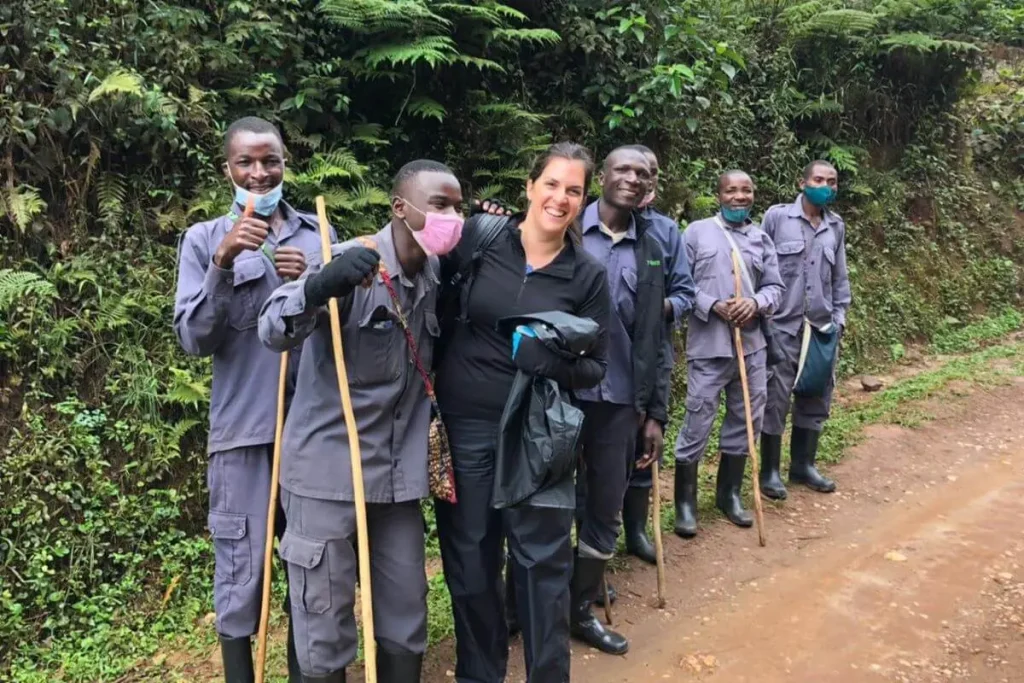
Porter services relate to trekking activities rather than an ordinary Kigali city tour. Travelers who later continue to gorilla trekking may choose to hire a porter according to the arrangements available at the trekking destination.
Safari Vacations and Travel Services’ published one-day gorilla tour from Kigali identifies porter hire as optional rather than part of that tour’s core inclusions. This illustrates why travelers should distinguish optional activity expenses from the services included in the original package price.
Accommodation at Rwanda’s National Parks
A Kigali city tour does not automatically include accommodation at Volcanoes National Park, Akagera National Park, Nyungwe or other destinations. Those services form part of a wider safari package when specifically booked.
A traveler can certainly combine the city with these destinations, but the quotation should clearly show the accommodation category, number of nights, meal plan and transfers included in the expanded itinerary.
National Park Entrance Fees
Park entrance charges for destinations outside Kigali are separate from ordinary city sightseeing unless the traveler has purchased a multi-day safari that explicitly includes them.
This becomes relevant when travelers decide to extend a Kigali stay into a countrywide itinerary combining Nyungwe, Volcanoes and Akagera. Park fees, activities, accommodation and long-distance transportation should all be detailed within the expanded safari quotation.
Akagera Game Drives and Boat Safaris
A game drive or boat activity in Akagera National Park cannot be treated as part of a standard Kigali city tour merely because the safari begins in the capital. These are separate wildlife activities requiring appropriate park arrangements and transportation.
Travelers who want to combine urban sightseeing with wildlife viewing should ask for a multi-day Rwanda safari rather than trying to fit the activity into a conventional Kigali city-tour price.
Chimpanzee Trekking and Nyungwe Activities
Chimpanzee trekking, rainforest walks and other Nyungwe experiences are similarly outside the scope of a stand-alone Kigali city tour. They require transportation to southwestern Rwanda as well as the appropriate confirmed activity arrangements.
These experiences can be incorporated into a wider package, but their costs should be clearly identified rather than hidden within an ambiguous “Kigali tour” description.
Additional Nights Caused by Flight Changes
If an airline changes or cancels a flight and the traveler requires an additional hotel night, that unexpected accommodation should not automatically be assumed to be covered by the original Kigali city tour package.
Travel insurance may provide assistance for certain disruptions depending on policy terms, which is another reason travelers should arrange suitable coverage before departure.
Costs Created by Personal Itinerary Changes
Travelers sometimes decide to modify their itinerary after services have already been confirmed. Adding another day, changing accommodation, extending vehicle use, or introducing new activities can create additional costs.
The original Kigali city tour price should therefore be understood as covering the agreed itinerary rather than unlimited modifications after booking.
Expenses Outside the Regular Itinerary
Published Safari Vacations and Travel Services packages distinguish between scheduled services and expenses outside the regular itinerary. This is an important principle for Kigali sightseeing as well.
A visitor booking a five-hour city tour should not assume the vehicle and guide automatically remain available throughout the evening. Likewise, travel to a distant destination that was not part of the original program may require a revised quotation.
Private Evening and Nightlife Extensions
A daytime Kigali city tour can potentially be extended to include dinner or selected evening experiences, but these should be arranged separately when they fall beyond the scheduled tour duration.
Additional vehicle hours, guiding, meals, drinks and entrance charges connected with nightlife should be confirmed before the extension begins.
Costs of Shopping at Kigali Markets
Visiting a market may form part of the agreed sightseeing route, but anything purchased remains the traveler’s responsibility. This includes fabrics, clothing, fruit, crafts and other merchandise.
A guide can help visitors understand the market and communicate where appropriate, but a guided visit should not be confused with a prepaid shopping allowance.
Food Purchased at Markets
Food tasting or purchasing ingredients at a market is also a personal cost unless the itinerary has specifically been designed and priced as a food experience.
Travelers who want a dedicated Kigali food tour should mention this during the quotation process so tasting costs and restaurant arrangements can be clarified in advance.
Personal Coffee Purchases
A café stop may be included in the sightseeing route without the cost of drinks or packaged coffee being included. Travelers who purchase coffee beans, gifts, or additional beverages should generally pay directly for them.
If the itinerary contains a prepaid coffee tasting or another specific culinary experience, it should appear among the inclusions.
Costs Associated with Lost or Damaged Personal Property
Replacement of lost luggage, damaged cameras, phones, clothing or other personal property is not part of the city-tour price. Travelers should take reasonable care of belongings and review whether their travel insurance covers valuable equipment.
This is particularly important in busy public places where travelers may be carrying cameras, phones, passports or other valuable items.
Passport and Travel Document Costs
Passport issuance, renewal and other personal travel-document expenses remain the responsibility of the traveler. A tour operator can advise what documents may be required for the planned itinerary but does not replace the relevant government authorities.
International Bank and Payment Charges
Bank transfer fees, international transaction charges, currency conversion fees or other charges imposed by a traveler’s bank or payment provider may not form part of the advertised tour price unless specifically addressed in the payment terms.
Travelers should check the payment instructions carefully and confirm the amount that must reach the tour operator when completing an international transaction.
Services Outside Rwanda When Booking Only a Kigali City Tour
A Kigali city tour covers services in Rwanda’s capital as stated in the itinerary. Travelers continuing into Uganda, Burundi, or another country require separate cross-border arrangements when those services are not already included in a larger safari package.
This is particularly important because Kigali can serve as a convenient regional gateway, but geographic convenience does not make international transfers part of the standard city-tour price.
Dian Fossey and Gorilla Experiences

Travelers sometimes combine Kigali with gorilla trekking and activities associated with the Virunga Mountains. These experiences require separate safari arrangements and should only be regarded as included when the quotation specifically lists them.
For example, the published Rwanda gorilla and Dian Fossey tour contains its own stated cost inclusions and exclusions, demonstrating why travelers should read the terms of the particular itinerary they are booking rather than applying the inclusions of one tour to another.
Why Kigali City Tour Exclusions Should Be Clearly Explained
A transparent Kigali city tour quotation protects the traveler from unexpected expenses and allows meaningful price comparisons. Two operators may advertise different prices while actually providing very different services.
One quotation may include a private vehicle, fuel, a professional guide, and attraction fees, while another may quote transportation alone. Looking only at the headline amount can therefore create a misleading impression of which tour offers better value.
Travelers should examine the entire package before booking and ask specifically about anything that is important to them.
How to Compare Kigali City Tour Prices Correctly
When comparing Kigali city tour packages, travelers should first establish whether the tours have the same duration and provide the same level of transportation and guiding. They should then check whether attraction fees, meals, water, airport transfers, and other services are included.
The cheapest tour is not automatically the best value, just as the most expensive option is not automatically the most comprehensive. Value depends on the quality and quantity of services actually supplied.
What Should Be Confirmed Before Payment?
Before paying for a Kigali city tour, travelers should have a clear written itinerary showing the agreed date, pickup arrangement, tour duration, main attractions, transportation, guiding, and any included meals or entrance fees.
Important exclusions should also be clearly understood. If the traveler expects an airport transfer, lunch, accommodation or another service, it is better to have that service specifically added to the itinerary rather than relying on assumptions.
What Is Usually Not Included in a Stand-Alone Kigali City Tour?
Unless specifically stated otherwise in the confirmed quotation, travelers should generally expect international flights, visas, personal travel insurance, accommodation outside the agreed package, alcoholic beverages, personal shopping, souvenirs, tips and gratuities, medical expenses and activities not mentioned in the itinerary to remain separate expenses.
Additional national park activities, gorilla permits, chimpanzee trekking, hiking, game drives, park accommodation and cross-border transportation also remain outside a normal Kigali city tour unless the traveler has deliberately upgraded the booking into a larger Rwanda or East African safari package.
The most reliable rule is simple: the final written quotation determines the inclusions and exclusions. Travelers should never assume a service is covered solely because it is associated with tourism in Kigali or Rwanda. Clear pricing and clearly defined services make it easier to plan the correct budget and help ensure that the Kigali city tour proceeds smoothly without unexpected financial surprises.
What to Pack for a Kigali City Tour
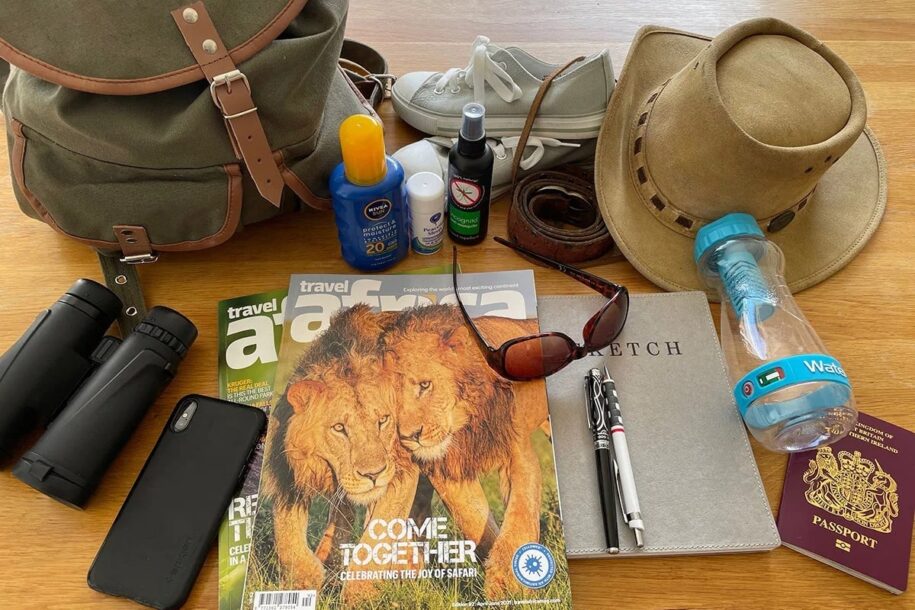
Packing wisely for a Kigali city tour enhances your comfort, convenience, and overall experience as you explore Rwanda’s vibrant capital. Unlike gorilla trekking or wildlife safaris that require specialized outdoor equipment, a city tour only calls for practical everyday essentials. Kigali enjoys a pleasant tropical highland climate with moderate temperatures year-round, but the city’s high elevation means mornings and evenings can feel cool, while strong equatorial sunshine and occasional rain showers remain common. A well-organized day bag allows you to enjoy museums, memorials, markets, art galleries, restaurants, parks, and scenic viewpoints without carrying unnecessary weight.
Comfortable Walking Shoes
Walking is an important part of most Kigali sightseeing itineraries. Whether exploring the Kigali Genocide Memorial, Kimironko Market, Nyandungu Eco-Park, or strolling through the city’s clean neighborhoods, comfortable footwear makes a significant difference. Lightweight walking shoes or supportive trainers provide adequate cushioning and grip for Kigali’s hilly streets. Heavy hiking boots are unnecessary unless you intend to combine your city tour with more demanding outdoor activities such as Mount Kigali. Avoid wearing brand-new shoes during your tour to minimize the risk of blisters and foot fatigue.
Lightweight and Modest Clothing
Choose breathable clothing that keeps you comfortable throughout the day. Cotton or moisture-wicking fabrics work particularly well as you move between attractions and vehicles. Since many Kigali city tours include historically important sites such as the Kigali Genocide Memorial, visitors should dress respectfully. Modest clothing demonstrates cultural sensitivity while remaining comfortable for sightseeing. Long trousers, lightweight dresses, skirts below the knee, or comfortable shirts are all appropriate choices. Neutral colors are practical but wearing safari-style clothing is not necessary for city exploration.
Rain and Weather Protection
Although Kigali experiences distinct dry and rainy seasons, rain showers may occur at almost any time of year. A lightweight waterproof jacket is one of the most useful items to carry because it occupies little space and allows sightseeing to continue during brief showers. Some travelers also prefer carrying a compact umbrella for short walks between museums, restaurants, and shopping areas. In addition, packing a light sweater or jacket is recommended because Kigali’s elevation often creates cool mornings, evenings, and air-conditioned indoor environments.
Sun Protection Essentials
Despite its comfortable temperatures, Kigali sits close to the Equator, making sun protection essential. A wide-brimmed hat or cap helps shield your face from direct sunlight while exploring open-air attractions. Sunglasses improve visibility during bright conditions, while sunscreen protects exposed skin during extended outdoor activities. Travelers often underestimate sun exposure because the climate feels mild, so regular sunscreen application remains important throughout the day.
Day Bag, Water, and Personal Items
A compact day bag is ideal for carrying your daily necessities without becoming cumbersome. It should comfortably hold a reusable water bottle, sunscreen, rain jacket, phone, wallet, medication, tissues, and other personal items. Staying hydrated is especially important during full-day tours, so always carry safe bottled or treated drinking water. Personal medications should remain easily accessible rather than packed away in hotel luggage. A small first-aid kit, hand sanitizer, tissues, and insect repellent can also prove useful, particularly if your itinerary includes urban parks or green spaces.
Electronics and Photography Equipment
Kigali offers numerous photographic opportunities, from panoramic city views and modern architecture to colorful markets and cultural landmarks. A smartphone is sufficient for many travelers, while photography enthusiasts may prefer carrying a dedicated camera. Remember to respect photography regulations at memorials, museums, government buildings, and private property. Bringing a portable power bank, charging cables, spare batteries, and extra memory cards ensures your devices remain operational throughout the day. International travelers should also confirm whether they require a travel adapter for Rwanda’s electrical outlets before departure.
Money, Identification, and Travel Documents
Carry a modest amount of Rwandan Francs for personal purchases, souvenirs, refreshments, or small market transactions. Although credit and debit cards are accepted at many hotels, restaurants, and larger businesses, smaller vendors may only accept cash. Keep your wallet secure and avoid displaying large amounts of money in public. Bring your passport or other appropriate identification if required and keep digital or printed copies of important travel documents, insurance information, and emergency contacts stored safely.
Packing for Different Activities
Your packing should reflect the activities included in your itinerary. Visits to Kimironko Market require only comfortable shoes, a secure bag, spending money, and a camera. Travelers visiting Nyandungu Eco-Park or Mount Kigali should prioritize walking shoes, water, sun protection, and rain gear because these experiences involve more outdoor activity. Photography-focused tours benefit from carrying extra camera accessories, while half-day tours require fewer supplies than full-day excursions. If your Kigali visit is the beginning of a longer Rwanda safari, keep your city essentials separate from trekking gear to avoid carrying unnecessary equipment around the city.
Avoid Overpacking
One of the most common mistakes visitors make is bringing too much equipment for a simple city tour. Large suitcases, oversized trekking backpacks, heavy hiking gear, and unnecessary valuables only make sightseeing less convenient. Kigali is a modern, well-organized city with quality hotels, restaurants, and shops, meaning you only need the essentials for a comfortable day. By packing light and focusing on practical items, you will move more easily between attractions and enjoy your Kigali city experience without unnecessary burden.
Kigali City Tour After Gorilla Trekking
A Kigali city tour after gorilla trekking is an excellent way to complete a Rwanda safari. After the physical demands of trekking through the forests of Volcanoes National Park, Kigali offers a more relaxed experience focused on history, culture, art, food, shopping, and sightseeing. Instead of returning from the gorilla region and immediately flying home, travelers can spend several hours or one night in Rwanda’s capital and discover another important side of the country. Visitors planning a regional primate journey can also explore gorilla trekking in Uganda and Rwanda.
For travelers trekking mountain gorillas in Rwanda, the experience takes place in Volcanoes National Park, northwest of Kigali. The road journey back to Kigali is commonly planned at about two to three hours, although actual travel time varies depending on the lodge, traffic, weather, and road conditions. Because gorilla trekking duration cannot be predicted exactly, travelers should avoid planning an international flight or important Kigali activity too soon after the trek.
Why Visit Kigali After Gorilla Trekking?
Ending the safari in Kigali creates a more complete Rwanda experience. Gorilla trekking introduces travelers to Rwanda’s mountain forests and conservation efforts, while Kigali reveals the country’s history, modern development, urban culture and everyday life. Travelers who have focused mainly on wildlife can use the final day to explore the best things to do in Kigali, including museums, markets, art galleries and cultural experiences.
Can You Tour Kigali on the Same Day as Gorilla Trekking?
It may be possible to enjoy limited Kigali sightseeing on the same day, but it should not be guaranteed. Gorilla trekking can finish early or late depending on the location of the gorilla family. After returning from the forest, travelers may also need time to eat, change clothes and rest before driving to Kigali.
For most visitors, spending the night in Kigali and sightseeing the following morning is more comfortable than trying to complete a demanding city tour immediately after trekking.
One Night in Kigali After Gorilla Trekking
Spending one night in Kigali after gorilla trekking is a practical itinerary choice. Travelers can return from the Volcanoes region, check into their hotel, relax and enjoy dinner without worrying about an immediate flight. The following morning can then be used for selected city attractions before traveling to Kigali International Airport. Travelers unfamiliar with the city can review our guide to Kigali, Rwanda’s capital.
Kigali Genocide Memorial After Gorilla Trekking
The Kigali Genocide Memorial is one of the most important historical attractions to visit after a gorilla safari. It provides important context about the 1994 Genocide against the Tutsi, Rwanda’s history and the country’s subsequent rebuilding. Visitors should allow enough time for the exhibitions and memorial spaces instead of treating the site as a quick stop before departure.
Markets, Art and Shopping in Kigali
After several days of trekking and safari activities, Kigali’s markets and art galleries offer a lighter cultural experience. Travelers can explore local commerce, contemporary Rwandan art and souvenir shopping before returning home. Leaving shopping until the final day can also be convenient because travelers do not have to carry souvenirs throughout the safari.
Visitors interested in active experiences can also research volcano hiking and gorilla trekking, although a relaxed Kigali itinerary is usually preferable immediately after a difficult trek.
Food and Coffee After Gorilla Trekking
A relaxed meal or coffee experience can be an enjoyable way to finish the safari. Rwanda is internationally associated with coffee production, and Kigali has cafés and restaurants where visitors can experience contemporary urban life after their forest adventure. The final day does not need to be overloaded with attractions; sightseeing, lunch, coffee and rest can create a satisfying conclusion to the journey.
Can You Extend the Safari After Gorilla Trekking?
Kigali does not have to be the final destination. Travelers can continue to other parts of Rwanda before returning to the capital. Safari Vacations and Travel Services highlights several places to visit after a gorilla trek, allowing travelers to extend their journey with additional wildlife, cultural or scenic experiences.
Akagera National Park is one strong option for visitors who want to contrast mountain gorillas with savannah wildlife. Travelers can explore an Akagera National Park safari before eventually returning to Kigali.
Kigali After Gorilla Trekking in Uganda
A Kigali city tour can also follow gorilla trekking in Uganda. Travelers trekking in southwestern Uganda may cross into Rwanda and finish their journey in Kigali when the route and immigration arrangements are suitable. Visitors comparing both countries can review our Uganda versus Rwanda gorilla trekking comparison.
Safari Vacations and Travel Services also offers a one-day Uganda gorilla tour from Kigali, although travelers should not assume that a detailed city tour can automatically be added after such a long trekking day.
Best Kigali City Tour After Gorilla Trekking
The best Kigali city tour after gorilla trekking should remain flexible. Travelers who are tired can concentrate on museums, cafés, art galleries and scenic driving, while those with more energy can add markets or walking experiences. A half-day is enough for a few important attractions, while a full day provides a much deeper introduction to Kigali.
For most travelers, the best arrangement is to complete the gorilla trek without time pressure, return to Kigali later that day, spend the night and enjoy a relaxed city tour before departure. This creates a natural transition from Rwanda’s mountain forests to its capital and gives visitors a broader understanding of the country beyond wildlife alone.