
Gorilla Trekking Packing List: Everything You Need for a Safe, Comfortable, and Memorable Adventure
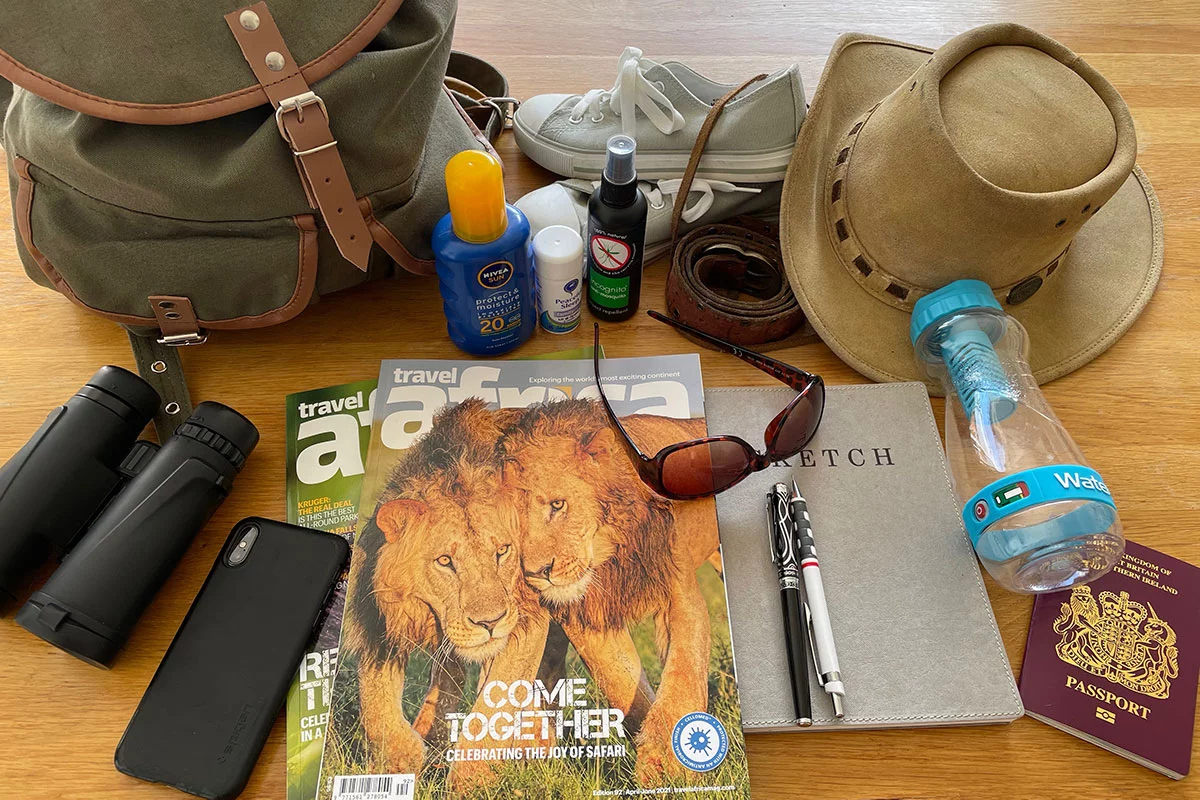
A well-organized backpack makes gorilla trekking easier and more comfortable.
Planning your first gorilla trekking adventure is exciting, but having the right preparation and equipment can make the difference between a stressful journey and a comfortable, unforgettable experience. This complete Gorilla Trekking Packing List has been designed to help travelers understand everything they need before exploring the tropical forests of Uganda, Rwanda, and the surrounding gorilla habitats.
Gorilla trekking is a unique wildlife adventure that takes visitors deep into natural forests where mountain gorillas live. Travelers preparing for a journey through Uganda and Rwanda gorilla trekking experiences need to consider the rainforest environment, hiking conditions, weather changes, and the personal items required for a successful trek.
Unlike a normal safari where most wildlife viewing takes place from a vehicle, gorilla trekking involves walking through forests, climbing hills, and following natural trails in search of gorilla families. This means that choosing the right clothing, footwear, and equipment is extremely important. A proper Gorilla Trekking Packing List ensures that visitors remain comfortable while enjoying one of Africa’s most remarkable wildlife encounters.
Mountain gorilla destinations such as Bwindi Impenetrable Forest require visitors to prepare for humid conditions, muddy trails, and unpredictable rainfall. Travelers visiting Bwindi gorilla trekking experiences should pack practical hiking clothing, waterproof equipment, and personal essentials that support long hours in the forest.
This guide provides detailed information about what to pack for gorilla trekking, including hiking boots, rain protection, clothing layers, backpacks, photography equipment, health supplies, travel documents, and other important items. Whether you are visiting Uganda, Rwanda, or combining your adventure with other activities, this Gorilla Trekking Packing List will help you prepare properly.
Understanding the destination before packing is also important. Rwanda’s gorilla trekking environment has different terrain and conditions compared to Uganda. Visitors planning their adventure can learn more through this Rwanda gorilla tracking guide to better understand what to expect before starting their journey.
A successful gorilla trek requires more than just enthusiasm. Travelers need the correct permits, suitable clothing, and proper planning. Before traveling, it is useful to understand important requirements such as gorilla permit information for Uganda and Rwanda so that all arrangements are completed before arrival.
The rainforest environment can be challenging, but proper preparation makes the experience much easier. Knowing what to carry helps visitors avoid common problems that may affect their trek. Reading about factors that may affect gorilla trekking can help travelers prepare better and enjoy a smoother adventure.
Many travelers also combine gorilla trekking with additional outdoor activities such as mountain hiking and wildlife experiences. Those interested in expanding their adventure can explore options like volcano hiking and gorilla trekking in Uganda and Rwanda.
This detailed Gorilla Trekking Packing List will guide both first-time and experienced travelers through every preparation stage. From selecting the right hiking gear to protecting your camera equipment, every recommendation is focused on helping you enjoy a safe and memorable encounter with mountain gorillas.
After completing your trek, there are many other attractions to explore in the region. Travelers can continue their journey by discovering places to visit after a gorilla trek or combine their experience with carefully planned safari adventures.
For visitors with limited time, specialized experiences such as a one-day Uganda gorilla tour can also provide an opportunity to experience these incredible animals while maximizing travel time.
Quick Gorilla Trekking Packing List Checklist

Essential items included in a Gorilla Trekking Packing List for a Uganda and Rwanda gorilla safari.
Before starting your gorilla trekking adventure, preparing a complete Gorilla Trekking Packing List helps ensure you have everything required for a safe, comfortable, and memorable journey. Gorilla trekking is different from a normal wildlife safari because it involves hiking through tropical forests, crossing uneven terrain, and spending several hours outdoors in changing weather conditions.
The right preparation allows you to enjoy the experience of meeting mountain gorillas without worrying about missing important equipment. Whether you are planning a trek in Uganda or Rwanda, understanding the essential items to carry will make your adventure smoother and more enjoyable. Travelers preparing for Uganda and Rwanda gorilla trekking should consider the forest environment, hiking distance, weather conditions, and personal comfort.
Essential Clothing for Gorilla Trekking
Choosing suitable clothing is one of the most important parts of any Gorilla Trekking Packing List. The rainforest environment can be wet, muddy, and unpredictable, making waterproof and comfortable clothing extremely valuable. Strong waterproof hiking boots are recommended because trails can become slippery, especially after rainfall. Good footwear provides stability and protects your feet during long walks through forest terrain.
Long trousers and long-sleeved shirts are also important because they protect your skin from vegetation, insects, and rough forest surroundings. Lightweight clothing that dries quickly is ideal because the rainforest can be humid and travelers may experience rain or contact with wet plants. Visitors planning a trek in Bwindi gorilla trekking should prepare clothing that provides protection while allowing comfortable movement.
A waterproof rain jacket should always be included because tropical forests can experience sudden rainfall at any time of the year. Warm layers such as sweaters or fleece jackets are also useful because gorilla habitats are located in high-altitude areas where early mornings and evenings can feel cold.
Hiking Gear and Personal Equipment
A comfortable backpack is an important part of your gorilla trekking gear because it allows you to carry water, snacks, cameras, travel documents, and other personal items. The ideal backpack should be lightweight, durable, and preferably waterproof or protected with a rain cover.
Many travelers also carry gardening gloves or trekking gloves because they provide protection when moving through thick vegetation. A walking stick can provide additional support on steep or muddy trails, especially when exploring mountainous areas. Visitors combining their trek with activities such as volcano hiking and gorilla trekking in Uganda and Rwanda should prepare for more challenging outdoor conditions.
Water, Snacks, and Health Supplies
Gorilla trekking can take several hours depending on where the gorilla family is located, so carrying enough drinking water is essential. Staying hydrated helps maintain energy levels throughout the hike, while small snacks such as energy bars and nuts can provide additional strength during longer treks.
Health and personal care items should also be included in your Gorilla Trekking Packing List. Insect repellent, sunscreen, personal medication, hand sanitizer, and a small first aid kit can make your journey more comfortable. Travelers should also ensure they have all required travel documents before arrival, including a valid permit. Information about current gorilla permit prices in Uganda and Rwanda can help with early preparation and planning.
Camera Equipment and Travel Documents
A camera is one of the most valuable items to carry during gorilla trekking because observing mountain gorillas in their natural environment is a once-in-a-lifetime experience. Travelers should consider carrying extra batteries, memory cards, and waterproof protection for electronic equipment because rainforest conditions can affect cameras and other devices.
Your passport and gorilla permit are among the most important documents required for the trek. Keeping these items safe and easily accessible helps prevent unnecessary delays on the day of your adventure. Travelers should also understand the requirements and possible challenges by reading about what may prevent you from trekking gorillas in Uganda and Rwanda.
Preparing for Different Gorilla Trekking Conditions
Although gorilla trekking takes place throughout the year, different seasons create different hiking conditions. Rainy periods may require extra waterproof protection, while drier months may require better sun protection and additional drinking water. A flexible Gorilla Trekking Packing List allows travelers to adjust according to the expected conditions.
Travelers planning their adventure in Rwanda should also understand the environment of Volcanoes National Park, where gorilla trekking takes place in a mountainous landscape. The best guide to gorilla trekking in Rwanda provides useful information for visitors preparing for this experience.
Final Gorilla Trekking Packing Preparation
The goal of a good Gorilla Trekking Packing List is not to carry everything possible but to choose practical items that improve comfort, safety, and enjoyment. The right clothing, hiking equipment, and personal supplies allow travelers to focus on the incredible experience of spending time near mountain gorillas.
Many visitors combine gorilla trekking with other wildlife experiences across East Africa. Proper preparation also helps when extending your journey into other safari destinations. Exploring options such as gorilla trekking and wildlife safaris in Africa allows travelers to create a complete adventure while ensuring they are ready for every activity.
By following this Gorilla Trekking Packing List, both first-time and experienced travelers can prepare confidently for their journey. A well-planned trip ensures that the focus remains on the beauty of the forest, the excitement of tracking gorillas, and the unforgettable memories created during the adventure.
Why Packing Properly is Important for Gorilla Trekking
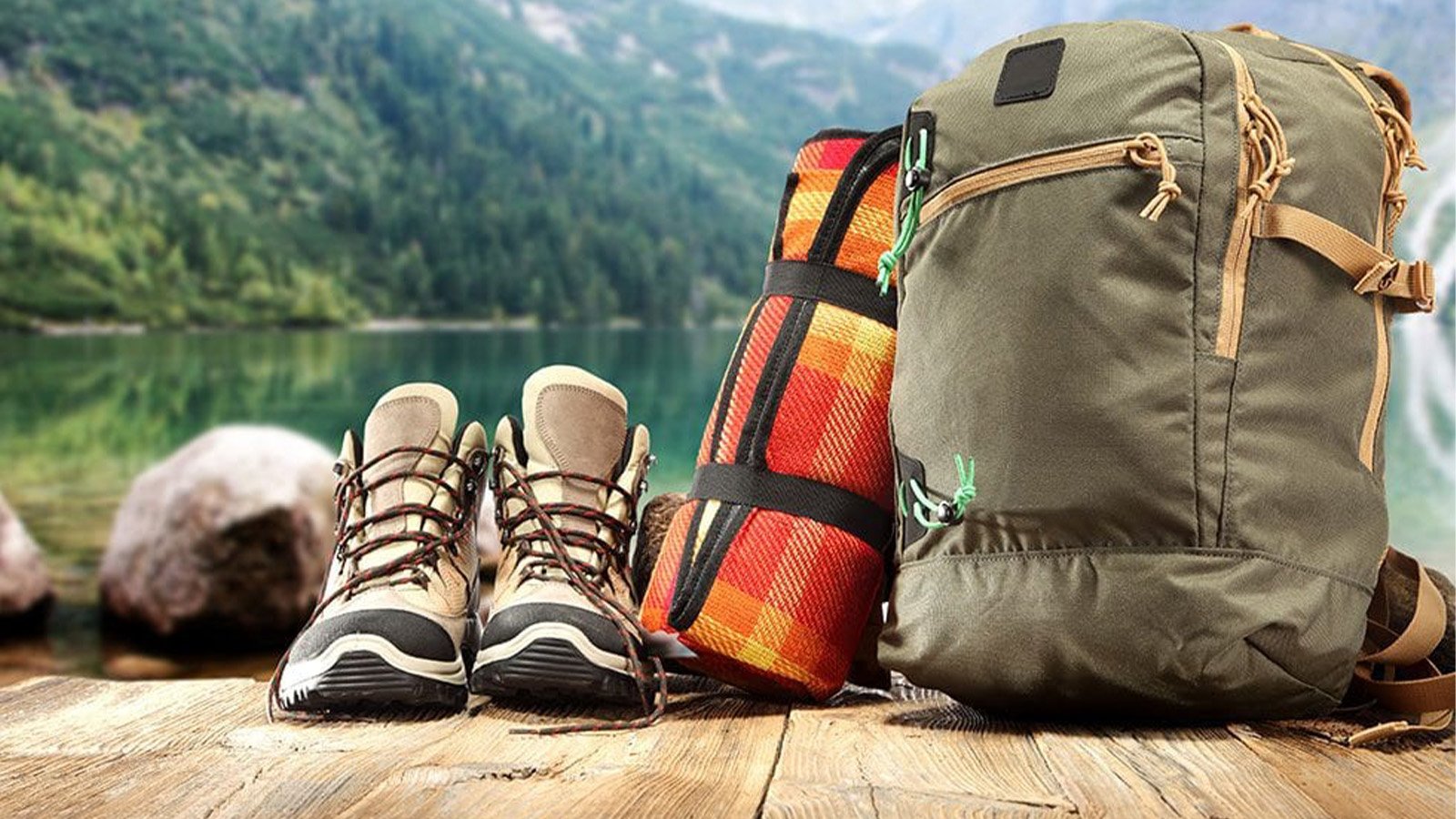
A well-organized backpack makes gorilla trekking easier and more comfortable.
A successful gorilla trekking experience depends greatly on proper preparation. While meeting mountain gorillas in their natural habitat is one of the most unforgettable wildlife experiences in Africa, the journey through the rainforest requires physical effort, patience, and the right equipment. A complete Gorilla Trekking Packing List is not simply about carrying many items; it is about choosing the right gear that improves comfort, safety, and enjoyment throughout the adventure.
Gorilla trekking takes place in remote forest environments where conditions can change quickly. Travelers walk through dense vegetation, muddy trails, steep slopes, and high-altitude landscapes while searching for gorilla families. Visitors preparing for gorilla trekking in Uganda and Rwanda need to understand the environment and prepare for the challenges that come with rainforest hiking.
Protection Against Changing Rainforest Weather
One of the biggest reasons why packing properly for gorilla trekking is important is the unpredictable rainforest weather. Mountain gorilla habitats receive rainfall throughout the year, and weather conditions can change within a short time. A sunny morning can quickly become a wet afternoon, making waterproof clothing, suitable hiking boots, and protective gear essential.
The forests where mountain gorillas live are located in mountainous regions with cooler temperatures compared to many lowland safari areas. Carrying warm layers, rain protection, and comfortable clothing helps travelers adjust to changing conditions. Visitors exploring Bwindi gorilla trekking experiences should especially consider that the forest can remain wet even during periods considered to be drier seasons.
Proper preparation also allows visitors to enjoy their trek without being distracted by uncomfortable clothing or unsuitable equipment. Having waterproof protection and appropriate hiking gear ensures that unexpected rainfall does not reduce the enjoyment of this once-in-a-lifetime wildlife encounter.
Comfort During Long Forest Hikes
Gorilla trekking is different from ordinary wildlife viewing because visitors actively walk through the forest in search of gorilla families. The duration of the trek depends on where the gorillas are located, and some hikes may be short while others may require several hours of walking.
A carefully prepared Gorilla Trekking Packing List helps travelers manage long distances more comfortably. Comfortable hiking boots, breathable clothing, enough drinking water, and a lightweight backpack reduce unnecessary challenges during the journey. Visitors exploring volcano hiking and gorilla trekking adventures should also prepare for more demanding terrain because these areas involve mountainous landscapes.
Improving Safety During the Trek
The rainforest environment is beautiful but requires careful preparation. Thick vegetation, uneven paths, and muddy sections make proper clothing and equipment extremely important. Long trousers, gloves, and strong footwear provide additional protection while moving through forest trails.
A good Gorilla Trekking Packing List should focus on practical items that improve safety without making your backpack unnecessarily heavy. Carrying too many unnecessary items can make hiking more difficult, while failing to carry essential equipment can create avoidable problems during the trek.
Travelers should also ensure that all required arrangements are completed before arriving at the park. Having the correct documents, including a valid permit, is essential because gorilla trekking is only possible with proper authorization. More information about requirements can be found in this guide about trekking permit requirements in East Africa.
Protecting Cameras and Personal Belongings
Photography is one of the most exciting parts of gorilla trekking because it allows travelers to preserve memories of their encounter with mountain gorillas. However, rainforest conditions can create challenges for electronic equipment. Cameras, phones, batteries, and other devices should be protected from moisture and unexpected rainfall.
Waterproof bags, extra batteries, and memory cards are valuable additions to your Gorilla Trekking Packing List. Proper organization also ensures that important personal items remain safe throughout the trek. Travelers who want to understand more about protecting their experience can learn from information about what may prevent you from trekking gorillas in Uganda and Rwanda.
Preparing for Different Gorilla Trekking Destinations
Although gorilla trekking follows similar preparation requirements across destinations, each location has unique conditions. Uganda offers rainforest trekking experiences in areas such as Bwindi Impenetrable National Park and Mgahinga Gorilla National Park, while Rwanda provides trekking opportunities through the volcanic landscapes of Volcanoes National Park.
Understanding the destination helps travelers select suitable clothing and equipment. Those visiting Rwanda can prepare better by reading this traveler’s guide to gorilla tracking in Rwanda, which explains what visitors should expect during their adventure.
Making Your Gorilla Trekking Experience More Enjoyable
Proper packing allows travelers to focus on the most important part of the journey: observing mountain gorillas in their natural environment. When you are comfortable, protected from weather conditions, and prepared for the hike, you can fully appreciate the beauty of the forest and the uniqueness of the experience.
Many visitors also extend their gorilla adventure by exploring additional destinations after completing their trek. Planning ahead allows travelers to discover more of East Africa through experiences such as places to visit after a gorilla trek.
For travelers comparing different destinations before making a decision, understanding the differences between countries can also help with preparation. This comparison of gorilla trekking in Uganda and Rwanda provides useful insights for planning your adventure.
A detailed Gorilla Trekking Packing List helps both first-time visitors and experienced travelers avoid common challenges. By preparing the right clothing, equipment, and personal supplies, you increase your chances of enjoying a safe, comfortable, and unforgettable mountain gorilla trekking experience.
Complete Gorilla Trekking Packing List: Detailed Guide of Everything You Need
A complete Gorilla Trekking Packing List should include everything required to make your forest adventure safe, comfortable, and enjoyable. Gorilla trekking is not an ordinary sightseeing activity because it involves hiking through tropical forests, climbing uneven terrain, walking through muddy trails, and spending several hours outdoors in changing weather conditions. Packing the right clothing, equipment, and personal items allows you to concentrate on the incredible experience of meeting mountain gorillas in their natural habitat.
Many first-time travelers are unsure about what to pack for gorilla trekking because the experience is different from a traditional safari. Instead of sitting in a vehicle, visitors walk through dense forests searching for gorilla families. A well-prepared traveler should carry lightweight, practical, and weather-resistant items that provide comfort throughout the trek. The detailed recommendations in this section will help you prepare for your adventure in Uganda, Rwanda, or other mountain gorilla destinations.
Waterproof Hiking Boots for Gorilla Trekking
One of the most important items on any Gorilla Trekking Packing List is a strong pair of waterproof hiking boots. Gorilla trekking trails can become muddy, slippery, and challenging, especially during rainy seasons. Good hiking boots provide ankle support, better grip, and protection from wet conditions while walking through forests.
Your hiking boots should be comfortable and already tested before the trekking day. Wearing new shoes for the first time during a gorilla trek may cause discomfort during long walks. Travelers preparing for what to pack and wear for a gorilla trekking safari should prioritize footwear that is durable, comfortable, and suitable for forest environments.
Long Trousers and Long-Sleeved Shirts
Long trousers and long-sleeved shirts are essential parts of gorilla trekking clothing because they provide protection while hiking through thick vegetation. Forest trails may contain branches, plants, insects, and rough surfaces that can make exposed skin uncomfortable.
Lightweight, breathable, and quick-drying materials are recommended because rainforest conditions can become humid. Neutral-colored clothing is often preferred because it blends well with natural surroundings and keeps the focus on observing wildlife. Visitors planning gorilla trekking in Uganda and Rwanda should prepare clothing suitable for tropical forest conditions.
Rain Jacket and Waterproof Protection
A waterproof rain jacket is one of the most valuable items to include in your Gorilla Trekking Packing List. Mountain gorilla habitats receive rainfall throughout the year, and weather can change quickly. Even when the morning begins with clear skies, rain can arrive unexpectedly during the trek.
Waterproof protection should also include covers for your backpack, camera equipment, and important documents. Keeping your belongings dry allows you to continue enjoying the trek even when weather conditions change. The importance of proper preparation is also explained in guides about what may prevent you from trekking gorillas in Uganda and Rwanda.
Backpack and Carrying Essentials
A comfortable backpack is necessary because it allows you to carry your personal supplies while keeping your hands free during the hike. Your backpack should be large enough for water, snacks, camera equipment, rain protection, and personal items without becoming too heavy.
A waterproof backpack or rain cover is highly recommended because rainforest conditions can expose your belongings to moisture. Travelers should organize their bags carefully so that important items can be accessed easily during the trek. More packing recommendations can be found in this detailed gorilla trekking packing and clothing guide.
Gardening Gloves and Trekking Protection
Gardening gloves are a small but valuable addition to your Gorilla Trekking Packing List. They protect your hands when holding vegetation, using walking sticks, or moving through areas with thick plants. Lightweight gloves are easy to carry and can make the hiking experience more comfortable.
Other useful protection items include insect repellent, sunscreen, sunglasses, and a hat. These items help travelers remain comfortable during different weather conditions. Visitors combining gorilla trekking with activities such as volcano hiking and gorilla trekking adventures should especially consider additional protection because of varied outdoor conditions.
Drinking Water and Energy Snacks
Gorilla trekking requires physical effort, and staying hydrated is important throughout the journey. Carrying enough drinking water helps maintain energy during long hikes, especially when trekking through steep forest areas.
Small energy snacks such as nuts, fruits, and energy bars can also provide additional strength. Travelers should avoid carrying unnecessary weight and focus on items that provide practical value during the trek. Proper preparation helps visitors enjoy their experience in destinations such as Bwindi and Volcanoes National Park.
Camera Equipment and Photography Items
For many travelers, photographing mountain gorillas is one of the highlights of the entire adventure. A camera, extra batteries, memory cards, and waterproof protection should be considered essential photography items.
Rainforest environments can be challenging for electronic equipment, so protecting your camera is important. Visitors should also follow photography guidelines during the encounter to ensure the safety and comfort of the gorillas. Travelers interested in Rwanda experiences can learn more through this traveler’s guide to gorilla tracking in Rwanda.
Passport, Permit, and Travel Documents
Travel documents are among the most important items on your Gorilla Trekking Packing List. Your passport and valid gorilla permit are required before accessing the national parks where mountain gorillas live.
Visitors should arrange their permits early because gorilla trekking spaces are limited. Understanding permit requirements before traveling helps avoid unnecessary problems during your adventure. More details about permits can be found in this guide about current gorilla permit prices in Uganda and Rwanda.
First Aid Kit and Personal Health Items
A small personal first aid kit can be useful during a gorilla trek. Basic personal supplies, medication, hand sanitizer, and other health items help travelers remain comfortable throughout the journey.
Preparing your health supplies is especially important because gorilla trekking takes place in remote forest locations. Travelers should also understand the requirements and guidelines before visiting the parks.
Final Thoughts on Gorilla Trekking Essentials
A complete Gorilla Trekking Packing List is about choosing practical items that improve comfort, safety, and enjoyment. The best preparation focuses on quality rather than quantity by carrying only the equipment that is genuinely useful during the trek.
With the right hiking boots, protective clothing, waterproof equipment, personal supplies, and travel documents, visitors can fully enjoy the unforgettable experience of seeing mountain gorillas. Travelers looking to extend their adventure can also explore gorilla trekking in Uganda versus Rwanda and choose the destination that best matches their travel plans.
Gorilla Trekking Clothing Guide: What to Wear During Gorilla Trekking
Choosing the right clothing is one of the most important parts of preparing your Gorilla Trekking Packing List. Gorilla trekking takes place in tropical mountain forests where conditions can change quickly. The combination of rain, humidity, muddy trails, steep slopes, insects, and thick vegetation means that travelers need clothing that provides comfort, protection, and flexibility throughout the adventure.
Many first-time visitors ask what to wear for gorilla trekking because the experience is very different from a normal safari. Unlike vehicle-based wildlife viewing, gorilla trekking involves walking through natural forest environments for several hours. Having the correct gorilla trekking clothing allows you to move comfortably while protecting yourself from the challenges of the rainforest. Travelers preparing for what to pack and wear for your gorilla trekking safari should focus on lightweight, durable, and weather-resistant clothing. :contentReference[oaicite:1]{index=1}
Long-Sleeved Shirts for Gorilla Trekking
A long-sleeved shirt is an essential item on every Gorilla Trekking Packing List. The forest environment contains thick vegetation, branches, and insects that can make exposed skin uncomfortable. Long sleeves provide protection while hiking through areas with dense plants and help protect against insect bites.
The best shirts for gorilla trekking are lightweight, breathable, and quick-drying. Cotton clothing is often less suitable because it absorbs moisture and dries slowly in humid environments. Moisture-wicking fabrics help regulate body temperature and keep travelers more comfortable during long hikes.
Visitors exploring Uganda and Rwanda gorilla trekking experiences should choose shirts that allow easy movement because forest trails may require climbing, walking through uneven ground, and navigating thick vegetation.
Long Trousers and Trekking Pants
Long trousers are another important part of gorilla trekking clothing. They protect your legs from thorny plants, insects, mud, and branches encountered while moving through the forest. Lightweight hiking trousers made from quick-drying materials are ideal because they remain comfortable even when exposed to moisture.
Travelers should avoid heavy clothing that becomes uncomfortable after getting wet. The best Gorilla Trekking Packing List includes practical trousers designed for outdoor activities. Neutral colors such as brown, khaki, and green are commonly preferred because they blend well with natural environments.
Those planning to visit Bwindi gorilla trekking in Uganda should prepare for dense rainforest conditions where protective clothing is especially important. :contentReference[oaicite:2]{index=2}
Waterproof Jacket and Rain Protection
A waterproof jacket is one of the most important items in any gorilla trekking clothing checklist. Mountain gorilla habitats receive rainfall throughout the year, and weather conditions can change suddenly. A good rain jacket protects you from unexpected showers while allowing you to continue enjoying your trek.
The ideal waterproof jacket should be lightweight, breathable, and easy to pack. Travelers should also consider waterproof protection for their backpack and electronic equipment because cameras and personal belongings need protection from moisture.
Visitors combining trekking with other outdoor activities such as volcano hiking and gorilla trekking adventures should pay extra attention to waterproof clothing because mountain environments can experience rapid weather changes. :contentReference[oaicite:3]{index=3}
Fleece Jacket and Warm Layers
Although gorilla trekking takes place in tropical regions, mountain forests can become surprisingly cool, especially in the early morning before the trek begins. Carrying a warm fleece jacket or sweater allows travelers to adjust to changing temperatures.
Layering is one of the best strategies when choosing what to wear for gorilla trekking. Instead of carrying one heavy jacket, travelers can combine lightweight layers that can easily be removed or added depending on the weather.
Hiking Socks and Foot Protection
Good hiking socks are often overlooked but are an important part of a complete Gorilla Trekking Packing List. Comfortable socks help prevent discomfort during long walks and provide additional protection inside hiking boots.
Wool or synthetic hiking socks are recommended because they manage moisture better than ordinary cotton socks. Wearing appropriate socks together with quality hiking boots improves comfort during muddy and uneven forest trails.
Waterproof Hiking Boots
Footwear is one of the most important decisions when preparing for gorilla trekking. Waterproof hiking boots with good ankle support provide stability on slippery trails and protect your feet from wet conditions.
Travelers should avoid wearing new boots for the first time during their trek. Breaking in hiking boots before the adventure helps prevent discomfort and allows you to walk confidently through challenging terrain.
More information about suitable preparation and equipment can also be found in this guide about gorilla trekking preparation and timing. :contentReference[oaicite:4]{index=4}
Gardening Gloves and Hand Protection
Gardening gloves are a simple but valuable addition to your gorilla trekking gear. They protect your hands when holding branches, moving through vegetation, or supporting yourself on steep sections of the trail.
Lightweight gloves take up very little space in your backpack but provide useful protection throughout the trek. They are especially helpful during rainy conditions when vegetation becomes wet and slippery.
Hat, Sunglasses, and Sun Protection
Even though gorilla trekking happens in forests, sun protection remains important. A lightweight hat protects your face from direct sunlight, while sunglasses can reduce glare during exposed sections of the journey.
Sunscreen should also be included in your Gorilla Trekking Packing List because travelers may spend several hours outdoors before and after entering the forest.
What Not to Wear During Gorilla Trekking
Knowing what not to wear is just as important as knowing what to pack. Travelers should avoid uncomfortable clothing, heavy materials, and unsuitable footwear that can make hiking difficult. Bright colors, strong perfumes, and clothing that does not provide protection are generally discouraged during forest activities.
The goal is to remain comfortable while respecting the natural environment and following trekking guidelines. Proper clothing preparation contributes to a better experience for both visitors and wildlife.
Final Gorilla Trekking Clothing Recommendations
The best gorilla trekking clothing combines comfort, protection, and practicality. A complete Gorilla Trekking Packing List should include waterproof boots, long trousers, long-sleeved shirts, rain protection, warm layers, gloves, and other essentials that help travelers handle rainforest conditions.
Preparing the right clothing allows you to focus on the unforgettable experience of seeing mountain gorillas rather than worrying about weather or hiking challenges. Travelers planning their complete adventure can also explore gorilla trekking in Uganda versus Rwanda when deciding where to experience this incredible wildlife encounter.
For travelers extending their journey beyond gorilla trekking, combining the adventure with other activities through Rwanda gorilla trekking experiences and safari adventures creates a complete East African travel experience.
Gorilla Trekking Packing List for Rainy Season and Dry Season
Understanding the season you will be trekking is an important part of preparing your Gorilla Trekking Packing List. Although gorilla trekking is possible throughout the year, weather conditions can significantly affect the hiking experience. Rainfall, trail conditions, vegetation, and temperature changes all influence the type of clothing and equipment travelers should carry.
The mountain gorilla habitats of Uganda and Rwanda are located in tropical highland forests where weather conditions can change quickly. During the rainy season, trails can become muddy and slippery, while dry seasons usually provide easier hiking conditions. However, even during drier months, travelers should still prepare for unexpected rain because these forests receive rainfall throughout the year. :contentReference[oaicite:1]{index=1}
Whether you are planning a trek during the wet months or dry months, having the correct equipment ensures a safer and more comfortable experience. Travelers preparing for what to pack and wear for your gorilla trekking safari should consider the season, destination, and expected hiking conditions before finalizing their luggage.
Gorilla Trekking Packing List for the Rainy Season
The rainy season presents unique challenges for gorilla trekking because forest trails become wetter, muddier, and more difficult to navigate. Travelers trekking during rainy months should prioritize waterproof protection, strong footwear, and clothing that dries quickly.
A waterproof hiking jacket is one of the most important items during the rainy season. Sudden rainfall can occur even when the day begins with clear skies. A quality rain jacket protects your clothing and allows you to continue hiking comfortably without interruption.
Waterproof hiking boots are especially important during wet months because muddy trails can become slippery. Boots with good ankle support and strong grip help travelers maintain stability while walking through uneven forest terrain. Visitors planning gorilla trekking in Uganda and Rwanda during rainy periods should avoid lightweight footwear that cannot handle wet conditions.
Rainy Season Clothing Recommendations
During rainy seasons, travelers should wear lightweight long-sleeved shirts and long trousers that provide protection from wet vegetation, insects, and muddy environments. Quick-drying fabrics are preferred because cotton clothing can remain wet for long periods and become uncomfortable.
Gaiters are also useful during rainy season gorilla trekking because they help prevent mud and water from entering hiking boots. Gardening gloves provide additional protection when holding wet vegetation or using branches for support while walking through the forest.
Travelers visiting Bwindi should understand that different sectors may have different terrain conditions. More information about the environment can be found in this Bwindi gorilla trekking experience guide.
Gorilla Trekking Packing List for the Dry Season
The dry season is often preferred by many travelers because trails are usually less muddy and hiking conditions are generally easier. However, dry season does not mean completely dry conditions because mountain forests can still experience rainfall at any time.
During dry months, travelers should still carry a lightweight rain jacket, comfortable hiking boots, and waterproof protection for cameras and personal belongings. The main difference is that less heavy rain protection may be required compared to wetter months.
Travelers planning their adventure during favorable trekking months can learn more about seasonal conditions through this guide on the best time for gorilla trekking.
Dry Season Clothing and Equipment
During the dry season, breathable clothing becomes especially important because hiking through forests can still require physical effort. Lightweight shirts, comfortable trousers, and moisture-wicking socks help regulate body temperature during longer walks.
Sun protection items such as hats and sunscreen are also useful because travelers may spend time in exposed areas before entering the forest. A refillable water bottle is essential because staying hydrated helps maintain energy throughout the trek.
Travelers combining gorilla trekking with other wildlife activities can benefit from preparing versatile clothing that works across different environments. Experiences such as combining gorilla trekking and rhino tracking in Uganda require practical outdoor clothing suitable for different activities.
Seasonal Camera and Electronics Protection
Regardless of the season, protecting your camera equipment should remain a priority. Rainforest conditions can affect electronic devices, and sudden weather changes can occur during both wet and dry months.
Travelers should carry waterproof camera protection, extra batteries, and additional memory cards. During rainy seasons, extra waterproof storage becomes more important, while dry season travelers should focus on protecting equipment from dust and accidental moisture.
Visitors planning Rwanda gorilla trekking should also prepare according to the mountain environment. The traveler’s guide to gorilla tracking in Rwanda provides useful information about what visitors should expect during their experience.
How to Adjust Your Packing List by Season
The best Gorilla Trekking Packing List is flexible because weather conditions can change. Instead of packing completely different items for every season, travelers should focus on versatile equipment that works in different conditions.
A good approach is to always carry waterproof protection, warm layers, comfortable hiking boots, and lightweight clothing. These items remain useful whether you are trekking during rainy months or drier periods.
Travelers should also consider the length of their overall trip. Those extending their adventure beyond gorilla trekking can explore additional destinations through places to visit after a gorilla trek.
Final Seasonal Gorilla Trekking Preparation Tips
Choosing the right equipment based on the season improves comfort and allows travelers to enjoy the forest experience fully. Rainy season trekkers should focus on waterproof clothing and stronger footwear, while dry season visitors should prioritize breathable clothing and hydration.
No matter when you travel, preparation remains one of the most important factors for a successful gorilla trekking experience. Understanding seasonal conditions helps visitors create a practical Gorilla Trekking Packing List that matches their destination and travel plans.
Travelers comparing destinations before booking can also explore gorilla trekking in Uganda versus Rwanda and choose the experience that best suits their expectations.
For visitors interested in extending their journey, additional safari planning information is available through the best guide to gorilla trekking in Rwanda, helping travelers prepare for one of Africa’s most remarkable wildlife adventures.
Gorilla Trekking Packing List by Destination: Uganda, Rwanda, and Congo
A Gorilla Trekking Packing List should always consider the destination you are visiting because every gorilla habitat has unique environmental conditions. Although Uganda, Rwanda, and Congo all offer incredible mountain gorilla experiences, the terrain, weather, accessibility, and trekking conditions are different. Preparing according to your destination helps you carry the right clothing, equipment, and personal items for a comfortable adventure.
Travelers planning a gorilla safari should understand that trekking takes place in tropical forests and mountainous areas. Uganda offers gorilla trekking in Bwindi Impenetrable National Park and Mgahinga Gorilla National Park, Rwanda offers trekking in Volcanoes National Park, while Congo offers gorilla experiences in Virunga National Park. A destination-specific Gorilla Trekking Packing List helps visitors prepare properly before arriving. :contentReference[oaicite:1]{index=1}
Gorilla Trekking Packing List for Uganda
Uganda is one of the most popular destinations for mountain gorilla trekking because of its large gorilla population and diverse trekking experiences. The main trekking locations are Bwindi Impenetrable National Park and Mgahinga Gorilla National Park. Travelers preparing for Uganda should expect dense forests, steep trails, and varying hiking conditions.
A Uganda Gorilla Trekking Packing List should include waterproof hiking boots, long trousers, long-sleeved shirts, rain protection, gardening gloves, a comfortable backpack, and enough drinking water. The rainforest environment can become muddy, especially during rainy periods, making proper footwear and waterproof clothing very important.
Visitors exploring Bwindi gorilla trekking in Uganda should prepare for a true rainforest adventure where trails pass through thick vegetation and mountainous landscapes. Bwindi provides one of Africa’s most immersive wildlife experiences, making proper preparation essential.
What to Pack for Gorilla Trekking in Bwindi Impenetrable National Park
Bwindi Impenetrable National Park has a unique environment characterized by thick rainforest, steep hills, and challenging hiking trails. Your Gorilla Trekking Packing List for Bwindi should focus on protection from rain, mud, and forest vegetation.
Waterproof hiking boots are especially important because Bwindi trails can become slippery after rainfall. Long clothing layers help protect against plants and insects, while a rain jacket ensures you remain comfortable when weather conditions change.
Travelers visiting different sectors of Bwindi can also prepare by understanding the trekking areas. The Buhoma sector gorilla trekking guide provides useful information about one of Bwindi’s most famous trekking locations.
Gorilla Trekking Packing List for Mgahinga Gorilla National Park
Mgahinga Gorilla National Park offers a unique gorilla trekking experience within the Virunga mountain range. Because the park is located in a mountainous area, visitors should prepare for cooler temperatures and challenging terrain.
Travelers visiting Mgahinga should include warm layers, waterproof jackets, strong hiking boots, and comfortable trekking clothing in their Gorilla Trekking Packing List. Additional outdoor equipment may also be useful for visitors combining gorilla trekking with volcano hiking activities.
Those interested in combining mountain adventures with wildlife encounters can explore volcano hiking and gorilla trekking in Uganda and Rwanda.
Gorilla Trekking Packing List for Rwanda
Rwanda offers gorilla trekking experiences in Volcanoes National Park, located in the Virunga Mountains. The park is known for its beautiful volcanic landscapes and accessibility from Kigali. However, visitors should still prepare carefully because trekking involves walking through mountainous forest terrain.
A Rwanda Gorilla Trekking Packing List should include comfortable hiking shoes, waterproof clothing, warm layers, a lightweight backpack, camera protection, and personal supplies. Even though some Rwanda trekking routes may be shorter compared to other destinations, forest conditions can still be challenging.
Visitors preparing for Rwanda can learn more about the environment and trekking experience through this Rwanda gorilla tracking travel guide.
What to Pack for Gorilla Trekking in Volcanoes National Park
Volcanoes National Park is located in a high-altitude volcanic region, meaning travelers should prepare for cooler temperatures and changing weather conditions. Warm clothing layers are especially useful during early morning activities before trekking begins.
A waterproof backpack cover, hiking gloves, rain jacket, and durable footwear are important items for anyone visiting Volcanoes National Park. Travelers should also protect cameras and electronic devices because rainfall can occur unexpectedly.
More information about this destination can be found through the Volcanoes National Park guide, which explains the environment and activities available in the area.
Gorilla Trekking Packing List for Congo
Congo offers gorilla trekking experiences in Virunga National Park, one of the oldest national parks in Africa. The environment can be more adventurous and requires travelers to prepare carefully for remote forest conditions.
A Congo Gorilla Trekking Packing List should focus on durable outdoor clothing, waterproof equipment, comfortable hiking boots, and personal supplies suitable for forest adventures. Travelers should always follow local travel guidance and prepare according to the specific itinerary.
Comparing Uganda, Rwanda, and Congo Packing Requirements
Although every destination has unique characteristics, the foundation of a good Gorilla Trekking Packing List remains similar. Waterproof clothing, strong footwear, comfortable hiking clothes, and personal essentials are required in all destinations.
The main differences come from terrain, altitude, weather patterns, and trekking difficulty. Uganda generally offers deeper rainforest experiences, Rwanda provides volcanic mountain landscapes with easier accessibility, and Congo offers more remote adventure experiences.
Travelers comparing destinations before booking can read more through gorilla trekking Uganda versus Rwanda comparison.
Essential Documents for Any Gorilla Trekking Destination
Regardless of the country you choose, important documents should always be included in your Gorilla Trekking Packing List. These include your passport, trekking confirmation details, travel insurance information, and other required documents.
Understanding trekking requirements before arrival helps avoid problems during your adventure. Travelers should also learn about possible restrictions and requirements through factors that may prevent gorilla trekking in Uganda and Rwanda.
Final Destination-Based Packing Advice
The best Gorilla Trekking Packing List is one that matches your chosen destination. Uganda travelers should focus on rainforest hiking preparation, Rwanda visitors should prepare for volcanic mountain conditions, and Congo travelers should consider remote adventure requirements.
Regardless of where you trek, proper preparation allows you to enjoy one of the world’s most extraordinary wildlife encounters. Having the correct equipment ensures that your attention remains on the incredible experience of observing mountain gorillas in their natural habitat.
For travelers planning a complete safari experience, exploring additional options such as the best guide to gorilla trekking in Rwanda can provide further preparation information.
Gorilla Trekking Packing List for Beginners: Everything First-Time Trekkers Need
Planning your first gorilla trekking adventure can feel exciting but also overwhelming because many travelers are unsure about what they need to carry. A beginner-friendly Gorilla Trekking Packing List helps first-time visitors understand the essential clothing, equipment, and personal items required for a comfortable and successful trek through the rainforest.
Unlike ordinary wildlife safaris, gorilla trekking involves walking through natural forests, crossing uneven trails, and spending several hours outdoors. First-time trekkers should prepare for changing weather, muddy paths, and physical activity. Having the correct gear allows you to focus on the incredible experience of seeing mountain gorillas instead of worrying about missing important items.
Travelers preparing for their first adventure can learn more about the complete experience through this Uganda and Rwanda gorilla trekking guide, which explains what visitors can expect when visiting these destinations.
Understanding What First-Time Gorilla Trekkers Should Expect
Many beginners imagine gorilla trekking as a simple wildlife viewing activity, but the experience requires preparation. The trek may involve walking through thick vegetation, climbing hills, and navigating forest trails depending on where the gorilla family is located.
A first-time trek can take several hours, so your Gorilla Trekking Packing List should focus on comfort and practicality. Strong footwear, suitable clothing, water, snacks, and weather protection are some of the most important items to prepare before your journey.
Understanding the trekking process before arrival helps reduce uncertainty. Beginners can learn more about the timing and daily routine through this guide about when gorilla trekking starts and ends.
Essential Clothing for First-Time Gorilla Trekkers

Choosing the right gorilla trekking clothing improves comfort and protection in the forest.
Choosing the right clothing is one of the most important parts of a beginner Gorilla Trekking Packing List. First-time visitors should avoid casual travel clothes and instead choose outdoor clothing designed for hiking conditions.
Long trousers and long-sleeved shirts are recommended because they protect against forest vegetation, insects, and muddy conditions. Lightweight and quick-drying materials are ideal because rainforest environments can become humid and wet.
Travelers should also carry a warm layer such as a sweater or fleece jacket because mountain gorilla habitats are located at high elevations where mornings can be cool. Beginners visiting Bwindi can prepare better by reading this Bwindi gorilla trekking experience guide.
Hiking Boots and Footwear for Beginners
For first-time trekkers, choosing the right footwear is one of the most important decisions. Forest trails can become muddy, slippery, and uneven, making waterproof hiking boots with good grip extremely valuable.
New travelers should avoid wearing ordinary sneakers because they may not provide enough protection or support during a long forest hike. Hiking boots should be comfortable and tested before the trekking day.
More information about suitable footwear and equipment can be found in this detailed gorilla trekking packing and clothing guide.
Backpack Essentials for Beginner Trekkers
A small and comfortable backpack is another important item for first-time gorilla trekking. Beginners should carry only useful items because a heavy backpack can make hiking more difficult.
Your backpack should contain drinking water, snacks, rain protection, camera equipment, personal medication, and important documents. A waterproof backpack cover is recommended because forest weather can change quickly.
Travelers combining gorilla trekking with other outdoor activities can also benefit from learning about additional preparation through this guide on volcano hiking and gorilla trekking.
Water, Snacks, and Energy Preparation
First-time trekkers should remember that gorilla trekking requires physical effort. Carrying enough drinking water helps maintain energy throughout the hike, especially when walking through steep forest areas.
Small energy snacks such as nuts, fruits, and energy bars can also be useful during longer treks. Beginners should prepare enough supplies without carrying unnecessary weight.
The importance of proper preparation is also highlighted in experiences such as combining gorilla trekking and rhino tracking in Uganda, where travelers need suitable outdoor equipment for multiple activities.
Camera and Photography Preparation
For most beginners, seeing mountain gorillas for the first time is a once-in-a-lifetime experience. Carrying a camera allows you to preserve memories, but photography equipment should be protected from rainforest conditions.
Extra batteries, memory cards, and waterproof protection are useful additions to your Gorilla Trekking Packing List. Beginners should also remember to follow park guidelines when photographing gorillas.
Those planning a Rwanda adventure can prepare better by reading this beginner guide to gorilla trekking in Rwanda.
Health and Personal Items Beginners Should Carry
Personal health supplies are important for a comfortable trek. Beginners should consider carrying insect repellent, sunscreen, hand sanitizer, personal medication, and a small first aid kit.
Because gorilla trekking takes place in remote forest areas, preparing personal items before arriving at the park helps avoid unnecessary difficulties during the adventure.
Travelers should also understand important requirements before booking their trek. Information about permits and preparation can be found through this article about current gorilla permit prices in Uganda and Rwanda.
Common Mistakes First-Time Gorilla Trekkers Should Avoid
Many beginners make the mistake of packing too much unnecessary luggage or carrying unsuitable clothing. The goal of a good Gorilla Trekking Packing List is to remain comfortable while keeping your equipment lightweight.
Avoid wearing uncomfortable shoes, carrying heavy bags, or forgetting waterproof protection. Proper preparation makes the trek more enjoyable and allows you to concentrate on the incredible wildlife experience.
Final Beginner Gorilla Trekking Preparation Advice
A first-time Gorilla Trekking Packing List should focus on essential items that improve comfort, safety, and confidence. Beginners do not need complicated equipment; they need practical clothing, reliable footwear, weather protection, and personal supplies.
With the right preparation, first-time visitors can enjoy the unforgettable experience of meeting mountain gorillas in their natural habitat. Travelers comparing destinations can also explore gorilla trekking in Uganda versus Rwanda before choosing their preferred adventure.
For visitors looking for additional travel planning information, this complete Rwanda gorilla trekking guide provides more insights for preparing a successful journey.
Gorilla Trekking Packing List for Families, Seniors, and Different Fitness Levels
A Gorilla Trekking Packing List should be adapted according to the needs of every traveler. Families traveling with different age groups, older visitors, and travelers with different fitness levels may require additional preparation to make the experience comfortable and enjoyable. While gorilla trekking is an adventure suitable for many travelers, the forest environment requires proper planning, suitable equipment, and realistic expectations.
Unlike traditional safari activities where most wildlife viewing happens from a vehicle, gorilla trekking involves walking through rainforest environments, sometimes on steep and uneven trails. The distance and difficulty of the trek can vary depending on where the gorilla family is located on the day of trekking. Travelers should therefore prepare according to their personal abilities and travel group needs. :contentReference[oaicite:1]{index=1}
Families, seniors, and travelers who are not regular hikers can still enjoy this incredible experience by choosing suitable clothing, hiring assistance where available, and planning carefully. More information about preparing for the adventure can be found through this Uganda and Rwanda gorilla trekking guide.
Gorilla Trekking Packing List for Families
Families planning a gorilla trekking adventure should focus on comfort, safety, and practical preparation. Children and adults may have different needs during the trek, so a family Gorilla Trekking Packing List should include enough water, snacks, comfortable clothing, weather protection, and personal supplies.
Parents should ensure that every family member has suitable hiking clothing, including long trousers, long-sleeved shirts, comfortable socks, and waterproof footwear. Young travelers should also carry lightweight backpacks so they can move comfortably without unnecessary weight.
Families visiting Uganda can prepare better by understanding the environment of the forest. The Bwindi gorilla trekking experience guide provides useful information about what visitors can expect in one of Africa’s most famous gorilla destinations.
Choosing the Right Gorilla Trekking Experience for Your Family
Families should consider the fitness levels of all members before choosing a trekking destination or gorilla group. Some routes may involve longer walks and steeper terrain, while others may provide easier trekking opportunities depending on the gorilla family’s location.
Discussing fitness levels with your safari provider before the trek helps ensure that the experience matches your family’s abilities. In Rwanda, guides may consider visitor fitness when assigning trekking groups, helping travelers have a more suitable experience. :contentReference[oaicite:2]{index=2}
Families combining gorilla trekking with other outdoor experiences can also prepare through this guide on volcano hiking and gorilla trekking adventures.
Gorilla Trekking Packing List for Seniors
Older travelers can enjoy gorilla trekking with proper planning and preparation. A senior-friendly Gorilla Trekking Packing List should focus on lightweight equipment, comfortable clothing, supportive footwear, and items that improve mobility during the trek.
Comfortable waterproof hiking boots are especially important because forest trails can be muddy and uneven. A walking stick, lightweight backpack, rain jacket, and warm layers can also improve comfort for older travelers.
Some destinations provide options such as easier trekking routes or additional support services for travelers who may require assistance. Learning about trekking conditions before traveling helps seniors make informed decisions. More details about trekking duration and age considerations can be found in this gorilla trekking timing and preparation guide.
Gorilla Trekking for Travelers with Lower Fitness Levels
You do not need to be an experienced mountain climber to enjoy gorilla trekking, but a reasonable level of fitness improves the experience. Walking practice before the trip, comfortable footwear, and proper hydration can help travelers feel more prepared.
The best Gorilla Trekking Packing List for travelers with lower fitness levels should prioritize reducing unnecessary weight. Carrying only essential items makes walking easier and allows you to conserve energy during the trek.
Travelers should also communicate their fitness level before the trek so guides can recommend suitable options. The Uganda gorilla trekking safari guide explains how trekking difficulty can vary depending on the location of gorilla families and individual circumstances. :contentReference[oaicite:3]{index=3}
Essential Comfort Items for Elderly and Family Travelers
Comfort items can make a significant difference during gorilla trekking. Families and seniors should consider carrying lightweight rain protection, comfortable gloves, extra drinking water, personal medication, and energy snacks.
A good backpack organization system also helps because important items can be accessed quickly without stopping frequently during the hike. Keeping equipment simple and practical allows travelers to enjoy the forest experience more fully.
Travelers can also learn more about recommended clothing and equipment through this detailed gorilla trekking packing and clothing guide.
Hiring Porters During Gorilla Trekking
Hiring a porter is one of the best options for travelers who want extra assistance during gorilla trekking. Porters help carry backpacks and provide support during challenging sections of the trail, making the experience more comfortable for families, seniors, and travelers carrying additional equipment.
Using a porter also supports local communities around gorilla trekking destinations because many porters depend on tourism-related employment. This small decision can improve your experience while contributing positively to conservation areas.
Preparing Children for a Gorilla Trekking Adventure
Children traveling for gorilla trekking should understand what the experience involves before arriving. Parents should explain that the activity involves walking through forests, following guides, and respecting wildlife rules.
A child’s Gorilla Trekking Packing List should include comfortable clothing, snacks, water, rain protection, and suitable footwear. Keeping children comfortable helps them enjoy the adventure and appreciate the importance of protecting mountain gorillas.
Gorilla Trekking Safety and Health Preparation
Regardless of age or fitness level, every traveler should prepare health and safety items before trekking. Personal medication, insect protection, sunscreen, and basic first aid supplies can improve comfort throughout the journey.
Travelers should also understand trekking requirements before arrival. Information about permits and preparation can be found through this guide about current gorilla permit prices in Uganda and Rwanda.
Final Advice for Different Types of Gorilla Trekkers
The best Gorilla Trekking Packing List is one that matches the traveler’s needs. Families should focus on comfort and organization, seniors should prioritize support and lightweight equipment, and travelers with different fitness levels should prepare according to their abilities.
With proper planning, many different types of travelers can enjoy the unforgettable experience of observing mountain gorillas in their natural habitat. Comparing destinations can also help travelers choose the best experience through this guide about gorilla trekking in Uganda versus Rwanda.
For additional preparation information, travelers can also explore this complete Rwanda gorilla trekking guide before planning their journey.
Gorilla Trekking Packing List for Families, Seniors, and Different Fitness Levels
A Gorilla Trekking Packing List should be prepared according to the needs of every traveler. Families, elderly travelers, first-time visitors, and people with different fitness levels may require different preparation to make their gorilla trekking experience comfortable and enjoyable. While gorilla trekking is an adventure that can be enjoyed by many travelers, the rainforest environment requires proper planning, suitable equipment, and realistic expectations.
Unlike normal wildlife safaris where visitors spend most of their time inside vehicles, gorilla trekking involves hiking through natural forests, crossing uneven ground, and sometimes walking for several hours. The difficulty of the trek depends on the location of the gorilla family, the terrain, and the traveler’s fitness level. Preparing the correct equipment helps every visitor enjoy the experience with confidence. :contentReference[oaicite:1]{index=1}
Travelers preparing for their adventure can understand the overall experience through this Uganda and Rwanda gorilla trekking guide, which explains the main destinations and what visitors should expect.
Gorilla Trekking Packing List for Families
Families planning a gorilla trekking adventure should focus on comfort, safety, and organization. A family Gorilla Trekking Packing List should include practical clothing, comfortable hiking shoes, enough drinking water, snacks, rain protection, and personal supplies for every member of the group.
Children and adults may have different needs during the trek, so parents should ensure every traveler has suitable clothing. Long trousers, long-sleeved shirts, comfortable socks, and waterproof footwear help protect family members from forest vegetation, mud, and changing weather conditions.
Families visiting Uganda should prepare for the rainforest environment and hiking conditions. The Bwindi gorilla trekking experience guide helps visitors understand what to expect when exploring one of Africa’s most famous gorilla destinations.
Choosing the Right Trekking Experience for Families
Families should consider the age and fitness level of every traveler before selecting a trekking option. Some gorilla groups may require longer hikes through difficult terrain, while others may be easier depending on the gorillas’ location on the day of trekking.
Communicating your family’s needs with your safari provider helps create a better experience. Guides can provide advice on suitable trekking options and preparation requirements before the adventure begins.
Families combining gorilla trekking with other outdoor activities can also prepare through this guide about volcano hiking and gorilla trekking in Uganda and Rwanda.
Gorilla Trekking Packing List for Seniors
Older travelers can enjoy gorilla trekking with proper preparation. A senior-friendly Gorilla Trekking Packing List should focus on comfort, lightweight equipment, supportive footwear, and items that make walking through the forest easier.
Waterproof hiking boots with good support are especially important for senior travelers because forest trails may be muddy, uneven, and slippery. A walking stick, lightweight backpack, rain jacket, and warm layers can also improve comfort during the trek.
Understanding the trekking environment before traveling allows older visitors to prepare properly. The Rwanda gorilla tracking travel guide provides useful information about the trekking experience in Volcanoes National Park.
Gorilla Trekking for Travelers with Different Fitness Levels
Gorilla trekking does not require professional hiking experience, but a reasonable level of fitness helps travelers enjoy the adventure more comfortably. Walking practice before the trip, proper hydration, and suitable clothing can make the experience easier.
Travelers with lower fitness levels should focus on carrying only essential items. A lightweight backpack reduces unnecessary strain and allows more energy to be used during the trek.
The best Gorilla Trekking Packing List for different fitness levels includes reliable footwear, weather protection, water, snacks, and personal supplies. Travelers can learn more about trekking conditions through the Uganda gorilla trekking safari guide.
Essential Comfort Items for Families and Older Travelers
Small comfort items can make a big difference during gorilla trekking. Families and seniors should consider carrying personal medication, insect repellent, sunscreen, hand sanitizer, extra water, and energy snacks.
A well-organized backpack makes it easier to access important items during the trek. Travelers should avoid carrying unnecessary luggage and focus on items that directly improve safety and comfort.
More information about suitable clothing and equipment can be found in this gorilla trekking packing and clothing guide. :contentReference[oaicite:2]{index=2}
Hiring Porters During Gorilla Trekking
Hiring a porter can greatly improve the experience for families, seniors, and travelers who want additional support during the hike. Porters help carry backpacks and provide assistance on challenging sections of the trail.
Using a porter also supports communities around gorilla trekking destinations by providing employment opportunities for local residents. Many travelers find that having this extra assistance allows them to enjoy the forest experience more comfortably.
Preparing Children for Gorilla Trekking
Children traveling for gorilla trekking should understand what the adventure involves before arriving. Parents should explain that the activity includes hiking, following ranger instructions, and respecting wildlife rules.
A child’s Gorilla Trekking Packing List should include comfortable clothing, snacks, water, rain protection, and suitable footwear. Keeping children comfortable helps them enjoy the experience and appreciate the importance of gorilla conservation.
Health and Safety Preparation Before Trekking
Every traveler, regardless of age or fitness level, should prepare basic health and safety items. Personal medication, insect protection, sunscreen, and a small first aid kit can improve comfort throughout the journey.
Travelers should also complete all required arrangements before arrival. Understanding permits and planning requirements helps prevent delays during the adventure. More information is available through this guide about current gorilla permit prices in Uganda and Rwanda.
Final Preparation Advice for Every Gorilla Trekker
The best Gorilla Trekking Packing List is one that matches the traveler’s personal needs. Families should focus on organization and comfort, seniors should prioritize support and lightweight equipment, and travelers with different fitness levels should prepare according to their abilities.
With proper preparation, many different types of travelers can enjoy the unforgettable experience of observing mountain gorillas in their natural habitat. Comparing destinations before booking can also help travelers choose the best option through this gorilla trekking Uganda versus Rwanda comparison.
Travelers looking for additional preparation information can also explore the best guide to gorilla trekking in Rwanda before planning their journey.
Gorilla Trekking Packing List for Families, Seniors, and Different Fitness Levels
A Gorilla Trekking Packing List should be designed according to the needs of every traveler. Families, senior travelers, first-time visitors, and people with different fitness levels may require different preparation to enjoy the experience comfortably. Gorilla trekking is an unforgettable adventure, but it takes place in tropical forests with uneven trails, changing weather conditions, and varying levels of physical demand.
Unlike traditional wildlife safaris where visitors mainly observe animals from vehicles, gorilla trekking involves walking through natural forest environments. The trek may include steep sections, muddy paths, thick vegetation, and long hours outdoors depending on the location of the gorilla family. Proper preparation with the right clothing, footwear, and personal items makes the experience much more enjoyable. :contentReference[oaicite:1]{index=1}
Before traveling, beginners and experienced travelers can understand the general requirements through this Uganda and Rwanda gorilla trekking guide, which explains destinations, preparation, and what visitors should expect.
Gorilla Trekking Packing List for Families
Families planning a gorilla trekking safari should focus on comfort, safety, and simplicity. A family Gorilla Trekking Packing List should include comfortable hiking boots, long clothing, rain protection, drinking water, snacks, and personal items suitable for every member of the family.
Children and adults may have different needs during the trek, so parents should ensure everyone has suitable clothing and footwear. Lightweight long-sleeved shirts and trousers help protect travelers from vegetation, insects, and changing temperatures inside the forest.
Families visiting Uganda should prepare for rainforest conditions. The Bwindi gorilla trekking experience guide provides useful information about trekking in one of Africa’s most famous gorilla habitats.
Choosing the Right Gorilla Trekking Experience for Families
When traveling as a family, it is important to consider the age and fitness levels of all participants. Some gorilla groups may require longer hikes while others may be easier depending on where the gorillas are located on the trekking day.
Discussing your family’s needs before the trek allows guides and safari planners to recommend the most suitable option. Proper planning ensures that younger travelers and older family members can enjoy the experience without unnecessary difficulty.
Families combining gorilla trekking with other outdoor adventures can also prepare through this guide about volcano hiking and gorilla trekking in Uganda and Rwanda.
Gorilla Trekking Packing List for Seniors
Senior travelers can enjoy gorilla trekking when they prepare properly and choose suitable trekking options. A senior-friendly Gorilla Trekking Packing List should focus on lightweight equipment, comfortable footwear, weather protection, and items that improve mobility.
Waterproof hiking boots with good ankle support are especially important because forest trails can become slippery and uneven. A lightweight backpack, rain jacket, walking stick, and warm layers can help older travelers remain comfortable throughout the adventure.
Travelers can also understand more about Rwanda trekking conditions through this Rwanda gorilla tracking travel guide.
Gorilla Trekking for Travelers with Different Fitness Levels
Gorilla trekking does not require professional hiking experience, but having reasonable fitness improves the overall experience. Walking regularly before the trip, staying hydrated, and carrying suitable equipment can help travelers feel more prepared.
Travelers with lower fitness levels should avoid carrying unnecessary items. A lightweight backpack containing only essential Gorilla Trekking Packing List items makes hiking easier and more comfortable.
The Uganda gorilla trekking safari guide explains how trekking difficulty can vary depending on gorilla locations and individual fitness levels.
Essential Comfort Items for Families and Older Travelers
Small comfort items can greatly improve the trekking experience. Families and senior travelers should consider carrying personal medication, insect repellent, sunscreen, extra drinking water, energy snacks, and basic personal supplies.
A well-organized backpack allows travelers to access important items quickly without carrying unnecessary weight. The goal is to remain comfortable while keeping movement easy during the forest hike.
More recommendations about clothing and equipment can be found in this gorilla trekking packing and clothing guide.
Hiring Porters During Gorilla Trekking
Families, seniors, and travelers who need additional support can consider hiring a porter during gorilla trekking. Porters assist with carrying backpacks and provide help on challenging sections of the trail.
Using a porter also supports local communities around gorilla trekking destinations because many people depend on tourism activities for their livelihoods. This makes the trekking experience more comfortable while contributing positively to conservation efforts.
Preparing Children for Gorilla Trekking
Children joining a gorilla trekking adventure should understand what the experience involves before arriving. Parents should explain that the activity includes hiking, following ranger instructions, and respecting wildlife guidelines.
A child’s Gorilla Trekking Packing List should include comfortable clothes, suitable shoes, water, snacks, and protection from rain. Keeping children comfortable helps them enjoy the adventure and appreciate the importance of protecting mountain gorillas.
Health and Safety Preparation Before Gorilla Trekking
Every traveler should prepare basic health items before trekking regardless of age or fitness level. Personal medication, insect protection, sunscreen, and a small first aid kit can make the journey more comfortable.
Understanding requirements before traveling is also important. Visitors can learn more about planning and permits through this guide about current gorilla permit prices in Uganda and Rwanda.
Final Advice for Every Gorilla Trekker
The best Gorilla Trekking Packing List is one that matches the traveler’s personal situation. Families should focus on organization, seniors should prioritize comfort and support, and travelers with different fitness levels should prepare according to their abilities.
With proper preparation, travelers of different ages and fitness levels can enjoy the unforgettable experience of seeing mountain gorillas in their natural environment. Those comparing destinations can explore this gorilla trekking Uganda versus Rwanda comparison before making their final decision.
For additional planning information, travelers can also read the best guide to gorilla trekking in Rwanda before starting their journey.
Complete Gorilla Trekking Packing List Before Departure: Final Checklist
Before leaving for your gorilla trekking adventure, having a complete Gorilla Trekking Packing List helps ensure that you are fully prepared for the journey ahead. Many travelers focus only on booking permits and accommodation but forget that proper preparation with the right clothing, equipment, and personal items can greatly improve the trekking experience.
Gorilla trekking takes place in tropical mountain forests where weather conditions can change quickly. Travelers should prepare for muddy trails, rain showers, cool temperatures, steep terrain, and several hours of outdoor activity. A final packing checklist ensures that nothing important is forgotten before starting this once-in-a-lifetime adventure. :contentReference[oaicite:1]{index=1}
Visitors planning their first trek can also review this complete gorilla trekking packing and clothing guide for additional preparation advice.
Final Clothing Checklist for Gorilla Trekking
The clothing you choose is one of the most important parts of your Gorilla Trekking Packing List. The right clothes protect you from forest vegetation, insects, rain, and changing temperatures while allowing you to walk comfortably for several hours.
Before departure, confirm that you have lightweight long-sleeved shirts, comfortable trekking trousers, warm layers, waterproof jackets, hiking socks, and suitable undergarments. Quick-drying clothing is recommended because rainforest environments can become humid and wet.
Travelers should avoid packing unnecessary heavy clothing and instead focus on practical layers that can be adjusted according to weather conditions. More details about suitable clothing can be found through this gorilla trekking preparation and timing guide.
Final Footwear Checklist Before Gorilla Trekking

Strong hiking boots provide grip and protection on muddy rainforest trails.
Footwear is one of the most important items to confirm before traveling. Forest trails can become slippery and muddy, making waterproof hiking boots with good grip essential for a comfortable trek.
Before departure, travelers should ensure their hiking boots are comfortable and already broken in. Wearing new shoes during a long forest hike can cause discomfort and reduce enjoyment of the experience.
Travelers preparing for Uganda can learn more about trekking conditions through this Uganda gorilla trekking safari guide.
Backpack and Daypack Preparation
A comfortable backpack is an important part of every Gorilla Trekking Packing List. The best daypack should be lightweight but large enough to carry essential items such as water, snacks, a camera, rain protection, and personal supplies.
A waterproof backpack cover or waterproof bags are highly recommended because sudden rainfall can occur during trekking. Protecting cameras, phones, and important documents ensures that your equipment remains safe throughout the adventure.
Travelers combining activities can also prepare through this guide on volcano hiking and gorilla trekking in Uganda and Rwanda.
Camera and Electronic Equipment Checklist
For many travelers, meeting mountain gorillas is a once-in-a-lifetime experience, making photography an important part of the journey. However, electronic equipment requires proper preparation because forest conditions can include rain and humidity.
Before departure, check that your camera batteries are fully charged and carry extra batteries and memory cards. Waterproof protection for electronic devices is also recommended.
Travelers should remember to follow park photography guidelines during the gorilla encounter. Those planning Rwanda trekking can find more preparation information through this Rwanda gorilla trekking guide.
Health and Personal Items Checklist
Personal health items should always be included in your Gorilla Trekking Packing List. Before traveling, prepare personal medication, insect repellent, sunscreen, hand sanitizer, and any other personal necessities.
Because gorilla trekking takes place in remote forest areas, carrying important personal items helps avoid unnecessary challenges during the adventure.
Travelers should also confirm all travel requirements before departure. More information about permits and planning can be found through this gorilla permit prices guide for Uganda and Rwanda.
Travel Documents and Booking Confirmation
Before leaving home, every traveler should confirm that all important documents are ready. These include passports, visas where required, travel insurance details, accommodation information, and gorilla permit confirmations.
Keeping digital copies of important documents is also recommended in case original documents are misplaced during travel.
Money and Travel Essentials
Although most major safari arrangements are completed before arrival, travelers should carry some local currency for personal expenses, souvenirs, tips, and additional activities.
Other useful travel essentials include a reusable water bottle, small flashlight, sunglasses, hat, travel adapter, and personal toiletries.
Last-Minute Gorilla Trekking Preparation Tips
The final days before departure are the best time to review your Gorilla Trekking Packing List carefully. Check your clothing, test your camera equipment, confirm your documents, and make sure your backpack contains all important items.
Avoid waiting until the last minute because missing important equipment can affect your comfort during the trek. Proper preparation allows you to focus on enjoying the incredible experience of seeing mountain gorillas in their natural habitat.
Complete Gorilla Trekking Departure Checklist
A complete Gorilla Trekking Packing List should include suitable clothing, hiking boots, waterproof protection, personal supplies, travel documents, camera equipment, and essential outdoor gear. Preparing these items before departure ensures a smoother and more enjoyable safari experience.
Travelers comparing destinations before booking can explore this gorilla trekking Uganda versus Rwanda comparison to choose the best destination for their adventure.
For additional planning information, visitors can also explore this Uganda and Rwanda gorilla trekking information guide before finalizing their safari.
Essential Gorilla Trekking Gear Checklist: Items You Should Never Forget
A complete Gorilla Trekking Packing List is not only about clothing but also about choosing the right gorilla trekking gear that improves comfort, safety, and convenience throughout the adventure. Many travelers remember their permits and accommodation but forget important items that make hiking through tropical forests much easier.
Gorilla trekking takes place in high-altitude rainforest environments where travelers may experience rain, mud, steep trails, cool temperatures, and thick vegetation. Having the right equipment allows visitors to enjoy the experience while staying comfortable during the journey. Essential items include suitable footwear, weather protection, personal supplies, and equipment for documenting the adventure. :contentReference[oaicite:1]{index=1}
Travelers preparing for their adventure can first review this gorilla trekking packing and clothing guide for a complete overview of what to carry before departure.
Why Choosing the Right Gorilla Trekking Gear Matters
The right gorilla trekking gear can determine how comfortable and enjoyable your forest adventure becomes. Unlike ordinary sightseeing activities, gorilla trekking requires walking through natural environments where conditions can change quickly.
A proper Gorilla Trekking Packing List should focus on lightweight, practical, and durable equipment. Carrying unnecessary items can make hiking more difficult, while forgetting important essentials can affect your experience.
Visitors can understand more about trekking conditions through this Uganda and Rwanda gorilla trekking guide.
Waterproof Hiking Boots for Gorilla Trekking
Waterproof hiking boots are among the most important items on every Gorilla Trekking Packing List. Forest trails can become muddy and slippery, especially during rainy periods, making strong footwear essential.
The best hiking boots should provide ankle support, good grip, and comfort for several hours of walking. Travelers should wear and test their boots before the trekking day to avoid discomfort during the adventure.
More information about trekking footwear and preparation can be found in this gorilla trekking timing and preparation guide.
Waterproof Jacket and Rain Protection
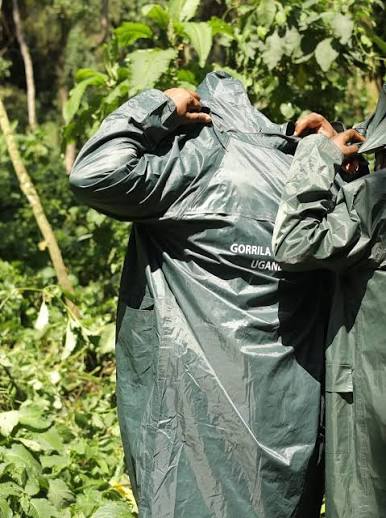
Waterproof rain jacket and backpack cover included in a Gorilla Trekking Packing List
Rain protection is an essential part of gorilla trekking gear because mountain forests can receive rainfall at any time of the year. A lightweight waterproof jacket helps protect travelers from sudden showers while allowing them to continue hiking comfortably.
A waterproof backpack cover is also recommended because it protects cameras, phones, travel documents, and other important belongings from moisture.
Travelers planning combined adventures can also prepare through this guide about volcano hiking and gorilla trekking in Uganda and Rwanda.
Gardening Gloves and Hand Protection
Gardening gloves are a simple but valuable addition to a Gorilla Trekking Packing List. During forest walks, travelers may hold vegetation or branches while moving through challenging sections of the trail.
Gloves protect hands from rough vegetation while improving comfort during the hike. Lightweight gloves take very little space in your backpack but provide useful protection throughout the trek.
Backpack and Waterproof Storage
A comfortable daypack is essential for carrying personal items during gorilla trekking. The ideal backpack should be lightweight, easy to carry, and large enough for water, snacks, rain protection, and camera equipment.
Waterproof storage bags are useful for protecting electronics and important documents. Even travelers visiting during dry seasons should prepare because rainforest weather can change unexpectedly.
Travelers visiting Bwindi can learn more about the environment through this Bwindi gorilla trekking experience guide.
Camera Equipment and Photography Gear
For many visitors, meeting mountain gorillas is a once-in-a-lifetime experience, making camera equipment an important part of their Gorilla Trekking Packing List. A good camera allows travelers to preserve memories of the adventure.
Travelers should carry extra batteries, memory cards, and waterproof protection for electronic equipment. Photography should always follow park guidelines to ensure responsible wildlife viewing.
Visitors planning Rwanda gorilla trekking can learn more about preparation through this Rwanda gorilla trekking guide.
Water Bottle and Energy Snacks
Gorilla trekking requires physical effort, so carrying enough drinking water is important. A reusable water bottle is an environmentally friendly option that helps travelers stay hydrated throughout the hike.
Energy snacks such as nuts, fruits, or energy bars can provide extra strength during longer treks. Travelers should pack enough supplies while avoiding unnecessary weight.
Walking Stick and Trekking Support Equipment
A walking stick can provide additional support on steep or slippery trails. Many travelers find trekking poles useful because they improve balance and reduce strain during difficult sections of the forest.
This equipment can be especially helpful for older travelers or visitors who are not regular hikers.
Personal Health and Safety Items
Every traveler should include personal health items in their Gorilla Trekking Packing List. These may include personal medication, insect repellent, sunscreen, hand sanitizer, and basic first aid supplies.
Preparing these items before departure reduces unnecessary challenges during the trek and helps visitors remain comfortable throughout the adventure.
Travelers should also understand important requirements through this gorilla permit prices guide for Uganda and Rwanda.
Essential Documents Before Gorilla Trekking
Important travel documents should always be part of your final Gorilla Trekking Packing List. Travelers should confirm they have passports, permits, travel insurance details, and booking confirmations before departure.
Keeping digital copies of important documents provides additional security during international travel.
Final Gorilla Trekking Gear Checklist Before Departure
A complete Gorilla Trekking Packing List should include waterproof hiking boots, rain protection, comfortable clothing, a backpack, camera equipment, personal supplies, and important travel documents.
Preparing the correct gorilla trekking gear allows visitors to focus on the incredible experience of observing mountain gorillas rather than worrying about missing equipment.
Travelers comparing destinations can explore this gorilla trekking Uganda versus Rwanda comparison before choosing their preferred destination.
For additional safari preparation, visitors can also explore this best guide to gorilla trekking in Rwanda.
Gorilla Trekking Accessories and Additional Items to Include on Your Packing List
A complete Gorilla Trekking Packing List should include more than just clothing and hiking boots. While waterproof jackets, trekking trousers, and strong footwear are essential, several additional gorilla trekking accessories can improve comfort, safety, and convenience during your forest adventure.
Mountain gorilla habitats are located in tropical highland forests where weather conditions can change quickly. Rain, humidity, muddy trails, and long hiking hours make it important to carry practical items that support your journey. The right accessories help travelers remain prepared while enjoying the incredible experience of seeing gorillas in their natural environment. :contentReference[oaicite:1]{index=1}
Travelers preparing for their safari should first review this gorilla trekking packing and clothing guide for a complete understanding of essential preparation.
Water Bottle and Hydration Equipment
A reusable water bottle is one of the most important additional items on a Gorilla Trekking Packing List. Trekking through rainforest environments requires physical effort, and staying hydrated helps maintain energy throughout the hike.
Travelers should carry enough drinking water because the duration of the trek depends on the location of the gorilla family. A lightweight reusable bottle is convenient, environmentally friendly, and easy to carry inside a daypack.
Visitors combining gorilla trekking with other activities can also prepare through this volcano hiking and gorilla trekking guide.
Gorilla Trekking Backpack and Rain Cover
A comfortable backpack is an essential gorilla trekking accessory because it carries important personal items throughout the adventure. The ideal daypack should be lightweight, comfortable, and large enough for water, snacks, rain protection, and camera equipment.
A waterproof backpack cover or waterproof storage bags are highly recommended because rainforest weather can change suddenly. Protecting your personal belongings ensures that important equipment remains safe during the trek.
Travelers visiting Uganda can learn more about forest conditions through this Bwindi gorilla trekking experience guide.
Gorilla Trekking Gloves for Hand Protection
Lightweight gloves are a useful addition to any Gorilla Trekking Packing List. During the trek, visitors may move through thick vegetation, hold branches, or walk through areas with rough plants.
Gardening gloves or trekking gloves protect hands from scratches and improve comfort when navigating challenging sections of the forest. They are lightweight, affordable, and take very little space in your backpack.
Trekking Poles and Walking Support
A walking stick or trekking pole can provide additional balance during gorilla trekking. Forest trails may include steep sections, muddy ground, and uneven surfaces where extra support can improve stability.
Trekking poles can be especially helpful for older travelers or visitors who are not regular hikers. They reduce strain and provide confidence when moving through difficult terrain.
Travelers interested in different trekking experiences can also read this Rwanda gorilla tracking travel guide.
Camera Protection and Photography Accessories
A camera is one of the most valuable items many travelers carry during gorilla trekking. Capturing memories of mountain gorillas is an important part of the experience, but photography equipment requires proper protection.
Travelers should include extra batteries, memory cards, and waterproof protection for cameras and phones. Rainforest conditions can create moisture challenges, so protecting electronics should be a priority.
Visitors planning Rwanda trekking adventures can find more preparation information through this Rwanda gorilla trekking guide.
Binoculars for Wildlife Observation
Although gorillas are usually observed at close range during the official encounter, binoculars can still be useful during the overall safari experience. They help travelers observe birds, monkeys, and other wildlife found around gorilla habitats.
Including compact binoculars in your Gorilla Trekking Packing List can improve your overall wildlife viewing experience without adding much weight to your luggage.
Headlamp and Small Flashlight
A small flashlight or headlamp can be a useful travel accessory, especially for travelers staying in remote lodges. Early morning departures and evening movements around accommodation areas may require additional lighting.
Choose lightweight equipment that is easy to pack and has reliable battery life. While not always required during the trek itself, it can be useful during your overall safari journey.
Insect Repellent and Personal Protection Items
Insect repellent is another important item to include in your Gorilla Trekking Packing List. Tropical forests contain various insects, and personal protection improves comfort during outdoor activities.
Travelers should also consider sunscreen, personal medication, hand sanitizer, and other personal care items. Preparing these items before departure reduces unnecessary challenges during the adventure.
More preparation information can be found through this gorilla trekking timing and preparation article.
Energy Snacks and Trekking Food
Energy snacks can be useful during longer gorilla treks. Small, lightweight foods such as energy bars, nuts, and fruits help travelers maintain energy during periods of extended walking.
The amount of food needed depends on the length of the trek and personal preference. Travelers should choose easy-to-carry items that do not add unnecessary weight.
Travel Documents and Important Information
Important documents should always be included in your final Gorilla Trekking Packing List. Travelers should carry passports, permit confirmations, accommodation details, and travel insurance information.
Keeping copies of important documents digitally provides additional security throughout the journey.
Travelers can learn more about permit planning through this gorilla permit prices guide for Uganda and Rwanda.
Final Gorilla Trekking Accessories Checklist
The best Gorilla Trekking Packing List combines essential clothing with practical accessories. Water bottles, backpacks, gloves, trekking poles, camera protection, personal supplies, and travel documents all contribute to a smoother and more enjoyable experience.
Preparing these additional items before departure allows travelers to focus on the unforgettable moment of meeting mountain gorillas in their natural habitat.
Those comparing destinations before booking can explore this gorilla trekking Uganda versus Rwanda comparison.
For more complete planning information, visitors can also explore this Uganda and Rwanda gorilla trekking information guide.
What Not to Pack for Gorilla Trekking: Common Packing Mistakes to Avoid
A good Gorilla Trekking Packing List is not only about knowing what to carry but also understanding what items to avoid. Many travelers prepare essential clothing and equipment but still make mistakes by carrying unnecessary items that add weight, reduce comfort, or are unsuitable for rainforest conditions.
Gorilla trekking involves walking through tropical forests with changing weather, muddy trails, thick vegetation, and uneven terrain. Packing smart allows travelers to move comfortably and focus on the incredible experience of meeting mountain gorillas in their natural environment. :contentReference[oaicite:1]{index=1}
Before finalizing your luggage, review this gorilla trekking packing and clothing guide to understand the recommended items for your adventure.
Avoid Carrying Heavy and Unnecessary Luggage
One of the biggest mistakes travelers make when preparing a Gorilla Trekking Packing List is carrying too many unnecessary items. Gorilla trekking requires walking for several hours, and a heavy backpack can make the experience more tiring.
Travelers should focus on lightweight and practical equipment. Carry only items that improve comfort, safety, and convenience during the trek. A small backpack containing essential supplies is usually more useful than carrying a large bag filled with items that may not be needed.
Travelers planning different adventure combinations can also learn more through this volcano hiking and gorilla trekking guide.
Do Not Pack Unsuitable Footwear
Footwear is one of the most important parts of every Gorilla Trekking Packing List. Travelers should avoid packing ordinary casual shoes, sandals, or uncomfortable footwear because forest trails can become muddy, slippery, and challenging.
New shoes that have not been tested before the trek should also be avoided because they may cause discomfort during long hikes. Waterproof hiking boots with good grip and ankle support are more suitable for rainforest conditions.
Visitors can understand more about trekking preparation through this Uganda gorilla trekking safari guide.
Avoid Bright and Unsuitable Clothing Colors
Choosing the right clothing colors is an important part of preparing for gorilla trekking. Travelers should avoid very bright colors because neutral-colored clothing is generally recommended for wildlife environments.
Earth-tone colors such as green, brown, and khaki blend better with the natural surroundings and are commonly preferred by safari travelers. Long trousers and long-sleeved shirts are also more practical than short clothing because they provide protection from vegetation and insects.
More clothing recommendations can be found in this gorilla trekking clothing preparation guide.
Do Not Forget Weather Protection
A common mistake among first-time trekkers is assuming that dry weather means they do not need rain protection. Mountain forests can experience sudden rainfall, making a waterproof jacket an important item on every Gorilla Trekking Packing List.
Travelers should avoid packing only light clothing without protection from rain and cool temperatures. A lightweight waterproof jacket takes little space but provides valuable protection throughout the adventure.
Those preparing for Rwanda can also read this Rwanda gorilla trekking preparation guide.
Avoid Packing Too Many Electronic Devices
Although cameras and phones are useful for capturing memories, carrying too many electronic devices can add unnecessary weight. Travelers should choose practical photography equipment and protect it properly from rain and humidity.
Extra batteries, memory cards, and waterproof protection are more useful than carrying multiple devices that may not be used during the trek.
Do Not Forget Personal Health Supplies
Another common packing mistake is forgetting personal health and comfort items. Every Gorilla Trekking Packing List should include personal medication, insect protection, sunscreen, and other individual necessities.
Because trekking takes place in remote forest areas, travelers should prepare these items before departure instead of trying to find replacements during the safari.
Travelers can also understand more about timing and preparation through this gorilla trekking timing guide.
Avoid Carrying Strong Perfumes and Unnecessary Fragrances
Strong perfumes and unnecessary fragrances should be avoided during gorilla trekking. The experience takes place in a natural environment where travelers should minimize unnecessary disturbances.
Simple personal hygiene products without strong scents are more suitable for wildlife experiences and help maintain a natural environment during the trek.
Do Not Forget Travel Documents
While many travelers focus on physical equipment, important documents are also part of a complete Gorilla Trekking Packing List. Forgetting passports, permits, or booking confirmations can create unnecessary problems during the journey.
Before departure, travelers should confirm that all travel documents are available and keep digital copies as backup.
More information about permit preparation can be found through this gorilla permit prices guide for Uganda and Rwanda.
Common First-Time Gorilla Trekking Packing Mistakes
Many first-time travelers make mistakes such as packing too much, choosing unsuitable clothes, forgetting rain protection, or carrying items that are not useful during the trek. A well-planned Gorilla Trekking Packing List should focus on comfort, safety, and practicality.
Preparing early allows travelers to check their equipment, organize their backpack, and avoid last-minute packing problems.
Final Advice for Packing Smart for Gorilla Trekking
The best Gorilla Trekking Packing List is not the one with the most items but the one containing the right items. Comfortable boots, suitable clothing, rain protection, personal supplies, and lightweight equipment are the foundation of a successful trek.
Travelers comparing destinations before booking can explore this Uganda versus Rwanda gorilla trekking comparison.
For complete safari planning information, visitors can also explore this Uganda and Rwanda gorilla trekking guide.
How to Organize Your Gorilla Trekking Packing List for a Comfortable Safari
A well-organized Gorilla Trekking Packing List makes your adventure more comfortable, enjoyable, and stress-free. Many travelers focus on buying the right equipment but forget that how they arrange and carry their items is equally important. A properly packed bag allows quick access to essential items while avoiding unnecessary weight during the trek.
Gorilla trekking takes place in rainforest environments where conditions can change quickly. Travelers should prepare for rain, muddy trails, changing temperatures, and several hours of walking. Organizing your luggage correctly ensures that important items such as rain protection, water, cameras, and personal supplies are easily accessible when needed. :contentReference[oaicite:1]{index=1}
Before organizing your luggage, travelers can review this gorilla trekking packing and clothing guide for a complete understanding of recommended equipment.
Choose the Right Bag for Gorilla Trekking
The first step in organizing your Gorilla Trekking Packing List is selecting the right bag. A lightweight and comfortable daypack is usually the best option because it allows you to carry essential items without creating unnecessary weight.
Your backpack should have enough space for drinking water, snacks, a rain jacket, camera equipment, personal items, and other important accessories. A waterproof backpack or rain cover is highly recommended because rainforest weather can change suddenly.
Travelers combining gorilla trekking with other adventures can also prepare through this volcano hiking and gorilla trekking guide.
Separate Essential Items from Backup Items
A smart Gorilla Trekking Packing List separates items according to how often they will be needed. Items required during the trek should be placed where they are easy to reach, while extra clothing and backup equipment can remain in your main luggage at the lodge.
Your trekking backpack should contain only essential items because carrying too much weight can make walking through the forest more tiring. Focus on items that directly improve comfort, safety, and convenience.
Use Waterproof Protection for Important Items
Protecting your belongings from rain should be a major part of your gorilla safari preparation. Even during dry seasons, tropical forests can experience unexpected showers.
Cameras, phones, passports, and other important documents should be stored in waterproof bags or protective covers. This simple preparation can prevent damage and ensure that your equipment remains safe throughout the journey.
Travelers visiting Uganda can understand the forest environment better through this Bwindi gorilla trekking experience guide.
Pack Clothing Using Layers
Layering is one of the best packing tips for gorilla trekking because mountain forests can have changing temperatures. Instead of carrying many heavy clothes, travelers should pack lightweight layers that can be added or removed depending on weather conditions.
A practical clothing arrangement includes a comfortable base layer, long trousers, a warm sweater or fleece, and a waterproof outer jacket. This approach keeps luggage lighter while providing flexibility during the trek.
Keep Frequently Used Items Accessible
A well-organized Gorilla Trekking Packing List places frequently used items in easy-to-reach areas. Your water bottle, camera, rain jacket, snacks, gloves, and insect repellent should not be buried under other belongings.
Good organization saves time during the trek because you can quickly respond to changing weather or personal needs without unpacking your entire bag.
Prepare Your Camera Equipment Properly
Photography equipment is often one of the most valued parts of a gorilla trekking trip. However, cameras and accessories should be packed carefully because forest conditions can include rain and humidity.
Carry extra batteries, memory cards, and waterproof protection for your camera. Avoid carrying unnecessary equipment that adds weight but may not be used during the trek.
Travelers planning Rwanda gorilla trekking can also explore this Rwanda gorilla trekking guide.
Prepare Your Backpack the Night Before Trekking
One of the best gorilla safari preparation tips is organizing your backpack the night before the trek. Early morning departures are common, and preparing in advance reduces stress and prevents forgetting important items.
Check your clothing, camera batteries, documents, water bottle, snacks, and rain protection before going to sleep. A final review of your Gorilla Trekking Packing List helps ensure that everything is ready.
Avoid Overpacking Your Gorilla Trekking Bag
Many travelers make the mistake of carrying too many items. Gorilla trekking requires walking through forests, and an overloaded backpack can reduce comfort and increase tiredness.
A lightweight packing style is more effective. Carry essential equipment and avoid items that are unlikely to be used during the trek.
Items That Should Always Be Easy to Find
Some items should always remain accessible during gorilla trekking. These include your rain jacket, drinking water, camera, gloves, insect repellent, and personal medication.
Organizing your backpack into sections or using small storage bags makes it easier to locate items quickly during the adventure.
More preparation advice can be found through this gorilla trekking timing and preparation guide.
Final Gorilla Trekking Bag Organization Tips
A successful Gorilla Trekking Packing List is not about carrying the most items but carrying the right items in the right way. A comfortable backpack, waterproof storage, organized clothing, and accessible essentials create a smoother trekking experience.
Proper preparation allows travelers to focus on the unforgettable experience of meeting mountain gorillas rather than worrying about missing equipment.
Travelers comparing destinations can explore this gorilla trekking Uganda versus Rwanda comparison before choosing their safari destination.
For complete destination planning, visitors can also explore this Uganda and Rwanda gorilla trekking guide.
Gorilla Trekking Packing List for Different Seasons: Rainy and Dry Season Preparation
A Gorilla Trekking Packing List should be adjusted according to the season you plan to visit Uganda or Rwanda. Although gorilla trekking is possible throughout the year, weather conditions can influence trail conditions, comfort levels, and the type of equipment travelers need.
Mountain gorilla habitats are located in tropical highland forests where weather can change quickly. Rain can occur even during drier months, while cooler temperatures are common because of the high altitude. Preparing according to seasonal conditions helps travelers remain comfortable throughout the trekking experience. :contentReference[oaicite:1]{index=1}
Before preparing your luggage, travelers can review this gorilla trekking packing and clothing guide for general recommendations on clothing, footwear, and equipment.
Understanding Seasonal Conditions During Gorilla Trekking
A complete Gorilla Trekking Packing List should consider the difference between rainy and dry seasons. The forest environment remains green throughout the year, but trail conditions may change depending on rainfall levels.
During wetter months, trails may become muddy and slippery, making waterproof boots, rain jackets, and protective gear more important. During drier months, travelers may experience easier hiking conditions but should still prepare for unexpected rainfall because rainforest weather can change quickly.
Travelers planning Uganda safaris can learn more about trekking conditions through this Uganda gorilla trekking safari guide.
Gorilla Trekking Packing List for the Rainy Season
Travelers visiting during rainy periods should give extra attention to waterproof equipment. A rainy season Gorilla Trekking Packing List should include waterproof hiking boots, rain jackets, backpack covers, and protective storage for electronics.
Long trousers and long-sleeved shirts are especially useful because wet forest conditions can increase exposure to vegetation and insects. Quick-drying clothing is preferred because cotton materials can remain wet for a long time.
A lightweight waterproof jacket should always be included because rainfall can occur even when the day begins with clear skies. More packing recommendations can be found in this gorilla trekking preparation guide.
Choosing the Right Footwear During Wet Conditions
Footwear becomes even more important during rainy seasons. Muddy and slippery trails require strong hiking boots with good grip, ankle support, and waterproof protection.
Travelers should avoid wearing new boots during the trek because they may cause discomfort. Testing footwear before the safari helps ensure better comfort during long forest walks.
Those combining activities can also prepare through this volcano hiking and gorilla trekking adventure guide.
Gorilla Trekking Packing List for the Dry Season
Although the dry season usually provides more favorable trekking conditions, travelers should not assume that rain protection is unnecessary. Mountain forests can still experience showers, especially because of their high-altitude tropical environment.
A dry season Gorilla Trekking Packing List should still include a rain jacket, comfortable hiking boots, water bottle, sunscreen, insect repellent, and lightweight clothing suitable for changing temperatures.
Travelers can also explore the best travel periods through this best time for gorilla trekking guide.
What to Wear During Warmer Trekking Days
During warmer conditions, travelers should choose breathable clothing that allows comfortable movement. Lightweight long-sleeved shirts and trousers provide protection while allowing air circulation.
Avoid heavy clothing that adds unnecessary weight to your backpack. The goal is to remain comfortable while carrying only essential items during the trek.
Cold Weather Preparation for Mountain Forests
Because gorilla trekking destinations are located at high elevations, mornings and evenings can feel cool even during warmer seasons. A good Gorilla Trekking Packing List should include warm layers such as sweaters, fleece jackets, or light insulated clothing.
Layering is the best approach because travelers can remove or add clothing depending on temperature changes throughout the day.
Visitors planning Rwanda gorilla trekking can learn more about seasonal preparation through this Rwanda gorilla trekking guide.
Seasonal Camera and Electronics Protection
Camera equipment requires protection during every season. During rainy periods, waterproof storage is essential, while during dry periods travelers should still protect devices from moisture and forest conditions.
Extra batteries, memory cards, and protective covers should remain part of your Gorilla Trekking Packing List regardless of the travel month.
Seasonal Health and Comfort Items
Health and personal comfort items should be included throughout the year. Travelers should carry insect repellent, sunscreen, personal medication, hand sanitizer, and basic personal supplies.
Hydration is also important because trekking requires physical effort. A reusable water bottle and small energy snacks can improve comfort during longer hikes.
Preparing Your Final Seasonal Packing Checklist
The best Gorilla Trekking Packing List changes slightly depending on the season, but the main essentials remain the same. Comfortable hiking boots, suitable clothing, rain protection, personal supplies, and travel documents should always be prepared before departure.
Travelers who understand seasonal conditions can enjoy a smoother and more comfortable gorilla trekking experience. Proper preparation allows visitors to focus on the unforgettable opportunity of observing mountain gorillas in their natural habitat.
Travelers comparing destinations can also explore this gorilla trekking Uganda versus Rwanda comparison before selecting their safari destination.
For complete destination planning information, visitors can explore this Uganda and Rwanda gorilla trekking guide.
What to Wear for Gorilla Trekking: Complete Clothing Guide and Packing Tips
Choosing the right clothing is one of the most important parts of a Gorilla Trekking Packing List. The clothes you wear can determine your comfort, protection, and overall experience while hiking through tropical rainforest environments. Gorilla trekking involves walking through dense forests, muddy trails, changing weather conditions, and uneven terrain, making proper clothing preparation essential.
The best gorilla trekking clothing should provide protection from vegetation, insects, rain, and cool temperatures while remaining lightweight and comfortable. Travelers should focus on practical outdoor clothing rather than fashion because the forest environment requires durable and functional gear. :contentReference[oaicite:1]{index=1}
Before choosing your trekking clothes, visitors can review this gorilla trekking packing and clothing guide for additional preparation information.
Long-Sleeved Shirts for Gorilla Trekking
Long-sleeved shirts are an essential part of every Gorilla Trekking Packing List. They protect your arms from forest vegetation, insects, and changing weather conditions during the trek.
Travelers should choose lightweight, breathable, and quick-drying materials that remain comfortable during long hours of walking. Synthetic outdoor fabrics are often preferred because they dry faster than heavy cotton materials.
Neutral colors such as green, brown, and khaki are commonly recommended because they blend well with natural surroundings and are suitable for wildlife environments.
Choosing the Right Trousers for Gorilla Trekking
Long trousers are another important item when preparing what to wear for gorilla trekking. They protect your legs from thick vegetation, insects, mud, and forest plants encountered along the trails.
The best trekking trousers are lightweight, flexible, and made from quick-drying materials. Travelers should avoid heavy jeans because they become uncomfortable when wet and take longer to dry.
A good Gorilla Trekking Packing List should include trousers that allow easy movement while providing protection throughout the hike.
Waterproof Jackets and Rain Protection
A waterproof jacket is one of the most important clothing items for gorilla trekking. Mountain rainforest areas can experience sudden rainfall even when the day begins with clear weather.
Travelers should choose a lightweight waterproof jacket that can easily fit inside their backpack when not being used. A jacket with a hood provides additional protection during unexpected rain showers.
Those planning combined adventures can also learn more through this volcano hiking and gorilla trekking guide.
Importance of Comfortable Hiking Boots
Hiking boots are among the most important items in any Gorilla Trekking Packing List. Forest trails can be muddy, slippery, steep, and uneven, requiring footwear with good grip and support.
The best gorilla trekking boots should be waterproof, comfortable, and already tested before the trekking day. Wearing new boots without breaking them in may cause discomfort during long hikes.
Travelers should choose boots with ankle support because they provide better stability when walking on challenging terrain. :contentReference[oaicite:2]{index=2}
Gorilla Trekking Socks and Foot Protection
Good socks are often overlooked but are an important part of gorilla trekking preparation. Comfortable trekking socks help prevent discomfort and keep feet dry during long walks.
Wool or synthetic hiking socks are usually better than ordinary cotton socks because they manage moisture more effectively.
Travelers should consider carrying an extra pair of socks in their luggage in case the first pair becomes wet during the trek.
Warm Layers for Mountain Forest Conditions
Although gorilla trekking takes place in tropical regions, high-altitude forests can become cool, especially during early mornings and evenings. A complete Gorilla Trekking Packing List should include a warm sweater, fleece jacket, or light insulating layer.
Layering clothing allows travelers to adjust easily when temperatures change throughout the day. Instead of carrying one heavy jacket, several lightweight layers provide better flexibility.
Visitors planning Rwanda gorilla trekking can learn more about clothing preparation through this Rwanda gorilla trekking guide.
Gorilla Trekking Gloves for Hand Protection
Lightweight gloves are useful accessories that should be considered when preparing your Gorilla Trekking Packing List. During the trek, travelers may move through thick vegetation or hold branches while walking.
Gardening gloves or trekking gloves protect hands from scratches and provide additional comfort when navigating forest trails.
Hats and Sun Protection
A hat is a useful addition to your gorilla trekking clothing preparation. It provides protection from sunlight and can also offer some protection from light rain.
Wide-brimmed hats are useful because they provide additional coverage for the face and neck. Sunscreen and sunglasses can also improve comfort, especially during travel days and other outdoor activities.
Clothing Mistakes to Avoid During Gorilla Trekking
A common mistake travelers make is choosing clothing based only on appearance rather than function. The best Gorilla Trekking Packing List should prioritize comfort, protection, and practicality.
Travelers should avoid uncomfortable shoes, heavy clothing, bright-colored outfits, and materials that remain wet for long periods. Proper clothing allows visitors to enjoy the trek without unnecessary challenges.
Final Gorilla Trekking Clothing Checklist
The ideal clothing preparation for gorilla trekking includes long-sleeved shirts, comfortable trousers, waterproof jackets, hiking boots, trekking socks, gloves, and warm layers. These items provide protection and comfort throughout the forest adventure.
A carefully prepared Gorilla Trekking Packing List allows travelers to focus on the unforgettable experience of observing mountain gorillas rather than worrying about unsuitable clothing.
Travelers can also review additional preparation information through this Uganda and Rwanda gorilla trekking guide.
For travelers comparing destinations before booking, this gorilla trekking Uganda versus Rwanda comparison can help with planning.
Best Shoes and Hiking Boots for Gorilla Trekking: Complete Footwear Guide

Small accessories can greatly improve comfort during a gorilla trekking adventure.
Choosing the right footwear is one of the most important decisions when preparing a Gorilla Trekking Packing List. Gorilla trekking involves walking through tropical rainforests, muddy trails, steep slopes, and uneven terrain, making comfortable and reliable hiking boots essential for a safe and enjoyable experience.
The wrong shoes can make the trek uncomfortable, especially during long hikes where travelers may encounter wet ground, slippery paths, and dense forest vegetation. A good pair of gorilla trekking boots should provide comfort, protection, stability, and strong grip throughout the adventure. :contentReference[oaicite:1]{index=1}
Travelers preparing their equipment can also review this gorilla trekking packing and clothing guide for complete preparation advice.
Why Hiking Boots Are Essential for Gorilla Trekking
Hiking boots are among the most important items on every Gorilla Trekking Packing List because rainforest trails are different from normal walking paths. The terrain can include slippery mud, steep sections, thick vegetation, and areas where travelers need extra balance.
Strong footwear protects your feet while improving confidence during the trek. Comfortable boots allow travelers to concentrate on the incredible experience of searching for mountain gorillas instead of worrying about foot discomfort.
Visitors planning Uganda safaris can understand more about trekking conditions through this Uganda gorilla trekking safari guide.
Features of the Best Gorilla Trekking Boots
The best gorilla trekking boots should combine waterproof protection, ankle support, durability, and comfort. Since trails can become muddy and wet, waterproof materials help keep feet dry during challenging conditions.
Ankle support is also important because forest trails are often uneven. Boots that provide stability reduce discomfort when walking through areas with rocks, roots, and steep slopes.
Waterproof Boots for Rainforest Conditions
Waterproof hiking boots should be a priority when creating your Gorilla Trekking Packing List. Rain can occur unexpectedly in mountain forests, and wet trails are common during rainy periods.
Keeping your feet dry improves comfort and reduces the chances of problems caused by prolonged exposure to wet conditions. Travelers should choose boots designed for outdoor hiking rather than ordinary casual shoes.
More information about weather conditions and preparation can be found through this gorilla trekking timing and preparation guide.
Breaking in Your Hiking Boots Before the Trek
One common mistake travelers make is wearing brand-new boots on the actual trekking day. New footwear may feel uncomfortable during long walks and can affect the enjoyment of the experience.
Travelers should test their hiking boots before traveling and wear them during practice walks. This helps ensure the shoes fit properly and feel comfortable before entering the forest.
Choosing the Right Socks for Gorilla Trekking
Socks are an important part of a complete Gorilla Trekking Packing List because they help protect feet during long hikes. Good trekking socks manage moisture, improve comfort, and reduce friction inside hiking boots.
Travelers should consider carrying an extra pair of socks because rainforest conditions can make clothing and footwear wet during the trek.
Gaiters and Extra Foot Protection
Gaiters can provide additional protection during gorilla trekking, especially in muddy forest conditions. They help prevent mud, water, and small debris from entering hiking boots.
Although not compulsory for every traveler, gaiters can be useful for visitors trekking during wetter months when trails may be more challenging.
Footwear Mistakes to Avoid During Gorilla Trekking
A good Gorilla Trekking Packing List should also include knowledge about what footwear to avoid. Ordinary sneakers, sandals, and lightweight casual shoes are not suitable for rainforest hiking.
Travelers should avoid footwear that lacks grip, waterproof protection, or proper support. Comfortable hiking boots designed for outdoor conditions provide a much better trekking experience.
Extra Shoes to Carry After the Trek
While hiking boots are essential during the trek, carrying lighter shoes or sandals for evenings at your lodge can improve comfort. After several hours of walking, many travelers appreciate having a second pair of relaxed footwear.
This allows hiking boots to dry while travelers remain comfortable during their safari stay.
Footwear Preparation for Uganda Gorilla Trekking
Uganda’s gorilla trekking destinations include rainforest environments where strong footwear is especially important. Bwindi Impenetrable National Park and Mgahinga Gorilla National Park have forest trails that require proper preparation.
Travelers can learn more about Uganda trekking experiences through this Bwindi gorilla trekking experience guide.
Footwear Preparation for Rwanda Gorilla Trekking
Travelers visiting Rwanda should also prepare suitable hiking boots because gorilla trekking in Volcanoes National Park involves walking through mountain forest environments.
Comfortable waterproof footwear, suitable clothing, and proper preparation help visitors enjoy the trek more fully.
More Rwanda preparation information is available through this Rwanda gorilla trekking guide.
Final Gorilla Trekking Footwear Checklist
The ideal footwear section of a Gorilla Trekking Packing List should include comfortable waterproof hiking boots, quality trekking socks, optional gaiters, and lighter shoes for relaxing after the trek.
Investing in proper footwear improves safety, comfort, and enjoyment during the adventure. The right boots allow travelers to focus on the unforgettable experience of observing mountain gorillas in their natural habitat.
Travelers comparing destinations before booking can explore this gorilla trekking Uganda versus Rwanda comparison.
For complete safari planning information, visitors can also explore this Uganda and Rwanda gorilla trekking guide.
Final Thoughts on the Complete Gorilla Trekking Packing List
A well-prepared Gorilla Trekking Packing List is one of the most important steps toward enjoying a comfortable, safe, and unforgettable mountain gorilla adventure. The right preparation allows travelers to focus on the incredible experience of observing gorillas in their natural habitat instead of worrying about missing equipment or unsuitable clothing.
Knowing what to pack for gorilla trekking helps travelers prepare for the unique conditions found in tropical mountain forests. Comfortable hiking boots, waterproof clothing, suitable trekking clothes, personal supplies, camera protection, and essential travel documents all contribute to a successful trekking experience.
Every traveler should remember that gorilla trekking is different from ordinary sightseeing. The activity involves hiking through forests, dealing with changing weather conditions, and spending several hours outdoors. A carefully planned Gorilla Trekking Packing List ensures that you are ready for rain, muddy trails, cool temperatures, and challenging terrain.
Prepare Early for a Better Gorilla Trekking Experience
The best time to organize your gorilla trekking essentials is before your travel date. Preparing early gives you enough time to choose suitable clothing, test your hiking boots, organize your backpack, and confirm all important travel documents.
Travelers who prepare properly enjoy greater confidence during the trek because they know they have everything required for the journey. A complete preparation approach also helps avoid common packing mistakes that can affect comfort during the adventure.
For travelers visiting Uganda, more destination information can be found through this Uganda gorilla trekking safari guide.
The Right Equipment Makes the Journey More Enjoyable
The purpose of a Gorilla Trekking Packing List is not to carry everything possible but to carry the right items. Lightweight, practical, and durable equipment makes hiking easier while providing protection from the forest environment.
Items such as waterproof hiking boots, rain jackets, trekking gloves, comfortable clothing, and a reliable backpack can greatly improve the overall safari experience. Proper preparation allows travelers to spend more time enjoying the beauty of the forest and the unforgettable gorilla encounter.
Travelers can review additional preparation recommendations through this complete gorilla trekking packing and clothing guide.
Gorilla Trekking Preparation Creates Lasting Memories
Meeting mountain gorillas is one of the world’s most remarkable wildlife experiences. The moment travelers enter the forest and encounter these incredible animals becomes a memory that lasts a lifetime.
A properly prepared Gorilla Trekking Packing List helps ensure that nothing distracts from this special experience. When travelers have the right clothing, equipment, and personal supplies, they can fully appreciate the beauty of Uganda and Rwanda’s gorilla habitats.
Those planning Rwanda adventures can learn more through this Rwanda gorilla trekking guide.
Start Planning Your Gorilla Trekking Adventure Today
Whether you are planning your first gorilla safari or returning for another adventure, using a complete Gorilla Trekking Packing List is the best way to prepare. The right planning ensures comfort, safety, and a more enjoyable experience from the beginning of your journey until the final trek.
Uganda and Rwanda offer unforgettable opportunities to see mountain gorillas in their natural environment. Choosing the right destination, preparing your equipment, and understanding what to expect will help you create an incredible safari experience.
Travelers comparing destinations can explore this gorilla trekking Uganda versus Rwanda comparison before making their final decision.
For complete safari planning and destination details, visitors can also explore this Uganda and Rwanda gorilla trekking guide and begin preparing for one of Africa’s most unforgettable wildlife adventures.
Kampala to Bwindi Impenetrable National Park Route Map and Travel Guide
The journey from Kampala to Bwindi Impenetrable National Park is the most common route taken by visitors planning a gorilla trekking safari in Uganda. The park is located in southwestern Uganda, approximately 460–540 kilometers from Kampala depending on the gorilla trekking sector you are visiting. The drive normally takes between 8 and 10 hours and offers spectacular views of rolling hills, tea plantations, traditional villages, and the beautiful landscapes that Uganda is famous for.
Most travelers begin their journey in Kampala before joining the Kampala–Masaka Highway. The route continues through Masaka, Mbarara, Ntungamo, Kabale, and Kisoro before reaching the different entrances to Bwindi Impenetrable National Park. Travelers heading to the Buhoma and Ruhija sectors usually pass through Kabale, while those visiting Rushaga or Nkuringo often continue towards Kisoro before entering the park.
The route provides several excellent stopover opportunities. One of the most popular is the Uganda Equator crossing at Kayabwe, where visitors can take photographs, purchase souvenirs, and enjoy refreshments. Mbarara is another common stop for breakfast or lunch before continuing into southwestern Uganda. As you approach Kabale and Kisoro, the scenery becomes increasingly mountainous, offering breathtaking views that prepare travelers for the unforgettable gorilla trekking experience ahead.
Road conditions are generally good on the main highways between Kampala and Kabale. The final section leading into Bwindi consists of winding mountain roads, some of which are gravel or murram. During the rainy seasons, these roads may become muddy, making a four-wheel-drive vehicle highly recommended for a smoother and safer journey.
Travelers with limited time can also choose domestic flights from Entebbe International Airport or Kajjansi Airfield to Kisoro Airstrip or Kihihi Airstrip. These flights reduce travel time to about one hour, followed by a short road transfer to the respective gorilla trekking sector.
Major Towns Along the Route
Kampala → Mpigi → Masaka → Uganda Equator (Kayabwe) → Mbarara → Ntungamo → Kabale → Kisoro (for Rushaga and Nkuringo) → Bwindi Impenetrable National Park.
Estimated Travel Distance
The journey covers approximately 460 to 540 kilometers depending on the gorilla family sector assigned for trekking.
Estimated Driving Time
Approximately 8 to 10 hours, including short breaks for meals, sightseeing, and photography.
Travel Tips
Start your journey early in the morning to avoid heavy traffic leaving Kampala. Carry enough drinking water, snacks, your gorilla trekking permit, identification documents, and the essential items listed in your Gorilla Trekking Packing List. Keep your camera readily accessible because the route offers numerous opportunities to photograph Uganda’s beautiful countryside.