Epic Serengeti Safari Planning
Quick Planning Guide
How Do You Plan an Epic Serengeti Safari?
Start with your travel month and main wildlife goal. Then choose the Serengeti region most likely to match that objective, allow enough nights in the area, select accommodation close to where you want to spend your game-drive time and decide whether the trip should be entirely overland or include scheduled bush flights.
- Choose your travel month.
- Decide whether migration or general wildlife is the main priority.
- Select the most suitable Serengeti region.
- Allow enough nights for wildlife viewing.
- Choose strategically located accommodation.
- Decide between road travel and fly-in arrangements.
- Add balloon safari or specialist experiences if required.
- Combine Ngorongoro, Tarangire or another destination without rushing.
- Keep expectations flexible because wildlife movements remain natural and unpredictable.
Three Experiences That Shape Serengeti Safari Planning
The Serengeti offers excellent wildlife throughout the year, but your planning changes depending on whether migration, resident wildlife or a specialist activity is most important to you.

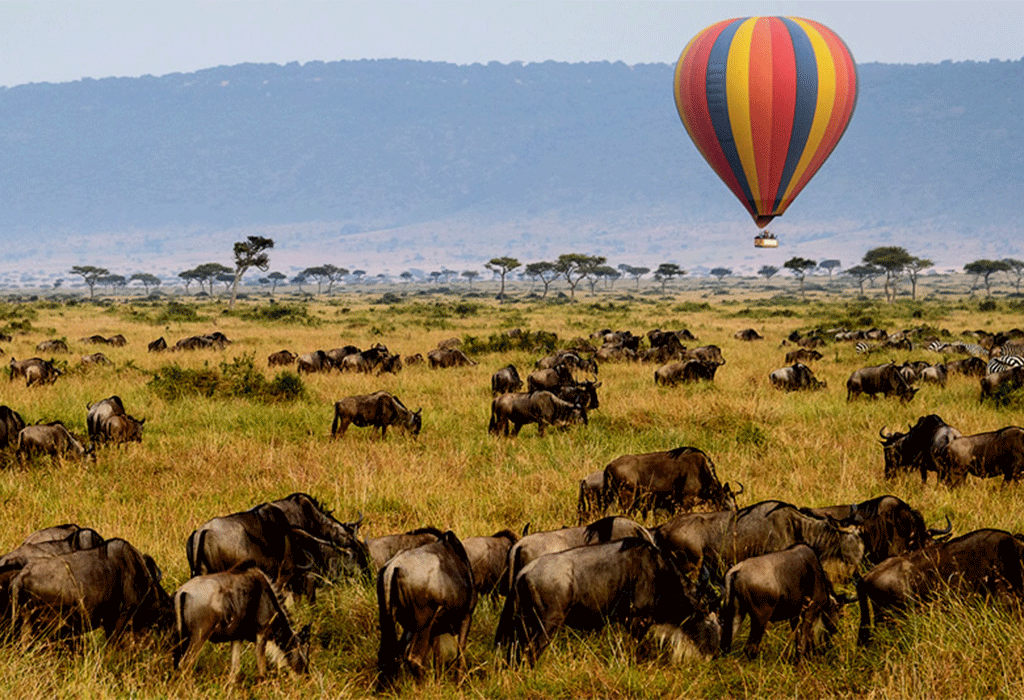
The Great Migration Is Not Just a River Crossing
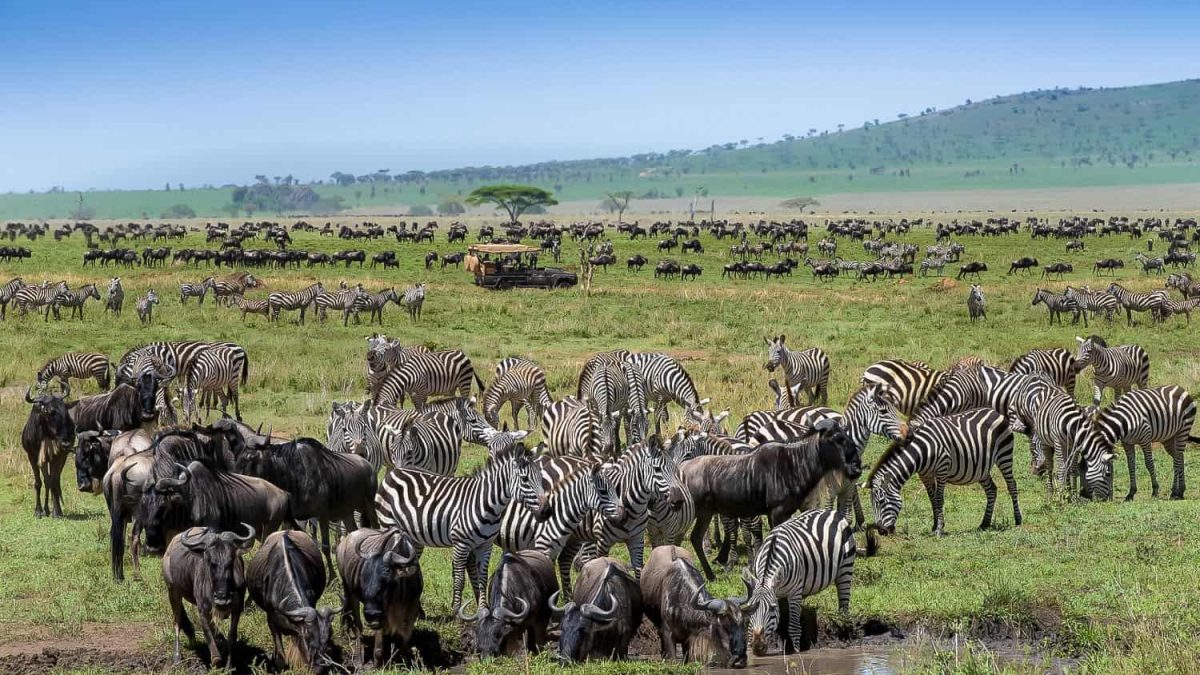
One of the most common Serengeti planning mistakes is assuming that the Great Migration only exists during the Mara River crossing season. The migration is a continuous cycle involving calving, grazing, northward movement, river crossings and the eventual return toward the southern plains.
Rainfall determines where fresh grass develops, and the herds respond naturally. This means seasonal patterns are useful for planning, but exact herd positions cannot be guaranteed months in advance.
A good migration safari therefore uses the month to choose the most suitable region while remaining flexible once the guide receives current wildlife and rainfall information.
Serengeti Safari Planning by Season
The following is a practical seasonal guide rather than a guarantee of exact herd positions. Rainfall can move the herds earlier or later in a particular year.
| Approximate Period | Area to Consider | Main Safari Interest |
|---|---|---|
| December–March | Southern Serengeti / Ndutu region | Large grazing herds, calving period and predator activity. |
| April–May | Central and gradually western areas | Green landscapes, changing herd movement and fewer peak-season crowds. |
| June–July | Western / central-northern movement | Large moving herds and transition toward the northern ecosystem. |
| July–October | Northern Serengeti | Mara River area and the possibility of dramatic crossings. |
| November–December | Central and southern movement | Herds gradually moving toward areas renewed by the short rains. |
Important: A river crossing can never be promised. Wildebeest can gather at the river, move away, cross at another location or remain on one bank for an extended period.
Choosing the Right Part of the Serengeti
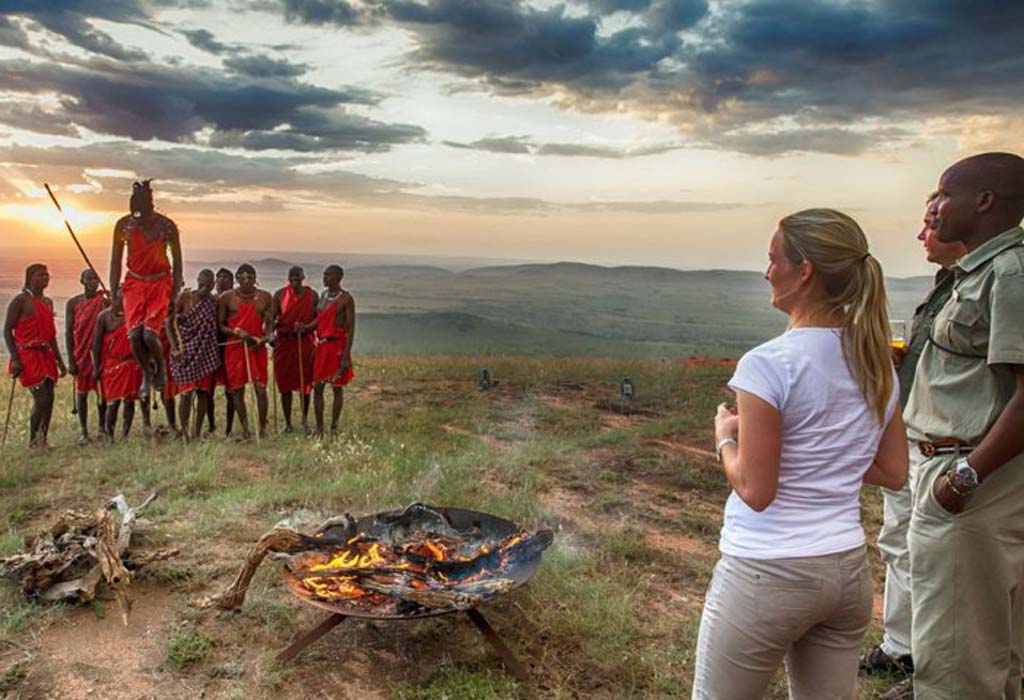
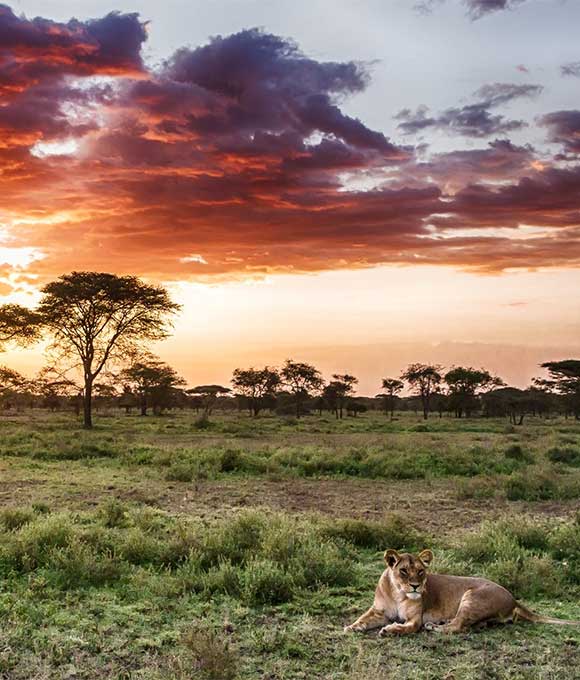
Where you stay matters almost as much as when you travel. A well-positioned camp reduces long daily transfers and gives your guide more time for actual wildlife viewing.
Planning a Serengeti Mara River Crossing Safari
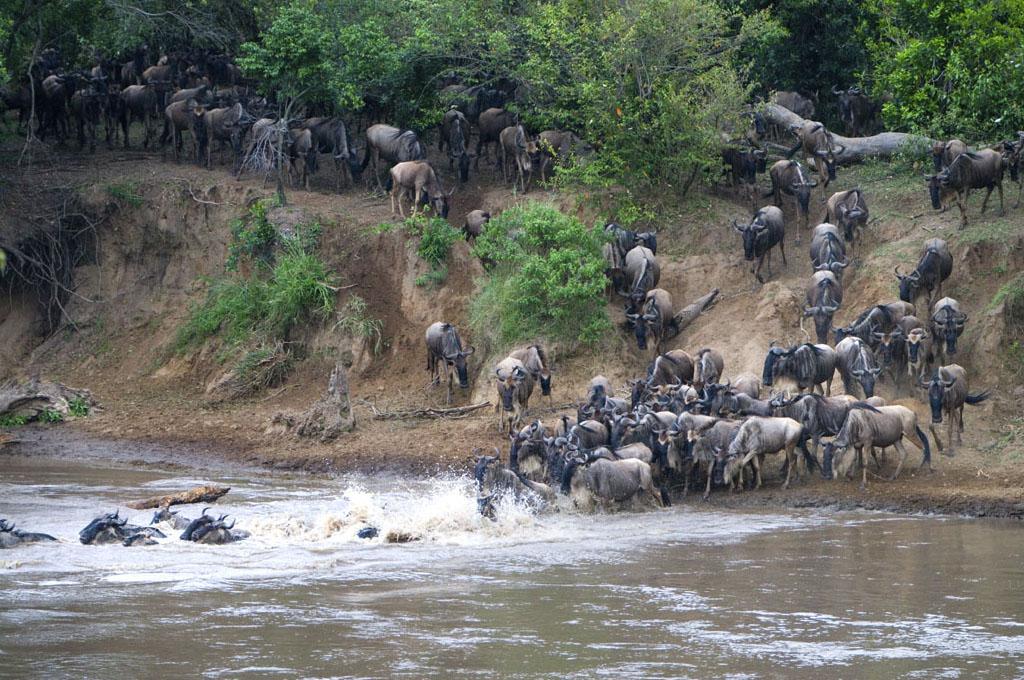
The best river-crossing itinerary is built around patience rather than a single scheduled viewing hour. Wildebeest may reach a riverbank but remain there for a long time before crossing. They can also change direction or use another crossing point.
If witnessing a crossing is your main goal, spend several nights in northern Serengeti rather than arriving for one afternoon and leaving the following morning. This gives your guide more opportunities to locate the herds and react to movement reports.
TANAPA has specific traffic-management rules around migration crossing points. Vehicles must follow the designated viewing arrangements and should not pressure animals toward the river.
For a dedicated route, see our 7-Day Serengeti River Crossing Safari.
How Many Nights Should You Spend in the Serengeti?
A very short Serengeti stay can work when flights place you directly in the correct region, but most travellers benefit from several nights. The park is vast, and driving from one region to another can consume substantial wildlife-viewing time.
2–3 Nights
Suitable for a short safari focused primarily on one Serengeti region.
4–5 Nights
A strong choice for first-time visitors and gives more time for varied wildlife encounters.
6–7 Nights
Useful for migration-focused safaris or combining two Serengeti regions without rushing.
8+ Nights
Best for photographers, slower-paced travel or extended northern and central exploration.
Road Safari or Fly-In Serengeti Safari?
Both approaches can work well. A road safari is ideal when Serengeti is combined with Tarangire, Lake Manyara and Ngorongoro because the journey becomes part of Tanzania’s northern circuit. A fly-in safari reduces long transfers and is especially useful for travellers heading directly to northern Serengeti or those with limited time.
| Planning Factor | Road Safari | Fly-In Safari |
|---|---|---|
| Best For | Northern circuit combinations. | Time-saving or remote-region access. |
| Flexibility | Very flexible for stops and route changes. | Built around scheduled bush flights. |
| Scenery | See changing landscapes between parks. | Excellent aerial views and shorter transfers. |
| Cost | Often more economical for multi-park trips. | Usually higher because regional flights are added. |
Choose Accommodation by Location, Not Only Luxury Level
A beautiful lodge in the wrong area can weaken a migration safari. The priority is to stay close enough to the wildlife area that matters during your travel dates. This reduces long transfers and allows early starts when animal activity is often strongest.
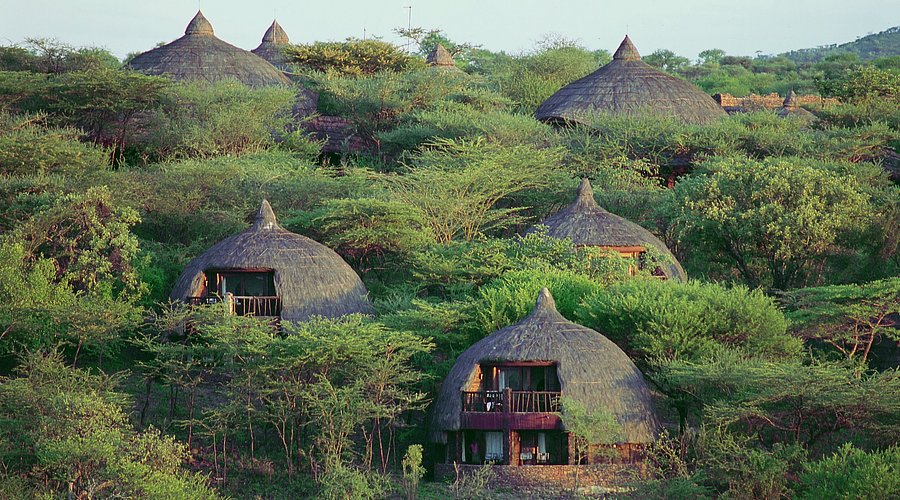
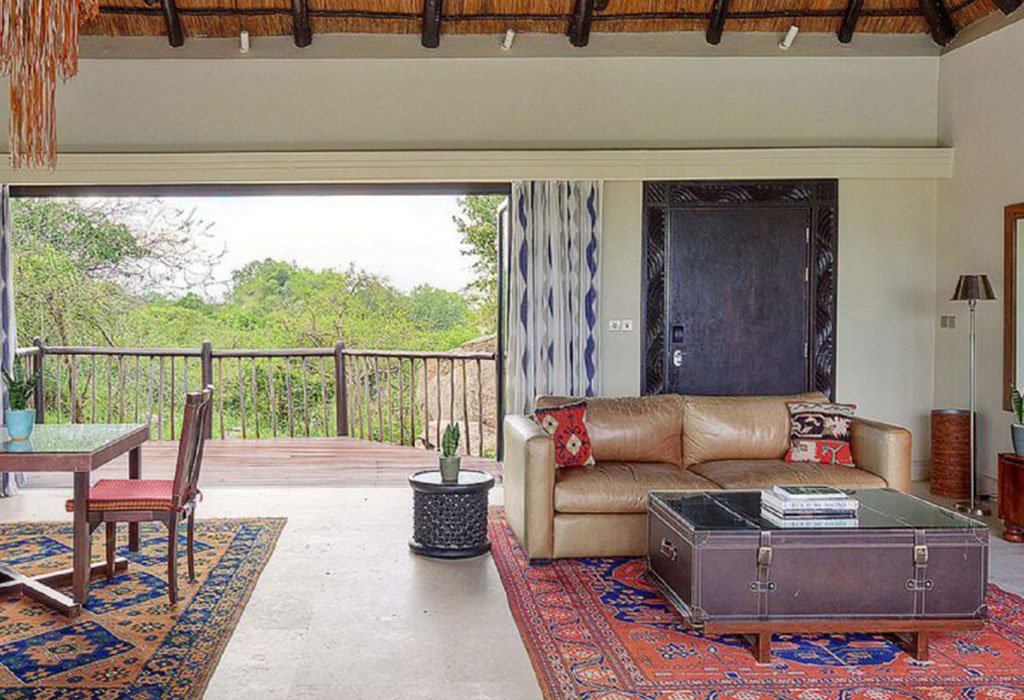
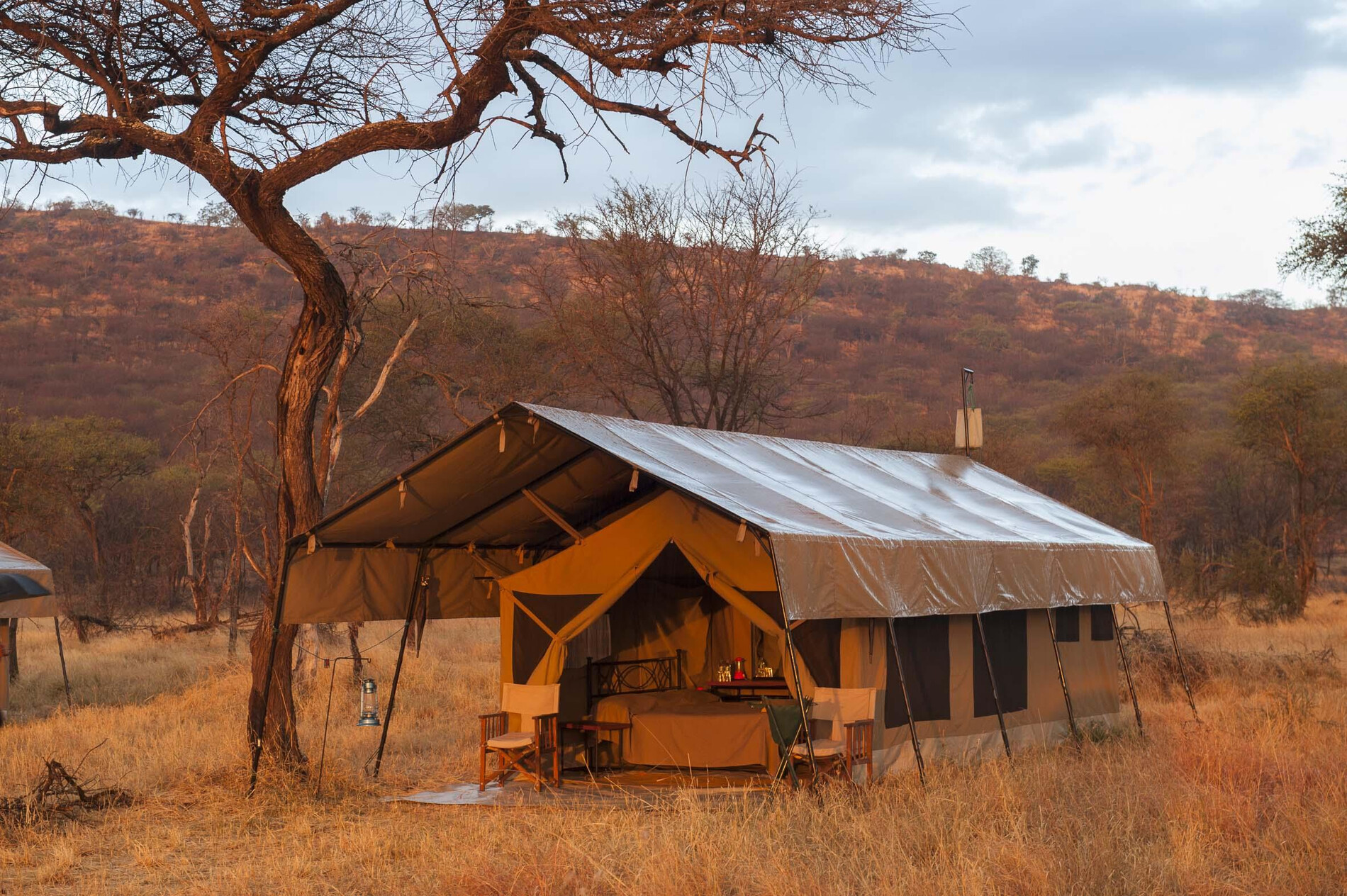
Permanent lodges offer consistent facilities throughout the year, while seasonal or mobile camps can reposition to follow migration patterns. The right option depends on budget, comfort expectations and whether wildlife location or lodge facilities are the greater priority.
Serengeti Accommodation Styles
These examples show how different accommodation styles can fit into Serengeti safari planning. Availability and the most appropriate camp depend on your actual travel dates and route.
Should You Add a Hot-Air Balloon Safari?
A balloon flight is one of the most distinctive optional activities in the Serengeti. It provides a broad aerial view of the landscape and may reveal wildlife patterns that are difficult to appreciate from ground level.
Balloon operations are regulated and take place only in approved areas. Because the number of places can be limited, include the activity during the initial safari planning rather than assuming it can always be added after arrival.
Travellers particularly interested in this experience can review our 3-Day Serengeti Hot Air Balloon Safari.
Plan Game Drives Around Wildlife, Not a Rigid Clock
Some days are best organized as early-morning and late-afternoon game drives with a break at the lodge, while others work better as a full-day game drive with a packed lunch. The correct format depends on where animals are being reported, how far the area is from camp and what your guide expects to find.
For migration-focused days, flexibility can be especially important because herds can move substantial distances. Photographers may also prefer longer game drives to avoid returning to camp just when the light or animal behaviour becomes interesting.
Serengeti Safari Planning for Photographers
Photography-oriented safaris benefit from fewer people in the vehicle, more time at individual sightings and enough luggage allowance for camera equipment. Early mornings and late afternoons often provide attractive light, while dust, distant wildlife and moving subjects make a longer telephoto lens useful.
If photography is one of your priorities, mention this before the safari is designed. A private vehicle gives the guide much greater flexibility than an itinerary built around travellers with different interests.
Pack extra batteries, memory cards and suitable dust protection for camera equipment. Charging arrangements should also be considered when choosing remote camps.
What Determines the Cost of a Serengeti Safari?
There is no single Serengeti safari price because the final cost depends on the season, trip length, number of travellers, accommodation standard, vehicle arrangements, park fees, concession or camping charges where applicable, domestic flights and optional activities.
Peak migration periods and premium northern or seasonal camps can be more expensive than travelling during quieter months. A private safari for two travellers also costs more per person than the same ground itinerary shared by four because vehicle and guide costs are divided between fewer guests.
Rather than comparing safari prices by total figure alone, compare the number of nights actually spent in the Serengeti, the location of the lodges, whether park fees are included, the type of vehicle and whether the itinerary uses excessive transfer days.
Park Fees and Safari Charges
Tanzania National Parks manages Serengeti National Park and applies conservation and other tourism charges according to the applicable visitor and accommodation arrangements. These tariffs can be revised, so Serengeti quotations should use the official rate applicable to the actual safari date.
For this reason, we do not recommend building a future safari budget around an old park-fee table found on a blog or social-media post. Your final quotation should state which park and concession-related charges are included.
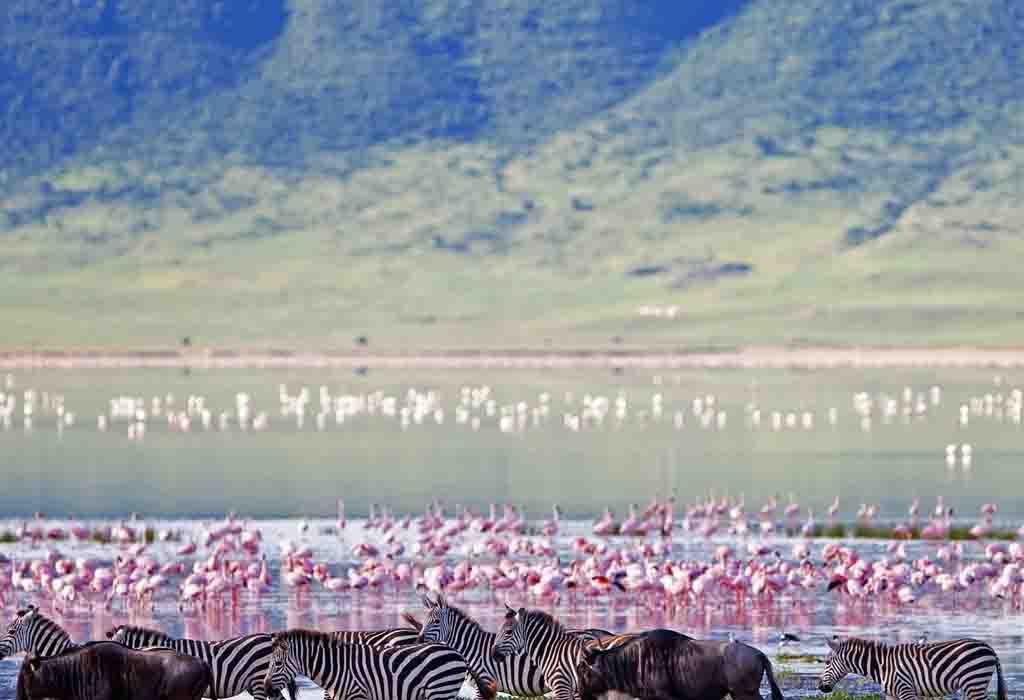
Best Destinations to Combine with the Serengeti
The strongest Tanzania itineraries usually combine the Serengeti with destinations that add a noticeably different landscape or wildlife experience.
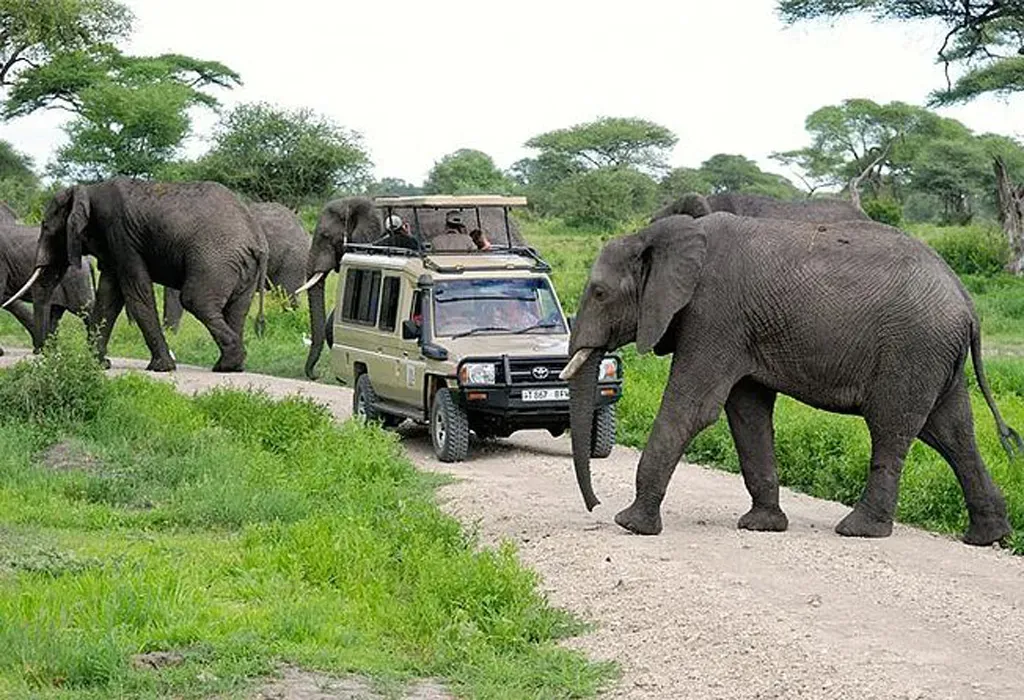
Serengeti Safari Length Ideas
3–4 Days
Concentrate on Serengeti itself or combine a short Serengeti stay with Ngorongoro when transfers are planned efficiently.
5–6 Days
Enough time for Serengeti plus Ngorongoro or Tarangire without turning every day into a transfer.
7–9 Days
Excellent for migration-focused planning, multiple Serengeti regions or a complete northern Tanzania safari.
10+ Days
Allows a slower pace or combinations with Zanzibar, Kenya or Uganda without sacrificing key Serengeti days.
For a broader Tanzania route, compare our 8-Day Tanzania Safari and 6-Day Tanzania Migration Safari.
What Is the Best Time for a Serengeti Safari?
There is no single best month for every traveller. The right period depends on the wildlife event you want to see and the type of safari atmosphere you prefer.
January to March is particularly attractive for travellers interested in southern plains and the calving period. July to October is highly sought after for northern Serengeti and Mara River migration activity. The wetter months can produce green landscapes, dramatic skies and fewer peak-season visitors.
If the Great Migration is not your only priority, Serengeti remains a strong wildlife destination throughout the year because resident predators and plains animals do not disappear when the biggest herds move into another part of the ecosystem.
What to Pack for the Serengeti
Pack light, practical clothing in neutral colours, comfortable closed footwear, sun protection, a hat and a warm layer for early-morning game drives. Temperatures can feel surprisingly cool before sunrise even when afternoons are hot.
Bring binoculars if possible, particularly for birds and distant predators. Photographers should carry additional batteries and memory cards and protect equipment from dust. Soft-sided luggage is generally more practical when domestic bush flights form part of the itinerary because baggage allowances may be more restrictive than those on international flights.
Common Serengeti Safari Planning Mistakes
- Assuming the Great Migration is only the Mara River crossing.
- Booking the wrong Serengeti region for your travel month.
- Expecting a river crossing to happen at a scheduled time.
- Spending only one night in northern Serengeti when crossings are the main goal.
- Choosing a lodge by luxury level without checking its location.
- Adding too many national parks and losing wildlife-viewing time to transfers.
- Assuming the Serengeti has poor wildlife outside migration peak months.
- Leaving balloon or bush-flight reservations until the last minute.
- Planning photography without considering vehicle space.
- Using old park-fee information when estimating the final safari cost.
What We Need to Plan Your Serengeti Safari
Send a few clear details and the itinerary can be designed around the correct region rather than forcing your trip into a generic Tanzania package.
- Preferred travel dates or month.
- Number of travellers and children’s ages.
- Total number of available safari days.
- Whether the Great Migration is a major priority.
- Interest in calving or Mara River crossings.
- Preferred accommodation level.
- Road safari or interest in domestic flights.
- Balloon safari or photography requirements.
- Other destinations such as Ngorongoro, Tarangire, Zanzibar, Kenya or Uganda.
- Your approximate budget range where available.
Frequently Asked Questions About Serengeti Safari Planning
1. What is the best month to visit Serengeti National Park?
There is no single best month. The ideal timing depends on whether you want calving, migration movement, Mara River activity, photography or general year-round wildlife viewing.
2. Does the Great Migration happen all year?
Yes. The migration is a continuous annual cycle through the wider Serengeti–Mara ecosystem rather than one event that occurs only during river-crossing season.
3. When is Serengeti calving season?
The southern plains are generally most important from around January through March, with February often associated with concentrated calving activity. Exact timing still depends on rainfall and grazing conditions.
4. When are Mara River crossings?
Northern Serengeti is commonly most important from roughly July through October, but exact crossing dates cannot be guaranteed because wildebeest move according to natural conditions.
5. Can a tour operator guarantee a river crossing?
No. Herds can approach the river without crossing, change direction or use a different crossing point. Several nights in northern Serengeti provide more opportunities than a one-night visit.
6. How many days should I spend in the Serengeti?
Four or more nights provides a stronger first-time experience, although shorter trips are possible when the itinerary focuses on one region and travel logistics are efficient.
7. Is Central Serengeti worth visiting outside migration season?
Yes. Central Serengeti supports excellent resident wildlife and predator viewing throughout the year and is one of the most versatile bases in the park.
8. Should I fly or drive to the Serengeti?
Drive when combining the park with Tanzania’s northern circuit and use bush flights when reducing travel time or accessing a remote Serengeti region is more important.
9. Can I take a hot-air balloon safari in Serengeti?
Yes. Balloon safaris operate in approved areas through authorized operators and should normally be booked in advance.
10. Is Serengeti good for photographers?
Yes. Open plains, large mammals, predators and changing light make the Serengeti excellent for wildlife photography. A private vehicle is particularly useful for photographers.
11. Should I stay in one Serengeti lodge for the entire safari?
Sometimes, but migration-focused trips may benefit from changing regions. Staying in one camp only makes sense when its location matches your main wildlife objective.
12. Can I combine Serengeti with Ngorongoro?
Yes. This is one of the most natural Tanzania safari combinations and creates a strong contrast between the Serengeti plains and the Ngorongoro landscape.
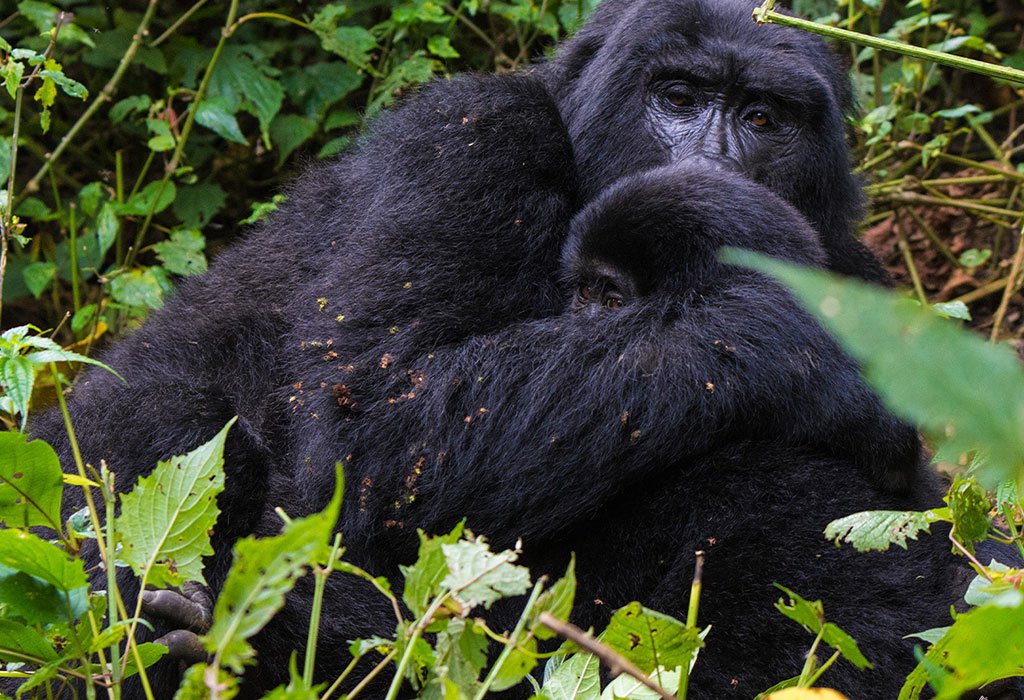
13. Can I combine Serengeti with Uganda gorillas?
Yes. Regional flights and carefully planned transfers can combine Tanzania’s savannah wildlife with mountain gorilla trekking in Uganda.
14. How early should I book a Serengeti safari?
Earlier booking gives you a wider choice of well-positioned lodges, particularly during popular migration months. Travellers with fixed dates or specific camps should plan farther ahead.
15. Can Safari Vacations customize the entire Serengeti safari?
Yes. Safari Vacations and Travel Services can design a private itinerary around your dates, Serengeti region, migration interests, accommodation level, 4×4 vehicle, domestic flights and any Tanzania or East Africa extensions.
Epic Serengeti Safari Planning Starts with the Right Region
The most important Serengeti planning decision is not simply choosing Tanzania or choosing a famous lodge. It is matching your dates and wildlife interests with the correct region of the ecosystem.
For calving, the southern plains become the focus. For Mara River migration activity, northern Serengeti deserves more time. For strong all-round wildlife throughout the year, central Serengeti remains extremely important. The itinerary should then place accommodation, transport and optional activities around that core wildlife objective.
A slower safari with several well-positioned nights will usually provide more meaningful wildlife time than an itinerary that visits too many parks in too few days. If migration is important, flexibility and patience should remain part of the plan because no operator controls where or when wild animals move.
Serengeti • Great Migration • Private 4×4 • Tanzania Safari Experts
Start Planning Your Epic Serengeti Safari
Send us your travel dates, number of travellers, available safari days, preferred accommodation level and whether your priority is the Great Migration, Mara River crossings, calving, photography or general wildlife. We can build the route around the most suitable Serengeti region.