Best Time to Visit Uganda: A Guide to Perfect Wildlife Shots

Best Time to Visit Uganda: A Photographer’s Guide to Perfect Wildlife Shots: Imagine capturing the very soul of Africa through your lens – the raw power of a silverback gorilla emerging from the mist, the golden light painting vast savannahs dotted with elephants, the explosion of colour as a rare bird takes flight. Uganda, often hailed as “The Pearl of Africa,” offers an unparalleled tapestry of wildlife and landscapes, making it a dream destination for photographers seeking authentic and breathtaking encounters. From the mist-shrouded peaks of the Virunga Mountains to the sun-drenched plains of Kidepo Valley, Uganda presents a photographic canvas unlike any other.
However, for the discerning photographer, timing is everything. Capturing that perfect wildlife shot isn’t just about being in the right place; it’s about being there at the right time. The quality of light, the level of animal activity, the accessibility of remote parks, and even specific natural events like breeding seasons or migratory patterns are all profoundly influenced by the time of year you choose to visit. A journey planned without considering Uganda’s distinct seasons and regional variations might lead to missed opportunities or challenging conditions.
This guide, brought to you by the experts at Safari Vacations and Travel Services, is designed to demystify the process of planning your photographic expedition to Uganda. We understand the unique needs of photographers – the quest for optimal light, intimate wildlife encounters, and seamless logistics that allow you to focus solely on your craft. We will delve into the nuances of Uganda’s climate, explore the best times to visit specific national parks based on your photographic goals, consider the peak seasons for capturing particular species, and offer practical tips honed from years of experience crafting bespoke photographic safaris.
Join us as we navigate the seasonal rhythms of Uganda, ensuring your adventure is timed perfectly to capture the stunning wildlife and landscapes that make this East African nation a true photographer’s paradise. Let Safari Vacations and Travel Services help you frame your unforgettable Ugandan story.
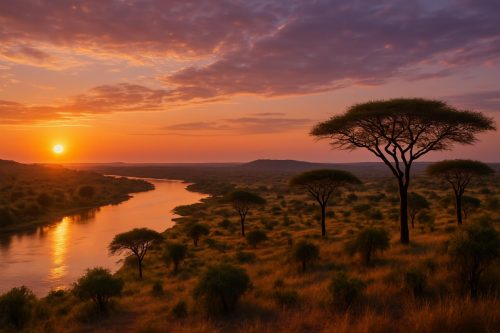
Panoramic sunset view over Murchison Falls National Park, Uganda, with the Nile River reflecting the golden sky.
Understanding Uganda’s Climate and Seasons: A Photographer’s Perspective
Uganda’s position astride the equator gifts it with a wonderfully temperate climate year-round, largely avoiding the extreme temperature fluctuations found elsewhere. However, this equatorial consistency doesn’t mean the weather is static. Instead, Uganda experiences distinct wet and dry seasons, driven by tropical rainfall patterns. Understanding the nuances of these seasons is paramount for photographers, as each period dramatically shapes the landscape, influences wildlife behaviour, and dictates the quality and character of the light – the very essence of photographic art.
The Dry Seasons (Typically June-August & December-February): The Time of Concentration and Clarity
Generally considered the peak safari season for most travellers, Uganda’s two main dry seasons offer conditions often favoured for wildlife photography. During these months, rainfall is minimal, leading to clearer blue skies and abundant sunshine. The most significant advantage for photographers is the behaviour of wildlife. As seasonal water sources evaporate across the parks, animals are compelled to congregate around permanent rivers, lakes, and waterholes. This concentration makes spotting wildlife significantly easier, increasing your chances of capturing intimate moments and diverse species interactions. Think herds of elephants gathering at the Kazinga Channel, buffaloes massing on the plains of Kidepo, or giraffes elegantly navigating the drier bush in Murchison Falls.
From a practical standpoint, the dry seasons mean better accessibility. Roads within the national parks, many of which are unpaved, are generally in better condition, allowing for smoother game drives and easier access to more remote areas. For those planning the physically demanding treks to see mountain gorillas in Bwindi Impenetrable National Park or chimpanzees in Kibale Forest, the drier, less slippery trails are a considerable advantage. The vegetation also tends to be sparser, thinning out the dense bush and offering clearer lines of sight for unobstructed shots.
Photographically, the dry season often yields brilliant golden hour light – those magical periods just after sunrise and before sunset – with less chance of cloud cover interfering. However, photographers should also be prepared for potential drawbacks. Midday light can be harsh and unforgiving, creating strong contrasts and potentially washing out details. Dust is also more prevalent, requiring diligent protection for sensitive camera gear. While the wildlife is easier to see, the landscape itself might appear less vibrant, with golden-brown grasses replacing the lush greens of the wetter months.
The Wet Seasons (Typically March-May & September-November): The Time of Lushness and Atmosphere
Often referred to as the ‘green seasons’, Uganda’s two rainy periods transform the landscape into a vibrant spectacle of emerald hues. While the name might suggest constant downpours, rainfall typically occurs in short, intense bursts, often in the afternoon or overnight, rarely disrupting activities for an entire day. For photographers, the wet seasons offer a unique set of advantages and a different aesthetic. The most immediate benefit is the quality of light. Increased cloud cover acts as a natural diffuser, softening the harsh equatorial sun and providing beautifully even illumination throughout much of the day – ideal for portraiture and capturing subtle details without battling harsh shadows. The landscapes are at their most photogenic, bursting with life and colour, providing stunning backdrops for wildlife.
These seasons also bring dramatic skies. Gathering storm clouds can add immense mood and atmosphere to landscape shots, and the period just after a rain shower often yields crystal-clear air and intensified colours. Furthermore, the wet seasons coincide with the arrival of migratory birds, making November to April the absolute peak time for bird photography, adding numerous colourful species to Uganda’s already impressive avian list. Another practical advantage is that the wet seasons generally see fewer tourists, leading to a more intimate safari experience and potentially lower prices for accommodation and permits.
However, challenges exist. Trekking for gorillas and chimps can be significantly more strenuous due to muddy and slippery trails. Some park roads may become temporarily impassable after heavy rain, requiring flexibility in itineraries. Wildlife can be more dispersed as water is readily available everywhere, and the thicker vegetation can sometimes make spotting animals more difficult. Humidity is higher, demanding extra care for camera equipment.
Ultimately, neither season is definitively ‘better’ – they simply offer different opportunities and challenges. The ‘best’ time truly depends on your specific photographic priorities: the concentrated action of the dry season or the lush landscapes and atmospheric light of the wet season.
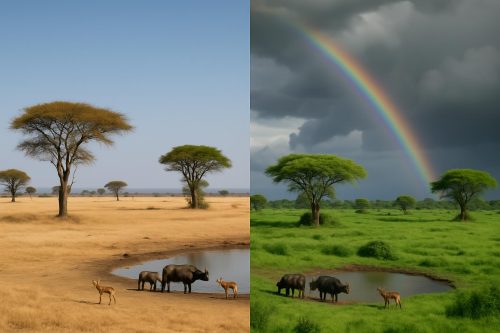
Split image showing Queen Elizabeth National Park in the dry season (yellow grass, animals at waterhole) versus the wet season (lush green, dramatic sky with rainbow).
The “Best” Overall Time? It Depends on Your Photographic Goals
While travel guides often point to the dry seasons (June-August and December-February) as the definitive “best time” to visit Uganda due to easier wildlife viewing and more predictable travel conditions, the answer for a photographer is rarely that simple. Certainly, if your primary goal is tracking mountain gorillas or chimpanzees through the dense forests, the drier trails of these periods offer a significant advantage in comfort and accessibility. Likewise, for maximizing sightings of savannah game concentrated around dwindling water sources, the dry months hold a distinct edge.
However, the dedicated photographer must look beyond general recommendations and consider their specific artistic vision and target subjects. Are you captivated by the vibrant, almost impossibly green landscapes that emerge during the rains, offering lush backdrops and dramatic, moody skies? Do you dream of capturing the peak diversity of Uganda’s incredible birdlife, including colourful migratory species that grace the country primarily between November and April? Perhaps the softer, diffused light prevalent during the wet seasons aligns better with your preferred photographic style than the potentially harsh sun of the dry months.
The shoulder seasons (March-May and September-November) can also present compelling opportunities, offering a potential blend of conditions – perhaps some rain yielding green landscapes but fewer crowds than the absolute peak dry periods. Therefore, the truly “best” time is subjective, intricately linked to the images you aspire to create. Understanding the trade-offs between accessibility, wildlife behaviour, light quality, and landscape aesthetics across the different seasons is key to aligning your trip with your unique photographic ambitions.
Park-by-Park Breakdown: Timing Your Photographic Expedition
Uganda’s diverse national parks each offer unique photographic opportunities and are subject to different optimal timings. Tailoring your visit based on the specific parks you wish to explore is crucial for maximizing your photographic success. Let’s break down the prime locations:
Bwindi Impenetrable & Mgahinga Gorilla National Parks: The Realm of the Mountain Gorilla
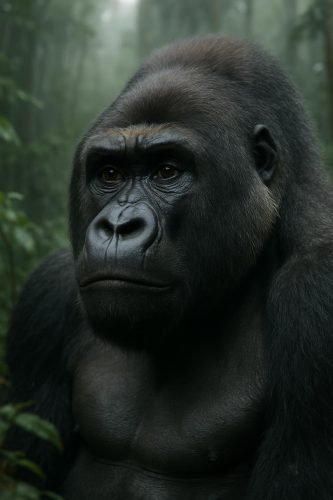
Close-up portrait of a silverback Mountain Gorilla in the misty Bwindi Impenetrable Forest
For most photographers visiting Uganda, capturing images of the majestic Mountain Gorillas is a primary objective, an experience that transcends mere wildlife viewing. Two parks in the southwest provide sanctuary for this critically endangered species. We strongly recommend the dry seasons (June-August and December-February) for gorilla trekking. During these months, easier footing and less rainfall make the challenging trek more manageable, increasing your likelihood of spending quality photographic time with a gorilla family without getting drenched.
Photographically, gorilla trekking presents unique challenges. You’ll be shooting under a dense forest canopy, often resulting in low and dappled light. Flash photography is strictly prohibited to avoid distressing the gorillas, meaning you’ll rely entirely on natural light. Gorillas, especially younger ones, can move surprisingly quickly, demanding fast shutter speeds despite the low light. Furthermore, regulations mandate maintaining a respectful distance (typically 7-10 meters), necessitating telephoto capabilities. High ISO performance is crucial, so a camera body comfortable shooting cleanly at ISO 3200 or higher is advantageous.
A fast lens (f/2.8 or f/4 aperture) will help gather maximum light and achieve faster shutter speeds. While tripods are impractical on the trek, a lightweight monopod can provide valuable stability. Remember to be prepared for rain showers even in the dry season; waterproof gear for both yourself and your camera is essential. The reward for navigating these challenges is the chance to capture deeply evocative portraits and behavioural shots of one of the world’s most iconic and sensitive wildlife subjects.
Queen Elizabeth National Park: Classic Savannah, Waterways, and Arboreal Lions
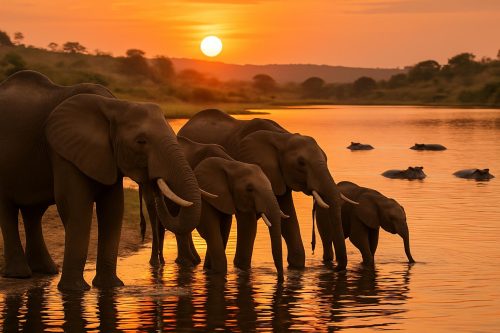
Herd of elephants drinking at the Kazinga Channel, Queen Elizabeth NP, during sunset
Queen Elizabeth National Park (QENP) offers a quintessential East African safari experience with diverse habitats ranging from sprawling savannahs and acacia woodlands to crater lakes and the famous Kazinga Channel. For general wildlife photography, the dry seasons (January-February and June-July) are typically best. During these periods, wildlife congregates predictably around the Kazinga Channel and other permanent water sources, making sightings more frequent and photography potentially easier. The boat safari along the Kazinga Channel is a photographic highlight, offering incredible close-up opportunities for hippos, Nile crocodiles, buffaloes, elephants drinking at the water’s edge, and a staggering array of water birds.
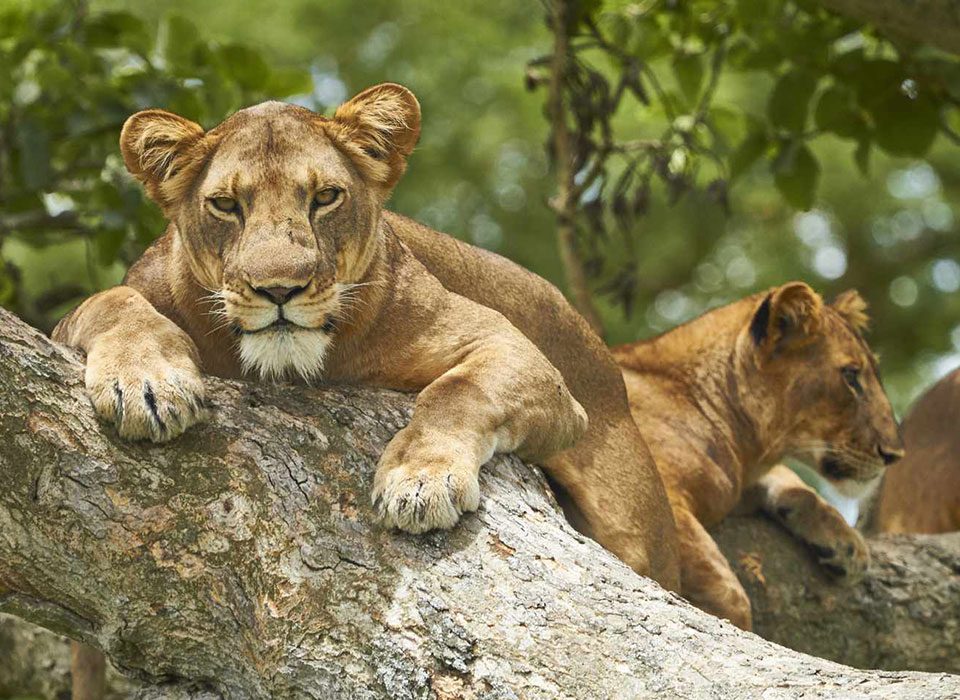
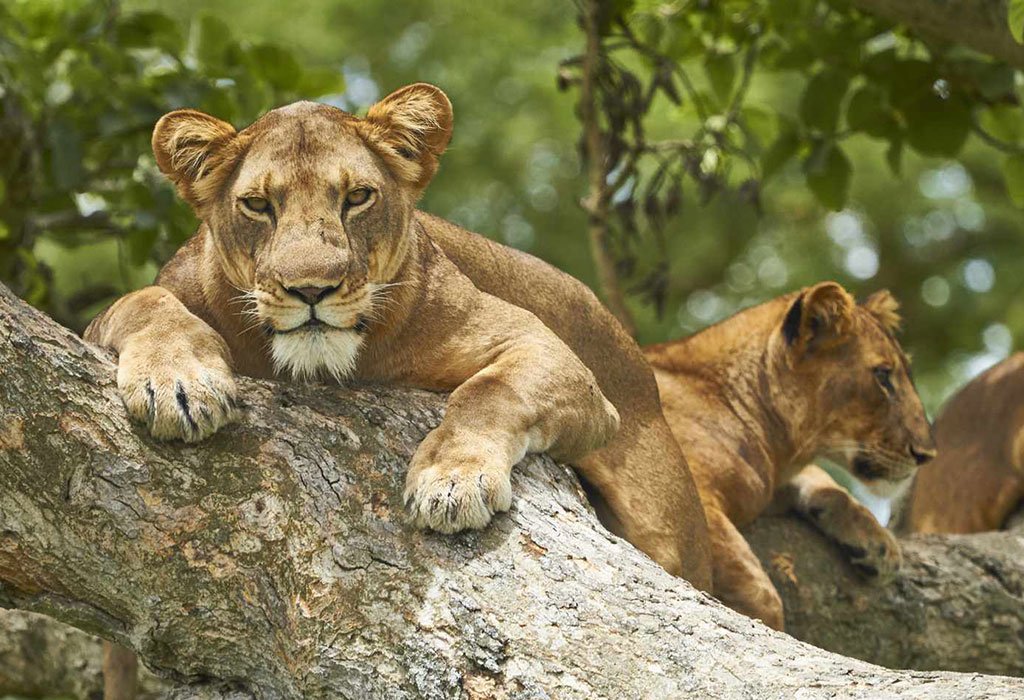
Game drives across the Kasenyi plains or towards the Ishasha sector provide chances to photograph lions (including Ishasha’s famous tree-climbing lions), leopards, Ugandan kobs, waterbucks, and giant forest hogs. A long telephoto lens (400mm or more) is indispensable here, and a beanbag for stabilizing your lens on the vehicle windowsill is highly recommended. Be mindful of heat haze during midday, which can soften images; focusing on early morning and late afternoon game drives yields the best light and activity. While the dry season offers concentrated viewing, the wet season (especially November-April) transforms QENP into a lush green paradise, ideal for landscape photographers and birders seeking migratory species alongside residents.
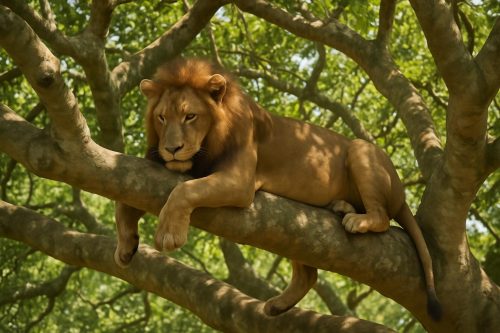
Lion resting on a fig tree branch in the Ishasha sector of Queen Elizabeth NP
Murchison Falls National Park: The Power of the Nile and Diverse Fauna
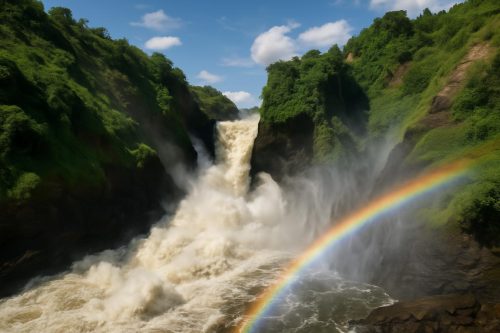
Dramatic wide-angle view of Murchison Falls crashing through the gorge with a rainbow.
Dominated by the mighty Nile River forcing its way through a narrow gorge to create the spectacular Murchison Falls, this park offers dramatic landscapes alongside rich wildlife. Similar to QENP, the dry seasons (December-February and June-September) are generally preferred for optimal wildlife viewing. Animals gather along the riverbanks, making boat trips particularly rewarding. The launch trip upstream to the base of the falls is a must-do, offering powerful shots of the cascading water (protect your gear from spray!). A downstream boat trip towards the Lake Albert delta provides excellent opportunities for spotting water birds, crocodiles, hippos, elephants, and potentially the elusive Shoebill stork.
Game drives on the northern bank are productive, offering chances to photograph the park’s notable Rothschild’s giraffes (a significant portion of the world’s remaining population resides here), elephants, buffaloes, Jackson’s hartebeest, oribis, and predators like lions and leopards. The golden light of sunrise and sunset against the savannah landscape, often dotted with Borassus palms, creates classic African scenes. Photographers will need a versatile kit here: a wide-angle lens for the falls and landscapes, and a robust telephoto lens for wildlife during game drives and boat trips.
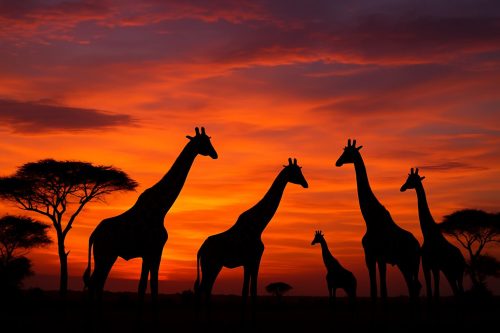
Silhouettes of Rothschild’s Giraffes against a vibrant sunset in Murchison Falls NP.
Kidepo Valley National Park: Remote Wilderness and Unique Species
Nestled in Uganda’s remote northeastern corner, Kidepo Valley offers a true sense of wilderness and isolation unlike any other park in the country. Its vast, semi-arid plains are flanked by rugged mountain ranges, creating breathtaking panoramas. Due to its remoteness and reliance on seasonal water sources, visiting during the dry season (September-March, with peak conditions often cited as November-February) is highly recommended, if not essential, for both accessibility and wildlife viewing. During this time, wildlife concentrates around the Narus Valley’s water sources.
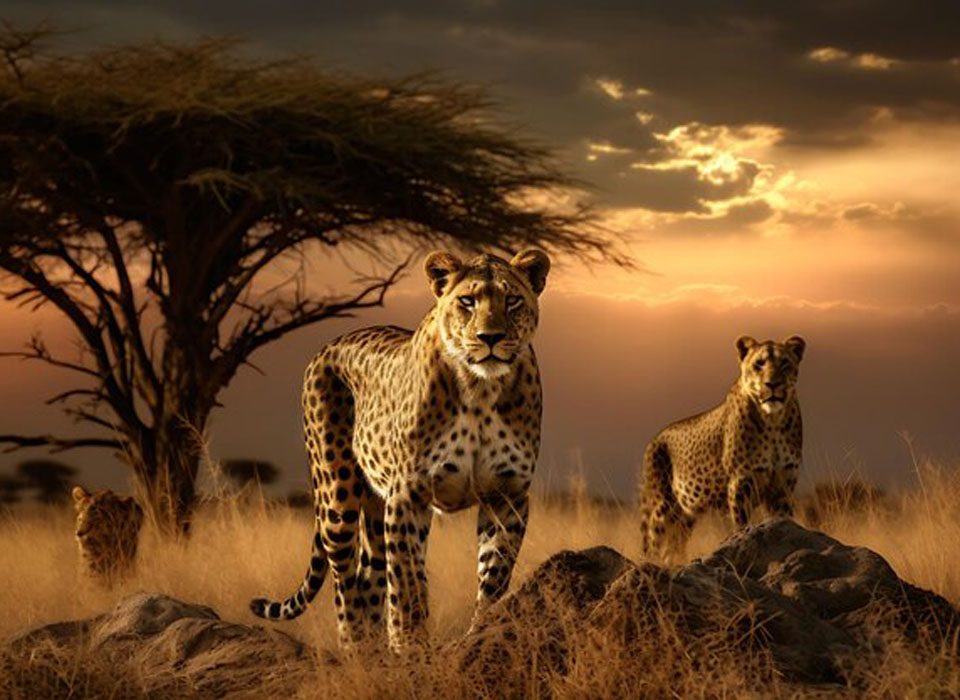
Kidepo boasts species found nowhere else in Uganda, including cheetahs, bat-eared foxes, striped hyenas, and ostriches, alongside large herds of buffaloes, elephants, zebras, and giraffes. The quality of light here, particularly during the golden hours, is often described as exceptional, painting the sweeping landscapes in warm, dramatic tones. This park is a landscape photographer’s dream, but wildlife opportunities abound. Given the vastness, a very long telephoto lens (600mm or even longer with teleconverters) can be highly advantageous. Be prepared for significant dust and heat during the dry season. Planning a trip to Kidepo requires careful logistical consideration due to its remoteness, something Safari Vacations and Travel Services can expertly handle.
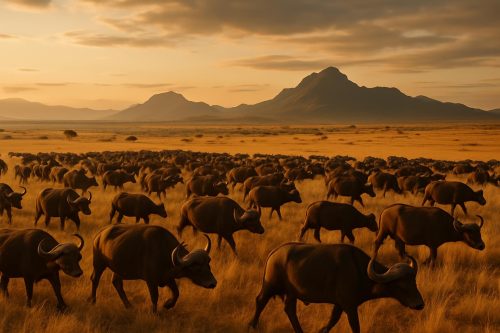
Large herd of buffaloes crossing the vast plains of Kidepo Valley NP during golden hour.
Kibale National Park: The Primate Capital
Renowned for having the highest concentration and diversity of primates in East Africa, Kibale Forest is the undisputed best place in Uganda to track and photograph chimpanzees. While chimpanzee tracking is possible year-round, the dry seasons (June-July and December-February) offer slightly more comfortable conditions underfoot, as the forest floor can become very muddy during the rains.
The photographic challenges in Kibale mirror those in Bwindi: low light filtering through the dense canopy, subjects that can be high up in the trees and move quickly, and high humidity. Chimpanzees are often more active and arboreal than gorillas, adding to the difficulty. Again, a camera with good high ISO performance and a fast telephoto lens (a 70-200mm f/2.8 or a 100-400mm f/4.5-5.6 can be versatile) are essential. Patience is key, as is listening carefully to your guide’s instructions for anticipating chimp behaviour and positioning yourself for the best possible shots while respecting the animals and the environment. Beyond chimps, Kibale is home to 12 other primate species, including red colobus monkeys, black-and-white colobus, and grey-cheeked mangabeys, offering further photographic subjects.
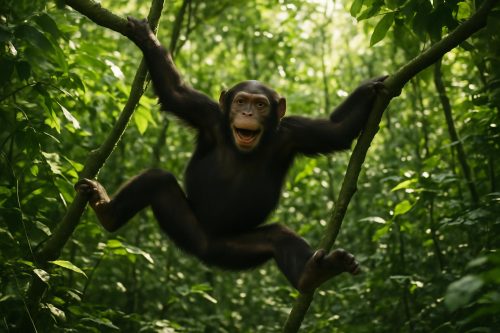
Chimpanzee swinging through the green foliage of Kibale Forest.
Species-Specific Timing Considerations: Focusing Your Lens
While understanding the overall seasons and park-specific conditions provides a strong foundation, dedicated wildlife photographers often plan their trips around specific target species. Different animals exhibit varying behaviours and visibility patterns throughout the year, influencing the optimal time for capturing them on camera. Knowing these nuances can significantly enhance your chances of getting those sought-after shots.
Mountain Gorillas: As emphasized previously, the primary consideration for gorilla photography is the ease and safety of trekking. Therefore, the dry seasons (June-August and December-February) remain the undisputed best time. While gorillas can be tracked year-round, the drier trails minimize slipping hazards and generally make the often-strenuous hike less taxing, allowing you to conserve energy for the precious hour spent photographing the gorilla family.
Chimpanzees: Similar to gorillas, chimpanzee tracking in Kibale Forest is facilitated by drier conditions underfoot. Thus, the dry seasons (June-July and December-February) offer a slight advantage for easier trekking. However, chimpanzees are highly mobile and often spend time high in the forest canopy, meaning sightings and photographic opportunities can be excellent year-round, albeit potentially more challenging during wetter periods due to mud and denser foliage obscuring views.
Birdwatching: Uganda is an avian paradise, boasting over 1,000 bird species. For the dedicated bird photographer, the wet seasons (specifically November to April) represent the absolute peak period. This timeframe sees the arrival of numerous migratory species from Europe and North Africa, swelling the already impressive resident populations. Parks like Queen Elizabeth, Murchison Falls, Bwindi, Kibale, and Semuliki Valley become hotspots of avian activity. The lush vegetation provides vibrant backgrounds, and many birds are in their colourful breeding plumage. While rain is possible, it rarely lasts all day, and the photographic rewards during this period are immense for bird enthusiasts.
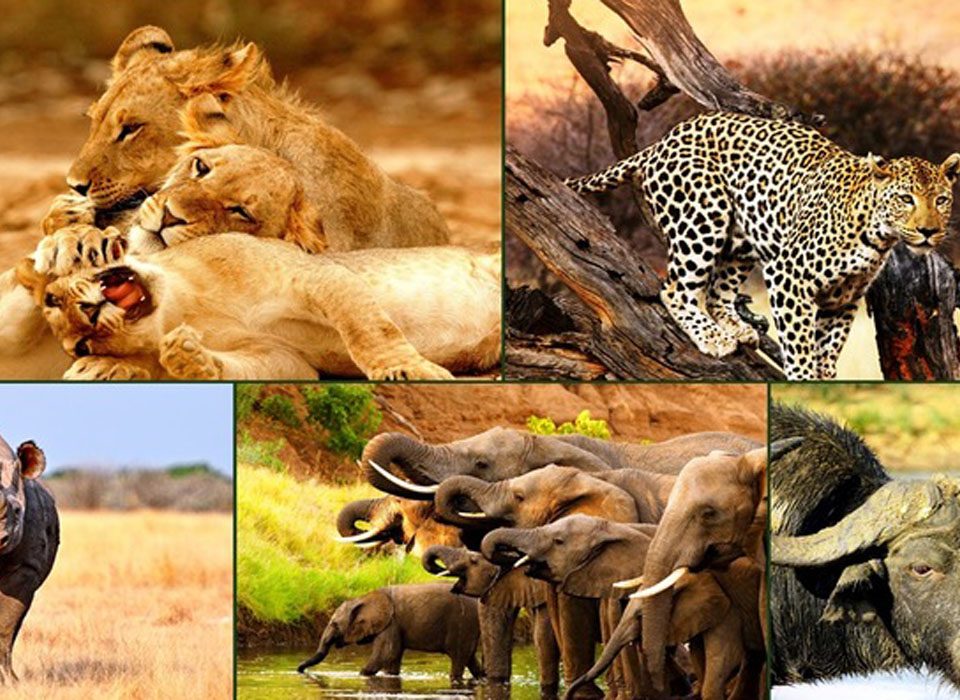
Savannah Wildlife (Big Game): For classic big game photography – lions, leopards, elephants, buffaloes, giraffes, antelopes – the dry seasons (June-August/September and December-February) generally offer the most productive conditions. The sparser vegetation improves visibility significantly, making it easier to spot animals from a distance. Crucially, the drying landscape forces animals to congregate around remaining water sources like rivers (the Nile in Murchison, Kazinga Channel in QENP) and permanent waterholes, leading to higher concentrations and more predictable viewing opportunities. This is the time for those iconic shots of herds gathering against the golden savannah backdrop.
Shoebill Stork: This prehistoric-looking bird is a highly sought-after subject for many photographers visiting Uganda. While sightings are never guaranteed, key locations include the Mabamba Swamp near Entebbe and the Nile Delta area in Murchison Falls National Park. Shoebills can be seen year-round, but the dry season might offer slightly better chances for spotting them. As water levels recede in the swamps, the fish they prey on become more concentrated, potentially drawing the Shoebills to more accessible feeding areas. However, dedicated boat trips in the known habitats offer possibilities regardless of the season.
Understanding these species-specific timings allows photographers to fine-tune
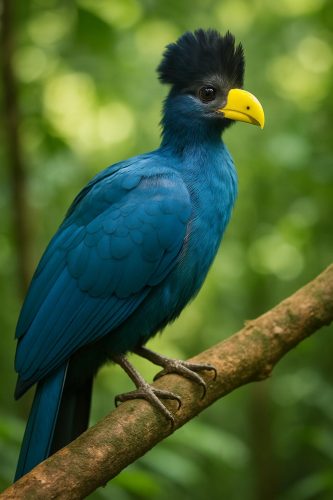
Close-up of a vibrant Great Blue Turaco perched on a branch in a Ugandan forest.
their itineraries, perhaps prioritizing a specific season or park combination to maximize their chances of capturing their most desired subjects, a level of detail Safari Vacations and Travel Services excels at incorporating into personalized photographic safari plans.
Essential Photography Tips for Uganda: Capturing the Moment
Beyond choosing the right time and place, successful wildlife photography in Uganda hinges on technique, preparation, and mindset. The dynamic environments, from dimly lit forests to vast, bright savannahs, demand adaptability and a keen understanding of your craft. Here are some essential tips to help you elevate your photography during your Ugandan safari:
Mastering the Light: Light is the cornerstone of photography, and Uganda offers a diverse palette. Embrace the golden hours – the periods shortly after sunrise and before sunset. This soft, warm light minimizes harsh shadows, reveals textures, and bathes landscapes and wildlife in a magical glow. Plan your game drives and activities to maximize these precious windows. The midday sun, particularly in the dry season savannahs, can be challenging due to its intensity and high contrast. Instead of putting your camera away, use this time to focus on different types of shots: look for animals resting in shade, capture high-key images against bright backgrounds, or focus on graphic details and textures.
In the rainforests (Bwindi, Kibale), the challenge is often low light under the dense canopy, sometimes punctuated by bright shafts of sunlight creating extreme contrast. Be prepared to push your ISO settings higher than you might normally be comfortable with – modern cameras handle high ISO much better than older models, and a slightly noisy sharp image is always preferable to a clean but blurry one. Use faster lenses (wider apertures like f/2.8 or f/4) if you have them to gather more light and achieve faster shutter speeds, crucial for freezing the movement of primates. Understanding and adapting to these varied lighting conditions is key.
Composition is Key: While capturing a close-up of a gorilla or lion is thrilling, compelling wildlife photography goes beyond simple portraits. Think about the story you want to tell. Practice creating environmental portraits that show the animal within its habitat, giving context and scale. Utilize classic compositional rules like the rule of thirds to create balance and visual interest. Look for leading lines – paths, rivers, or even the gaze of an animal – to draw the viewer’s eye into the frame. Use natural elements like foliage or tree branches to frame your subject, adding depth and focus. Don’t just photograph static animals; strive to capture behaviour and interaction – grooming, playing, hunting, or nurturing young. These moments convey emotion and create more dynamic images. Vary your perspectives, shooting from low angles (safely, of course) or utilizing the height advantage of a safari vehicle’s pop-up roof.
Patience and Observation: Wildlife photography is often a waiting game. Animals operate on their own schedules. Learn to be patient. Spend time observing your subjects before even raising your camera. Watch their behaviour, anticipate their movements, and wait for those decisive moments. Sometimes the best shot comes after minutes, or even hours, of quiet observation. Your guide, provided by experienced operators like Safari Vacations and Travel Services, is invaluable here – listen to their insights about animal behaviour and potential photographic opportunities.
Technical Readiness: Be intimately familiar with your camera gear before your trip. Practice changing settings quickly without taking your eye from the viewfinder. Anticipate the types of shots you might encounter and pre-set your camera accordingly (e.g., continuous autofocus and high burst mode for action, aperture priority for controlling depth of field). For birds in flight or fast-moving animals, prioritize a fast shutter speed (often 1/1000s or faster) to freeze motion. Understand the relationship between aperture, shutter speed, and ISO. Practice shooting steadily from the confines of a safari vehicle – a beanbag is an excellent tool for stability on window frames or railings. Similarly, practice using a monopod for support during forest treks.
Backup Strategy: The worst nightmare for any photographer is losing precious images due to card failure or loss. Implement a robust backup strategy. Use multiple, high-quality memory cards rather than relying on a single giant one. At the end of each day, back up your photos onto a portable hard drive or laptop. If internet connectivity allows (which can be sporadic in remote areas), consider uploading key images to a cloud storage service as an additional layer of security. Data redundancy is crucial on a once-in-a-lifetime photographic trip.
Gearing Up: Your Ugandan Wildlife Photography Kit
Arriving in Uganda with the right photographic equipment is crucial for making the most of the incredible opportunities that await. While personal preferences vary, a well-thought-out kit will ensure you are prepared for the diverse subjects and conditions, from wide-angle landscapes to distant wildlife and low-light forest encounters. Investing in reliable gear and knowing how to use it effectively is paramount.
Camera Bodies: Reliability is key in the often dusty or humid environments of a safari. A dependable DSLR or Mirrorless camera body forms the heart of your kit. Many photographers prefer full-frame bodies for their low-light performance and image quality, which is particularly beneficial in the rainforests. However, crop-sensor (APS-C) bodies offer an advantage with their crop factor, effectively extending the reach of your telephoto lenses – a significant plus for distant wildlife. Whichever system you use, bringing a backup camera body is highly recommended. Equipment failure can happen unexpectedly, and having a spare ensures you don’t miss out on irreplaceable moments due to a technical issue.
Lenses – The Photographer’s Eyes: Lens choice is perhaps the most critical gear decision. Versatility is essential. A workhorse telephoto zoom lens is non-negotiable for Ugandan wildlife. Options like a 100-400mm, 150-600mm, or 200-500mm provide the reach needed for capturing frame-filling shots of animals from a safe and respectful distance, whether on the savannah or from a boat. For landscape shots, capturing the vastness of parks like Kidepo or the drama of Murchison Falls, a wide-angle zoom (e.g., 16-35mm) is invaluable. Bridging the gap is a mid-range zoom (like a 24-70mm or 24-105mm), perfect for environmental portraits, capturing scenes around the lodge, documenting cultural interactions, and general travel shots.
While zooms offer flexibility, fast prime telephoto lenses (e.g., 300mm f/2.8, 400mm f/4, 500mm f/4) excel in low light conditions, such as gorilla or chimp trekking, offering wider apertures to gather more light and create beautiful background blur (bokeh) that isolates your subject. If you own a high-quality prime, consider bringing it, but be aware of the weight and lack of zoom flexibility. A teleconverter (1.4x or 2x) can be a useful addition to extend the reach of your compatible telephoto lenses, though be mindful of the resulting loss of light (typically 1 or 2 stops) and potential impact on autofocus speed and sharpness.
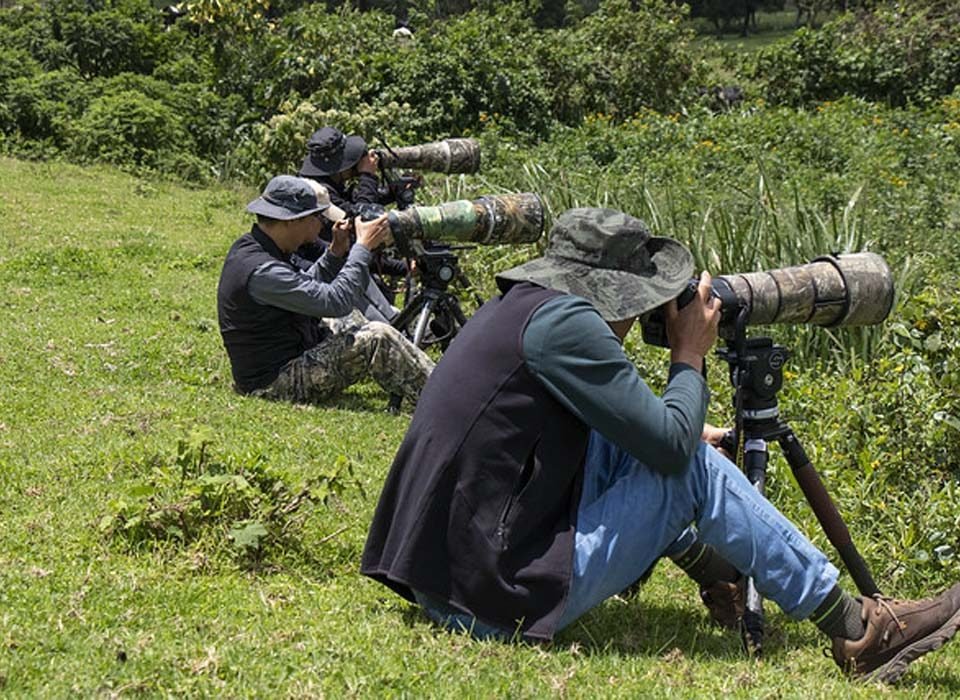
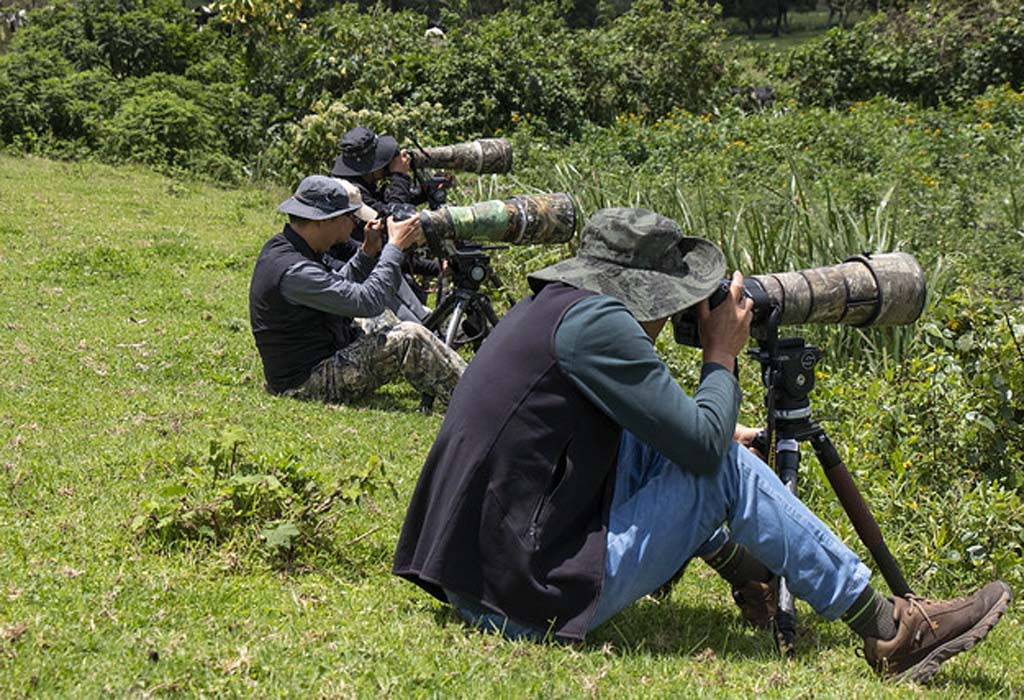
Support Systems: While handholding is often necessary, proper support significantly improves sharpness, especially with long lenses or in low light. For forest treks (gorillas, chimps), where tripods are impractical, a sturdy yet lightweight monopod provides crucial stability without being overly cumbersome. For shooting from safari vehicles, a beanbag is an indispensable tool. It conforms to the shape of the vehicle’s window frame or roof railing, providing a stable platform for heavy lenses and minimizing vibrations. While bulkier, a travel tripod can be useful for landscape photography, especially during the golden hours or for capturing the power of waterfalls with longer exposures, though its use during game drives is limited.
Protection and Maintenance: Uganda’s environment can be challenging for camera gear. Dust is prevalent during the dry season, while humidity and unexpected rain showers are common, especially in the forests and during wet seasons. Invest in good rain covers for your camera bodies and lenses. Carry a dust blower, lens cloths, and sensor cleaning tools (if you are comfortable using them) to keep your equipment clean. Pack your gear in a durable, well-padded, and preferably water-resistant camera bag. Including silica gel packs inside your bag can help absorb excess moisture and combat humidity.
Power and Storage: You will likely be shooting thousands of images. Bring multiple high-capacity batteries for each camera body and a reliable charger. Consider a charger that can plug into a vehicle’s cigarette lighter or a portable power bank, as access to mains electricity can be limited in some remote camps or during transit. Carry far more memory card capacity than you think you’ll need – fast, reliable cards are essential. Running out of storage space mid-safari is deeply frustrating.
Essential Accessories: Don’t forget filters. A Circular Polarizer (CPL) is invaluable for enhancing blue skies, reducing glare on water and foliage, and boosting colour saturation, especially during midday. Neutral Density (ND) filters might be useful for creative long exposures of waterfalls. Good binoculars are essential not just for your own viewing pleasure but also for spotting wildlife subjects before you even raise your camera. A headlamp is crucial for navigating around camp before sunrise or after sunset and preparing gear in low light.
Packing thoughtfully ensures you have the tools to capture the diverse photographic opportunities Uganda offers, allowing you to focus on creativity when the magic happens.
Ethical Photography: Respecting Uganda’s Treasures
Capturing stunning images of Uganda’s wildlife and landscapes comes with a profound responsibility. As photographers, we are guests in these precious ecosystems, and our actions must always prioritize the well-being of the animals and the preservation of their habitats. Ethical photography isn’t just about following rules; it’s about adopting a mindset of respect and minimizing our impact, ensuring these natural wonders can be enjoyed by future generations. Safari Vacations and Travel Services is deeply committed to responsible tourism, and we encourage all our guests to embrace these principles.
The prime directive of ethical wildlife photography is simple: animal welfare always comes first. No photograph is worth causing stress, altering behaviour, or endangering an animal. This means strictly adhering to park regulations regarding viewing distances, especially during sensitive encounters like gorilla and chimpanzee trekking. The mandated minimum distances (often 7-10 meters for primates) are there for the safety and health of both the animals and visitors. Resist the temptation to push closer for a better shot; use appropriate telephoto lenses instead.
Flash photography is generally unacceptable for wildlife, particularly for primates and nocturnal animals. The sudden burst of light can be startling, disorienting, and potentially harmful to their vision or social dynamics. Learn to work with available natural light, even in challenging low-light forest environments, by utilizing appropriate camera settings and faster lenses.
Never engage in practices that artificially alter animal behaviour for a photograph. This includes baiting animals with food, using calls or sounds to attract their attention, or deliberately cornering or chasing wildlife. Such actions are not only unethical but often illegal and disrupt natural processes. True wildlife photography aims to capture authentic moments in an animal’s life, not staged performances.
Respect for the environment is equally crucial. Always stay on designated roads and tracks during game drives to avoid damaging fragile vegetation and disturbing ground-nesting birds or smaller creatures. Pack out everything you pack in, leaving no litter or trace behind. Avoid making excessive noise that could disturb wildlife or other visitors.
Uganda is also home to diverse and vibrant cultures. When photographing people, always practice cultural sensitivity. Ask for permission before taking someone’s portrait, engage respectfully, and be mindful of local customs and beliefs. Sometimes, offering a small contribution or purchasing local crafts (if appropriate and desired by the individual) can be a way to show appreciation, but photography should never feel exploitative.
Choosing a responsible tour operator is a significant part of ethical tourism. Companies like Safari Vacations and Travel Services prioritize conservation, work closely with local communities, employ knowledgeable guides trained in ethical practices, and ensure their operations minimize environmental impact. By travelling responsibly, your photographic journey contributes positively to the protection of Uganda’s natural and cultural heritage.
Planning Your Photographic Safari with Safari Vacations and Travel Services
Transforming the dream of a Ugandan photographic safari into reality involves navigating a myriad of logistical details – securing gorilla and chimp permits (which often sell out months in advance), arranging suitable accommodation near prime wildlife areas, organizing reliable transportation including 4×4 vehicles essential for park access, and coordinating knowledgeable guides who understand the specific needs of photographers. While it’s possible to attempt this independently, partnering with seasoned experts can elevate your experience from merely good to truly exceptional, freeing you to focus entirely on capturing incredible images.
This is where Safari Vacations and Travel Services excels. We specialize in crafting bespoke photographic itineraries tailored to your specific interests, desired pace, and budget. We understand that photographers often require more flexibility than standard tours allow – perhaps spending extended time at a particular sighting, prioritizing early morning and late afternoon light, or needing vehicles adapted for optimal shooting angles. Our deep knowledge of Uganda’s parks, wildlife patterns, and seasonal variations, as detailed throughout this guide, allows us to provide informed recommendations to maximize your photographic opportunities.
Choosing Safari Vacations and Travel Services means benefiting from:
- Expert Itinerary Design: We collaborate with you to build a trip that aligns perfectly with your photographic goals, whether it’s focusing on primates, birds, big game, or a combination thereof, ensuring you are in the right places at the best times.
- Knowledgeable Driver-Guides: Our guides are not only experts in wildlife identification and tracking but are also experienced in working with photographers. They understand the importance of positioning the vehicle for the best light and angles, anticipating animal behaviour, and exercising patience during sightings.
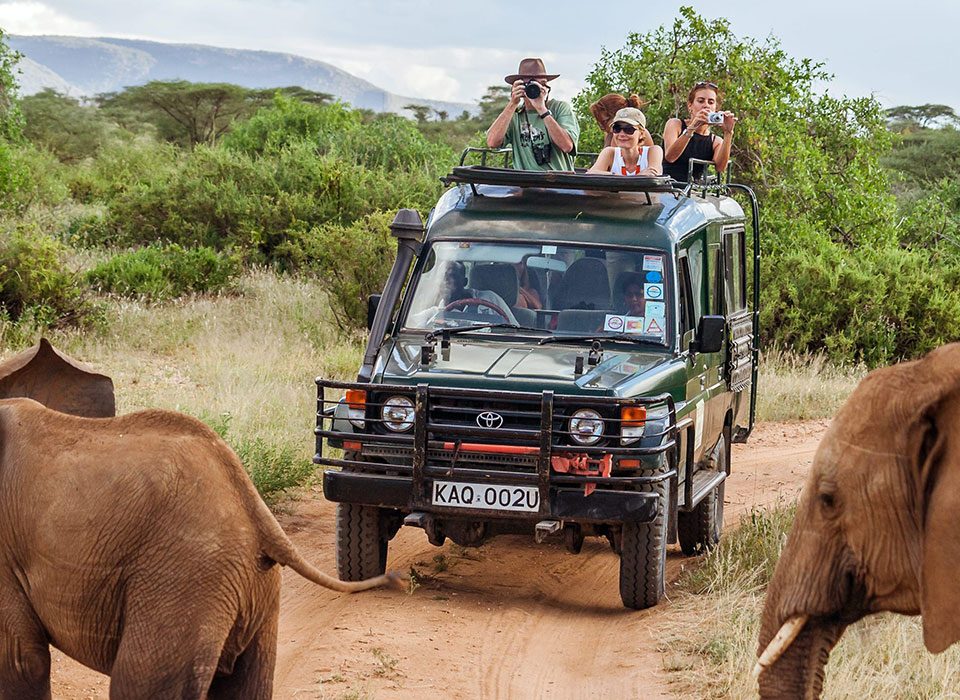
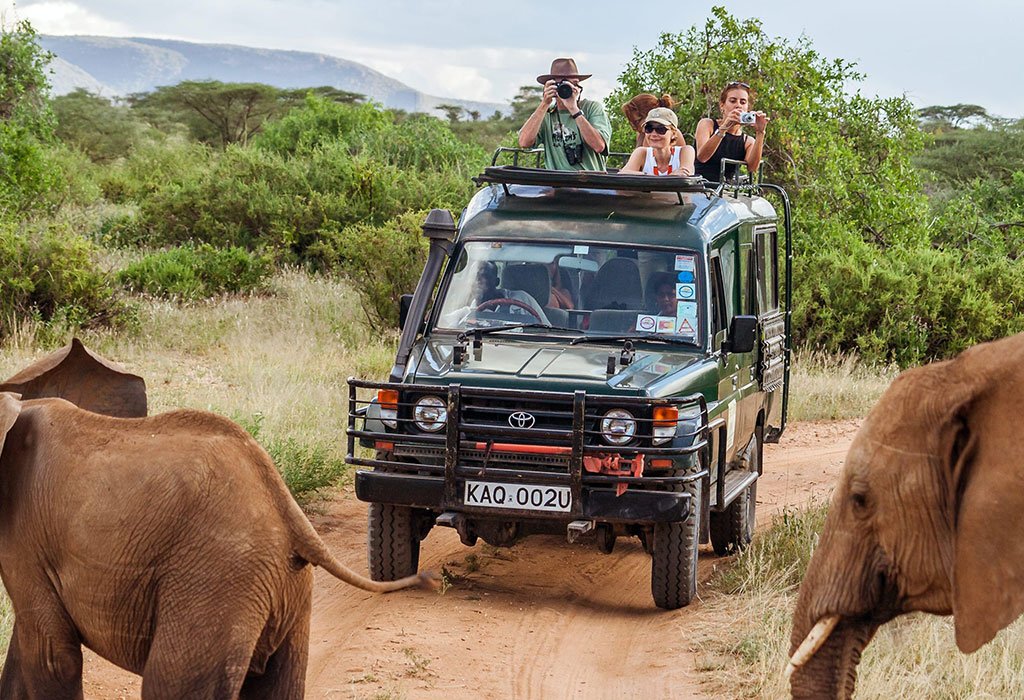
- Photography-Friendly Vehicles: We utilize well-maintained 4×4 safari vehicles, often equipped with pop-up roofs for elevated viewing and clear sightlines, providing a stable platform for your photography.
- Seamless Logistics: We handle all the complexities, including permit acquisition, accommodation bookings (ranging from budget-friendly to luxury lodges), park entrance fees, and internal travel arrangements, ensuring a smooth and stress-free journey.
- Commitment to Responsible Tourism: As highlighted in our ethical considerations, we are dedicated to practices that support conservation efforts and benefit local communities, ensuring your safari has a positive impact.
Conclusion: Your Ugandan Photographic Canvas Awaits
Uganda truly is a Pearl of Africa, offering an astonishingly diverse canvas for the wildlife and landscape photographer. From the intimate encounters with gentle giants in Bwindi’s misty forests to the sweeping golden-hour vistas of Kidepo’s remote plains, the photographic potential is immense and deeply rewarding. As we’ve explored, timing your visit is a critical element in unlocking this potential, aligning your journey with the specific conditions, wildlife behaviours, and light quality that best suit your artistic vision.
Whether you favour the concentrated wildlife sightings and clearer conditions of the dry seasons or the lush landscapes, dramatic skies, and vibrant birdlife of the wet seasons, understanding the trade-offs is key. Preparing adequately with the right gear, mastering essential photographic techniques, and approaching every encounter with ethical respect will further elevate your experience and the quality of your images.
Planning such an adventure requires careful consideration, but the rewards – breathtaking photographs and unforgettable memories – are immeasurable. Let the insights in this guide serve as your starting point, and allow the expertise of Safari Vacations and Travel Services to handle the intricate details. Your Ugandan photographic canvas awaits; it’s time to start planning your journey to capture its extraordinary beauty.
Are you ready to embark on an unforgettable photographic adventure and capture the magic of Uganda through your lens? Don’t let the planning overwhelm you. Contact Safari Vacations and Travel Services today. Let our expertise pave the way for your dream photographic safari, meticulously planned to help you bring home not just photos, but stories captured in light and time.