Walking Safaris and Bush Walks in Masai Mara National Reserve
Walking Safaris & Bush Walks in Masai Mara National Reserve
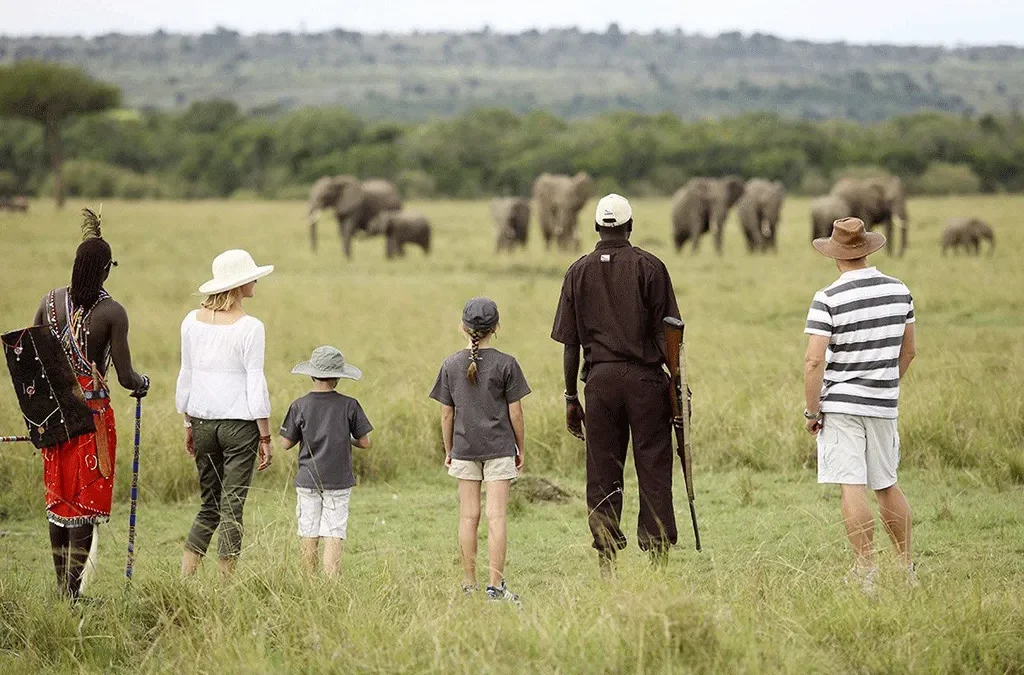
Walking Safaris and Bush Walks in Masai Mara National Reserve. A bush walking safari is an adventure activity where participants embark on relaxed, guided walks in a wildlife conservation area. They do so intending to see wild animals more naturally without using vehicles.
There are two types of nature walks in Masai Mara. Nature walks within the camp and one outside the main reserve. The duration for the walk within the camp is approximately 45 minutes to 1 hour. Consequently, the rate ranges from USD 50 to USD 75 per person. The duration for walks outside the main reserve is approximately 2 1/2 to 3 hours. It covers a distance of 9 – 15 km. It includes a packed breakfast/lunch depending on the timings and game drives en route to and from the walking safari location and the rate ranges from USD 90 to USD 150 per person. These nature walks preferably take place in the early mornings or late in the afternoon. This time of the day is ideal because the sun is not too hot.
Despite the well-advised precautions in place to safeguard tourists and travelers, nature walks and bush walks as these are also known are a highly rewarding activity as there is so much more being observed while one is on foot in the bush due to the more sensory nature of the experience.

Depending on where the nature walks will be conducted, it is possible to see plenty of wildlife not to mention a rich diversity of Birds, flora, and fauna. Walks are done by experienced and trained guides. These guides often happen to be local Maasai who have the advantage of being born and bred in the very region that you are exploring. This makes them the best guides because of the knowledge they have about the area.
Walking safaris while generally very safe, still do carry an element of risk to the participants as the areas you are exploring are the territory of the local wildlife and by being on foot you essentially place yourself on a level footing with these animals, which may range from Elephant & Buffalo to Lion, Leopard and Cheetah
Other Things to Do on a Safari in Masai Mara
Walking Safaris and Bushwalks in Masai Mara Safari- other things to Do. A visit to Masai Mara during a combined safari with gorilla and chimpanzee trekking in Rwanda offers a diverse range of experiences. Here are some of the top activities you can enjoy in Masai Mara:
Witnessing the Wildebeest Migration
The wildebeest migration is the highlight of Masai Mara, drawing millions of tourists annually. During this awe-inspiring event, millions of wildebeests, zebras, and other herbivores migrate from Serengeti National Park in Tanzania, crossing the Grumeti and Mara Rivers into Masai Mara in search of food and water.
- Best Time: July to October is the peak season to witness the Mara River crossings.
- Wildlife to Spot: In addition to wildebeests and zebras, you’ll encounter crocodiles, lions, leopards, hyenas, and other predators as they hunt during the migration.
- Tips: Due to high demand, book accommodations, game drives, and other services well in advance.
Game Drives
Game drives in Masai Mara are an excellent way to observe the diverse wildlife.
- Morning Game Drives: Begin early to see animals like lions, leopards, and elephants as they hunt or graze. It’s also a great time for bird watching and witnessing the stunning sunrise.
- Afternoon Game Drives: These allow you to spot animals you might have missed in the morning.
- Night Game Drives: For an additional cost, enjoy a two-and-a-half-hour night drive using spotlights to observe nocturnal animals like civets, genets, and porcupines.
- Wildlife to See: Lions, cheetahs, elephants, zebras, gazelles, wildebeests, hyenas, crocodiles, and hippos, among others.
Horseback Riding Safaris
Masai Mara offers unique horseback safaris, allowing you to ride alongside wildlife for an immersive experience.
- What to Expect: An armed ranger and guide will accompany you as you view animals like giraffes, zebras, and antelopes up close.
- Additional Costs: Horseback riding is not included in park entrance fees and requires separate arrangements.
Bird Watching
Masai Mara is home to over 500 bird species, making it a paradise for bird enthusiasts.
- Best Time: The wet seasons (March to May and October to November) offer the best bird-watching opportunities.
- Bird Species to Spot: Look out for the Kori bustard, secretary birds, African fish eagle, Rufous-billed heron, Marabou stork, Rosy-throated shrike, Tawny eagle, yellow-billed stork, and many others.
When is the Best Time to go to the Masai Mara?
The best time to visit the Masai Mara is for the world-famous Great Wildebeest Migration, from about August to November. Due to varying rainfall patterns, the exact timing varies from year to year. Some years the rains might be early and the herds will arrive and depart sooner. Meanwhile, sometimes the late rains mean the wildebeest arrive later and you’ll still find stragglers.
However, thanks to its abundant resident wildlife and temperate climate, the Masai Mara is widely regarded as a fantastic year-round safari destination. Its wide and open plains mean there is virtually always something to see – no matter what time of year you visit.
Contact us for a visit to Masai Mara. We’ll arrange everything for you from walking safaris to other activities, accommodation, and other services.