What is Kibale Forest National Park Famous for?

Kibale National Park lies in western Uganda, near the foothills of the Rwenzori Mountains. It covers an area of about 795 square kilometers (307 square miles) and is known for its lush tropical forests and rich biodiversity. The park was established in 1993, though its history of conservation dates back to the 1930s when it served as a forest reserve. It gained national park status to protect its unique ecosystem and wildlife.
The park hosts one of the highest densities of primates in Africa, including endangered species like the chimpanzee. Visitors can find various other primates, such as the red-tailed monkey, black-and-white colobus, and olive baboon. Kibale’s wildlife also includes elephants, buffaloes, and a variety of bird species, such as the African grey parrot and the blue turaco. The park’s diverse vegetation supports numerous mammals, amphibians, and reptiles.
Kibale offers opportunities for eco-tourism, including chimpanzee tracking and guided nature walks. Its importance lies in preserving both the wildlife and the local ecosystems, making it a vital part of Uganda’s conservation efforts.
Activities and Attractions in Kibale Forest National Park
Kibale Forest National Park is one of the country’s top destinations for wildlife and nature enthusiasts. The park is renowned for its rich biodiversity, including the highest concentration of primates in Africa. Whether you’re an avid birdwatcher, a wildlife lover, or someone seeking a deeper connection with nature, Kibale offers a wealth of exciting activities and attractions.
Primate Tracking
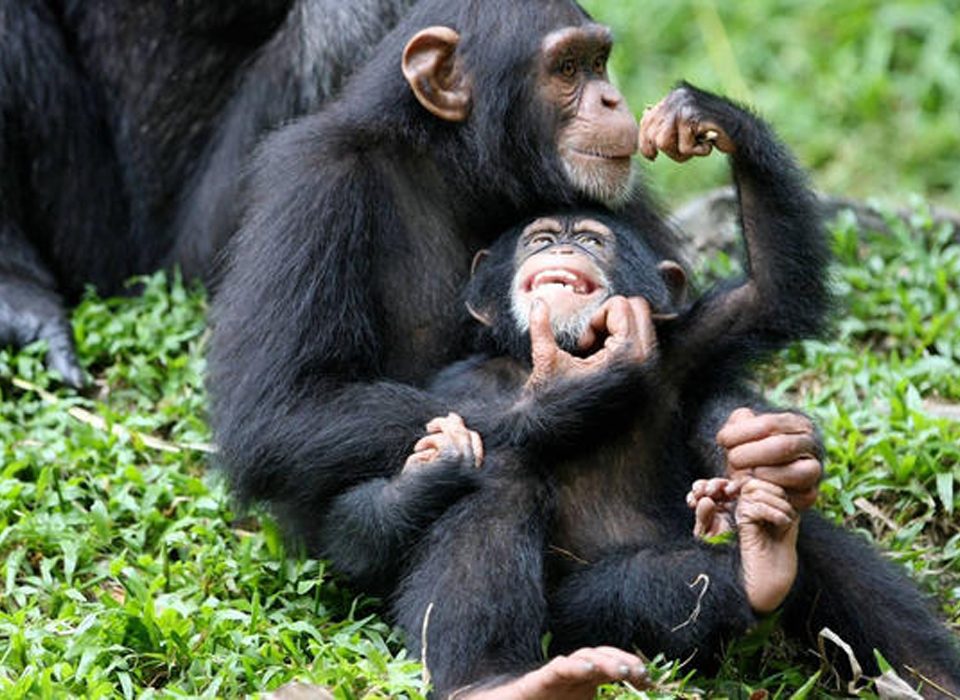
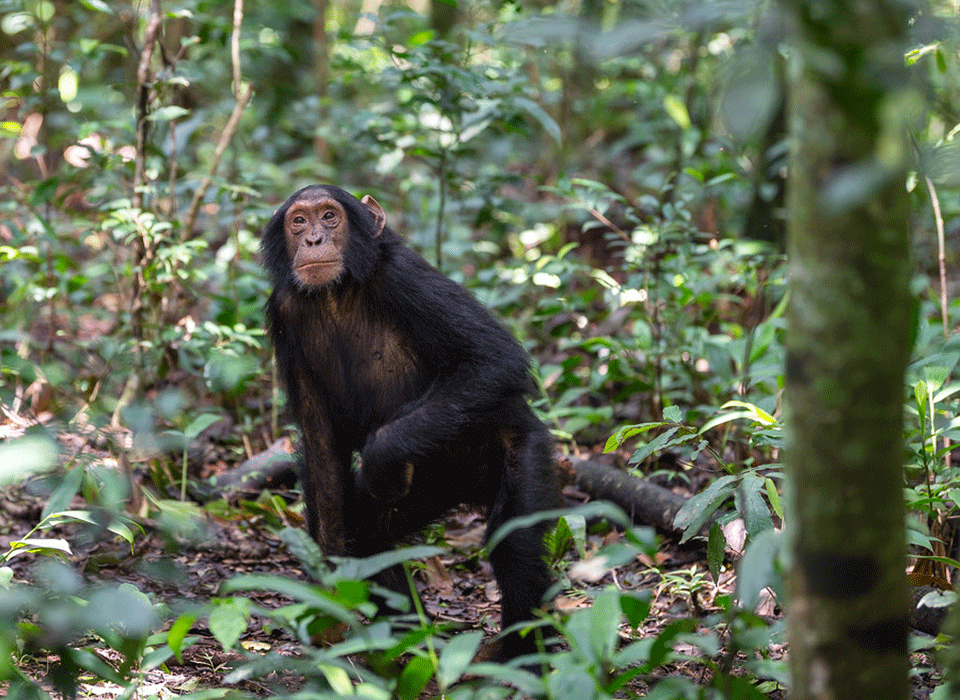
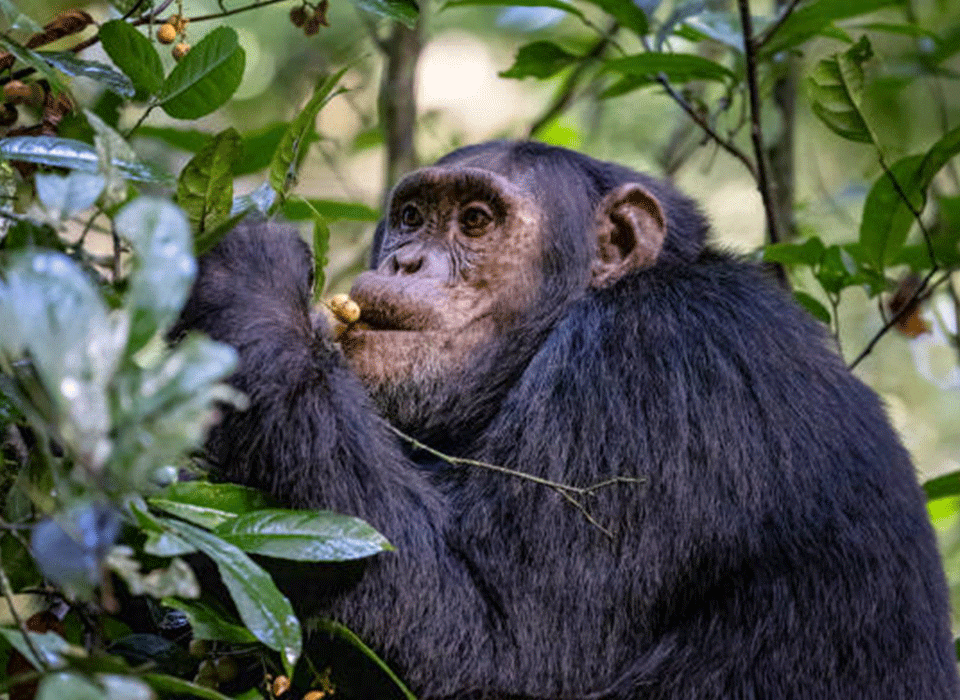
One of the most popular activities in Kibale Forest is chimpanzee tracking. The park is home to over 1,400 chimpanzees, making it one of the best places in the world to observe these fascinating primates in their natural habitat. Visitors embark on guided treks through the forest, where expert guides lead them to chimpanzee groups. The trekking experience can range from easy to moderate in difficulty, depending on the chimpanzee group’s location that day. Along the way, trekkers can observe various other primate species, such as red colobus, blue monkeys, and olive baboons, further enriching the experience.
Other Primate Species
While chimpanzees steal much of the spotlight, Kibale is also home to several other primates that offer incredible opportunities for wildlife enthusiasts. The park’s dense forests and diverse habitats support 13 primate species, including the rare and endangered Uganda mangabey and the L’Hoest’s monkey. Visitors can enjoy the sight of these unique primates during forest walks or while on guided treks, making Kibale a true haven for primate lovers.
Bigodi Wetland Sanctuary
Located just outside the park’s boundaries, the Bigodi Wetland Sanctuary is another must-see attraction. The wetland lies along the forest edge and is home to a variety of bird species, making it a perfect spot for birdwatching. The sanctuary features an extensive network of walking trails that wind through the wetland, offering opportunities to view a variety of birds, including the white-spotted flufftail, the blue turaco, and the African crowned eagle. The area also supports other wildlife, such as bushbucks, sitatungas, and various primates. Guided tours are available, and local community members often act as guides, providing insight into the region’s ecosystem and conservation efforts.
Nature Walks
Kibale Forest offers a range of nature walks, allowing visitors to explore its dense, lush vegetation. These walks typically last between one to two hours and allow travelers to delve deeper into the forest ecosystem. During these walks, expert guides explain the park’s ecology, pointing out various plant species, trees, and medicinal plants. The guides also highlight the history of the forest and its conservation efforts. Nature walks are an excellent way to immerse oneself in the sights, sounds, and smells of Kibale’s unique environment. It’s a slower-paced activity, ideal for those who want to appreciate the beauty of the forest without the rush of a chimpanzee trek.
Bird Watching
Kibale Forest is a paradise for birdwatchers. The park boasts over 375 species of birds, including several rare and endemic species. The forest itself provides ideal conditions for a wide range of birds, while the surrounding savannah, wetlands, and forest edges expand the variety of birdlife in the area. Notable species found in Kibale include the African grey parrot, the black-winged lovebird, and the chestnut wattle-eye. The park offers opportunities to spot birds in various habitats, from the forest floor to the canopy, giving birdwatchers a comprehensive experience of Kibale’s avian diversity.
Night Walks
For those seeking a more adventurous experience, Kibale offers guided night walks, which provide a completely different perspective of the forest. These nocturnal excursions allow visitors to observe the park’s wildlife when it’s most active. As night falls, the forest becomes alive with sounds from creatures such as bush babies, pottos, and tree hyraxes. The night walks also offer the chance to spot nocturnal birds, amphibians, and insects that aren’t visible during the daytime. The atmosphere of the forest after dark is enchanting, with the distant calls of primates echoing through the trees and the soft rustle of nocturnal creatures in the undergrowth.
Cultural Experiences
In addition to wildlife-related activities, Kibale Forest National Park also offers cultural experiences. The nearby communities provide opportunities for visitors to learn about local traditions and customs. Visitors can participate in community tours, which may include visits to local villages, music and dance performances, and interactions with indigenous groups such as the Bakiga and Batooro people. These experiences allow travelers to gain a deeper understanding of the cultural diversity that exists in the region and how local communities interact with the park. Cultural excursions also provide a chance to support local businesses and help sustain conservation efforts in the area.
Kibale Forest Conservation
Kibale Forest is an essential part of Uganda’s ecosystem, and conservation efforts play a significant role in preserving its unique biodiversity. The Uganda Wildlife Authority (UWA) works closely with local communities to maintain the park’s integrity and ensure that it remains a viable home for its wildlife. The forest’s primate population is one of the most studied in Africa, and researchers continue to monitor chimpanzee behavior and other species to better understand their habits and needs.
Tourism plays an important role in these conservation efforts by generating revenue that supports park management and local community development. The park also engages in habitat restoration projects, especially in areas affected by illegal logging and encroachment. By visiting Kibale, tourists contribute to these ongoing conservation initiatives, helping to safeguard the park for future generations.
How to Book Chimpanzee Tracking Permits for Kibale forest National Park
Chimpanzee tracking permits for Kibale Forest National Park cost $250 per person for international visitors, $200 for foreign residents, and UGX 150,000 for Ugandan citizens. To secure a permit, you can book directly through the Uganda Wildlife Authority (UWA) or use a licensed tour operator. For direct bookings, contact UWA via email, phone, or their official website.
When using a tour operator, they will handle the booking process and may include the permit in a complete tour package. Ensure you book early, especially during peak seasons (June to September and December to February), as permits sell out quickly due to limited slots. Provide accurate personal details, including your preferred tracking date, to confirm availability. Payments are made in advance to secure the permit. Both options provide a seamless way to experience the incredible opportunity of tracking chimpanzees in Kibale Forest National Park.
Best Time to Visit Kibale Forest National Park
The best time to visit Kibale Forest National Park is during its two dry seasons: December to February and June to September. These months offer ideal trekking conditions with clear skies, manageable trails, and a lower chance of rainfall. The dry weather enhances the experience of tracking chimpanzees, the park’s main attraction, as the primates remain active and easier to spot in the forest canopy.
In addition to chimpanzee tracking, birdwatching enthusiasts thrive during these months, with over 370 bird species in the park. The dry season also reduces the presence of insects, making the adventure more comfortable for visitors. Wildlife viewing improves as animals gather near water sources, creating excellent photography opportunities.
While the wet seasons (March to May and October to November) bring lush vegetation and a quieter atmosphere, heavy rains can make trails slippery and challenging. However, these months attract fewer tourists, offering a more serene experience for those who prefer solitude.
Plan your visit during the dry season to maximize comfort and enjoy the best of Kibale Forest National Park’s rich biodiversity. The favorable weather ensures an unforgettable experience in one of Uganda’s most treasured natural wonders.
Pack List for a Chimpanzee Trekking Safari in Kibale Forest National Park
Clothing and Footwear:
- Lightweight hiking boots: Protect your feet and provide good grip on uneven trails.
- Long-sleeve shirts and long pants: Shield your skin from insects and thorny vegetation.
- Rain jacket or poncho: Stay dry during sudden downpours.
- Hat and sunglasses: Protect yourself from the sun.
Accessories and Essentials:
- Backpack: Carry your essentials conveniently.
- Water bottle or hydration pack: Keep hydrated during the trek.
- Insect repellent: Avoid bites from mosquitoes and other insects.
- Sunscreen: Prevent sunburn during outdoor activities.
- Binoculars: Spot chimpanzees and other wildlife in the treetops.
- Camera: Capture memorable moments (ensure it has a silent mode to avoid disturbing the animals).
- Small notebook and pen: Record your observations.
Health and Safety Items:
- First aid kit: Include bandages, antiseptic, and personal medications.
- Face mask: Reduce the risk of transmitting diseases to the chimpanzees.
- Snacks: Carry energy-boosting snacks like granola bars.
Permits and Documentation:
- Chimpanzee trekking permit: Obtain it in advance.
- Identification: Bring your passport or national ID.
Additional Tips:
- Gaiters: Protect your legs from mud and insects.
- Walking stick: Rent one at the park if you need extra support.
- Cash: Pay for tips or additional park services.
Pack light, stay prepared for varying weather, and respect the park’s rules for a safe and enjoyable adventure!