Recognizing Chimpanzee Calls Before Sight

The Forest Often Announces Chimpanzees First
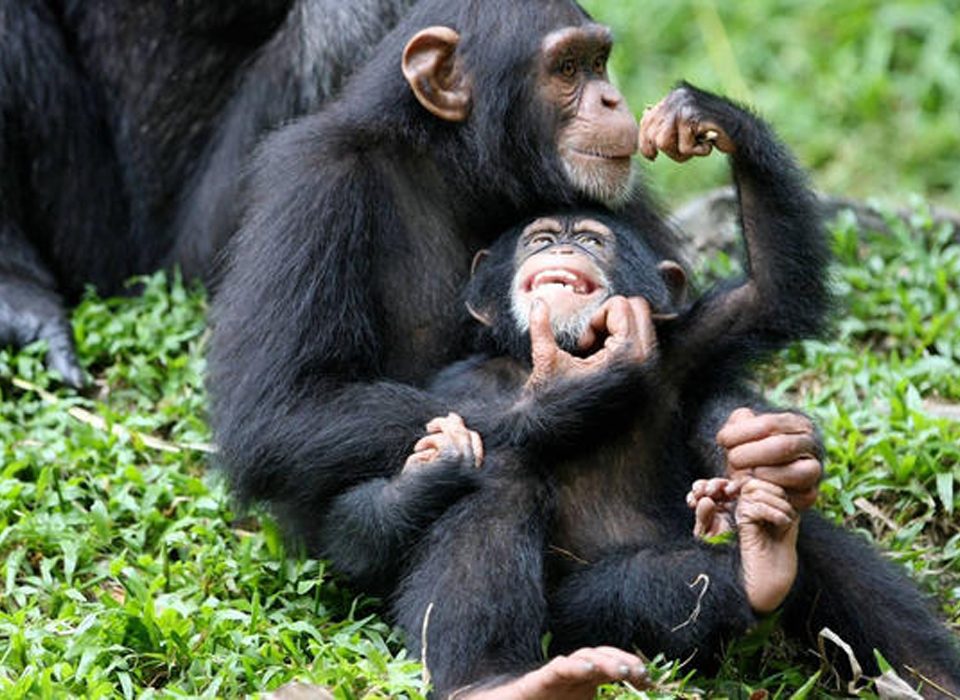
Walk into Kibale National Park early in the morning and you may initially hear little more than birds, insects, leaves moving in the breeze and the occasional crack of a branch. Then, without warning, a powerful sequence of rising calls may travel through the forest. Your ranger stops. Everyone becomes quiet. Somewhere beyond the vegetation, chimpanzees are communicating.
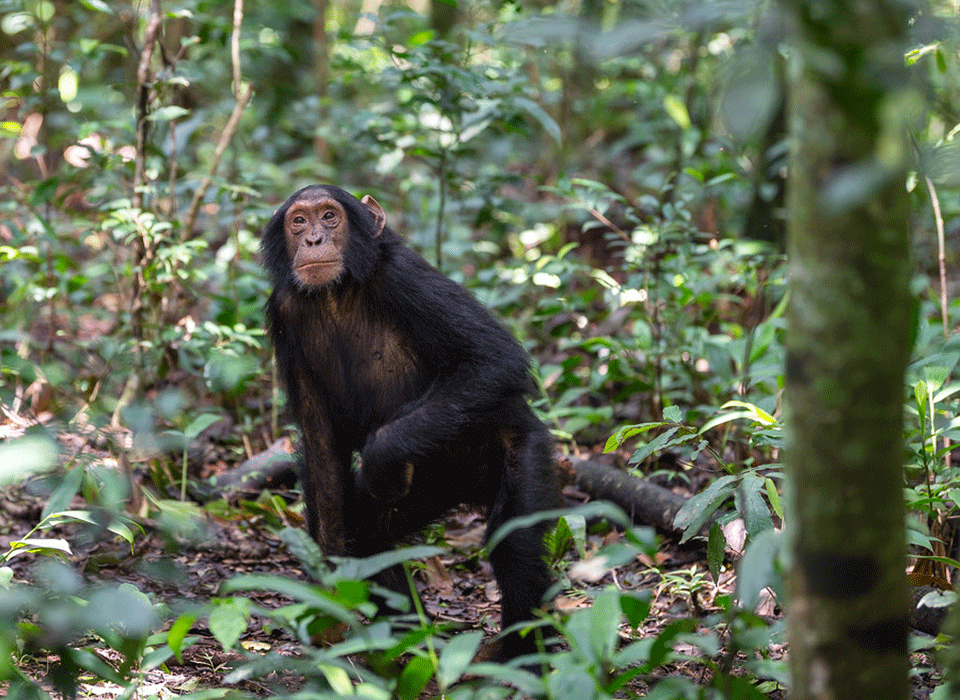
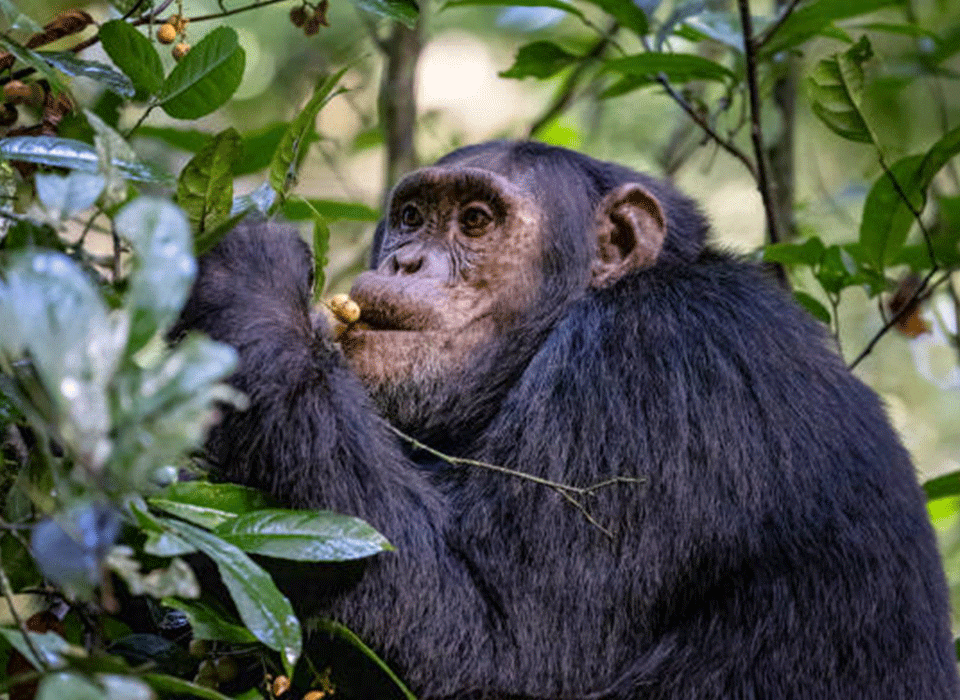
This is one of the most exciting parts of chimpanzee trekking in Kibale. You do not necessarily see the chimpanzees first. Frequently, you hear them. Their vocalizations, movements through vegetation and even the percussion produced when they strike large tree buttresses can offer important clues about their presence.
Experienced ranger guides listen carefully because chimpanzees are highly mobile. They may be feeding high in the canopy, travelling on the forest floor or moving through thick vegetation that completely hides them from view. A sound coming from ahead may therefore become one part of a larger tracking puzzle that also includes recent movement, feeding trees, broken vegetation and information about where the chimpanzees were last observed.
During a chimpanzee trek, your ears can begin the encounter several minutes before your eyes finally confirm where the chimpanzees are.

Chimpanzee Sound Guide
Common Sounds You May Hear in the Forest
Chimpanzee communication is complex. The same broad call type can occur in different situations, so a sound should never be treated like a simple human phrase with one fixed translation.
Pant-Hoots
Long-distance calls that may build from softer sounds into a powerful, high-energy climax.
Tree Drumming
Deep rhythmic impacts created when chimpanzees strike resonant tree buttresses.
Screams
Sharp, intense calls often heard during emotionally charged social interactions.
Hoos
Generally softer calls that can be much easier for first-time visitors to miss.
Grunts
Lower-pitched vocalizations that can occur during feeding and social encounters.
Forest Movement
Shaking branches, falling fruit and breaking vegetation can provide additional clues.
01 • The Signature Call
Pant-Hoots: The Classic Chimpanzee Sound
The pant-hoot is probably the chimpanzee vocalization most likely to impress a visitor hearing wild chimpanzees for the first time. It is a long-distance call and can sound dramatically different as it develops.
A pant-hoot may begin with relatively quiet, breathy sounds. The sequence can then build in rhythm and intensity before reaching a loud climax that carries through the forest. Afterward, the energy may gradually decrease. Not every pant-hoot follows exactly the same pattern, but the rising structure is one reason the call is so distinctive.
Pant-hoots occur in several situations, including travelling, feeding and social communication. When community members are separated by vegetation or distance, loud calls can help maintain contact.
For travelers, the most important lesson is that a pant-hoot is a clue rather than a GPS coordinate. Your ranger may stop walking, listen for another call and determine whether the sound appears to be coming from ahead, behind or across a valley.

Listen for:
A Simplified Pant-Hoot Sequence
1. Introduction
Relatively softer initial sounds announce the beginning of the call.
2. Build-Up
The rhythm and intensity may increase quickly.
3. Climax
Loud, high-energy notes can carry far through the forest.
4. Let-Down
The call may decrease in intensity before ending.

02 • Forest Percussion
Tree Drumming: When the Forest Becomes a Drum
Not every useful chimpanzee sound comes from the mouth. Chimpanzees sometimes strike the large buttress roots of forest trees with their hands or feet. Certain trees resonate strongly, producing a deep percussion that can travel through the forest.
To someone unfamiliar with the forest, the noise might initially resemble falling timber or a person striking a hollow object. A ranger familiar with chimpanzee behavior may recognize the pattern very differently.
Drumming can occur during travel, displays and long-distance communication, and it may accompany vocalizations such as pant-hoots. Because the sound travels effectively through dense vegetation, it can reveal the presence of chimpanzees that remain completely invisible.
Your first clear sign of a chimpanzee may be the sound of a tree rather than the voice of the chimpanzee itself.
Beyond the Pant-Hoot
Recognizing Chimpanzee Calls Worth Listening For


Chimpanzee Calls Are Not a Phrasebook
It is tempting to describe each sound as though it has one exact English translation, but chimpanzee communication is more nuanced. Rangers and researchers consider the type of call together with the caller’s behavior, nearby individuals, movement, feeding activity and the social situation. For visitors, it is better to learn broad patterns than to assume that one sound always means one exact thing.
A Remarkable Forest Moment
Hearing Chimpanzees Answer One Another
Chimpanzees live in flexible communities in which smaller parties may separate and later reunite. Long-distance communication therefore becomes particularly valuable when individuals are spread throughout the forest.
One chimpanzee may pant-hoot from somewhere ahead. Another answers from across a valley. Seconds later, additional calls may erupt from a different direction. What seemed moments earlier like an empty forest suddenly becomes a complex social landscape that you can hear even before you can see the animals creating it.
Reading the Rainforest
How Guides Use Sound While Tracking Chimpanzees
Calls are important, but guides do not rely on sound alone. Tracking is about combining multiple signs to build a picture of where a chimpanzee party may be moving.
Vocalizations
Pant-hoots, screams, hoos and other calls may help indicate where chimpanzees are active.
Tree Drumming
Resonant drumming can travel through vegetation even when the chimpanzee remains hidden.
Feeding Trees
Knowledge of fruiting trees can help trackers understand where chimpanzees may spend time feeding.
Moving Vegetation
Shaking branches, falling fruit and sudden canopy movement can reveal animals above you.
Recent Signs
Trackers may consider recent movement and signs along routes used by chimpanzees.
Local Knowledge
Experience with the forest, terrain and chimpanzee communities remains one of the most valuable tracking tools.

Distance & Forest Acoustics
A Loud Call Does Not Always Mean the Chimpanzee Is Close
Powerful chimpanzee calls are designed to function through forest environments, so a loud sound can originate farther away than an inexperienced visitor expects. Vegetation, valleys, hills, humidity, wind and competing forest noise can all affect how a call travels and how close it appears to be.
What to Do When Your Guide Hears Chimpanzees
Reducing noise allows everyone to hear subtle calls and movement.
Do not rush toward a sound independently.
Chimpanzees may be feeding or resting high in the canopy.
Another chimpanzee may answer from a completely different direction.
The situation can change quickly once chimpanzees begin moving.
Hearing chimpanzees does not guarantee immediate visibility.
Uganda’s Flagship Chimpanzee Destination
Listening for Chimpanzees in Kibale National Park
Kibale National Park is Uganda’s best-known destination for guided chimpanzee trekking. Its forest environment creates exactly the type of experience described on this page: sounds emerge from beyond the vegetation, trackers listen, the group changes direction and eventually the chimpanzees come into view.
The park is also renowned for its wider primate diversity. This means a forest walk can include much more than chimpanzees, with opportunities for other monkeys, forest birds and an impressive range of plant life.
Visitors normally begin with a briefing before entering the forest with ranger guides. The duration of the search varies because chimpanzees are wild and move naturally through their habitat.

Chimpanzee Tracking vs Chimpanzee Habituation
Both experiences offer opportunities to hear chimpanzee vocalizations, but habituation gives travelers interested in primate behavior a longer observation window. Uganda Wildlife Authority guidelines provide a maximum of one hour with chimpanzees after the encounter during normal tracking and a maximum of four hours during the Chimpanzee Habituation Experience.
| Feature | Chimpanzee Tracking | Chimpanzee Habituation |
|---|---|---|
| Main focus | Locate and observe habituated chimpanzees | More extended observation of chimpanzee behavior |
| Maximum viewing after encounter | 1 hour | 4 hours |
| Listening opportunities | Excellent | Excellent, with more time in the forest |
| Ideal traveler | Most first-time chimpanzee safari visitors | Primate enthusiasts, photographers and behavior-focused travelers |
Viewing periods are subject to Uganda Wildlife Authority regulations and operational guidance.

Where to Experience It
Places to Hear Wild Chimpanzees in Uganda

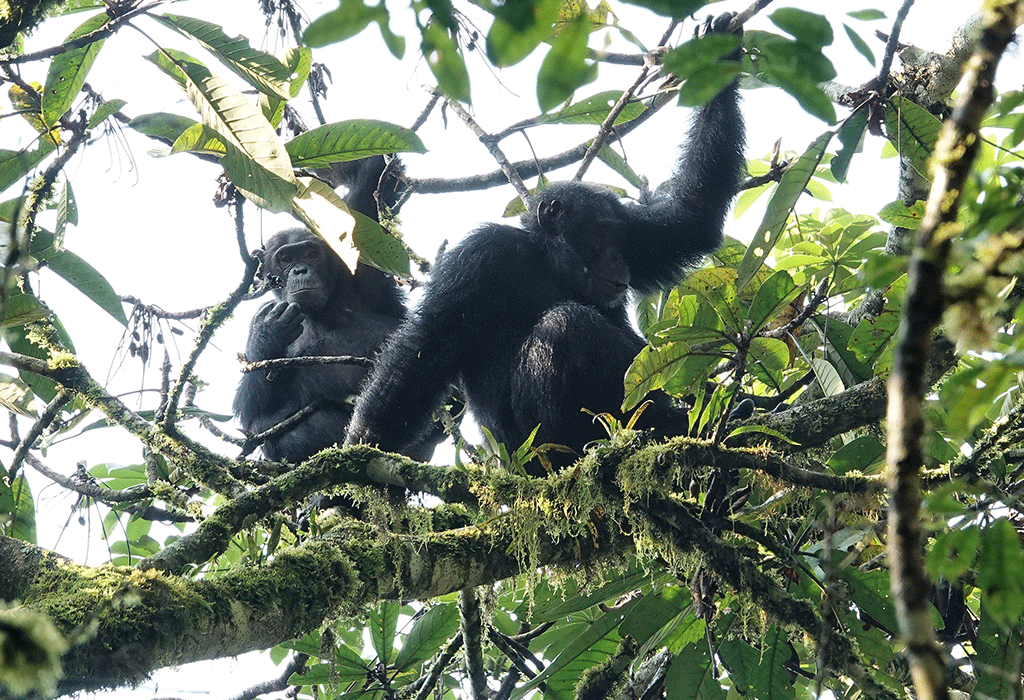
Not Every Sound in Kibale Comes From a Chimpanzee
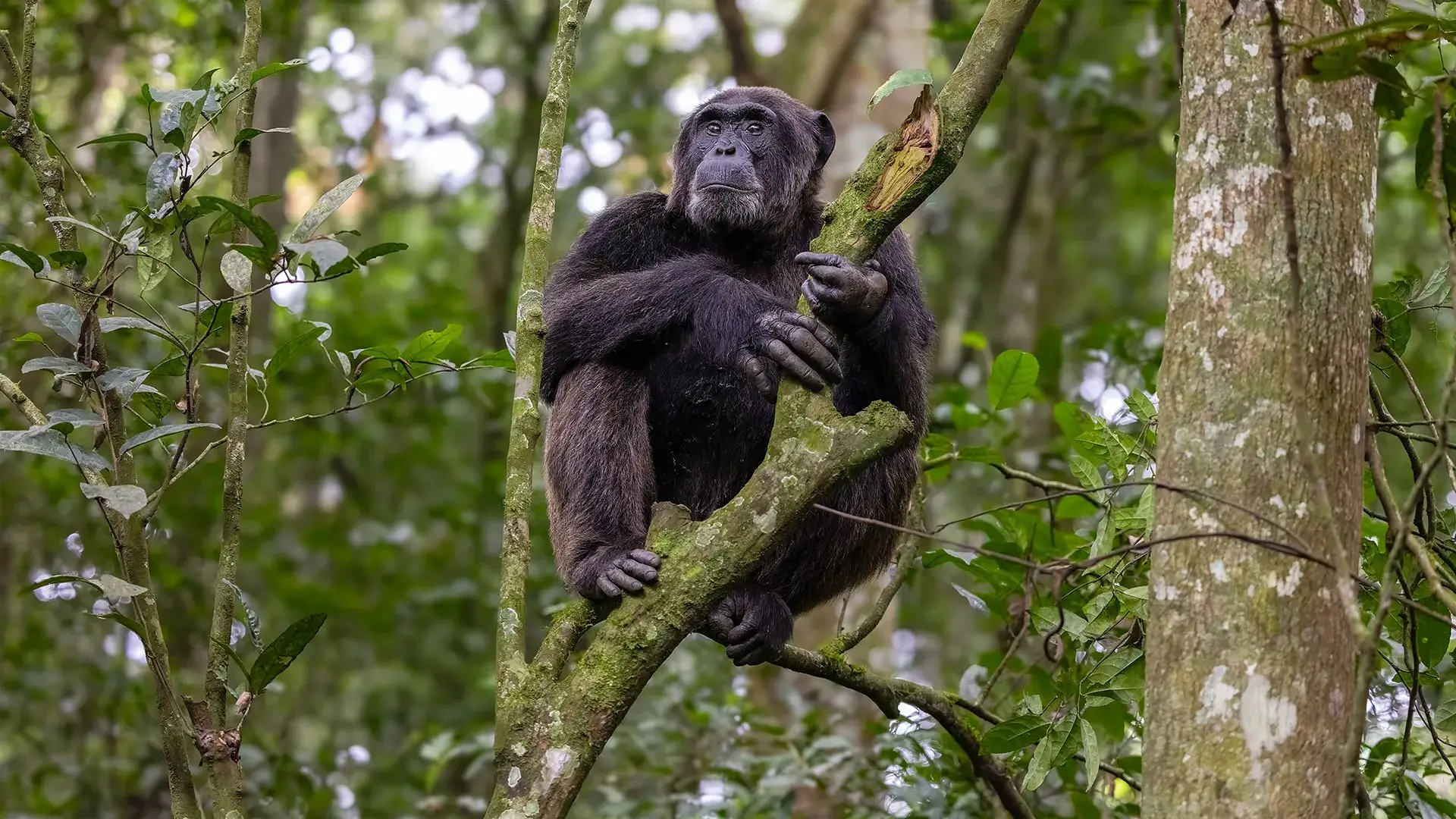
Kibale is a remarkably rich tropical forest, so first-time visitors should expect a complicated soundscape. Birds call from different levels of the canopy, monkeys move between trees, insects create continuous background noise and fruit or branches can fall without warning.
Other primates may include red-tailed monkeys, black-and-white colobus, red colobus and grey-cheeked mangabeys. A visitor unfamiliar with the forest may initially turn toward every rustle or distant call, which is completely natural. Over the course of the trek, your ranger helps separate ordinary forest noise from signs that deserve closer attention.

Can You Learn Chimpanzee Calls Before Your Safari?
Yes, at least at a broad level. Listening to recordings of pant-hoots, screams and drumming before traveling can make the forest experience more rewarding because some sounds will already feel familiar. However, recordings cannot fully reproduce what it is like to stand inside a tropical forest where sounds arrive from different distances, echo through vegetation and overlap with birds, insects and other primates.
The goal is therefore not to become an expert before your trip. Learn the basic character of the pant-hoot, know that chimpanzees can drum on trees and understand that quieter calls also occur. Once in the forest, allow your ranger to provide the context.
Prepare for the Forest, Not Only the Chimpanzees
Chimpanzee trekking is an active forest experience. Wear comfortable hiking shoes with good grip, long trousers and clothing suitable for humid tropical conditions. Carry drinking water, insect repellent and rain protection because weather can change.
Keep your camera protected yet accessible. If your ranger suddenly hears a nearby party and the group begins moving, you do not want to spend several minutes searching through a tightly packed backpack.
Most importantly, arrive with patience. Wild chimpanzees determine the rhythm of the trek. Some mornings produce loud vocal activity early; on others, the forest may remain quiet for much longer.

Turn Knowledge Into an Experience
Chimpanzee Safari Ideas
Kibale Chimpanzee Safari
Ideal for travelers whose main goal is chimpanzee trekking and exploring the Kibale–Fort Portal region.
Gorillas & Chimpanzees
Combine the fast-moving social world of chimpanzees with mountain gorilla trekking in southwestern Uganda.
Primates & Hiking
Build chimpanzee trekking into a longer itinerary featuring forests, wildlife, hiking and other primates.
Frequently Asked Questions
Chimpanzee Calls & Trekking
What sound does a chimpanzee make?
Chimpanzees have a diverse vocal repertoire that includes pant-hoots, screams, hoos, grunts and other calls. They can also produce loud non-vocal signals by drumming against tree buttresses.
What is a chimpanzee pant-hoot?
A pant-hoot is a long-distance chimpanzee vocalization that can progress through several phases, often increasing in rhythm and intensity before reaching a loud climax.
Why do chimpanzees drum on trees?
Tree drumming can function in communication and display. Striking resonant buttress roots produces powerful sounds capable of travelling through dense forest.
Can you hear chimpanzees before you see them?
Very often, yes. Dense rainforest vegetation may hide chimpanzees while their calls, tree drumming, falling fruit or branch movement reveal their presence.
Does a loud chimpanzee call mean the chimpanzee is close?
Not necessarily. Long-distance calls can travel effectively through forest, and terrain and vegetation can make it difficult for visitors to judge distance accurately.
Why do chimpanzees scream?
Screams can occur during intense social situations, excitement or conflict. The surrounding behavior matters, so a scream should not automatically be interpreted as serious aggression.
Where is the best-known place for chimpanzee trekking in Uganda?
Kibale National Park is Uganda’s flagship chimpanzee trekking destination. Travelers can also include destinations such as Kyambura Gorge and Kalinzu Forest depending on their wider safari itinerary.
How long can visitors spend with chimpanzees?
Under Uganda Wildlife Authority guidelines, normal chimpanzee tracking allows a maximum of one hour of viewing after the chimpanzees are encountered, while the Chimpanzee Habituation Experience allows a maximum of four hours.
Your Uganda Primate Safari
Hear the Forest Come Alive
A chimpanzee safari is not only about the moment you finally see the animals. The distant pant-hoot, an answering call from across the forest, a sudden burst of screams or the deep percussion of tree drumming can make the search itself unforgettable.
Safari Vacations & Travel Services can arrange your chimpanzee permits, accommodation, private transport and complete Uganda primate safari itinerary.