How to Combine Primates and Game Safari in Uganda

Complete Guide to Combining Primates and Game Safari in Uganda
The best way to combine primates and game safari in Uganda requires strategic planning that considers your available time, preferred destinations, and travel preferences. Uganda stands as one of Africa’s premier wildlife destinations, offering visitors the extraordinary opportunity to encounter both magnificent game animals and rare primates in their natural habitats. This comprehensive safari experience allows travelers to witness the Big Five alongside endangered mountain gorillas and chimpanzees. The country’s diverse ecosystems, ranging from savannah grasslands to dense tropical forests, create perfect conditions for this unique dual wildlife adventure that attracts nature enthusiasts from around the globe.
Optimal Safari Duration and Itinerary Planning for Primates and Game Safari in Uganda
A minimum five-day itinerary provides sufficient time to experience both primate encounters and traditional game viewing. This condensed schedule typically begins at Kibale National Park, where visitors embark on chimpanzee trekking adventures through ancient rainforests. The journey continues to Queen Elizabeth National Park, offering classic African safari experiences with game drives across vast savannahs and boat safaris along the Kazinga Channel.
Bwindi Impenetrable National Park serves as the grand finale, where travelers participate in gorilla tracking or the more intensive gorilla habituation experience. However, many safari enthusiasts extend their adventures beyond five days to maximize wildlife encounters and explore additional destinations.
Extended itineraries often incorporate Ziwa Rhino Sanctuary as the opening destination, providing guaranteed rhino sightings before proceeding to Murchison Falls National Park. This expanded route includes Kibale Forest, Queen Elizabeth National Park, Bwindi Impenetrable Forest, the scenic Lake Bunyonyi, and concludes at Lake Mburo National Park. Such comprehensive journeys offer diverse landscapes, varied wildlife species, and unforgettable cultural interactions.
Game Safari Destinations Across Uganda

Our Clients on a Game Drive in Queen Elizabeth National Park
Primates and Game Safari in Uganda unfold across several world-renowned national parks, each offering distinct wildlife viewing opportunities. Murchison Falls National Park dominates the northern region, featuring the dramatic Murchison Falls where the Nile River forces through a narrow gorge. This park harbors large populations of elephants, giraffes, lions, leopards, and numerous antelope species.
Queen Elizabeth National Park spans the western region, renowned for its tree-climbing lions in the Ishasha sector and diverse ecosystems that support over 95 mammal species. The park’s Kazinga Channel boat safari reveals hippos, crocodiles, and countless bird species along the shoreline.
Lake Mburo National Park provides intimate wildlife encounters in a more compact setting, perfect for walking safaris and horseback riding adventures. The park specializes in zebra populations, impalas, and various antelope species rarely found elsewhere in Uganda.
Kidepo Valley National Park represents Uganda’s most remote wilderness area, offering authentic African safari experiences with minimal tourist crowds. This northern park showcases unique species like cheetahs, ostriches, and greater kudus against dramatic mountain backdrops.
Primate Safari Experiences Throughout Uganda
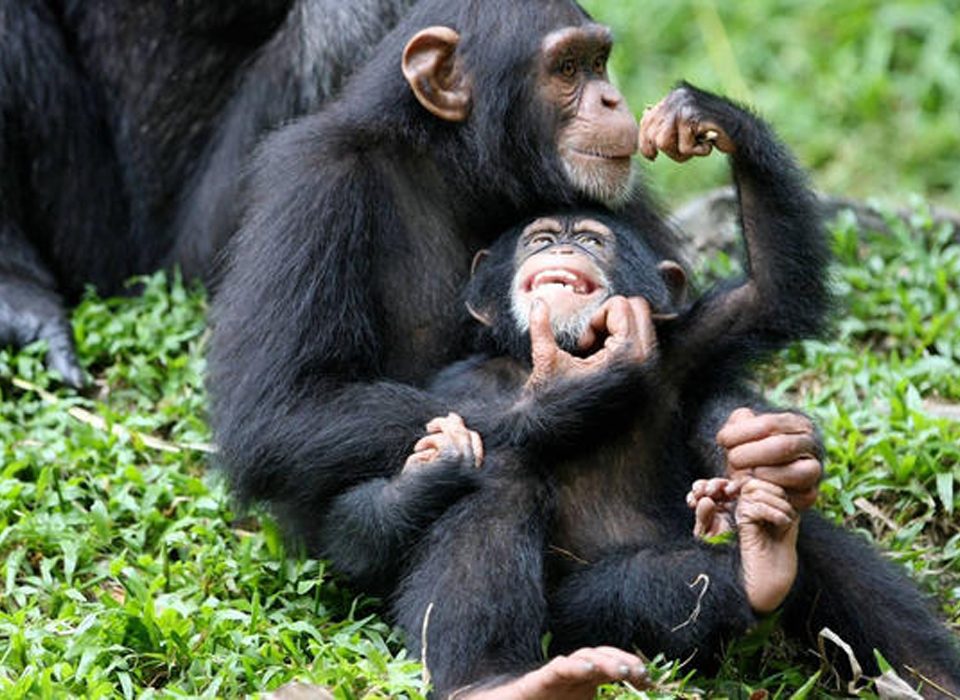
Uganda’s primate safari destinations span multiple protected areas, each providing unique encounters with our closest animal relatives. Kibale Forest National Park claims the title of primate capital, hosting the highest concentration of chimpanzees in East Africa alongside twelve other primate species including red colobus monkeys and L’Hoest’s monkeys.
Bwindi Impenetrable Forest National Park protects nearly half of the world’s remaining mountain gorillas, distributed across four distinct sectors: Buhoma, Ruhija, Rushaga, and Nkuringo. Each sector offers different trekking experiences, from gentle walks to challenging mountain hikes through dense forest terrain.
Mgahinga Gorilla National Park provides an alternative gorilla tracking location with stunning volcanic mountain scenery. This park forms part of the larger Virunga Massif, shared with Rwanda and the Democratic Republic of Congo.
Additional primate destinations include Kalinzu Forest, offering budget-friendly chimpanzee tracking, and Kyambura Gorge within Queen Elizabeth National Park, known as the “Valley of Apes.” Bugoma Forest and Budongo Forest provide excellent chimpanzee encounters with fewer crowds and lower permit costs.
Essential Considerations for Safari Planning
This combined safari experience accommodates various travel styles, welcoming solo adventurers, romantic couples, families with children, and large group expeditions. Tour operators customize itineraries based on group size, interests, and budget requirements, ensuring memorable experiences for all participants.
Age restrictions significantly impact primate trekking participation, with chimpanzee tracking requiring minimum ages of twelve years while gorilla tracking mandates fifteen years minimum. Families traveling with younger children discover alternative activities at most lodges, including nature walks, bird watching, and cultural visits while adults participate in primate encounters.
Accommodation choices dramatically influence overall safari costs, ranging from budget camping and basic lodges to luxury safari camps and high-end eco-lodges. Budget travelers access quality experiences at reasonable prices, while luxury seekers enjoy premium amenities, gourmet dining, and exclusive wildlife viewing opportunities.
Permit Booking and Seasonal Planning
Primate trekking permits require advance booking, particularly during peak seasons when demand significantly exceeds availability. Uganda Wildlife Authority manages all permit allocations, though reputable tour operators like Safari Vacations and Travel Services Ltd simplify the booking process for international visitors.
Gorilla permits cost $800 per person for normal 1 hour tracking while gorilla habituation permit cost$1500 (4 hours), while chimpanzee permits range from $250 for 1 hour tracking to $300 for chimpanzee habituation experience depending on the location. Booking permits at least four months in advance ensures availability, especially for travel during dry seasons from June to September and December to February.
The safari experience remains accessible year-round, with each season offering distinct advantages. Dry seasons provide easier trekking conditions and better wildlife visibility, while wet seasons offer lush landscapes, fewer crowds, and potential cost savings on accommodations.
Travel Requirements and Documentation
International visitors must secure Ugandan visas before arrival, with most nationalities eligible for online visa applications through the official government portal. East African tourist visas provide excellent value for travelers planning to visit multiple regional countries including Kenya, Rwanda, and Tanzania.
Additional requirements include valid passports with minimum six-month validity, yellow fever vaccination certificates, and comprehensive travel insurance covering medical emergencies and evacuation services.
Maximizing Your Combined Safari Experience
Successful combined safaris balance primate encounters with traditional game viewing while allowing adequate rest between activities. Professional guides enhance wildlife spotting opportunities and provide valuable insights into animal behavior, conservation efforts, and local cultures.
Photography enthusiasts should prepare for diverse environments, from low-light forest conditions during primate tracking to bright savannah landscapes during game drives. Proper equipment and settings knowledge significantly improve wildlife photography results.
This extraordinary combination of primate encounters and classic game safaris creates lifelong memories while supporting crucial conservation efforts protecting Uganda’s incredible wildlife heritage for future generations.