
Gorilla trekking tourism in Uganda and their challenging factors
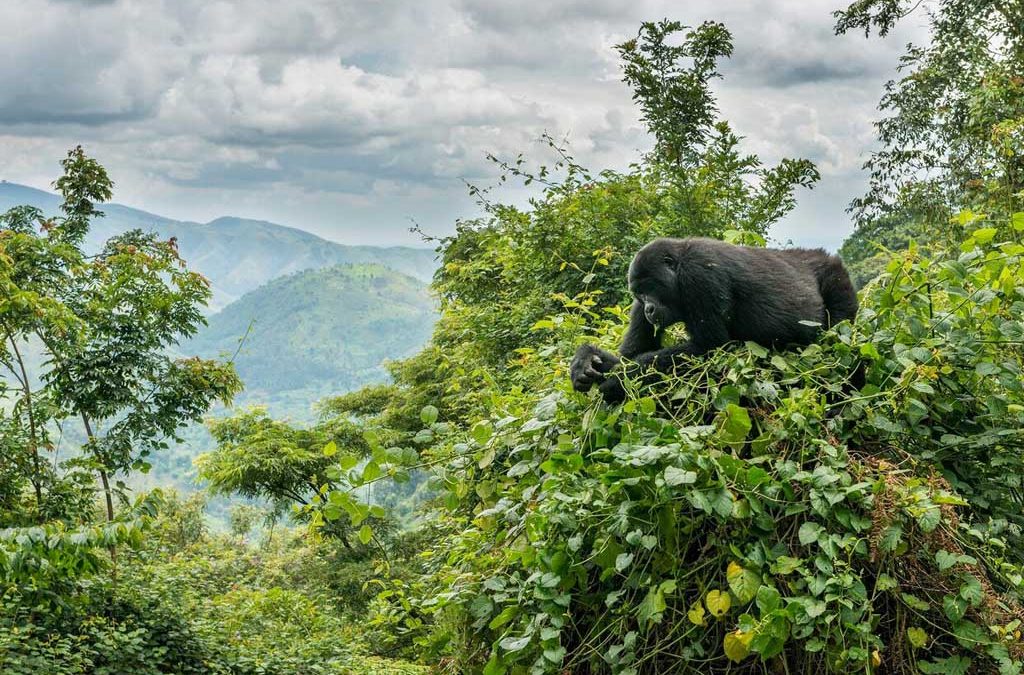
Gorilla trekking tourism in Uganda and their challenging factors
Gorilla trekking tourism in Uganda offers a unique opportunity to experience one of nature’s most magnificent creatures up close, but the journey is fraught with significant challenges. Navigating rugged terrain, adapting to unpredictable weather, and enduring physical exertion are just a few of the hurdles tourists face. Furthermore, the emotional demands of trekking through dense jungles can be overwhelming, as participants often encounter steep inclines and thick underbrush that require both physical stamina and mental resilience.
It is crucial to recognize these obstacles, as they not only impact the overall trekking experience but also influence the health and safety of travelers. Understanding these challenges provides a foundation for developing strategies that enhance tourist preparation and environmental awareness. Ultimately, addressing these difficulties is essential for fostering a sustainable eco-tourism environment that benefits both visitors and local communities, ensuring the preservation of Uganda’s incredible gorilla populations for generations to come.
Overview of Gorilla Trekking in Uganda and its significance to tourism
Nestled in the breathtaking landscapes of Uganda, gorilla trekking is a cornerstone of the nation’s tourism sector, offering unique encounters with these magnificent primates. This form of eco-tourism not only enhances conservation efforts but also provides significant economic benefits to local communities. Tourists flock to Uganda’s Bwindi Impenetrable National Park and Mgahinga Gorilla National Park to experience the rare opportunity of observing mountain gorillas in their natural habitat, fostering a deep appreciation for biodiversity.
However, local communities, particularly the Batwa, often face challenges such as inadequate infrastructure, resource scarcity, and socio-economic marginalization, which exclude them from tourism benefits. Moreover, as wildlife tourism grows, balancing conservation with visitor impact becomes increasingly complex, underscoring the importance of sustainable practices that protect both the gorillas and the livelihoods of surrounding communities. Addressing these challenges is vital for ensuring the long-term success and sustainability of gorilla trekking in Uganda.
Logistical Challenges
Limited Permits: The Uganda Wildlife Authority (UWA) issues a limited number of permits for gorilla trekking each day to minimize human impact on the gorillas. This means that securing a permit can be competitive, and tourists are encouraged to book well in advance. The limited availability can be a significant challenge for last-minute travelers.
Physical Demands of Trekking
Challenging Terrain: Gorilla trekking often involves navigating through dense forests, steep hills, and rugged terrain. The trails can be muddy and slippery, especially during the rainy season, which can make the trek physically demanding. Tourists should be prepared for strenuous hikes that can last several hours, depending on the location of the gorilla family.
Fitness Requirements: While tourists of various fitness levels can participate, a reasonable level of physical fitness is essential. Those who are not accustomed to hiking may find the trek particularly challenging. Tourists should engage in some physical training before their trip to enhance their stamina and endurance.
Environmental Challenges
The intricacies of wildlife conservation often intertwine with the tourism sector, particularly in regions like Uganda, where gorilla trekking presents unique environmental challenges. As global biodiversity faces threats from climate change and over-exploitation, the pressures of tourism can exacerbate these issues. Neoliberal approaches that often promote the commodification of nature may lead to unintended consequences for fragile ecosystems, particularly in developing areas. For instance, highlights the paradox of attempting to safeguard wilderness through market mechanisms such as trophy hunting and wildlife park tourism.
While these strategies aim to protect biodiversity and enhance local livelihoods, they can sometimes result in environmental degradation and conflicts between tourism operators and local communities. Moreover, the handbook developed for community conservation managers emphasizes that genuine engagement with local communities is essential to address challenges in conservation efforts effectively. Thus, without a balanced approach that prioritizes both ecological integrity and community well-being, gorilla trekking could inadvertently contribute to further environmental decline.
Emotional and Psychological Factors
Anticipation and Anxiety: The excitement of trekking to see gorillas can be accompanied by anxiety, especially for first-time trekkers. Concerns about physical endurance, safety, and the overall experience can affect one’s enjoyment. It is crucial for tourists to mentally prepare themselves for the trek and to approach it with an open mind.
Time Limitations: Tourists are allowed only one hour in the presence of the gorillas. This limited time can be disappointing for those hoping to spend more time observing and photographing these incredible animals. The one-hour limit is in place to minimize stress on the gorillas and protect their natural behaviors.
Impact of climate change on gorilla habitats and trekking conditions
As climate change intensifies, the habitats of mountain gorillas in Uganda are increasingly threatened, complicating the trekking experience for tourists. Rising temperatures and shifting precipitation patterns alter the dense forest ecosystems that gorillas depend on for food and shelter, potentially leading to habitat loss and fragmentation. This environmental stress exacerbates the challenges faced by trekking tours, as degraded paths and changing wildlife patterns can make it difficult for tourists to locate and observe these magnificent creatures.
Furthermore, the increasing reliance on nature tourism for economic development in regions like Rwanda, as highlighted by the emphasis on wildlife tourism, underscores the importance of preserving these habitats. However, the discourse surrounding conservation often overlooks the impact of climate change, which is perpetuated by neoliberal ideologies that prioritize profits over ecological stability. Ensuring sustainable trekking conditions requires urgent action to mitigate these climate challenges and protect gorilla habitats effectively.
Health and Safety Concerns
The risks associated with gorilla trekking tourism in Uganda significantly encompass health and safety concerns for both tourists and local communities. As the COVID-19 pandemic highlighted, the health implications of close human-wildlife interactions can be profound. Tourists may inadvertently transmit viruses to gorillas, which can lead to severe consequences for these endangered species. Recent findings indicate that the closure of protected areas greatly intensified illegal activities, particularly poaching, which further threatens the safety of both wildlife and tourists Moreover, the lack of tourist revenue during the pandemic has diminished local community resources, exacerbated economic hardship, and potentially increased risky behaviors like poaching as communities struggle for survival In addressing these challenges, both government authorities and conservation organizations must implement stringent health protocols and education initiatives to mitigate the risks while fostering sustainable tourism practices that prioritize the well-being of both visitors and wildlife.
Risks of zoonotic diseases and the importance of health precautions for tourists
Engagement with primates in their natural habitat presents unique health risks, particularly concerning zoonotic diseases that can be transmitted from animals to humans. Tourists participating in gorilla trekking tourism in Uganda face notable threats, including the possibility of contracting infections such as Ebola or respiratory illnesses, which can arise from close encounters with these animals. The importance of health precautions becomes paramount, as improper handling of interactions can exacerbate risks not only to human health but also to wildlife populations.
Recent reports emphasize that thorough health protocols are crucial, as improper measures jeopardize the delicate balance between human activity and wildlife conservation. Therefore, education and adherence to health guidelines are critical for tourists, ensuring safer experiences while minimizing the potential for disease transmission, underscoring the intricate relationship between tourism practices and public health safety.
Wildlife Encounters
Encounters with Other Wildlife: While trekking, tourists may encounter other wildlife, such as elephants or buffalo. These animals can be unpredictable and pose a risk if they feel threatened. Although trained rangers accompany tourists to ensure safety, the possibility of unexpected wildlife encounters can be daunting for some.
Behavior of Gorillas: While gorillas are generally peaceful, there is always a risk of aggressive behavior, especially if they feel cornered or threatened. Tourists must adhere strictly to guidelines, such as maintaining a safe distance and not making loud noises, to avoid provoking the animals.
Conclusion
In addressing the complexities of gorilla trekking in Uganda, it becomes evident that tourists encounter a myriad of challenges that can significantly affect their overall experience. From the physical demands of trekking through dense forests to navigating geopolitical or health-related issues, these obstacles necessitate careful consideration and preparation. Furthermore, the interplay between conservation efforts and local community needs often adds another layer of difficulty, as tourists may inadvertently contribute to ecological strain or local tensions. Understanding these dynamics is crucial, as they not only impact the travelers but also influence the sustainability of gorilla tourism itself. Ultimately, a comprehensive acknowledgment of these challenges is essential for both potential visitors and stakeholders in the tourism industry, allowing for more informed decision-making and fostering a more responsible approach to wildlife tourism in Uganda This balanced awareness can help mitigate risks and enhance the enriching experiences that gorilla trekking has to offer.
Gorilla trekking in Uganda, while a captivating and sought-after experience, is fraught with numerous challenges that impact tourists. Difficulties such as permitting issues, limited access to remote trekking areas, and unpredictable weather conditions can deter potential visitors or diminish their overall experience. Moreover, the limited infrastructure surrounding national parks complicates logistics, often leaving trekkers frustrated and fatigued before even beginning their adventure.
To enhance the gorilla trekking experience, it is imperative to streamline the permitting process through an online system that offers real-time availability, thereby reducing uncertainties for tourists. Additionally, improving infrastructure such as better road access and facilities will not only facilitate easier access to trekking sites but also foster a more enjoyable experience. Moreover, comprehensive training for local guides can significantly elevate their service and knowledge, ensuring they keep tourists well-informed and engaged throughout their journey.


