
Gorilla Tracking in Africa
The Call of the Wild
There are moments in life that change you forever. For many travelers, gorilla tracking in Africa is one of those transformative experiences. Standing face-to-face with a mountain gorilla in its natural habitat is not just a wildlife observation—it is a profound encounter with one of our closest living relatives. These magnificent creatures share approximately 98 percent of their DNA with humans, and meeting them in the misty forests of Central Africa is an experience that touches the soul.
Gorilla tracking is one of the most sought-after wildlife adventures on the planet. Every year, thousands of travelers from around the world journey to Africa’s remote rainforests to spend precious moments with these endangered great apes. Safari Vacations and Travel Services specializes in creating these unforgettable experiences, guiding adventurers through the process of booking, preparing for, and experiencing the magic of gorilla tracking.
This comprehensive guide will walk you through everything you need to know about gorilla tracking in Africa, from selecting your destination to understanding the costs, preparing physically, and knowing what to expect when you encounter these remarkable animals.
Understanding Mountain Gorillas: The Gentle Giants
Before embarking on a gorilla tracking adventure, it is important to understand these remarkable creatures. Mountain gorillas are the largest living primates on Earth. An adult male silverback gorilla can weigh up to 430 pounds and stand nearly six feet tall. Despite their impressive size and strength, mountain gorillas are generally peaceful herbivores. They spend most of their day eating vegetation—consuming up to 40 pounds of leaves, stems, bamboo shoots, and fruits daily. They rarely drink water because the vegetation they eat contains sufficient moisture.
Gorillas live in family groups typically led by a dominant male called a silverback. These family units are highly social and structured. The silverback protects the group, makes decisions about where to travel and when to rest, and defends the family from threats. Female gorillas and their young offspring follow the silverback’s lead. Young gorillas stay with their mothers for several years, learning essential survival skills through observation and play.
Mountain gorillas are found only in the high-altitude rainforests of Central Africa. Over 1,000 mountain gorillas remain in the wild, making them critically endangered. The majority of these gorillas live in the protected areas of Uganda, Rwanda, and the Democratic Republic of Congo. Thanks to dedicated conservation efforts and the revenue generated by gorilla tourism, the population has been slowly recovering from the brink of extinction.
The Three Best Destinations for Gorilla Tracking in Africa
Uganda: Bwindi Impenetrable National Park and Mgahinga Gorilla National Park
Uganda is home to more than half of the world’s remaining mountain gorillas. The country offers two primary destinations for gorilla tracking: Bwindi Impenetrable National Park and Mgahinga Gorilla National Park.
Bwindi Impenetrable National Park is the crown jewel of gorilla tracking in Uganda. This ancient rainforest, located in southwestern Uganda, is home to approximately 400 mountain gorillas living in around 20 habituated families. The park’s name reflects its dense vegetation—the forest is so thick that it is nearly impossible to see the sky. This impenetrable nature has protected the gorillas for centuries, but it also makes tracking through the forest challenging and rewarding.
The permit cost for gorilla tracking in Uganda is $800 USD per person for foreign non-residents, with discounted rates available for foreign residents and East African citizens. This is significantly less expensive than Rwanda but more costly than the Democratic Republic of Congo. The permit includes the services of experienced guides, trackers, and park rangers who will lead you through the forest in search of the gorillas.
Mgahinga Gorilla National Park, also in southwestern Uganda, is smaller than Bwindi but offers a more intimate gorilla tracking experience. The park is home to several habituated gorilla families and is known for its stunning volcanic landscape. The permit costs are the same as Bwindi.
Why Choose Uganda:
- Home to more than half of the world’s mountain gorillas
- Excellent guides and well-established infrastructure
- More affordable permits than in Rwanda
- Opportunities to combine gorilla tracking with other wildlife experiences
- Diverse ecosystems and stunning natural landscapes
Rwanda: Volcanoes National Park
Rwanda’s Volcanoes National Park is perhaps the most famous gorilla tracking destination in the world. Located in northwestern Rwanda, this park is home to approximately 459 mountain gorillas living in around 15 habituated families. The park is named for the five volcanic mountains that dominate its landscape: Gahinga, Muhavura, Sabyinyo, Karisimbi, and Bisoke.
The permit cost for gorilla tracking in Rwanda is $1,500 USD per person, the highest of all gorilla tracking destinations. This premium price reflects Rwanda’s reputation for excellent organization, high-quality infrastructure, and consistent gorilla sightings. Rwanda has invested heavily in gorilla conservation and tourism development, and these investments are evident in the professional management of the tracking experience.
The higher cost also supports Rwanda’s conservation efforts. A portion of the permit fee goes directly to protecting the gorillas and their habitat, as well as supporting local communities living around the park. Rwanda’s commitment to gorilla conservation has resulted in a steady increase in the gorilla population over the past two decades.
Why Choose Rwanda:
- Highest success rate for gorilla sightings
- Excellent tourism infrastructure and services
- Strong commitment to conservation
- Stunning volcanic landscape
- Well-organized and professional tracking operations
- Vibrant capital city (Kigali) with good international connections
Democratic Republic of Congo: Virunga National Park
The Democratic Republic of Congo (DRC) offers gorilla tracking in Virunga National Park, one of Africa’s oldest and most biodiverse protected areas. Virunga is home to approximately 400 mountain gorillas, making it equal in gorilla population to Uganda and Rwanda. However, the park is less developed for tourism than its neighbors.
The permit cost for gorilla tracking in Virunga is $400 USD per person, the most affordable option for gorilla tracking in Africa. This lower cost reflects the park’s less developed tourism infrastructure and the additional logistical challenges of traveling in the DRC. Despite these challenges, Virunga offers a more adventurous and less commercialized gorilla tracking experience. DRC is currently closed for tourism due to its armed conflict and kidnapping.
Why Choose the DRC:
- Most affordable gorilla permits in Africa
- Less crowded, more adventurous experience
- Significant conservation importance
- Opportunity to support a developing nation’s tourism industry
- Unique cultural experiences
Gorilla Tracking Costs: What You Need to Budget
Understanding the full cost of a gorilla tracking adventure is essential for planning your trip. The permit fee is just one component of the total expense.
Cost Component | Uganda | Rwanda | DRC |
| Gorilla Permit | $800 USD | $1,500 USD | $400 USD |
| Park Entry Fee | Included | Included | Included |
| Guide Services | Included | Included | Included |
| Accommodation (Mid-Range) | $100-$300/night | $150-$400/night | $50-$150/night |
| Meals | $20-$50/day | $30-$60/day | $15-$40/day |
| Internal Transport | $50-$150/day | $60-$200/day | $40-$100/day |
| International Flights | $800-$1,500 | $800-$1,500 | $800-$1,500 |
A typical 5-day gorilla tracking trip costs between $2,500 and $5,000 USD per person, depending on your destination, accommodation choices, and travel style. This includes the permit, accommodation, meals, local transport, and guides. International flights are additional and vary based on your departure location.
Physical Demands and Age Requirements
Gorilla tracking is not a passive wildlife viewing experience. It requires a reasonable level of physical fitness and mental preparation.
Physical Difficulty
The trek through the rainforest to find gorillas is challenging. You will be hiking through dense vegetation, often on steep terrain, at high altitude (between 8,000 and 13,000 feet above sea level). The trek can last anywhere from 2 to 8 hours, depending on where the gorillas are located on any given day. The forest is wet, muddy, and slippery. Insects are abundant, and the weather can change rapidly.
However, it is important to note that gorilla tracking is not a mountaineering expedition. Most people of reasonable fitness can complete a gorilla trek. The guides are experienced in working with trekkers of varying abilities and will adjust the pace accordingly. There are also options for porters who can carry your backpack and assist you on the trail.
Age Requirements
The minimum age for gorilla tracking is 15 years old across all three countries. This age restriction exists for several important reasons. Younger children may lack the stamina and mental focus required for the long hike. Additionally, children have less developed immune systems and are more vulnerable to diseases that could be transmitted to the gorillas. Mountain gorillas are susceptible to human illnesses, and protecting them from disease is a critical conservation priority.
Some flexibility may be available in Uganda’s Bwindi, where exceptions can occasionally be made for children aged 14 who are approaching 15. However, this is rare and requires special permission.
Preparing for Your Gorilla Trek
Physical Preparation
Begin training 6-8 weeks before your trek. Focus on cardiovascular fitness through running, cycling, or hiking. Strengthen your legs with squats and lunges. Practice hiking with a loaded backpack to build endurance. If possible, hike at an altitude to acclimate your body.
What to Pack
- Hiking boots: Waterproof, broken-in, with good ankle support
- Clothing: Layers that can be removed as you warm up; long pants and long sleeves for protection
- Rain gear: A quality rain jacket and waterproof bag cover
- Insect repellent: Essential for protection against mosquitoes and other insects
- Sun protection: Sunscreen, hat, and sunglasses
- Medications: Antimalarial medication, pain relievers, and any personal medications
- Camera: With extra batteries and memory cards
- Water bottle: At least 2-3 liters capacity
Health Precautions
Consult your doctor at least 4-6 weeks before your trip. Discuss antimalarial medication, vaccinations (yellow fever is recommended), and any health concerns. Ensure you have comprehensive travel insurance that covers medical evacuation.
Acclimatization
If you are tracking in Rwanda or Uganda, spend at least one day in Kigali or Kampala before heading to the gorilla parks. This helps your body adjust to the altitude and time zone.
The Gorilla Tracking Experience: What to Expect
The Day of the Trek
You will wake early—usually around 5:00 or 6:00 AM. After a quick breakfast, you will head to the park headquarters for a briefing. Your guide will explain the rules, answer any questions you may have, and assign you to a specific gorilla family to visit. Groups are limited to a maximum of 8 people per gorilla family to minimize disturbance.
The trek begins in the early morning when the forest is cool, and the gorillas are most active. Your guide and trackers will use radio communication with other teams in the forest to locate the gorillas. They will also look for signs of gorilla activity—fresh vegetation that has been eaten, nests where gorillas slept, and dung that indicates recent presence.
Meeting the Gorillas
When the gorillas are located, your guide will brief you on the final approach. You will move slowly and quietly toward the family. The moment you first see a gorilla is unforgettable. You might see a massive silverback, a mother with her young, or playful juveniles. The gorillas will likely be eating, resting, or playing.
You will spend one hour with the gorilla family. During this time, you can observe their behavior, take photographs, and be present with these magnificent creatures. The guides will explain what you are seeing and answer your questions. Maintain a distance of at least 7 meters (23 feet) from the gorillas and keep noise to a minimum.
The Emotional Impact
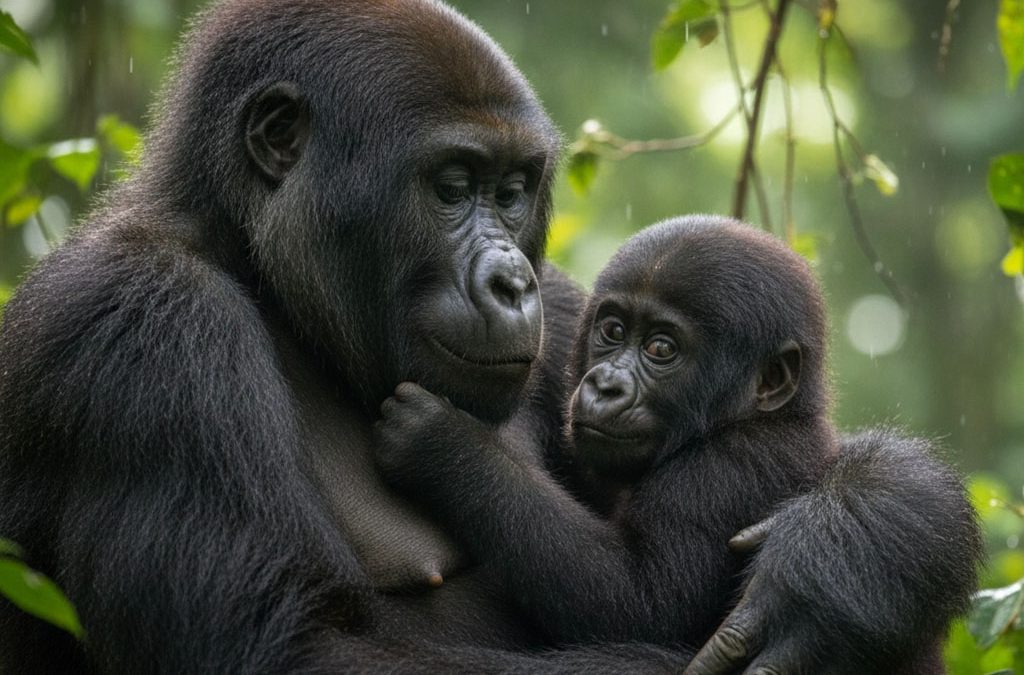
Many people describe gorilla tracking as a life-changing experience. The intelligence in a gorilla’s eyes, the gentleness of a mother with her infant, and the raw power of a silverback create a profound emotional connection. You will likely feel a deep sense of privilege and responsibility to protect these endangered animals.
Conservation and Responsible Gorilla Tracking
Gorilla tourism plays a crucial role in conservation. The revenue generated by gorilla permits funds anti-poaching efforts, habitat protection, and community development programs. When you pay for a gorilla permit, you are directly contributing to the survival of these endangered animals.
Responsible gorilla tracking means following all park rules, maintaining proper distance, keeping noise levels low, and respecting the gorillas’ space. Never attempt to touch a gorilla or make direct eye contact, as these actions can be perceived as threatening. Always follow your guide’s instructions.
Planning Your Gorilla Tracking Adventure with Safari Vacations and Travel Services
Booking a gorilla tracking adventure requires careful planning and coordination. Safari Vacations and Travel Services specializes in creating seamless, unforgettable gorilla tracking experiences. We handle all the details—permit acquisition, accommodation booking, transportation, guides, and logistical support—so you can focus on the adventure.
Our team has years of experience in gorilla tracking and deep relationships with local guides, park authorities, and accommodation providers. We customize itineraries to match your interests, fitness level, and budget. Whether you want to trek gorillas in Uganda, Rwanda, or the DRC, we will ensure your experience is safe, comfortable, and transformative.
The Call Awaits
Gorilla tracking in Africa is more than a vacation activity—it is a journey into the heart of nature and a connection with our evolutionary cousins. It is a privilege reserved for those willing to venture into remote rainforests, challenge their physical limits, and open their hearts to the wonder of the natural world.
The mountain gorillas of Africa are endangered, but they are not lost. Thanks to conservation efforts and responsible tourism, their populations are slowly recovering. By choosing to trek gorillas with Safari Vacations and Travel Services, you are not only creating memories that will last a lifetime, but you are also contributing to the survival of these magnificent creatures.
The call of the wild is waiting. Will you answer?


