
Congo Rainforest Safari: Complete Introduction and Overview
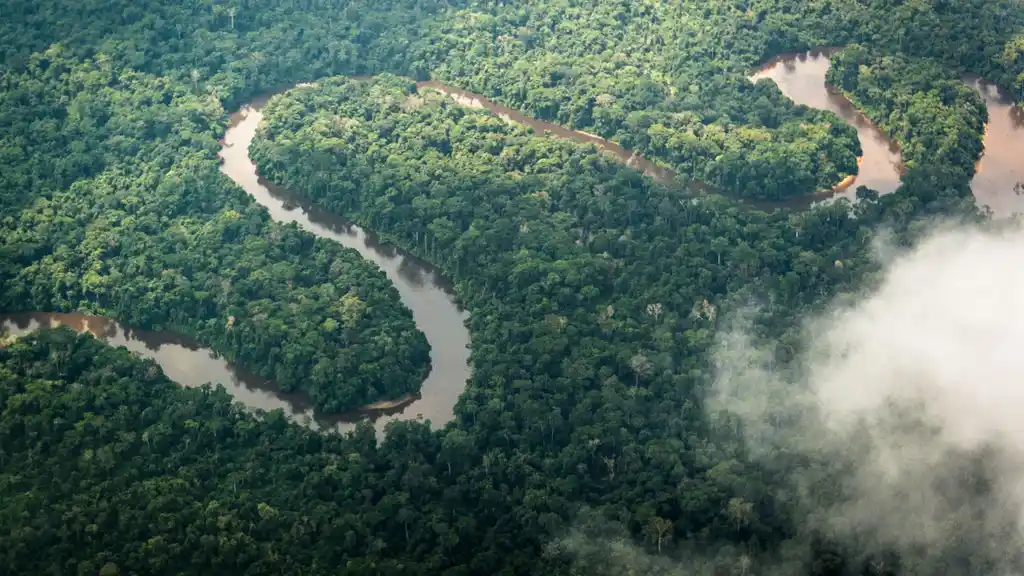
“The Congo rainforest is a vast tropical wilderness shaped by dense forest
A Congo Rainforest Safari is an opportunity to explore one of Africa’s most remarkable tropical forest landscapes through wildlife observation, guided forest experiences, primate encounters, river journeys and nature-focused travel. Unlike the classic African safari built around open savannahs and vehicle-based game drives, a Congo Rainforest Safari takes travelers into a much denser environment where wildlife can be encountered in forests, clearings, wetlands, rivers and forest-savannah mosaics.
The phrase Congo Rainforest Safari can refer to several different travel experiences because the Congo Basin extends across a large part of Central Africa and includes protected areas with very different wildlife, landscapes, accessibility and tourism infrastructure. It is therefore important to distinguish between safari experiences in the Democratic Republic of the Congo and those in the Republic of the Congo. The two countries are geographically different destinations even though both are associated with the Congo rainforest.
For travelers approaching the Congo region from East Africa, existing Congo gorilla safari experiences provide useful context for understanding how rainforest tourism can be combined with wider regional wildlife journeys. Other regional Uganda safari experiences also demonstrate how forest primates, wildlife and nature-based travel can be incorporated into longer African itineraries.
What Is a Congo Rainforest Safari?
A Congo Rainforest Safari is a wildlife and nature journey focused on the forests and associated ecosystems of the Congo Basin. Depending on the destination, the experience may involve guided forest walks, lowland gorilla tracking, primate observation, wildlife viewing in open forest clearings, boating, birdwatching and exploration of rainforest landscapes.
The experience is fundamentally different from a conventional savannah safari. In open grasslands, large animals can sometimes be seen from considerable distances. In tropical rainforest, vegetation is much denser, visibility is often limited and wildlife may be distributed across several layers of the ecosystem. A successful Congo Rainforest Safari therefore depends on patient observation, experienced guides, careful tracking and an appreciation of the forest itself rather than simply counting large animals.
Some destinations combine dense rainforest with rivers, swamps, natural clearings and savannah-like openings. These contrasting habitats can create opportunities to observe different species within a relatively small geographical area. Odzala-Kokoua National Park, for example, contains rainforest alongside other habitats and is associated with wildlife experiences involving western lowland gorillas, forest elephants and other forest species.
Why Choose a Congo Rainforest Safari?
The strongest reason to choose a Congo Rainforest Safari is the opportunity to experience rainforest ecosystems on a scale that is difficult to replicate elsewhere. The Congo Basin contains immense areas of tropical forest, major river systems and an extraordinary concentration of biodiversity. For travelers interested in primates, forest elephants, birds, plants and ecological systems, the rainforest itself becomes the main attraction.
A Congo Rainforest Safari can also appeal to travelers who want an experience that feels different from the heavily established safari circuits of East and Southern Africa. Instead of spending most of the day driving through open plains, visitors may spend time walking beneath the forest canopy, traveling along waterways, watching wildlife around forest clearings or listening for animals hidden within thick vegetation.
The sense of remoteness is another important part of the experience. Some rainforest destinations have limited tourist capacity and require advance planning. Nouabalé-Ndoki National Park, for example, states that visitor capacity is limited on specific dates and recommends advance booking because services in this remote part of northern Congo are limited.
The Congo Basin Rainforest and Its Importance
The Congo Basin is one of the world’s great tropical forest regions. It is not a single national park and should not be treated as one tourism destination. Instead, it is a vast ecological region extending across several Central African countries and containing numerous forests, rivers, wetlands and protected areas.
For tourism purposes, this distinction matters. Someone searching for a Congo Rainforest Safari may be interested in western lowland gorillas in the Republic of the Congo, eastern lowland gorillas in the Democratic Republic of the Congo, forest elephants, bonobos, chimpanzees, okapis, birds or broader rainforest exploration. The most appropriate destination therefore depends on the wildlife and activities the traveler wants to prioritize.
The rainforest also has enormous conservation significance. Protected areas provide habitat for threatened wildlife and create opportunities for scientific research, ecological monitoring and carefully managed tourism. A well-designed Congo Rainforest Safari should therefore be understood not simply as a holiday but as a visit to a sensitive ecosystem where responsible behavior matters.
Democratic Republic of the Congo and Republic of the Congo: Understanding the Difference
One of the most important things to understand before planning a Congo Rainforest Safari is that the Democratic Republic of the Congo and the Republic of the Congo are separate countries with different tourism systems, protected areas and travel arrangements.
The Democratic Republic of the Congo, commonly abbreviated as DRC, contains several major rainforest and primate destinations. Kahuzi-Biega National Park, for example, lies between the Albertine Rift and the Congo Basin and protects both lowland and montane forest. The park is particularly important for eastern lowland gorillas and contains a wide range of other mammals and birds.
The DRC also contains Virunga National Park, where mountain gorilla tourism forms part of a broader conservation and adventure tourism landscape. This means that a Congo safari does not automatically mean a western lowland gorilla safari; the exact gorilla species and forest environment depend on the destination.
The Republic of the Congo, often called Congo-Brazzaville to distinguish it from the DRC, offers a different rainforest tourism experience. Odzala-Kokoua National Park and Nouabalé-Ndoki National Park are particularly important examples. Nouabalé-Ndoki is open to tourism, while its official visitor information emphasizes the limited capacity and remote nature of the destination.
This distinction should be maintained throughout any Congo Rainforest Safari guide because mixing destinations from the two countries can create inaccurate expectations about transportation, permits, accommodation and wildlife.

“Guided wildlife observation in the rainforest can provide opportunities to encounter western lowland gorillas in appropriate protected areas.”
What Makes Congo Rainforest Wildlife Different?
The wildlife experience is one of the defining features of a Congo Rainforest Safari. The rainforest supports numerous primates, forest-adapted mammals, birds, reptiles, amphibians and countless smaller organisms. Some animals are highly specialized for forest environments, while others move between forest, wetlands and natural clearings.
Primates are particularly important to rainforest tourism. Depending on the destination, travelers may encounter gorillas, chimpanzees, bonobos, colobus monkeys, guenons and other forest primates. However, species distribution is highly localized, so a responsible safari guide should always identify the destination first and then explain which animals can realistically be encountered there.
Forest elephants are another important part of the Congo rainforest story. Their behavior and habitat use differ from the image of elephants commonly associated with open savannah. They may move through thick vegetation and use forest clearings and wetlands, making specialist knowledge and patient wildlife observation particularly valuable.
Odzala-Kokoua illustrates this diversity particularly well. Published information on the park describes a landscape containing forests, savannah areas and forest islands, while wildlife includes western lowland gorillas, forest elephants and giant forest hogs.
Congo Rainforest Safari and Gorilla Experiences
Gorilla encounters are among the most sought-after experiences associated with rainforest travel in Central Africa. However, travelers should not assume that all Congo gorilla experiences are the same.
The Democratic Republic of the Congo provides opportunities to encounter both mountain gorillas and eastern lowland gorillas in different protected areas. Kahuzi-Biega is particularly associated with eastern lowland gorillas, while Virunga is associated with mountain gorillas.
The Republic of the Congo offers western lowland gorilla experiences in destinations such as Odzala-Kokoua. Published tourism information describes guided lowland gorilla trekking in the park, including forest walking through dense vegetation and potentially muddy terrain.
These differences are essential when choosing a Congo Rainforest Safari. A traveler specifically interested in eastern lowland gorillas should investigate a different destination from someone seeking western lowland gorillas. The species, habitat, trekking environment and logistics should all be confirmed before booking.
A Congo Rainforest Safari Is More Than Gorilla Trekking
Although gorillas can be a major attraction, a complete Congo Rainforest Safari should not be reduced to a single wildlife encounter. The rainforest supports a much broader range of experiences.
Depending on the protected area and current tourism arrangements, travelers may participate in guided forest walks, wildlife observation, birdwatching, river or wetland excursions and exploration of natural forest clearings. In Odzala-Kokoua, for example, tourism information highlights forest trekking, river travel and wildlife viewing in open forest areas as part of the broader experience.
This makes the Congo rainforest particularly appealing to travelers who enjoy ecological exploration. The objective is not necessarily to see the largest possible number of animals in a single day. Instead, the experience is about understanding how wildlife, vegetation, waterways and people interact within one of Africa’s most important forest landscapes.
Who Should Consider a Congo Rainforest Safari?
A Congo Rainforest Safari is particularly suited to travelers with a strong interest in wildlife, primates, tropical forests, conservation, photography, birdwatching and nature-based adventure. It can also suit experienced safari travelers who want to explore an environment substantially different from the savannah landscapes of Kenya, Tanzania or southern Africa.
Travelers who enjoy slow wildlife observation may find rainforest tourism especially rewarding. Forest wildlife can require patience, and sightings are influenced by vegetation, animal movements, weather and the skill of local guides. The experience therefore rewards people who appreciate the journey itself rather than expecting constant large-animal sightings.
For visitors combining Central and East African travel, Rwanda gorilla and forest journeys provide another relevant regional comparison, particularly for travelers interested in combining primates, rainforest environments and broader wildlife experiences.
Why the Congo Rainforest Requires a Different Safari Mindset
A successful Congo Rainforest Safari requires realistic expectations. Dense vegetation means that wildlife may be heard before it is seen. Trails can be wet or muddy. Visibility may change quickly as sunlight moves through the canopy. Some destinations are remote and have limited accommodation or visitor capacity. These characteristics are not disadvantages; they are part of what makes rainforest exploration different.
Travelers should also understand that infrastructure varies substantially between destinations. Nouabalé-Ndoki’s official visitor information, for example, specifically notes the remoteness of northern Congo and the limited availability of services, reinforcing the importance of advance arrangements.
This is why choosing the destination should come before choosing a generic “Congo safari package.” The correct sequence is to identify the country, protected area, target wildlife, preferred activities, travel dates and logistical requirements before comparing safari arrangements.
How a Congo Rainforest Safari Fits Into a Wider African Journey
A Congo Rainforest Safari can form the centerpiece of a dedicated Central African expedition or become one component of a longer regional journey. Travelers arriving through East Africa may be interested in combining Congo with Uganda or Rwanda, particularly when their interests include gorillas, chimpanzees, rainforest landscapes and other primate experiences.
Regional safari operators already market journeys involving Uganda, Rwanda and the Democratic Republic of the Congo, demonstrating that multi-country primate itineraries are an established travel concept.
However, combining countries should never be treated as automatically simple. Border requirements, security conditions, transport availability, permits and protected-area access must be checked for the specific dates and destinations involved. A good itinerary should be built around verified logistics rather than assumptions.
The Conservation Importance of Congo Rainforest Tourism
The long-term value of a Congo Rainforest Safari extends beyond the traveler. Responsible tourism can create economic incentives for protecting forests, maintaining wildlife habitats and supporting communities connected to protected landscapes. Tourism can also contribute to awareness of species and ecosystems that receive less international attention than Africa’s famous savannah wildlife.
Nouabalé-Ndoki’s official information highlights its history of scientific research and community engagement, illustrating how conservation, research and tourism can exist within the same protected-area framework.
Visitors therefore have a responsibility to follow park regulations, respect wildlife distances, listen to guides and avoid actions that disturb animals or damage vegetation. The best Congo Rainforest Safari is not simply the one with the most impressive photographs; it is one that allows visitors to experience the forest while contributing to its long-term protection.
Planning the Right Congo Rainforest Safari
The first stage of planning should be deciding exactly what you want from the trip. Someone searching for western lowland gorillas may prioritize Odzala-Kokoua, while a traveler interested in eastern lowland gorillas may investigate Kahuzi-Biega. Someone interested in mountain gorillas may consider Virunga. A traveler focused on broader rainforest ecology may prefer an itinerary built around forest walking, waterways, birding and wildlife observation.
It is also important to establish whether the desired destination is currently receiving visitors, what visitor capacity exists, which operators are permitted to operate there and what transportation is available. Nouabalé-Ndoki’s official visitor information currently emphasizes advance booking and limited capacity, demonstrating why these checks should be made before finalizing travel arrangements.
For travelers comparing rainforest experiences across the region, Bwindi gorilla habituation experiences can provide useful context for understanding how guided primate tourism differs between East African and Central African rainforest destinations.
A separate perspective on Congo rainforest tourism can also help travelers compare the Republic of Congo’s lowland-gorilla and rainforest experience with other Central African destinations.
What to Expect From the Rest of This Congo Rainforest Safari Guide
This introduction establishes the foundation for understanding a Congo Rainforest Safari, but the destination requires much more detailed planning than a simple overview can provide. The following sections should examine the individual rainforest destinations, wildlife species, safari activities, best travel periods, permits, visas, transportation, accommodation, costs, itineraries, safety, responsible tourism and conservation.
The most important principle throughout the complete guide will be destination-specific accuracy. The Congo rainforest is too large and diverse to describe every experience as though it occurs everywhere. Wildlife, trekking opportunities, accommodation, access, visitor capacity and travel conditions vary considerably between protected areas.
For that reason, anyone planning a Congo Rainforest Safari should begin by identifying the exact country and protected area before researching prices or itineraries. Once that foundation is established, the safari can be designed around the wildlife, forest experience and travel style that matter most.
Final Overview of the Congo Rainforest Safari Experience
A Congo Rainforest Safari offers a fundamentally different interpretation of the African safari. Instead of focusing primarily on open plains and large herds, it introduces travelers to dense tropical forests, rivers, wetlands, natural clearings and remarkable primate habitats. It can involve western lowland gorillas, eastern lowland gorillas, mountain gorillas, chimpanzees, bonobos, forest elephants and many other forest species, depending entirely on the destination.
The most important step is therefore not simply asking, “Where can I go on a Congo Rainforest Safari?” The better question is, “Which Congo rainforest destination provides the wildlife and experience I want, and what are the verified travel requirements for visiting it?” That approach produces a more accurate, responsible and rewarding safari.
With the right destination, experienced local guidance, realistic expectations and careful preparation, the Congo Rainforest Safari can become one of the most immersive wildlife experiences in Central Africa. The combination of rainforest biodiversity, rare primates, remote landscapes and conservation importance makes the Congo Basin a destination deserving of careful exploration and responsible tourism.
Where to Go for a Congo Rainforest Safari

“The Congo Basin contains immense rainforest landscapes
Choosing where to go for a Congo Rainforest Safari is one of the most important decisions in planning a journey through Central Africa. The phrase “Congo rainforest” describes an enormous ecological region rather than a single safari destination, and the experience varies considerably depending on the country, protected area, wildlife objective, accessibility and type of tourism available. A traveler interested in western lowland gorillas may need to choose a very different destination from someone searching for eastern lowland gorillas, mountain gorillas, bonobos, forest elephants, birdwatching or remote rainforest exploration.
The two countries most commonly associated with a Congo Rainforest Safari are the Democratic Republic of the Congo and the Republic of the Congo. They are separate countries with different protected areas, tourism systems and travel logistics. Within the Democratic Republic of the Congo, major rainforest-related destinations include Virunga National Park and Kahuzi-Biega National Park, while the Republic of the Congo offers major rainforest destinations such as Odzala-Kokoua National Park and Nouabalé-Ndoki National Park.
For travelers comparing Central African wildlife destinations, Congo safaris can provide useful regional context when considering how a rainforest journey fits into a wider East and Central African itinerary. The most important principle, however, is to select the protected area according to the experience you actually want rather than choosing a destination simply because it appears in a generic Congo safari search.
Understanding the Congo Rainforest as a Safari Destination
The Congo Basin is one of the world’s great tropical forest regions and contains an extraordinary variety of habitats. Dense rainforest is interspersed with wetlands, rivers, swamp forests, natural clearings and forest-savannah mosaics. These different environments influence where animals live and how visitors experience them.
A Congo Rainforest Safari therefore does not necessarily resemble a conventional African safari dominated by open grasslands and long vehicle-based game drives. Forest wildlife is often encountered through walking, tracking, boating, observation around natural clearings and carefully guided exploration. Dense vegetation can make wildlife less immediately visible, but it also creates an immersive environment in which the forest itself becomes a central part of the experience.
The best destination depends heavily on your priorities. A traveler whose primary objective is mountain gorilla trekking should investigate the Virunga landscape. A traveler looking specifically for eastern lowland gorillas should consider Kahuzi-Biega. Someone seeking western lowland gorillas, forest elephants and a broader lowland rainforest experience may find Odzala-Kokoua particularly relevant. Travelers interested in one of Africa’s most remote intact forest landscapes may investigate Nouabalé-Ndoki.
Democratic Republic of the Congo: A Major Choice for a Congo Rainforest Safari
The Democratic Republic of the Congo, commonly abbreviated as DRC, occupies a vast portion of Central Africa and contains extensive rainforest ecosystems. It is one of the most important countries to consider when researching a Congo Rainforest Safari because of its exceptional diversity of protected landscapes and great apes.
The DRC should not, however, be treated as a single uniform safari destination. Virunga National Park in the east has a very different landscape and wildlife profile from Kahuzi-Biega National Park farther south. The choice between them should be based on the species and activities that matter most to the traveler.
Virunga National Park is associated particularly strongly with mountain gorilla trekking, volcanic landscapes and exceptional biodiversity. Kahuzi-Biega is especially significant for eastern lowland gorillas and contains both lowland and higher-altitude forest environments.
For a traveler considering the DRC, a Virunga guide can help establish how the eastern Congo destination differs from other rainforest locations in the region.
Virunga National Park for a Congo Rainforest Safari

“Gorilla experiences are an important part of rainforest tourism in Central Africa
Virunga National Park is one of the most recognizable protected areas in the Democratic Republic of the Congo. It is located in the eastern part of the country within the Albertine Rift and includes a remarkable combination of forests, mountains, volcanoes, lakes and other ecosystems.
For many travelers, the principal reason to consider Virunga is the opportunity to experience mountain gorilla trekking in a dramatic volcanic environment. The park forms part of the broader Virunga landscape shared ecologically across the borders of the DRC, Rwanda and Uganda.
A Congo Rainforest Safari in Virunga can therefore appeal to travelers who want to combine rainforest exploration with mountain gorilla trekking. The experience is different from lowland rainforest tourism because the elevation, vegetation and volcanic terrain influence the trekking environment.
Virunga is also important for travelers who want more than gorillas. The park encompasses diverse habitats and supports numerous mammal and bird species. Its volcanic scenery adds another dimension to the safari experience, particularly for travelers interested in combining wildlife with mountain landscapes.
However, Virunga requires particularly careful planning. Travel conditions and security considerations can change, and current operational information should be confirmed before booking. A responsible Congo Rainforest Safari itinerary should therefore rely on current official information and verified local arrangements rather than assuming that historical itineraries remain available.
Kahuzi-Biega National Park for Eastern Lowland Gorillas
Kahuzi-Biega National Park is one of the most important destinations for travelers specifically interested in eastern lowland gorillas. The park lies between the Albertine Rift and the Congo Basin and contains extensive rainforest together with higher-elevation habitats.
Its importance for a Congo Rainforest Safari comes largely from its population of eastern lowland gorillas, also known as Grauer’s gorillas. These gorillas are distinct from the mountain gorillas associated with Virunga and the western lowland gorillas found in parts of the Republic of the Congo.
The park’s varied elevation creates an interesting transition between lowland rainforest and higher forest environments. This ecological diversity contributes to a broader wildlife experience that can include other primates, mammals and birds.
Travelers researching this destination can also compare a Kahuzi safari with other regional primate itineraries. The comparison is useful for travelers who are considering combining the DRC with Rwanda, Uganda or Burundi rather than visiting one country in isolation.
Kahuzi-Biega is particularly suitable for someone whose primary objective is to see eastern lowland gorillas rather than mountain gorillas. The forest environment, gorilla species and trekking experience make it an important destination within the broader Congo rainforest tourism network.
Republic of the Congo: A Different Congo Rainforest Safari Experience
The Republic of the Congo, often called Congo-Brazzaville to distinguish it from the Democratic Republic of the Congo, offers a different model of rainforest tourism. Its northern rainforest landscapes include some of the most significant remaining intact forest ecosystems in Central Africa.
For travelers searching specifically for a classic lowland Congo Rainforest Safari, the Republic of the Congo deserves serious consideration. The country’s protected areas offer opportunities involving western lowland gorillas, forest elephants, forest buffalo, bongos, primates, birds, waterways and natural forest clearings.
Two particularly important destinations are Odzala-Kokoua National Park and Nouabalé-Ndoki National Park. They should not be treated as interchangeable. Their geography, tourism infrastructure, activities and visitor arrangements differ, so travelers should identify which type of experience they want before choosing between them.
Odzala-Kokoua National Park

“Forest elephants are among the important wildlife species associated with Odzala-Kokoua’s rainforest landscapes.”
Odzala-Kokoua National Park is one of the leading destinations for a Congo Rainforest Safari in the Republic of the Congo. African Parks describes the park as covering 13,546 square kilometres and containing a mosaic of swamp forest, savannah-forest landscapes and river systems. The park is also recognized as a UNESCO World Heritage site and supports western lowland gorillas, forest elephants, chimpanzees, bongos, sitatunga and more than 440 recorded bird species.
The combination of habitats is one of the features that makes Odzala particularly interesting. Rather than being nothing more than a wall of dense forest, the park contains natural clearings known as baïs, waterways, swamp forests and other habitat types. These areas can create opportunities for wildlife observation that differ from conventional rainforest walking.
Odzala is especially attractive to travelers interested in western lowland gorillas. The park also offers forest walks, wildlife observation around baïs and boating experiences. The official visitor information identifies guided gorilla tracking, forest walks, bai observation and boat travel among its visitor experiences.
For a traveler searching for a broad Congo Rainforest Safari rather than a single-species expedition, Odzala can be particularly compelling because multiple activities can be incorporated into the same journey.
A verified Congo rainforest destination guide provides another perspective on Odzala’s western lowland gorillas, waterways, birdwatching and forest-walking experiences.
Why Odzala-Kokoua Is Different From a Typical Safari Park
Odzala’s wildlife viewing model is strongly influenced by the rainforest environment. Natural clearings, or baïs, can become important observation points because animals use these nutrient-rich spaces. Forest walks provide another way of exploring the ecosystem, while waterways allow visitors to experience areas that would be difficult to reach on foot.
The park’s official visitor information notes that its waterways can be used for boat exploration and that forest walking may involve muddy conditions. This reinforces an important point for anyone planning a Congo Rainforest Safari: rainforest tourism is an active wilderness experience, and visitors should expect changing terrain rather than the predictable road conditions of many savannah parks.
Odzala’s location also makes advance planning important. The official visitor information places the park in northwestern Congo-Brazzaville and describes access involving road travel and charter flights depending on the specific itinerary and lodge arrangements.
Nouabalé-Ndoki National Park for Remote Rainforest Exploration
Nouabalé-Ndoki National Park is another major destination to investigate when deciding where to go for a Congo Rainforest Safari in the Republic of the Congo. The park is particularly significant because of its extensive intact rainforest ecosystem and its importance for forest wildlife and conservation research.
Nouabalé-Ndoki is suited to travelers who value remote wilderness, forest ecology and conservation-oriented experiences. The destination should not be approached as though it were a conventional high-volume safari park. Visitor capacity and logistics can be more limited, making advance planning especially important.
The official visitor information for Nouabalé-Ndoki emphasizes the remote nature of northern Congo and the importance of arranging visits in advance. This is particularly relevant for anyone building an itinerary around a specific travel date.
Travelers considering Nouabalé-Ndoki should therefore investigate current access, accommodation, available activities and visitor arrangements before committing to an itinerary. Information that was accurate several years ago may not necessarily describe current operating conditions.
Odzala-Kokoua or Nouabalé-Ndoki?
Choosing between Odzala-Kokoua and Nouabalé-Ndoki depends on the style of Congo Rainforest Safari you want. Odzala has a particularly developed tourism framework involving lodges, forest walks, baï observation, boating and gorilla experiences. Nouabalé-Ndoki is especially relevant to travelers interested in a highly protected, remote rainforest environment and conservation-oriented travel.
Someone prioritizing western lowland gorillas and a broad range of safari activities may find Odzala especially appealing. Someone placing greater emphasis on remote forest ecosystems and conservation research may want to investigate Nouabalé-Ndoki more closely.
Neither destination should automatically be described as “better.” The more useful question is which destination matches the traveler’s interests, available time, budget, desired accommodation and tolerance for remote travel.
Lac Télé Community Reserve and the Wider Northern Congo Forest
The northern Republic of the Congo also contains other important rainforest and wetland landscapes, including Lac Télé Community Reserve. This type of destination is particularly relevant to travelers interested in wetlands, forest communities and large-scale ecological systems rather than only conventional wildlife encounters.
However, travelers should distinguish between a protected landscape being ecologically important and a destination being readily available for conventional international safari tourism. Not every protected area offers the same visitor infrastructure, accommodation, guiding arrangements or activities.
For this reason, the phrase where to go for a Congo Rainforest Safari should always be followed by a second question: what can visitors actually do there at the time of travel? This distinction prevents travelers from selecting a destination solely because it appears on a map.
Choosing a Congo Rainforest Safari for Gorilla Trekking
Gorilla enthusiasts should make the species their first consideration. Mountain gorilla trekking, eastern lowland gorilla trekking and western lowland gorilla experiences are different activities occurring in different ecological settings.
Virunga National Park is associated with mountain gorillas. Kahuzi-Biega is particularly associated with eastern lowland gorillas. Odzala-Kokoua is associated with western lowland gorillas. These differences should be made clear in every serious Congo Rainforest Safari guide.
Travelers comparing gorilla destinations across the region may also find Bwindi habituation useful for understanding how East African gorilla experiences compare with Central African rainforest tourism. Bwindi offers mountain gorilla habituation in Uganda, while the Congo destinations discussed above involve different species and ecological settings.
Choosing a Destination for Forest Elephants
Travelers primarily interested in forest elephants should pay particular attention to the lowland rainforest destinations of the Republic of the Congo. Odzala-Kokoua is especially relevant because forest elephants are among the park’s important wildlife species.
Forest elephant viewing differs from elephant viewing in open savannah environments. Dense vegetation can limit visibility, and animals may use forest clearings, wetlands and waterways in ways that require patient observation.
The attraction is therefore not simply seeing an elephant but understanding how an elephant adapted to the rainforest environment moves through and interacts with the ecosystem. This is one reason a specialist Congo Rainforest Safari can feel so different from a traditional Big Five safari.
Choosing a Destination for Birdwatching
The Congo rainforest is also an important destination for bird enthusiasts. Odzala-Kokoua alone has more than 440 recorded bird species according to African Parks, making it particularly relevant for travelers who want to combine rainforest exploration with specialist birding.
Kahuzi-Biega also offers substantial bird diversity, while Virunga’s varied habitats provide opportunities for birdwatching alongside gorilla and broader wildlife experiences. A birder should therefore choose the protected area according to the species and habitats of interest rather than assuming that all Congo rainforest destinations provide identical birding opportunities.
Birdwatching also changes the pace of a Congo Rainforest Safari. Instead of concentrating exclusively on large mammals, travelers can spend longer periods listening, scanning the canopy and observing smaller species that might otherwise be overlooked.
Choosing a Destination for Photography
Photographers should also decide what they want to photograph before choosing a destination. Odzala can provide opportunities for forest wildlife, gorillas, elephants, waterways, baïs and rainforest landscapes. Virunga can add mountain scenery and volcanic landscapes to wildlife photography, while Kahuzi-Biega provides dense forest and eastern lowland gorilla environments.
Rainforest photography presents different technical and creative challenges from savannah photography. Light levels can be low beneath the canopy, vegetation can obscure subjects and atmospheric conditions can change quickly. A traveler should therefore select an itinerary that provides sufficient time in the forest rather than trying to rush through several destinations.
For photographers comparing primate environments across the region, Uganda primates provides additional regional context on forest wildlife and primate-focused safari experiences.
Choosing a Destination for a Combined Uganda, Rwanda and Congo Safari
Some travelers do not want to visit Congo as a standalone destination. Instead, they want to combine a Congo Rainforest Safari with Uganda or Rwanda. This can create a broader great-ape and rainforest journey, but the itinerary must be designed around actual border procedures, security conditions, transport availability and park operating status.
The Virunga landscape is particularly interesting in this context because Uganda, Rwanda and the Democratic Republic of the Congo share connected ecological landscapes around the Virunga volcanoes. However, ecological connectivity does not mean that crossing from one country to another is automatically simple. International border procedures remain separate, and travel arrangements must be confirmed for the specific journey.
Travelers interested in combining mountain gorillas with volcanic landscapes can also review Virunga trekking experiences in Uganda and Rwanda when designing a broader regional itinerary.
Choosing Between Mountain and Lowland Rainforest Experiences
One of the biggest decisions is whether your ideal Congo Rainforest Safari is a mountain-forest experience or a lowland rainforest experience.
Mountain gorilla destinations such as Virunga involve higher elevations, volcanic landscapes and montane forest environments. Lowland destinations such as Odzala and Kahuzi-Biega provide different forest structures, wildlife communities and trekking conditions.
This distinction is particularly important for travelers who have already visited Uganda or Rwanda for mountain gorilla trekking and now want something different. A western or eastern lowland gorilla experience can provide a substantially different ecological perspective while remaining within the broader great-ape tourism story of Central Africa.
Choosing Based on Accessibility
Accessibility should be considered before choosing a Congo Rainforest Safari. Some destinations can be reached through established regional gateways, while others require additional flights, charter arrangements, long road transfers or specialized transportation.
Odzala’s official visitor information, for example, describes road access from the direction of Ouesso and charter flight options involving Brazzaville and Ouesso, depending on the journey.
Kahuzi-Biega can be approached through the eastern DRC and regional routes involving Rwanda, while Virunga is also linked to the wider Rwanda-DRC travel corridor. However, these routes should never be assumed to be permanently available. Current border, security and park-access conditions should always be checked before departure.
Choosing Based on the Length of Your Safari
The amount of time available should influence the destination. A very short trip may favor a destination with relatively straightforward access and a clearly defined primary activity. A longer Congo Rainforest Safari allows travelers to slow down, include multiple forest activities and spend more time observing wildlife.
For example, a traveler with a limited schedule might prioritize one gorilla experience. Someone with a week or more could potentially build a broader rainforest program involving gorilla tracking, forest walks, birdwatching, wildlife observation and boating where those activities are currently available.
Longer trips are particularly valuable in rainforest environments because wildlife sightings are less predictable than in open habitats. Additional days provide more opportunities to observe different parts of the ecosystem rather than relying on a single forest outing.
Choosing Based on Conservation Interests
Travelers who are particularly interested in conservation should investigate how each protected area is managed and how tourism contributes to local communities and wildlife protection. This adds an important dimension to a Congo Rainforest Safari.
Odzala-Kokoua provides a useful example. African Parks reports that the park’s management includes community-development initiatives and that the majority of its permanent staff are Congolese nationals, with a substantial proportion coming from communities around the park.
Nouabalé-Ndoki is also strongly associated with scientific research and conservation. Kahuzi-Biega and Virunga likewise have significant conservation importance, although their operational environments and management circumstances differ.
Choosing a destination based partly on conservation values can help travelers understand that rainforest tourism is not simply about wildlife sightings. Protected areas are living landscapes where tourism, local communities, research, security and conservation must interact.
Where to Go for Western Lowland Gorillas
If western lowland gorillas are the main objective, the Republic of the Congo should be high on the research list. Odzala-Kokoua is one of the most important destinations associated with these gorillas, and official park information identifies western lowland gorillas as a key species within the protected area.
The gorilla experience here is fundamentally different from mountain gorilla trekking in the Virunga highlands. The forests are lowland tropical environments, and walking conditions can involve dense vegetation and muddy terrain.
This makes Odzala particularly appropriate for travelers seeking a genuinely lowland Congo Rainforest Safari centered on forest ecology and western lowland gorillas.
Where to Go for Eastern Lowland Gorillas
For eastern lowland gorillas, Kahuzi-Biega National Park is the key destination to investigate. The park’s extensive rainforest and transition between lowland and higher-altitude habitats provide a distinctive setting for gorilla trekking.
The species itself is an important reason to choose Kahuzi-Biega. Travelers should not confuse eastern lowland gorillas with western lowland gorillas found in the Republic of the Congo. Although all are gorillas, their geographical distributions and conservation contexts are different.
Anyone building a Congo Rainforest Safari specifically around eastern lowland gorillas should therefore make Kahuzi-Biega the starting point for itinerary research.
Where to Go for Mountain Gorillas in Congo
For travelers specifically interested in mountain gorillas within the DRC, Virunga National Park is the principal destination to investigate. The park’s mountain gorilla experience occurs within the volcanic and montane landscapes of eastern Congo.
This is an important distinction because the term “Congo gorilla safari” can otherwise create confusion. Congo has multiple gorilla species and multiple protected areas, and each offers a different experience.
Travelers who have previously visited Rwanda or Uganda for mountain gorilla trekking may therefore want to consider whether they want another mountain-gorilla experience or whether a lowland rainforest destination would provide greater variety.
Where to Go for the Most Immersive Lowland Rainforest Experience
For travelers who want the rainforest itself to be the centerpiece of the journey, rather than simply using the forest as the setting for a single wildlife activity, Odzala-Kokoua deserves particular attention.
The combination of rainforest, swamp forest, savannah-forest mosaics, river systems and baïs creates a varied environment. The park’s visitor program includes walking, boating, gorilla tracking and wildlife observation, allowing travelers to experience several dimensions of the ecosystem.
This makes Odzala particularly suitable for a traveler who defines a Congo Rainforest Safari as a complete immersion in the forest rather than simply a gorilla trek.
Where to Go for a Remote Wilderness Experience
Travelers who value remoteness should investigate northern Republic of Congo destinations such as Nouabalé-Ndoki. Remote rainforest travel can be especially rewarding for people interested in wilderness, conservation and ecological exploration, but it also requires greater preparation.
Remote does not automatically mean better. It can mean fewer services, limited accommodation, more complex transportation and less flexibility if plans change. Anyone choosing this type of Congo Rainforest Safari should be comfortable with those realities.
Where to Go for a First Congo Rainforest Safari
There is no single destination that is universally best for a first Congo Rainforest Safari. The correct choice depends on the traveler’s priorities.
A traveler whose dream is to see western lowland gorillas and experience lowland rainforest ecosystems may begin with Odzala-Kokoua. Someone focused on eastern lowland gorillas may begin with Kahuzi-Biega. A mountain-gorilla enthusiast may investigate Virunga. A traveler whose primary interest is remote rainforest conservation may investigate Nouabalé-Ndoki.
The best first destination is therefore the one that matches the specific experience you want rather than the one with the broadest marketing description.
How to Compare Congo Rainforest Safari Destinations
When comparing destinations, start with wildlife. Determine whether you want western lowland gorillas, eastern lowland gorillas, mountain gorillas, forest elephants, chimpanzees, birds or a broader combination of species.
Next, compare habitats. Mountain forests, lowland rainforests, swamp forests, rivers, wetlands and forest clearings produce different experiences.
Then compare activities. Ask whether the destination currently offers gorilla tracking, forest walking, boat excursions, baï observation, birdwatching or other specialist activities.
After that, examine logistics. Check the gateway city, transportation, accommodation, permits, visitor capacity, border requirements and current security information.
Finally, consider conservation. Look at how the protected area is managed, how local communities are involved and how tourism contributes to conservation. This creates a much more meaningful basis for selecting a Congo Rainforest Safari.
Why Destination-Specific Research Matters
The greatest mistake in planning a Congo Rainforest Safari is treating the Congo Basin as though every location offers the same experience. It does not. The Congo Basin is enormous, and protected areas vary dramatically in geography, wildlife, infrastructure and tourism operations.
A traveler who wants western lowland gorillas should not automatically book a mountain-gorilla itinerary. Someone interested in eastern lowland gorillas should not assume that an Odzala itinerary provides the same experience. Someone interested in remote rainforest conservation should not choose a destination solely because it has a famous gorilla population.
Destination-specific research is therefore the foundation of accurate safari planning.
Final Guide to Choosing Where to Go for a Congo Rainforest Safari
The best place to go for a Congo Rainforest Safari depends on the experience you want to have. The Democratic Republic of the Congo offers major rainforest and great-ape destinations including Virunga National Park and Kahuzi-Biega National Park. The Republic of the Congo offers major lowland rainforest destinations including Odzala-Kokoua and Nouabalé-Ndoki.
Choose Virunga when mountain gorillas and volcanic landscapes are central to your plans. Consider Kahuzi-Biega when eastern lowland gorillas are the priority. Consider Odzala-Kokoua when you want western lowland gorillas together with forest walks, waterways, baï wildlife viewing and a broader lowland rainforest experience. Investigate Nouabalé-Ndoki when remote intact rainforest and conservation are central to your interests.
For travelers combining countries, the wider Uganda-Rwanda-DRC region can create a powerful great-ape and rainforest itinerary, but current border, security, transport and protected-area conditions must be verified before travel. A carefully selected destination is the foundation of a successful Congo Rainforest Safari, and the right choice should always be based on wildlife priorities, habitat, activities, accessibility, available time and responsible tourism considerations.
As the wider guide continues, these destination choices can then be connected to the next stages of planning: the wildlife you can see, activities available in each protected area, the best time to visit, permits and travel requirements, accommodation, safari costs, itineraries, safety and conservation. That destination-first approach ensures that the complete Congo Rainforest Safari guide remains accurate, useful and genuinely practical for travelers planning a journey into the Congo Basin.
Congo Rainforest Wildlife and What You Can See

“Western lowland gorillas are among the most important wildlife attractions in the Congo rainforest
Congo Rainforest Wildlife is one of the main reasons travelers choose a Congo Rainforest Safari. The Congo Basin contains an extraordinary range of forest habitats, waterways, wetlands, natural clearings and forest-savannah mosaics, creating conditions for an exceptional diversity of mammals, primates, birds, reptiles, amphibians and other wildlife. At Odzala-Kokoua National Park alone, African Parks records more than 440 bird species and approximately 100 mammal species, including western lowland gorillas, forest elephants, chimpanzees, buffalo, bongo and other antelope.
The wildlife experience is very different from an open-savannah safari. Dense vegetation can make animals difficult to locate, while natural forest clearings, rivers, swamp forests and other open habitats can create important viewing opportunities. This means a Congo Rainforest Safari is not simply about driving around looking for large mammals. It can involve patient forest walking, tracking animal signs, observing wildlife around forest clearings, travelling by boat and listening carefully for calls from animals hidden within the vegetation.
For travelers comparing rainforest wildlife across Central and East Africa, Salonga National Park provides useful context because the park is associated with bonobos, forest elephants, monkeys, antelopes and diverse birdlife. The wider Congo Basin contains several protected landscapes, so wildlife expectations should always be matched to the specific destination rather than applied to the entire rainforest as though it were one park.
Western Lowland Gorillas
Western lowland gorillas are among the most iconic Congo Rainforest Wildlife species and one of the strongest reasons to visit the Republic of the Congo. Odzala-Kokoua National Park is particularly important for this species, and African Parks identifies the western lowland gorilla as one of the park’s Critically Endangered flagship species. The park’s conservation program includes monitoring and tracking gorilla groups, supporting both conservation research and carefully managed tourism.
A western lowland gorilla encounter is fundamentally a forest experience. Unlike watching large mammals in open grasslands, visitors may need to move through dense vegetation and follow the signs and movements identified by experienced guides. The surrounding forest is therefore part of the encounter rather than merely a background for photography.
Odzala’s gorilla habitat also demonstrates why forest clearings are important. Baïs and other natural openings provide spaces where wildlife can become more visible than it would be beneath dense forest cover. African Parks reports that forest clearings are used by wildlife for minerals, food and social interaction, and research has shown that elephants and other species make important use of these habitats.
Eastern Lowland Gorillas
Eastern lowland gorillas, also known as Grauer’s gorillas, are another major attraction for Congo wildlife tourism. Their principal protected-area stronghold is Kahuzi-Biega National Park in the eastern Democratic Republic of the Congo.
Kahuzi-Biega occupies an important ecological position between the Albertine Rift and the Congo Basin. The park includes lowland and Afro-montane forests, creating considerable habitat variation. Information from the park’s tourism literature records numerous mammal species, including eastern lowland gorillas, chimpanzees, colobus monkeys, forest elephants, bongos and buffalo.
This means that a Congo Rainforest Safari focused on eastern lowland gorillas can also provide opportunities to experience a wider forest ecosystem. The exact wildlife encountered varies according to location, season, weather, animal movements and the particular area being explored.
Travelers interested in comparing eastern lowland gorilla experiences with other great-ape destinations can also explore chimpanzee and gorilla safaris in the wider Great Lakes region. Such comparisons are useful because Uganda, Rwanda and the Democratic Republic of the Congo contain different gorilla and chimpanzee habitats and therefore provide different wildlife experiences.
Mountain Gorillas in the Congo Rainforest Region
Mountain gorillas are also part of the broader Congo rainforest wildlife story through Virunga National Park in the eastern Democratic Republic of the Congo. Virunga is associated with mountain gorilla trekking and contains a mixture of forests, volcanic landscapes, lakes and other habitats.
It is important, however, not to describe every gorilla in the Congo as the same species. Mountain gorillas, eastern lowland gorillas and western lowland gorillas have different geographic distributions and live in different ecological environments.
For a traveler choosing a Congo Rainforest Safari specifically for gorillas, identifying the desired species should therefore come before selecting the park. A mountain gorilla journey in Virunga is a different experience from an eastern lowland gorilla journey in Kahuzi-Biega or a western lowland gorilla experience in Odzala-Kokoua.
Chimpanzees
Chimpanzees are another important component of Congo Rainforest Wildlife. The Congo Basin contains extensive chimpanzee habitat, and the species can be encountered in several protected landscapes depending on the destination and tourism arrangements.
Odzala-Kokoua is among the rainforest destinations where chimpanzees occur alongside western lowland gorillas and forest elephants. African Parks identifies chimpanzees among the park’s important primate species.
Chimpanzee encounters can be more unpredictable than encounters with habituated gorilla groups. Chimpanzees are highly mobile and spend substantial time moving through the forest canopy and understory. A traveler may hear vocalizations or movement before actually locating the animals.
This uncertainty is an important part of rainforest wildlife viewing. The goal should be to observe naturally occurring behavior without expecting every animal to appear in an open area at a convenient distance.
Bonobos
Bonobos are one of the most distinctive great apes associated with the Democratic Republic of the Congo. They are endemic to the DRC and are particularly associated with forests south of the Congo River.
Salonga National Park is an important protected landscape for bonobos. The park’s published tourism information identifies bonobos among its notable wildlife species and describes the protected area as one of the major remaining intact rainforest blocks in the Congo Basin.
Bonobos make the Congo rainforest especially significant for travelers interested in great-ape diversity. Unlike mountain gorillas and eastern lowland gorillas, which occur in eastern DRC, bonobos are associated with a different part of the country’s rainforest ecosystem.
For that reason, someone searching for a Congo Rainforest Safari with bonobos as the principal objective needs to investigate Salonga and other appropriate bonobo landscapes rather than choosing a gorilla destination in eastern Congo.
Forest Elephants
Forest elephants are among the most remarkable mammals to encounter during a Congo Rainforest Safari. They are adapted to the dense forests of Central and West Africa and behave differently from elephants typically associated with open savannah landscapes.
Odzala-Kokoua is particularly important for forest elephants. African Parks describes the park as home to a significant population and reports that forest elephants use natural forest clearings, known as baïs, for minerals, feeding and social interaction. Conservation teams use monitoring technologies including collars and camera traps to understand elephant movements and improve protection.
The forest environment can make elephants surprisingly difficult to observe. Thick vegetation may conceal animals, while natural clearings can provide much better visibility. This is one reason baïs have become important wildlife-viewing locations in some Congo rainforest destinations.
Travelers interested in broader African forest wildlife can also compare these experiences with Primates of Kibale, although Kibale is a different ecosystem in Uganda and should not be treated as a substitute for Congo’s unique forest-elephant habitat.
Forest Buffalo
Forest buffalo are another large mammal associated with Congo Rainforest Wildlife. They can occur in forest environments as well as more open habitats within rainforest landscapes.
Odzala-Kokoua contains buffalo alongside forest elephants, gorillas, chimpanzees and several antelope species. African Parks lists buffalo among the approximately 100 mammal species recorded in the park.
Forest buffalo are particularly interesting because their presence demonstrates the ecological diversity of the Congo rainforest. The animals are not restricted to one type of habitat, and their distribution can be influenced by the availability of food, water and open areas.
Bongo
The bongo is one of Africa’s striking forest antelopes and is another species that travelers may encounter in appropriate Congo rainforest destinations. Bongos are adapted to forest environments and can be difficult to observe because of dense vegetation and their generally secretive behavior.
African Parks lists bongo among the antelope species found in Odzala-Kokoua, alongside sitatunga and yellow-backed duiker.
Seeing a bongo can therefore be a particularly rewarding moment during a Congo Rainforest Safari. Unlike highly visible savannah herbivores, forest antelopes may remain hidden and require careful observation and experienced tracking.
Sitatunga and Other Forest Antelopes
The Congo rainforest contains several specialized antelope species. Sitatunga are particularly associated with wetland and swamp environments, where their specialized feet help them move through soft ground.
Odzala-Kokoua’s combination of swamp forest, waterways, forest clearings and other habitats creates conditions suitable for several antelope species. African Parks specifically identifies sitatunga, bongo and yellow-backed duiker among the park’s wildlife.
Other forest antelopes and duikers can also form part of the wildlife experience. These smaller species may be encountered during forest walks or near clearings, although sightings cannot be guaranteed.
Duikers
Duikers are an important component of Congo Rainforest Wildlife because numerous species are adapted to forest environments. Their small size, camouflage and secretive behavior make them challenging to spot, but they are ecologically important herbivores and prey species.
Odzala contains several forest-adapted antelope species, and historical biological surveys have documented multiple duiker species within the park. Current park information continues to identify antelope diversity as an important component of Odzala’s biodiversity.
For wildlife enthusiasts, duikers demonstrate why rainforest safaris should not be judged solely by sightings of the largest mammals. Smaller forest species can provide some of the most interesting encounters for travelers who take time to observe carefully.
Forest Hogs and Other Large Forest Mammals
The Congo Basin also supports other large forest mammals, including giant forest hogs in appropriate habitats. Odzala’s historical wildlife records include giant forest hog among the park’s herbivore community, alongside forest elephants, buffalo, bongo, sitatunga and several duiker species.
These animals add to the ecological complexity of the Congo rainforest. Their diets, movements and interactions with vegetation contribute to the wider functioning of the forest ecosystem.
Spotted Hyenas in the Congo Rainforest
Spotted hyenas are not the first animal most travelers associate with tropical rainforest, but research in Odzala-Kokoua has documented resident spotted hyenas in dense rainforest habitats. African Parks has used camera traps and field research to investigate their distribution and behavior within the park.
This is a good example of why the Congo rainforest should not be viewed as a simple ecosystem containing only primates and forest elephants. Its wildlife communities can be surprisingly complex, and scientific research continues to reveal how species use forest clearings, waterways and other habitats.
Monkeys and Other Primates
Beyond gorillas, chimpanzees and bonobos, the Congo rainforest contains numerous monkey species. These smaller primates occupy different levels of the forest, from the canopy to the understory, and can sometimes be easier to hear than see.
Historical biological records from Odzala document numerous primates, including De Brazza’s monkeys, crowned monkeys, putty-nosed monkeys and moustached monkeys. Current conservation information continues to describe Odzala as a highly diverse primate habitat.
Monkey watching can become one of the most rewarding parts of a Congo Rainforest Safari because different species may be encountered in different forest habitats. A skilled guide can help identify animals through their calls, movement patterns, feeding behavior and physical characteristics.
Birds of the Congo Rainforest
Birdwatching is an important part of Congo Rainforest Wildlife. Odzala-Kokoua has more than 440 recorded bird species and is recognized as an Important Bird Area by BirdLife International.
Bird habitats vary throughout the rainforest. Dense canopy, forest edges, rivers, swamps and baïs can attract different species, making habitat diversity important for birdwatchers. The Congo rainforest can therefore reward travelers who are prepared to spend time listening for calls and scanning the canopy rather than concentrating exclusively on mammals.
Bird species associated with Odzala include African green pigeons, plumed guineafowl, Hartlaub’s duck, Cassin’s malimbe, bare-cheeked trogon, blue malkoha, black-casqued wattled hornbill, black bee-eaters and blue-throated rollers according to destination-specific wildlife information.
For visitors who enjoy combining mammals and birds, a Congo Rainforest Safari can therefore become a specialist birding journey as well as a conventional wildlife trip.
Reptiles and Amphibians
Reptiles and amphibians are another part of Congo Rainforest Wildlife, although they generally receive less attention than gorillas and elephants. Forest streams, wetlands, rivers and humid leaf litter provide suitable habitats for frogs, snakes, crocodilians and other species.
Odzala’s biodiversity research has documented species such as African dwarf crocodiles and a yellow-throated bold-eyed tree snake, illustrating the range of reptiles associated with its forest ecosystems.
Amphibians are particularly interesting indicators of rainforest conditions because many species depend on moisture and specialized microhabitats. Travelers who explore the forest slowly may encounter frogs, insects and other small organisms that would easily be missed during a vehicle-focused safari.
Butterflies and Forest Insects
The Congo rainforest supports an enormous diversity of insects and other invertebrates. Butterflies, moths, beetles, ants and other insects occupy virtually every level of the forest ecosystem.
Odzala’s biodiversity surveys have included moths, butterflies and numerous other smaller organisms. During a four-day biodiversity survey, researchers documented an array of moth life and several insect species alongside larger animals.
For nature photographers, these smaller species can be particularly interesting. The rainforest offers opportunities to photograph not only large mammals but also the intricate organisms that make the ecosystem function.
Pangolins
Pangolins are among the most elusive mammals associated with African forests. Their secretive and often nocturnal behavior makes them extremely difficult to encounter during ordinary daytime wildlife viewing.
Historical biological records from Odzala documented three pangolin species within the park, while modern conservation operations continue to treat pangolin scales as a significant illegal-wildlife-trade concern.
A traveler should never expect to see a pangolin simply because the species occurs in a protected area. Their rarity in sightings is part of what makes an encounter exceptional, and guides should prioritize responsible observation rather than deliberately disturbing nocturnal wildlife.
Wildlife Around Forest Clearings
One of the most important concepts for understanding Congo Rainforest Wildlife is the role of natural forest clearings, commonly called baïs. These openings can provide access to minerals, water, food and social spaces that are harder to find within dense vegetation.
Odzala-Kokoua has numerous forest clearings, and African Parks conducts research into how wildlife uses them. Forest elephants are particularly associated with these areas, and camera-trap research has documented other species using the same spaces.
For visitors, baïs can provide some of the best opportunities for observing wildlife in a rainforest setting. Instead of searching continuously through dense vegetation, travelers can watch from a carefully positioned viewpoint as animals move into an open area.
This is one reason a Congo Rainforest Safari can offer a distinctive wildlife-viewing experience even though visibility inside dense forest is often limited.
Wildlife Along Congo Rainforest Rivers
Rivers and waterways create another important wildlife environment. Animals use rivers for drinking, feeding, movement and cooling, while birds, reptiles and amphibians depend heavily on aquatic ecosystems.
Odzala-Kokoua contains a maze of river systems, and boating is an important way of exploring parts of the park. African Parks describes the park as a mosaic of swamp forest, savannah-forest landscapes and river systems, demonstrating how water contributes to the wider ecosystem.
A boat-based wildlife experience can therefore reveal a different side of Congo Rainforest Wildlife. Travelers may observe birds along riverbanks, monkeys in vegetation near the water, crocodilians in suitable habitats and mammals approaching the river to drink.
Wildlife in Swamp Forests and Wetlands
Swamp forests and wetlands are among the most distinctive habitats within parts of the Congo Basin. These environments support specialized plants and animals and can provide important feeding and movement corridors for wildlife.
Odzala-Kokoua’s habitat mosaic includes swamp forest, while other Congo Basin protected landscapes contain extensive wetlands. The presence of these habitats helps explain why wildlife diversity remains so high across the region.
For visitors, wetland environments can be especially valuable for birdwatching, boat excursions and observation of species associated with water. However, access varies by destination and should always be confirmed when planning a particular safari.
Wildlife in Salonga National Park
Salonga National Park represents another important Congo Rainforest Wildlife destination. Located in the Democratic Republic of the Congo, it is one of Africa’s largest rainforest protected areas and forms part of the remaining large blocks of intact Congo Basin forest.
Published information identifies bonobos, forest elephants, leopards, hippos, buffalo, monkeys, antelopes and numerous bird species among Salonga’s wildlife.
Salonga is especially important for travelers interested in bonobos. Because bonobos have a restricted natural distribution, a wildlife journey centered on this species requires a very different destination strategy from a gorilla safari in eastern DRC or a western lowland gorilla safari in Republic of Congo.
Information about visitor access, permits and current tourism operations should be verified before planning a Salonga trip, because ecological importance does not automatically mean that every part of a protected area is accessible to conventional tourists.
Wildlife in Kahuzi-Biega National Park
Kahuzi-Biega provides one of the most important Congo Rainforest Wildlife experiences for travelers interested in eastern lowland gorillas. The park contains lowland and Afro-montane forest and supports a wide range of mammals and birds.
Published park information records 136 mammal species and 349 bird species, including eastern lowland gorillas, chimpanzees, colobus monkeys, forest elephants, bongos, buffalo and other forest wildlife.
The transition between lower and higher elevations contributes to the park’s ecological variety. This means a Kahuzi-Biega safari is not simply a gorilla trek; the surrounding forest provides a wider wildlife context that can include primates, birds, mammals and distinctive vegetation.
Wildlife in Virunga National Park
Virunga National Park offers another highly diverse wildlife experience within the Democratic Republic of the Congo. The park’s habitats include forests, volcanic environments, lakes and other ecosystems, creating opportunities to encounter different wildlife communities.
Destination information identifies mountain gorillas, eastern lowland gorillas, chimpanzees, elephants, hippos and diverse birdlife among Virunga’s notable wildlife.
This diversity makes Virunga relevant to travelers who want to combine great-ape experiences with broader wildlife and landscape exploration. However, current access and security conditions should always be checked before travel because circumstances can change.
Wildlife Viewing in a Congo Rainforest Safari
The way wildlife is observed is just as important as the species themselves. In dense forest, experienced guides rely on tracks, feeding signs, calls, nests, broken vegetation and other clues to locate animals. Patience becomes essential because animals may remain hidden even when they are nearby.
Forest clearings provide a different viewing environment. At a bai, travelers may be able to remain quietly in one location and observe animals moving naturally through an open area. This can be particularly productive for forest elephants and other large mammals.
Boat excursions create yet another perspective. Rivers can function as wildlife corridors, while riverbanks may attract birds, mammals and reptiles.
The combination of walking, stationary observation and waterways makes a Congo Rainforest Safari more varied than simply driving along roads in search of animals.
Can You See the Big Five on a Congo Rainforest Safari?
The traditional Big Five concept is not the best way to evaluate Congo Rainforest Wildlife. Some Congo destinations contain elephants and buffalo, but the wildlife experience is centered more strongly on forest species, great apes, primates, forest antelopes and specialized rainforest wildlife.
Travelers whose primary objective is a conventional Big Five safari may therefore find East or Southern African savannah destinations more aligned with that goal. Travelers seeking gorillas, chimpanzees, bonobos, forest elephants and rainforest biodiversity should instead focus on the ecological strengths of Congo.
The most useful question is not whether a Congo Rainforest Safari can reproduce a savannah Big Five experience. It is what Congo offers that a conventional savannah safari cannot easily replicate.
What Wildlife Is Most Difficult to See?
Some of the most difficult Congo Rainforest Wildlife species to observe are those that are small, nocturnal, highly mobile or deeply dependent on dense forest cover. Pangolins, certain forest antelopes, some monkeys and many reptiles and amphibians can be particularly challenging.
Even large animals can be difficult to see. Forest elephants may disappear into thick vegetation, while gorillas can move through dense understory away from obvious trails. This unpredictability is part of the character of rainforest wildlife observation.
A responsible safari operator should never guarantee sightings of wild animals. The quality of the experience should instead be judged by the expertise of the guides, the conservation standards of the destination and the amount of time available for wildlife observation.
What Wildlife Can You Expect on a First Congo Rainforest Safari?
There is no universal wildlife checklist for a first Congo Rainforest Safari because each protected area has its own species composition and viewing opportunities. Nevertheless, travelers visiting major rainforest destinations can reasonably expect the possibility of encountering a combination of primates, forest antelopes, elephants, birds and smaller forest species.
Odzala-Kokoua provides an especially strong example of this diversity, with western lowland gorillas, chimpanzees, forest elephants, buffalo, bongo, sitatunga, yellow-backed duiker and more than 440 bird species documented by African Parks.
Kahuzi-Biega shifts the emphasis toward eastern lowland gorillas while retaining substantial mammal and bird diversity. Salonga adds the distinctive possibility of bonobos, while Virunga combines mountain gorillas with a broader range of wildlife and volcanic habitats.
This is why the best wildlife strategy is destination-specific. Decide which species matter most and then select the protected area that genuinely supports the desired experience.
How to Maximize Wildlife Opportunities
Spending sufficient time in the destination is one of the simplest ways to improve wildlife opportunities. Rainforest animals are not always visible on demand, and additional days provide more chances to explore different habitats.
Using experienced local guides is equally important. Guides understand animal behavior, seasonal movements, tracks, calls and forest routes. They can also help visitors interpret what they see rather than simply pointing out species.
Travelers should also remain flexible. A successful morning might involve gorilla tracking, while an afternoon boat trip could reveal birds, monkeys or reptiles. Another day may produce a forest-elephant sighting around a bai rather than a close primate encounter.
For travelers already interested in East African primate tourism, gorilla tourism conservation provides useful background on why controlled wildlife encounters, visitor limits and conservation funding matter to great-ape tourism.
Responsible Wildlife Viewing in the Congo Rainforest
Congo Rainforest Wildlife should always be observed responsibly. Visitors should follow ranger and guide instructions, maintain appropriate distances, avoid disturbing animals and respect protected-area regulations.
This is particularly important for great apes because they can be vulnerable to human-borne diseases. Strict visitor procedures are designed to reduce unnecessary disturbance and health risks.
Responsible wildlife tourism also means avoiding pressure to obtain photographs at the expense of animal welfare. The goal is to observe natural behavior rather than force an encounter.
At the ecosystem level, responsible tourism can contribute to conservation. African Parks reports that tourism revenue, community programs, law enforcement and wildlife monitoring form part of the conservation model at Odzala-Kokoua.
Congo Rainforest Wildlife and Conservation
The wildlife of the Congo Basin faces pressures including habitat loss, illegal wildlife trade and other human impacts. Protected areas therefore play an essential role in maintaining forest ecosystems and wildlife populations.
Odzala-Kokoua provides a clear example of conservation-oriented wildlife management. African Parks reports the use of camera traps, animal collars, field surveys and real-time monitoring technologies to understand wildlife movements and strengthen protection.
These conservation programs also demonstrate why wildlife tourism should be approached as part of a larger conservation system. A visitor’s experience depends on healthy forests, functioning protected areas, trained guides, local communities and effective wildlife protection.
Final Guide to Congo Rainforest Wildlife
Congo Rainforest Wildlife is extraordinarily diverse, but the species travelers can see depend heavily on the protected area they visit. Odzala-Kokoua stands out for western lowland gorillas, forest elephants, chimpanzees, forest buffalo, bongo, sitatunga, duikers and exceptional bird diversity. Kahuzi-Biega is particularly important for eastern lowland gorillas and supports a broad range of other mammals and birds. Virunga combines mountain gorillas with diverse eastern Congo habitats, while Salonga is particularly important for bonobos and extensive rainforest biodiversity.
The most rewarding Congo Rainforest Safari is therefore not necessarily the one that promises the largest number of animals. It is the one that matches the traveler with the right ecosystem, wildlife priorities, experienced guides and sufficient time for observation. The forest rewards patience, careful listening and an appreciation for species that are often impossible to see in open habitats.
From western lowland gorillas and forest elephants to bonobos, chimpanzees, forest antelopes, birds, reptiles and countless smaller organisms, Congo Rainforest Wildlife represents one of Africa’s most remarkable concentrations of forest biodiversity. Understanding where each species occurs and how different habitats influence wildlife viewing is essential for designing a truly effective Congo Rainforest Safari.
As the wider guide continues, this wildlife foundation can be used to understand the different activities available in these rainforest environments, including gorilla trekking, forest walking, birdwatching, boat excursions, wildlife observation around forest clearings and other specialist experiences.
For a destination-specific perspective on western lowland gorillas, forest elephants, birds and other species in Odzala-Kokoua, Odzala wildlife provides additional destination information.
Congo Rainforest Safari Activities and Experiences
A Congo Rainforest Safari is an immersive journey into one of Africa’s most remarkable tropical forest ecosystems. Unlike a conventional savannah safari that often revolves around vehicle-based wildlife viewing, Congo Rainforest Safari activities can involve walking beneath the forest canopy, tracking great apes, observing forest elephants at natural clearings, travelling by boat, watching birds, studying smaller rainforest species and learning about conservation.
Odzala-Kokoua National Park in the Republic of Congo covers 13,546 square kilometres in the Congo Basin and contains a mosaic of swamp forest, savannah-forest landscapes and river systems. Its documented wildlife includes western lowland gorillas, chimpanzees, forest elephants, bongo, sitatunga, yellow-backed duiker and more than 440 bird species.

“Western lowland gorillas photographed in Odzala-Kokoua National Park.”
African Parks describes Odzala as a destination that can be experienced on foot, by boat or simply by remaining still and watching the rainforest. This variety allows a Congo Rainforest Safari to be designed around several complementary experiences rather than a single wildlife activity.
Travelers comparing great-ape destinations can explore chimpanzee trekking experiences in East Africa for comparison.
Western Lowland Gorilla Trekking
Western lowland gorilla trekking is one of the most distinctive Congo Rainforest Safari activities. Odzala-Kokoua is home to western lowland gorillas and has developed long-term research and habituation work focused on these animals.
A gorilla encounter involves moving through dense rainforest with experienced guides and trackers. Unlike wildlife viewing in open savannah, gorillas may be concealed by vegetation or moving through difficult terrain. Tracking therefore requires patience and careful interpretation of the forest.
African Parks explains that gorilla habituation at Odzala involves researchers and trackers who spend extended periods monitoring gorilla groups. The process supports scientific research, conservation and carefully managed tourism.
For travelers comparing different forest environments, gorilla walking experiences in Uganda provide another useful regional comparison.
Gorilla Habituation and Conservation Research
Gorilla habituation is a specialized form of rainforest conservation experience. Selected gorilla groups are gradually accustomed to carefully controlled human presence, allowing researchers to study behaviour while creating opportunities for responsible tourism.
African Parks reports that research and habituation work at Odzala has supported long-term monitoring of gorilla behaviour and spatial use. This work also helps inform conservation management and responsible tourism.
For visitors, understanding habituation adds another dimension to a Congo Rainforest Safari because the encounter becomes connected to long-term research rather than being viewed simply as a wildlife attraction.
Eastern Lowland Gorilla Trekking
Eastern lowland gorilla trekking provides another important Congo rainforest experience in the Democratic Republic of the Congo. Kahuzi-Biega National Park is particularly associated with eastern lowland gorillas and provides a different ecological setting from Odzala-Kokoua.
Travelers should distinguish between western lowland gorilla experiences in the Republic of Congo and eastern lowland gorilla experiences in the Democratic Republic of the Congo. They involve different protected areas, wildlife populations and tourism systems.
A broader Congo itinerary can therefore be designed around the particular gorilla species and rainforest environment that the traveler wants to experience.
Travelers interested in a wider gorilla itinerary can explore Rwanda gorillas as another regional comparison.
Chimpanzee Trekking

“Odzala-Kokoua supports several primate species within its extensive rainforest ecosystem.”
Chimpanzee trekking adds another great-ape experience to a Congo Rainforest Safari. Chimpanzees are highly mobile forest primates that can travel through the canopy and lower levels of the rainforest.
Tracking them requires patience and careful interpretation. Guides may use calls, nests, feeding remains and other signs to locate groups.
Odzala-Kokoua has documented both chimpanzees and western lowland gorillas during biodiversity monitoring, making the park particularly interesting for travelers interested in great apes.
For travelers comparing Congo primate experiences, Congo primates provide another relevant regional option.
Guided Rainforest Nature Walks
Guided rainforest walks are among the most immersive Congo Rainforest Safari activities. Walking through the forest places visitors directly inside the ecosystem rather than viewing it from a vehicle.
At Odzala-Kokoua, local guides can lead visitors through rainforest habitats and explain wildlife signs, vegetation and the wider environment. Walking also allows travelers to notice details that are easily missed from a vehicle.
A slow forest walk can reveal animal tracks, insects, fungi, vegetation, bird calls and signs of primate activity.
Travelers interested in combining different safari environments can also explore Uganda safari itineraries featuring walking, primate tracking and boat-based wildlife viewing.
Forest Tracking and Animal Signs
Tracking is an important part of a Congo Rainforest Safari because dense vegetation can make direct wildlife sightings unpredictable.
Experienced trackers can interpret footprints, broken branches, feeding remains, nests, vocalizations and other clues. These signs can reveal which animals have recently passed through an area.
Tracking also changes how visitors understand the rainforest. The safari becomes an exercise in reading an ecosystem rather than simply searching for visible animals.
Baï Wildlife Observation
Baïs are natural forest clearings that provide some of the most distinctive wildlife-viewing opportunities in the Congo rainforest.
Odzala-Kokoua contains numerous bais, and forest elephants use these clearings to access minerals and vegetation and to socialize in relatively open surroundings. African Parks has conducted research at Moba Pool bai using time-lapse camera technology to understand elephant behaviour and tourism impacts.
For visitors, a bai creates a completely different wildlife experience from walking through dense forest. Instead of continually moving, travelers can remain quiet and watch the clearing for animals emerging from surrounding vegetation.
Forest Elephant Watching

“Forest elephants are among the most important large mammals encountered during a Congo Rainforest Safari.”
Forest elephants are among the most iconic animals of the Congo Basin. Unlike savannah elephants, they are adapted to dense tropical forest and can be difficult to observe away from open clearings.
Odzala-Kokoua is an important sanctuary for forest elephants. African Parks identifies the species as critically endangered and describes the park as supporting a major forest elephant population.
Natural bais can provide better viewing opportunities because elephants emerge from dense vegetation into open areas.
A responsible Congo Rainforest Safari should always prioritize observing elephants without disturbing their natural behaviour.
Boating Through the Congo Rainforest

“River travel provides a different perspective on the forest and waterways of the Republic of Congo.”
Boating is one of the most distinctive Congo Rainforest Safari activities because waterways provide access to parts of the rainforest that can be difficult to explore on foot.
African Parks specifically identifies boat travel as one of the ways visitors can experience Odzala-Kokoua. Slow boat journeys can provide opportunities to observe riverbank vegetation, birds and wildlife while offering a different perspective of the rainforest.
Boating adds valuable variety to a longer Congo Rainforest Safari because travelers can move from dense forest trails to open waterways and riverbank habitats.
Birdwatching in the Congo Rainforest

“Birdwatching can reveal specialist rainforest species such as the palmnut vulture.”
Birdwatching is an important specialist activity during a Congo Rainforest Safari. African Parks reports more than 440 bird species in Odzala-Kokoua, and the park is recognised as an Important Bird Area.
Rainforest birding is different from birdwatching in open habitats because many species remain high in the canopy or hidden among dense foliage.
Experienced guides can identify birds through calls, movement and habitat as well as visual characteristics. Riverbanks, forest edges, clearings and deeper forest habitats can each produce different sightings.
Travelers interested in another rainforest birding environment can compare this with Nyungwe canopy experiences in Rwanda.
Bird Photography
Bird photography can be challenging in the Congo rainforest because dense vegetation and changing light make clear views difficult.
Forest clearings and waterways can provide better sightlines, while patient observation can reveal birds moving between the canopy and lower vegetation.
A Congo Rainforest Safari designed for bird photographers should therefore include enough time for repeated outings rather than relying on a single birding session.
Rainforest Wildlife Photography

“Odzala-Kokoua combines rainforest
Photography during a Congo Rainforest Safari extends far beyond gorillas and elephants. The rainforest itself provides subjects through vegetation, waterways, insects, fungi, birds and animal tracks.
The dense canopy creates a distinctive photographic environment. Photographers often need to work with filtered light and layers of vegetation instead of expecting open, evenly lit wildlife scenes.
Boat journeys can be especially useful for wider landscape images because waterways can provide clearer sightlines through the forest.
Small Wildlife and Biodiversity Exploration

“Small organisms form an important part of the biodiversity found in Odzala-Kokoua.”
The Congo rainforest contains enormous biological diversity beyond its famous large mammals.
During biodiversity surveys at Odzala, teams have recorded insects, plants, amphibians, reptiles, birds, primates and mammals.
This demonstrates why a Congo Rainforest Safari should not be designed entirely around large mammals. Small organisms and plant life provide an equally important window into rainforest ecology.
Butterfly and Insect Observation
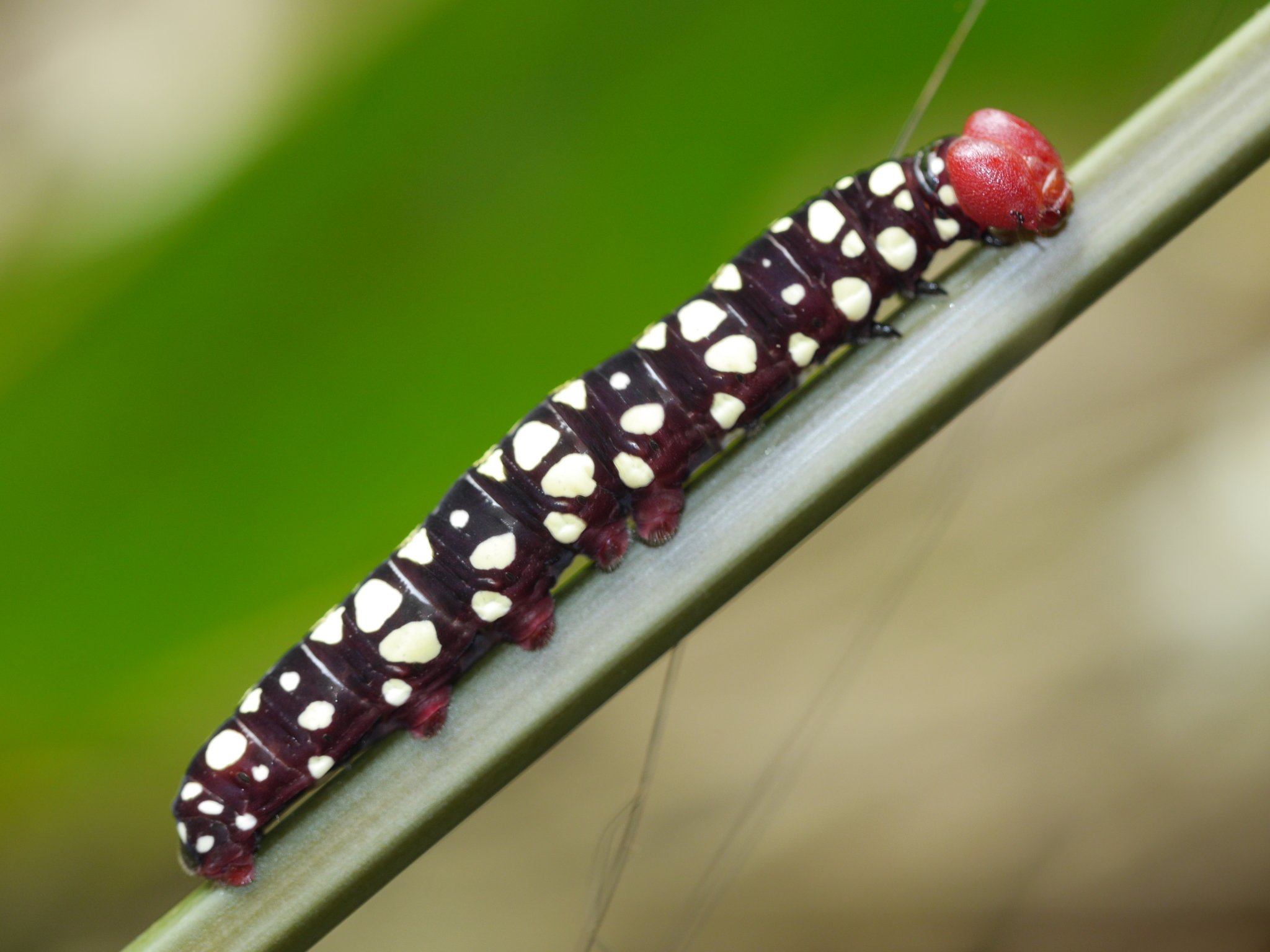
“Butterflies and other insects form an important part of the Congo rainforest’s biodiversity.”
Butterflies and insects provide another specialist dimension of a Congo Rainforest Safari. These organisms occupy many different rainforest habitats and can be particularly interesting for travelers interested in macro photography and natural history.
Recent African Parks research highlights Odzala-Kokoua as an exceptionally important butterfly habitat, with nearly 700 butterfly species recorded in the park.
Forest edges, clearings, vegetation and damp areas can all reveal different insect communities.
Night Forest Experiences
Where officially offered, nighttime forest activities can reveal species that are difficult to encounter during daylight.
African Parks’ biodiversity work at Odzala has included night-vision cameras and other monitoring techniques for detecting nocturnal wildlife. The park’s biodiversity surveys have also used night observations to investigate elusive species.
Night activities should always be conducted under authorized guidance and according to the rules of the protected area.
Conservation and Wildlife Research Experiences
One of the most valuable Congo Rainforest Safari experiences is learning how the forest is studied and protected.
Odzala-Kokoua uses camera traps, surveys, time-lapse monitoring and other research methods to study wildlife populations and habitat use.
Travelers who learn about this work gain a better understanding of why protected areas require scientific monitoring alongside tourism.
Learning About Gorilla Conservation
Gorilla tourism in the Congo rainforest is closely connected with conservation research.
African Parks reports that gorilla habituation work helps researchers study gorilla behaviour and spatial use while supporting targeted conservation and protection strategies.
This makes gorilla trekking more than a wildlife encounter. It is connected to a broader conservation programme designed to protect one of the Congo Basin’s most important great apes.
Community-Based Forest Experiences
Communities surrounding rainforest protected areas are important to the long-term success of conservation.
African Parks describes local eco-guide programmes at Odzala that provide visitors with guided forest experiences while creating employment and building local conservation capacity.
For visitors, these experiences can provide a broader understanding of how people and protected forests are connected.
Eco-Guided Rainforest Exploration

“Odzala’s biodiversity extends beyond primates and elephants to include forest buffalo and other rainforest wildlife.”
Local eco-guides can add substantial depth to a Congo Rainforest Safari. Their knowledge of forest trails, wildlife signs, plants and local conditions can help visitors notice details that would otherwise be overlooked.
Guided forest walks can reveal wildlife tracks, microorganisms, vegetation and traditional uses of plants while helping visitors understand the relationship between local communities and the protected landscape.
Forest Ecology Interpretation
The rainforest is an interconnected ecosystem. A Congo Rainforest Safari provides an opportunity to understand how different species influence one another.
Gorillas contribute to seed dispersal. Elephants influence vegetation patterns. Birds transport seeds between habitats. Insects contribute to pollination and decomposition.
A knowledgeable guide can connect these individual observations to the larger ecological processes that sustain the Congo Basin.
Wildlife Observation at Natural Clearings
Natural forest clearings provide an important contrast to the dense vegetation surrounding them.
African Parks explains that bais provide places where forest elephants can access minerals and vegetation and socialize. Moba Pool has also been studied with time-lapse cameras to understand wildlife use and potential tourism impacts.
For visitors, these clearings can create some of the best opportunities to observe large rainforest mammals without following them continuously through dense vegetation.
Combining Walking and Boating
Combining walking and boating creates a more varied Congo Rainforest Safari.
Walking reveals the forest floor, animal tracks, vegetation and smaller wildlife. Boating introduces river systems, aquatic habitats and forest edges from a completely different viewpoint.
The two activities complement each other and help travelers understand how animals use different parts of the rainforest ecosystem.
Combining Gorilla Tracking With Wildlife Viewing
A safari focused on western lowland gorillas can still include many other experiences.
Forest elephant watching, birdwatching, nature walks, bai observation and boating can all be incorporated into a wider itinerary depending on the destination and current operating arrangements.
This variety also means that the safari remains rewarding even when wildlife behaves unpredictably. Rainforest animals do not appear on demand, so having several different activities makes the experience more comprehensive.
Combining Congo With Uganda and Rwanda
Some travelers choose to combine a Congo Rainforest Safari with primate and forest experiences in Uganda or Rwanda.
Uganda and Rwanda offer different rainforest and primate environments, while Congo provides a distinctive Congo Basin experience centred on western lowland gorillas, forest elephants, bais, rivers and extensive tropical forest.
For travelers interested in a broader adventure itinerary, gorilla rafting experiences demonstrate how primate trekking can be combined with other African adventure activities.
Rainforest Walking Versus Traditional Game Drives
A Congo Rainforest Safari requires different expectations from an open-country game drive.
In a savannah, visitors may scan large distances from a vehicle. In rainforest, visibility is restricted by vegetation, making tracking, listening and patient observation more important.
You may hear a primate before seeing it. You may find its tracks without seeing the animal. You may spend an extended period quietly observing a natural clearing.
This slower approach is one of the defining characteristics of rainforest safari tourism.
Physical Requirements for Congo Rainforest Activities
Several Congo Rainforest Safari activities can involve substantial walking. Forest trails may be muddy, uneven or obstructed by vegetation, while gorilla tracking can require extended walking depending on animal movements.
Travelers should consider their comfort with humid tropical conditions and discuss mobility requirements with their safari operator before selecting activities.
Boat excursions and stationary wildlife observation can provide useful variety for travelers who prefer not to undertake long walks every day.
Rainforest Weather and Trail Conditions
Rainforest conditions can change quickly. Rain may make trails muddy and slippery while also influencing river conditions and wildlife activity.
Travelers should be prepared for wet conditions and protect cameras and electronic equipment from moisture.
Rain should not necessarily be considered a disadvantage. Wet conditions can create atmospheric landscapes, enhance forest sounds and make the rainforest feel even more immersive.
How Guides Improve the Experience
Guides and trackers are essential to many Congo Rainforest Safari activities.
Their knowledge helps visitors understand animal calls, footprints, feeding signs, nesting sites and changes in vegetation.
At Odzala, gorilla trackers and researchers spend considerable time moving through dense vegetation while monitoring habituated groups. Their work contributes to both tourism and scientific understanding of the species.
Photography at Bais

“Forest elephants can provide exceptional wildlife photography opportunities around natural clearings.”
Natural forest clearings can provide some of the strongest wildlife photography opportunities in the Congo rainforest.
Moba Pool and other bais provide open areas where wildlife can emerge from surrounding forest. Camera-based research at Moba Pool has also helped researchers understand how elephants use these clearings.
Photographers should still follow guide instructions and maintain appropriate distances from wildlife.
Best Congo Rainforest Safari Activity for Birdwatchers
Birdwatchers should prioritize destinations with intact forest, rivers, clearings and experienced guides.
Odzala-Kokoua is particularly attractive because more than 440 bird species have been recorded in the park.
Repeated outings are useful because rainforest birds can be difficult to locate and weather conditions can influence their activity.
Best Congo Rainforest Safari Activity for Wildlife Photographers
Wildlife photographers can benefit from combining gorilla tracking, bai observation, boat trips and forest walks.
Gorilla tracking provides opportunities for behavioural photography, bais can offer clearer views of large mammals, and boat excursions can provide broader rainforest landscapes.
Forest walks can also reveal smaller photographic subjects including insects, fungi, plants and birds.
Best Congo Rainforest Safari Activity for Primate Enthusiasts
Travelers particularly interested in primates should consider combining gorilla tracking with chimpanzee experiences and general rainforest exploration.
Odzala supports western lowland gorillas and chimpanzees, while biodiversity monitoring has documented additional primate species.
This makes the rainforest especially rewarding for travelers who want to study primates within their natural ecosystem rather than focusing on one species alone.
Best Congo Rainforest Safari Activity for First-Time Visitors
For a first-time visitor, a combination of guided rainforest walking, boating and wildlife observation provides an excellent introduction to the Congo Basin.
Forest walks introduce the structure of the ecosystem, boat trips reveal its waterways and bai observation demonstrates how large mammals use natural forest clearings.
If gorilla tracking is available at the selected destination, it can then become the central wildlife experience.
Best Congo Rainforest Safari Activity for Conservation Enthusiasts
Conservation-focused travelers should consider activities that reveal how protected areas are managed.
Odzala uses scientific monitoring, camera traps, wildlife surveys and research programmes to understand its biodiversity.
The park also connects conservation with local employment and community development, making it possible to understand the relationship between tourism, livelihoods and wildlife protection.
Why Congo Rainforest Safari Experiences Are Unique
The defining feature of Congo Rainforest Safari experiences is immersion.
The rainforest itself becomes part of the attraction. Walking through dense vegetation, listening for primates, following animal signs, travelling along waterways and observing elephants at natural clearings all provide different ways of experiencing the same ecosystem.
This makes a Congo Rainforest Safari particularly suitable for travelers who want a deeper wildlife experience rather than a conventional game-drive holiday.
Planning a Multi-Activity Congo Rainforest Safari

“Odzala-Kokoua National Park forms a major protected landscape within the Congo Basin.”
The best itinerary should begin with the wildlife and activities that matter most to you.
Travelers primarily interested in western lowland gorillas should investigate Odzala-Kokoua and its current gorilla tourism arrangements. Those interested in eastern lowland gorillas should research Kahuzi-Biega separately.
Next, consider the balance between active and slower experiences. A safari that alternates forest walks with boating and bai observation can provide greater variety.
Birdwatchers should allocate dedicated time for birding, while photographers may benefit from additional time around waterways and natural clearings.
Most importantly, current park access, permits, activity availability and travel conditions should be confirmed before departure because safari operations can vary by destination and season.
Final Guide to Congo Rainforest Safari Activities and Experiences
Congo Rainforest Safari activities offer an exceptionally diverse way to experience Central Africa’s tropical forests. Western lowland gorilla tracking provides access to one of the Congo Basin’s most important great-ape habitats. Guided forest walks reveal animal signs and smaller biodiversity. Boating provides a different perspective of rainforest waterways, while bai observation can create opportunities to see forest elephants and gorillas in relatively open surroundings.
Birdwatching, photography, insect observation, conservation research and community-based experiences add further depth. Odzala-Kokoua’s documented biodiversity includes western lowland gorillas, chimpanzees, forest elephants, antelope and more than 440 bird species.
The most rewarding Congo Rainforest Safari is therefore not necessarily the itinerary with the largest number of activities. It is the itinerary that provides enough time to experience the forest slowly, responsibly and with knowledgeable guides.
Whether the main interest is gorilla trekking, chimpanzee tracking, forest elephant watching, birding, boating, photography, nature walks or conservation, the Congo rainforest provides opportunities to build a highly immersive wildlife journey.
A Congo Rainforest Safari ultimately combines wildlife, forest exploration, scientific discovery and conservation. Its greatest strength is the opportunity to experience the rainforest as a living ecosystem rather than simply as a backdrop for wildlife viewing.
Best Time for a Congo Rainforest Safari
The best time for a Congo Rainforest Safari depends on the exact rainforest destination, the wildlife experience you want, and how comfortable you are with rain, humidity, muddy trails and changing forest conditions. Unlike a conventional savannah safari where a particular dry season may dominate the planning calendar, the Congo rainforest remains biologically active throughout the year.
For travelers planning a Congo Rainforest Safari in Odzala-Kokoua National Park in the Republic of Congo, the official Visit Odzala information identifies January and February and the period from June to September as prime periods for wildlife viewing. The same source notes that rainfall is more prevalent from mid-March to May and from October to mid-December, when the forest becomes especially lush and birdlife can be vibrant.

“Wildlife in a wetland clearing at Odzala-Kokoua illustrates why different seasons can produce different Congo Rainforest Safari experiences.”
For a Congo Rainforest Safari focused on western lowland gorillas, forest elephants, bais, chimpanzees, birdwatching, forest walks and photography, the dry-season periods can offer more manageable trail conditions and strong wildlife-viewing opportunities. However, the wetter months should not automatically be dismissed because rain is part of the rainforest ecosystem and can produce exceptionally green landscapes, active waterways and rewarding natural-history experiences.
Travelers comparing rainforest trekking seasons in East Africa can also read about chimpanzee trekking as a useful comparison when planning a broader primate itinerary.
What Is the Best Month for a Congo Rainforest Safari?
There is no single month that can accurately be described as the best month for every Congo Rainforest Safari. The answer changes according to the park, wildlife objective and activity.
For Odzala-Kokoua National Park, January and February and June through September are identified by Visit Odzala as prime periods for wildlife viewing. This makes these periods particularly useful for travelers whose primary goal is to maximize opportunities for wildlife observation while undertaking rainforest activities.
June, July and August are particularly attractive for travelers who want to combine gorilla tracking, forest walks, bai observation, birdwatching and other outdoor activities during a relatively drier period. September can also be useful because it falls within the June-to-September period identified as prime for wildlife viewing.
January and February provide another important window. They occur outside the longer mid-March-to-May wet period identified by Visit Odzala, making them useful months for travelers who cannot travel during the middle of the year.
Best Time for a Congo Rainforest Safari in Odzala-Kokoua
Odzala-Kokoua is one of the most important destinations to consider when researching the best time for a Congo Rainforest Safari in the Republic of Congo. Visit Odzala describes January and February and June to September as prime wildlife-viewing periods. The park’s combination of rainforest, wetlands, rivers, savannah-forest landscapes and bais means seasonal conditions can influence how visitors experience different habitats.
A Congo Rainforest Safari in Odzala during the drier periods can be particularly appealing to travelers who want to spend substantial time walking. Less rainfall can make forest trails more manageable, although rainforest conditions should never be expected to become completely dry.
The park remains a rainforest environment, so visitors should be prepared for humidity, damp vegetation and changing weather regardless of their travel month.

“Forest elephants beside a waterway demonstrate the importance of rivers and wetlands within the Congo rainforest ecosystem.”
Best Time for Gorilla Trekking in the Congo Rainforest
For travelers planning a Congo Rainforest Safari specifically around western lowland gorillas, the June-to-September period is an important option because it falls within the prime wildlife-viewing period identified for Odzala-Kokoua. January and February provide another favorable window according to the park’s official visitor information.
Gorilla tracking remains a rainforest activity rather than a conventional game drive. Even during a relatively dry period, visitors should expect dense vegetation, uneven terrain and the possibility of wet ground.
The location of gorilla groups can also influence the difficulty and duration of a particular tracking experience. Consequently, choosing the right season improves general trekking conditions but does not guarantee a particular encounter or eliminate the unpredictability of wild animals.
Travelers interested in comparing rainforest walking conditions can also explore gorilla walking experiences in Uganda.
Best Time for Western Lowland Gorilla Experiences
Western lowland gorillas are one of the major attractions associated with a Congo Rainforest Safari in Odzala-Kokoua. The best season for visitors interested in them should therefore be considered together with the broader wildlife-viewing calendar of the park.
January and February and June through September are currently the clearest periods identified by Visit Odzala for prime wildlife viewing.
However, travelers should distinguish between the probability of favorable general conditions and the behavior of individual gorilla groups. Rainforest wildlife does not follow a tourism schedule, and the exact location of animals can change from day to day.
Best Time for Forest Elephant Viewing
Forest elephant viewing is another important consideration when choosing the best time for a Congo Rainforest Safari. Odzala-Kokoua contains natural forest clearings, commonly called bais, where large mammals can be observed in more open surroundings.
The official Visit Odzala information places January and February and June through September within the prime wildlife-viewing period.
For visitors hoping to observe forest elephants, the value of these periods is not simply the absence of rain. The combination of forest, wetlands, waterways and open clearings creates different wildlife-viewing opportunities throughout the park.
Wildlife movement remains unpredictable, however, so no responsible safari operator should promise a particular elephant sighting for a particular date.
Best Time for Bai Wildlife Viewing
Bai observation is one of the experiences that makes a Congo Rainforest Safari different from a traditional savannah safari. Instead of continuously driving across open grassland, travelers can spend time quietly observing natural forest clearings where wildlife may emerge from surrounding vegetation.
Dry-season travel can make access to forest areas more convenient, while wet-season conditions can transform the surrounding vegetation and waterlogged areas. Both conditions can be valuable for wildlife enthusiasts, photographers and naturalists.
Travelers who want to spend significant time around bais should therefore consider both weather conditions and the current operating arrangements of the specific camp or park programme.
Best Time for Chimpanzee Experiences
Chimpanzee experiences can also form part of a broader Congo Rainforest Safari. Chimpanzees inhabit forest environments where visibility is naturally limited by vegetation, so the quality of a safari depends on more than rainfall alone.
Dryer conditions can make walking trails easier, while wetter conditions can create a more intensely green rainforest environment. The exact experience depends on the location and the current wildlife movements.
There is therefore no basis in the current search results for claiming that one specific month guarantees superior chimpanzee sightings throughout the Congo Basin. Information not found in current search results for a single Congo-wide chimpanzee peak month.
For comparison with another great-ape destination, Uganda safari itineraries can combine chimpanzee trekking, gorilla trekking, wildlife viewing and boat activities.
Best Time for Birdwatching in the Congo Rainforest
Birdwatchers should think differently about the best time for a Congo Rainforest Safari. Rainfall can make conditions more difficult for walking, but wet periods can also produce lush vegetation and active forest habitats.
Visit Odzala specifically notes that the wetter periods bring lush landscapes and vibrant birdlife.
This means birdwatchers may find the wetter season attractive even when travelers focused primarily on comfortable trekking prefer the drier periods.
A serious birding itinerary should also allow enough time for repeated outings. Rainforest birds can remain concealed within dense foliage, and a single walk may provide only a limited sample of the park’s birdlife.
Best Time for Wildlife Photography
The best time for wildlife photography depends on the photographic subjects you want to capture. A Congo Rainforest Safari during a relatively dry period can provide easier movement between locations, while wet conditions can create dramatic forest atmosphere, reflections, mist and saturated vegetation.
Forest elephants photographed near waterways can produce particularly strong environmental images. Wildlife clearings can also provide more open sightlines than dense rainforest.
Photographers should therefore avoid choosing their travel dates solely according to the idea that dry weather is always better. The rainforest’s visual character changes with moisture, light and vegetation conditions.

“Forest elephant photography can reveal the close relationship between wildlife and dense Congo Basin rainforest habitat.”
Best Time for Rainforest Walking
For travelers who place guided rainforest walks at the center of their Congo Rainforest Safari, the relatively drier periods are generally the most practical choice. June through September is particularly useful because it is identified by Visit Odzala as a prime wildlife-viewing period. January and February are another favorable period in the official visitor guidance.
Rainforest walking remains possible during wetter months, but heavy rainfall can produce muddy trails, wet vegetation and more difficult footing.
Travelers who enjoy wilderness exploration may nevertheless find wet-season walking rewarding because the forest can feel especially vibrant and atmospheric after rainfall.
Best Time for Boat Safaris in the Congo Rainforest
Boat activities should be considered separately from hiking because waterways respond differently to seasonal rainfall.
A Congo Rainforest Safari involving river travel can provide opportunities to see forest edges, birds, aquatic habitats and wildlife along riverbanks. Seasonal water levels can influence the character and accessibility of waterways, so travelers should confirm current conditions with the operator before departure.
The current search results do not establish one Congo-wide month as universally optimal for every boat route. Information not found in current search results for a single best month covering all Congo Basin boating activities.
Best Time for the Green Season
The wetter period is often described by safari travelers as a green season because rainfall maintains the lush appearance associated with tropical rainforest.
For Odzala-Kokoua, Visit Odzala identifies mid-March to May and October to mid-December as periods with more prevalent rainfall. The same source notes that these periods offer lush landscapes and vibrant birdlife.
This makes the green season particularly interesting for travelers whose priorities include rainforest scenery, vegetation, birdwatching, natural-history photography and a quieter atmosphere.
March to May Congo Rainforest Safari
March to May falls largely within one of the wetter periods identified for Odzala-Kokoua. Rain can become more significant, and travelers should expect wetter trails and a generally more humid forest environment.
For visitors who prioritize easy trekking, this may not be the first choice. For photographers and naturalists, however, the combination of lush vegetation, rainfall and active forest life can create a rewarding experience.
A traveler choosing this period should be comfortable with changing weather rather than expecting consistently dry conditions.
June to August Congo Rainforest Safari
June through August falls within the prime wildlife-viewing period identified by Visit Odzala and is one of the strongest periods to consider for a Congo Rainforest Safari focused on wildlife and outdoor activities.
These months are particularly suitable for travelers who want to combine gorilla experiences, forest walks, wildlife observation, birding and other activities without making rainfall the dominant feature of every day.
Visitors should still pack for wet tropical conditions because the Congo Basin is a rainforest and weather can change.
Travelers comparing dry-season primate trekking conditions can also review Rwanda gorilla seasons for a useful regional comparison.
September Congo Rainforest Safari
September remains within the June-to-September prime wildlife-viewing period identified by Visit Odzala.
It can therefore be considered when planning a Congo Rainforest Safari for wildlife observation, especially for travelers who want an alternative to the middle months of the year.
Because conditions can vary from one location to another, travelers should confirm current access, accommodation and activity arrangements before finalizing their dates.
October to November Congo Rainforest Safari
October and November fall within a wetter period for Odzala-Kokoua. Visit Odzala identifies October to mid-December as a period with more prevalent rainfall.
This makes these months less suitable for travelers whose only priority is the easiest possible trekking conditions, but they can appeal to travelers who value lush scenery, wet-season atmosphere and birdlife.
Travelers should allow flexibility in their itinerary because rain can affect road, trail and river conditions.
December Congo Rainforest Safari
December requires more careful consideration because conditions can change through the month. Visit Odzala identifies rainfall as more prevalent through mid-December, while January and February are identified as prime wildlife-viewing months.
Consequently, travelers choosing December should check the exact dates and current conditions rather than treating the entire month as a single weather category.
The latter part of December can also be useful for travelers who want to combine a Congo Rainforest Safari with a wider regional itinerary.
January Congo Rainforest Safari
January is one of the strongest months identified in the official Visit Odzala guidance because January and February are listed among the prime wildlife-viewing periods.
This makes January particularly attractive for travelers seeking a balance between wildlife viewing and rainforest exploration.
A January Congo Rainforest Safari can include gorilla experiences, forest walks, bai observation, birdwatching and boat-based activities depending on the destination and operating schedule.
February Congo Rainforest Safari
February is also identified as a prime wildlife-viewing period for Odzala-Kokoua.
Travelers who cannot travel between June and September should therefore consider February as an important alternative when planning a Congo Rainforest Safari in Odzala.
As always, favorable seasonal conditions do not guarantee particular wildlife sightings. The forest remains a dynamic ecosystem in which animal movements change naturally.
Dry Season Versus Wet Season for a Congo Rainforest Safari
The dry-season versus wet-season decision should be based on the type of experience you want rather than a simple assumption that one season is universally superior.
The relatively drier periods are useful for travelers prioritizing walking conditions, general wildlife viewing and outdoor activities. The wetter periods are attractive to travelers who value lush scenery, vibrant forest conditions and birdlife.
Visit Odzala’s current visitor information supports this distinction by identifying January and February and June through September as prime wildlife-viewing periods while describing mid-March to May and October to mid-December as wetter periods associated with lush landscapes and vibrant birdlife.
Best Time for Travelers Who Want Fewer Visitors
Visitor numbers can influence the atmosphere of a Congo Rainforest Safari, but current search results do not provide sufficiently reliable month-by-month visitor statistics for Odzala-Kokoua to identify a specific quietest month with confidence.
Information not found in current search results for verified monthly visitor-volume figures for the entire park.
Instead of choosing a date solely because it is marketed as a low-season period, travelers should compare current lodge availability, park access and activity schedules for their intended dates.
Best Time for a Budget Congo Rainforest Safari
The cost of a Congo Rainforest Safari depends on the accommodation, transportation, permits, park arrangements, itinerary length and operator. A general claim that a particular month is always the cheapest would therefore be unreliable without current pricing from the specific operator or lodge.
Information not found in current search results for a verified Congo-wide monthly price calendar.
Travelers seeking better value should compare complete safari quotations for alternative travel dates rather than assuming that every wet-season date will automatically be cheaper.
Best Time for First-Time Congo Rainforest Safari Travelers
First-time visitors who are unfamiliar with equatorial rainforest conditions may find the relatively drier wildlife-viewing periods easier to manage.
June through September and January through February are the clearest periods to consider for an Odzala-focused itinerary because these periods are identified by Visit Odzala as prime for wildlife viewing.
These periods can make it easier to combine multiple activities without placing the entire itinerary around heavy rainfall.
Best Time for Experienced Rainforest Travelers
Experienced rainforest travelers may be more willing to choose wetter periods because they may appreciate the ecological changes produced by rainfall.
The wetter months can provide exceptionally green landscapes and strong birdlife, according to Visit Odzala.
For someone primarily interested in rainforest ecology rather than a checklist of large mammals, these seasonal conditions can be part of the attraction rather than an inconvenience.
Best Time for a Congo Rainforest Safari and Uganda Combination
Travelers combining a Congo Rainforest Safari with Uganda should consider the weather patterns and activity priorities of both destinations rather than choosing dates exclusively for one country.
Uganda’s dry periods are commonly used for gorilla and chimpanzee trekking, while the Congo rainforest has its own seasonal patterns. The exact itinerary should therefore be built around the destinations that are most important to the traveler.
A combined primate itinerary can include Congo rainforest experiences alongside Ugandan gorilla and chimpanzee experiences, but travel logistics, border requirements and current park access must be confirmed before departure.
For a broader comparison, gorilla trekking across Uganda and Rwanda demonstrates how different forest destinations can be combined into one regional itinerary.
Best Time for a Congo Rainforest Safari and Rwanda Combination
Rwanda can also be incorporated into a wider Central and East African primate itinerary. The best dates should be selected by considering the Congo rainforest activities first and then matching them with the preferred Rwanda experiences.
Rwanda’s gorilla trekking and Nyungwe forest experiences can complement a Congo itinerary because they provide different forest environments and wildlife experiences.
Travelers should not assume that weather conditions in Rwanda and the Congo are identical simply because both destinations contain tropical forests. Their geography, elevation and local climate patterns differ.
Best Time for a Congo Rainforest Safari for Primate Enthusiasts
Primate enthusiasts should consider a season that provides comfortable conditions for repeated forest outings. Gorilla tracking, chimpanzee observation and general primate searches can all involve extended periods on foot.
The June-to-September and January-February periods are particularly relevant for an Odzala itinerary because they are identified as prime wildlife-viewing periods.
However, primate sightings remain dependent on natural animal movements, forest visibility and the expertise of local guides and trackers.
Travelers interested in another Congo primate experience can compare Congo primates when considering a broader regional itinerary.
Best Time for Birdwatchers and Naturalists
Birdwatchers and naturalists may have a broader definition of the best time for a Congo Rainforest Safari than travelers focused exclusively on large mammals.
The official Visit Odzala information specifically associates the wetter periods with lush landscapes and vibrant birdlife.
This means that March to May and October to mid-December should not automatically be excluded from a specialist nature itinerary.
A naturalist may actually prefer seeing the forest under wetter conditions because the rainforest’s vegetation, waterways and smaller organisms become central to the experience.
Best Time for Photographers Who Want Green Rainforest Landscapes
Photographers seeking intense green vegetation may find wetter conditions visually appealing. Rain can deepen the appearance of foliage, create reflections and add atmospheric conditions to rainforest landscapes.
Photographers should nevertheless protect cameras, lenses, memory cards and other electronic equipment against moisture. Waterproof protection becomes especially important during a wet-season Congo Rainforest Safari.
Those focused on wildlife portraits may prefer a period with easier movement and clearer access, while landscape photographers may deliberately choose wetter conditions.
How Rain Affects a Congo Rainforest Safari
Rain does not stop the rainforest from functioning. Instead, it is one of the fundamental forces shaping the ecosystem.
For travelers, the practical effects can include muddy trails, wet clothing, slippery surfaces and changes in road or river conditions. Walking may require more patience and appropriate footwear.
Rain can also create memorable experiences. The sound of rainfall beneath the canopy, mist around vegetation and the fresh appearance of the forest can make a wet-weather safari particularly atmospheric.
How Dry Conditions Affect a Congo Rainforest Safari
Drier conditions generally make walking and movement through forest environments more comfortable. This is one reason the drier wildlife-viewing periods can be attractive for first-time visitors and travelers planning several activities.
Nevertheless, a dry period does not mean that the Congo rainforest becomes dry in the same way as a savannah ecosystem. Humidity, damp vegetation and tropical showers remain possible.
The correct expectation is therefore relatively easier conditions rather than completely dry weather.
How to Choose Your Congo Rainforest Safari Dates
The first step is to identify the main reason for your trip. If western lowland gorillas are the priority, begin with the available gorilla experience and then select suitable travel dates. If birdwatching and rainforest ecology are more important, the wetter period may become more attractive.
If walking comfort is your highest priority, consider the prime wildlife-viewing periods identified by Visit Odzala. If lush scenery and birdlife are more important, consider the wetter periods while accepting more challenging trail conditions.
The second step is to confirm the current operating schedule of your chosen lodge, camp and activity provider. This is particularly important because safari logistics in remote rainforest destinations can change according to access, conservation operations and local conditions.
What to Pack for the Best Time of Year
Regardless of when you travel, a Congo Rainforest Safari requires preparation for tropical conditions. Lightweight clothing, appropriate walking footwear, rain protection and protection for photographic equipment are important considerations.
Travelers visiting during wetter periods should place particular emphasis on waterproof protection and clothing that can dry efficiently. Those visiting during relatively drier periods should still carry rain protection because equatorial rainforest weather can change.
The exact packing requirements should be confirmed with the safari operator because activity arrangements and accommodation conditions vary between destinations.
Does the Rainy Season Ruin a Congo Rainforest Safari?
No. Rainy-season travel should not automatically be described as a poor Congo Rainforest Safari experience.
The wetter season changes the character of the trip rather than eliminating its value. Forest landscapes can become exceptionally lush, birdlife can be rewarding, and the atmosphere of the rainforest can become even more immersive.
The main trade-off is that wetter conditions can make walking and transportation more demanding. Travelers should therefore select the season according to their priorities and tolerance for wet conditions.
Is the Dry Season Always the Best Time?
No. The dry season is often the practical choice for travelers prioritizing easier trekking and general wildlife viewing, but it is not automatically the best choice for every traveler.
A photographer seeking wet forest atmosphere, a birder interested in vibrant birdlife or a naturalist interested in seasonal ecological changes may deliberately prefer wetter conditions.
The best time for a Congo Rainforest Safari is therefore the period that best matches the experience you want rather than a universal date that applies to everyone.
Best Time for a Multi-Activity Congo Rainforest Safari
For travelers wanting gorilla tracking, forest walks, birdwatching, bai observation, boating and wildlife photography in the same itinerary, the prime wildlife-viewing periods identified by Visit Odzala provide a strong starting point. January and February and June through September are currently identified as prime wildlife-viewing periods.
A multi-activity itinerary benefits from relatively manageable conditions because the traveler is not relying on a single activity. If rain affects walking on one day, other experiences may still provide opportunities depending on the destination’s operating arrangements.
This flexibility is one of the best ways to approach a Congo Rainforest Safari.
Best Time for Conservation-Focused Travelers
Conservation-focused travelers may find value in visiting at any time of year because rainforest conservation is a continuous process rather than a seasonal attraction.
Odzala-Kokoua is managed with a strong conservation focus, and Visit Odzala emphasizes that tourism supports communities, wildlife conservation and the long-term protection of wild areas.
The most appropriate travel period for a conservation enthusiast is therefore often determined by the research, wildlife and community experiences available during the planned visit.
Best Time for a First Congo Rainforest Safari
For someone visiting the Congo rainforest for the first time, January, February and June through September are the most straightforward periods to investigate for an Odzala-focused trip because they are identified as prime wildlife-viewing periods.
These periods provide a useful balance between wildlife opportunities and outdoor activity conditions. They also allow first-time visitors to experience several defining elements of the Congo rainforest without deliberately choosing the wettest periods.
Nevertheless, travelers should arrive with realistic expectations. The Congo rainforest is wild, dense and unpredictable, and wildlife sightings can never be guaranteed.
Best Time for a Congo Rainforest Safari: Month-by-Month Overview
January is a prime wildlife-viewing period in Odzala-Kokoua and is suitable for travelers seeking a relatively favorable balance of wildlife and outdoor activities.
February is also identified as a prime wildlife-viewing month and provides another strong option for a Congo Rainforest Safari in Odzala.
March marks the approach to the wetter period, with rainfall becoming more prevalent from mid-March according to Visit Odzala.
April generally falls within the wetter March-to-May period, making it more appropriate for travelers who appreciate lush rainforest conditions and can accept wetter trails.
May remains within the wetter period and can provide a particularly green rainforest environment, although travelers should prepare for rain and muddy conditions.
June begins the June-to-September prime wildlife-viewing period identified by Visit Odzala and is a strong month to consider for a Congo Rainforest Safari.
July falls within the prime wildlife-viewing period and is particularly suitable for travelers prioritizing wildlife observation and outdoor rainforest activities.
August also falls within the prime June-to-September period and can be considered one of the strongest periods for an Odzala-focused Congo Rainforest Safari.
September remains within the prime wildlife-viewing period and provides another useful option for travelers seeking favorable seasonal conditions.
October begins the wetter period identified by Visit Odzala, so travelers should expect more rainfall and potentially wetter trails.
November remains within the wetter period and can appeal to birdwatchers, photographers and travelers interested in lush rainforest scenery.
December is transitional, with more rainfall identified through mid-December and January and February subsequently entering the prime wildlife-viewing period.
Final Recommendation for the Best Time for a Congo Rainforest Safari
For travelers planning a Congo Rainforest Safari in Odzala-Kokoua National Park, the strongest starting point is January and February or June through September because Visit Odzala currently identifies these periods as prime for wildlife viewing.
June through September is especially attractive for travelers who want to combine gorilla tracking, forest walks, wildlife observation, birdwatching, bai visits and other outdoor experiences. January and February provide another important wildlife-viewing window.
Travelers should not, however, assume that the wetter months are unsuitable. Visit Odzala identifies mid-March to May and October to mid-December as wetter periods while also highlighting their lush landscapes and vibrant birdlife.
Ultimately, the best time for a Congo Rainforest Safari is determined by your priorities. Choose the relatively drier prime wildlife-viewing periods if comfortable trekking and broad wildlife viewing are your main goals. Consider the wetter months if your interests center on rainforest scenery, birdlife, photography and experiencing the ecosystem under lush conditions.
For a wider East and Central African itinerary, travelers can also compare Nyungwe canopy experiences, where rainforest exploration offers a different perspective on tropical forest biodiversity.
A well-planned Congo Rainforest Safari should therefore be based on the specific park, wildlife objectives, activity schedule and current travel conditions rather than a simple dry-season-versus-rainy-season rule. Checking current park information and confirming the operating arrangements before booking remains essential for choosing the most appropriate dates.
Congo Rainforest Safari Planning, Permits, Visas and Getting There
Planning a Congo Rainforest Safari requires more preparation than many conventional African safari holidays because the experience combines international travel, rainforest logistics, protected-area arrangements, internal transfers and destination-specific entry requirements. For travelers visiting the Republic of Congo specifically to explore Odzala-Kokoua National Park, the journey should normally be organized around the park’s access arrangements rather than treated as an independent self-drive trip.
“Odzala-Kokoua combines rainforest
Odzala-Kokoua National Park lies in the Republic of Congo and covers approximately 13,546 square kilometres. African Parks describes the park as a major Congo Basin biological hotspot containing swamp forest, savannah-forest landscapes, river systems, forest elephants, chimpanzees, western lowland gorillas, bongo, sitatunga, yellow-backed duikers and more than 440 bird species.
The most important distinction when planning a Congo Rainforest Safari is between the Republic of Congo and the Democratic Republic of Congo. Odzala-Kokoua is in the Republic of Congo, while Virunga National Park and Kahuzi-Biega National Park are in the Democratic Republic of Congo. Their visa procedures, border arrangements, permits, security situations and tourism logistics are different and should never be treated as interchangeable.
Travelers comparing regional primate journeys can also review Rwanda gorilla tracking information when considering a wider Central and East African itinerary.
Planning a Congo Rainforest Safari Around Odzala-Kokoua
For a Republic of Congo rainforest journey, Odzala-Kokoua should normally be treated as the principal planning destination. African Parks manages Odzala-Kokoua in partnership with the Government of the Republic of Congo through the Odzala-Kokoua-Lossi Foundation. The park’s tourism information also provides current guidance on accommodation, activities and access.
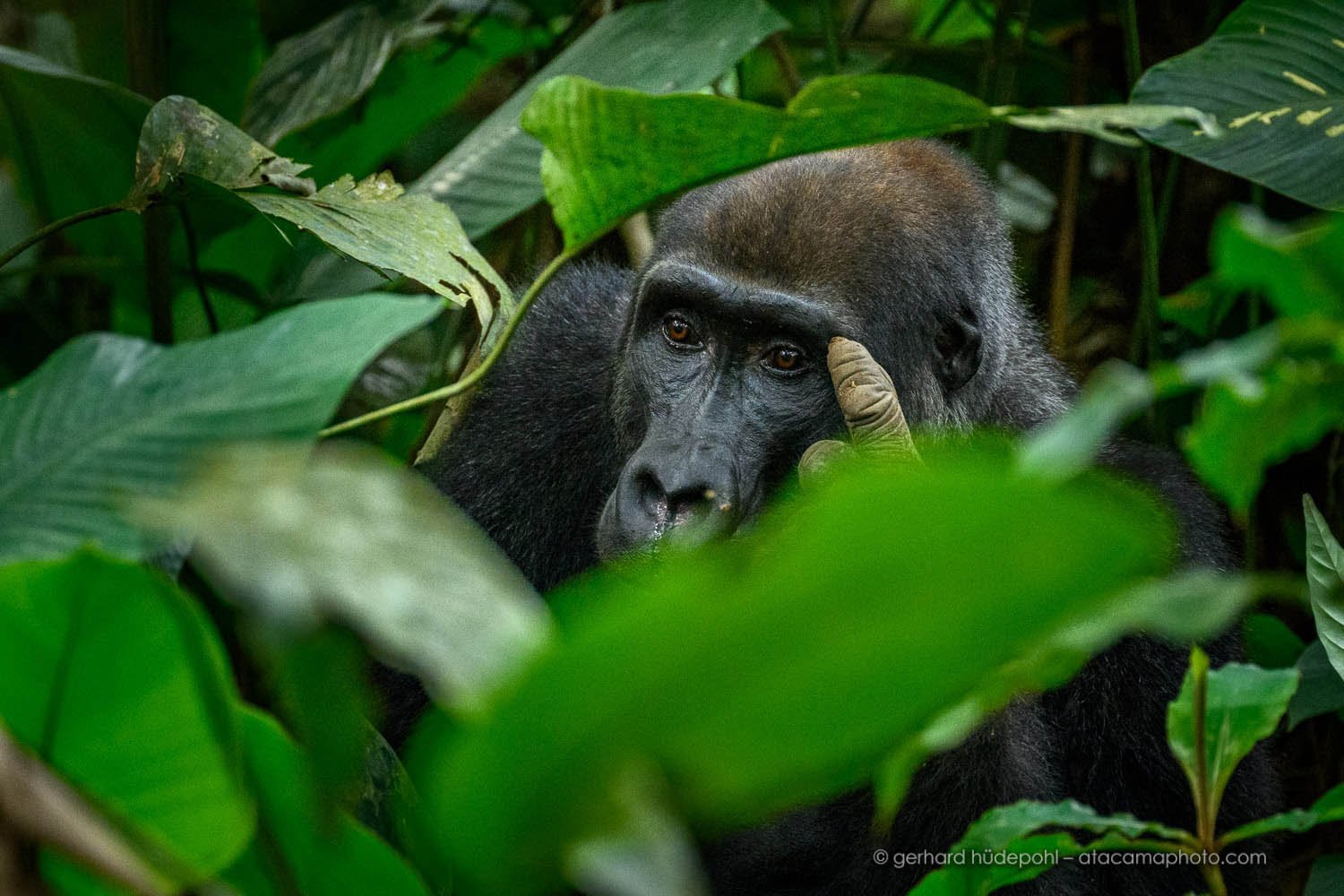
“Western lowland gorillas are among the principal wildlife attractions of Odzala-Kokoua.”
The park is remote compared with major urban tourism destinations. This means travelers should establish the safari operator, accommodation arrangements, internal transport and park access arrangements before beginning the international journey.
Useful preparation can include reviewing safari planning principles before finalizing an international rainforest itinerary.
Republic of Congo or Democratic Republic of Congo?
The wording “Congo safari” can refer to two different countries. The Republic of Congo is also called Congo-Brazzaville, while the Democratic Republic of Congo is commonly called the DRC or Congo-Kinshasa.
Odzala-Kokoua is in the Republic of Congo. Virunga National Park and Kahuzi-Biega National Park are in the Democratic Republic of Congo. This distinction is essential when researching visas, flights, permits and border crossings.
A traveler holding a reservation for Odzala should therefore not automatically research DRC visa procedures, just as a traveler visiting Virunga should not assume that Republic of Congo entry requirements apply.
When to Start Planning Your Congo Rainforest Safari
Because the journey involves remote rainforest logistics, planning should begin well before the intended departure date. The exact lead time depends on nationality, itinerary, accommodation availability, international flight schedules and the current operating arrangements of the selected safari.
Visa processing should be considered separately from safari booking. Travelers who require visas should verify the current procedure with the appropriate Republic of Congo diplomatic mission before travel.
Travelers who are also considering Uganda can compare gorilla permit planning procedures, although Republic of Congo and Uganda have separate immigration and protected-area systems.
Passport Requirements for the Republic of Congo
Passport requirements should be checked before paying for international travel. Travelers should confirm the current validity requirement with the diplomatic mission responsible for their nationality because entry rules can change.
A passport should also contain sufficient space for immigration stamps and should be in good physical condition. Airlines can apply document checks before boarding, so a traveler should not wait until arrival in Brazzaville to discover a documentation problem.
Republic of Congo Visa Requirements
Visa requirements depend on nationality and the purpose of travel. Travelers who require a visa should obtain and verify it before departure rather than assuming that a visa-on-arrival procedure will be available.
Because visa rules can change, the safest approach is to verify the requirement with the Republic of Congo diplomatic mission serving your country before submitting an application or purchasing non-refundable travel arrangements.
There is no single universal tourist-visa procedure that should be presented as applicable to every nationality. Visa procedures can differ according to nationality and circumstances.
Documents to Prepare for a Congo Rainforest Safari
A well-prepared traveler should keep passport and visa documentation together with confirmed travel arrangements, accommodation information, safari booking documentation and relevant vaccination certificates.
Digital copies should be stored securely in addition to physical copies. Important documents should remain accessible during international transfers because airlines, immigration officials and safari representatives may request them at different stages of the journey.
Travelers combining countries should also check the entry requirements of every country on the itinerary rather than assuming that a visa or vaccination document for one country automatically satisfies another country’s requirements.
Yellow Fever Requirements
Yellow fever documentation is particularly important when planning travel to the Republic of Congo. Travelers should verify the current vaccination-certificate requirements before departure, especially where the itinerary includes transit through additional countries.
The certificate and other health documentation should be checked with an appropriate health authority and the relevant immigration authorities before departure because international health requirements can change.
Polio Documentation and Health Entry Requirements
Travelers should also verify whether current Republic of Congo entry requirements include specific polio vaccination certification for their itinerary and nationality.
Health requirements can change in response to disease outbreaks and international public-health measures. For this reason, vaccination documentation should be checked close to departure rather than relying on information from an old safari itinerary.
Travel Insurance for a Congo Rainforest Safari
Travel insurance deserves particular attention when planning a remote rainforest journey. A policy should be checked for coverage relevant to international medical treatment, emergency assistance, evacuation, trip interruption and the activities included in the safari.
Travelers should also read exclusions carefully and review current government travel advice before purchasing a policy. Some insurance policies contain restrictions connected to official travel advisories.
The policy should therefore be selected after checking the current travel advisories for every country and region included in the itinerary.
How to Reach the Republic of Congo
International travelers normally need to arrange an international flight to the Republic of Congo before connecting with the internal logistics required for the rainforest journey. Brazzaville is particularly important for the organization of Odzala travel, while Ouesso provides an important access point for the park’s eastern side.
The current Visit Odzala information indicates that the park is approximately 800 kilometres from Brazzaville by road and about 200 kilometres from Ouesso. It also identifies charter flights between Brazzaville and Ouesso as one possible access option, while recommending a 4×4 for road travel through the Eastern Gate.
For travelers comparing regional routing options, Virunga National Park information can help illustrate how substantially Republic of Congo and DRC safari logistics differ.
Getting From Brazzaville Toward Odzala-Kokoua
The journey from the Republic of Congo’s capital toward Odzala-Kokoua involves a transition from an international urban gateway to a remote protected landscape. The precise transfer arrangements should be confirmed with the safari operator or current Odzala tourism representatives before travel.
Current Visit Odzala information identifies charter flights from Brazzaville to Ouesso as an access option and indicates that the Eastern Gate is approximately two hours by road from Ouesso.
Travelers should not assume that ordinary public transport can simply replace the organized transfers associated with a remote rainforest safari.
Why Organized Transfers Matter
A Congo Rainforest Safari is fundamentally different from a city-to-city holiday. Once travelers leave the major urban centres, roads, internal flights, park transfers and accommodation arrangements become part of one connected logistics system.
Missing one transfer can affect accommodation check-in, park activities and subsequent connections. For that reason, a professionally coordinated itinerary can substantially simplify the journey.
This is especially important for first-time visitors who are unfamiliar with the geography, transport infrastructure and operating arrangements of the Congo Basin.
Flights and Internal Connections
Internal transportation should be confirmed as part of the safari booking rather than assumed to be available after international arrival. Flight schedules and charter arrangements can change, and remote destinations may not have the same frequency of services as major African tourism hubs.
Travelers should ask for the complete transportation plan before departure, including the international arrival point, domestic or charter connections, road transfers and the final transfer into the rainforest area.
Allowing reasonable flexibility between connections is also sensible because remote travel can be affected by weather, operational changes and transport delays.
Odzala-Kokoua Accommodation and Access Planning
Accommodation should be selected according to the activities and access arrangements available for the dates of travel. Odzala’s tourism model is connected to conservation management and controlled access to the protected landscape.
Current Visit Odzala information lists Camp Imbalanga, Ngaga Lodge, Lango Lodge and Mboko Lodge among the accommodation options associated with the park. The different properties provide access to different combinations of rainforest, baïs, rivers, wildlife observation and gorilla experiences.
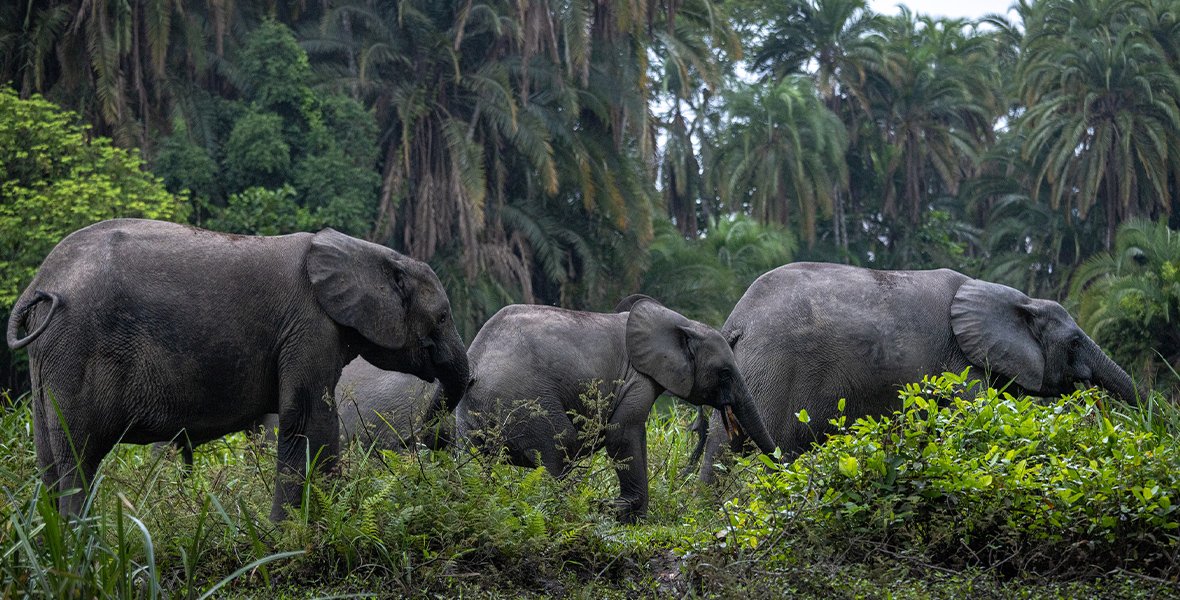
“Forest elephants are among the important wildlife species protected within Odzala-Kokoua.”
Accommodation planning is therefore part of the broader conservation and logistics structure rather than simply choosing a hotel based on price.
Do You Need a Gorilla Permit for Odzala?
Gorilla-related activities in the Republic of Congo should not be confused with the mountain-gorilla permit systems used in Uganda, Rwanda and Virunga National Park in the DRC.
Odzala-Kokoua has western lowland gorilla habituation and research programmes. African Parks describes habituation work as a long-term research and conservation process that can also support tourism and local economic benefits.
Because activity availability, visitor arrangements and fees can change, travelers should obtain the current gorilla activity requirements directly from the safari operator or current Odzala tourism representatives before making payment.
Planning Western Lowland Gorilla Experiences
If western lowland gorillas are the primary reason for your Congo Rainforest Safari, the gorilla component should be confirmed before international flights are finalized.
The safari operator should explain whether the selected itinerary includes gorilla tracking, habituation or another gorilla-focused activity, together with the current duration, group arrangements, access requirements and conservation rules.
Travelers interested in comparing gorilla experiences can also review gorilla habituation in Uganda, while remembering that the Ugandan experience concerns mountain gorillas rather than Odzala’s western lowland gorillas.
Planning for Rainforest Roads and Transfers
Road travel can be significantly different from travel between major African cities. Rainforest regions can contain muddy surfaces, uneven roads and sections where journey times are affected by weather.
Travelers should therefore avoid building an international itinerary around extremely tight connections. A buffer between major travel stages can provide protection against delays.
The safari operator should provide realistic transfer times rather than relying solely on distances shown on a conventional online map.
What to Pack for the Journey
Packing for a Congo Rainforest Safari should account for humid conditions, rain, forest walking and the need to protect electronic equipment from moisture. Lightweight clothing, appropriate walking footwear, rain protection and secure luggage are practical considerations.
Travelers should also pack their required travel documents, vaccination certificates and prescribed personal items in hand luggage rather than placing everything in checked baggage.
Photography equipment should be protected against humidity and rain. Waterproof bags or protective covers can be useful when moving between boats, vehicles and rainforest trails.
Money and Payment Preparation
Travelers should confirm payment arrangements with their safari operator before departure. Remote rainforest destinations may not offer the same access to banking services or card facilities available in major cities.
It is particularly important to understand which safari costs are prepaid and which expenses may need to be settled locally. These could include optional activities, personal purchases or other services depending on the itinerary.
Currency arrangements should be checked shortly before departure because exchange conditions and accepted payment methods can change.
Communications During a Congo Rainforest Safari
Mobile connectivity should not be assumed to work consistently throughout a remote rainforest itinerary. Travelers should ask the safari operator what communication arrangements are available at camps and during transfers.
Important family or emergency contacts should be shared with a trusted person before departure. Travelers should also retain the contact details of their safari operator and accommodation provider in an accessible format.
Safety and Current Travel Advice
Current travel advice should be checked before departure and again immediately before travel. Government travel advisories can identify restrictions affecting particular border areas or regions of the Republic of Congo.
This does not mean that every part of the Republic of Congo is subject to the same advisory level. Travelers should read the complete current advisory and identify whether any part of their planned route passes through a restricted area.
For a rainforest journey, the safest approach is to follow the route and operating arrangements confirmed by the responsible safari organization and to avoid independently entering restricted or unauthorized areas.
Planning a Congo Rainforest Safari From Uganda or Rwanda
Travelers already visiting East Africa sometimes consider adding a Congo rainforest experience to a wider regional itinerary. This can create a more diverse trip combining different ecosystems and primate experiences.
However, crossing international borders introduces additional immigration requirements. A traveler should establish exactly which countries are being visited and which passport, visa and vaccination requirements apply to each border crossing.
For comparison, Rwanda entry requirements illustrate why each country needs to be checked separately.
Combining Republic of Congo With Uganda
A Uganda and Republic of Congo itinerary can combine different rainforest environments and wildlife experiences, but the journey should be planned as a multi-country trip rather than as a single safari circuit.
Uganda provides mountain-gorilla, chimpanzee and savannah experiences, while Odzala provides access to the Congo Basin’s western lowland gorillas, forest elephants, baïs and extensive rainforest landscapes.
Travelers interested in Uganda’s gorilla logistics can review permit planning information as a comparison, while keeping the Republic of Congo’s separate requirements in mind.
Combining Republic of Congo With Rwanda
Rwanda can also be combined with a Republic of Congo rainforest itinerary, particularly for travelers interested in great apes and tropical forest ecosystems.
Such a journey requires separate immigration planning for each country and careful coordination of international and regional flights. The Republic of Congo and Rwanda do not share one universal tourist visa system simply because they are included in the same safari.
Travelers should therefore establish the entry requirements for their specific nationality before booking the complete itinerary.
Republic of Congo Visa Versus DRC Visa
The Republic of Congo and Democratic Republic of Congo have separate immigration systems. A visa for one should not be assumed to provide entry to the other.
Travelers planning to include the DRC should separately verify DRC visa requirements, passport-validity rules and any additional documentation applicable to their nationality.
These differences demonstrate why travelers must identify the exact Congo destination before beginning visa planning.
Permit Planning for Other Congo Rainforest Destinations
If your itinerary includes Kahuzi-Biega or Virunga instead of, or in addition to, Odzala-Kokoua, the permit and access arrangements need to be checked separately.
For example, Kahuzi-Biega is associated with eastern lowland gorilla trekking, while Virunga is associated with mountain gorilla trekking and other activities. These are different protected areas in the DRC and should not be grouped with Odzala’s western lowland gorilla tourism.
Relevant regional information is available through Odzala information, although current permits and operating conditions should always be reconfirmed before travel.
How Far in Advance Should You Book?
There is no single universal booking period that applies to every Congo Rainforest Safari. The appropriate lead time depends on the selected park, accommodation, gorilla activity, nationality, visa processing and available transportation.
For a complex international itinerary, earlier planning generally gives travelers more time to coordinate the individual components. This is particularly important when the trip depends on limited internal transport or a specific gorilla activity.
Do not make international flights the first and only reservation. Confirm that the rainforest component can actually operate on the dates selected before committing to a rigid itinerary.
What to Confirm Before Paying for a Congo Rainforest Safari
Before making final payment, travelers should have clear written information about the destination, accommodation, safari dates, included activities, transfers, international arrival arrangements and any permits or park-related fees included in the quotation.
The operator should also clarify which costs are excluded and what happens if transportation, weather or protected-area operating conditions cause a change to the itinerary.
For travelers comparing safari operators, reviewing their destination-specific experience can be more useful than relying solely on a generic safari package description.
Creating a Practical Congo Rainforest Safari Itinerary
A practical itinerary should allow enough time for international arrival, documentation checks, internal transfers and the rainforest experience itself.
A rushed itinerary can create unnecessary pressure because remote travel involves more moving parts than a conventional city holiday. A slower itinerary also provides more opportunities to enjoy forest walks, wildlife observation, boating and gorilla-related activities.
The itinerary should therefore prioritize reliability rather than trying to fit the maximum number of destinations into the shortest possible trip.
Final Congo Rainforest Safari Planning Checklist
A successful Congo Rainforest Safari begins with identifying the exact Congo destination. If the trip is centred on Odzala-Kokoua, the traveler is visiting the Republic of Congo and must follow Republic of Congo immigration requirements. If the itinerary includes Virunga or Kahuzi-Biega, the traveler is entering the Democratic Republic of Congo and must follow DRC requirements instead.
Passport validity, visa requirements, yellow fever documentation, polio documentation, travel insurance, international flights, internal transfers, accommodation and protected-area activities should all be confirmed before departure. Time-sensitive immigration, health and travel-advisory information should always be checked again shortly before departure.
African Parks and Visit Odzala identify Odzala-Kokoua as a major protected Congo Basin landscape managed through a partnership involving African Parks and the Government of the Republic of Congo.
The strongest approach is therefore to build the Congo Rainforest Safari around confirmed park arrangements, verified immigration requirements and coordinated transfers rather than attempting to improvise the remote portion of the journey after arrival.
Final Guide to Congo Rainforest Safari Planning, Permits, Visas and Getting There
Planning a Congo Rainforest Safari is ultimately a coordination exercise. The traveler must connect international flights with the correct Congo country, obtain the appropriate visa, carry the required health documentation, arrange rainforest transfers and confirm the activities available at the selected protected area.
For Odzala-Kokoua, the Republic of Congo is the destination country, and the park represents one of the major protected rainforest landscapes of the Congo Basin. African Parks describes Odzala as a 13,546-square-kilometre biological hotspot containing rainforest, swamp forest, savannah-forest landscapes and river systems.
The current Visit Odzala tourism information also identifies gorilla trekking, forest walks, baï viewing and boating among available experiences, while providing current guidance on access through Ouesso and Brazzaville.
The most important planning principle is to verify every time-sensitive component before departure. Visa rules, health requirements, flight schedules, park access, activity availability and travel advisories can change. Information that has not been independently confirmed for the traveler’s nationality and dates should not be presented as a fixed requirement.
With the documentation, transport, accommodation and protected-area arrangements confirmed in advance, a Congo Rainforest Safari can be approached as a carefully coordinated journey into one of Africa’s most important tropical forest ecosystems.
Constraints Loaded
Congo Rainforest Safari Cost, Packages and Accommodation
A Congo Rainforest Safari is one of Africa’s most specialized wildlife journeys, and its cost is shaped by factors that are very different from those of a conventional savannah safari. The remote location of the Congo Basin, limited accommodation infrastructure, internal charter flights, specialist guides, conservation fees, gorilla tracking arrangements and the need to move between different rainforest ecosystems all contribute to the overall price.
For travelers planning a Congo Rainforest Safari in the Republic of Congo, Odzala-Kokoua National Park is the principal destination to consider. The park covers approximately 13,546 square kilometres and contains rainforest, swamp forest, savannah-forest mosaics, rivers and natural forest clearings known as bais. It supports western lowland gorillas, chimpanzees, forest elephants, bongo, sitatunga, buffalo and more than 440 recorded bird species.
The accommodation system at Odzala is closely connected to the safari experience. Rather than choosing a hotel independently and making separate daily excursions, visitors commonly travel through a structured lodge circuit designed to expose them to different habitats. Current Kamba journeys use Ngaga Lodge, Lango Lodge and Mboko Lodge, with scheduled flights, accommodation, meals, guided activities and internal transfers incorporated into the journey rates.

“Ngaga Lodge provides access to western lowland gorilla experiences in the rainforest. Image source: Fodor’s Travel.”
Because prices can change between seasons and operating years, travelers should distinguish between historical Congo safari prices and current published rates. For 2026, published Kamba international journey rates provide a useful benchmark for understanding the cost of a professionally organized Odzala safari.
Travelers comparing accommodation standards in other African safari destinations can also review luxury safari accommodation tips when deciding how much comfort they want from a wildlife holiday.
How Much Does a Congo Rainforest Safari Cost?
The cost of a Congo Rainforest Safari varies according to itinerary length, accommodation, number of gorilla tracking activities, flights, group size, travel dates and inclusions. A short independent-style trip should not be compared directly with an all-inclusive Odzala lodge journey because the latter incorporates many services that would otherwise need to be purchased separately.
For 2026, Kamba’s published international rates list the seven-night Odzala Discovery at US$14,930 per adult sharing. The journey includes three nights at Ngaga Lodge, two nights at Lango Lodge and two nights at Mboko Lodge, together with two gorilla tracking permits.
The same published 2026 rates list the ten-night Odzala Odyssey at US$19,945 per adult sharing and the eleven-night Odzala Immersion at US$21,405 per adult sharing. The longer journeys provide additional nights in the rainforest and more opportunities for gorilla tracking and other wildlife experiences.
These figures should be treated as current published package benchmarks rather than universal Congo safari prices. Rates are subject to change, and different operators may structure their packages differently.
What Is Included in a Congo Rainforest Safari Package?
A major reason a Congo Rainforest Safari appears expensive is that the published package price can incorporate a large number of logistical services. Kamba’s 2026 journey information states that its packages include accommodation, guided activities, scheduled charter flights between Brazzaville and Odzala, internal road transfers, meals, drinks, laundry, Wi-Fi, park fees, community and conservation levies, medical evacuation coverage and specified arrival assistance.
The seven-night Odzala Discovery specifically includes two gorilla tracking permits and visits all three principal Kamba lodges in the Odzala area.
This means that comparing a Congo Rainforest Safari solely on its nightly accommodation rate can give a misleading impression. The package is effectively combining accommodation, transportation, guiding, wildlife activities, conservation-related charges and remote-area logistics into one journey.
What Is Usually Not Included?
International flights to and from Brazzaville are not included in Kamba’s published journey rates. Accommodation in Brazzaville is also excluded and can be arranged separately. The published terms also identify personal expenses, gratuities, some premium beverages and services not specifically listed in the journey inclusions as additional costs.
This distinction is important when preparing a realistic Congo Rainforest Safari budget. The advertised package price should therefore be combined with the cost of reaching Brazzaville, any required pre- or post-safari accommodation, travel insurance and personal spending.
Travelers developing a broader itinerary can also read first Uganda safari planning for a useful comparison of how accommodation, transport, activities and park-related expenses can be combined into an African safari budget.
2026 Congo Rainforest Safari Package Options
The seven-night Odzala Discovery is a useful option for travelers who want an introduction to the Congo Basin without committing to a very long rainforest expedition. The current journey uses three nights at Ngaga, two nights at Lango and two nights at Mboko and includes two gorilla tracking permits.
The ten-night Odzala Odyssey provides a deeper itinerary. Current Kamba information describes four nights at Ngaga, three nights at Lango and three nights at Mboko, with three gorilla tracking permits included. This structure gives travelers additional time in the different ecological zones of the park.
The eleven-night Odzala Immersion provides an even longer rainforest stay, with four nights at Ngaga, four nights at Lango and three nights at Mboko. The current 2026 published adult sharing rate is US$21,405, with three gorilla permits included.
Longer packages are not simply longer versions of the same activity. Additional nights create more opportunities for forest walks, bai observation, river experiences, birdwatching, wildlife photography, nocturnal activities and repeated gorilla tracking.
Odzala Discovery Seven-Night Package
The Odzala Discovery is designed as a compact introduction to the principal ecosystems associated with the Odzala experience. It begins with Ngaga, where western lowland gorilla tracking is a central attraction, continues to Lango for bai and wetland experiences and finishes at Mboko, where forest, savannah and river habitats meet.
The current itinerary includes three nights at Ngaga, two nights at Lango and two nights at Mboko, along with two gorilla tracking permits. Scheduled flights between Brazzaville and the Odzala area are included.
The 2026 adult sharing rate published by Kamba is US$14,930. A youth rate of US$10,785 applies to travelers aged 15 to 30 travelling with at least one parent, subject to the operator’s stated conditions.
Odzala Odyssey Ten-Night Package
The Odzala Odyssey is intended for travelers who want more time to explore the rainforest and its different habitats. The current journey includes four nights at Ngaga, three nights at Lango and three nights at Mboko, with three gorilla tracking permits.
The published 2026 adult sharing rate is US$19,945. The additional nights make this package particularly relevant for travelers who want to combine gorilla tracking with forest walks, bai exploration, river activities and extended wildlife observation rather than rushing through the destination.
Odzala Immersion Eleven-Night Package
The Odzala Immersion is the longest of the principal three Odzala journeys currently highlighted by Kamba. It provides four nights at Ngaga, four nights at Lango and three nights at Mboko, with three gorilla tracking permits included.
The 2026 published adult sharing rate is US$21,405. The longer stay can be particularly valuable for photographers, serious wildlife enthusiasts and travelers who want additional time to experience the forest without compressing every activity into a short itinerary.
Cost of Ngaga Lodge
Ngaga is one of the most important accommodation bases for a Congo Rainforest Safari focused on western lowland gorillas. The lodge is positioned in dense forest and is associated with gorilla tracking and research activities. Current Odzala information identifies Ngaga as the base for gorilla experiences.
The accommodation itself is part of the wildlife experience rather than simply a place to sleep. Elevated rooms and forest surroundings place visitors directly within the rainforest environment.
Because Ngaga is normally incorporated into a larger safari circuit, travelers should avoid assuming that its standalone accommodation rate represents the total cost of a Congo Rainforest Safari. Flights, transfers, guiding, activities, permits and other services form part of the wider package structure.
Cost of Lango Lodge
Lango Lodge is positioned around a natural bai and provides a different experience from Ngaga. The lodge overlooks a forest clearing where wildlife can gather, and its setting provides opportunities for wildlife observation from elevated areas.
Current Odzala information describes Lango as suspended above a bai where elephants, buffalo and other wildlife can feed, bathe and socialize.
Lango is also associated with walking, bai exploration and river-based activities. This makes it particularly useful for travelers who want the Congo Rainforest Safari to include more than primate trekking.
Cost of Mboko Lodge

“Mboko Lodge sits within the transition between rainforest
Mboko provides a different landscape from the deep forest environment around Ngaga. Current Odzala information describes the lodge as being positioned where savannah, forest and river habitats meet, with canvas-sided accommodation beneath the trees.
This makes Mboko particularly valuable within a multi-lodge Congo Rainforest Safari because the experience changes as the traveler moves through the park. River activities, forest walks and savannah-edge wildlife viewing complement the gorilla-focused experience at Ngaga.
The cost of staying at Mboko should therefore be considered as part of the complete journey rather than as an isolated room price.
Camp Imbalanga and Lower-Cost Accommodation Options

“Camp Imbalanga is a park-managed eco-tourism camp within the Odzala rainforest. Image source: Condé Nast Traveller.”
Camp Imbalanga provides an important alternative within the broader Odzala accommodation landscape. African Parks states that the camp opened in 2023 and consists of four tents on wooden platforms together with communal facilities. It was developed partly to promote domestic tourism and create benefits for surrounding communities.
The park’s current visitor information describes Camp Imbalanga as a tented eco-camp situated among the rainforest trees near Imbalanga Bai.
This makes Camp Imbalanga especially relevant for travelers researching a more accessible or community-oriented way to experience Odzala. It should not, however, be assumed to provide the same itinerary, inclusions or international package structure as the Kamba lodge circuit.
African Parks reported more than 500 bed-nights at Camp Imbalanga in 2024 and stated that the growth prompted an expansion planned for 2025.
Luxury Accommodation on a Congo Rainforest Safari
Luxury accommodation in the Congo rainforest is fundamentally different from a conventional luxury city hotel. The appeal comes from privacy, remoteness, architecture, location and immersion in the natural environment rather than from large buildings or extensive urban-style facilities.
Ngaga, Lango and Mboko are designed around the landscape. Elevated structures, wooden walkways, forest settings, bais and river environments allow accommodation to become part of the safari experience.
At Lango, for example, the lodge is positioned beside a bai, while Ngaga provides access to dense forest and western lowland gorilla tracking. Mboko introduces savannah and river habitats.
Why Congo Rainforest Accommodation Costs More
Remote rainforest accommodation requires substantially more logistical support than many conventional safari lodges. Food, fuel, equipment, staff and other supplies must reach remote areas, while guests also need transport between airstrips, camps, rivers and forest activity locations.
Odzala’s current journey system incorporates scheduled charter flights between Brazzaville and the park. The 2026 Kamba terms specify that these flights are included in the journey rates, which illustrates why a package price cannot be compared directly with an ordinary hotel room rate.
Conservation and community contributions are also integrated into the current package structure. Kamba identifies park fees and community and conservation levies among the inclusions in its published journeys.
Cost of Gorilla Tracking in a Congo Rainforest Safari
Western lowland gorilla tracking is one of the major factors influencing the cost of a Congo Rainforest Safari. Current Kamba journeys incorporate gorilla permits into their overall journey rates rather than presenting the experience as a simple standalone excursion.
The seven-night Odzala Discovery includes two gorilla tracking permits, while the ten-night Odzala Odyssey and eleven-night Odzala Immersion include three permits each under the published 2026 structure.
This structure allows travelers to compare the total cost of a safari rather than trying to calculate accommodation and gorilla permits independently.
Travelers comparing gorilla experiences elsewhere in the region can also review Congo gorilla experiences in the Democratic Republic of Congo, although these involve different parks, gorilla populations, logistics and tourism systems.
Cost of Transport on a Congo Rainforest Safari
Transport is one of the most significant components of a Congo Rainforest Safari budget. The remote location of Odzala means that visitors cannot simply arrive at the park and use ordinary public transport to reach each lodge.
Current Kamba journeys include scheduled flights between Brazzaville and the Odzala airstrip, together with road transfers within the park. The published schedule states that the flight between Brazzaville and Odzala takes approximately two hours.
Once inside the park, travelers may move between habitats by vehicle, on foot, by boat or through other guided transport depending on the itinerary.
International Flights and Brazzaville Costs
International airfare should be calculated separately from the Congo Rainforest Safari package. Current Kamba terms explicitly state that international flights to and from Brazzaville are not included.
Travelers may also need accommodation in Brazzaville before or after the rainforest journey. Kamba states that Brazzaville accommodation is not included in its journey rates and can be arranged separately.
The most accurate total budget therefore consists of the international airfare, Brazzaville accommodation and expenses, rainforest package, insurance and personal spending.
Single Supplement and Solo Congo Safari Cost
Published package rates are generally quoted per person sharing. Kamba’s 2026 terms state that rates are based on two guests sharing and that a 25 percent single surcharge may apply for guests requesting or requiring single accommodation.
This means that a solo traveler should not simply take the advertised per-person sharing price as the final cost. The accommodation structure and availability of single rooms should be confirmed when requesting a quotation.
Youth and Family Congo Rainforest Safari Rates
The current Kamba international rate structure provides a youth rate for travelers aged 15 to 30 who travel with at least one parent. The published 2026 terms state that the accommodation component receives a 50 percent discount for qualifying young adults, while flights, permits, transfers and other third-party costs are not discounted in the same way.
Families should therefore request a complete quotation rather than applying the youth discount to the entire package price themselves.
Best Package for Gorilla Enthusiasts
For travelers whose principal objective is western lowland gorilla tracking, the seven-night Odzala Discovery provides a compact option because it includes two gorilla tracking permits and three different lodge environments.
The ten-night and eleven-night journeys become more attractive when travelers want repeated forest experiences, additional gorilla tracking opportunities and more time for photography, birdwatching, river activities and wildlife observation.
Best Package for Wildlife Photographers
Wildlife photographers generally benefit from additional time because rainforest wildlife is less predictable than animals in open savannah habitats. A longer Congo Rainforest Safari provides more opportunities to revisit productive locations and work with changing light and wildlife behaviour.
The eleven-night Odzala Immersion provides four nights at Ngaga and four nights at Lango, followed by three nights at Mboko. This gives photographers considerably more time across forest, bai, wetland, river and savannah-edge environments.
Best Package for First-Time Visitors
A first-time visitor who wants a broad introduction to the Congo Basin may find the seven-night Odzala Discovery sufficient for an initial journey. It covers the three principal lodge environments and includes two gorilla tracking permits.
However, travelers making a once-in-a-lifetime journey and wanting a slower pace may prefer the ten-night or eleven-night options because the additional time reduces the pressure to fit every experience into a short itinerary.
Best Package for Deep Rainforest Exploration
The eleven-night Odzala Immersion is the strongest option among the three principal Kamba journeys for travelers prioritizing extended rainforest immersion. Its four nights at Ngaga and four nights at Lango allow additional time in deep forest and bai environments before the final three nights at Mboko.
Longer stays are particularly useful when the goal is not simply to collect wildlife sightings but to understand the ecological differences between the Congo Basin’s forests, wetlands, rivers and savannah-forest mosaics.
Accommodation and the Different Ecosystems of Odzala
The three principal lodges are strategically important because each provides access to a different part of the ecosystem.
Ngaga is associated with dense forest and western lowland gorilla tracking. Lango is associated with bai and wetland habitats, while Mboko is positioned at the intersection of savannah, forest and river environments.
This means that accommodation selection is effectively part of wildlife planning. Choosing a multi-lodge package provides access to more than simply different bedrooms.
Camp Design and Environmental Sustainability
Congo rainforest accommodation is increasingly designed to minimize its environmental footprint. Current descriptions of the Odzala camps emphasize elevated structures, locally sourced materials and designs that blend with the surrounding forest.
Current accommodation information also describes solar energy, composting systems and greywater recycling within the camp system.
Camp Imbalanga provides another example of this approach. African Parks states that its four tents are raised on wooden platforms and that much of the camp was constructed using locally and sustainably harvested timber.
What Makes Ngaga Lodge Special?
Ngaga is particularly important because it places travelers close to western lowland gorilla habitat. Current Odzala information describes the lodge as being hidden within dense forest and offering access to gorilla experiences in a habitat that remains relatively little disturbed.
The lodge therefore suits travelers who prioritize primates, rainforest immersion and conservation research over open savannah viewing.
What Makes Lango Lodge Special?
Lango’s defining feature is its relationship with the bai. The elevated accommodation provides a vantage point over the clearing, while surrounding wetlands, rivers and forest create opportunities for walking and water-based activities.
Current Odzala information describes Lango as suspended above a bai used by elephants, buffalo and other wildlife, while Kamba’s journey information includes Lango as the middle stage of the standard Odzala circuit.
What Makes Mboko Lodge Special?
Mboko provides a transition between rainforest, river and savannah landscapes. This gives the lodge a different atmosphere from Ngaga and Lango and makes it an important part of a complete Congo Rainforest Safari.
The current Odzala visitor information describes Mboko as being set at the intersection of savannah, forest and river, with spacious canvas-sided bungalows beneath the trees.
What to Expect From Meals and Drinks
Current Kamba journey rates include meals, snacks and selected beverages as part of the fully inclusive lodge experience. The 2026 rate documentation specifies meals, drinks and selected alcoholic beverages within the journey inclusions.
This arrangement is important in a remote rainforest environment because travelers are not relying on restaurants or shops near each lodge. Meals are planned as part of the safari operation.
Travelers should nevertheless check the current terms for specific beverage inclusions because premium wines, imported spirits and other special items may be charged separately.
Accommodation Standards and Comfort
The accommodation experience is designed to combine comfort with immersion. Rooms are generally integrated into the forest landscape rather than separated from nature by large conventional hotel structures.
Current accommodation descriptions identify en-suite facilities, hot showers, elevated structures and private spaces at the principal lodges.
The result is a style of luxury that emphasizes location, privacy and connection with the environment.
How to Reduce the Overall Congo Rainforest Safari Cost
The most effective way to manage the cost is to select the appropriate itinerary length rather than trying to remove essential logistical services from a remote safari. A shorter package can reduce accommodation, guiding and activity costs, while traveling with another person can avoid or reduce single supplements.
Travelers should also compare the complete package price rather than comparing room rates alone. A lower nightly rate may not be cheaper after adding flights, meals, transfers, activities, permits and conservation fees.
Booking early is also important because rainforest journeys have limited accommodation and scheduled transport capacity. The earlier a journey is planned, the more opportunity there may be to match preferred travel dates with available lodge space.
How to Budget for a Congo Rainforest Safari
A practical budget should be divided into several components: international flights to Brazzaville, Brazzaville accommodation, the rainforest package, insurance, personal expenses and any optional services not included in the package.
The rainforest package itself should then be evaluated according to its length and inclusions. For 2026, published Kamba adult sharing rates provide benchmarks of US$14,930 for seven nights, US$19,945 for ten nights and US$21,405 for eleven nights.
These figures demonstrate why Congo rainforest travel belongs in the premium safari category, but they also show how much logistical infrastructure is incorporated into the experience.
Travelers preparing equipment and clothing can also consult Uganda safari packing guide for regional rainforest and safari packing considerations.
When to Choose a Seven-Night Congo Rainforest Safari
A seven-night journey is appropriate when the traveler has limited time but still wants to experience several major Odzala habitats. The current Odzala Discovery combines Ngaga, Lango and Mboko and includes two gorilla tracking permits.
It is particularly useful for travelers combining Congo with another African destination before or after the rainforest experience.
When to Choose a Ten-Night Congo Rainforest Safari
A ten-night itinerary is more suitable when the Congo Rainforest Safari is a major focus of the trip rather than a short addition to another itinerary.
The additional nights allow travelers to spend more time at each lodge, repeat activities and adapt the program around weather and wildlife behaviour. Kamba specifically notes that its guides customize experiences according to guest interests, fitness levels, weather and wildlife behaviour.
When to Choose an Eleven-Night Congo Rainforest Safari
The eleven-night option is best suited to travelers who want maximum time within the Odzala ecosystem among the three main journeys. Its four-night stays at both Ngaga and Lango provide greater opportunity for repeated forest and bai experiences.
It is especially relevant to serious photographers, wildlife enthusiasts, researchers, conservation-focused travelers and visitors who prefer a slower pace.
Is a Congo Rainforest Safari Worth the Cost?
For travelers specifically interested in western lowland gorillas, Congo Basin ecology, forest elephants, bais and remote tropical rainforest, the value of a Congo Rainforest Safari comes from the combination of experiences rather than from accommodation alone.
Odzala is a large protected landscape with a distinctive combination of rainforest, swamp forest, savannah-forest mosaics, rivers and bais. Its biodiversity includes western lowland gorillas, chimpanzees, forest elephants, antelope and more than 440 bird species.
The high cost also reflects the logistics required to operate tourism in such a remote environment while supporting conservation and community development.
Congo Rainforest Safari Accommodation for Conservation Travelers
Accommodation can directly contribute to conservation when tourism revenue supports protected-area management and local employment. African Parks states that Camp Imbalanga provides employment and development opportunities for surrounding communities and that tourism revenue is part of the broader conservation model.
African Parks also reports that the majority of permanent staff at Odzala are Congolese nationals, with more than 65 percent coming from communities immediately surrounding the park.
This makes the accommodation component of a Congo Rainforest Safari relevant not only to comfort but also to the wider relationship between tourism, local livelihoods and conservation.
Final Congo Rainforest Safari Cost, Packages and Accommodation Guide
A Congo Rainforest Safari is a premium wildlife experience because it combines remote accommodation, specialist guiding, internal aviation, ground transfers, conservation fees and access to one of Africa’s most distinctive tropical forest ecosystems.
For 2026, the published Kamba international rates provide clear benchmarks. The seven-night Odzala Discovery is listed at US$14,930 per adult sharing, the ten-night Odzala Odyssey at US$19,945 and the eleven-night Odzala Immersion at US$21,405. The packages include accommodation at Ngaga, Lango and Mboko, scheduled flights, guided activities and other specified services.
Ngaga is the principal choice for western lowland gorilla experiences, Lango provides bai and wetland wildlife viewing, and Mboko introduces river, forest and savannah-edge habitats. Camp Imbalanga provides a separate park-managed eco-tourism option with a strong community and domestic-tourism focus.
The best package therefore depends on the purpose of the journey. Travelers with limited time can choose the seven-night Discovery, while those seeking a deeper Congo Basin experience can consider the ten-night Odyssey or eleven-night Immersion.
Ultimately, the cost of a Congo Rainforest Safari should be evaluated against what is included rather than judged by accommodation price alone. In a remote destination such as Odzala-Kokoua, flights, transfers, guides, meals, permits, conservation contributions and carefully managed access are fundamental components of the experience.
Congo Rainforest Safari Itineraries
A Congo Rainforest Safari itinerary should be designed differently from a conventional African safari because the Republic of Congo offers a deeply immersive rainforest experience built around western lowland gorillas, forest elephants, natural bais, rivers, primates, birds, forest walks, boating and conservation. Odzala-Kokoua National Park is the principal destination for a Republic of Congo rainforest safari, covering a vast landscape of rainforest, swamp, savannah and river systems. African Parks identifies western lowland gorillas, forest elephants, chimpanzees, bongo, sitatunga, yellow-backed duiker and more than 440 bird species among the park’s wildlife.

“Western lowland gorilla encounters form the centrepiece of many Congo Rainforest Safari itineraries. “
The strongest Congo Rainforest Safari itineraries do not simply add as many activities as possible. Instead, they allow enough time to move between different habitats and experience the forest at a slower pace. African Parks describes Odzala as a destination that can be explored on foot, by boat or through quiet wildlife observation, while the official Visit Odzala information identifies gorilla tracking, forest walks, bai observation, boating and bai camping among the available experiences.
Travelers researching comparable primate journeys can also review Uganda primate safari itineraries when deciding how many days to dedicate to rainforest and great-ape experiences.
How to Design a Congo Rainforest Safari Itinerary
The first decision is whether the itinerary will focus entirely on the Republic of Congo or form part of a wider Central and East African journey. A focused Congo Rainforest Safari normally provides more time for Odzala-Kokoua and its different ecosystems, while a combined itinerary can introduce travelers to other rainforest and primate destinations.
For a first visit, the most useful structure is to divide time between gorilla habitat, bai and wetland environments, river systems and general rainforest exploration. This creates a more complete understanding of the Congo Basin instead of concentrating every day on one activity.
The length of the itinerary also matters. A very short Congo Rainforest Safari may provide only a taste of the rainforest and can leave little flexibility for weather, transfers or wildlife movements. A longer itinerary allows travelers to experience different camps and ecosystems and gives guides more opportunities to adapt activities to local conditions.
Odzala’s three principal lodge environments are particularly useful when constructing an itinerary. Ngaga is associated with western lowland gorilla tracking, Lango is positioned around a bai environment, while Mboko lies at the intersection of savannah, forest and river habitats. The different settings make a multi-camp Congo Rainforest Safari considerably more varied than staying in one location throughout the trip.

“The combination of rainforest
3-Day Congo Rainforest Safari Itinerary
A three-day Congo Rainforest Safari itinerary is best regarded as a compact introduction rather than a complete exploration of Odzala-Kokoua. The limited duration means that logistics must be carefully coordinated and the itinerary should focus on one principal wildlife experience with one or two supporting activities.
Day one can be structured around arrival in Brazzaville followed by the onward journey toward the rainforest. Because Odzala is remote, travelers should not treat the transfer day as an ordinary sightseeing day. The schedule should allow sufficient time for connections and the onward movement into the park environment.
Once inside the rainforest, the first afternoon can be used for orientation, a short guided forest activity or a quiet introduction to the surrounding habitat. The objective is to become familiar with the environment rather than attempting to pack several demanding activities into a few hours.
Day two should normally be the principal wildlife day. Travelers interested in western lowland gorillas can dedicate the morning to gorilla tracking where the activity is available. The official Visit Odzala information identifies Ngaga Lodge as a location for gorilla tracking and describes small tracking groups accompanied by expert guides.
The afternoon can then be reserved for a less intensive activity such as a forest walk, wildlife observation or conservation-focused interpretation. This combination creates a balanced Congo Rainforest Safari experience instead of making every activity physically demanding.
Day three should focus on departure logistics. If timing permits, a final short forest or wildlife activity can be considered before the journey out of the park. Because the rainforest is remote, travelers should avoid scheduling an international flight too tightly after the final internal transfer.
A three-day itinerary works best for travelers who are already undertaking a longer African journey and want to add a short Congo rainforest experience. It is less suitable for visitors traveling specifically to explore Odzala in depth.
5-Day Congo Rainforest Safari Itinerary
A five-day Congo Rainforest Safari provides a stronger balance between wildlife activities and travel logistics. It can accommodate an arrival day, dedicated gorilla tracking, forest exploration, bai observation or boating, and a departure day without making every day excessively crowded.
Day one can begin with arrival in Brazzaville and preparation for the rainforest journey. Depending on the operating schedule, travelers can overnight in Brazzaville before continuing toward Odzala or connect onward when the relevant transport arrangement permits.
Day two can introduce the first rainforest environment. A guided walk allows travelers to become familiar with the vegetation, animal tracks, bird calls and forest structure. The objective is to understand that the Congo rainforest is itself the primary attraction rather than simply a backdrop for gorilla viewing.
Day three can be dedicated to western lowland gorilla tracking. Gorilla tracking is one of the defining reasons for choosing a Congo Rainforest Safari, and allowing a full day around the activity provides greater flexibility if the animals are farther from camp or conditions change.
Day four can shift the focus toward another ecosystem. Depending on the selected camp and current operating arrangements, this can involve bai observation, boating, kayaking or a guided forest experience. Natural bais are especially valuable because they create open areas within the dense forest where wildlife can be observed. African Parks explains that forest elephants use bais for minerals, vegetation and social interaction, and research at Moba Pool has documented elephants using the clearing during daylight hours.
Day five can be used for the return journey. This itinerary is particularly appropriate for travelers who want the major elements of a Congo Rainforest Safari without committing to a week or more inside the rainforest.
Travelers interested in a wider Central African route can compare this format with a Salonga rainforest guide, while remembering that Salonga is in the Democratic Republic of Congo and represents a different protected-area and tourism context from Odzala-Kokoua in the Republic of Congo.
7-Day Congo Rainforest Safari Itinerary
A seven-day Congo Rainforest Safari itinerary is one of the most practical formats for travelers who want a meaningful introduction to Odzala-Kokoua. It allows enough time to experience more than one camp environment and reduces the pressure created by a very short schedule.
Day one can be dedicated to arrival and the initial transfer toward the Congo rainforest. If an overnight in Brazzaville is required by the operating schedule, this should be treated as part of the itinerary rather than as wasted time. Brazzaville is the principal gateway for reaching Odzala, and current safari arrangements should be checked before travel.
Day two can introduce the rainforest around Mboko or another appropriate starting location. A forest walk or river-based experience can help travelers adjust to the tropical environment while providing early opportunities for birds, primates and other wildlife.

“Forest elephants are among the major wildlife attractions incorporated into longer Congo Rainforest Safari itineraries. “
Day three can focus on river and forest exploration. The Lekoli River and associated waterways provide a different perspective from walking through dense forest. Boat and kayaking experiences are associated particularly with the Mboko and Lango environments.
Day four can involve movement toward Lango and its bai environment. Lango is positioned above or beside a natural forest clearing, creating an opportunity to observe wildlife from a different perspective. Travelers may encounter forest elephants, buffalo, antelope and birds depending on conditions and wildlife movements.
Day five can focus on bai walks, forest walks and other activities around the Lango environment. The attraction of this part of a Congo Rainforest Safari is the contrast between enclosed rainforest and open wetland clearings.
Day six can be reserved for western lowland gorilla tracking around Ngaga. The gorilla experience deserves sufficient time because the location of the animals determines the walking distance and duration. A flexible schedule is therefore more valuable than a rigid timetable.
Day seven can conclude the journey with the transfer out of the rainforest and onward travel. If international flight schedules require additional time, an overnight in Brazzaville can provide a useful buffer.
This seven-day structure is particularly attractive for travelers who want to experience gorillas, elephants, bais, rivers and forest walks within one Congo Rainforest Safari rather than concentrating on a single wildlife encounter.
10-Day Congo Rainforest Safari Itinerary
A ten-day Congo Rainforest Safari itinerary provides substantially more flexibility. It can incorporate several nights in different habitats, repeated gorilla tracking opportunities where permitted, river experiences, bai observation, forest walks, birdwatching and time for conservation interpretation.
Days one and two can cover arrival, Brazzaville and the onward journey into the rainforest. The extra time makes it possible to avoid turning the first and last days into stressful transfer periods.
Days three and four can be based around the Mboko environment. River excursions, kayaking, forest walks and wildlife observation can be spread across the two days rather than being compressed into a single schedule. The intersection of savannah, forest and river environments gives Mboko a distinct ecological character.
Days five and six can then focus on Lango. Bai observation and forest exploration can be combined with river activities depending on conditions. The natural clearing is especially important for observing large forest mammals because the dense vegetation elsewhere can restrict visibility.

“Lango’s bai environment provides a contrasting setting within a multi-day Congo Rainforest Safari. “
Days seven and eight can concentrate on western lowland gorilla tracking around Ngaga. Having more than one potential tracking day is valuable for travelers whose primary objective is gorillas because it creates more time to appreciate the surrounding forest and the research associated with habituated groups.
Day nine can be used for another forest walk, birdwatching, conservation discussion or a final wildlife experience. A slower day at this stage of the itinerary can be more rewarding than adding another major transfer.
Day ten can be dedicated to departure. Depending on flight schedules, travelers may return to Brazzaville and continue with their international journey or overnight before departure.
A ten-day Congo Rainforest Safari is particularly suitable for wildlife photographers, birdwatchers, conservation enthusiasts and travelers who want to experience the forest without rushing from one activity to another.
Travelers considering a broader regional route can also review the Great Lakes safari concept, which demonstrates how longer itineraries can connect primate and wildlife experiences across several Central and East African destinations.
11-Day Congo Rainforest Safari and Extended Rainforest Itinerary
An eleven-day Congo Rainforest Safari can be designed as an extended Odzala journey or as a broader Congo Basin experience. The additional day provides valuable flexibility for wildlife observation and transfers.
One useful approach is to spend several nights around each of the principal ecological zones. Instead of changing accommodation every night, travelers can settle into one camp long enough to experience morning, afternoon and evening conditions.
The first stage can concentrate on Mboko, where river, forest and savannah habitats meet. The middle stage can focus on Lango and its bai, while the final major stage can be dedicated to Ngaga and western lowland gorilla tracking.
The eleventh day can provide additional time for departure logistics or an optional Brazzaville extension. This is especially useful when international flights do not connect conveniently with rainforest charter schedules.
An extended itinerary also allows travelers to dedicate time to smaller rainforest subjects. Birdwatching, butterflies, insects, fungi, plants and animal tracks can become significant parts of the experience when there is no pressure to search constantly for large mammals.
African Parks’ biodiversity work at Odzala has involved camera traps, surveys and other monitoring approaches, demonstrating the enormous biological diversity that exists beyond the best-known mammals.
Congo Rainforest Safari Itinerary for Gorilla Enthusiasts
Travelers whose principal objective is western lowland gorilla tracking should design the Congo Rainforest Safari around Ngaga and the current gorilla-tracking arrangements rather than treating gorillas as a short activity between other excursions.
A gorilla-focused itinerary should include enough nights to accommodate tracking, forest walks and the possibility that wildlife movements may change the amount of walking required. The official Visit Odzala information identifies Ngaga Lodge as a base for gorilla tracking, while African Parks reports that a dedicated research and habituation programme has operated in Odzala since 2015.

“Ngaga provides a rainforest base associated with western lowland gorilla tracking. “
The value of a gorilla-focused Congo Rainforest Safari is not limited to the moment when the gorillas are located. Tracking allows visitors to interpret nests, feeding signs, vegetation and forest movement while learning about the scientific work supporting habituation and conservation.
Travelers should also avoid assuming that gorilla sightings can be scheduled like a conventional game drive. The animals move through forest habitat, and the duration and difficulty of tracking can vary. The itinerary should therefore preserve flexibility rather than promise a fixed walking time.
For travelers interested in eastern lowland gorillas instead, a different itinerary is required because Kahuzi-Biega National Park in the Democratic Republic of Congo represents a separate destination and tourism system. Current arrangements should be confirmed directly with the relevant operator and park authorities.
A comparison with Bukavu accommodation guide can also help travelers understand the different logistics involved in a Kahuzi-Biega-based eastern lowland gorilla itinerary.
Congo Rainforest Safari Itinerary for Wildlife Photographers
Photography-focused Congo Rainforest Safari itineraries should prioritize time, habitat variety and repeated wildlife opportunities rather than simply increasing the number of destinations.
Photographers can benefit from spending several nights near bais because natural clearings can provide clearer sightlines than dense forest. Forest elephants, buffalo and other wildlife may appear in these open areas, while birds can gather around forest edges and vegetation.
River-based activities are also valuable because waterways can provide wider compositions and changing perspectives. A boat journey through rainforest channels can reveal reflections, riverbank vegetation, birds and wildlife using the water’s edge.
Gorilla tracking requires a different photographic approach. Dense vegetation, filtered light and moving animals can make photography challenging, so patience and appropriate camera settings are more useful than relying on open-savana photography techniques.
Photographers should also leave space for smaller subjects. Butterflies, insects, plants, fungi and animal tracks can provide compelling rainforest images when large mammals are not visible.
Congo Rainforest Safari Itinerary for Birdwatchers and Nature Enthusiasts
Birdwatchers should consider a longer Congo Rainforest Safari because rainforest birding can be demanding. Dense vegetation makes visual identification more difficult, while many species remain in the canopy or are first detected through their calls.
Odzala-Kokoua has more than 440 documented bird species and is recognised as an Important Bird Area. This makes the park particularly relevant for travelers who want to incorporate specialist birding into a rainforest itinerary.
A bird-focused itinerary should include forest edges, river corridors, bais and deeper rainforest habitats. Repeated outings are useful because the same trail can produce very different observations at different times of day.
Nature enthusiasts should also allow time for plants, insects, fungi and ecological interpretation. The Congo rainforest contains a huge variety of life forms that are easily overlooked when a safari is designed exclusively around gorillas and elephants.
Congo Rainforest Safari Itinerary for Families and First-Time Visitors
First-time visitors should avoid creating an itinerary that involves constant transfers. The Congo rainforest is remote, and the value of the experience comes from spending time in the environment rather than moving rapidly between locations.
A five- to seven-day Congo Rainforest Safari can provide a useful balance for travelers who want a manageable introduction. The itinerary can begin with a relatively gentle forest activity, followed by wildlife viewing, boating and finally a major gorilla experience where available.
Travelers should also discuss walking requirements before booking. Rainforest trails can involve mud, uneven ground, shallow water and dense vegetation. The appropriate itinerary therefore depends on the traveler’s comfort, mobility and interests.
First-time visitors should also understand that rainforest wildlife is not guaranteed to appear on demand. A successful Congo Rainforest Safari is based on interpretation and immersion as much as on the number of animals photographed.
The principle is similar to designing longer primate journeys elsewhere in the region: combining several experiences can produce a more balanced trip. For comparison, family gorilla itineraries show how primate trekking can be combined with additional activities rather than becoming the entire holiday.
Congo Rainforest Safari Itinerary Combining Gorillas, Bais and Rivers
One of the strongest itinerary structures is a three-environment Congo Rainforest Safari that combines gorilla habitat, bai habitat and river habitat.
The gorilla stage introduces travelers to dense rainforest and great-ape conservation. The bai stage changes the experience by providing open natural clearings where large mammals can be observed. The river stage introduces waterways, aquatic habitats, forest edges and boat-based exploration.
This combination works because each environment offers different wildlife-viewing conditions. Dense forest emphasizes tracking and listening. Bais emphasize patient observation. Rivers provide movement and broader landscape views.

“Mboko is associated with river
Travelers can therefore build an itinerary that does not depend on a single wildlife encounter. Even if gorillas are difficult to locate on one day, the safari can remain highly rewarding through elephants, birds, antelope, forest walks, rivers and ecological interpretation.
A related Congo itinerary can be useful for comparing how gorilla and chimpanzee experiences are structured in the Democratic Republic of Congo, although that destination should not be confused with Odzala-Kokoua in the Republic of Congo.
Choosing Between Short and Long Congo Rainforest Safari Itineraries
The best Congo Rainforest Safari itinerary depends primarily on the purpose of the trip.
A three-day itinerary is appropriate when the traveler has very limited time and wants a focused introduction. A five-day itinerary provides more breathing room and can combine a major primate experience with additional rainforest activities. Seven days offers a stronger multi-habitat experience, while ten or eleven days are better suited to photographers, serious wildlife enthusiasts and travelers who want a deeper immersion.
Longer itineraries also provide greater flexibility for weather and logistics. This matters because the Republic of Congo’s rainforest environment is not a destination where every transfer and activity should be treated as if it were operating like a city-based tour.
Current Visit Odzala information describes dry periods around January-February and June-September as more favourable for wildlife observation, while wetter periods can provide attractive photographic conditions. This means itinerary design should consider the travel season as well as the number of days available.
Congo Rainforest Safari Itinerary Logistics and Transfers
Logistics are one of the most important parts of designing a Congo Rainforest Safari itinerary. Odzala is remote, and access arrangements can involve charter flights and onward transfers rather than straightforward road journeys from Brazzaville.
Official Visit Odzala information states that the park is approximately 800 kilometres from Brazzaville by road and identifies charter flights between Brazzaville and Ouesso as well as private charter arrangements for lodge access.
Because transportation schedules can influence the number of usable safari days, travelers should build the itinerary around confirmed operating schedules rather than assuming that every day can be arranged independently.
This is also why arrival and departure buffers are important. A Congo Rainforest Safari should ideally avoid placing an international departure immediately after a complex internal transfer from the rainforest.
Accommodation selection also affects the itinerary. Ngaga, Lango and Mboko are positioned in different environments and therefore produce different activity patterns. A multi-camp itinerary can provide broader ecological coverage, while a single-camp itinerary can reduce transfers and create a slower pace.
How to Make a Congo Rainforest Safari Itinerary More Flexible
Flexibility should be built into every Congo Rainforest Safari itinerary because wildlife movements, weather, trail conditions and transportation can influence the timing of activities.
Instead of scheduling every hour, travelers should identify priority experiences and allow guides to determine the most appropriate timing. If a forest elephant is using a bai during a particular period, for example, an adaptable schedule may provide a better experience than following a predetermined timetable.
The same principle applies to gorilla tracking. The location of the habituated group can determine how far trackers need to travel, meaning that the itinerary should allow sufficient time without creating pressure to return for another fixed activity.
A flexible itinerary also improves photography. A quiet morning around a bai may produce more valuable photographs than rushing to another activity simply because it was originally scheduled.
Best Congo Rainforest Safari Itinerary for Conservation Experiences
Travelers interested in conservation should consider adding time for understanding gorilla habituation, wildlife monitoring and community programmes.
African Parks reports that gorilla monitoring in Odzala supports both tourism and research, while camera traps, time-lapse monitoring, animal collars and field surveys are used to understand wildlife and ecosystem dynamics.
Community participation is also an important part of the conservation model. African Parks reports that most permanent staff at Odzala are Congolese nationals and that a large proportion come from communities around the park. The organisation also describes Camp Imbalanga as a domestic tourism initiative connected with local employment and community benefits.
Including these themes in a Congo Rainforest Safari itinerary makes the journey more educational. Travelers can understand how tourism, scientific monitoring, local employment and protected-area management interact.
Final Congo Rainforest Safari Itinerary Planning Guide
A well-designed Congo Rainforest Safari itinerary should provide more than a checklist of activities. It should create a logical progression through the rainforest’s different environments while leaving enough time for wildlife observation, walking, photography and rest.
For a short journey, three days can provide a focused introduction, although the schedule must be carefully coordinated. Five days provides a better balance between gorilla tracking and other rainforest activities. Seven days allows travelers to experience multiple habitats, while ten or eleven days provides the greatest opportunity for deep immersion.
The strongest longer itinerary can combine Ngaga for western lowland gorilla experiences, Lango for bai observation and Mboko for river, forest and savannah experiences. Official Visit Odzala information confirms that these locations provide distinctly different experiences, including gorilla tracking, bai observation, forest walks, boating and accommodation in different ecological settings.
A Congo Rainforest Safari should also be planned around current operating conditions. Transport schedules, lodge availability, permits, gorilla-tracking arrangements, park access and border or visa requirements can change, so these details should be confirmed before finalizing the itinerary.
The greatest advantage of a longer Congo Rainforest Safari is flexibility. More days mean more opportunities to experience the forest slowly, observe wildlife naturally and understand the conservation work protecting the Congo Basin.
Ultimately, the ideal Congo Rainforest Safari itinerary is one that matches the traveler’s priorities. Gorilla enthusiasts should give priority to western lowland gorilla tracking and Ngaga. Wildlife photographers should emphasize bais, rivers and repeated wildlife outings. Birdwatchers should allocate dedicated forest time. Conservation enthusiasts should include research and community interpretation. First-time visitors should combine major wildlife encounters with slower forest and river experiences.
When these elements are combined thoughtfully, a Congo Rainforest Safari becomes far more than a short wildlife excursion. It becomes an immersive journey through one of Africa’s great rainforest ecosystems, connecting western lowland gorillas, forest elephants, bais, rivers, birds, primates, local communities and conservation science within one carefully structured itinerary.
Congo Rainforest Safari Safety, Responsible Tourism and Conservation
A Congo Rainforest Safari offers an opportunity to experience one of Africa’s most important tropical forest ecosystems while supporting wildlife conservation, scientific research and communities living around protected areas. In the Republic of Congo, Odzala-Kokoua National Park protects approximately 13,546 square kilometres of Congo Basin rainforest, swamp forest, savannah-forest mosaics and river systems. The park supports western lowland gorillas, forest elephants, chimpanzees, numerous antelope species and more than 440 recorded bird species.
Responsible travel begins before departure. Visitors should understand conservation rules, follow professional guides, respect local communities and choose tourism services that contribute positively to the destination. Travelers researching responsible safari practices can apply many of the same principles when preparing for a Congo rainforest experience.
Understanding Safety in the Congo Rainforest
Safety on a Congo Rainforest Safari depends heavily on following the arrangements established by the park, safari operator and professional guides. Odzala is a remote protected landscape, meaning visitors should not treat it like an independently accessible city attraction.
Forest conditions, wildlife encounters, water crossings, changing weather and remote transportation can all affect a safari. Travelers should therefore remain with their group and follow the instructions of guides and park personnel throughout activities.
The safest approach is to confirm the complete itinerary before departure, including accommodation, transfers, planned activities and emergency communication arrangements.
Follow Your Guide and Ranger Instructions
Professional guides and trackers understand the forest environment and the behaviour of wildlife encountered during safari activities. Their instructions are designed to reduce disturbance and help visitors respond appropriately to changing conditions.
Visitors should remain together during forest activities and avoid leaving designated routes without permission. The rainforest can appear familiar on a map while being extremely difficult to navigate on the ground.
Following established gorilla safety rules provides useful background for understanding why wildlife encounters require discipline, patience and respect, although Odzala has its own specific procedures.
Wildlife Safety During a Congo Rainforest Safari
Odzala supports forest elephants, western lowland gorillas, chimpanzees, buffalo, bongo, sitatunga and other wildlife. Even animals that appear accustomed to human presence remain wild and should be observed without attempting to approach, feed or touch them.
Visitors should keep quiet when wildlife is nearby and allow guides to determine the appropriate observation position. Sudden movements, loud noises or attempts to obtain unusually close photographs can disturb animals and create unnecessary risks.
Wildlife encounters should always prioritize the wellbeing of the animals as well as visitor safety.
Gorilla Safety and Responsible Gorilla Viewing
Western lowland gorillas are one of Odzala-Kokoua’s most important conservation species. Gorilla habituation and monitoring provide valuable research information while supporting conservation and carefully managed tourism.
Gorilla encounters require particular care because great apes can be vulnerable to pathogens carried by humans. Odzala’s habituation team follows health and safety protocols that include maintaining distance, using masks and ensuring that only healthy team members enter the forest during habituation activities.
Visitors should never attempt to touch gorillas, feed them, move toward them independently or interfere with research and tracking activities. The guide or tracker should determine how the encounter proceeds.
Protecting Gorillas From Human Diseases
Great apes can be vulnerable to pathogens carried by humans. For that reason, responsible gorilla tourism requires visitors to take health precautions seriously.
Anyone who is unwell should inform the safari operator before participating in a gorilla-focused activity. Health screening and other visitor requirements should be followed exactly because they are intended to reduce the possibility of transmitting diseases to vulnerable wildlife.
The same principle applies to chimpanzee encounters and other primate activities throughout the Congo rainforest.
Respect Wildlife Viewing Distances
Distance is one of the simplest and most effective ways visitors can reduce their impact on wildlife. The exact distance required depends on the species, activity and current park rules, so visitors should follow the instructions provided by the responsible ranger or guide.
Photographers should never pressure guides to move closer simply to obtain a better image. A photograph is not more valuable than the wellbeing of an animal or the safety of the people observing it.
Responsible wildlife photography also means avoiding flash where prohibited and keeping equipment movements controlled.
Do Not Feed Wildlife
Feeding wild animals can alter natural behaviour and encourage animals to associate humans with food. It can also create health risks and increase the possibility of conflict.
Visitors should never offer food to gorillas, elephants, monkeys, birds or other wildlife during a Congo Rainforest Safari. Food should remain secured according to the instructions provided by the camp and safari team.
Wildlife should be appreciated for its natural behaviour rather than encouraged to interact with visitors.
Protect the Rainforest From Litter
The Congo Basin is a globally important forest ecosystem, and even small amounts of litter can have negative effects on wildlife and the environment. Visitors should keep all waste with them until it can be disposed of through the appropriate camp or park system.
Plastic packaging, batteries, tissues and other waste should never be left along trails, waterways or forest clearings.
Travelers can prepare for this principle by following established responsible travel habits that emphasize minimizing waste and respecting fragile wildlife habitats.
Stay on Authorized Trails and Routes
Rainforest ecosystems can be sensitive to unnecessary human disturbance. Visitors should use authorized trails, vehicles, boats and observation areas rather than creating their own routes.
Remaining on designated routes also helps guides manage wildlife encounters and reduces the likelihood of visitors becoming separated from their group.
In areas used for scientific monitoring, additional restrictions may apply. These should be respected even when they limit photography or independent exploration.
Responsible Photography in the Congo Rainforest
Photography can help visitors communicate the importance of Congo Basin conservation, but it should never become more important than responsible wildlife behaviour.
Photographers should avoid chasing animals, blocking their movement, repeatedly calling to wildlife or asking guides to disturb an animal for a photograph.
People should also be photographed respectfully. Before photographing community members, guides, workers or children, visitors should ask permission and respect a refusal.
Respect Local Communities
Conservation cannot be separated from the people who live around protected landscapes. Odzala’s wider landscape includes communities whose livelihoods and wellbeing are connected to forest ecosystems.
Visitors should therefore approach local communities with respect and avoid treating people or cultural practices as tourist attractions without consent.
Buying appropriate locally produced goods and using community-based services can help tourism create legitimate economic opportunities when these activities are responsibly organized.
Indigenous Peoples and Conservation
Responsible tourism also requires recognition of Indigenous peoples and their rights. Conservation should not be presented simply as protecting wildlife while ignoring the people who have longstanding relationships with forest landscapes.
Odzala’s conservation management has faced serious human-rights concerns. African Parks reported in 2025 that an independent investigation into allegations involving eco-guards had concluded and acknowledged that human-rights abuses had occurred. The organization subsequently reported actions intended to strengthen safeguards, grievance mechanisms, training and accountability.
This history makes responsible tourism especially important. Visitors should support conservation approaches that combine biodiversity protection with respect for human rights and meaningful community participation.
Why Community Development Matters
Long-term conservation becomes more sustainable when communities can benefit from legitimate economic opportunities associated with protected landscapes.
Odzala has community-development initiatives involving areas such as education, healthcare, livelihoods and local employment. African Parks also reports that the overwhelming majority of the park’s permanent staff are Congolese nationals, with many coming from communities near the park.
Tourism can therefore contribute to conservation when visitor spending is connected to responsible employment, accommodation, guiding and community initiatives.
Choosing an Ethical Safari Operator
The choice of safari operator can influence the environmental and social impact of a Congo Rainforest Safari. Travelers should ask how an operator supports conservation, treats employees, works with local communities and manages visitor activities.
Useful questions include whether guides are locally employed, whether the company follows park regulations, how wildlife encounters are managed and whether the itinerary contributes to legitimate conservation and community initiatives.
Travelers comparing safari standards can also read ethical tourism guidance when evaluating responsible safari practices.
Conservation of Western Lowland Gorillas
Western lowland gorillas face multiple threats, including habitat loss, illegal hunting and disease. Odzala-Kokoua and the adjoining Lossi Gorilla Sanctuary form an important conservation landscape for the species.
Gorilla monitoring provides information about population trends, health and behaviour. Habituation also creates opportunities for carefully managed tourism while supporting research.
Visitors contribute to this conservation model by following the rules that minimize stress and disease exposure during gorilla encounters.
Forest Elephant Conservation
Forest elephants play an important ecological role in tropical forests. Their movements and feeding behaviour influence vegetation and contribute to wider ecosystem processes.
Odzala’s conservation programme uses monitoring and law-enforcement measures to protect elephants from illegal hunting and other threats. Visitors can support this work by refusing to purchase wildlife products and by reporting suspicious wildlife-trade activities through appropriate channels.
Combating Illegal Wildlife Trade
Illegal wildlife trade remains a major threat to biodiversity in Central Africa. Conservation efforts at Odzala include law enforcement, intelligence gathering, wildlife monitoring and efforts to reduce illegal resource use.
Visitors should never purchase ivory, pangolin products, illegally sourced wildlife materials or other products that could contribute to wildlife exploitation.
Responsible travelers should also be careful about photographs or social-media posts that reveal sensitive information about wildlife locations or conservation operations.
Research and Wildlife Monitoring
Modern conservation at Odzala uses scientific monitoring to understand wildlife populations and ecosystem changes. Monitoring programmes include camera traps, aerial surveys, forest transects, animal collars and other research techniques.
These methods help conservation teams understand animal movements, population trends and human pressures across the landscape.
Tourism can complement this work when visitors respect research zones, follow tracker instructions and avoid interfering with scientific activities.
Protecting Congo Basin Forest Habitats
The Congo Basin is one of the world’s most important tropical forest regions. Odzala protects a mosaic of habitats rather than a single uniform forest type, including swamp forests, savannah-forest mosaics and river systems.
Protecting these interconnected habitats is essential because wildlife moves across different parts of the landscape according to food availability, water, seasonal conditions and breeding requirements.
Visitors can contribute by choosing tourism activities that minimize unnecessary environmental pressure and by respecting park restrictions designed to protect sensitive areas.
Responsible Boating and River Activities
Rivers and waterways are an important part of the Odzala landscape. Boat-based wildlife viewing can provide an excellent way to experience the rainforest while reducing the need for extensive road travel in some areas.
Visitors should remain seated when instructed, avoid throwing objects into waterways and never attempt to approach wildlife independently from a boat.
Boat operators should also follow established wildlife-viewing routes and safety procedures.
Reducing Environmental Impact at Safari Camps
Accommodation is another important part of responsible tourism. Travelers should support camps and lodges that demonstrate practical environmental management appropriate to remote rainforest conditions.
Water conservation, responsible waste management, energy efficiency and careful management of food supplies can all reduce the environmental footprint of a safari camp.
Visitors can contribute by avoiding unnecessary water consumption, switching off equipment when it is not required and following the camp’s waste-management procedures.
Supporting Local Employment
Local employment can make tourism more meaningful to communities surrounding protected areas. African Parks reports that the overwhelming majority of Odzala’s permanent staff are Congolese nationals.
Visitors can support this model by choosing legitimate operators that employ local guides, trackers, drivers, hospitality staff and other service providers.
Using local expertise also improves the visitor experience because guides and trackers bring knowledge of wildlife, forest ecology, local geography and community history.
Supporting Conservation Through Tourism
Well-managed tourism can create financial incentives for protecting wildlife and maintaining natural habitats. Accommodation, guiding, transportation and park-related spending can form part of a broader conservation economy.
However, tourism should not be treated as the only source of conservation funding. Strong protected-area management also requires government involvement, scientific research, community partnerships, philanthropy and other long-term financing mechanisms.
The goal should be a balanced model in which tourism supports conservation without overwhelming the ecosystem or communities.
Health and Hygiene During Forest Activities
Rainforest travel requires attention to personal hygiene and disease prevention. Visitors should follow the health advice provided by their safari operator and relevant health professionals before departure.
Hand hygiene becomes particularly important during wildlife activities because visitors may move between vehicles, boats, camps and forest environments during the same day.
For primate encounters, visitors should follow all disease-prevention measures established by the park and research teams.
Respecting Park Rules
Park regulations are not merely administrative requirements. They are designed to protect wildlife, visitors, habitats and conservation operations.
Visitors should therefore follow instructions regarding where they may walk, how close they may approach wildlife, where photography is permitted and how waste should be handled.
Rules can change according to wildlife behaviour, disease risks, weather conditions, research requirements or conservation priorities, so visitors should follow the latest instructions provided locally.
Responsible Behaviour Around Forest Elephants
Forest elephants should be observed from the position selected by experienced guides. Visitors should never attempt to move closer because an elephant appears calm.
Elephants can react to unexpected movements or changes in their surroundings. Guides are responsible for assessing the situation and determining when it is appropriate to remain, move away or change position.
Following their instructions is one of the most important elements of wildlife safety.
Responsible Behaviour Around Chimpanzees and Other Primates
Chimpanzees and other forest primates also require respectful observation. Visitors should avoid loud noises, sudden movements and attempts to attract animals for photographs.
Human food should never be offered to wild primates. Visitors should also follow any hygiene measures designed to prevent disease transmission between humans and wildlife.
These principles are particularly important because great apes share many biological characteristics with humans.
What Responsible Travelers Should Avoid
A responsible Congo Rainforest Safari should never involve feeding wildlife, collecting plants or animals, removing forest materials, leaving rubbish, deliberately disturbing animals or entering restricted areas.
Visitors should also avoid buying products made from endangered wildlife or encouraging activities that exploit animals for entertainment.
Respect for the destination should remain more important than obtaining a photograph, souvenir or social-media post.
Human Rights and Conservation Responsibility
Modern conservation increasingly recognizes that protected-area management must consider both ecological and human dimensions. Odzala’s recent experience demonstrates why accountability, grievance mechanisms and respect for Indigenous and local communities are essential components of responsible conservation.
African Parks’ 2025 Project Bomoko update described strengthened grievance systems, human-rights risk assessments, additional training and other measures intended to improve safeguards at Odzala.
Travelers should therefore view conservation as a partnership involving wildlife, ecosystems, governments, local communities, Indigenous peoples, researchers and responsible visitors.
How Visitors Can Support Conservation
The most effective contribution a visitor can make is to behave responsibly throughout the journey. Following park regulations, respecting wildlife, using legitimate tourism services and supporting appropriate local businesses all help create a positive tourism footprint.
Travelers can also learn about the conservation challenges facing the Congo Basin and share accurate information rather than sensationalized wildlife stories.
Education is particularly valuable because understanding why conservation rules exist makes visitors more likely to follow them.
Why Responsible Tourism Matters for the Future of Odzala
Odzala-Kokoua protects a huge and ecologically important landscape, but long-term protection depends on continued cooperation between conservation managers, government authorities and surrounding communities.
Conservation programmes continue to invest in community development, law enforcement, ecological monitoring, research and habitat protection.
Responsible tourism can complement these efforts by generating legitimate economic activity while giving visitors a deeper understanding of why the Congo Basin needs long-term protection.
Building a Low-Impact Congo Rainforest Safari
A low-impact itinerary should emphasize quality rather than simply increasing the number of activities. Spending more time in fewer locations can reduce unnecessary transfers while allowing visitors to understand the ecosystem more deeply.
Choosing appropriate accommodation, minimizing waste, respecting wildlife distances and following local instructions can collectively reduce the environmental footprint of a safari.
Travelers can also consider the environmental implications of transport and accommodation when comparing different itineraries.
Conservation Education During the Safari
A good guide can transform a wildlife encounter into a conservation learning experience. Visitors should ask questions about forest ecology, animal behaviour, community relationships and current conservation programmes.
Understanding the wider ecosystem helps visitors appreciate that gorillas, elephants, chimpanzees, birds, insects, plants, rivers and forest clearings are interconnected.
This broader perspective is one of the most valuable outcomes of a responsible Congo Rainforest Safari.
Safety, Responsibility and Conservation Are Connected
Safety, responsible tourism and conservation should not be treated as separate subjects. The same behaviours that protect visitors often protect wildlife and habitats as well.
Remaining with guides reduces the possibility of getting lost. Maintaining wildlife distances reduces disturbance. Avoiding food around animals protects natural behaviour. Following health protocols reduces disease transmission. Respecting communities supports stronger relationships between conservation programmes and local people.
These connections make responsible behaviour an essential part of the safari experience rather than an optional extra.
Final Guide to Congo Rainforest Safari Safety, Responsible Tourism and Conservation

“Responsible tourism can connect visitors with the Congo Basin while supporting conservation and local livelihoods.”
A Congo Rainforest Safari should be approached as a journey into a living ecosystem rather than simply a wildlife holiday. Odzala-Kokoua contains exceptionally important rainforest habitats and populations of species such as western lowland gorillas and forest elephants, making responsible visitor behaviour particularly important.
Travelers should follow professional guides, respect wildlife distances, observe health protocols, avoid feeding animals, protect the forest from litter and respect local and Indigenous communities. They should also select tourism providers that demonstrate genuine commitment to conservation, community benefit and responsible operations.
The conservation story of Odzala includes important work in wildlife monitoring, habitat protection, community development and scientific research, while continuing to face challenges involving wildlife crime, disease and human-rights safeguards. Responsible tourism should acknowledge both the achievements and the continuing work required to protect the landscape.
The strongest Congo Rainforest Safari is therefore one that leaves the smallest possible negative footprint while creating meaningful benefits for conservation and communities. When visitors travel responsibly, follow park rules and treat wildlife and people with respect, their journey can become part of a broader effort to protect the Congo Basin for future generations.
Complete Congo Rainforest Safari Guide: FAQs, Booking Advice and Final Planning Guide
A Congo Rainforest Safari is an opportunity to explore one of Africa’s most important tropical forest ecosystems, with Odzala-Kokoua National Park in the Republic of Congo providing access to rainforest, forest clearings, rivers, western lowland gorillas, forest elephants, buffalo, sitatunga, bongo, chimpanzees and exceptional birdlife. Because Odzala is remote, successful travel depends on careful preparation, confirmed transportation, appropriate accommodation, current entry requirements and a safari itinerary designed around the park’s operating arrangements.

“Guided vehicle travel provides access to remote rainforest landscapes and wildlife areas within Odzala-Kokoua.”
This complete Congo Rainforest Safari Guide brings together the practical questions travelers commonly ask before booking. It explains how to choose a safari, when to book, what to confirm with an operator, how the Republic of Congo differs from the Democratic Republic of Congo, what activities may be available at Odzala-Kokoua, how to prepare for rainforest conditions and how to build a realistic itinerary.
Travelers comparing African primate adventures can also review family gorilla trekking information when considering how different rainforest destinations can be incorporated into a wider African journey.
What Is a Congo Rainforest Safari?
A Congo Rainforest Safari is a wildlife-focused journey into the tropical forests of Central Africa. In the context of the Republic of Congo, Odzala-Kokoua National Park is one of the principal destinations for travelers seeking an immersive Congo Basin experience.
Unlike a conventional savannah safari dominated by open grasslands and long game drives, a rainforest safari can involve guided forest walks, vehicle excursions, boat trips, wildlife observation around forest clearings known as bais, birdwatching and primate experiences.
The environment itself is a major part of the experience. Dense vegetation, rivers, wetlands, forest trails and large concentrations of wildlife create a safari that is strongly connected to the ecology of the Congo Basin.
Why Choose Odzala-Kokoua for a Congo Rainforest Safari?
Odzala-Kokoua is particularly attractive to travelers interested in western lowland gorillas, forest elephants and intact Central African rainforest. The park covers approximately 13,500 square kilometres and contains a mixture of rainforest, swamp forest, savannah-forest mosaics and riverine habitats.

“Western lowland gorillas are among the most sought-after wildlife experiences in Odzala-Kokoua.”
The park’s wildlife diversity makes it more than a gorilla destination. Visitors can potentially encounter forest elephants, forest buffalo, sitatunga, bongo, giant forest hogs, duikers, primates, reptiles and numerous bird species.
Travelers who are researching rainforest destinations can compare seasonal considerations through gorilla trekking seasons in Uganda, while remembering that conditions in the Congo Basin are different from those in the Albertine Rift.
Is Odzala-Kokoua in the Republic of Congo?
Yes. Odzala-Kokoua National Park is located in the Republic of Congo, also commonly called Congo-Brazzaville. This is an essential distinction when planning a safari because the Republic of Congo and the Democratic Republic of Congo have separate immigration systems, visa procedures and protected-area arrangements.
Virunga National Park and Kahuzi-Biega National Park are in the Democratic Republic of Congo. They should therefore not be treated as alternative names for Odzala or as destinations governed by the same tourism and immigration rules.
Before booking flights, travelers should identify the exact country and protected area included in their itinerary. A safari quotation should clearly state whether the journey is to Odzala-Kokoua in the Republic of Congo or to a protected area in the DRC.
Is Congo Rainforest Safari Travel Suitable for First-Time Visitors?
A Congo Rainforest Safari can be suitable for first-time visitors, particularly when the journey is organized through an experienced operator familiar with Odzala’s transportation, accommodation and activity arrangements.
The experience is less suitable for travelers who expect to arrive independently and arrange everything after reaching the capital. Remote rainforest travel requires coordination, and the final stages of the journey may depend on scheduled transfers, charter arrangements, road conditions and lodge logistics.
First-time visitors should therefore prioritize a clearly organized itinerary, transparent communication and realistic transfer times rather than attempting to minimize every logistical cost.
How Early Should You Book a Congo Rainforest Safari?
There is no single booking deadline that applies to every Congo Rainforest Safari. The ideal lead time depends on travel dates, accommodation availability, gorilla activities, international flights, internal transportation, nationality and visa processing requirements.
Earlier planning is particularly useful when travelers have fixed international flight dates. The rainforest portion should be confirmed before purchasing flights that cannot easily be changed.
Advance planning also provides more time to check passport validity, vaccination documentation, insurance, accommodation and transport arrangements.
Travelers planning other African primate experiences can also read about Uganda permit planning as a useful comparison, although Republic of Congo activities operate under different systems.
When Is the Best Time for a Congo Rainforest Safari?
The best time depends on what the traveler values most. A rainforest destination does not become completely dry simply because a particular season is described as a dry season. Rainfall remains part of the tropical forest environment throughout the year.
Travelers who prefer easier road conditions and generally more predictable outdoor activities may favor periods with lower rainfall. Visitors who prioritize lush vegetation, fewer travelers and atmospheric rainforest scenery may also consider wetter periods.
Instead of choosing dates solely from a generic African safari calendar, travelers should ask their operator about current conditions, lodge operations, transportation and the specific activities available during their preferred travel period.
How Much Does a Congo Rainforest Safari Cost?
The total cost of a Congo Rainforest Safari varies considerably according to accommodation level, itinerary length, transportation arrangements, activities, international flights and the services included in the package.
Remote rainforest safaris can cost more than conventional overland holidays because transportation and logistics are more complex. Accommodation may also be located inside or close to protected landscapes where operating costs are higher.
A useful safari quotation should clearly separate included services from excluded costs. Travelers should understand whether international flights, internal flights, road transfers, park activities, accommodation, meals, drinks, permits and personal expenses are included.
Travelers should avoid choosing an itinerary based exclusively on the lowest advertised price. A cheaper quotation may exclude important transportation or activity costs that later have to be paid separately.
What Should Be Included in a Congo Rainforest Safari Package?
A well-structured package should clearly identify accommodation, meals, transportation, guiding arrangements and the wildlife activities included in the itinerary.
If gorilla-related activities are a major objective, the quotation should explicitly state what type of gorilla experience is included. Western lowland gorilla experiences in Odzala should not be confused with mountain-gorilla trekking in Uganda, Rwanda or Virunga.
Travelers should also ask whether airport transfers, internal flights or charter transportation are included. These components can have a major effect on the final price of a remote rainforest journey.
How Do You Choose a Congo Rainforest Safari Operator?
The operator should demonstrate practical knowledge of the exact destination rather than simply offering a generic “Congo safari” package. Ask where the itinerary goes, which camps are included, how transportation is arranged and which activities are confirmed.
A reliable operator should also explain what happens if weather, transportation changes or protected-area operating conditions affect the itinerary.
Communication before payment is important. Travelers should receive the itinerary, accommodation information, payment conditions, cancellation terms and included services in writing.
Those comparing primate safari operators can also review permit booking advice for comparison with the advance-planning approach used for gorilla tourism elsewhere in Central and East Africa.
What Gorilla Experience Is Available in Odzala?
Odzala-Kokoua is associated with western lowland gorillas rather than mountain gorillas. This distinction is biologically and geographically important.
Gorilla experiences in Odzala can be connected with habituation and research programmes, allowing visitors to experience western lowland gorillas within their natural rainforest habitat when the relevant activity is operating and available.
Travelers should confirm the current activity, duration, access conditions and fees before payment because tourism arrangements can change.
What Other Wildlife Can You See in Odzala?
Odzala is renowned for its broader wildlife diversity. Forest elephants are particularly important attractions, and wildlife congregating around forest clearings can create excellent viewing opportunities.

“Forest elephants use rivers and forest clearings within Odzala-Kokoua as important feeding and water areas.”
Depending on location and conditions, visitors may encounter forest buffalo, sitatunga, bongo, giant forest hogs, duikers, monkeys, chimpanzees, African dwarf crocodiles and numerous bird species.
The wildlife experience is therefore broader than a single flagship species. The combination of forest, rivers and bais creates opportunities to observe species that are difficult to encounter in more conventional safari environments.
What Are Bais and Why Are They Important?
Bais are open forest clearings that can become important wildlife gathering areas. Mineral-rich soils and water availability can attract large mammals from the surrounding forest.
These clearings are particularly valuable for wildlife observation because visibility is often better than inside dense rainforest. Forest elephants, buffalo and other species can move through or gather around these open areas.
Lodge locations near bais can therefore provide wildlife-viewing opportunities without requiring every sighting to take place deep inside dense vegetation.
Can You Go on Forest Walks in Odzala?
Guided forest walks are an important part of the rainforest experience. Walking allows visitors to notice smaller wildlife, plants, tracks, insects, birds and signs of animal activity that can easily be missed from a vehicle.
Forest walking should always take place under the guidance and rules of the responsible safari organization and protected-area authorities. Travelers should remain with their guide and follow instructions concerning wildlife encounters.
The rainforest environment can be wet and uneven, so suitable footwear and rain protection are important.
Can You Take Boat Trips in the Congo Rainforest?
Water-based activities can form part of an Odzala itinerary where the selected camp and current operating conditions permit them. Rivers and waterways provide a different perspective on the forest and can offer opportunities for birdwatching and wildlife observation.
Boat activities are particularly useful for experiencing the relationship between the rainforest and its river systems. Travelers should confirm the exact boat routes and availability when booking.
What Should You Pack for a Congo Rainforest Safari?
Rainforest packing should prioritize comfort, protection from rain and practical equipment. Lightweight long-sleeved clothing, suitable walking footwear, rain protection and a waterproof day bag are useful starting points.
Camera equipment should also be protected from humidity and sudden rain. Travelers carrying expensive electronics should use appropriate waterproof protection rather than relying on ordinary luggage.
A useful comparison is the detailed Uganda safari packing guidance, which highlights the importance of rain protection and suitable footwear in tropical forest environments.
Do You Need Special Clothing for the Rainforest?
Specialized expedition clothing is not necessarily required, but practical outdoor clothing is valuable. Lightweight long trousers and long-sleeved shirts provide protection from vegetation and insects while remaining comfortable in humid conditions.
Waterproof hiking footwear with good grip can be useful on muddy or uneven trails. A lightweight waterproof jacket or poncho should also remain accessible rather than buried at the bottom of luggage.
Neutral outdoor colors are generally practical for wildlife activities, particularly when photographing animals from close range.
What Camera Equipment Should You Bring?
Photography equipment should be selected according to the type of wildlife experience planned. A lightweight camera with a versatile lens can be easier to carry during forest walks, while a longer lens can be useful for distant wildlife.
Rain protection is more important than carrying excessive equipment. A waterproof camera cover, dry bag or other protective system can help protect equipment when moving between boats, vehicles and forest trails.
Flash photography should not be used around wildlife when park or guide rules prohibit it. Travelers should follow the instructions of guides and conservation staff.
How Difficult Is a Congo Rainforest Safari?
The physical difficulty depends on the activities included. A lodge-based wildlife itinerary with vehicle and boat excursions can be less demanding than an itinerary emphasizing long forest walks or gorilla habituation.
Rain, mud, humidity and uneven ground can make forest activities more demanding than they initially appear. Travelers should therefore communicate their preferred activity level to the safari operator before booking.
The operator can then recommend an itinerary that provides an appropriate balance between walking, wildlife viewing, boating and rest.
Is a Congo Rainforest Safari Suitable for Families?
Family suitability depends on the ages of the travelers, the activities selected and the current rules of the protected area and safari operator.
Families should discuss age restrictions, walking requirements, accommodation arrangements and transportation before confirming the itinerary. Activities involving gorillas may have different participation requirements from ordinary lodge-based wildlife viewing.
Families traveling with younger members should favor realistic schedules with adequate rest rather than trying to fit several demanding activities into every day.
Is a Congo Rainforest Safari Suitable for Older Travelers?
Older travelers can enjoy rainforest tourism when the itinerary is planned around their mobility, comfort and preferred activity level.
Long forest walks, slippery trails and humid conditions can be demanding, so travelers should discuss mobility considerations with the operator before booking. Accommodation, transfers and walking activities should be selected accordingly.
A slower itinerary with comfortable accommodation and carefully coordinated transfers can be more enjoyable than an ambitious schedule built around maximum activity.
What Health Preparation Is Necessary?
Travelers should seek professional travel-health advice before visiting the Republic of Congo. Vaccination requirements, recommended vaccinations and malaria-prevention advice can depend on the itinerary, season and individual circumstances.
Required vaccination documentation should be checked before departure, especially where yellow fever or other health certificates may apply to the journey.
Travelers should also carry prescribed personal medication in their hand luggage and retain relevant documentation for those medicines.
Do You Need Travel Insurance?
Comprehensive travel insurance is strongly recommended for a remote international safari. Travelers should examine whether their policy covers emergency medical treatment, evacuation, trip cancellation, interruption, baggage and the activities included in the itinerary.
Insurance conditions should be read carefully because some policies contain exclusions related to remote travel or government travel advisories.
The insurance provider should be informed accurately about the destination and planned activities rather than assuming that a standard holiday policy automatically covers every part of the journey.
How Do You Get to Odzala-Kokoua?
Access arrangements depend on the selected safari and camp. Brazzaville is an important international gateway, while Ouesso provides access toward the eastern side of Odzala.
Current tourism information indicates that travelers can reach the park using organized charter arrangements or road transfers depending on the selected itinerary and entrance route.
Because remote transportation can change, travelers should confirm the exact internal itinerary before departure rather than relying on historical schedules found online.
Should You Build Extra Time Into the Itinerary?
Yes. Extra flexibility is valuable when traveling through remote rainforest environments. International flights, internal connections, road transfers and weather can all affect the timing of the journey.
A buffer between major transportation stages can reduce the risk of a delayed connection affecting an expensive international flight.
Travelers should also avoid planning an important international departure immediately after a long remote transfer unless the safari operator confirms that the schedule provides an appropriate margin.
How Long Should a Congo Rainforest Safari Last?
The ideal duration depends on the number of camps and activities included. A short itinerary may focus on one principal wildlife area, while a longer expedition can combine different camps and habitats.
Travelers interested in gorillas, forest elephants, bais, forest walks and boating should allow enough time to experience different environments without rushing between locations.
A longer stay can also provide greater flexibility if weather affects one particular activity.
What Is a Good First-Time Congo Rainforest Safari Structure?
A practical first-time itinerary can begin with international arrival in Brazzaville, followed by the organized transfer toward the rainforest. The main park stay can then focus on wildlife activities, forest walks, boating and any confirmed gorilla experience.
The final stage should allow enough time to return from the remote park area to the international gateway before the outbound flight.
The exact number of nights should be determined by the selected camps, transportation schedule and activities rather than by an arbitrary itinerary template.
How Should You Compare Safari Packages?
Compare packages according to what is actually included rather than comparing headline prices alone. Two itineraries may appear similar while offering very different accommodation, transportation, activities and levels of logistical support.
Important comparison factors include the number of nights inside the park, accommodation category, internal flights or transfers, meals, guided activities, gorilla experiences, park-related costs and airport transfers.
Travelers should also examine cancellation and amendment conditions before paying a deposit.
What Questions Should You Ask a Safari Operator?
A prospective traveler should ask exactly which Odzala camps are included, how the park will be reached, whether internal flights or charter arrangements are included, which wildlife activities are confirmed and whether gorilla activities are part of the quoted price.
The traveler should also ask about payment schedules, cancellation terms, travel insurance expectations, required documentation, accommodation changes and procedures for unexpected transport disruptions.
Clear answers before payment are one of the best ways to reduce misunderstandings later.
Can You Combine Congo With Uganda?
Yes, a Republic of Congo rainforest journey can potentially be combined with Uganda as part of a wider African itinerary. Such a trip can create an interesting contrast between Congo Basin rainforest and Uganda’s Albertine Rift landscapes.
Uganda offers mountain-gorilla, chimpanzee and savannah experiences, while Odzala provides western lowland gorillas, forest elephants, bais and extensive Congo Basin rainforest.
Each country should be treated as a separate destination for immigration, health documentation, flights and safari arrangements.
Can You Combine Congo With Rwanda?
Rwanda can also be combined with a Republic of Congo rainforest safari for travelers interested in great apes and tropical forest ecosystems.
The itinerary requires separate entry planning for each country. International and regional flights should be confirmed before finalizing the sequence of destinations.
Travelers should also check whether their nationality requires visas for each country and whether any transit country introduces additional documentation requirements.
What Is the Difference Between Odzala and Bwindi?
Odzala-Kokoua and Bwindi Impenetrable National Park provide very different wildlife experiences. Odzala is in the Republic of Congo and is known for western lowland gorillas and the wider wildlife diversity of the Congo Basin.
Bwindi is in southwestern Uganda and is one of the principal habitats for mountain gorillas. The terrain, altitude, species, tourism infrastructure and permit systems are different.
Travelers comparing the destinations should therefore focus on the type of gorilla and ecosystem they want to experience rather than assuming that all gorilla safaris are essentially identical.
What Is the Difference Between Odzala and Virunga?
Odzala-Kokoua is in the Republic of Congo, whereas Virunga National Park is in the Democratic Republic of Congo. They are different protected areas in different countries.
Odzala is associated with western lowland gorillas, while Virunga is associated with mountain gorilla tourism among its other conservation activities.
The distinction affects visas, travel arrangements, permits, security information and the type of gorilla experience available.
What Are the Most Common Booking Mistakes?
One common mistake is booking international flights before confirming the remote safari component. Another is assuming that a visa for one Congo country automatically provides entry to the other.
Other mistakes include failing to confirm whether internal transportation is included, choosing accommodation without considering the trekking location, overlooking travel insurance conditions and relying on outdated information about permits or health requirements.
Travelers can avoid many of these problems by requesting a detailed written itinerary before making major payments.
How Can You Make a Congo Rainforest Safari More Responsible?
Responsible tourism begins with respecting protected-area rules, wildlife, guides, local communities and conservation programmes.
Travelers should avoid disturbing animals, follow guide instructions, minimize waste and avoid taking anything from the forest. Wildlife encounters should be conducted according to the rules established by conservation authorities.
Choosing tourism arrangements that support conservation and local employment can also help ensure that safari revenue contributes to the long-term protection of the rainforest.
Why Conservation Matters in the Congo Basin
The Congo Basin is one of the world’s most important tropical forest regions. Its forests provide habitat for exceptional biodiversity while also supporting ecological processes that extend far beyond individual national parks.
Odzala-Kokoua forms part of this wider landscape and demonstrates how protected areas can combine biodiversity conservation with carefully managed tourism.
For visitors, responsible tourism is therefore more than a set of rules. It is a way of ensuring that wildlife encounters contribute positively to the continued protection of the ecosystem.
How Should You Prepare for Rainy Conditions?
Rain should be treated as a normal part of rainforest travel rather than as an unexpected emergency. Waterproof bags, rain jackets, quick-drying clothing and suitable footwear can make wet conditions much easier to manage.
Electronic equipment should receive additional protection, particularly during boat transfers and forest walks.
Travelers should also avoid packing an itinerary so tightly that a period of heavy rain creates major problems for the next connection.
What Should You Know About Money?
Payment arrangements should be confirmed with the safari operator before departure. Travelers should establish which costs are prepaid and which personal expenses may need to be paid locally.
Remote locations may have fewer banking facilities than major cities, so travelers should not assume that every camp or service provider accepts the same payment methods.
Current currency and payment information should be confirmed shortly before departure because financial arrangements can change.
What Should You Know About Communications?
Mobile connectivity can be limited in remote rainforest areas. Travelers should ask the operator what communication options are available at each camp and during transfers.
Important contact details should be stored in more than one format. A traveler should retain the safari operator’s contact information, accommodation details and relevant emergency contacts in an accessible location.
What Should You Confirm Before Paying?
Before making a deposit or final payment, confirm the exact country, national park, travel dates, accommodation, transportation arrangements and activities.
The quotation should clearly state whether internal transportation, park activities, meals, accommodation, airport transfers and gorilla-related activities are included.
Payment deadlines, cancellation terms and amendment conditions should also be provided in writing.
What Should You Confirm Before Departure?
Before leaving home, verify the passport and visa requirements applicable to your nationality, required health documentation, travel insurance, international flights, internal transportation and accommodation.
Travel advisories should also be checked shortly before departure because regional security conditions can change.
Copies of important documents should be kept securely in both physical and digital form.
Congo Rainforest Safari Frequently Asked Questions
Is Congo Rainforest Safari the Same as a Congo Gorilla Safari?
Not necessarily. A rainforest safari can include many activities and wildlife species, while a gorilla safari specifically emphasizes gorilla encounters. Odzala offers opportunities to experience western lowland gorillas alongside forest elephants, buffalo, sitatunga, bongo, primates and birdlife.
Can I Visit Odzala Without a Tour Operator?
Travelers should arrange the remote park component through the responsible tourism or safari organization rather than assuming that independent arrival will provide access to accommodation and activities. The park’s remoteness makes coordinated transportation and accommodation especially important.
Do I Need a Visa for the Republic of Congo?
Visa requirements depend on nationality and current immigration rules. Travelers who require visas should obtain current information from the relevant Republic of Congo diplomatic mission before travel.
Is Yellow Fever Vaccination Required?
Travelers should verify current Republic of Congo yellow-fever certificate requirements before departure. Health documentation can also depend on the countries visited or transited during the wider itinerary.
Is Polio Documentation Required?
Travelers should verify current polio-related entry requirements with appropriate health and immigration authorities before departure because public-health requirements can change.
Can I Take Children on a Congo Rainforest Safari?
Family travel may be possible depending on the selected accommodation, activities and current age requirements. Families should confirm these details before booking, particularly when the itinerary includes gorilla-related activities or long forest walks.
Can I See Forest Elephants in Odzala?
Forest elephants are among the major wildlife attractions of Odzala-Kokoua. Encounters depend on location, season, animal movements and prevailing conditions, so no responsible operator should guarantee a particular wildlife sighting.
Can I See Chimpanzees in Odzala?
Chimpanzees occur within the park’s wildlife ecosystem. However, sightings of wild rainforest primates are never guaranteed. Guides use their knowledge of the forest and current wildlife signs to maximize opportunities for observation.
Are Gorilla Sightings Guaranteed?
No wildlife sighting should be described as guaranteed. Even habituated gorilla groups move through natural environments, and their location can change. Experienced guides and trackers can improve the chances of a successful encounter.
Can I Photograph Gorillas?
Photography may be possible during authorized gorilla activities, subject to current park rules and guide instructions. Flash photography should not be used where prohibited, and visitors should follow all wildlife-viewing regulations.
How Long Should I Stay in Odzala?
The appropriate length depends on the number of camps, activities and transportation arrangements. Travelers who want a broader experience should allow sufficient time for multiple habitats rather than trying to complete everything in a very short stay.
Is the Congo Rainforest Safari Physically Difficult?
Difficulty varies considerably. Lodge-based wildlife viewing can be relatively manageable, while forest walks and gorilla-related activities may involve uneven, muddy or humid terrain. Travelers should communicate their activity preferences and mobility considerations before booking.
Can I Travel During the Rainy Season?
Yes. Rainfall is a natural feature of the Congo Basin, and rainforest travel can take place during wetter periods. The important consideration is choosing appropriate equipment and allowing enough flexibility for weather-related changes.
Is a Congo Rainforest Safari Safe?
Safety depends on the exact route, current regional conditions and the operating arrangements of the safari. Travelers should review current government travel advice before departure and follow the instructions of their safari operator and protected-area authorities.
Should I Buy Travel Insurance?
Comprehensive travel insurance is strongly recommended. The policy should be reviewed for medical care, emergency assistance, evacuation, trip interruption and coverage for the activities included in the itinerary.
Can I Combine Odzala With Another African Safari?
Yes. Odzala can potentially be combined with destinations in Uganda, Rwanda or other African countries. However, each country introduces separate immigration, health, transportation and safari-planning requirements.
What Is the Biggest Planning Mistake to Avoid?
The biggest mistake is treating a remote rainforest safari like a conventional independent holiday. Transportation, accommodation, park access and activities should be confirmed before international flights and major non-refundable payments are finalized.
Final Congo Rainforest Safari Booking Advice
The strongest Congo Rainforest Safari plans begin with the exact destination rather than the generic word “Congo.” If the itinerary is based around Odzala-Kokoua, the destination country is the Republic of Congo. If the itinerary includes Virunga or Kahuzi-Biega, the traveler is dealing with the Democratic Republic of Congo instead.
Once the country and protected area are established, the next step is to confirm the safari dates, accommodation, internal transportation and activities. Gorilla experiences should be identified specifically as western lowland gorilla experiences at Odzala rather than being described simply as “gorilla trekking.”
Travelers should then verify current immigration, health and travel-advisory requirements for their nationality and exact route.
Final Congo Rainforest Safari Planning Guide
A successful Congo Rainforest Safari depends on preparation, flexibility and accurate information. The remote nature of Odzala-Kokoua means that transportation and accommodation are not minor details; they are central components of the journey.
Travelers should confirm the exact safari route, accommodation, internal transfers, wildlife activities and gorilla arrangements before committing to international flights. They should also verify visa and health requirements close to departure because these are time-sensitive matters.
The experience can be exceptionally rewarding because it combines one of Africa’s great tropical forest ecosystems with wildlife that is rarely encountered elsewhere. Western lowland gorillas, forest elephants, buffalo, bongo, sitatunga, primates, birds, rivers and forest clearings create a safari experience fundamentally different from the classic savannah circuit.
For travelers preparing equipment and clothing, practical rainforest preparation is essential. The rainforest packing guide offers useful preparation ideas for wet tropical trekking conditions, although Congo-specific requirements should always be confirmed with the safari operator.
A carefully planned journey also leaves room for changing weather and remote transportation conditions. Building reasonable flexibility into the itinerary can make the difference between a stressful connection and a relaxed rainforest adventure.
Final Advice for Booking a Congo Rainforest Safari
Before paying, confirm the destination, dates, accommodation, transportation, activities, included services, cancellation conditions and documentation requirements in writing. Avoid relying on outdated prices, old flight schedules or generic visa information.
Choose an operator that understands the specific logistics of the Republic of Congo and Odzala-Kokoua rather than simply advertising a generic Central African safari.
Most importantly, approach the Congo Rainforest Safari as both a wildlife journey and a conservation experience. Respecting the forest, wildlife, local communities and protected-area rules helps preserve the exceptional ecosystem that makes Odzala-Kokoua such a remarkable destination.
With accurate preparation, appropriate travel documentation, confirmed transportation, suitable accommodation and a realistic itinerary, travelers can approach their Congo Rainforest Safari with greater confidence and spend more of their time experiencing the rainforest rather than solving avoidable logistical problems.