
Wildlife and Attractions During Gorilla Trekking

Wildlife and Attractions During Gorilla Trekking in Rwanda and Uganda
Gorilla Trekking in Rwanda and Uganda
Gorilla trekking in Rwanda and Uganda is one of the most thrilling wildlife experiences in the world. Both countries are home to the endangered mountain gorillas, offering visitors a chance to observe these majestic creatures in their natural habitats. Wildlife and attractions during gorilla trekking in Rwanda and Uganda extend beyond gorillas, immersing visitors in the rich biodiversity of the region. Gorilla trekking is more than just a wildlife activity—it is an intimate journey into the dense forests where conservation, community, and ecotourism converge.
Rwanda and Uganda provide the best trekking experiences because of their well-established national parks, experienced guides, and successful conservation efforts. Gorilla trekking permits are required, and the fees contribute to the conservation of the species and local community development. In both countries, visitors can engage in guided treks through tropical rainforests, learning about the habits of the gorillas and their ecological significance.
Besides gorillas, both Uganda and Rwanda offer a rich variety of wildlife and cultural experiences, making them premier ecotourism destinations in Africa. The serene landscapes, misty forests, and the chance to support conservation efforts make these treks an unforgettable experience for any nature lover.
Rwanda’s National Parks and Wildlife
Rwanda, known as the “Land of a Thousand Hills,” is home to a rich array of biodiversity, primarily concentrated within its national parks. While mountain gorillas are the main attraction for many visitors, Rwanda offers much more in terms of wildlife and natural beauty. The country has several national parks that preserve and protect its diverse ecosystems, from mountainous rainforests to savannahs.
Rwanda has been widely praised for its focus on conservation. After the 1994 genocide, the country made significant strides in rebuilding its tourism and conservation industries, ensuring that wildlife, particularly endangered species like gorillas, are well-protected. Key national parks such as Volcanoes National Park and Nyungwe Forest National Park serve as primary attractions for nature lovers and trekkers. Rwanda’s wildlife goes beyond gorillas, including diverse bird species, primates, and other mammals.
The government and local communities work hand-in-hand to maintain the ecological balance and protect the country’s natural heritage. This has also allowed Rwanda to become a leading destination for ecotourism in Africa, attracting travelers interested in both wildlife and conservation.
Volcanoes National Park
Volcanoes National Park in Rwanda is the crown jewel of gorilla trekking. Situated in the northwestern part of the country, the park spans over 160 square kilometers of mountainous terrain, rich in bamboo forests, lush greenery, and mist-covered hills. It is part of the Virunga Mountain Range, which extends into Uganda and the Democratic Republic of Congo. The park is best known as the home of the critically endangered mountain gorillas, with about one-third of the global population residing within its borders.
Beyond gorillas, Volcanoes National Park hosts a variety of other wildlife species, including golden monkeys, bushbuck, and duiker. The park’s volcanic landscapes and dense forests also attract a wide range of bird species, making it a hotspot for birdwatchers. Trekking through Volcanoes National Park not only offers an unforgettable gorilla experience but also immerses visitors in the breathtaking natural beauty of Rwanda.
Volcanoes National Park is also historically significant, as it was the research base for renowned primatologist Dian Fossey. Her work played a critical role in saving the gorillas from extinction and raising awareness about the importance of conservation. Today, visitors can pay homage to her legacy by visiting her grave at the Karisoke Research Center.
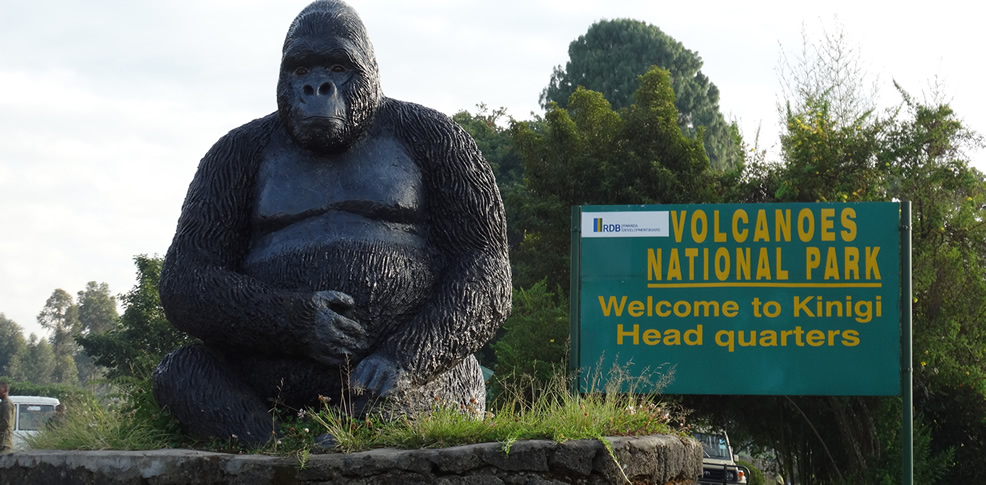
Volcanoes National Park
Nyungwe Forest National Park
Nyungwe Forest National Park, located in the southwestern region of Rwanda, is one of Africa’s oldest and most well-preserved rainforests. Covering an area of over 1,000 square kilometers, the park is a haven for biodiversity, particularly primates. While Nyungwe does not have mountain gorillas, it is home to 13 species of primates, including chimpanzees, colobus monkeys, and the rare owl-faced monkeys. This makes it an excellent destination for primate lovers and those seeking an alternative to gorilla trekking.
The park also offers a unique canopy walkway, which allows visitors to explore the rainforest from above, providing a bird’s-eye view of the lush vegetation and wildlife below. Nyungwe is also a paradise for birdwatchers, with over 300 bird species, some of which are endemic to the region.
Nyungwe Forest is a key part of Rwanda’s conservation and ecotourism efforts, attracting visitors interested in trekking, birdwatching, and learning about the intricate ecosystems of the tropical rainforest. It also offers opportunities for cultural experiences with local communities, adding depth to the wildlife encounter.

Nyungwe Forest National Park
Uganda’s National Parks and Wildlife
Uganda, often referred to as the “Pearl of Africa,” is a country blessed with diverse landscapes, from savannahs and lakes to dense forests and mountain ranges. Its national parks are home to some of the richest biodiversity in Africa, making it a prime destination for wildlife enthusiasts. Uganda’s national parks offer an array of experiences beyond gorilla trekking, including opportunities to see the Big Five and explore the diverse ecosystems that thrive within the country’s borders.
Uganda’s two main parks for gorilla trekking, Bwindi Impenetrable National Park and Mgahinga Gorilla National Park, are part of the greater Virunga region and serve as important refuges for the endangered mountain gorillas. The country has a robust conservation program that emphasizes the protection of wildlife while benefiting the local communities through revenue-sharing schemes and community involvement in tourism activities.
Bwindi Impenetrable National Park
Bwindi Impenetrable National Park is Uganda’s premier destination for gorilla trekking. The park, located in southwestern Uganda, is a UNESCO World Heritage Site, known for its steep, rugged terrain and dense, ancient forest. Bwindi is home to about half of the world’s remaining mountain gorilla population, making it one of the best places in the world to see these magnificent creatures in their natural habitat.
The park’s biodiversity is staggering, with over 120 species of mammals, 350 species of birds, and a variety of reptiles, insects, and plants. Gorilla trekking in Bwindi involves hiking through thick vegetation, often on steep slopes, to reach the gorillas. Once found, trekkers are allowed to spend an hour in the company of these gentle giants, observing their behavior and interactions. The experience is intimate and awe-inspiring, leaving many visitors with a newfound appreciation for wildlife conservation.
In addition to gorillas, Bwindi is also a hotspot for birdwatchers, with several endemic and rare species. The park offers various trekking routes, giving visitors a chance to explore the forest’s diverse ecosystems and wildlife.
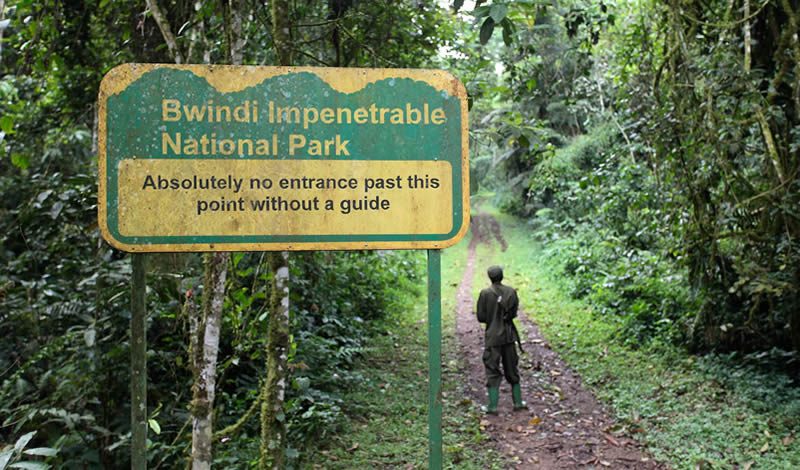
Bwindi Impenetrable National Park
Mgahinga Gorilla National Park
Mgahinga Gorilla National Park, though smaller than Bwindi, offers an equally captivating gorilla trekking experience. Located in the southwestern corner of Uganda, bordering Rwanda and the Democratic Republic of Congo, Mgahinga is part of the Virunga Mountain Range. The park is home to one habituated gorilla family, making it a more exclusive and intimate trekking experience compared to the larger gorilla populations in Bwindi or Volcanoes National Park.
Three extinct volcanoes dominate Mgahinga’s landscapes, creating stunning backdrops for treks. Along with gorillas, the park also hosts a population of golden monkeys, another rare and endangered primate species. Mgahinga is a fantastic option for travelers seeking a quieter, less crowded gorilla trekking experience, while still enjoying the rich biodiversity of the Virunga region.
The park also offers cultural experiences with the Batwa pygmies, who are indigenous to the region. Visitors can learn about their traditional way of life, including hunting and gathering in the forest, as well as their deep connection to the environment.

Mgahinga Gorilla National Park
Other Wildlife Encountered During Gorilla Trekking
Golden Monkeys
Golden monkeys, a rare and endangered primate species, inhabit the high-altitude forests of the Virunga region, particularly in Volcanoes National Park and Mgahinga Gorilla National Park. These striking primates are known for their golden-orange fur and lively, playful nature, making them a popular attraction for visitors.
Tour operators often offer golden monkey trekking as an additional activity to gorilla trekking in both Uganda and Rwanda. These monkeys inhabit the bamboo forests and typically appear in large groups, foraging for food. Their social behavior and dynamic interactions make them fascinating to watch, and many trekkers find the experience complementary to the more solemn and peaceful encounters with gorillas.
Trekking golden monkeys involves walking through dense forests, similar to gorilla trekking, though the routes are often shorter and less strenuous. Unlike gorillas, golden monkeys are more active and can be seen leaping from tree to tree, feeding on bamboo shoots, leaves, and insects. The opportunity to see them up close provides insight into the diversity of the Virunga ecosystem and adds to the overall wildlife experience in the region. The presence of golden monkeys in the same parks as gorillas highlights the rich biodiversity of these protected areas.
Chimpanzees
Chimpanzees, the closest living relatives to humans, are another primate species found in Uganda and Rwanda. While not typically part of the gorilla trekking experience, chimpanzee trekking is a popular activity in places like Nyungwe Forest National Park in Rwanda and Kibale National Park in Uganda. These intelligent and social primates live in large communities, and trekking them involves observing their dynamic interactions, including grooming, foraging, and communicating through various vocalizations.
Chimpanzees are highly adaptable and can be found in various habitats, from tropical rainforests to savannahs. Their complex social structures and behavior make them a favorite for primate enthusiasts. Kibale National Park in Uganda stands out for its high concentration of chimpanzees, providing trekkers with excellent opportunities to observe them in the wild. Similar to gorilla trekking, chimpanzee trekking requires permits, and the revenue generated supports conservation efforts.
The presence of both chimpanzees and gorillas in Uganda and Rwanda demonstrates the remarkable primate diversity of the region. For visitors with a passion for primates, combining gorilla and chimpanzee trekking offers a comprehensive experience of the Great Apes.
Colobus Monkeys and Other Primates
You commonly encounter colobus monkeys, particularly the black-and-white colobus, in the forests of Rwanda and Uganda during gorilla trekking. These elegant primates display striking black-and-white fur and frequently leap through the treetops in large groups.Colobus monkeys are folivores, primarily eating leaves, and their slow, deliberate movements make them easy to observe. In Nyungwe Forest National Park, the Angola colobus monkey is a special attraction, often seen in groups of over 300 individuals, one of the largest known primate groupings in Africa.
Other primates that can be encountered during gorilla treks include the vervet monkey, blue monkey, and red-tailed monkey. Each species has its unique characteristics, contributing to the rich primate diversity in the region. The varied primate population underscores the ecological importance of the forests in Uganda and Rwanda and the need for continued conservation efforts.
Birdwatching Opportunities in Rwanda and Uganda
Both Rwanda and Uganda are premier birdwatching destinations, boasting over 1,000 bird species between them. The diversity of habitats, from mountain rainforests to savannahs and wetlands, provides a home for a wide range of avian life. Birdwatching can be a rewarding experience during gorilla trekking as visitors traverse different ecological zones, each with its unique birdlife. Birdwatchers can look forward to seeing both endemic and migratory species, some of which are rare and highly sought after by birding enthusiasts.
In Uganda, Bwindi Impenetrable National Park is one of the best birding locations, with over 350 species recorded, including the rare African green broadbill and the striking Great Blue Turaco. Rwanda’s Nyungwe Forest National Park is also a birdwatching haven, home to over 300 bird species, including the Albertine Rift endemics such as the Rwenzori turaco and the handsome francolin.
For those interested in both primates and birds, the combination of gorilla trekking with birdwatching adds depth to the experience, allowing visitors to appreciate the full biodiversity of these protected areas.
Cultural Experiences and Local Communities
Gorilla trekking in Rwanda and Uganda offers not only wildlife encounters but also meaningful cultural experiences with local communities. Both countries have rich cultural heritages, and many tours include visits to nearby villages where visitors can learn about the customs, traditions, and daily lives of the people who live alongside these iconic wildlife areas.
In Rwanda, cultural experiences often include visits to the Iby’iwacu Cultural Village near Volcanoes National Park, where former poachers have turned into conservation advocates. Here, visitors can participate in traditional dances, learn about local crafts, and gain insight into the importance of gorilla conservation from the community’s perspective. These interactions provide a deeper understanding of the challenges and successes of living close to wildlife.
In Uganda, the Batwa pygmies, which are indigenous to the forests surrounding the Bwindi and Mgahinga National Parks, offer a unique cultural experience. The Batwa were traditionally forest dwellers, relying on hunting and gathering for their survival. Today, they share their knowledge of the forest with visitors, offering guided tours that include traditional hunting techniques, fire-making, and storytelling.
Conservation Efforts and Ecotourism Initiatives
Conservation plays a critical role in the survival of mountain gorillas, and both Uganda and Rwanda have made significant strides in protecting their gorilla populations. With mountain gorillas classified as endangered, the combined efforts of government agencies, conservation organizations, and local communities have been pivotal in their resurgence.
In Rwanda, the annual Kwita Izina ceremony is an innovative conservation initiative where newborn gorillas are named in a public ceremony. This event not only celebrates the gorilla population but also raises awareness about conservation and the importance of ecotourism. Uganda has similarly focused on community-driven conservation, with local people employed as park rangers, guides, and trackers, directly benefiting from the ecotourism industry.
International organizations like the Dian Fossey Gorilla Fund and the Uganda Wildlife Authority have also been instrumental in research, anti-poaching patrols, and habitat restoration efforts. These initiatives ensure that gorilla trekking remains sustainable while protecting the delicate ecosystems of the Virunga region.
Tips for Responsible Wildlife Viewing
When engaging in gorilla trekking or any wildlife activity, it is essential to follow guidelines that minimize the impact on the animals and their habitats. Responsible wildlife viewing not only ensures the safety and well-being of the animals but also enriches the experience for visitors by allowing them to observe animals behaving naturally in their environment.
One of the most important rules during gorilla trekking is maintaining a safe distance of at least 7 meters from the gorillas. This reduces the risk of transmitting diseases between humans and gorillas, as the species share much of the same genetic makeup, making them susceptible to human illnesses. Visitors should also avoid making loud noises or sudden movements that could disturb the gorillas.
In both Uganda and Rwanda, park authorities brief trekkers before embarking on the trek, outlining the do’s and don’ts of wildlife encounters. It is important to stay with the group, follow the instructions of the guide, and respect the natural environment by not leaving any litter behind.
Another important aspect of responsible tourism is supporting local conservation and community initiatives by choosing eco-friendly lodges, purchasing locally-made crafts, and adhering to park rules. This ensures that the revenue generated from tourism directly benefits the people and ecosystems that make these experiences possible.
Conclusion and Final Thoughts
Gorilla trekking in Rwanda and Uganda is a once-in-a-lifetime adventure that goes beyond wildlife viewing—it offers a deep connection to nature, wildlife conservation, and the local communities that play a vital role in preserving these natural wonders. From the awe-inspiring sight of mountain gorillas in their misty forest habitats to the rich biodiversity of primates, birds, and other wildlife, trekking in these regions is a journey into the heart of Africa’s ecological and cultural treasures.
As travelers embark on this unforgettable experience, they not only witness the majestic gorillas but also contribute to the protection and survival of one of the planet’s most endangered species.
Whether it’s your first time on an African safari or a seasoned wildlife enthusiast, the combination of primate encounters, stunning landscapes, and meaningful cultural exchanges ensures that gorilla trekking in Rwanda and Uganda remains one of the most unique and rewarding experiences in the world.


