Best Time to Go on Safari in East Africa

Best Time to Go on Safari in East Africa: East Africa is one of the best places in the world for a safari. With amazing wildlife, beautiful landscapes, and year-round game viewing, it’s hard to choose a bad time to visit. But the truth is, there’s no single “perfect” time for everyone. The best time for your safari depends on what you want to see, your travel style, and your budget. Seasons affect everything from wildlife movement to prices to the number of tourists around. If you’ve already picked your travel dates, the next step is to decide where to go. But if you’re still flexible, this guide will help you understand East Africa’s safari seasons. Let’s explore the options.
Peak Safari Season: July to October
This is the most popular time to go on safari in East Africa.
The reason is that the weather is fantastic.
These months are mostly dry, with clear skies and warm days. Wildlife viewing is also at its best. Animals gather around waterholes, making them easier to spot.
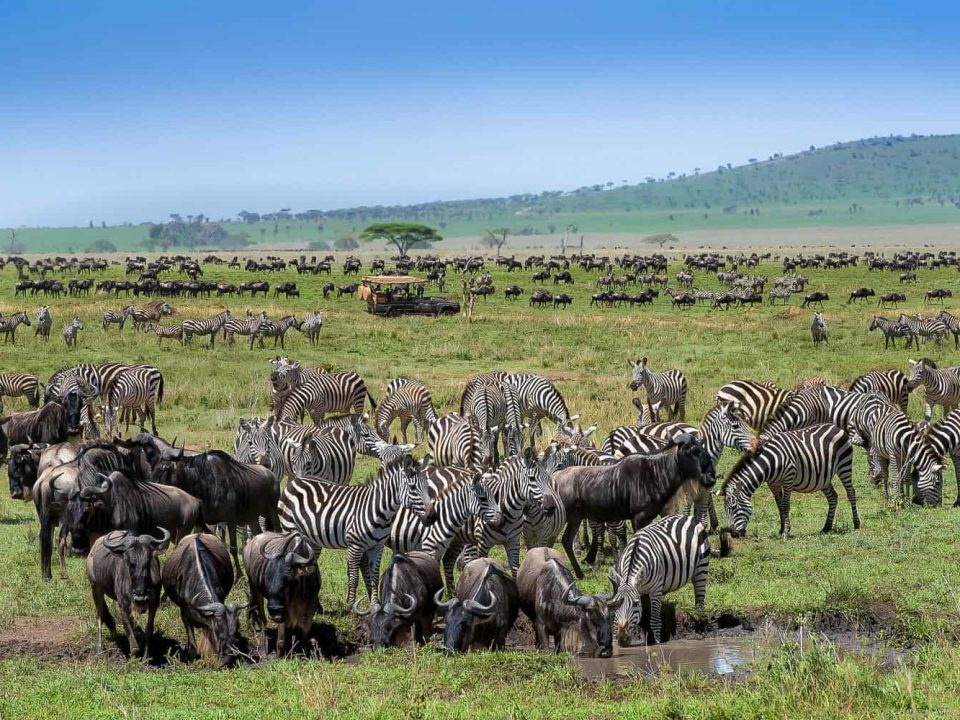
More importantly, this is the time of the famous Great Migration.
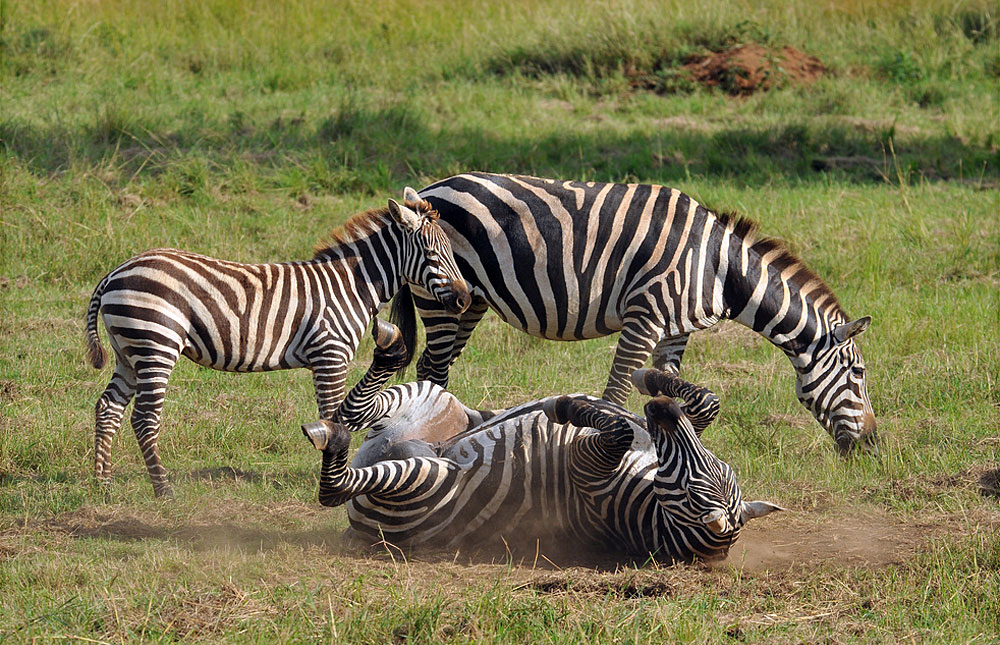
From July through October, huge herds of wildebeest and zebra cross the plains of the Serengeti in Tanzania and the Maasai Mara in Kenya. This is nature at its most dramatic—with river crossings, predator chases, and unforgettable scenes.
However, because this season is so popular, it’s also the busiest. August, in particular, sees the highest number of visitors. Lodges and camps get booked out months in advance, especially in prime locations near the migration routes.
If you want to travel during this time, it’s best to start planning at least 6 to 10 months early. Last-minute options are limited, and prices are at their highest.
On the upside, the experience is worth it.
By October, some areas start offering special deals. Visitor numbers also begin to drop slightly, making it a good time to catch the tail-end of the migration—often with better value.
Shoulder Seasons: January to March, June, November, and Early December
These months offer a balance between good game viewing, smaller crowds, and more reasonable prices.
Let’s break it down:
January, February, and March are generally dry in most parts of East Africa. Wildlife viewing is still excellent, and the landscapes remain lush from the earlier rains. You’ll see plenty of animals, including predators and newborns.
In February, something special happens in the Southern Serengeti. This is calving season, when thousands of wildebeest give birth. It’s an incredible time to visit. But keep in mind—it’s also a bit more expensive than other shoulder months because of high demand in that specific area.
June is a hidden gem. It marks the start of the dry season. Wildlife is becoming easier to spot, but the big tourist wave hasn’t arrived yet. It’s one of the best months for both value and experience.
November and early December are part of the short rainy season. You might get a few showers, but they’re usually brief. The scenery is green and fresh. The crowds are low. And safari prices are more attractive.
Shoulder season is often recommended for first-time travelers or those looking for value. The experience is still fantastic, and you get a more relaxed, personal feel at camps and lodges.
The Green Season: April and May: Best Time to Go on Safari in East Africa
This is the low season, also known as the green season.
It’s the time of the long rains. Many parts of East Africa get heavy showers, and some roads in remote areas may become harder to pass. A few lodges even close during these months. Perhaps there are some real advantages to traveling now.
For starters, prices drop significantly. You might be able to stay twice as long for the same cost as a peak season safari. That’s a big deal, especially if you’re traveling with family or looking to visit multiple parks.
Also, some regions don’t get hit as hard by the rain. Kenya’s Laikipia Plateau, for example, stays relatively dry and offers great Big Five sightings even in April and May.
The landscapes are green and full of life. Birdwatching is excellent. And because so few tourists travel during this time, your safari feels exclusive. It’s peaceful. It’s quiet. And you often get a whole corner of the bush to yourself.
Just be ready for a few afternoon showers—or even the occasional thunderstorm.
Festive Season: Christmas and New Year’s
This end of the year is a magical time to be on safari.
While many people in the northern hemisphere are dealing with cold and snow, East Africa is warming up. December brings sunshine, clear skies, and amazing wildlife.
It’s also a time when families travel together. Many safari camps cater to multi-generational groups and offer fun activities for children and adults alike. Think bush walks, storytelling by the fire, cultural visits, and kid-friendly guides.
Because it’s the holiday season, prices are higher. Availability also goes quickly—so early booking is essential.
Still, if you’re looking for something special to mark the end of the year, a safari over Christmas or New Year’s is a truly unforgettable experience.
Let’s take a quick look at how each month stacks up:
January to March:
Great weather, fewer crowds. February is excellent for calving season in the Serengeti.
April and May:
Rainy and green. Great deals and fewer tourists.
June:
Start of dry season. Quiet and beautiful.
July to October:
Peak season. Best for the Great Migration. Plan early.
November and early December:
Short rains. Still good game viewing. Lower prices.
Late December:
Festive fun, perfect for families. Popular and pricey.
In conclusion: Best Time to Go on Safari in East Africa
East Africa truly is a year-round safari destination. But each season brings its charm, challenges, and rewards.
If you’re after the Great Migration, the dry months of July to October are unbeatable. For more privacy and better deals, shoulder seasons are a smart choice. And if you’re not bothered by a little rain, the green season offers the best value with some surprisingly good wildlife action.
No matter when you go, the magic of the East African bush will stay with you long after the trip ends.
So, what kind of safari are you dreaming about? Let’s find the perfect time for your adventure.