
Silverback Leadership and Conflicts
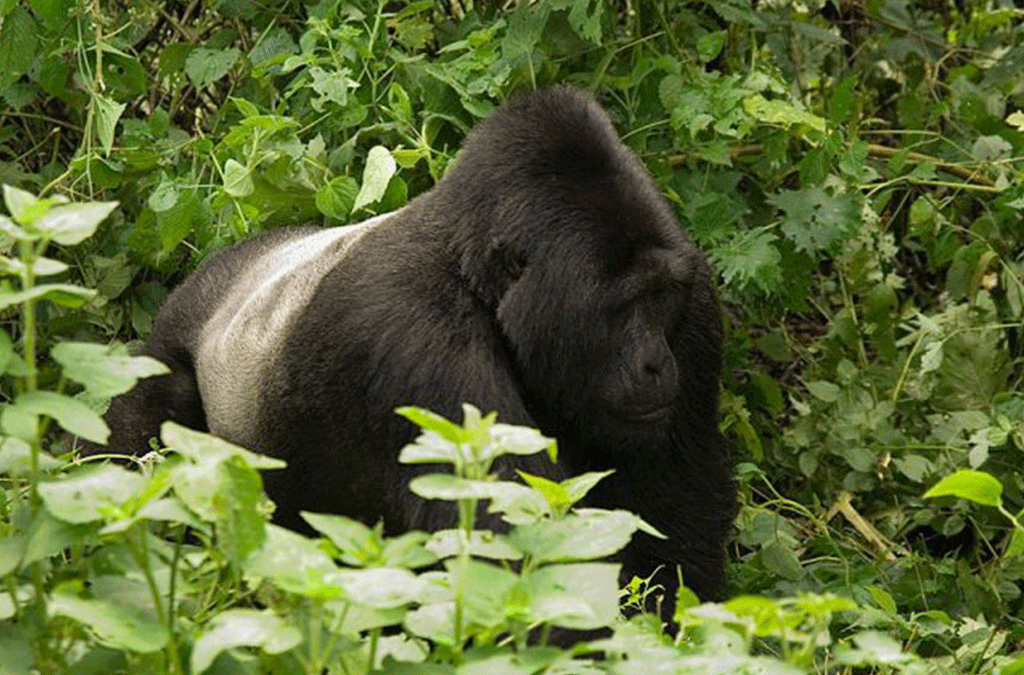
Silverback leadership and conflicts reveal one of nature’s most fascinating social systems. A silverback gorilla is far more than just a large, strong animal. He is a protector, a peacekeeper, and a wise decision-maker. His family depends entirely on his judgment and strength. Safari guides love sharing these stories during gorilla treks. Visitors often leave with deep respect for these intelligent creatures. Understanding how silverbacks lead and handle conflict helps us appreciate gorilla life more fully. This piece explores the many roles silverbacks play and how they manage both peace and danger within their troops.
The Silverback as Chief Decision-Maker
Every day, the silverback makes decisions that keep his family alive. He chooses where the troop feeds, rests, and sleeps each night. He picks the safest paths through the forest and guides the group away from danger. His family follows him without question. This trust comes from years of good leadership and smart choices.
Furthermore, the silverback carries a deep knowledge of his territory. He remembers where food grows in different seasons. He also knows where rival groups roam and which areas pose the greatest risk. Consequently, visitors on gorilla treks can easily spot the silverback. The other gorillas always watch him and move when he moves. His authority is quiet but absolute.
Silverback Leadership and Conflicts includes the Protection of the Entire Family
Protection is the silverback’s most vital role. Females choose their leader largely based on his ability to keep them and their infants safe. Therefore, a strong, confident silverback attracts more females and builds a larger, more stable troop.
He guards his family against several threats. Leopards are the main natural predator that targets gorilla infants. Rival silverbacks also pose a danger, especially when they try to take over a troop. In some areas, the silverback must even protect his family from human threats like poachers.
Moreover, his physical size and strength alone deter many attackers. A full-grown silverback can weigh over 400 pounds and has enormous muscular arms. However, his courage matters just as much as his size. A silverback who stands firm under pressure earns his family’s loyalty for life.
Silverback Leadership and Conflicts includes Providing Psychological Safety
Beyond physical protection, the silverback gives his family a deep sense of calm. His presence alone reduces stress within the group. Females and infants stay relaxed when they are near him. They use him as a safe base from which to explore and play.
Interestingly, guides have noticed that troops grow visibly anxious whenever the silverback moves out of sight. The gorillas become alert, look around, and stop playing. However, as soon as he returns, calm spreads through the group again. This response shows how much emotional security the silverback provides. His role goes well beyond physical strength.
A Gentle Giant with Young Ones
Despite his massive size, the silverback is surprisingly tender with infants and juveniles. He tolerates youngsters climbing on his back and playing near his feet. He sometimes even allows them to take food from his hands. This gentle side of silverback behavior often surprises first-time safari visitors.
Additionally, when a mother gorilla dies or cannot care for her infant, the silverback steps in. He carries the baby, shares his sleeping nest, and actively protects the young one. This nurturing behavior shows the emotional depth of gorillas. It also highlights the silverback’s role as the emotional anchor of the entire family.
Leadership Styles Vary by Personality
Not all silverbacks lead the same way. Some are calm and patient, while others are more assertive and quick to display dominance. These personality differences shape the entire troop’s way of life.
Research and guide observations suggest that females prefer calmer, steadier leaders. Troops led by peaceful silverbacks tend to have better reproductive success and lower stress levels. Consequently, the silverback’s personality directly affects how well his family thrives. A tense, aggressive leader can create an unstable environment, while a steady, patient one builds a happy, productive group.
Silverback Leadership and Conflicts also include Resolving Conflicts Inside the Troop
Conflict naturally arises in any close-knit group. Gorilla families are no different. Tensions flare over food, space, and social interactions. However, the silverback manages these tensions skillfully and usually without violence.
Often, his mere presence stops a fight before it starts. When two gorillas begin to argue, the silverback simply moves between them. This repositioning shifts the group’s focus and eases tension immediately. He may also lead the troop to a new location, which breaks the cycle of conflict entirely.
In addition, he disciplines younger gorillas who test boundaries. He uses soft warning grunts, a direct stare, or a gentle nudge to correct bad behavior. These subtle signals teach juveniles the rules of group life without causing harm or fear.
Silverback Leadership and Conflicts consists of Facing Outside Threats with Intimidation
When danger comes from outside the troop, the silverback responds with a powerful display. This dramatic performance aims to intimidate the threat and avoid a real fight. Safari guides consider themselves lucky when they witness this behavior.
The display follows a clear sequence of actions. First, the silverback begins with soft hooting sounds that grow louder and faster. Next, he rises onto two legs to appear as large as possible. He then throws vegetation into the air, runs sideways, and beats his chest with cupped hands. The iconic drumming sound carries far through the dense forest. Finally, he charges forward and slaps the ground with open palms.
This entire performance serves one purpose — to scare away the threat without physical combat. Most rivals back down after such a display. Therefore, the silverback protects his family while avoiding injury to himself.
Chest-Beating as Long-Distance Communication
Chest-beating does more than intimidate rivals. It also serves as a communication tool across the forest. The cupped-hand technique creates a loud, resonant boom that travels long distances through dense vegetation.
Specifically, chest-beating signals the silverback’s strength and location to other gorillas nearby. It warns rivals to stay away from his territory. It also helps family members locate him when they wander too far. This single behavior carries multiple messages at once, showing just how sophisticated gorilla communication truly is.
When Displays Are Not Enough
Sometimes, displays fail to resolve a conflict. In those rare cases, silverbacks engage in actual physical combat. These fights are fierce and can cause serious injuries or even death.
During combat, silverbacks use their massive canine teeth, powerful arms, and sheer body weight as weapons. Wrestling, biting, and striking all occur in these intense encounters. As a result, both animals risk serious harm, even the winner. Guides explain that these fights usually happen only when the stakes are extremely high, such as during a troop takeover or a major territorial dispute.
The Cost of Losing Leadership
Losing leadership carries heavy consequences for both the silverback and his family. If a rival defeats him, females may gradually shift their loyalty to the stronger male. This transfer can happen slowly, as each female weighs her options and chooses safety for herself and her offspring.
Without strong leadership, the troop may completely fall apart. Members scatter and join other groups or try to form new ones. Infants and juveniles face the greatest risk during this period. Leopards prey on unprotected young ones. Worse still, unrelated male gorillas sometimes commit infanticide, which brings females back into reproductive readiness more quickly.
The Fate of a Displaced Silverback
For the silverback who loses his family, life becomes very difficult. He may wander the forest alone, cut off from the social bonds that sustained him. Some displaced males join bachelor groups made up of other solitary or young males.
Without family support, finding enough food and staying safe becomes a daily struggle. Stress and social isolation take a physical toll. Injuries from the fight may never fully heal. Ultimately, a displaced silverback often faces a shortened, harder life. This outcome underscores just how high the stakes of leadership truly are.
Conclusion
Silverback leadership and conflicts show us a world of intelligence, emotion, and strategy hidden within gorilla society. The silverback leads not just through brute force but through wisdom, patience, and a deep bond with his family. He makes daily decisions that affect every member of the troop. He resolves conflicts calmly, displays courage when threatened, and nurtures young ones with surprising gentleness. His personality shapes his family’s well-being in profound ways. Understanding these dynamics helps us see gorillas not as wild, unpredictable animals but as thoughtful, social beings whose lives are rich with meaning and purpose.


