Best Time for Horseback Riding in Lake Mburo

Uganda wildlife experiences • Lake Mburo
Best Time for Horseback Riding in Lake Mburo
Morning or late afternoon? Discover when to ride, which months offer the best conditions, and what to know before booking.
the short answer
Best Time for Horseback Riding in Lake Mburo: Quick Answer
Early morning and late afternoon are the best periods to plan a horseback safari around Lake Mburo. They usually bring cooler temperatures and softer light, with opportunities to see zebra, impala, warthog and other wildlife. Morning is our first choice for visitors who want to fit more activities into their day; late afternoon is excellent for scenic photographs.
For generally firmer trails, consider June–August and December–February. September can also be pleasant but is transitional, and rain is possible in any month. Horse safaris are operated by Mihingo Lodge in areas outside and inside Lake Mburo National Park. Exact departure times are agreed with the stable rather than guaranteed.


time of day
Morning vs Late Afternoon: Which Ride Is Better?
These are planning windows, not published ride schedules. You might ask about an early ride around 7:00–9:00 AM or a late-afternoon ride around 4:00–6:00 PM, but the stable sets the actual meeting and departure times according to daylight, route and horse availability.
| Consideration | Morning | Late afternoon |
|---|---|---|
| Comfort | Typically cooler | Temperatures easing |
| Wildlife | Good potential, never guaranteed | Good potential, never guaranteed |
| Light | Fresh, soft morning light | Warm, golden light |
| Ideal for | Early starters and packed itineraries | Photographers and leisurely afternoons |
Our recommendation: Reserve an early-morning slot where possible, but choose the confirmed ride that best suits your itinerary and riding experience.
seasonal guide
Best Months to Ride in Lake Mburo
June–August
Generally drier conditions can make routes more comfortable. Cool mornings and open grasslands are highlights.
December–February
Another usually favourable period for trails and wildlife viewing, although hot afternoons and occasional showers are possible.
Wetter and transitional months
March–May and October–November are often wetter; September may be transitional. Green scenery is beautiful, but muddy tracks can change plans.
Rainfall patterns vary from year to year. The operator can postpone or alter a ride if conditions are unsuitable.
ride options
How Long Does a Lake Mburo Horseback Safari Last?
Mihingo has published options ranging from a 30-minute introductory ride outside the park to approximately one-, two-, three- and four-hour rides, depending on the route. Its main horse-safari description also discusses a four-to-five-hour Warukiri hills excursion intended for experienced riders. These are descriptions of options, not guaranteed current departures.
First-time riders are generally guided at a walking pace. Experienced riders may have opportunities to trot or canter on suitable stretches, at the guide’s discretion. Longer rides require appropriate confidence, fitness and an available horse.
For a wider visit, combine the experience with a guided walking safari, a boat cruise or a Lake Mburo safari itinerary.
before you book
Important Booking Rules and Park Fees
Mihingo Lodge guests have priority. According to the lodge’s published booking information, a visitor staying elsewhere cannot receive advance confirmation in the same way: a morning ride may be confirmed the previous evening, while an afternoon ride may only be confirmed around midday on the day, if horses are available.
Uganda Wildlife Authority (UWA) park-entry fees apply to horseback rides inside the national park. They are separate from horse-riding charges; ask for a quote that distinguishes ride cost, park fees, transfers and accommodation.
If horseback riding is essential to your trip, tell us before choosing accommodation. Staying at Mihingo may simplify scheduling, but any requested ride must still be confirmed.
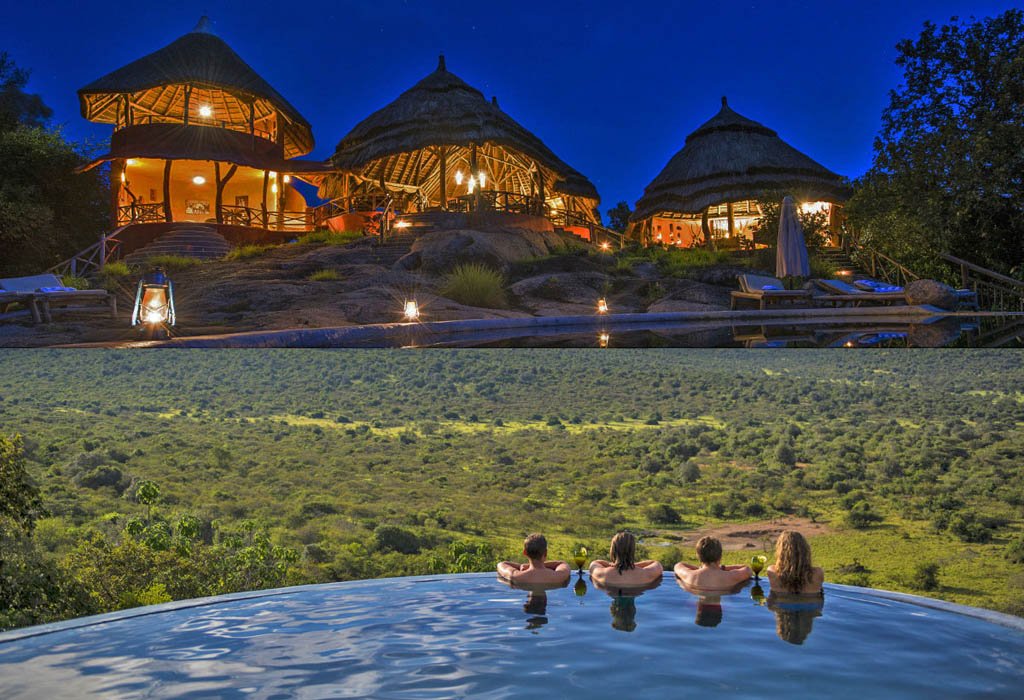
Mihingo Lodge is the specialist operator of horseback safaris in the Lake Mburo area.
practical tips
Rider Eligibility, Safety and What to Wear
Mihingo supplies riding helmets and chaps, and rides are accompanied by an experienced horse guide. Wear long trousers, sturdy closed shoes and comfortable clothing, with sun protection and water available before and after your ride. Tell the operator about your experience and any mobility concerns beforehand.
Weight limits vary by horse and by the operator’s published information. Mihingo’s horse-safari page gives an overall upper limit of 100 kg and says most horses cannot carry more than 85 kg; another lodge rate sheet states that just a few horses can carry up to 95 kg. Therefore, do not treat 100 kg as an automatic entitlement to ride. Confirm each rider’s weight and suitability directly before payment.
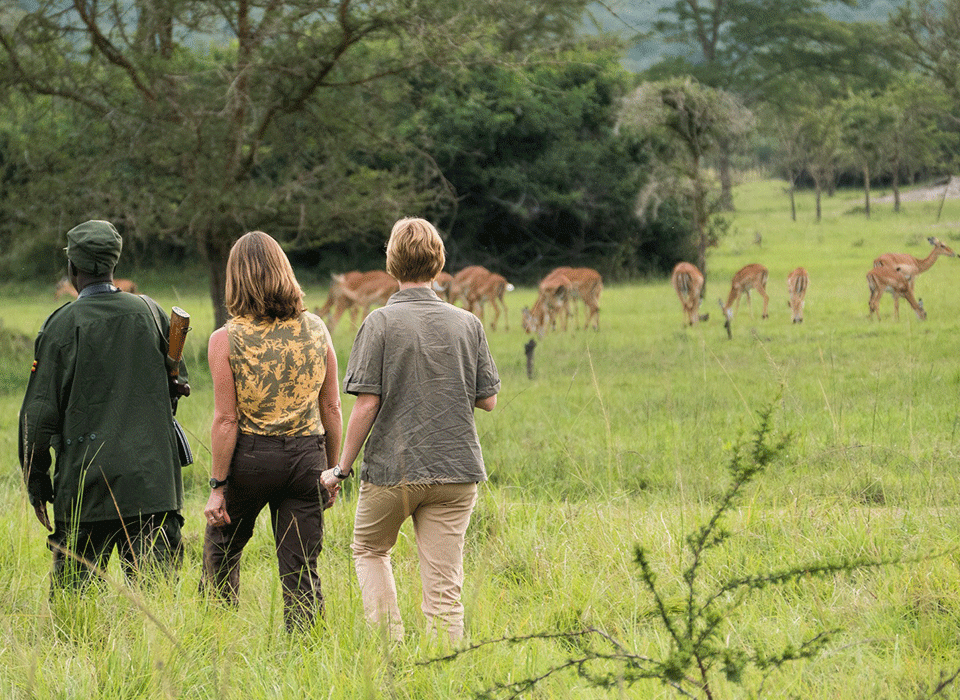
Group size is limited and the guide decides pace, route and safe distances. Wildlife sightings, including zebras, impalas, topis, elands and warthogs, are possible but never guaranteed.
first light on the plains
What to Expect on an Early-Morning Ride
An early horseback safari often starts with the pleasant feeling of entering the savannah before the day becomes busy. The air can be cooler, and you have the rest of the day available for another activity or for travelling onward. Riders may notice grazing animals as they cross suitable trails, but the horse guide decides how close to approach and when to stop.
Morning is especially appealing when the wider itinerary includes a game drive, a boat excursion or a road transfer. Instead of trying to rush from one booking to the next, allow time to reach the stables, meet your guide, fit a helmet and receive safety instructions. The listed riding duration should not be assumed to include all preparation and transport time.
If you are new to riding, let the stable know before your trip rather than waiting until you are in the saddle. The operator recommends walking-pace rides for beginners. A steady pace gives you time to become comfortable, observe the surroundings and follow the guide’s instructions. It also allows the horse to move naturally without pressure to keep up with a fast-paced group.
Pack a light layer if the morning is cool, but choose clothing you can comfortably wear once the sun rises. Avoid scheduling a long road journey immediately after a demanding ride without a rest break. Your horse safari should feel like an enjoyable part of your holiday, not another appointment to race through.
golden-hour atmosphere
What Makes Late-Afternoon Riding Special?
Late afternoon can give Lake Mburo a completely different atmosphere. The light becomes less harsh, shadows stretch across the grass and the acacia trees stand out against the surrounding hills. For photographers, this is one reason to request a later departure. A calm ride can also provide a memorable ending to a day spent exploring the national park.
The main planning consideration is daylight. A ride should finish with enough light for the operator to manage the horses and route safely. Ask the stable which departure is appropriate for the requested duration; do not assume that a long route can begin shortly before sunset. Cloud cover, showers and the changing time of sunset can affect what is practical.
An afternoon departure may suit guests who arrive at their lodge during the morning and have time to settle in. However, arriving from Kampala or Entebbe on the same day can make the schedule uncertain because traffic and road conditions vary. If a horseback safari is a major reason for your visit, an overnight stay near the park gives you more flexibility.
Afternoon riding is not automatically better for wildlife. Some animals may be resting in sheltered areas while others continue grazing. The beauty of the experience is that every route and encounter feels different; your guide will work with the conditions on the day.
wildlife encounters
Which Animals Might You See from Horseback?
Lake Mburo is known for grassland wildlife, and a horse safari creates an unusual viewing perspective. The operator mentions zebras, impalas, topis, warthogs, bushbucks, waterbucks and elands among animals encountered on its rides. Giraffes and buffalo can also be seen on certain routes, though a sighting depends on the location, route and movements of the animals.
Plains zebras are often a favourite because they can appear inquisitive around horses. That does not mean a rider should approach them independently. Even animals that seem relaxed can change direction suddenly. Follow the guide, keep your horse under control and allow wildlife the space it needs. Maintaining a respectful distance is part of a successful safari.
Some longer park routes reach open hills, valleys and viewpoints. Mihingo describes rides through Acacia Valley, where giraffes may be encountered, and an extended Warukiri hills route for experienced riders. These are possibilities to discuss rather than destinations guaranteed on every booking. The stable will select a route based on experience, horse capacity, conditions and required permissions.
Birdlife adds another dimension. You might hear calls from woodland edges or see birds moving over the grass while you ride, although precise species cannot be promised. Bring binoculars for use when stationary if the guide considers them practical. It is safer to keep both hands available when moving, especially for an inexperienced rider.
A horseback safari is not a substitute for every other wildlife activity. The park’s lake-based experiences and road routes reach environments that a horse ride may not. Combining activities is often the best way to appreciate the variety of Lake Mburo.
choose your experience
How to Select the Right Ride Duration
A short introductory ride can be a sensible first step for someone who has never ridden a horse. It gives time to learn basic posture, understand the guide’s signals and discover whether the pace feels comfortable. Half-hour and one-hour options have appeared in Mihingo’s published activity information, but ask which options are being offered on your travel date.
A ride of around two hours allows more time to settle into the experience and enjoy the landscape without necessarily committing to a demanding half-day activity. It can suit travellers who want a meaningful horse safari but also plan another activity that day. Individual comfort matters: even a gentle ride uses muscles that someone unfamiliar with riding may not normally engage.
Three- and four-hour outings require more preparation. Longer rides can involve changing terrain, extended time in the saddle and a higher expectation of fitness or riding experience. Experienced riders may be offered suitable opportunities to trot or canter, but the pace is entirely subject to the guide and the horses. A request for a faster ride does not guarantee one.
Do not choose the longest available ride simply because it sounds like better value. Ask what you want most: an introduction to riding, relaxed wildlife viewing, more time in nature, or a more ambitious route. Share this with your safari consultant and the stable so that the ride selected fits the least experienced person in the group.
With mixed experience levels, a private or carefully matched arrangement may work better than pushing beginners onto an advanced route. Groups are small because horse numbers are limited; ask about the current group limit when planning.
riding preparation
What to Pack and How to Prepare for Your Ride
Wear long trousers to reduce rubbing from the saddle and choose closed, secure shoes. Mihingo recommends strong shoes and notes that trainers can be acceptable; avoid loose sandals and footwear that slips off easily. Light, comfortable tops are practical, along with sun protection. You should follow the stable’s final equipment advice rather than relying on a generic packing list.
Helmets and riding chaps are supplied by Mihingo according to its published information. Use the equipment as directed and tell the guide immediately if anything feels uncomfortable. Do not adjust tack without permission. If you have a particular sizing concern, ask before the day of the ride so the stable can advise whether it can accommodate you.
Carry only what is necessary and secure any personal items. A loose camera, dangling bag or dropped phone can become a distraction while riding. Ask the guide whether you can take photographs during planned stops. For many riders, enjoying the route first and taking a few photographs when stationary makes for a more relaxed experience.
Drink water before setting off, especially during hotter months. Avoid beginning a ride exhausted after an overnight flight or an unusually long transfer. If you are uncomfortable around horses, mention this honestly. A beginner-friendly walking ride is designed to be relaxed, and there is no need to prove your ability by riding faster.
Children’s participation is determined by the operator, the availability of a suitable pony or horse, the child’s ability and the guide’s assessment. Do not promise a ride to a child before the stable confirms it. The same principle applies to anyone with mobility concerns or other needs that may affect safe riding.
cost and reservations
What Determines the Cost of a Horseback Safari?
Horseback safari prices depend on the length of the ride, whether you are staying at Mihingo Lodge and whether the chosen route enters the national park. The lodge has published different charges for resident and non-resident guests. Because rates and offerings can change, it is safer to obtain a current written quotation rather than rely on prices copied from an old brochure.
Ask for separate amounts for the horse ride, UWA park-entry fees if applicable, accommodation and transport. Entry charges apply to rides inside Lake Mburo National Park; riding outside the boundary is not automatically the same fee arrangement. A longer experience may also require more preparation or a route that cannot be offered in certain conditions.
Mihingo operates with a limited number of horses that must be matched to each rider’s weight and ability. Its published information has described horse-specific weight limits lower than a broad overall maximum, and these details may change with the stable. Provide accurate weights at the enquiry stage and seek confirmation before paying for accommodation specifically to access a ride.
Non-resident bookings deserve particular care. According to published lodge instructions, morning rides for guests staying elsewhere may be confirmed only the previous evening, while an afternoon request may be confirmed on the same day. Enquiry and provisional planning are still worthwhile, but do not present a provisional request as a guaranteed booking.
Where riding is the highlight of a trip, build in flexibility and consider accommodation that supports the booking. Where it is one activity among several, keep an appealing alternative such as a game drive, guided walk or boat excursion available if weather or horse suitability prevents riding.
responsible safari travel
Wildlife Safety and Responsible Horse Riding
Lake Mburo is a wild landscape, not a riding arena. The guide is responsible for choosing a route that respects wildlife, weather and the abilities of the group. Riders should stay together, maintain the requested distance from animals and follow instructions promptly. Never dismount, speed up or approach an animal without clear guidance.
A quiet pace is one of the benefits of seeing wildlife on horseback. It reduces engine noise and gives the rider time to observe the scene. At the same time, every animal is unpredictable. Buffalo and other large wildlife must be given appropriate space, and even apparently calm antelope can run suddenly. Good wildlife watching means valuing an animal’s natural behaviour more than a close photograph.
Horse welfare also matters. Weight restrictions, rest periods, suitable route lengths and weather decisions are there to protect the animals as well as the riders. Respect the stable’s judgement if a particular horse is unavailable or a requested route is unsuitable. A responsible safari is one in which both people and horses can finish comfortably.
Rain, slippery ground or thunderstorms may force changes at short notice. Choose an operator who puts safety ahead of maintaining a timetable, and be prepared for sensible adjustments. The best memory of Lake Mburo should be the quiet pleasure of exploring its landscapes not pressure to complete a ride under unsuitable conditions.
plan with confidence
Frequently Asked Questions
Is morning or afternoon best for horseback riding in Lake Mburo?
Both can be excellent. Early morning is usually cooler; late afternoon offers warm light. Exact departures are set by the operator.
Can beginners join a horseback safari?
Yes, suitable horses and calm walking-pace rides may be available for beginners. The stable confirms individual suitability.
What is the best season for horseback riding?
June–August and December–February are commonly favourable, while wetter months can offer green scenery but muddier trails.
How long are the rides?
Published options include approximately 30 minutes and one- to four-hour rides; longer excursions may suit experienced riders. Confirm current availability.
Are park fees included?
Horse-riding charges and UWA park-entry fees are separate when the ride takes place inside Lake Mburo National Park.
Can visitors staying at other lodges book?
Yes, when space permits, but Mihingo guests receive priority. Published rules allow non-resident ride confirmation only close to departure.
What should I wear?
Long trousers and secure closed shoes. Mihingo states that it provides helmets and chaps.
Is there a rider weight limit?
Yes. Limits depend on the horse. Supply each rider’s weight when requesting a quote and obtain operator confirmation.
extend your trip
Explore More Lake Mburo Experiences
Planning a longer stay? Read our Lake Mburo National Park guide, explore walking safaris in Lake Mburo, or see the three-day Lake Mburo wildlife, boat and walking safari for a practical sample itinerary.
Tailor-made Uganda safaris
Book a Lake Mburo Horseback Safari
Tell Safari Vacations and Travel Services your travel dates, accommodation preference, riding experience and approximate rider weights. We can coordinate a Lake Mburo itinerary and request an appropriate ride, subject to operator confirmation.