
How Local Uganda Operators Handle Gorilla Permit Logistics Behind the Scenes
Executive Summary
Uganda gorilla permit logistics involve far more than simply purchasing a trekking ticket. Local operators coordinate permit availability, traveler details, payments, trekking sectors, lodges, vehicles and guide movements around a limited, date-specific wildlife product.
- Gorilla permits are administered through the Uganda Wildlife Authority (UWA) and are tied to a specific trekking date and location.
- The published foreign non-resident gorilla permit price is commonly $800 USD per person, but travelers should confirm the current official tariff when booking.
- Operators normally match the permit sector to the traveler’s lodge, road routing and wider safari itinerary.
- Operational work continues after a permit is secured, including manifest checks, driver-guide briefings and early-morning transfer planning.
What Uganda Gorilla Permit Logistics Actually Involve
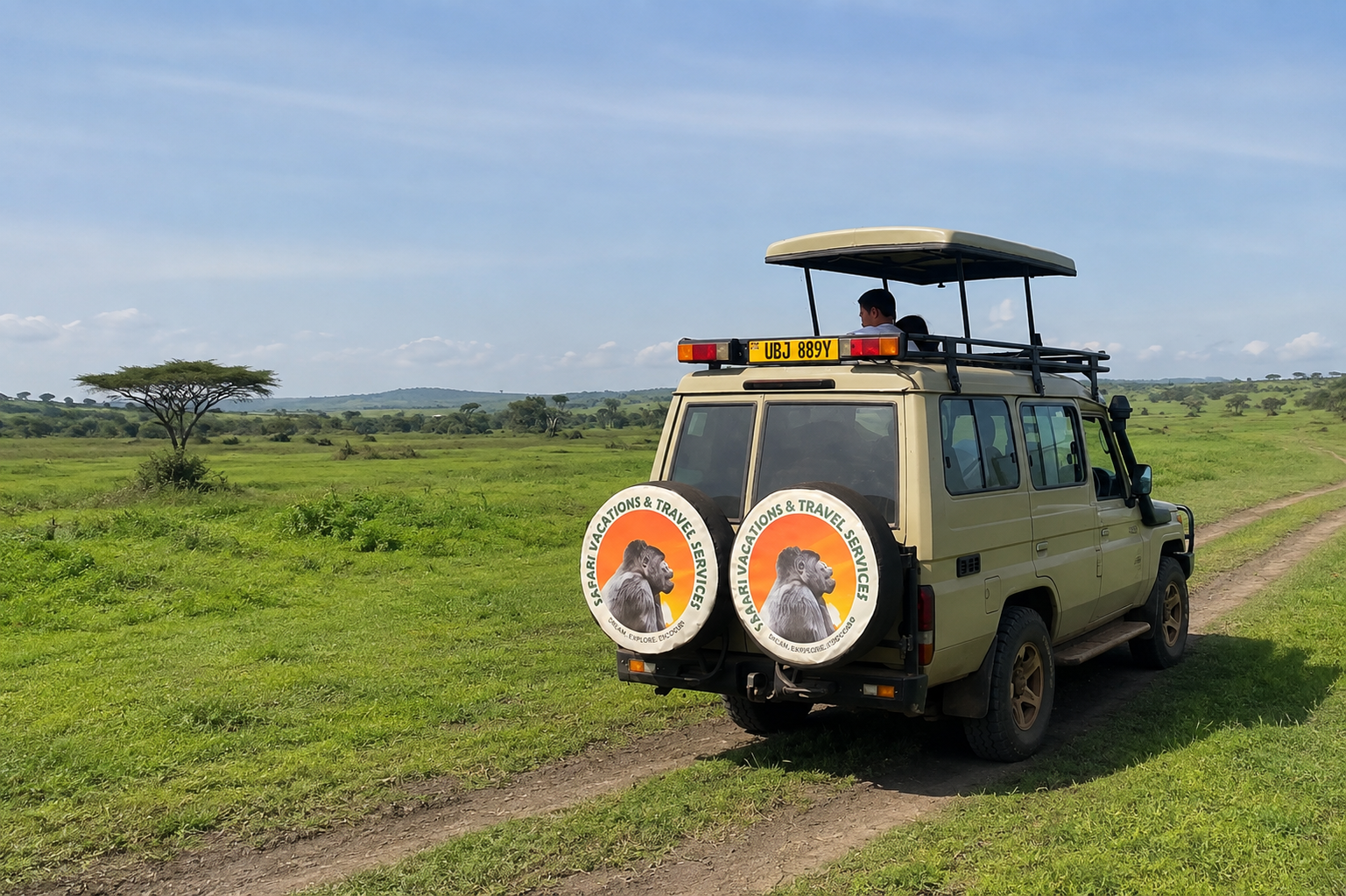
From a traveler’s perspective, a gorilla permit can look like one line on a safari invoice. For a local operator, it is a fixed-date inventory item around which several parts of the trip may need to be engineered.
The operator first establishes the intended trekking date, traveler category and preferred gorilla destination. Availability then has to fit the rest of the Uganda itinerary.
This matters because a permit is not interchangeable with any gorilla trek anywhere in the country. The trekking location affects where the guest should sleep, which roads the guide uses and how early the safari vehicle must move.
Operational principle: experienced operators do not treat the permit, lodge and transport plan as three separate bookings. They treat them as one interconnected logistical system.
Who Controls Gorilla Permits in Uganda?
The government authority responsible for Uganda’s protected areas and gorilla trekking permits is the Uganda Wildlife Authority (UWA).
Local tour companies act as intermediaries when they obtain permits for safari clients. They coordinate the booking process while also building the transport and accommodation arrangements around the confirmed trek.
Many established safari businesses also belong to the Association of Uganda Tour Operators (AUTO), an industry association representing tour operators in Uganda.
Why Operators Check Availability Before Finalizing the Safari
Gorilla trekking capacity is limited. A beautifully designed itinerary is therefore of little use if the required permits are unavailable on the intended date.
A local planner may consequently check gorilla availability before confirming specific lodges or other non-flexible arrangements.
- Confirm the intended trekking date.
- Identify the appropriate traveler permit category.
- Check the practical trekking location or sector.
- Coordinate suitable accommodation nearby.
- Build the road transfer sequence around the confirmed permit.
From Inquiry to Confirmed Permit: The Behind-the-Scenes Process
1. The Operator Qualifies the Safari Request
The first task is establishing the number of trekkers, proposed dates, nationality or residency category and overall Uganda route.
Age eligibility and other booking requirements should also be checked before money is committed.
2. Permit Availability Is Checked
The operator determines whether permits are available for the requested date and practical trekking area.
If the first choice is unavailable, the itinerary may be shifted by a day or reorganized around another suitable option.
3. The Safari Routing Is Cross-Checked
Securing a permit is only useful when the guest can realistically reach the correct trekking area.
Operators therefore compare the permit location with drive times, lodge location, road conditions and the previous day’s safari program.
4. Traveler Details Are Verified
Names and identification information need careful handling because permit records should correspond with the people who will actually trek.
Operators typically request the relevant passport or identification details needed for the reservation process.
5. Payment and Confirmation Are Coordinated
Once availability and the safari plan align, the operator coordinates payment and confirmation according to the applicable UWA procedures.
Because permits represent limited inventory, travelers should understand the operator’s payment, cancellation and amendment terms before committing funds.
6. The Permit Is Added to the Operations File
Confirmation does not end the job. Permit information is incorporated into the safari operations file used by reservations staff, operations teams and the assigned driver-guide.
The lodge, vehicle routing and trekking-day schedule can then be checked against the final reservation.
Why the Four Bwindi Sectors Matter to Operators
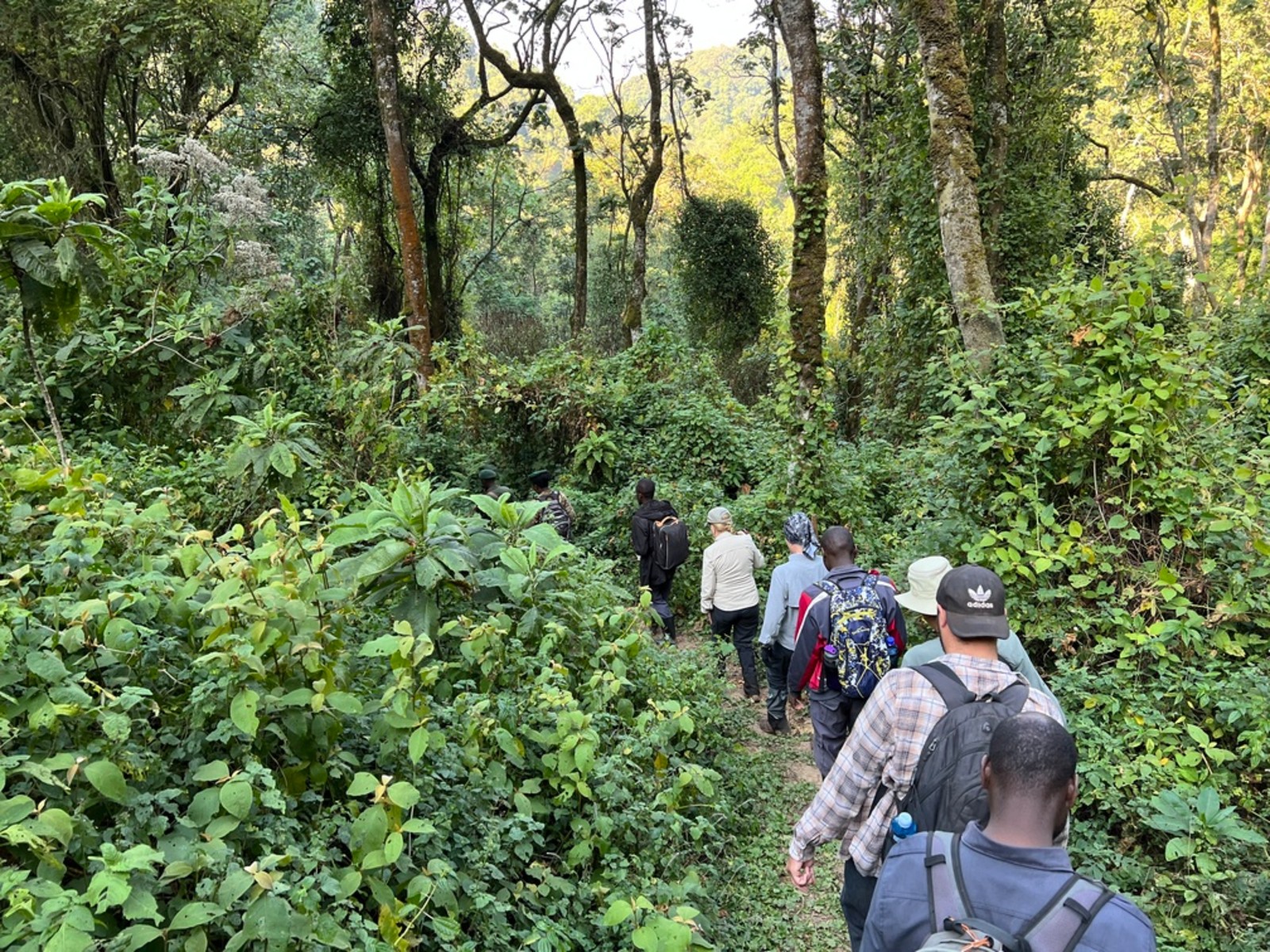
Bwindi Impenetrable National Park is not a single gate where every visitor arrives for the same briefing. Its trekking areas are geographically separated, making sector matching a major operational concern.
The four commonly referenced sectors are Buhoma, Ruhija, Rushaga and Nkuringo. Terrain, access roads and accommodation patterns differ between them.
| Sector | Terrain Consideration | Lodge Matching Strategy | Typical Operator Preference |
|---|---|---|---|
| Buhoma | Forest trekking with difficulty varying according to the gorilla family’s location. | Operators generally prioritize accommodation convenient to the Buhoma briefing area. | Often attractive when the wider routing and available accommodation naturally connect with northern Bwindi. |
| Ruhija | High-elevation forest terrain where weather can influence road and walking conditions. | Nearby lodges reduce unnecessary early-morning transfers. | Useful when Ruhija aligns efficiently with the preceding or following safari route. |
| Rushaga | Mountainous southern Bwindi terrain with trek difficulty dependent on gorilla movements. | Southern-sector accommodation is usually prioritized for practical morning access. | Frequently considered when the itinerary naturally uses southern Bwindi and suitable permit inventory exists. |
| Nkuringo | Steep, highland terrain and demanding gradients can be an important planning consideration. | Operators normally match guests with accommodation that avoids a difficult cross-sector morning transfer. | Chosen when Nkuringo availability, lodge quality and southern routing fit the client’s trip. |
Trekking difficulty is never guaranteed by sector alone. Gorilla families move, and the actual walk can vary substantially from one day to another.
The Lodge-to-Permit Matching Problem Most Travelers Never See

One of the most consequential operator mistakes is booking a good lodge in the wrong place for the client’s confirmed permit.
A property described online as being “in Bwindi” may still be inconvenient for a particular trekking sector. Mountain roads make map distance an unreliable measure of transfer time.
What an Operations Team Checks
- The confirmed trekking sector.
- Realistic road access from the lodge.
- Expected morning departure time.
- Vehicle suitability for local road conditions.
- Where the safari arrives from the previous day.
- Where the itinerary continues after trekking.
The goal is not simply to minimize kilometers. It is to minimize operational risk while keeping the trip comfortable.
What Happens to the $800 Gorilla Permit Fee?
For a foreign non-resident traveler, Uganda’s standard gorilla trekking permit has been published at $800 USD per person. Different tariffs can apply to other visitor categories.
Permit prices and policies can change, so the current Uganda Wildlife Authority tariff should always be verified for the actual travel date.
Important: a gorilla permit fee is not necessarily the same as the amount shown for an entire gorilla trekking package.
A safari package can separately include accommodation, vehicle transport, driver-guide services, meals, administration and other itinerary components.
Why Operators Often Request Permit Money Early
Permits are capacity-controlled and date-sensitive. An operator cannot safely assume that today’s availability will remain available while a traveler delays confirmation.
This is why permit-related deposits may be requested earlier than payments for more flexible components of a safari.
How Operators Handle Last-Minute Changes
Changes become more difficult after permits, accommodation and transport have all been synchronized.
If a client wants to change a trekking date, the operator must first establish what the applicable official rules allow and whether replacement availability exists.
A Date Change Can Trigger Multiple Changes
- A new permit availability check.
- Accommodation amendments.
- A revised driver-guide route.
- Changes to other park activities.
- Additional transfer time or vehicle costs.
- Supplier cancellation or amendment charges.
This interconnectedness explains why seemingly small itinerary changes can create substantial work behind the scenes.
What Happens the Evening Before Gorilla Trekking?

The evening before the trek is effectively the final operational checkpoint.
The driver-guide normally confirms the next morning’s timing and makes sure guests understand what they need for the forest.
- Confirm the briefing location and departure time.
- Coordinate breakfast or packed breakfast arrangements with the lodge.
- Check that guests have suitable boots, rain protection and drinking water.
- Remind travelers to carry the required identification.
- Check vehicle readiness for the morning road transfer.
6:00 AM to 8:00 AM Morning Mobilization Workflow

Gorilla trekking morning is where weeks or months of permit logistics become a real-world field operation.
Guide Readiness
The driver-guide checks the vehicle, weather, route and guest departure arrangements.
Guest Preparation
Breakfast, packed items, identification, water and trekking equipment are checked.
Lodge Departure
The vehicle leaves with sufficient margin for local road conditions and briefing time.
Transfer & Access
The guide manages the final approach to the designated trekking briefing area.
Arrival Check
Guests arrive, organize their equipment and prepare for registration and briefing procedures.
Briefing & Trek
Wildlife authority staff conduct the briefing before trekkers proceed according to the day’s field arrangements.
Times are illustrative of an operator’s morning planning workflow. Exact departure and briefing arrangements should always follow the instructions applicable to the confirmed trek.
Why Good Operators Build Contingency Time Into Gorilla Safaris
Southwestern Uganda is mountainous. Road conditions, rain and travel times can be different from what a traveler expects after looking at a digital map.
A responsible itinerary therefore avoids unnecessary dependence on razor-thin connections before a valuable, date-specific gorilla trek.
The Permit Becomes the Fixed Point
Once a gorilla permit is confirmed, an experienced operator generally treats that date as one of the least flexible elements of the safari.
Accommodation, transfers and surrounding activities can then be organized to protect that commitment.
How Local Operators Reduce Permit-Related Risk
Good permit logistics are largely about preventing mismatches before they reach the traveler.
Operators use booking records, supplier confirmations and internal operations checks to ensure the different components refer to the same traveler, date and destination.
- Cross-check traveler names against supplied identification details.
- Verify the trekking date against the master itinerary.
- Match the confirmed area with the correct accommodation plan.
- Brief the assigned driver-guide before departure.
- Maintain records of permit and supplier confirmations.
- Communicate important trek requirements to the guest before arrival.
Booking Directly vs Using a Local Uganda Operator
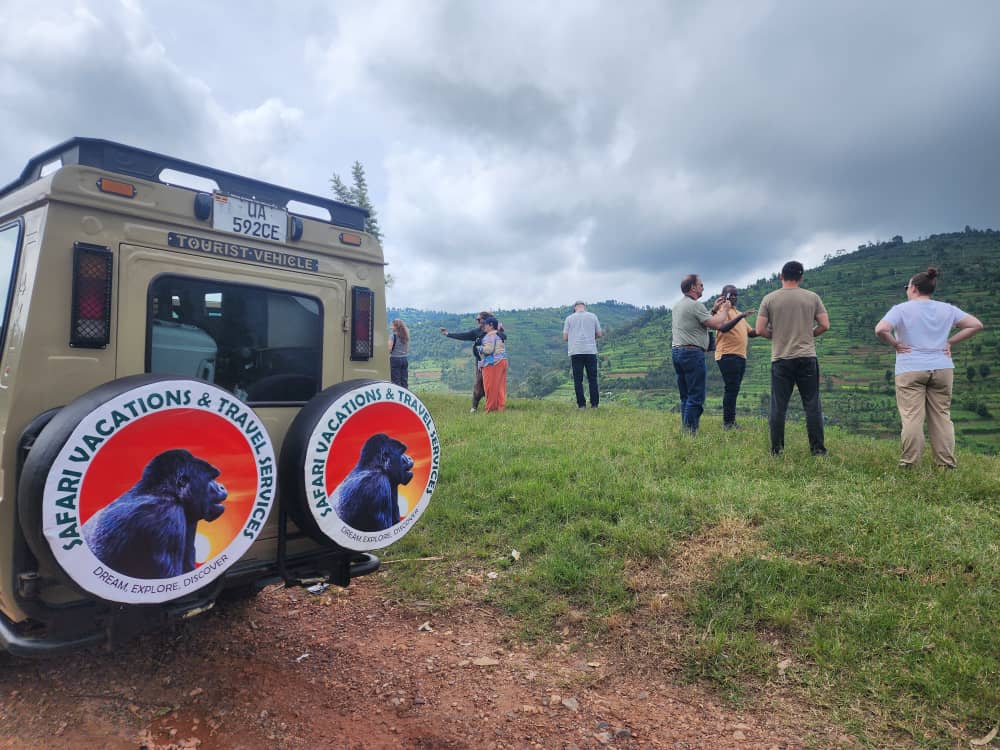
Independent travelers may prefer to coordinate individual components themselves where official booking procedures permit it. The main challenge is not merely obtaining the permit; it is connecting that permit correctly to the rest of the journey.
A local operator becomes particularly useful when the gorilla trek forms part of a longer road safari involving several national parks, lodges and transfer days.
What the Operator Is Really Selling
The value is partly administrative, but it is also logistical. The operator turns a collection of separate reservations into a sequence that works on the ground.
For gorilla trekking, that means getting the right traveler to the right place on the right morning with the correct reservation and enough time to complete the official procedures.
Questions to Ask an Operator Before Paying for a Gorilla Permit
A traveler should be able to understand what is being booked and what happens if plans change.
- Which date and trekking location are you securing?
- What is the current official permit price for my traveler category?
- When will I receive confirmation that the permit has been secured?
- Which lodge is being matched to my trekking location?
- What cancellation or amendment rules apply?
- What happens if my preferred date is unavailable?
- Which permit costs and safari services are included in my quotation?
Travelers can also check operator credentials, industry memberships and current official information through relevant Ugandan tourism authorities and associations.
Uganda Gorilla Permit Logistics FAQ
How much is a Uganda gorilla permit?
A standard Uganda gorilla trekking permit for a foreign non-resident has been published at $800 USD per person. Other traveler categories may have different rates, and visitors should verify the current Uganda Wildlife Authority tariff before booking.
Who issues gorilla permits in Uganda?
Gorilla trekking permits are administered by the Uganda Wildlife Authority (UWA), which manages Uganda’s protected areas and regulates gorilla trekking activities.
Why does my Bwindi trekking sector matter?
Your trekking sector affects where you should stay and how you reach the briefing point. Buhoma, Ruhija, Rushaga and Nkuringo are geographically separated, so correct lodge and transport matching is an important part of permit logistics.
Should I book my gorilla permit before my lodge?
Operators commonly coordinate permit availability and accommodation closely because the confirmed trekking date and location can determine the most practical lodge. Non-refundable arrangements should not be finalized without considering permit availability.
Can a Uganda tour operator arrange my gorilla permit?
Yes. Local Uganda tour operators commonly coordinate gorilla permit reservations for safari clients and integrate the permit with accommodation, vehicle transfers, driver-guide services and the wider itinerary.
What information does an operator need to arrange a gorilla permit?
An operator will generally need the traveler’s relevant identification details, trekking date and traveler category, together with the information required under the current booking procedures. Always provide details exactly as requested by the operator or issuing authority.
Need Help Coordinating Your Gorilla Permit?
Get your permit, trekking location, lodge and Uganda safari routing coordinated as one practical travel plan.