
Uganda Climate and Weather
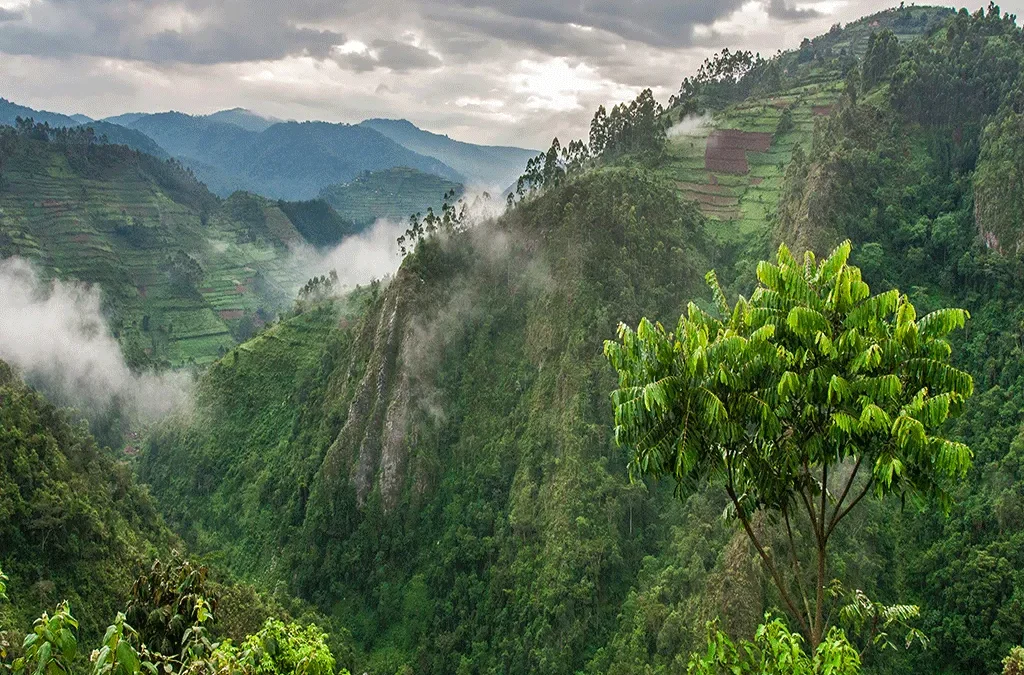
Uganda Climate and Weather
What is the climate and weather like in Uganda?
Ugandan weather or Ugandan climate. People frequently inquire about the Uganda climate and weather when planning their Uganda safaris. Is Uganda, for example, tropical? Is there a winter season in Uganda? Does Uganda receive snow during any time of the year? Is Uganda chilly in the winter? Is there a lot of rain in Uganda? What is Uganda’s warmest month?
Various rivers and lakes transverse Uganda in the East African region. Uganda also straddles the equator, which offers a very unusual warm tropical environment. This thus adds even another compelling incentive to come. It is a spot where you may have warm weather that combines with rain all year. Uganda seldom becomes chilly due to its mild tropical environment. However, there’s an exception for the southwestern section of the country and the highland parts of Kapchorwa in Eastern Uganda. Visitors who visit Uganda frequently comment that the nation boasts some of the best weather in the world.
Weather and Climate Concerns
As a result, if you are planning a visit to Uganda, extreme cold and hot seasons should not be your concern. This is because the nation has a mild, sunny environment most of the year.
The average temperature of Uganda is 25-29°C/77-84°F during the day. During the night, the temperatures range from 12 to 16°C/54-61°F at night. However, this varies greatly around the nation.
In Uganda, the warmest months are January and February. During this period, the average daily temperature ranges from 24-33°C/52-91°F, with maxima reaching 40°C/104°F in the extreme north.
Higher altitude areas, such as Bwindi Impenetrable National Park and Mgahinga Gorilla National Park in southern Uganda, get significantly cooler, with daytime temperatures about 23°C/73°F and nighttime temperatures dropping to roughly 11°C/52°F.
Daytime temperatures in Murchison Falls National Park in northern Uganda and Kidepo Valley National Park in extreme northeastern Uganda are around 32°C/90°F.
Uganda has no winter, and the nation has no snow, except for the highest point in the country, Margherita Peak. However, the country’s Rwenzori Mountains, which reach heights of up to 5,109m and have permanent snow on the top, are among the highest on the continent.
Uganda’s rainy season
In Uganda, the rainy season normally lasts from March to May and September to November, however, it might rain any time.
Except for the north’s arid region, most of Uganda receives between 1,000mm and 1,500mm of rain yearly.
Daytime temperatures in the rainy season average approximately 28°C/82°F, with morning temperatures around 16°C/61°F. It will be cooler in the south at high altitudes and milder in the north.
Rainfall in Uganda is heavier between March and May and between September and November. This makes road travel problematic in some areas.
April is often the wettest month in Uganda, particularly in the south.
Uganda amid its dry season.
The dry season in Uganda lasts from June to August and from December to February.
In the afternoon, average temperatures range between 27°C/81°F and 16°C/61°F.
It will be cooler above 1300m/4265ft, including Bwindi Impenetrable National Park and Mgahinga Gorilla National Park.
June, July, and August are the driest months in the south, however, it can still rain. In the north, unlike in the south, these months are part of the Wet season.
The far north of Uganda, including Kidepo Valley National Park, is semi-arid and may undergo droughts on occasion.
In the north, the dry season lasts from December to February.
Uganda’s lowest and highest points
The lowest point in Uganda is 612 meters below sea level, located in the Lake Albertine basin in western Uganda.
Uganda’s highest peak is 5109 meters. Margherita Peak is located on Mount Stanley in the snowcapped Rwenzori Mountains, often known as the “Mountains of the Moon.”



