Process of Gorilla Habituation in Kahuzi-Biega National Park
The Process of Gorilla Habituation in Kahuzi-Biega National Park
Kahuzi-Biega National Park, located in the eastern Democratic Republic of Congo, is a sanctuary for the critically endangered eastern lowland gorillas, also known as Grauer’s gorillas. Among the various conservation strategies employed to protect these magnificent creatures, the gorilla habituation process in Kahuzi-Biega plays a pivotal role. This process allows gorillas to become accustomed to human presence, facilitating research and ecotourism while ensuring their protection in the wild.
Understanding Gorilla Habituation
Gorilla habituation is a gradual process designed to acclimatize wild gorillas to human observers. This approach is crucial for both conservation and tourism, as it enables researchers to study gorilla behavior and ecology while providing visitors with unique opportunities to observe these animals in their natural habitat.
The habituation process typically spans several years and involves a dedicated team of researchers, conservationists, and park rangers. The goal is to create a trusting relationship between the gorillas and humans, allowing for closer observation without causing stress to the animals.
Steps in the Habituation Process
- Initial Observation: The habituation process begins with identifying a specific gorilla family. Researchers and rangers track the group, observing their behavior from a distance to minimize disturbance. This initial phase can last several months, during which the team gathers data on the gorillas’ daily activities and social structures.
- Gradual Introduction: Once the researchers have established a baseline understanding of the gorillas’ behavior, they gradually reduce the distance between themselves and the gorillas. This is done carefully to ensure that the gorillas remain calm and unthreatened. The team may spend short periods near the group, allowing the gorillas to become familiar with human presence.
- Daily Visits: As the gorillas grow more comfortable, the researchers increase the frequency and duration of their visits. Daily interactions help to build trust, and the gorillas begin to exhibit less skittish behavior. During this phase, researchers may also conduct health checks and monitor the gorillas for signs of illness or distress.
- Mock Exercises: Once the researchers feel confident that the gorillas are adequately habituated, they conduct mock exercises. This involves inviting a small group of people, such as scientists or journalists, to observe the gorillas. These exercises help to assess the gorillas’ reactions to human presence in a controlled setting.
- Opening for Trekking: If the gorillas pass the mock exercises without showing signs of stress or aggression, they are considered ready for ecotourism activities. At this point, the gorilla family can be included in trekking programs, allowing visitors to spend time with them while adhering to strict guidelines to ensure the gorillas’ safety and well-being.
The Habituation Experience for Visitors
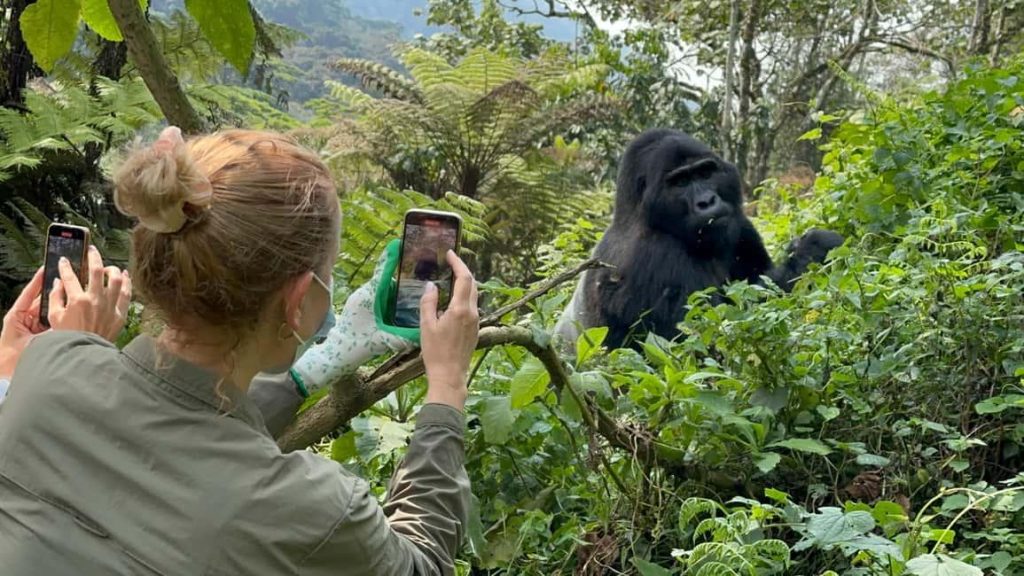
In Kahuzi-Biega National Park, the gorilla habituation experience is distinct from traditional gorilla trekking. Visitors can spend extended periods—up to four hours—with a semi-habituated gorilla family, offering a more immersive encounter. This experience is limited to a small number of participants, ensuring that the gorillas are not overwhelmed.
During the habituation experience, visitors are accompanied by experienced guides who provide insights into gorilla behavior, conservation efforts, and the significance of the habituation process. Participants are encouraged to observe quietly, take notes, and ask questions, fostering a deeper understanding of these incredible animals.
Benefits of Gorilla Habituation
The gorilla habituation process in Kahuzi-Biega National Park offers numerous benefits:
- Conservation Research: Habituation allows researchers to gather valuable data on gorilla behavior, health, and social structures. This information is crucial for developing effective conservation strategies and monitoring population dynamics.
- Ecotourism: The habituation process supports sustainable tourism, generating revenue that can be reinvested into conservation efforts and local communities. This financial support is vital for the ongoing protection of gorillas and their habitats.
- Community Engagement: By involving local communities in conservation efforts, gorilla habituation fosters a sense of stewardship and responsibility. This engagement helps to mitigate human-wildlife conflict and promotes coexistence.
Success rate of gorilla habituation in Kahuzi-Biega National Park
The success rate of gorilla habituation in Kahuzi-Biega National Park is generally considered to be high, though specific statistics on success rates are not explicitly detailed in the available sources. The habituation process typically takes 2 to 5 years, during which park rangers and researchers work to gradually acclimate the Eastern Lowland Gorillas to human presence. This careful approach aims to minimize stress on the gorillas while ensuring they can interact with humans safely and comfortably.
The habituation experience allows visitors to spend up to four hours with the gorillas, which is longer than the standard one-hour observation during regular trekking. This extended interaction is beneficial for both the gorillas’ acclimatization and for enhancing visitor understanding of their behavior and social dynamics.
Challenges and Considerations
While gorilla habituation is essential for conservation, it is not without challenges:
- Disease Transmission: One of the primary concerns is the risk of disease transmission from humans to gorillas. To mitigate this risk, strict health protocols are enforced, including wearing masks and maintaining a safe distance from the animals.
- Behavioral Changes: There is a risk that habituation could alter natural behaviors and social dynamics within gorilla groups. Researchers must carefully monitor the gorillas to ensure that their well-being is not compromised.
- Resource Intensive: The habituation process requires significant resources, including funding, personnel, and time. Securing the necessary support for these efforts can be challenging, especially in regions facing political instability.
Conclusion
Gorilla habituation in Kahuzi-Biega National Park is a vital component of conservation efforts aimed at protecting the eastern lowland gorillas. By gradually acclimatizing these magnificent creatures to human presence, researchers can gather critical data while providing visitors with unforgettable experiences.
The process of habituating gorillas serves as a reminder of the importance of sustainable practices benefiting wildlife and local communities. Through responsible ecotourism and ongoing research, we can ensure that these incredible animals thrive for generations to come.