Mountain gorilla trekking begins with clear expectations about the destination, timing and rules that affect the visitor experience. Mountain gorillas live in protected landscapes in Uganda, Rwanda and eastern Democratic Republic of Congo, each with its own access and permit rules. Bwindi has four main trekking sectors while Mgahinga offers a different Virunga mountain setting. This guide explains the important choices in a way that helps travelers arrange a realistic trip rather than relying on a general promise about travel time, scenery or wildlife sightings.
A practical example
Two trekkers with similar fitness can still have very different days because gorilla families move. One group may encounter steep slopes while another has a shorter approach. Choosing between Uganda and Rwanda should therefore account for permits, access, lodges and total itinerary rhythm—not claims that one country guarantees an easy trek.
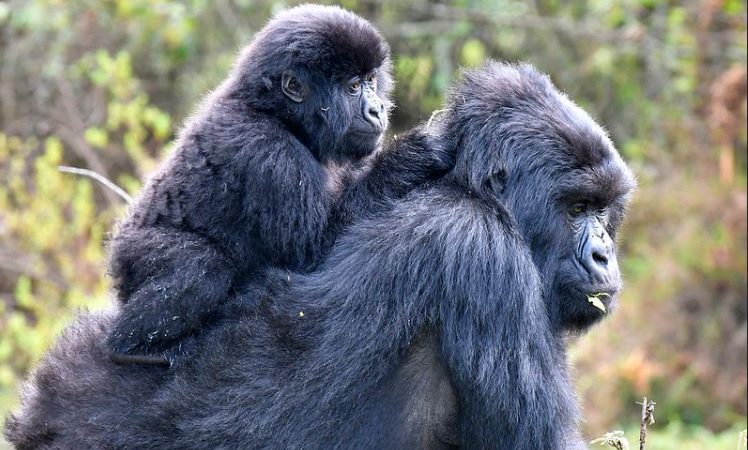
Mountain Gorilla trekking in Bwindi and Batwa encounter .
mountain gorilla trekking: practical decisions and gorilla permits
Decision 01
mountain gorilla trekking: Three countries
Mountain gorillas live in protected landscapes in Uganda, Rwanda and eastern Democratic Republic of Congo, each with its own access and permit rules.
Decision 02
gorilla permits: Uganda options
Bwindi has four main trekking sectors while Mgahinga offers a different Virunga mountain setting.
Decision 03
Bwindi forest: Rwanda option
Volcanoes National Park in Rwanda is commonly reached via Kigali and Musanze with a mandatory RDB tracking permit.
trek preparation: what to decide before visiting
Volcanoes park: Three countries
Ask the person arranging mountain gorilla trekking guide to explain how “three countries” changes the practical plan. The important detail is not just the attraction’s name but the exact location, time and conditions described here.
trek preparation: Uganda options
Ask the person arranging mountain gorilla trekking guide to explain how “uganda options” changes the practical plan. The important detail is not just the attraction’s name but the exact location, time and conditions described here.
Plan the next stage with a clear, practical itinerary.
Ask the person arranging mountain gorilla trekking guide to explain how “rwanda option” changes the practical plan. The important detail is not just the attraction’s name but the exact location, time and conditions described here.
Permits manage the number of daily visitors and support regulated access; they do not guarantee weather, duration or a specific family.
The booking decision here is specific to permit purpose. Before paying, ask for the issued permit or reservation reference, applicable visitor category, operating date, and a written breakdown of what the quoted charge actually includes.
4 day rwanda mountain gorilla trekking .
Age requirement
The usual minimum age is 15 years in both Uganda and Rwanda, with health rules designed to protect gorillas.
Field preparation
Wear waterproof boots, long trousers and gloves and take a small pack with water, food and rain protection.
Ask the person arranging mountain gorilla trekking guide to explain how “field preparation” changes the practical plan. The important detail is not just the attraction’s name but the exact location, time and conditions described here.
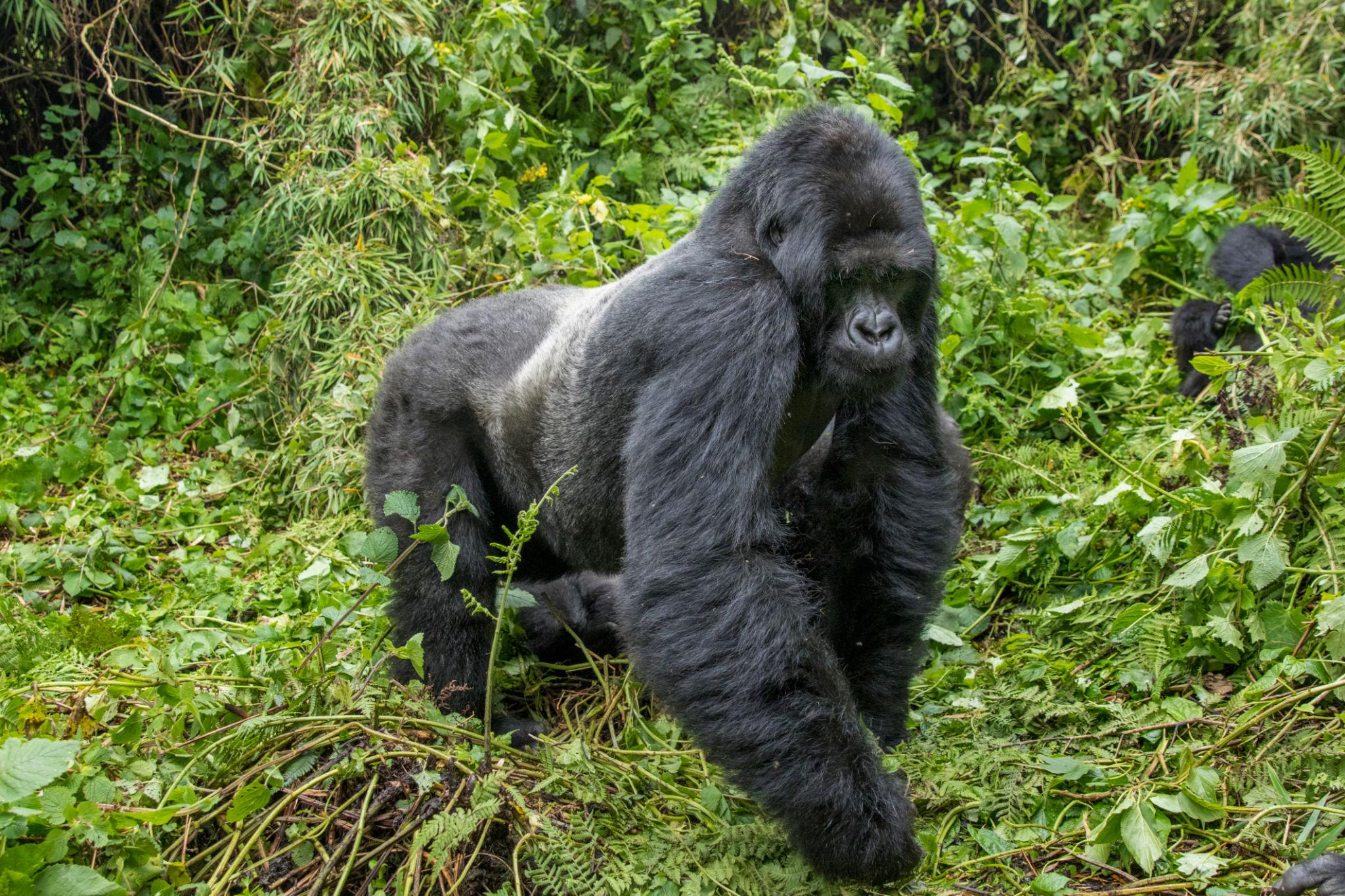
Magical encounters with the mountain gorillas of Bwindi .
Encounter protocol
Observe the ranger’s guidance about distance, noise, flash photography and movement around the gorilla family.
Ask the person arranging mountain gorilla trekking guide to explain how “encounter protocol” changes the practical plan. The important detail is not just the attraction’s name but the exact location, time and conditions described here.
Travel season
Drier months may ease some approaches but rain remains possible in mountain forest at any time of year.
Mountain Gorilla Trekking at Volcanoes National Park Rwanda .
Trip selection
Choose the park, permit, access route and lodge as one connected decision rather than booking each item independently.
Ask the person arranging mountain gorilla trekking guide to explain how “trip selection” changes the practical plan. The important detail is not just the attraction’s name but the exact location, time and conditions described here.
Bwindi forest and Volcanoes park: preparation details
Before travel
What to confirm
Booking proof
Date, operator, location and whether every required permit is included
Transfers
Pickup time, driver contact, border or road buffers where relevant
Equipment
Footwear, rain protection, medication and suitable personal gear
Visitor rules
Minimum ages, guide instructions, health conditions and safety briefing
Price details
Entry tickets, accommodation, meals, extra activities and cancellation clauses
Weather contingency
Alternative timing or safe activities if conditions change
For this itinerary, choose Accommodation close enough to the actual activity entrance to avoid unnecessary transfers. Confirm the access road, check-in timing and any early breakfast arrangements.
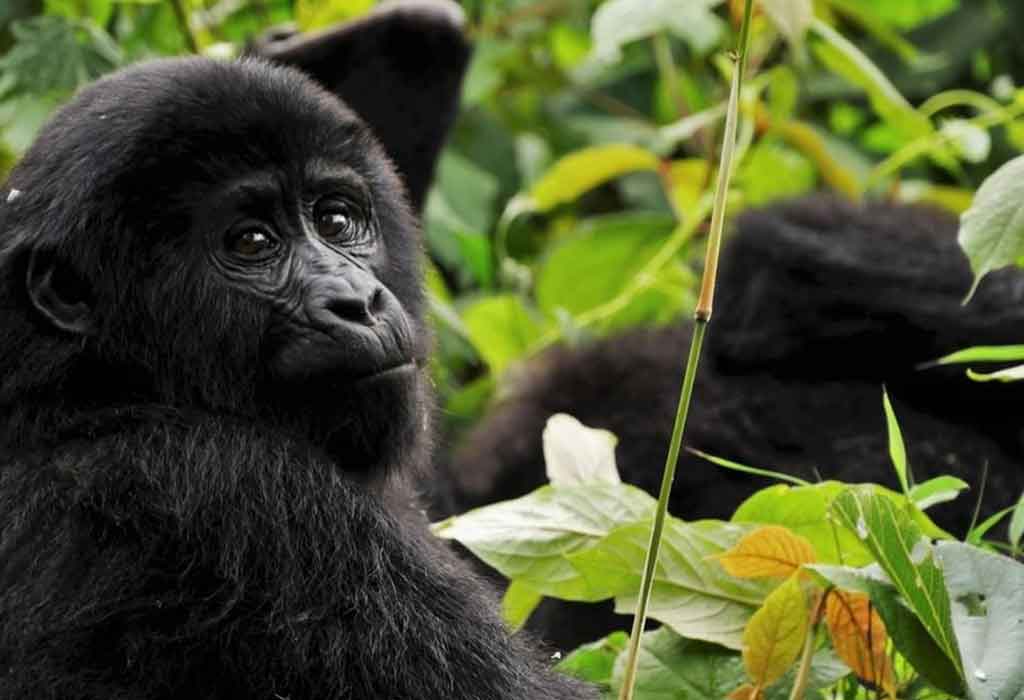
Young Mountain Gorillas During Gorilla Habituation in Bwindi .
Frequently asked questions
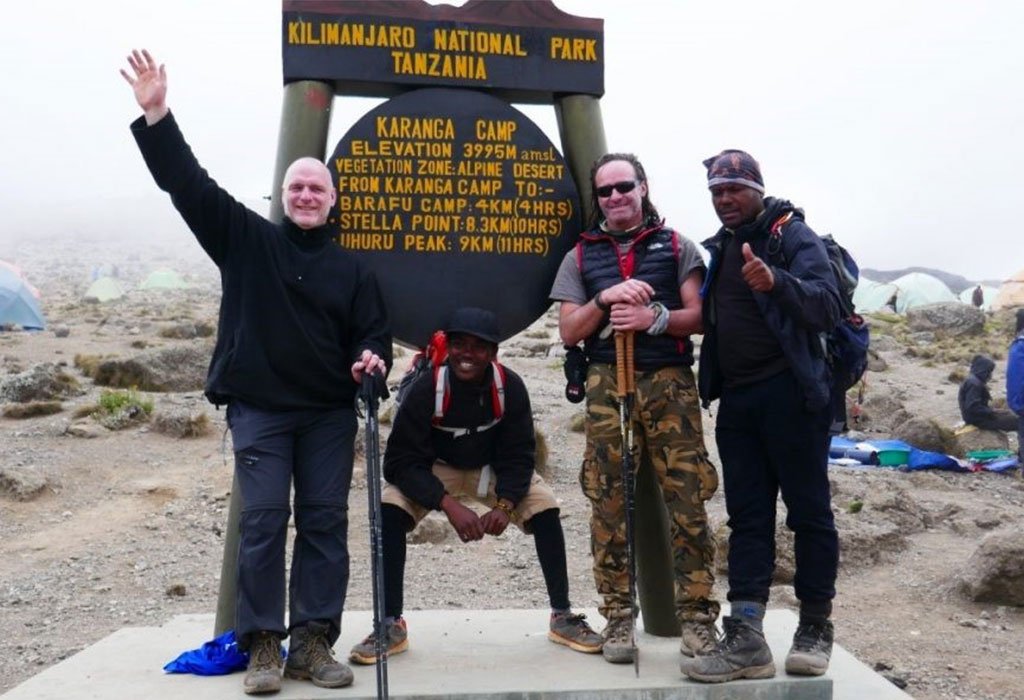
What should visitors know about trip selection?What should visitors know about encounter protocol?What should visitors know about age requirement?What should visitors know about rwanda option?What should visitors know about three countries?Combine Hiking Mountain Kilimanjaro with Gorilla trekking in Congo .
Key takeaways for this visit
The most useful planning details for Mountain Gorilla Trekking Guide are three countries, rwanda option and age requirement. Confirm the relevant rules and logistics before travel, and keep weather-sensitive activities flexible.
Decisions that shape this visit
Trekking locations
Wild mountain gorillas can be visited through permitted ranger-led experiences in Uganda, Rwanda and the Democratic Republic of the Congo. Each country has its own booking and access arrangements.
Wildlife encounter
An allocated permit does not fix the precise location of a family on the morning. Rangers locate groups under park procedures and visitors follow their instructions.
Health etiquette
Great apes are vulnerable to human infections. Visitors with symptoms should consult the operator and follow park health rules before entering the forest.
Physical preparation
Steep or muddy routes are possible. Comfortable hiking fitness, appropriate boots, and advice about assistance are more useful than a promise of a short walk.
Practical details worth checking
The explanation should be specific to mountain gorilla trekking guide.
This approach is especially helpful for families, photographers and visitors who prefer a gentler pace, because mountain gorilla trekking guide should be tailored to people rather than to a fixed sales script.
The safest plan responds to mountain gorilla trekking guide by checking the activity conditions first and arranging transport and resting time second.
The most important early decision for mountain gorilla trekking is the confirmed date and access point.
Before departure
The day on the ground
Weather and season
mountain gorilla trekking: particular questions for this trip
The reason this deserves attention is that travelers often make the decision too late, after another part of the itinerary is already fixed. Drier months may ease some approaches but rain remains possible in mountain forest at any time of year. The best comparison includes both the attractive experience and the less visible transport, access and recovery time needed to enjoy it. Keep the plan flexible enough to accommodate actual conditions while making sure the essential booking details are not vague.
The reason this deserves attention is that travelers often make the decision too late, after another part of the itinerary is already fixed. Choose the park, permit, access route and lodge as one connected decision rather than booking each item independently. The best comparison includes both the attractive experience and the less visible transport, access and recovery time needed to enjoy it. Keep the plan flexible enough to accommodate actual conditions while making sure the essential booking details are not vague.
A clear checklist helps avoid last-minute confusion. Review the documents and contact details well before the departure day, then confirm again when dates or visitor categories change. The questions below are deliberately specific: every operator should be able to explain which part of the journey is fixed, which is weather-dependent and which additional cost needs your approval.
For a smoother trip, review Accommodation options only after confirming the activity location and the travel day. A beautifully photographed lodge is not automatically convenient for an early park briefing or a long cross-border transfer. Ask how long the final approach takes in the conditions likely at your time of travel.
Consider the complete travel party when judging physical difficulty or pace. Children, older visitors, people with mobility needs and photographers carrying heavy equipment may need different support. If medical or accessibility requirements are relevant, contact the operator early and obtain an honest description of the terrain and assistance that can actually be arranged.
Before sending any final payment, ask for a written itinerary showing confirmed dates, activity locations, guide arrangements, hotel location and a transparent list of included services. This is especially important where national borders, protected wildlife or changing transport schedules are involved. A carefully checked itinerary gives visitors more freedom to appreciate the place once they arrive.
Mountain gorilla trekking: what the experience really involves
A forest walk guided by park staff
Mountain gorilla trekking is a regulated wildlife encounter in which visitors walk through protected habitat with guides and trackers. It is not an independent hike to a known enclosure or a guaranteed encounter at a fixed roadside viewpoint. The animals move through natural forest, and the route may change according to where they are located. A valid activity permit is essential, and visitors must follow the procedures at the designated meeting point. Good preparation begins with accepting the difference between a managed wildlife visit and an attraction that operates to a rigid timetable. The guide’s role is to organize the group safely and interpret what is observed, not to direct how gorillas behave.
Understand where mountain gorillas live
Travelers can seek regulated gorilla experiences in specific protected landscapes in Uganda, Rwanda and the Democratic Republic of the Congo. Each destination has its own access routes, permit arrangements and travel considerations. The forest habitat can be dense, steep and humid, though exact conditions vary by park and trail. A visitor should choose the destination according to safety, available time, legal travel arrangements and desired wider itinerary rather than assuming that all gorilla countries offer identical experiences. The goal is to reach a suitable park legally and responsibly while allowing enough time for its official activity. No tour company can promise that the habitat will be easy to navigate simply because the booking price is high.
The trek is a journey, not only an encounter
The walk itself can be memorable: guides may explain tracks, vegetation, bird calls and other signs of the forest. Visitors who focus only on the moment of seeing gorillas can miss much of the broader ecosystem. Keep a comfortable pace and listen to instructions, especially where the ground is muddy or the vegetation thick. The forest may be quiet for extended periods before animal sounds or tracker updates change the group’s direction. This uncertainty is part of a genuine wildlife experience. A well-informed guest values the landscape and the work of conservation staff as well as the opportunity for observation once the gorillas are located.
Booking the right gorilla trekking permit
Select the country and park first
A permit is issued for a specific destination and activity, not for unrestricted entry to every gorilla habitat in East Africa. Uganda’s Bwindi and Mgahinga arrangements differ from those of Rwanda’s Volcanoes National Park. A traveler should decide where the trek will take place before choosing flights and lodging that may not connect conveniently to the intended park. Confirm the proposed date, visitor eligibility category and the procedures used to issue the reservation. A quotation saying gorilla trekking included is incomplete without details of what has actually been secured. The forest visit is often the central cost and commitment of the trip, so it deserves priority in planning.
Do not assume the printed permit rate is the total trip price
Official activity charges are only one element of a safari. Transport, accommodation, meals, local guiding and other activities may be charged separately. Some packages also have optional porter assistance or different vehicle arrangements. Ask for a clear description of each inclusion and exclusion rather than comparing headline prices alone. Visitor categories and tariffs can change, so older advertisements may not reflect the applicable amount. A responsible booking provider explains which category was used and what documentation is required. Understanding the financial structure allows travelers to choose between different service levels without confusing a permit-only rate with a fully guided multi-day journey.
Confirm documentation for every participant
The booking process may require identifying information, and each visitor must be eligible for the regulated activity. Check that names and dates match the travel documents used for registration. Families should verify the minimum age rule before purchasing permits or nonrefundable flights. Group leaders should keep individual confirmations organized rather than relying only on a verbal assurance that everyone has a place. If someone changes plans, amendment conditions may apply. A visitor should have access to the necessary confirmation details when arriving at the ranger briefing. Proper documentation reduces stress and helps avoid problems that cannot easily be solved after a long road transfer.
Trekking fitness and realistic difficulty
Gorilla groups move through variable terrain
One party may walk for a relatively short time, while another may cover more difficult ground before reaching its allocated gorillas. The distance cannot be fixed months in advance because the animals are free-ranging. Slopes, wet leaves, roots and undergrowth may increase the effort needed. A traveler who is comfortable on paved city walks may still find the forest challenging. Ask an operator for a realistic description of conditions and discuss personal limitations honestly. Good preparation is more useful than an advertisement promising an easy trek. The exact route remains under the control of park teams responding to wildlife movement and safety.
Prepare through ordinary walking and sensible footwear
Visitors do not necessarily need specialist mountaineering experience for a standard trek, but they benefit from being comfortable walking on uneven ground. Before travel, practice on hills or varied surfaces where possible and wear the boots intended for the forest. Avoid starting a major walk in new shoes. Long trousers, a lightweight waterproof jacket and clothing that can be adjusted to changing temperature are practical. Carry enough water and a manageable small bag. The goal is to reduce preventable discomfort, not to turn preparation into a competition. Someone with relevant medical concerns should obtain individualized advice rather than relying on a generic fitness rating.
Porters and assistance are separate considerations
Where porter services are available, a visitor may choose support with a backpack and certain practical aspects of the walk. Such assistance can be valuable, especially for guests who prefer to conserve energy for the forest encounter. It should not be represented as a guarantee of a flat route or permission to ignore a ranger’s safety decisions. Travelers with significant mobility needs should discuss options directly with the organizer before making a booking. The suitability of a particular service depends on the person’s needs, terrain and park arrangements. Clear communication is more respectful and useful than describing every visitor as able or unable to trek based solely on age.
The ranger briefing and observation rules
Know what to expect at the morning assembly
The designated meeting point is where visitors receive instructions, confirm arrangements and meet the staff supervising the activity. Groups may be organized according to park procedures. Arrive on time with identification, confirmation details and the gear needed for the walk. The briefing explains expected behavior and the steps to follow if gorillas are encountered nearby. The event should not be dismissed as an inconvenience on a private tour. Even guests with extensive travel experience benefit from understanding the specific rules and conditions of the park they are visiting. A punctual start supports safety and reduces disruption to other participants.
Health precautions protect vulnerable great apes
Gorillas are susceptible to certain human illnesses, and the conduct rules are partly intended to reduce that risk. Visitors should follow instructions about illness, distance, coughing, food and approach behavior. Someone who feels unwell should inform the appropriate staff rather than concealing symptoms to preserve an expensive booking. Avoid touching or feeding animals, however calm they appear. These limitations are central to conservation, not optional etiquette. An ethical operator explains them before the visitor arrives. The aim is to allow meaningful observation while reducing stress and disease risk for animals whose welfare comes before the tourist’s preferred photograph.
Respect the boundary between wildlife and visitors
Gorillas are powerful wild animals with their own movements and social interactions. The staff will advise where to stand and how to respond if an animal approaches or changes direction. Follow instructions calmly and avoid sudden movements or attempts to attract attention. A visitor should never demand a closer approach or ask the guide to influence animal behavior for a picture. Observation rules are designed to protect everyone involved. The wonder of the encounter lies in witnessing gorillas behave naturally. Treating them as performers would diminish the experience and undermine the conservation purpose of regulated access.
Gorilla behavior and what visitors might observe
A family group has relationships, not a fixed script
A visitor may see resting adults, young animals playing, grooming or feeding if the group is active and visible at the time. None of these behaviors can be guaranteed. Gorilla family composition can change, and popular names in older guides may become outdated. Rangers can explain the current group and provide context about its members without claiming that the animals will follow a planned sequence. Watch how individuals react to one another and to their surroundings. Careful observation can reveal more than the obvious presence of a silverback. The experience gains depth when visitors are interested in relationships and habitat rather than merely counting animals.
The forest makes observation different from a zoo
Leaves, branches and changing light may partly obscure gorillas, and the group may need to remain at a permitted distance. These are natural characteristics of wildlife viewing, not service failures. A clear photograph may be possible at one moment and impossible at another. Listen to the guide’s interpretation and appreciate what can be seen safely. The habitat itself explains much about the animals’ lives: food, shelter, movement and social contact occur within a complex living environment. Accepting limited visibility can make the encounter more authentic, because it respects the fact that the forest is the gorillas’ home.
A quiet moment can be the highlight
Some visitors expect constant dramatic action, but much of gorilla life involves ordinary activities. Seeing an animal resting, feeding calmly or attending to a youngster can be deeply memorable. Put the camera down occasionally and allow attention to shift toward sound, movement and the guide’s explanations. Avoid pressuring other guests to move so one person can obtain a better view. The observation period is shared and regulated, so patience matters. A rewarding encounter does not depend on a gorilla approaching closely or behaving in an extraordinary way. Its value comes from the rare opportunity to observe natural behavior with minimal interference.
Photography during mountain gorilla trekking
Forest light is often unpredictable
A canopy can produce deep shade beside small bright patches, making exposure difficult. Prepare camera settings before the encounter and keep equipment protected from moisture. A relatively light setup may be easier to manage on steep trails than several heavy lenses. Remember that photography is secondary to ranger instructions. Do not move into a prohibited area or use restricted flash to improve a picture. Some visitors may prefer to take a few photographs and spend the remaining time observing. The most compelling images often show animals naturally within their forest setting instead of seeking a staged close-up that cannot be arranged responsibly.
Protect the group while using equipment
A backpack, long lens or loose camera strap can be awkward on narrow muddy ground. Keep gear contained and avoid blocking other visitors. If you need to change a battery or lens, do so when and where it is safe, without delaying the ranger-led group. Waterproof storage can protect valuable items during sudden rain. A visitor hoping to film commercially may need permissions beyond those of an ordinary tourist; that should be checked separately. Standard trekking access does not imply unrestricted production rights. Responsible photography balances personal creativity with the needs of fellow visitors and the welfare of the animals.
Choosing Uganda, Rwanda or another gorilla destination
Consider the entire journey, not only the forest fee
Permit prices alone do not show the total effort and expense of a gorilla trip. Travel from the international arrival airport, border procedures, lodge location and time available can change the comparison substantially. A visitor with a short holiday may value one route, while someone exploring multiple Ugandan parks may prefer another. Ask for the complete door-to-door itinerary before deciding. Cross-border plans also require suitable entry documents and realistic timing. The best destination is not automatically the cheapest permit or the shortest advertised transfer; it is the one that fits the traveler’s interests, budget and logistical constraints.
Bwindi’s sectors influence accommodation
In Bwindi, the assigned trekking sector is a critical piece of information. Buhoma, Ruhija, Rushaga and Nkuringo are associated with different approaches and visitor arrangements. An attractive lodge in the wrong area can create a difficult morning transfer. Confirm the sector before paying for accommodation and ask about the actual road to the briefing point. The same principle applies when arranging a road journey from Kigali or Entebbe: the forest destination is more specific than the word Bwindi alone. A carefully matched lodging plan protects the activity and allows guests to sleep near the correct starting point.
Volcanoes National Park offers a different route
Rwanda’s gorilla trekking activity is organized in Volcanoes National Park, with early visitor arrangements in the Kinigi area. Travelers arriving through Kigali should plan the transfer and overnight stay accordingly. A hotel in the capital may not suit a very early park briefing if the schedule is tight. Rwanda also has other activities, but they require separate consideration rather than being automatically included with a gorilla permit. A visitor comparing Rwanda and Uganda should examine the total trip structure, not just promotional claims about one park being easier or more luxurious. Forest walking remains variable in both destinations.
Accommodation and transfer choices
Sleep close enough for a calm start
A forest lodge can be a highlight of the trip, but it must support the actual activity. Ask about driving time to the meeting point, breakfast arrangements and the condition of approach roads. A room described as near a national park may still be distant from the allocated trailhead. Travelers with a long journey should consider arriving the day before trekking rather than relying on a same-morning transfer. This allows time to prepare boots, clothing and documents. A quiet evening and adequate sleep may improve the experience more than another optional sightseeing stop. The correct overnight base is a logistical decision as well as a comfort choice.
Recovery time matters after the forest
Gorilla tracking may finish earlier or later than expected, and visitors can return tired or wet. Keep a flexible afternoon for showering, changing clothes and resting. A long transfer immediately after the trek is sometimes necessary, but it should be chosen deliberately with realistic road timing. Travelers who want to reflect on the encounter may appreciate another night nearby. Families and older guests may need a gentler pace, while keen photographers may welcome time to review images. The best itinerary balances the central wildlife outing with the energy and interests of the people taking part.
Avoid adding too many distant attractions
A multi-day safari can include other wildlife or cultural destinations, but every addition should contribute a different experience and fit the available time. Do not include several long transfers simply to make the package appear more comprehensive. A boat outing, forest walk or local cultural encounter may be worthwhile when logically positioned along the route. Ask what guests will actually do at each stop and whether it requires another permit or guide. A focused itinerary with meaningful rest can be more rewarding than a rushed checklist of unrelated attractions.
Ethical travel and conservation
Conservation rules make the encounter possible
Mountain gorilla tourism operates within protected landscapes where wildlife welfare and habitat management are central concerns. Visitor limits, ranger supervision and behavior rules help balance access with protection. Travelers should understand why they are asked to keep distance, avoid direct contact and follow health instructions. The goal is not to create a comfortable wildlife stage but to allow observation with reduced disturbance. Ethical tourism respects the decisions of conservation staff even when those decisions limit photography or alter an expected route. A visitor who understands the purpose of the rules is better prepared to appreciate the privilege of access.
Communities are part of the wider landscape
Protected forests exist alongside communities whose livelihoods and histories are connected to the surrounding region. Travelers can engage through appropriately organized local guides, craft enterprises and cultural experiences when they have genuine interest. Ask permission before photographing residents and avoid treating everyday activities as a performance. Supporting fair local services may broaden the benefits of tourism, though it does not replace formal conservation funding. The experience should encourage respect for both the wildlife and the people living nearby. Responsible conduct extends from the ranger briefing to the vehicle, lodge and community encounters throughout the trip.
Leave with realistic memories, not guarantees
An operator can arrange transport, confirm a permit and explain the likely conditions, but it cannot control the weather or a gorilla family’s movements. Guests should be wary of claims promising a specific animal, an effortless route or unrestricted close photographs. The most meaningful recollections often include the anticipation of walking through the forest, the guide’s knowledge and quiet moments of observation. Those experiences cannot be reduced to a fixed package script. When travelers accept the natural uncertainty, mountain gorilla trekking becomes an encounter with a living ecosystem rather than a test of whether a brochure’s promises came true.