Exploring the World of Gorillas
Exploring the World of Gorillas
Exploring the world of gorillas reveals that they are among the most fascinating and majestic creatures on Earth, captivating the hearts of many with their complex social structures and striking physical presence. As the largest living primates, gorillas primarily inhabit the dense forests of Central Africa, where they play a crucial role in their ecosystems. These remarkable animals not only contribute to biodiversity but also serve as indicators of environmental health, making their conservation vital for the well-being of their habitats. Understanding gorillas’ behaviors, social dynamics, and ecological significance enhances our appreciation for these incredible beings and underscores the importance of protecting them for future generations.
Introduction to Gorillas
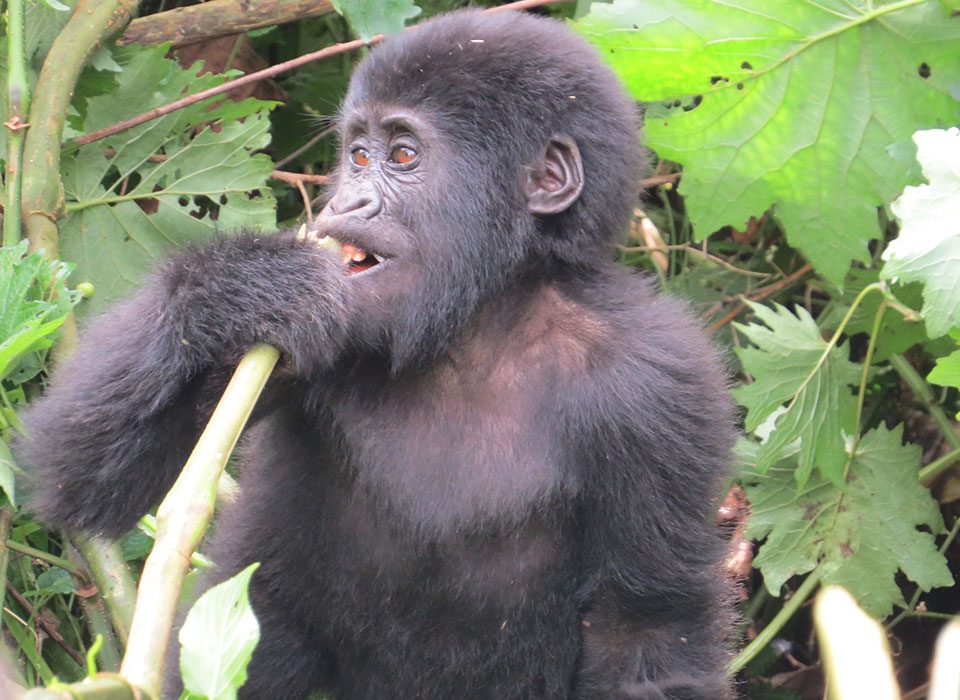
Gorillas are the largest living primates and belong to the family Hominidae, which also includes humans, chimpanzees, and orangutans. They are classified into two main species: the eastern gorilla (Gorilla beringei) and the western gorilla (Gorilla gorilla). Each of these species is further divided into several subspecies. Notably, the critically endangered mountain gorilla (Gorilla beringei beringei) resides in the misty, mountainous regions of East Africa, specifically within the Virunga Mountains that span Uganda, Rwanda, and the Democratic Republic of Congo.
The evolutionary lineage of gorillas diverged from that of humans and chimpanzees approximately 8.8 to 12 million years ago. This long history has resulted in unique adaptations that allow gorillas to thrive in their specific habitats. Mountain gorillas are particularly well-adapted to high-altitude environments, where they inhabit dense forests at elevations ranging from 7,200 to 14,100 feet (2,200 to 4,300 meters). Their thick fur provides insulation against cold temperatures, while their strong limbs enable them to navigate steep terrains.
In contrast, western gorillas are found in a variety of lowland habitats across Central Africa. Both species face significant threats from habitat destruction, poaching, and disease, leading to a critical need for conservation efforts. Understanding the biology and ecology of gorillas is essential for developing effective strategies to protect these magnificent creatures and their habitats for future generations.
Physical Characteristics and Adaptations
Adult male gorillas, known as silverbacks due to their distinctive silver hair, can weigh up to 440 pounds (200 kg) and stand about 5.5 to 6 feet tall when upright. They have strong, muscular bodies adapted for climbing and foraging in their arboreal habitats. Their diet primarily consists of leaves, stems, and fruits, which they can consume in large quantities—up to 75 pounds (34 kg) daily.
Differences Between Mountain Gorillas and Eastern Lowland Gorillas
- Size and Weight: Mountain gorillas are generally larger, with males weighing up to 440 pounds (200 kg) and standing around 5.6 feet (1.7 meters) tall. In contrast, eastern lowland gorillas are slightly smaller, averaging around 350 pounds (160 kg) and standing about 5.3 feet (1.6 meters) tall.
- Fur: Mountain gorillas have longer, thicker, and darker fur that helps them withstand the colder temperatures of their mountainous habitats. Their fu.
- Facial Features: Mountain gorillas possess a broader forehead and larger teeth compared to eastern lowland gorillas, which have a more rounded forehead and smaller teeth
Habitat and Geographic Distribution
Gorillas inhabit a variety of forested environments across Central Africa, from lowland swamps to montane forests at elevations ranging from 650 to 4,300 meters (2,130 to 14,100 feet). The mountain gorilla specifically thrives in the cool, misty forests of the Virunga Volcanoes.
Diet and Feeding Habits
Gorillas are primarily herbivorous and have evolved to digest tough plant material through a specialized gut flora that helps break down cellulose. Their diet varies seasonally but typically includes leaves, shoots, roots, and fruits. During dry seasons, they may also consume tree bark and seeds for additional nutrients.
Social Structure and Behavior
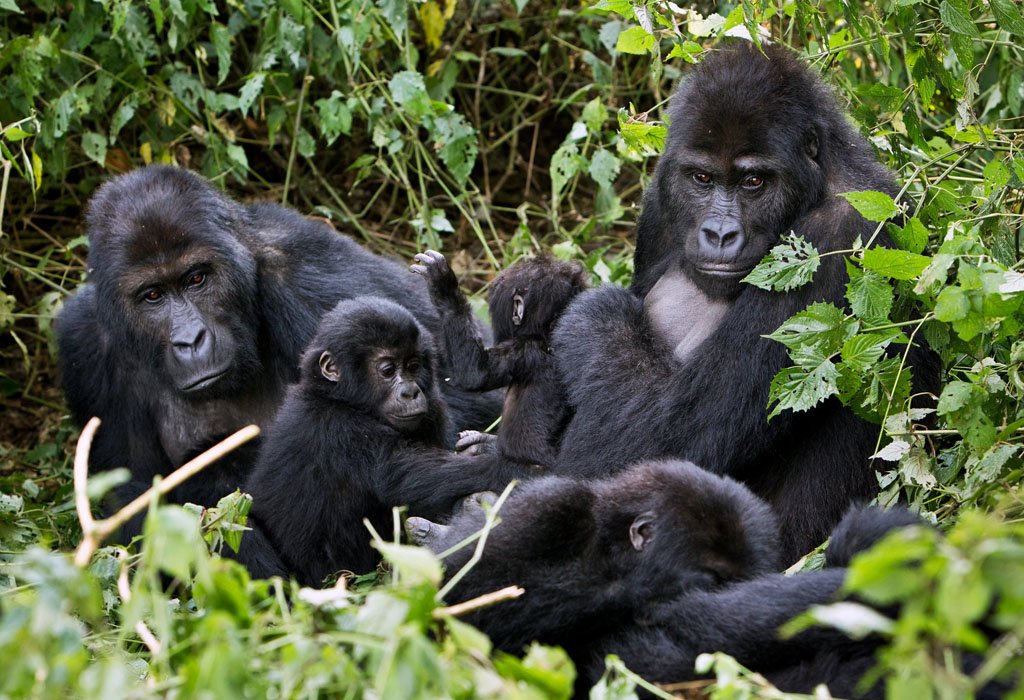
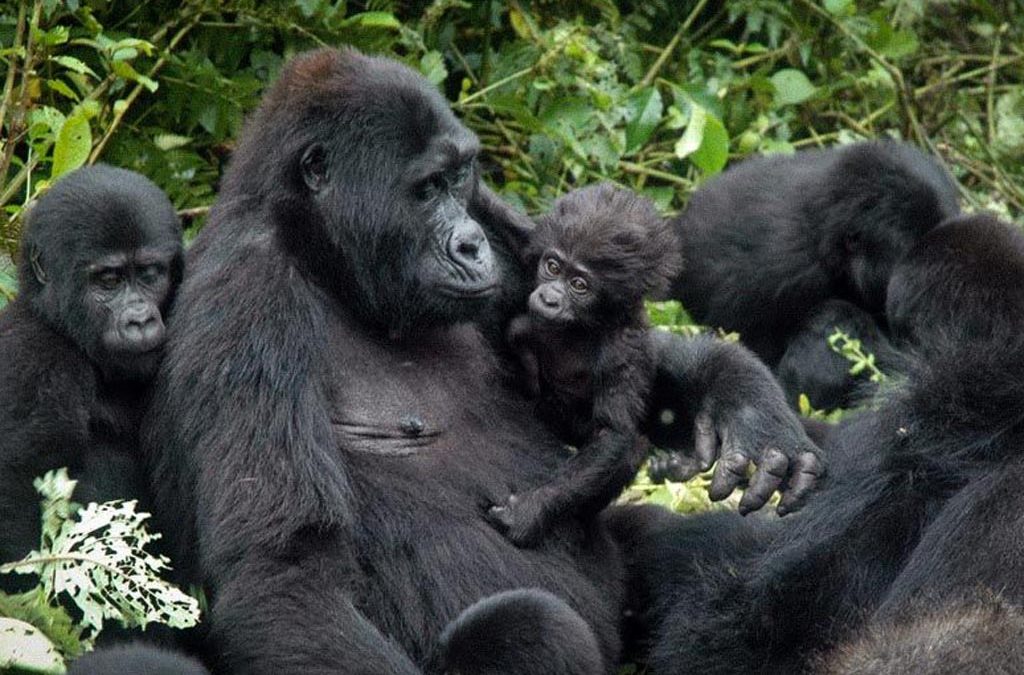
Gorillas live in family groups called troops, typically led by a dominant silverback. These troops consist of several adult females and their offspring. The social bonds within these groups are strong, characterized by grooming behaviors that reinforce relationships among members.
Reproduction and Parenting
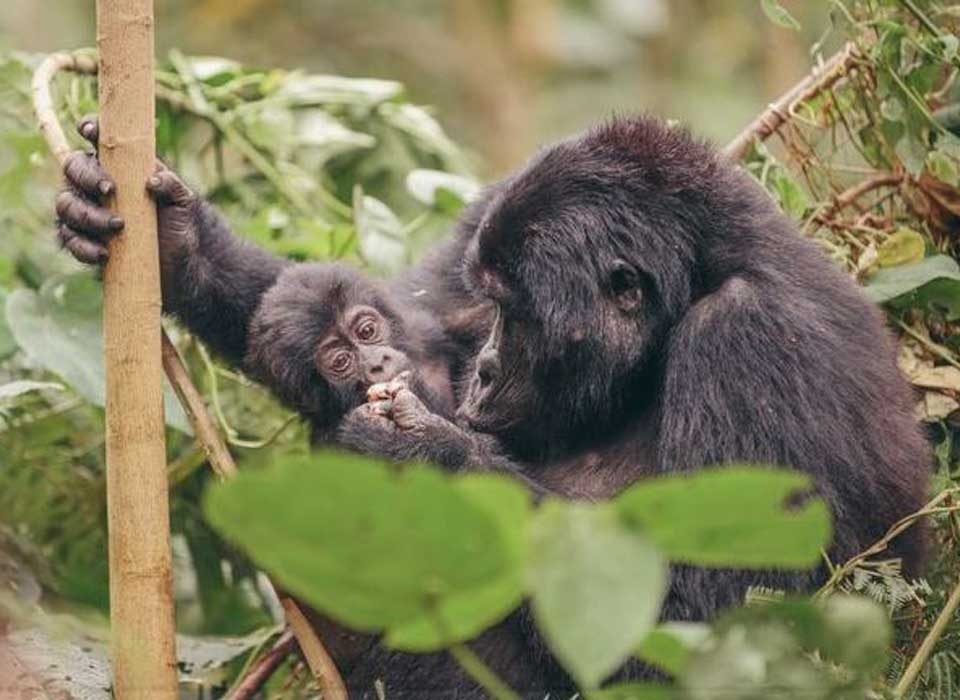
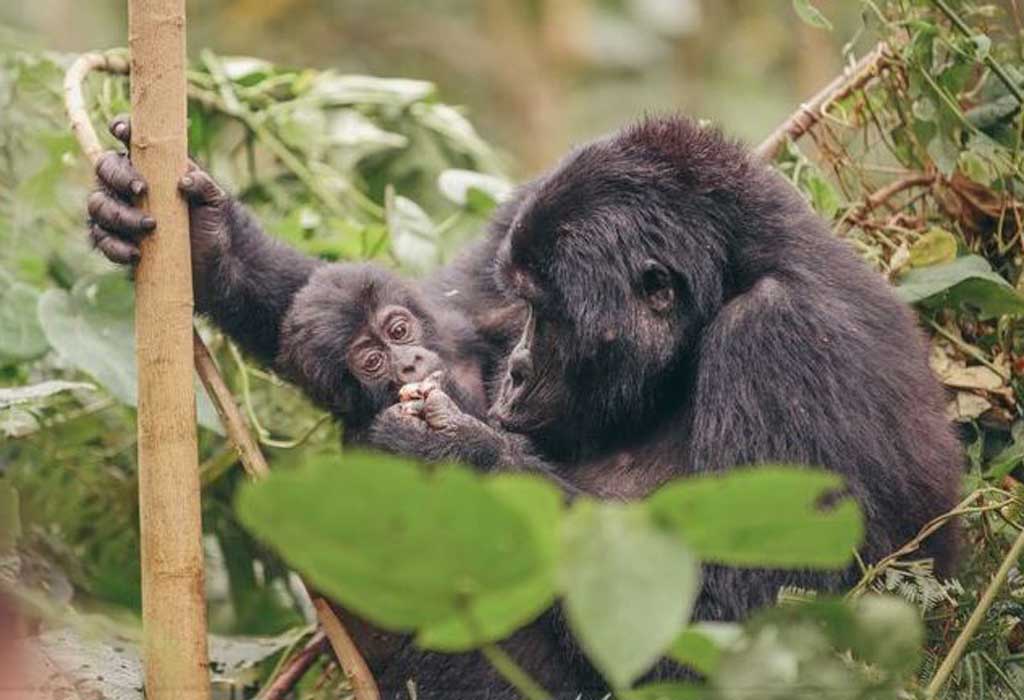
Female gorillas reach sexual maturity around 10-12 years of age and typically give birth every four years after a gestation period of about 8.5 months. Maternal care is crucial for infant survival during their vulnerable early years.
Communication Among Gorillas
Gorillas communicate using a variety of vocalizations, body postures, and facial expressions. Silverbacks vocalize frequently to maintain group cohesion, while infants use sounds to signal their needs to their mothers. Their communication system is complex and essential for social interactions among troops.
Threats and Conservation Status
Gorillas face numerous threats including habitat destruction due to agriculture and logging, poaching, and disease. Conservation efforts have led to a gradual increase in mountain gorilla populations from about 230 individuals in the mid-1970s to approximately 480 today.
Role of Gorillas in Ecosystems
As herbivores, gorillas play a vital role in their ecosystems by aiding in seed dispersal and maintaining plant diversity within their habitats. Their feeding habits help shape forest structure and health.
Gorillas in Popular Culture and Media
Gorillas have been depicted in various forms of media as symbols of strength and family bonds. They appear in documentaries highlighting conservation efforts as well as fictional portrayals that emphasize their intelligence and emotional depth.
Research and Scientific Studies on Gorillas
Ongoing research on gorilla behavior, genetics, and ecology continues to provide insights into their lives and conservation needs. Studies focus on understanding their social dynamics, health issues, and responses to environmental changes.
Gorilla Tourism and Ecotourism
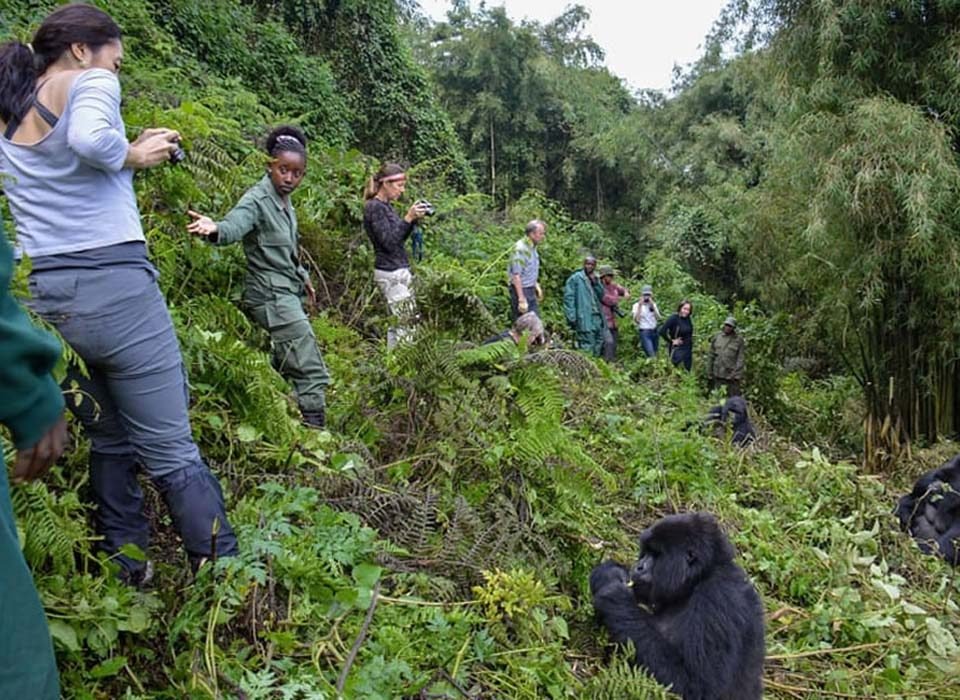
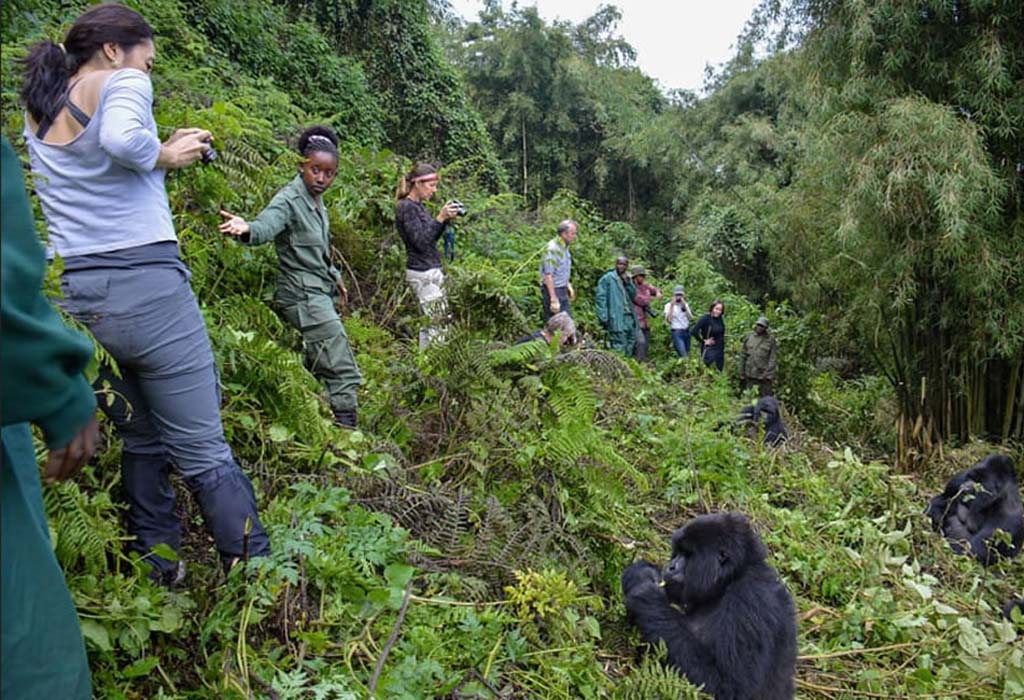
Gorilla trekking has become a significant ecotourism activity in Uganda and Rwanda. This form of tourism not only provides economic benefits but also raises awareness about conservation efforts.
Ethical Considerations in Gorilla Conservation
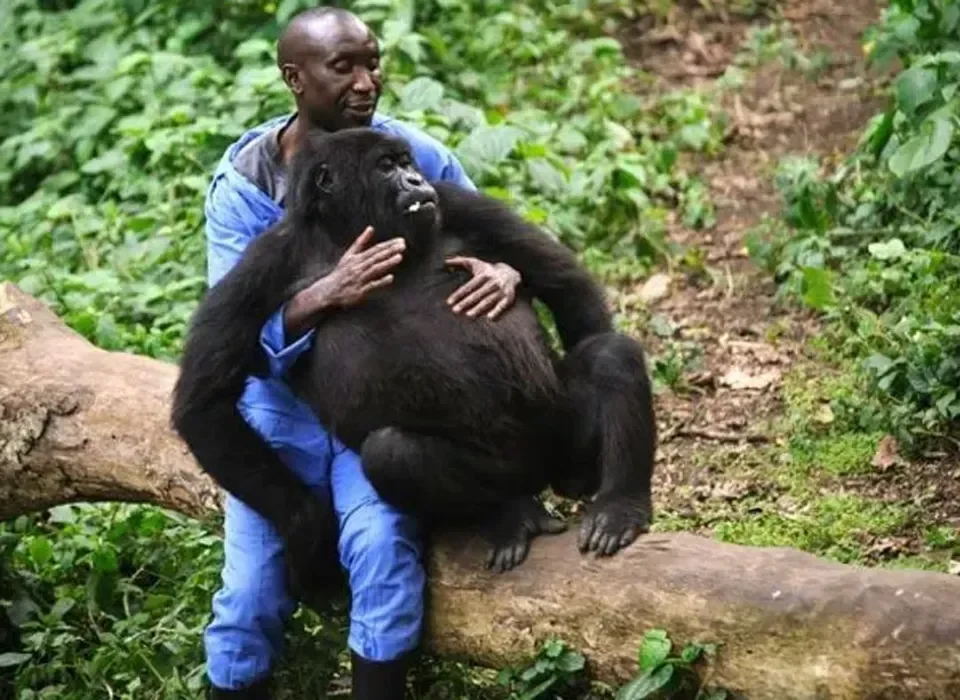
While tourism can contribute positively to conservation funding, it raises ethical concerns regarding human interaction with wildlife. Ensuring that tourism practices do not disrupt natural behaviors is crucial for gorilla welfare.
Challenges and Opportunities in Gorilla Conservation Efforts
Despite successful conservation initiatives, challenges remain such as political instability in some regions where gorillas live. However, increased global awareness offers opportunities for stronger conservation partnerships.
Success Stories in Gorilla Conservation
The rise in mountain gorilla populations is a testament to effective conservation strategies involving local communities, governments, NGOs, and international organizations working together.
Future Directions in Gorilla Research and Conservation
Future efforts will focus on enhancing habitat protection measures, addressing human-wildlife conflict, and promoting community-based conservation strategies that directly involve local populations.
Conclusion and Key Takeaways
Gorillas are vital components of their ecosystems and remarkable beings deserving of protection. Understanding their biology, behavior, and the threats they face is essential for ensuring their survival for generations to come. Through continued research and responsible tourism practices, we can help secure a future for these incredible animals while enriching our experiences with nature.