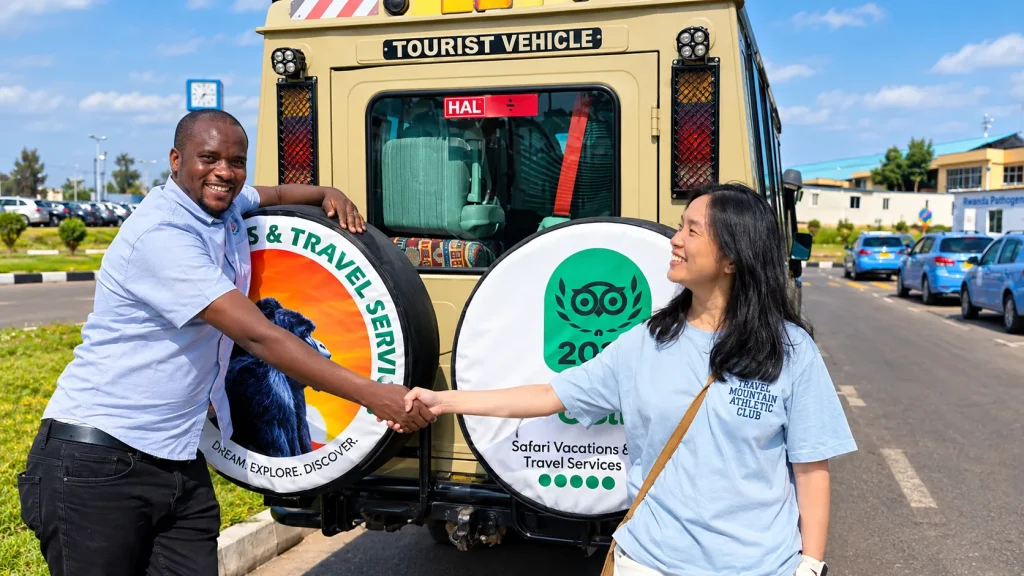
Rwanda Traditional Culture Experience

Rwanda Traditional Culture Experience offers visitors a rich and rewarding journey into the heart of African heritage. The country is home to ancient dances, vibrant crafts, and warm communities eager to share their traditions. You can watch skilled performers, join hands-on workshops, and buy authentic items straight from local artisans. Each activity connects you to a living culture shaped over many centuries. Moreover, your visit supports local families and helps keep these traditions alive for future generations. Rwanda’s culture is not just history — it is alive, proud, and waiting to be discovered.
Experiencing Traditional Dance Performances during the Rwanda Traditional Culture Experience
Traditional Rwandan dance tells the story of a people. It expresses history, values, and community spirit. Several excellent venues across the country offer visitors a chance to witness these powerful performances up close.
Iby’iwacu Cultural Village – A Complete Cultural Experience during the Rwanda Traditional Culture Experience
Iby’iwacu Cultural Village sits near Volcanoes National Park in Musanze. It stands as one of Rwanda’s most popular stops for culture lovers. The village began as a way to give former poachers a better livelihood. Today, these same individuals help protect mountain gorillas through cultural tourism — a powerful transformation.
The centerpiece of every visit is the Intore warrior dance. Male dancers wear grass wigs and carry spears. They leap high, move in sync, and perform with fierce energy. The drumming is loud and thrilling. Together, these elements create a spectacle you will not forget. Furthermore, visitors do not just watch — they join in. You can try the drumming or learn a few dance steps alongside the performers. This hands-on involvement makes the experience feel real and personal.
Beyond dance, the village also shows visitors how to practice archery, prepare traditional medicine, and brew banana beer. Each activity adds another layer to your understanding of Rwandan life.
Niyo Arts Center – Culture That Empowers Youth
The Niyo Arts Center in Kigali serves two important goals. First, it showcases traditional arts through live performances. Second, it supports local children through arts education and cultural programs. The center holds regular dance, music, and drumming shows that feature talented local artists who honor traditional forms while sometimes adding fresh, modern touches.
On Wednesdays and Saturdays, children supported by the Niyo Foundation take center stage. These young performers display impressive skill in traditional drumming and dance — all learned from master artists. In addition to performing, these children receive educational support from the foundation. Attending a show directly helps fund this mission. The venue is intimate, which means you get close to the performers and enjoy a genuine cultural exchange.
The center also functions as an art gallery. It displays contemporary Rwandan visual art alongside traditional performance, so one visit offers multiple artistic experiences.
National Museum of Rwanda – History Brought to Life
The National Museum of Rwanda in Huye, formerly known as Butare, is the country’s top cultural institution. It holds a vast collection of traditional objects — royal regalia, pottery, basketry, musical instruments, and historical photographs. These items show how Rwandan culture has changed and grown over centuries.
The museum also hosts traditional dance performances on its grounds. Watching live dance within a historical setting adds meaning to the experience. You see the connection between the past and the present clearly. As a result, you leave with a deeper understanding of how contemporary culture ties back to centuries of tradition.
Red Rocks Initiative – Community at the Heart
Red Rocks Initiative in Musanze is a community-based organization that puts local people first. The Red Rocks Arts Studio offers hands-on workshops in pottery and painting. It also features traditional dance performances by community members who perform with authentic pride.
What sets Red Rocks apart is its transparent approach. Revenue goes directly to village projects — schools, healthcare, and economic programs. You experience genuine cultural exchange, not a tourist show. Both you and your hosts benefit from every interaction.
Festival Experiences – Culture on a Grand Scale
If your trip falls during a major national festival, you are in for something special. Two key festivals stand out for their cultural richness.
Kwita Izina is the annual gorilla-naming ceremony, typically held in August or September. It began as a conservation event but has grown into a grand cultural celebration. The event features traditional dances, contemporary music, and displays of national pride. Visitors come from around the world to join Rwandans in celebrating their natural heritage.
Umuganura is the traditional harvest festival, also held in August. It gives thanks for the harvest and honors farming traditions. The festival fills the air with traditional music and dance. Communities come together, share food, and celebrate the bonds that hold Rwandan society together. Both festivals offer once-in-a-year experiences that stay with visitors for life.
Discovering Traditional Rwandan Crafts during the Rwanda Traditional Culture Experience
Rwanda’s traditional crafts are world-class. They show extraordinary skill, beauty, and deep cultural meaning. Two craft forms stand above the rest for their uniqueness and quality.
Imigongo Art – Rwanda’s Most Distinctive Craft
Imigongo is Rwanda’s most unique art form. Artists create intricate geometric designs using cow dung mixed with natural pigments. The craft originated in eastern Rwanda and was nearly lost by the late 20th century. Fortunately, women’s cooperatives stepped in and revived it, recognizing both its cultural value and its economic potential.
The Kakira Imigongo Cooperative in Nyakarambi, Eastern Province, is the heart of this tradition. Skilled women artisans prepare boards with cow dung paste, then paint bold patterns using plant and mineral pigments. A visit lets you watch the full creation process, learn the symbolism behind each pattern, and buy authentic pieces directly from the artists. Similarly, the Gahanga Art Center in Kigali shows how traditional Imigongo techniques adapt to modern tastes while keeping their cultural roots.
Organizations like Azizi Life Experiences offer workshops where you create your own Imigongo piece under expert guidance. These sessions give you a personal feel for the patience and precision this art requires. You also take home a meaningful, handmade souvenir.
Basket Weaving – The Celebrated Agaseke Tradition
Rwandan basket weavers have earned global recognition for their stunning Agaseke baskets. Artisans weave these coiled baskets from natural fibers such as sisal and sweetgrass. Each basket features intricate geometric patterns in rich, natural colors. Agaseke baskets hold deep cultural significance — people give them as gifts at weddings, births, and other important occasions.
The Nyamirambo Women’s Center in Kigali’s lively Nyamirambo neighborhood is a great place to experience this craft. As a result, the center empowers women through skills training in basket weaving, sewing, and cooking. In addition, its boutique sells beautifully crafted baskets and woven goods, with all proceeds going directly to women’s economic independence and community programs. Beyond shopping, the center offers immersive experiences such as guided walking tours and hands-on workshops.
neighborhood walking tours that bring the crafts to life in their local context.
Basket-weaving workshops are also available through Azizi Life Experiences. These sessions teach fiber preparation, coiling methods, and pattern design — skills passed down through generations of Rwandan women. The process demands focus and fine motor skills, but it reveals the remarkable precision that underlies this seemingly natural art.
Local Craft Markets – Browse, Connect, and Buy
Rwanda’s craft markets offer a wide range of authentic, traditional, and contemporary crafts. Three markets stand out for different reasons.
Caplaki Craft Village in Kigali is a collection of colorful wooden stalls, each one run by a specialist in a particular craft — wood carvings, pottery, jewelry, textiles, or paintings. Many artisans work on-site, so you can watch them create and ask questions directly. The layout encourages you to browse at your own pace while maintaining personal connections with each maker.
Kimironko Market is Kigali’s largest public market. It offers everything from fresh produce to kitenge textiles to traditional crafts in a busy, authentically Rwandan atmosphere. Prices here are generally lower than at tourist-focused venues. The experience is lively, and navigating the stalls gives you a genuine sense of everyday Rwandan life.
COOTRAC is a cooperative of 22 stalls selling Rwandan and regional handicrafts. It offers curated quality while keeping direct links to the artisans who made each item. The cooperative structure means fair pay reaches the craftspeople, and buyers can trust that what they purchase is both authentic and ethically sourced.
Tips for a Meaningful Rwanda Traditional Culture Experience
A few simple habits will make your cultural experience richer and more respectful.
First, engage actively with artisans and performers. Ask about the history and meaning behind what you see. Most Rwandans love sharing their knowledge and appreciate your genuine curiosity. Understanding why a basket uses a certain pattern, or what a warrior dance celebrates, deepens your appreciation enormously.
Second, buy directly from cooperatives and individual artisans rather than middlemen. This ensures fair wages reach the people who create the work. Prices may be slightly higher, but your money goes where it matters most.
Third, practice respect at all times. Always ask before photographing performers or artisans. Stay quiet during performances, dress modestly at cultural sites, and follow any guidelines your hosts provide. These small acts of courtesy show that you value what you came to experience.
Conclusion
Rwanda Traditional Culture Experience is more than sightseeing — it is a meaningful exchange between you and a living culture. Whether you watch the powerful Intore warrior dance at Iby’iwacu, craft your own Imigongo panel, weave a basket at a women’s cooperative, or browse the vibrant stalls of Caplaki Craft Village, every experience leaves a lasting impression. You take home memories, handmade treasures, and a deep respect for a people who have preserved their heritage with extraordinary care. Rwanda’s traditions are strong, its communities are welcoming, and the time to experience it all is now.