
Bird Watching in Uganda

Bird Watching Uganda: 11 Ultimate & Amazing Birding Spots
bird watching Uganda · Uganda birding safari · best birding spots in Uganda · shoebill bird watching · birding tours in Uganda
Bird watching Uganda is one of East Africa’s most rewarding specialist wildlife journeys because a relatively compact country brings together papyrus wetlands, Lake Victoria shores, Albertine Rift mountains, Congo-basin forest, acacia woodland, open savannah and the Nile. That habitat mix lets a first-time birder search for the Shoebill in the morning, listen for forest specials on another day and still add raptors, bee-eaters, kingfishers, turacos, sunbirds and waterbirds to the same itinerary. For tourists, the practical advantage is variety without needing to cross several international borders.
The strongest current search intent around bird watching Uganda is practical rather than academic: travelers want to know the best places, the best months, which famous birds can realistically be targeted, how many days are needed and whether birding can be combined with gorillas, chimpanzees or a classic wildlife safari. This guide is organized around those decisions. It treats sightings as wildlife encounters rather than guarantees and emphasizes habitat, guide quality, pace and route design.
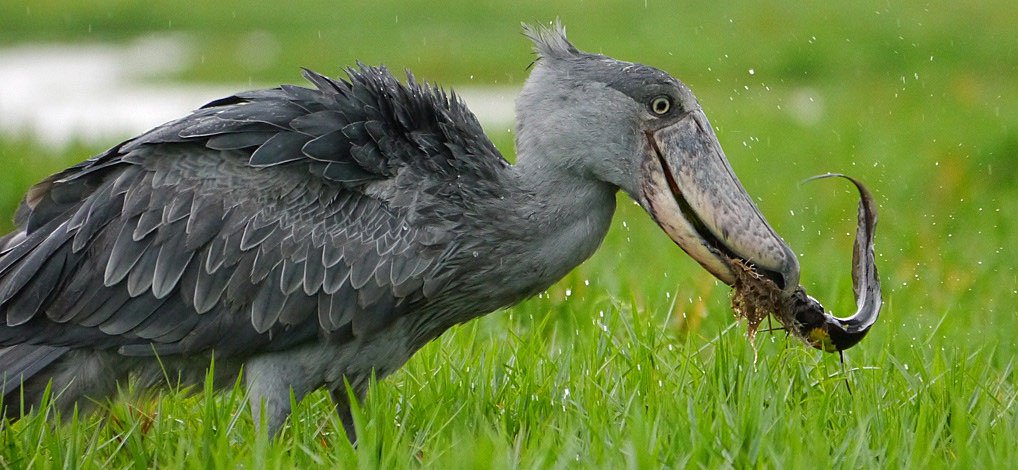
Why Bird Watching Uganda Is So Rewarding
Uganda sits where several major African ecological regions meet. Montane forests along the Albertine Rift hold localized species; Semuliki brings Central African lowland-forest influence into East Africa; northern and eastern landscapes add dry-country birds; lakes, rivers and papyrus swamps create outstanding wetland birding. This is why a serious Uganda birding safari can change character dramatically from one day to the next. A traveler does not simply visit more parks; each stop adds a different ecological layer.
For casual birders, the attraction is accessibility. Many striking species are visible around lodges, roadsides, boat channels and park tracks. For experienced listers, the appeal lies in difficult forest birds, Albertine Rift endemics and regional specialties. For photographers, large wetland birds and open-country species can provide cleaner views than dense forest targets. Bird watching Uganda therefore works for beginners, photographers and dedicated birders, provided the daily pace matches the traveler’s goals.
Another advantage is the ease of combining birds with mammals. A morning searching woodland can lead into an afternoon game drive, while western routes can combine forest birding with chimpanzee or gorilla trekking. Travelers comparing birding tours in Uganda should check how much time is genuinely reserved for birding; a general safari with occasional bird stops feels very different from a specialist itinerary that starts early, waits for calls and revisits productive habitats.

11 Best Birding Spots in Uganda for a First or Specialist Trip
The best birding spots in Uganda are not interchangeable. Mabamba is about wetlands and the Shoebill; Bwindi is about montane forest and Albertine Rift specialties; Semuliki adds lowland forest; Queen Elizabeth and Murchison combine birds with big-game landscapes; Kidepo adds dry-country variety. The most satisfying route chooses sites because they complement one another rather than because they appear on a generic checklist.
1. Mabamba Bay: Shoebill Bird Watching Near Entebbe
Mabamba Bay is the obvious first answer for travelers asking where to see a Shoebill without committing to a long overland journey. The wetland lies on the Lake Victoria system and is explored by small boat through papyrus channels. Early outings are popular because light, temperature and bird activity can be favorable. Shoebill bird watching is the headline objective, but the wetland also rewards attention to kingfishers, jacanas, herons, egrets, weavers and papyrus-associated birds.
A Mabamba visit fits neatly at the start or end of bird watching Uganda because Entebbe is the main international gateway. Allow enough time for the boat excursion rather than squeezing it between flights. A local bird guide is valuable not only for locating the Shoebill but also for identifying calls and smaller wetland species that a visitor can easily overlook. Wildlife is never guaranteed, so treat the excursion as wetland birding with a high-priority target rather than a single-species photo stop.
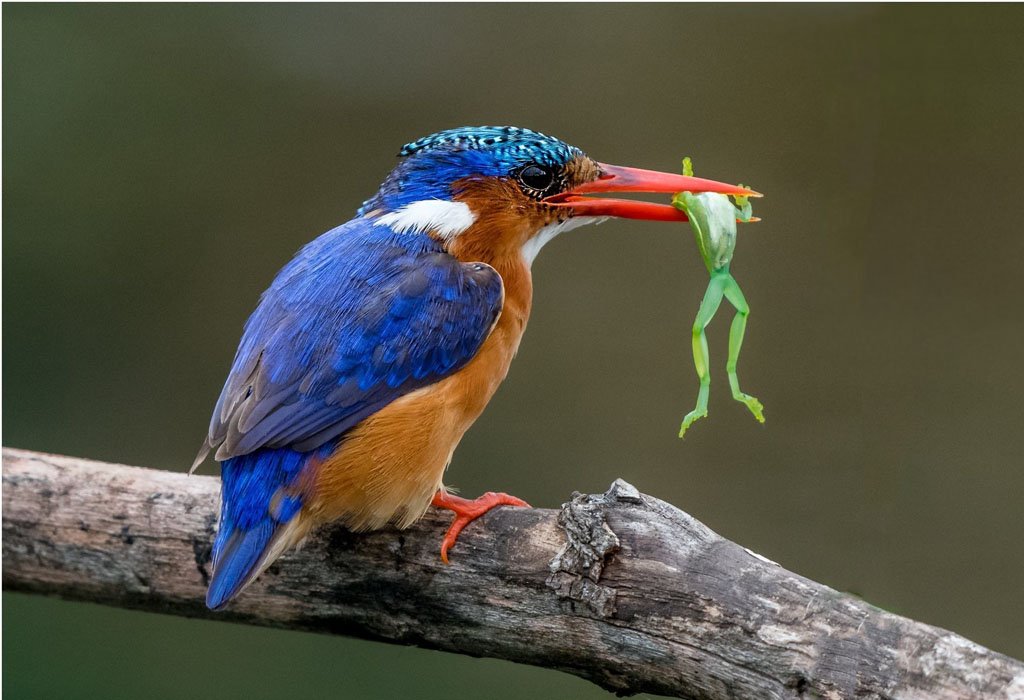
2. Bwindi Impenetrable Forest: Albertine Rift Specialties
Bwindi is central to a specialist Uganda birding safari because its elevation changes, mature forest and Albertine Rift setting create a very different list from the lowlands. Birding can be slow and demanding: views may be brief, trails can be steep, and mixed feeding flocks can move quickly. That difficulty is part of the appeal. A knowledgeable guide who recognizes calls is especially important in dense forest where sound often reveals a bird before sight does.
Ruhija and other forest sectors are frequently included in birding plans, and longer stays improve the chance to work different elevations and trails. Bird watching Uganda in Bwindi can also be combined with gorilla trekking, but avoid assuming both activities have the same rhythm. Gorilla trekking is permit-led and group-based; birding is usually slower, quieter and more flexible. If birds are the priority, protect full birding mornings rather than filling every day with additional activities.
3. Semuliki National Park: Congo-Basin Forest Influence
Semuliki appeals to birders who want species associated with Central African lowland forest at the eastern edge of their range. The environment feels distinct from Bwindi: warmer, lower and influenced by the Congo Basin. This makes Semuliki strategically important on longer birding tours in Uganda, especially for visitors trying to expand a national list beyond the better-known western circuit.
Forest birding here rewards patience, quiet movement and realistic expectations. Some targets are heard more often than seen, and weather can affect trails. A two-night or longer stop is more sensible than a rushed detour when specialist birds matter. Pairing Semuliki with Kibale can create a strong forest sequence before continuing to Queen Elizabeth or Bwindi.
4. Queen Elizabeth National Park and the Kazinga Channel
Queen Elizabeth is one of the best birding spots in Uganda for travelers who want high diversity without giving up classic safari scenery. Open grassland, crater areas, woodland, wetlands and the Kazinga Channel create many birding opportunities. Boat time is particularly useful because waterbirds can often be watched at close range while hippos, buffalo and other mammals share the shoreline.
A bird-focused day should not be planned exactly like a predator-focused game drive. Ask the guide to stop for larks, lapwings, raptors, storks and smaller roadside birds rather than racing between mammal sightings. The park works especially well in a mixed-interest group because non-birders still have abundant wildlife to watch while the birder studies the edges of channels, grasslands and thickets.
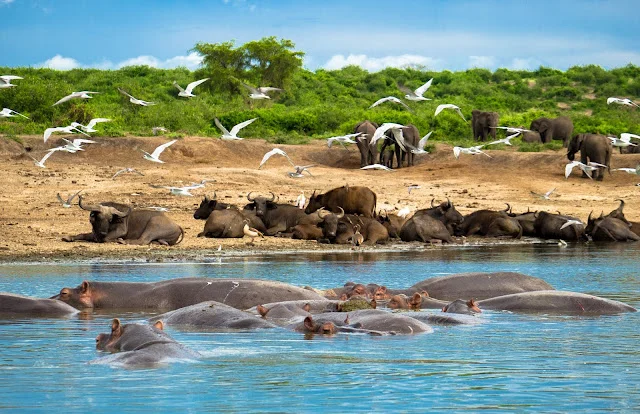
5. Murchison Falls National Park and the Nile
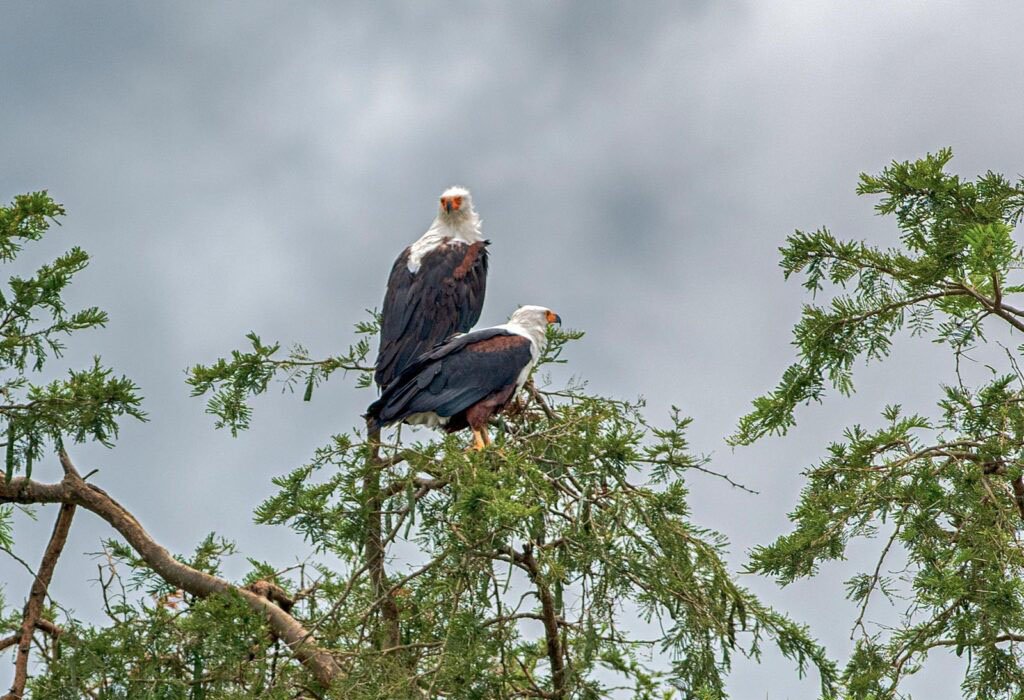
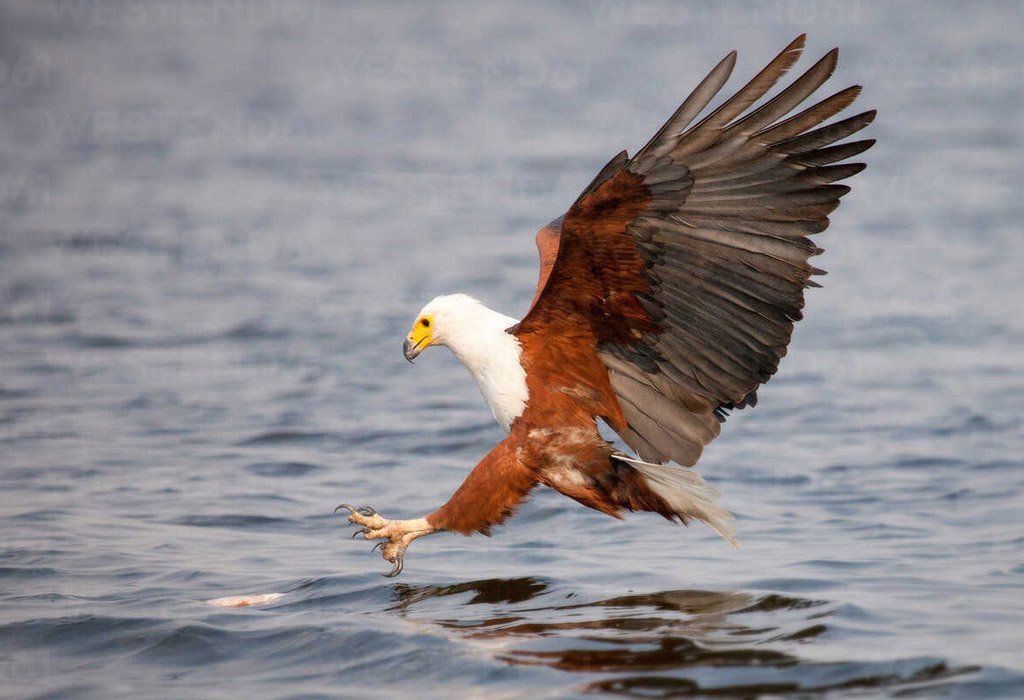
Murchison combines river, savannah, woodland and escarpment habitats on a large scale. Boat trips on the Nile add fish eagles, kingfishers, herons, storks and other water-associated species, while game-drive areas bring raptors and open-country birds. Some itineraries also connect the park with nearby forest birding, making the region useful for travelers who want several habitats without changing accommodation every night.
For bird watching Uganda, Murchison deserves more than a quick waterfall stop. Build time for an early game drive, a river or delta-focused boat experience where appropriate, and slower roadside birding. The park’s size means transfer times matter; choosing the right lodge area can preserve valuable dawn and late-afternoon birding hours.
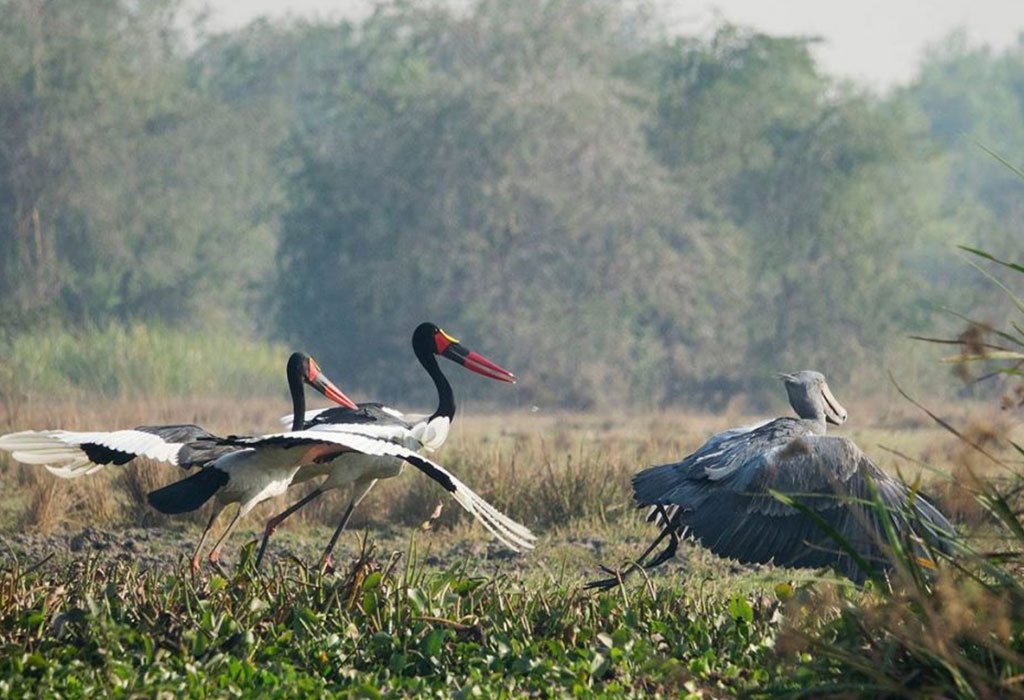
6. Budongo Forest and the Royal Mile
Budongo is famous among birders for forest habitat and the Royal Mile, a broad forest road that can make observation easier than on narrow, enclosed trails. Bird watching in Budongo Forest Reserve is often paired with Murchison Falls, creating an efficient forest-plus-savannah combination. This is an excellent example of why route design matters: two nearby areas can deliver very different bird communities.
Early starts help because forest activity can be strongest before the day heats up. Spend time listening, scanning fruiting trees and following mixed flocks rather than trying to cover distance quickly. A specialist guide can turn apparently quiet forest into a sequence of calls, movement and identification clues.
7. Kibale Forest and Bigodi Wetland
Kibale is best known internationally for chimpanzees, but birders value the forest and nearby wetland habitats as well. Bigodi adds community-guided wetland and forest-edge birding, while Kibale offers taller forest and specialist targets. This combination works well for travelers who want an Uganda birding safari that includes primates without making birds an afterthought.
If a particular forest species is a priority, reserve a dedicated birding session instead of assuming it will appear during chimpanzee tracking. The two activities use different search strategies. Birders benefit from slow walking, listening and waiting; primate tracking follows the movements of a habituated community. Combining both is rewarding when each receives enough time.
8. Lake Mburo National Park
Lake Mburo is compact and conveniently placed on the southwestern route, making it useful between Entebbe or Kampala and the deeper western circuit. Acacia woodland, lakeshore, grassland and rocky habitats add species that complement rainforest destinations. Boat birding can be productive, and the park’s manageable scale makes it attractive for shorter trips.
Travelers with limited time can use Lake Mburo to diversify bird watching Uganda without adding a major detour. It also works as a gentler final stop after demanding forest trails. A specialist itinerary should still allow dawn birding, because a single afternoon drive cannot represent the park’s full variety.
9. Kidepo Valley National Park
Kidepo is remote, dramatic and especially useful for dry-country species that are harder to add on the standard western circuit. The distance is its challenge and its value. Serious birding tours in Uganda may include Kidepo when travelers have enough days or use a flight to reduce road time. The park also offers excellent mammal scenery, making the journey appealing to mixed wildlife interests.
Because Kidepo changes the geography of an itinerary, include it deliberately. A short national trip can lose too much time to transfers, while a longer trip gains a distinctive habitat and a quieter wilderness experience. Birders pursuing a broad Uganda list often value that contrast.
10. Mgahinga and the Virunga Highlands
Mgahinga brings high-elevation forest and bamboo habitats into the route and can complement Bwindi rather than duplicate it. The Virunga landscape is especially relevant to travelers interested in montane species, scenic hiking and primates. Bird watching Uganda at altitude can involve cooler mornings, steep trails and rapidly changing weather, so layers and rain protection matter.
This region is best approached with specific target species and enough flexibility for weather. It can be combined with gorilla or golden-monkey activities, but again, protect birding time. A full morning with an experienced guide often produces a richer experience than a hurried checklist squeezed around other excursions.
11. Entebbe Botanical Gardens and Lake Victoria Shores
Entebbe is more than an airport stop. Gardens, lakeshore habitats and nearby wetlands can produce an excellent first morning, helping visitors become familiar with common East African families before entering more difficult forests. Birdwatching experience in Entebbe is also useful on the final day when a long road transfer would create unnecessary risk before an international flight.
Starting locally lets the guide assess the group’s pace, photography interests and identification level. That information can improve the rest of an Uganda birding safari. It is also a good place to practice using a field guide, recording sightings and learning common calls before the species list becomes more demanding.
Build Your Uganda Birding Route
Share your target birds, travel month, trip length and whether you want gorillas, chimpanzees or classic safari wildlife added to the route.
Best Time for Bird Watching Uganda: Seasons and Trade-Offs
Uganda offers productive birding throughout the year because resident birds form the core attraction. The practical question is not whether birds exist in a given month, but how rain, trail conditions, migrant presence, breeding behavior and regional heat affect the experience. Uganda Wildlife Authority guidance highlights late May through September as a generally favorable period with less rain in many areas, while December and January can also work well. Travelers focused on migrants often consider the November-to-April period.
Dry periods can make forest trails and unpaved roads easier, which matters on a multi-stop Uganda birding safari. Wetter periods can bring lush scenery, active breeding behavior and strong photographic color, but heavy showers may interrupt sessions and make steep forest paths muddy. There is no single perfect month for every target. Choose timing around the birds and habitats you care about most, then accept the trade-offs.
December to February: Drier Travel and Migrant Interest
December through February is popular because many routes experience relatively dry conditions and Palearctic migrants can add variety. It can be a practical window for birding tours in Uganda that combine wetlands, savannah and forest. Northern areas may become hotter as the season advances, so daily schedules should emphasize early starts and breaks during the warmest hours.
March to May: Green Landscapes and Wetter Trails
The wetter months can be excellent for committed birders who are comfortable with rain and mud. Breeding activity, vocalization and fresh vegetation can be rewarding, while visitor numbers may be lower in some places. The main cost is logistics: forest trails can become slippery and road travel may take longer. Pack waterproof protection for optics and use footwear with dependable grip.
June to September: A Strong All-Round Birding Window
Late May through September is frequently recommended for bird watching Uganda because many areas experience less rain and food remains abundant. May and June are also associated with nesting activity in key southwestern montane parks. This period suits travelers who want forest birding plus conventional wildlife viewing, although popular lodges and guides can book early.
October to November: Transition, Rain and Migrants
October and November can bring renewed rains in parts of the country while migratory species begin adding to wetland and open-country lists. For photographers, dramatic skies and green landscapes can be attractive. Build extra time into road transfers and avoid overloading each day; a flexible schedule is more resilient when showers alter the plan.
Shoebill Bird Watching: Where and How to Look
For many first-time visitors, shoebill bird watching is the single most requested experience. Mabamba is the most convenient target site because it is close to Entebbe and can be explored by small boat. Murchison’s wetland systems and other suitable swamps can also produce sightings. The bird’s size makes it memorable, but locating it still depends on habitat, water conditions, local knowledge and luck.
Choose a local guide who understands the wetland and keep expectations realistic. Approach quietly, follow boat and conservation instructions, and avoid pressuring guides to crowd a bird for photographs. A longer lens is useful, but binoculars often provide the most relaxed view. Shoebill bird watching should support careful wetland tourism rather than turn a sensitive bird into a race between boats.
Photographers should prioritize stability and behavior over proximity. Use a fast shutter speed from a moving canoe, protect equipment from spray and keep a wider focal length available for environmental portraits. If the bird is hunting, waiting quietly can be more rewarding than constantly changing position. Responsible shoebill bird watching often produces better observations because the bird remains settled.
Birds to Target on an Uganda Birding Safari
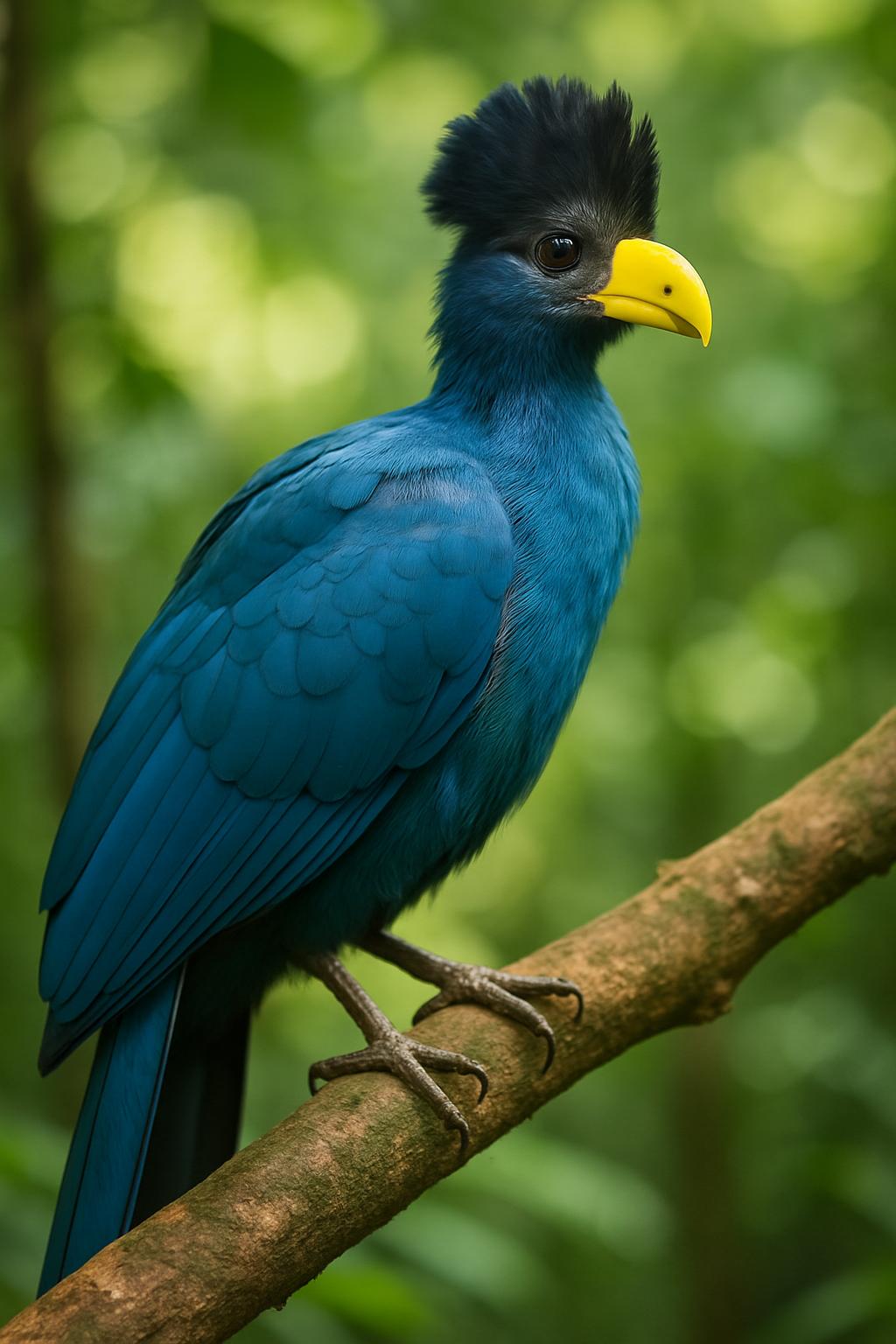
A target list should be organized by habitat, not only by fame. Wetland priorities may include Shoebill, kingfishers, jacanas, herons and papyrus specialists. Forest plans can focus on turacos, barbets, sunbirds, greenbuls, flycatchers and localized Albertine Rift species. Savannah days add bustards, lapwings, rollers, bee-eaters, hornbills and raptors. This habitat-first approach makes an Uganda birding safari easier to plan and reduces unrealistic expectations.
Albertine Rift endemics and near-endemics are a major reason experienced birders travel to southwestern Uganda. Bwindi and Mgahinga are particularly important, but target availability can vary by elevation, season and trail. Semuliki adds a different set of lowland forest birds with Central African affinities. The best birding spots in Uganda therefore depend on the list you bring: a Shoebill-focused beginner and an experienced forest birder should not follow identical routes.
How Many Days Do You Need for Birding Tours in Uganda?
A one- or two-day extension can cover Entebbe and Mabamba, giving a traveler a realistic taste of wetland birding. Five to seven days can combine Mabamba with one or two western destinations such as Lake Mburo, Kibale or Queen Elizabeth. Ten to fourteen days allows a more satisfying circuit with multiple habitats. Specialist birding tours in Uganda often run longer because serious forest birding rewards repeat sessions and remote sites require transfer time.
For a first dedicated trip, twelve to sixteen days is a useful planning range if the goal is variety rather than an exhaustive national list. A route might begin around Entebbe and Mabamba, continue through Murchison and Budongo or move southwest through Kibale and Queen Elizabeth, then finish in Bwindi and Lake Mburo. Kidepo and Semuliki require additional time if they are to be included without turning the journey into a sequence of long drives.
Do not judge an itinerary by the number of parks alone. Two nights in a destination often means only one full birding day after transfers are considered. Three nights can provide two dawn sessions and a better chance to revisit a productive trail. Bird watching Uganda is most rewarding when the schedule leaves room to stop for unexpected roadside birds instead of treating every transfer as dead time.
Sample 12-Day Bird Watching Uganda Itinerary
Days 1–2: Entebbe and Mabamba. Begin with lakeshore and garden birding, then take an early wetland excursion for shoebill bird watching. This gentle start helps visitors adjust to the time zone, learn common species and check equipment before longer drives.
Days 3–4: Murchison Falls or Budongo. Combine Nile and savannah birding with a forest session on the Royal Mile. This creates a strong contrast between water-associated species, raptors, woodland birds and forest specialists.
Days 5–6: Kibale and Bigodi. Dedicate one session to forest targets and another to wetland or forest-edge birds. Travelers who want chimpanzees can add tracking without abandoning the birding focus.
Days 7–8: Queen Elizabeth National Park. Use a slow game drive for open-country birds and a Kazinga Channel boat trip for waterbirds. The park is one of the best birding spots in Uganda for a mixed-interest safari group.
Days 9–11: Bwindi. Give montane forest enough time. Work different trails or elevations, and add gorilla trekking only if it is a genuine priority. A specialist guide is essential for calls and fast-moving forest flocks.
Day 12: Lake Mburo or Entebbe. Break the return journey with acacia and lakeshore birding, or keep the final day near Entebbe if flight timing makes that safer. The itinerary can be expanded with Semuliki, Kidepo or Mgahinga when specific targets justify the extra travel.
Turn a Target List Into a Route
Send the birds or habitats you most want to see. A route can then prioritize the right forests, wetlands and savannahs instead of simply adding more parks.
Birding Guide, Vehicle and Daily Pace
Guide quality has an outsized effect on bird watching Uganda. A specialist guide recognizes calls, knows seasonal feeding areas, understands which trails match particular targets and can judge when to wait rather than move. Ask whether the guide regularly leads dedicated birders, not simply general wildlife safaris. For advanced birders, discuss target species before arrival so the route and local site guides can be coordinated.
A private vehicle is especially useful for a Uganda birding safari because birders stop frequently and unpredictably. Roof configuration matters less than visibility, easy entry and enough space for optics. On forest days, much of the work is on foot, while wetlands may require boats. Build the itinerary around the actual observation method in each habitat.
Daily pace should be front-loaded. Dawn and the early morning are often productive, followed by a slower midday period and another session in the late afternoon. Forest conditions can differ, and some target species have their own activity patterns. Birding tours in Uganda should therefore avoid rigid sightseeing schedules that force every day into the same template.
Bird Photography in Uganda
Uganda can be excellent for bird photography, but forest and wetland photography require different techniques. In forest, higher ISO settings and image stabilization help with low light, while a lens that focuses quickly is valuable when birds move through foliage. In open habitats, heat shimmer can reduce detail at long distances, so moving closer legally and waiting for better light often beats extreme cropping.
Ethics matter more than the image. Avoid excessive playback, do not block nests, follow ranger instructions and never ask a driver or boat operator to push closer than site rules allow. The best birding spots in Uganda remain productive because habitat and bird behavior are respected.
What to Pack for Bird Watching Uganda
Bring binoculars you can use comfortably for hours; 8×42 or 10×42 formats are common choices because they balance magnification, field of view and light gathering. Add a field guide or trusted birding app, notebook or digital checklist, spare batteries, a power bank and enough memory cards. A small daypack keeps optics, water and rain protection accessible without becoming cumbersome on forest trails.
Clothing should be practical rather than elaborate: neutral lightweight layers, long trousers, a light warm layer for highland mornings, a hat and reliable rain shell. Closed walking shoes or boots with grip are important in Bwindi, Kibale, Semuliki and other forests. Pack dry bags or waterproof covers for cameras and binoculars. Insect protection and sun protection are useful across the route.
For a specialist Uganda birding safari, small details improve long days: a lens cloth, compact umbrella, reusable water bottle, headlamp, backup charging cable and simple first-aid supplies. Check domestic flight baggage rules before bringing large camera cases. If gorilla trekking is included, confirm the separate clothing and equipment recommendations for that activity.
Bird Watching Uganda Costs: What Changes the Price?
There is no single meaningful daily price because trip style changes the budget. The biggest variables are private versus shared transport, accommodation level, trip length, domestic flights, park and activity fees, specialist guiding and the number of remote destinations. A short Mabamba extension is very different from a three-week Uganda birding safari covering Kidepo, Semuliki and the southwest.
To compare quotes, ask for the same inclusions: vehicle and fuel, guide, local site guides, boat trips, park entry, accommodation, meals, airport transfers and any primate permits. Birding tours in Uganda can look inexpensive until specialist guiding or boat excursions are added separately. Conversely, a higher headline price may already include those items.
The most effective way to control cost is route efficiency. Choose neighboring habitats that add new birds, stay long enough to use each destination properly and avoid unnecessary backtracking. Spending less on a distant detour that contributes few priority species is better than simply choosing cheaper lodges everywhere.
Combining Bird Watching with Gorillas, Chimpanzees and Wildlife
Uganda is particularly strong for travelers who do not want a bird-only holiday. Bwindi can combine Albertine Rift birding with gorilla trekking; Kibale can pair forest birds with chimpanzees; Queen Elizabeth and Murchison add game drives and boat safaris. The key is to protect dedicated birding sessions rather than assuming birds will automatically be covered during mammal activities.
For couples or families with mixed interests, use destinations that satisfy both sides. Queen Elizabeth gives the birder channels, grasslands and raptors while other travelers watch elephants and hippos. Murchison does the same along the Nile. A Uganda birding safari can therefore be designed as a shared wildlife journey with specialist mornings rather than a compromise that frustrates everyone.
Frequently Asked Questions About Bird Watching Uganda
Is Uganda good for first-time birders?
Yes. Bird watching Uganda works well for beginners because colorful, large and distinctive species occur in accessible wetlands, gardens, savannahs and waterways. A specialist guide can teach families and identification skills while still pursuing memorable targets. Beginners should avoid an itinerary that is too ambitious; fewer habitats with more observation time usually creates a better introduction.
Where is the easiest place for shoebill bird watching?
Mabamba Bay is the most convenient choice for many international visitors because it is close to Entebbe and explored by boat. Shoebill bird watching can also be included in other wetland regions, but Mabamba fits easily into arrival or departure logistics. No wild sighting should be treated as guaranteed.
What are the best birding spots in Uganda for forest birds?
Bwindi, Budongo, Kibale and Semuliki are major forest choices, with Mgahinga adding high-elevation habitat. The best birding spots in Uganda for a particular traveler depend on target species: Albertine Rift priorities point strongly toward the southwest, while Congo-basin specialties make Semuliki important.
Can I combine gorilla trekking with an Uganda birding safari?
Yes. Bwindi is a natural place to combine the two, and Mgahinga can also fit some routes. Keep the gorilla permit day separate from serious birding and add enough nights for dedicated forest sessions. An Uganda birding safari loses its specialist value if every dawn is consumed by transfers or other activities.
Do birding tours in Uganda require a specialist guide?
A general wildlife guide can identify many common birds, but birding tours in Uganda become much more productive with a specialist who knows calls, microhabitats and local target sites. This is especially important in dense forest, where many birds are detected by sound before they are seen.
Is bird watching Uganda possible all year?
Yes. Resident birds make bird watching Uganda worthwhile year-round, but rain, heat, migrant presence and trail conditions change the character of a trip. Late May through September and parts of December to February are often practical windows, while wetter months can still be highly productive for experienced birders prepared for changing conditions.
Plan a Better Uganda Birding Safari
Start with a target list, not a park list. Decide whether the trip is primarily about Shoebill, Albertine Rift endemics, a broad national list, photography, mixed wildlife or a first taste of African birding. Then select habitats that serve those priorities. This simple step prevents a Uganda birding safari from becoming a long drive between famous names.
Next, protect time. Stay long enough for at least two productive sessions in the most important forests, schedule wetland boats when light and bird activity are favorable, and keep the final day logistically sensible around Entebbe. Bird watching Uganda rewards travelers who are willing to wait, listen and revisit a trail.
Finally, choose guiding and transport around the way birders actually travel. Early starts, frequent roadside stops, slow forest walks and flexible meal times are not inconveniences; they are the structure of the experience. When the route, season and guide all match the target list, birding tours in Uganda can move naturally from papyrus wetlands to rainforest, savannah and highlands while still leaving room for the unexpected sighting that becomes the trip’s defining memory.
Ready to Plan Bird Watching Uganda?
Share your travel dates, target birds, group size and preferred comfort level for a route built around the habitats that matter most.


