Bird Watching in Kenya: when guides Reveal hidden locations

Bird Watching in Kenya: When Local Guides Reveal Their Private Locations
Kenya is one of the best destinations in the world for bird watching. With over 1,000 species of birds, diverse ecosystems, and breathtaking landscapes, this East African country offers endless opportunities for birding enthusiasts. However, what makes bird watching in Kenya truly unique is the local guides who reveal private locations unknown to most visitors. These experts possess deep knowledge of their environment, gained through years of observation and interaction with nature. Here, we share how local guides can transform your bird-watching experience in Kenya.
How Local Guides Changed My Bird-Watching Experience in Kenya
Meeting My First Kenyan Bird Guide
My journey into bird-watching in Kenya began at Lake Naivasha, where I met my first local guide, Jason. Eager to spot the iconic African fish eagle, I quickly realized that Jason had much more to offer than just a simple tour. As we strolled along the lake’s edge, he shared fascinating stories about the birds’ behaviors, mating calls, and feeding habits. His keen observation skills allowed him to point out various species that I would have easily missed, such as the vibrant lilac-breasted roller and the elusive papyrus gonolek. Jason’s insights transformed my understanding of Kenya’s rich avian diversity, making each sighting a memorable experience.
The Difference Between Tourist Spots and Local Knowledge
While renowned birding locations like Maasai Mara and Lake Nakuru are popular among tourists, they often come with crowds that can detract from the experience. In contrast, local guides have access to lesser-known spots that are not highlighted in typical guidebooks or tour brochures. These hidden gems are often tranquil and abundant with birdlife. With Jason’s guidance, I discovered serene locations where flamingos congregate undisturbed and lush woodlands filled with the melodic calls of the African emerald cuckoo. This off-the-beaten-path exploration allowed for a more intimate connection with nature.
Building Trust with Local Experts
The relationship I formed with Jason extended beyond mere bird-watching; it was about cultural exchange and mutual respect. Local guides like Jason possess not only birding expertise but also a profound understanding of their environment and cultural heritage. Spending time with him offered me insights into traditional knowledge and a deeper appreciation for the natural world around us. This connection not only enriched my birding experience but also underscored the importance of sustainable tourism practices that support local communities.
Secret Bird Watching Locations Only Locals Know
Hidden Spots Around Lake Nakuru
Lake Nakuru is renowned for its stunning flamingo populations, but just beyond its picturesque shores lie hidden trails and forests that only local guides are familiar with. These secluded areas are home to a diverse array of bird species, including the majestic great white pelican, the vibrant African pygmy kingfisher, and the elusive narina trogon. Guided by a local expert, I explored these lesser-known zones, far removed from the bustling crowds, allowing for a truly intimate bird-watching experience.
Unexplored Areas in the Great Rift Valley
The Great Rift Valley is a birding haven, yet some of its most remarkable secrets are found in its lesser-known locales. Local guides can lead you to isolated cliffs where Verreaux’s eagles nest or to wetlands that teem with the rare white-backed night heron. These hidden gems often remain inaccessible without the expertise of someone who knows the terrain intimately, making them perfect for dedicated bird watchers seeking unique sightings.
Private Farmlands and Community Conservancies
Private farmlands and community conservancies serve as treasure troves for bird enthusiasts. These areas typically remain off-limits to tourists unless accompanied by a local guide. During one memorable trip, I ventured into a community conservancy where I was thrilled to spot rare species such as the Abyssinian ground hornbill and the striking grey crowned crane. Local communities take immense pride in protecting these habitats, ensuring that every visit not only enhances your bird-watching experience but also supports vital conservation efforts.
By exploring these secret locations with knowledgeable local guides, bird watchers can uncover the rich avian diversity that Kenya has to offer while contributing to sustainable tourism and conservation initiatives.
Best Times to Visit According to Local Knowledge
Traditional Weather Reading Methods
Local guides in Kenya employ traditional methods for predicting weather conditions, which significantly enhance bird-watching experiences. By observing the behaviors of animals, insects, and plants, they can accurately forecast impending rain or dry spells. For example, the migration patterns of birds and the flowering cycles of specific plants serve as indicators of seasonal changes. This indigenous knowledge is invaluable for planning successful birding trips, and ensuring that visitors are in the right place at the right time.
Seasonal Migration Patterns Only Locals Track
Kenya is a vital stopover for numerous migratory birds that follow distinct seasonal patterns. Local guides possess an intimate understanding of these migrations, allowing them to help visitors spot species such as the European roller and the Amur falcon at optimal times and locations. Their insights into when and where these birds are likely to appear ensure that bird watchers do not miss these fleeting opportunities, enriching the overall experience.
Optimal Viewing Hours Based on Local Experience
Bird activity fluctuates throughout the day, and local guides are well-versed in the best times to observe specific species. Early mornings are often ideal for spotting raptors as they hunt, while evenings are prime for witnessing nightjars in action. By leveraging their local experience, guides maximize sightings and enhance the bird-watching adventure, making each outing more rewarding.
Incorporating local knowledge about weather predictions, migration patterns, and optimal viewing times can dramatically improve bird-watching experiences in Kenya. By relying on the expertise of local guides, visitors can enjoy a more fulfilling and successful birding journey while also supporting sustainable tourism practices that benefit local communities.
Essential Tips from Kenya’s Expert Bird Guides
Local Techniques for Spotting Rare Species
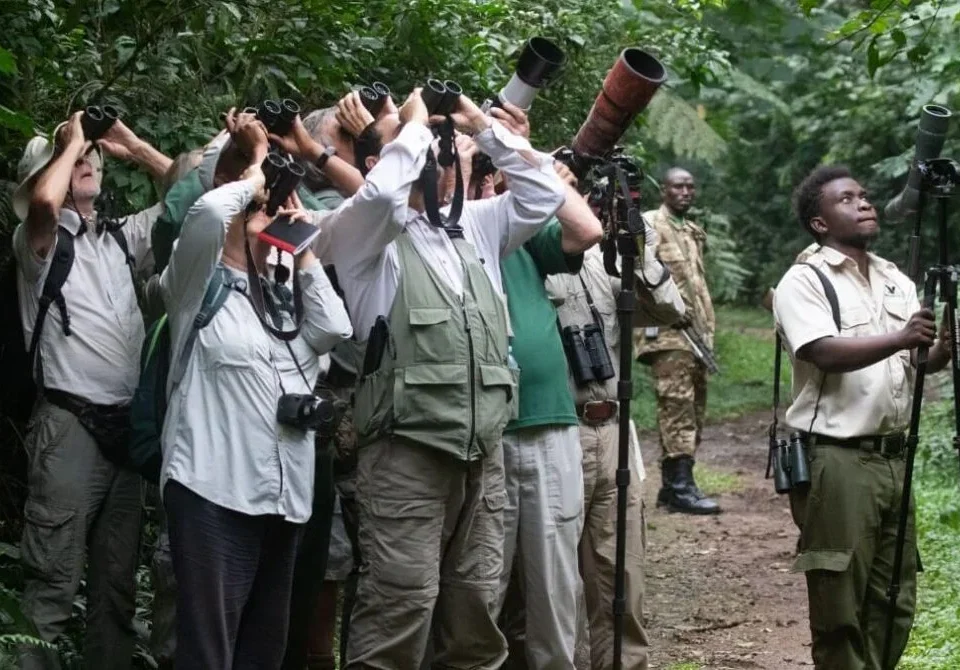
Kenyan bird guides utilize techniques that have been passed down through generations to locate rare birds effectively. These methods include mimicking bird calls and identifying nesting sites, showcasing their unmatched skills in the field. One guide demonstrated how to use subtle movements to approach shy birds without startling them, a technique that significantly enhances the chances of a successful sighting.
Traditional Tracking Methods
Bird tracking extends beyond mere visual observation; local guides employ a variety of sensory cues, including sounds, footprints, and droppings, to locate bird species. These traditional tracking methods foster a deeper connection to nature and greatly increase the likelihood of encountering elusive species. By honing these skills, guides provide bird watchers with an enriched experience that emphasizes the importance of understanding wildlife behavior.
Communication with Local Communities
Collaboration with local communities is a cornerstone of effective bird-watching in Kenya. Local guides often engage with farmers and herders who share valuable information about recent bird sightings and activities. This network of knowledge not only enhances each birding trip but also strengthens community ties, ensuring that visitors benefit from the collective wisdom of those who live in harmony with nature.
Additional Tips for Bird-Watching Success
- Research Local Species: Familiarize yourself with the diverse bird species found in Kenya. Understanding their behaviors and habitats can greatly improve your spotting success.
- Use Quality Binoculars: A good pair of binoculars is essential for observing birds at a distance. Ensure you have a reliable set to enhance your viewing experience.
- Be Patient and Observant: Bird-watching requires patience. Take your time to observe your surroundings quietly, as many birds are easily frightened.
- Plan Your Visits: Identify specific locations known for certain species and plan your visits accordingly. Timing your trip with seasonal migrations can lead to spectacular sightings.
By incorporating these expert tips from local guides, bird watchers can enhance their experiences in Kenya’s rich avian landscape while supporting sustainable tourism practices that benefit both wildlife and local communities.
How to Connect with Authentic Local Bird Guides
Finding Legitimate Local Experts
To connect with authentic local bird guides, consider partnering with reputable tour companies such as Safari Vacations & Travel Services or Birdwatching Kenya. These organizations prioritize pairing you with knowledgeable and trustworthy guides who are committed to ensuring your safety and satisfaction.
Building Meaningful Relationships
Investing time in getting to know your guide can significantly enhance your bird-watching experience. Show genuine interest in their culture, ask insightful questions, and respect their local knowledge. This mutual engagement fosters a connection that not only makes the experience more enjoyable but also enriches your understanding of the local environment and its avian inhabitants.
Fair Compensation and Mutual Respect
Fairly compensating your guide is crucial. Their expertise, time, and dedication are invaluable, and providing fair pay ensures they can continue sharing their knowledge while supporting their families. This practice of mutual respect helps cultivate a positive and lasting relationship, encouraging guides to invest even more in your experience. Many local guides, such as those affiliated with community organizations like the Dawida Biodiversity Conservation Organisation, emphasize the importance of fair compensation for their services.
Additional Tips for Connecting with Local Guides
- Research Local Communities: Learn about the communities where you will be birding. Understanding their culture can enhance your interactions with guides.
- Seek Recommendations: Ask fellow bird watchers or online forums for recommendations on trusted local guides who have a proven track record.
- Participate in Community-Based Tours: Engage in tours organized by local communities. These often provide a more authentic experience while supporting local conservation efforts.
By following these steps and leveraging local knowledge, you can create meaningful connections with authentic bird guides in Kenya, enriching your bird-watching adventures while contributing to sustainable tourism practices.
Local Guide Safety Tips for Bird Watching in Kenya
Understanding Wildlife Behavior Through Local Eyes
Kenyan guides possess an in-depth understanding of wildlife behavior in birding areas, which is crucial for ensuring your safety. They can identify signs of nearby predators and alert you to potential dangers, allowing you to focus on bird-watching with peace of mind. For instance, they know when certain birds are nesting or feeding, which can indicate the presence of larger predators nearby.
Navigation Techniques Used by Local Guides
Local guides can navigate challenging terrains, from dense forests to rocky escarpments. Their intimate knowledge of the land helps prevent you from getting lost and ensures safe passage to the best birding spots. They can also provide insights into the safest paths to take and areas to avoid, enhancing both your safety and bird-watching experience.
Emergency Protocols Based on Traditional Knowledge
In the unlikely event of an emergency, local guides rely on traditional knowledge and skills to manage the situation effectively. Whether it’s sourcing water in arid conditions or signaling for help, their expertise is invaluable for ensuring your safety. Many guides are trained in first aid and are familiar with local flora that can be used for medicinal purposes.
Additional Safety Tips for Bird Watching
- Follow Your Guide’s Instructions: Always adhere to your guide’s advice regarding appropriate behavior around wildlife. This includes keeping noise levels low and avoiding feeding or approaching animals.
- Dress Appropriately: Wear neutral-colored clothing that blends with the environment, and choose sturdy footwear suitable for various terrains. Avoid bright colors or noisy fabrics that could disturb wildlife.
- Stay Hydrated and Prepared: Carry plenty of water, especially in warmer months, and be prepared for changing weather conditions by packing a light rain jacket and warm layers for cooler evenings.
- Be Aware of Your Surroundings: Stay alert for signs of wildlife activity, such as tracks or droppings, which can indicate the presence of birds or other animals nearby.
- Plan Your Outings Wisely: Bird activity tends to peak during early mornings and late afternoons. Schedule your bird-watching excursions accordingly to maximize sightings.
By following these safety tips and leveraging the expertise of local guides, you can enjoy a secure and fulfilling bird-watching experience in Kenya’s breathtaking landscapes while contributing to responsible tourism practices.
Conclusion
Bird watching in Kenya is a magical experience, made even more special by the involvement of local guides. Their knowledge, hospitality, and access to secret locations transform a simple birding trip into an unforgettable adventure. At Safari Vacations & Travel Services, we connect you with incredible guides to ensure your birding experience in Kenya is both enriching and sustainable. Trust us to make your bird-watching dreams come true in the heart of Africa’s wilderness.