Ajai Wildlife Reserve Uganda

Ajai Wildlife Reserve, Uganda, hides quietly in the northeastern part of the country. It sits along the western banks of the Nile River in Arua District and covers 166 square kilometers. Though small in size, this reserve holds a wealth of natural beauty that few places in Uganda can match. Open savannahs stretch wide across the land, while green swamps hug the riverbanks and thick woodlands offer shade and shelter. Together, these landscapes create a rich and living world that rewards every visitor who steps inside.
A History Built on Pride and Protection of Ajai Wildlife Reserve, Uganda
A Chief Who Stood Guard Over the Land
The story of Ajai begins in the colonial era, when authorities set up the area as a sanctuary to guard its natural resources. A powerful local chief, known simply as Ajai, took charge of the land and watched over it with great care and pride. He made clear rules against poaching and encroachment, especially on the central island. As a result, the wildlife and habitats remained safe under his watchful eye. His leadership left a lasting mark on the land, and his name still lives on in the reserve today.
A Protected Zone That Caught the World’s Attention
In 1937, Chief Ajai made a bold and important decision. He officially declared the area a protected zone and put firm rules in place to keep the wildlife safe. His efforts helped the reserve thrive for many years. The world took notice of Ajai even earlier, when former American President Theodore Roosevelt visited in 1910 for a hunting expedition. That high-profile visit helped put the reserve on the global map and gave it a level of international recognition that few small reserves in Africa enjoy.
From Sanctuary to Full Game Reserve
After Chief Ajai passed away in 1965, the government stepped in and raised the sanctuary to the status of a full game reserve. The main goal at that time was to protect the rhinoceros populations living within the reserve. This upgrade showed how much value the government placed on the land and its animals. It also marked a new chapter in the long story of conservation at Ajai. Since then, the reserve has continued to grow and adapt, even as new challenges have tested its strength.
Three Landscapes, One Stunning Reserve
The landscape of Ajai is one of its most striking features. Three main types of terrain cover the reserve: woodlands, open savannah plains, and swamps. Each habitat plays a key role in supporting the wide variety of wildlife that calls the reserve home. The woodlands give shade and cover to smaller animals and birds. Meanwhile, the open plains offer wide spaces where larger animals move freely and feed. In addition, the swamps create a rich, wet world that supports water-loving species and adds depth to the reserve’s overall biodiversity.
This mix of habitats means that visitors can enjoy many different types of nature in a single trip. Someone can walk through thick woodland in the morning and then ride across open savannah in the afternoon. The central island, surrounded by swamps and plains, adds a unique feature that sets Ajai apart from many other wildlife areas in Uganda. No matter where visitors go within the reserve, they always find something new to discover. That constant sense of surprise keeps people coming back again and again.
Wildlife That Thrills at Every Turn
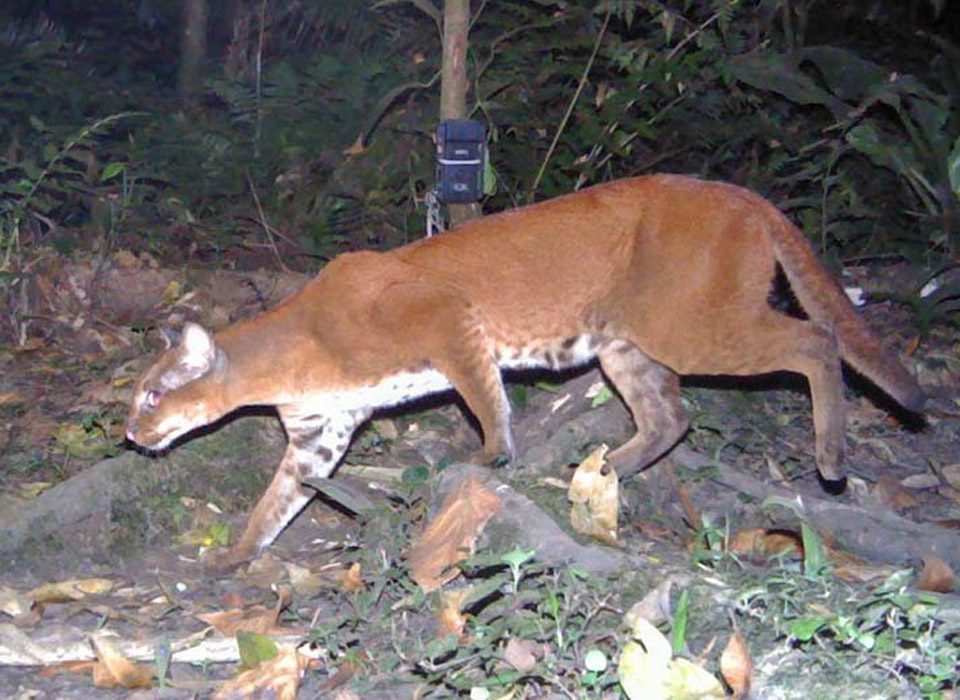
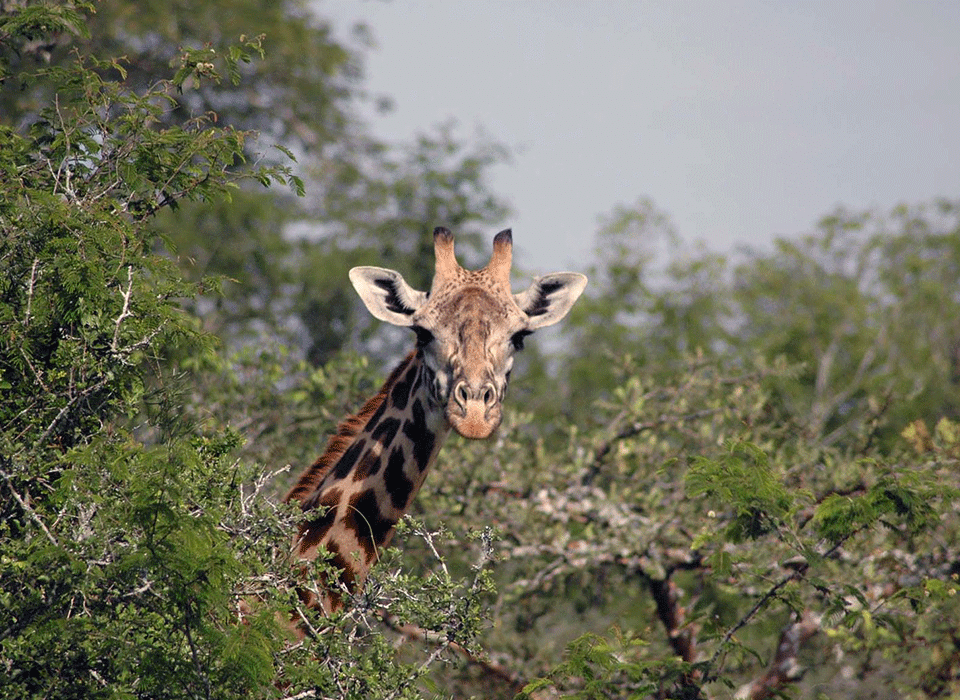
The wildlife of Ajai offers thrilling encounters at every turn. Black and white colobus monkeys swing through the trees with ease, while red monkeys and olive baboons move through the bush below. Uganda kob graze peacefully on the open plains, and large herds of buffalo cross the savannah in impressive numbers. Leopards move quietly through the woodlands, hunting with patience and skill. At the water’s edge, hippos rest in the river, and monitor lizards bask in the warm sun nearby.
The reserve also hosts a variety of reptiles. Pythons, black cobras, puff adders, and green snakes all live here and form an important part of the ecosystem. Smaller mammals like civets, foxes, bushbucks, Dik Dik, and sitatunga add even more variety to the wildlife experience. For those who love big game, the reserve supports waterbucks, hartebeest, and zebras that roam across the plains. Every game drive or nature walk brings a new and exciting encounter. The animals of Ajai never fail to put on a show.
A Sky Full of Birds
Bird lovers also find Ajai to be a true paradise. The reserve’s mix of woodlands, savannahs, and swamps creates perfect conditions for a wide range of bird species. The African Fish Eagle soars above the Nile, its cry echoing across the water in a sound that captures the spirit of Africa perfectly. Grey Crowned Cranes, Uganda’s national bird, dance gracefully across the open plains in a display that leaves visitors speechless. Marabou Storks stand tall near the swamps, while weaver birds build their detailed nests along the riverbanks. Birdwatchers can spend hours searching the trees and skies for new sightings, and Ajai rarely disappoints.
The Painful Loss of the Rhinos
One of the saddest chapters in the reserve’s history involves its rhinos. At one time, both black and white rhinos roamed freely across Ajai in healthy numbers. They were one of the reserve’s greatest treasures. However, poachers targeted the rhinos relentlessly for their horns, and human encroachment pushed further into their living space. Improved roads also made it easier for illegal hunters to enter the reserve and cause harm. As a result, rhino numbers dropped sharply over the decades, and the population collapsed.
Authorities eventually moved the last remaining rhinos to the Ziwa Rhino Sanctuary and a wildlife ranch in Nakasongola, where staff could protect them more effectively. That decision saved the animals from further harm. Nevertheless, their absence left a deep gap in the heart of Ajai that the community still feels today. Many locals and conservationists dream of the day the rhinos return to the land where they once thrived.
Challenges, Hope, and the Road Ahead of Ajai Wildlife Reserve, Uganda
The Challenges Holding the Reserve Back
Ajai Wildlife Reserve still faces real challenges today. Encroachment continues to push at the reserve’s boundaries, as some communities move into protected land for farming and settlement. This pressure threatens both the wildlife and the habitats that support them. Effective management also remains a concern, since the reserve needs trained staff, strong leadership, and steady funding to run well. Without these resources, patrolling large areas and maintaining tourism infrastructure becomes very difficult.
A Promising Partnership Brings New Hope
However, hope is growing. The Uganda Wildlife Authority has formed a partnership with Uganda Wildlife Safaris to breathe new life into the reserve. Together, they are working to improve tourism facilities, strengthen conservation efforts, and give visitors a better experience. This partnership brings fresh energy and new resources to a reserve that has long been overlooked. With the right support, Ajai can rise again and take its place among Uganda’s finest wildlife destinations.
The Dream of Bringing the Rhinos Home
The dream of bringing the rhinos back also drives much of this effort. Local communities see the return of rhinos as a symbol of pride and a path to better livelihoods. More tourists would come, businesses would grow, and jobs would be created. The Uganda Wildlife Authority shares this vision but moves carefully, knowing that a safe return requires proper funding and a solid security plan. When the rhinos finally come home, it will mark a defining moment for Ajai and for Uganda’s conservation story as a whole.
How to Get to Ajai Wildlife Reserve, Uganda
Reaching Ajai is straightforward for determined travelers. Visitors from Kampala can make the six-hour road journey through scenic countryside, arriving at the reserve refreshed and ready to explore. Those short on time can charter a flight to Arua Airstrip, which sits close to the reserve. Accommodation options range from tented camps inside the reserve to hotels in the nearby towns of Gulu and Arua. Some visitors also choose to base themselves at Murchison Falls National Park and take day trips to Ajai. The dry seasons, from December to March and June to October, offer the best conditions for game viewing and travel. For anyone who loves nature, history, or wildlife, Ajai Wildlife Reserve offers a journey that is truly worth making.